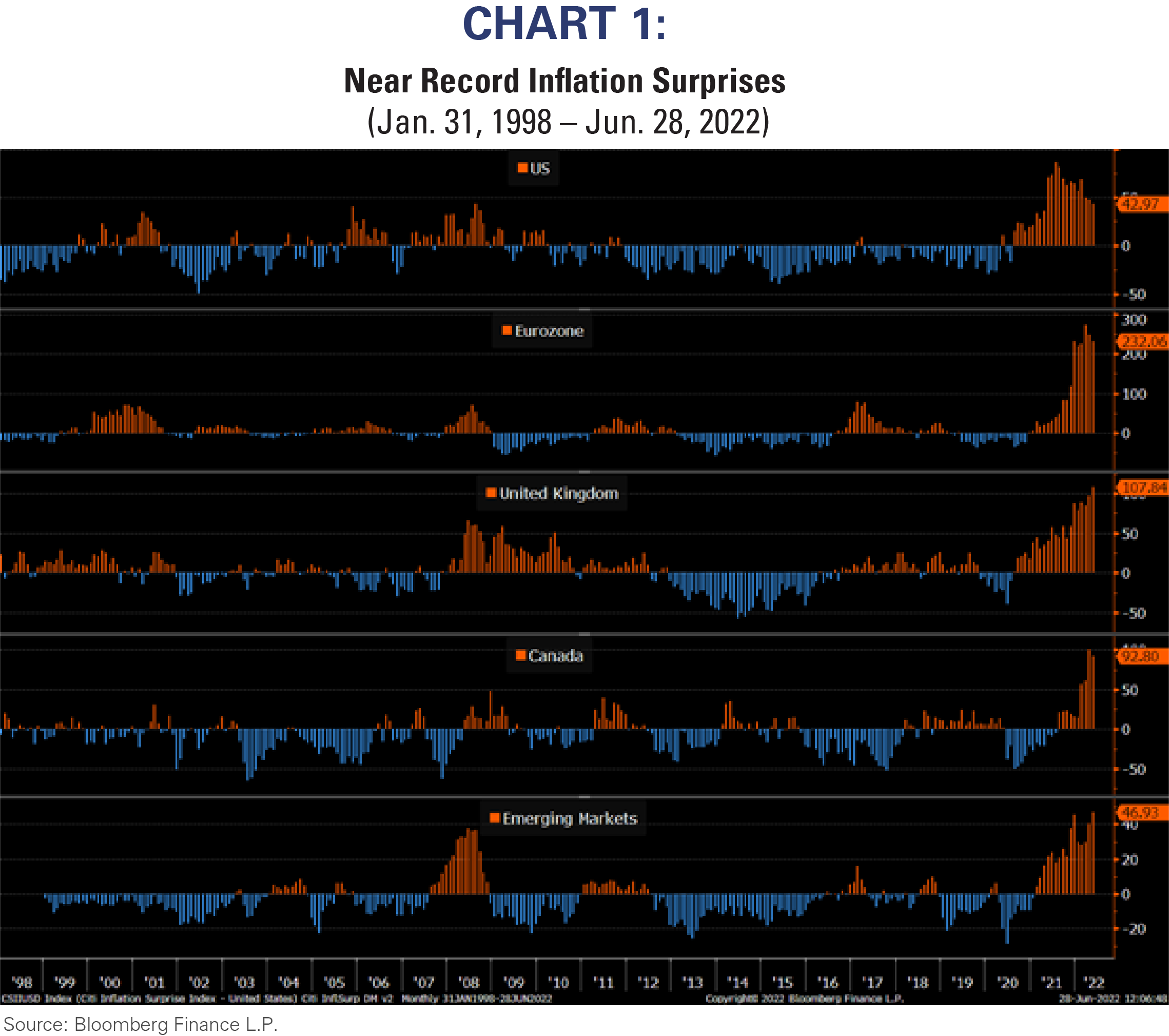
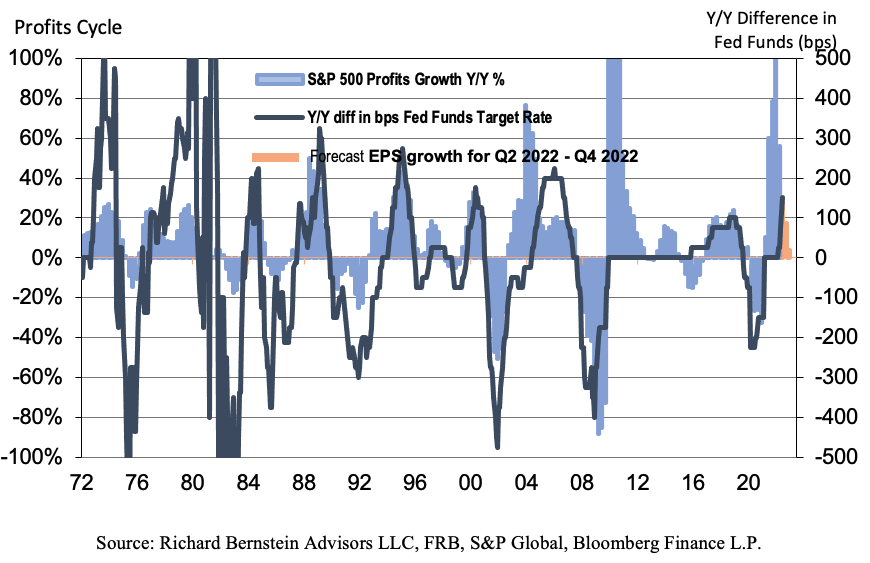
Global liquidity has tightened dramatically this year, which may be a headwind to global equity markets. However, not all central banks are tightening because not all countries have an inflation problem. Our latest research insight explains why we think Japan and China warrant a closer look.
Commodities can make for great trades, but they are often lousy investments.
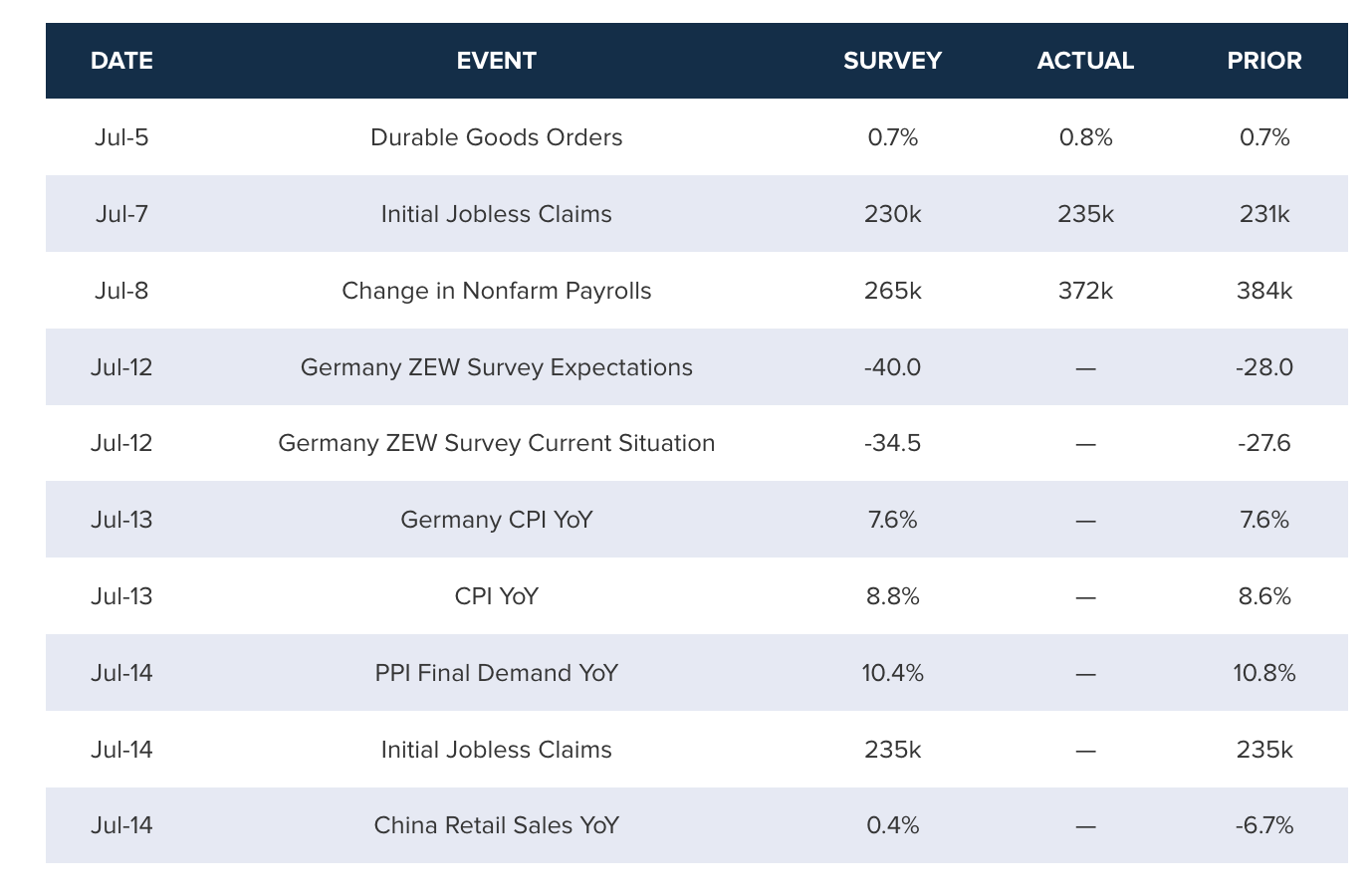
US inflation accelerated in June by more than forecast, underscoring relentless price pressures that will keep the Federal Reserve on track for another big interest-rate hike later this month.
I have a vision of a profession where the most straightforward advisors, not the coolest ones with the best spiel, rise to the top. To achieve that ideal, here are 17 ways that acting more honestly than the competition will win more clients.
Equity investors are anxious about the future after sharp market declines in the first half of 2022.
In a continuation of the first quarter, stocks and bonds struggled to find any sort of traction in the second quarter, leading to one of the roughest six-month starts to a calendar year on record.
Sri Lanka is in turmoil.
Though risks are rising, strong hiring and purchase activity suggest that the economy can keep growing.
At -20%, the first half of this year officially went down as the worst 6-month period to start the year for the stock market (as measured by the S&P 500) since 1962 when it returned -22%.
Wall Street and Washington are loudly debating whether the US economy can escape a recession -- but that monumental judgment will be made by eight eminent economists meeting quietly and far from public view.
One of the US bond market’s most widely watched indicators of potential recession risk has reached levels last seen in 2007.
Inflation continued to heat up in June, hitting a fresh pandemic peak that keeps the Federal Reserve geared for another big interest-rate hike later this month, economists project.
The decision to annuitize at age 65 may be optimal in instances of extreme longevity (age 90-95+) or if there is a prolonged environment for stocks and bonds that is as bad or worse than any conditions experienced in the historical record.
The path to lower inflation without causing a recession—the so-called “soft landing” —has been made significantly more challenging by the events of the last few months.
US power plants are poised to reap their best summertime profits in nearly two decades thanks to soaring electricity prices that are outpacing the high costs of natural gas and coal.
Some investors think the US is already in a recession. As we wrote two weeks ago and as recent data have confirmed, we don’t think that’s the case.
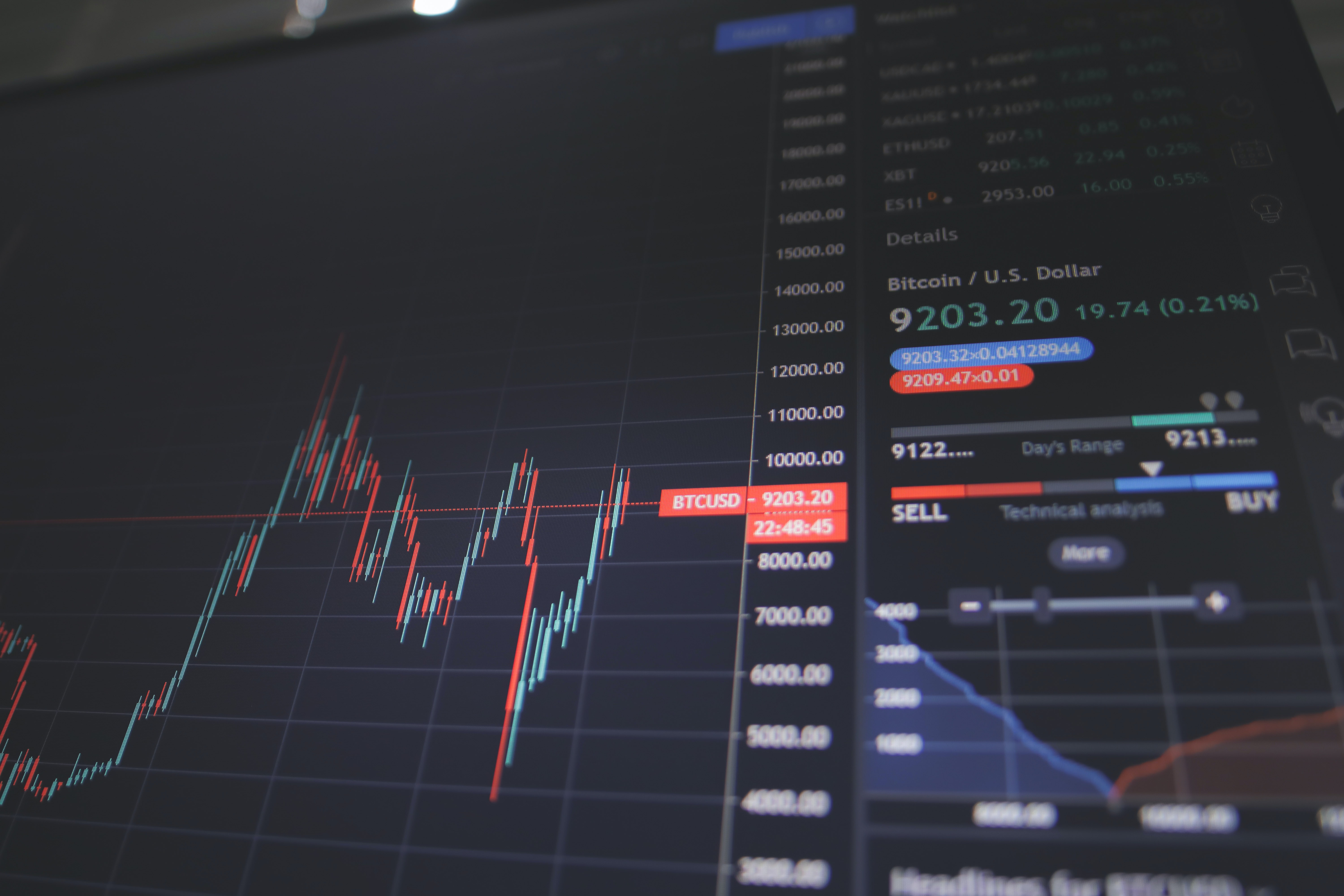
The price of bitcoin, along with other cryptocurrencies, has crashed. New legislation seeks to better inform consumers about the risks in digital assets and minimize the potential for losses by establishing a clearer regulatory framework.
Morgan Stanley picked two of its top bankers to lead the deal making group in a leadership shuffle atop one of the biggest banking franchises on Wall Street.
US corporate bonds are posting one of their worst selloffs since the financial crisis and could deteriorate further if recession predictions prove accurate.
Rather than using the traditional asset-class analysis, I have found employing a risk-factor approach particularly helpful in understanding the impact of economics and policy on markets this year.
Buying individual bonds takes more work but is usually worth it in the long run.
For the better part of the last decade, interest rates have been near zero and leverage has driven asset prices higher.
It’s a bull market for pessimism right now.
Gasoline consumers around the world, from families to businesses, have had to deal with record prices at the pump for months...
Dave Calhoun was brought in as Boeing Co.’s chief executive officer to steer it through a crisis that unfurled after the crashes of two of its 737 Max jets.
Investors are losing one of their few places of refuge in this year’s stock market plunge, as the selloff in energy shares that started last month is leaving them with nowhere to hide.
As the latest report showed, predictions of the economy’s imminent demise have been greatly exaggerated.
The economics profession has long had a vigorous academic argument over “natural” interest rates. What would rates be if we could somehow remove all the subjective actors—central banks, commercial lenders, government agencies—that conspire to set them? What would nature do if we left it alone?
Revenue above expectations, pandemic federal aid and reserves have strengthened states' financial outlook. But states will need to prepare as pandemic aid winds down and the economy slows.
Rough water is ahead, but equity markets may sail higher over the next 12 months...
Markets are slumping. Crypto has cratered. Yet one corner of the financial world continues to offer investors strong, low-risk returns: Humble I bonds.
A rally in risk assets this week is sending traders to some of the most speculative corners of the technology sector, where gains in beleaguered stocks are more than double those of Nasdaq 100’s advance.
Homebuyers may eye the sudden dip in US mortgage rates as a welcome opening. But with sellers starting to cut prices, experts say the market cooldown is just beginning.
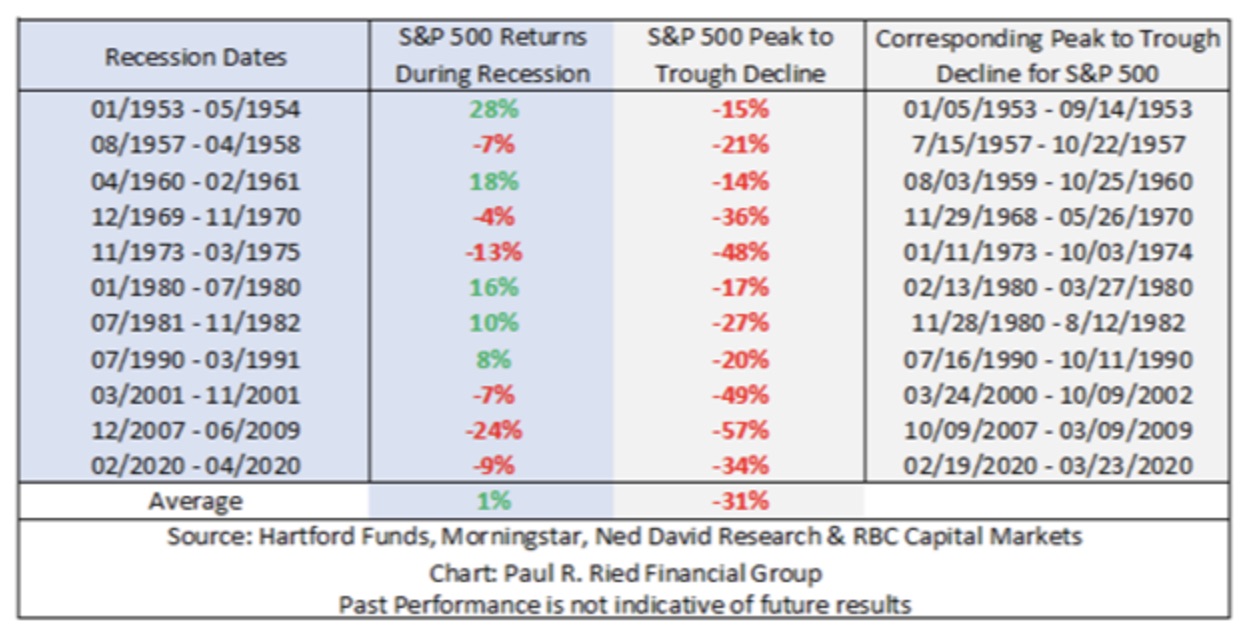
Spiking inflation, rising interest rates and growing fears of a US recession dominated global equity markets in the second quarter. While the outlook is very cloudy, it’s important to evaluate what types of strategies can help investors in an economic downturn.
While a direct indexing strategy is a great addition to an investor’s portfolio, you’ll want to ensure your clients are properly diversified and also poised to reap the benefits of active management, while recognizing that active management doesn’t generate as many tax losses as tracking the index does.
The investing world seems highly uncertain these days. Investors are understandably having trouble balancing earnings, the Fed, fiscal policy, inflation, economic growth, disease control, and geo- and US politics. Read our latest report to learn about the two certain events that are central to our current portfolio positioning.
It’s a bull market for pessimism right now. We know the list of concerns is long and includes an aggressive Federal Reserve with a spotty (and that’s putting it kindly) track record of navigating a soft landing, stagflation, ongoing China lockdowns, disrupted supply chains, overly optimistic earnings estimates, the ongoing Russia-Ukraine war, and the latest—failing crypto firms.
Markets were exceptionally volatile during the first half of 2022, foreboding poor capital market returns. Here is a quick review of nine areas of heightened risks.
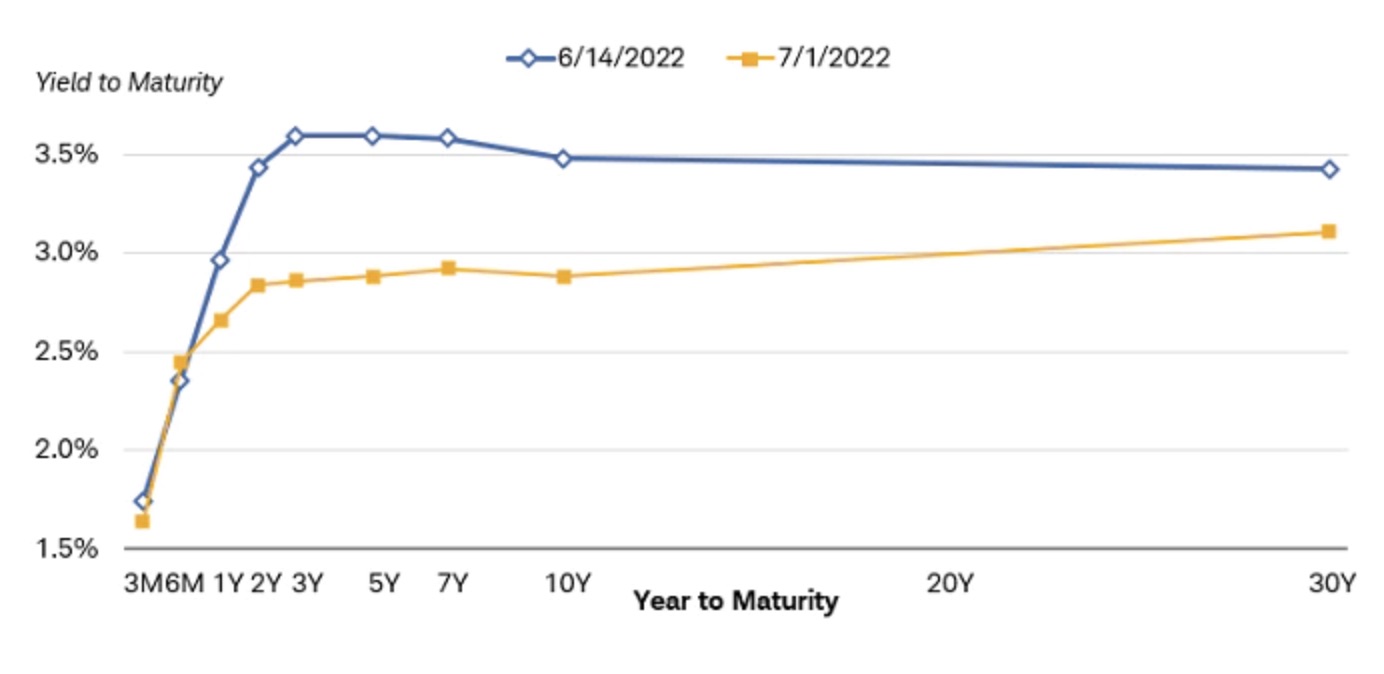
The bond market is weird, but it’s full of clues. We have 8.6% inflation, but the highest interest rates have gone recently is about 3.4%, meaning real rates were still negative to the tune of 5%. This is confusing to me and a lot of other people.
It’s getting complicated for investors in semiconductor stocks, with last year’s big chip shortage morphing into an inventory glut for some companies, and others getting caught up in geopolitics.
The labor market has come a long way over the past year.
Why did the bond market make its latest swerve? In the current febrile environment, data that are generally regarded as distinctly second-tier can have a big impact.
The end of Boris Johnson’s run as prime minister may ease the sense of political chaos, but it won’t fix any of issues depressing UK markets.
Lao Tzu wrote, “A journey of a thousand miles begins with a single step.”
The Federal Reserve's pledge to curb inflation appears to have resonated with the market.
As we move into the second half of 2022, there are lots of things to worry about.
Depending on risk and diversification, 401(k) plans have lost between 4% and 20% so far this year. Unlike most other periods when stocks lost money, bonds have not defended well this time.
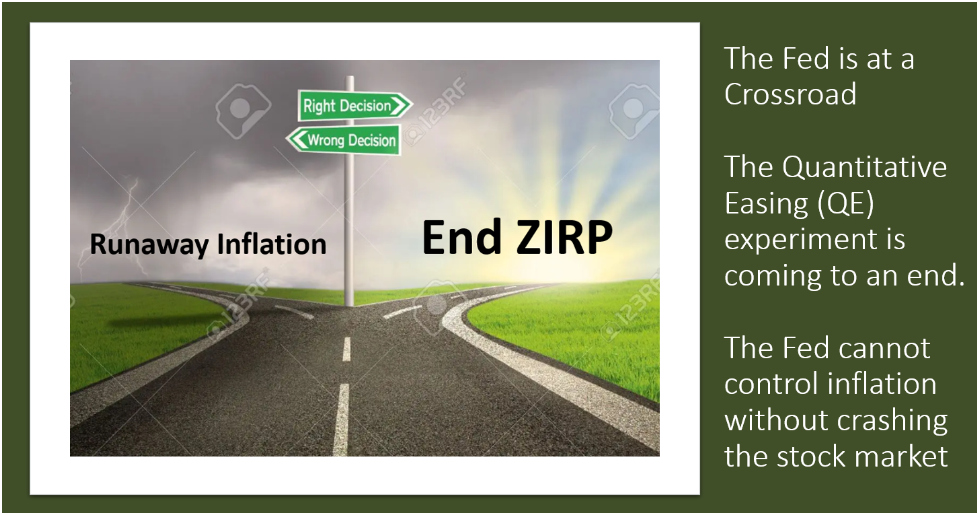
The trolley car problem is a well-known ethical question that forces one to choose between two poor consequences. For the Fed, it is whether to allow inflation to fester or to force the economy into a recession.
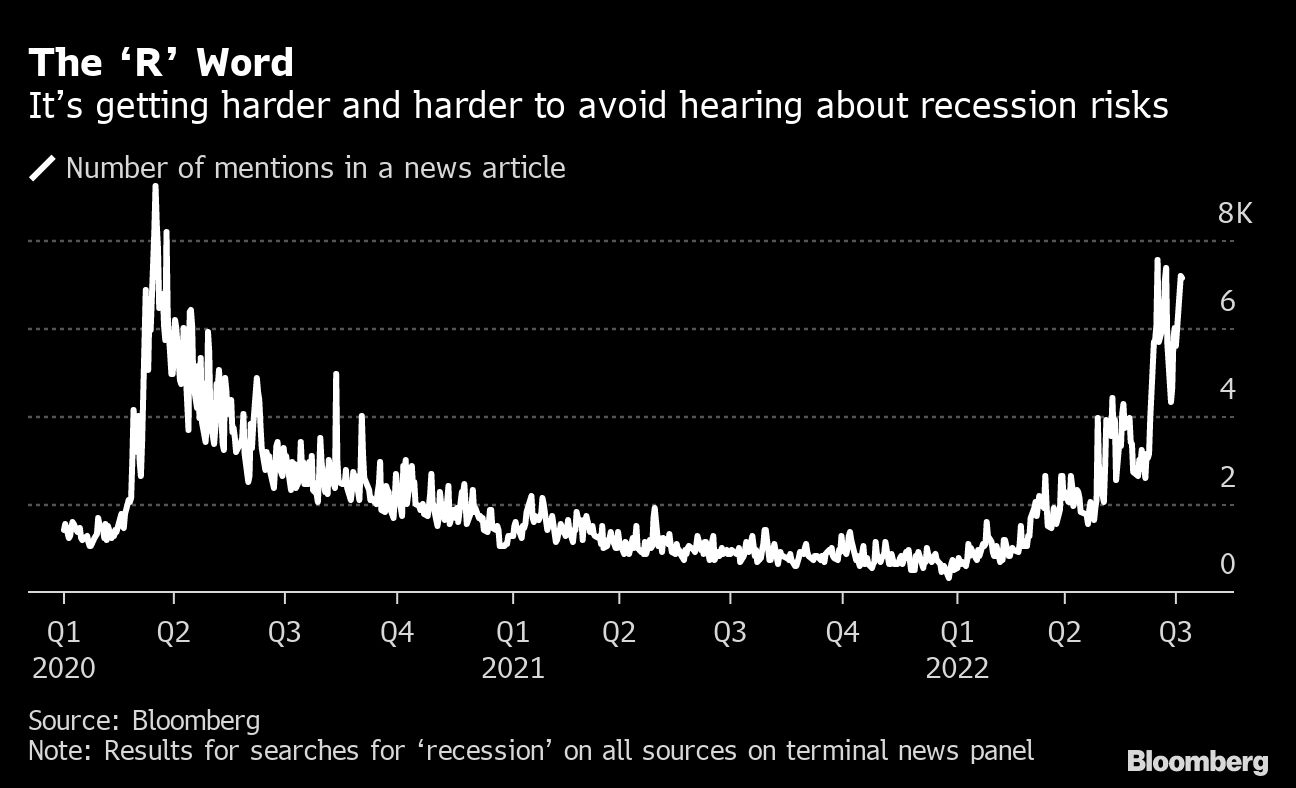
The recession calls are getting louder on Wall Street, but for many of the households and businesses who make up the world economy the downturn is already here.
Week after week of on-the-fly calculations about the intensity of inflation and the likelihood of a recession are preventing markets from finding equilibrium.