Treasury yields surged on stronger-than-expected US employment data that shore up the case for additional hefty central bank interest-rate increases.
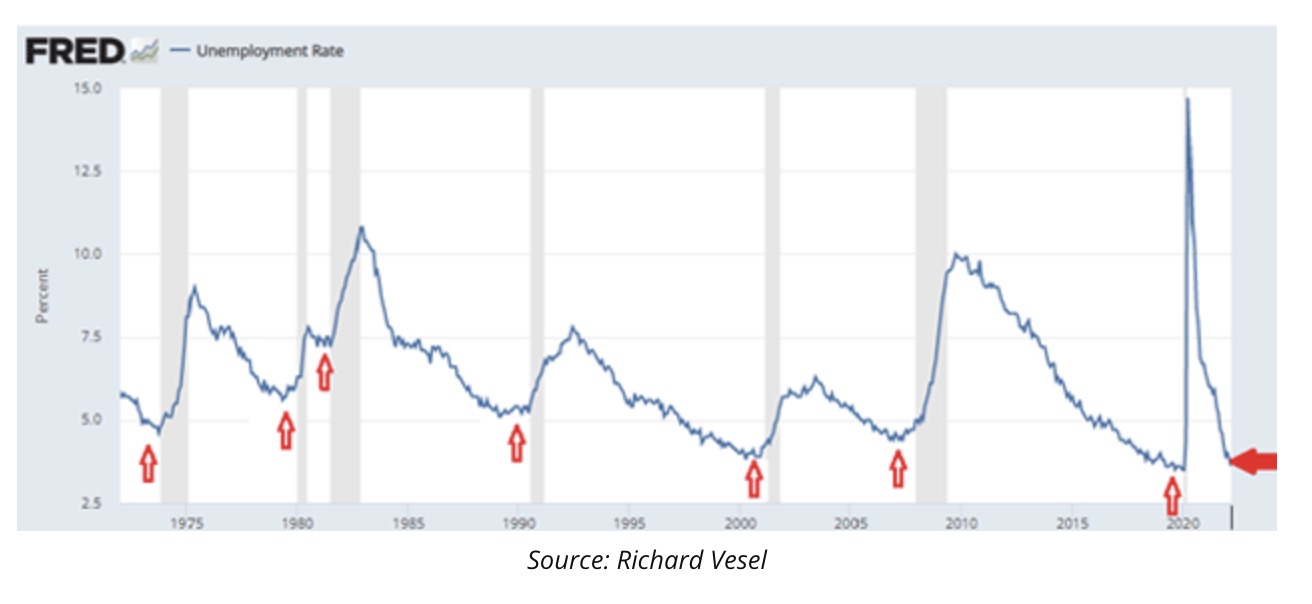
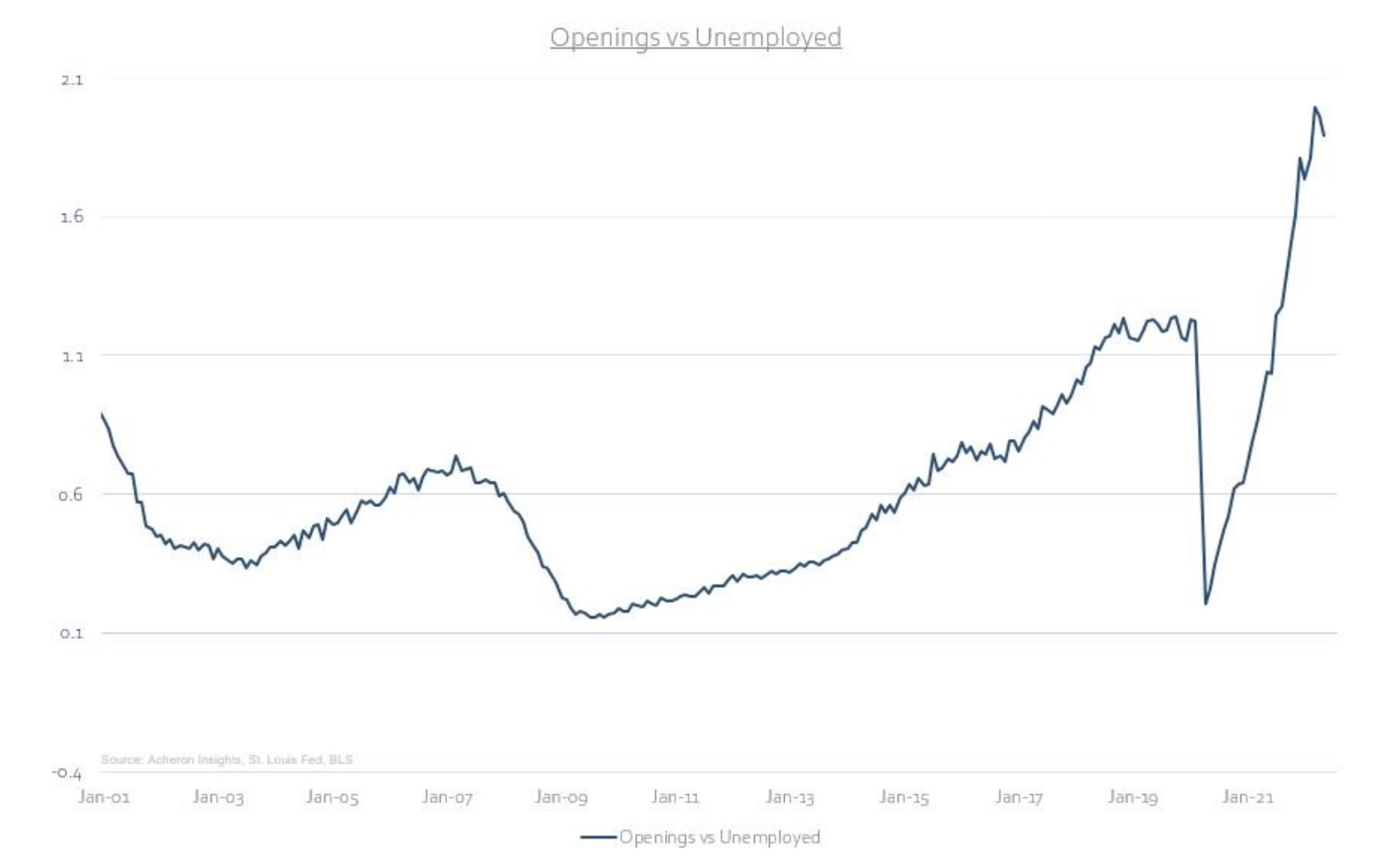
As of last month, the U.S. jobs market fully recouped the number of jobs that were lost due to the pandemic, in less than half the time it took following the previous downturn.
It’s a recession! No, not yet!
If there’s one thing the impending back-to-school season makes clear, it’s that the cost of higher education in the US is nerve-racking.
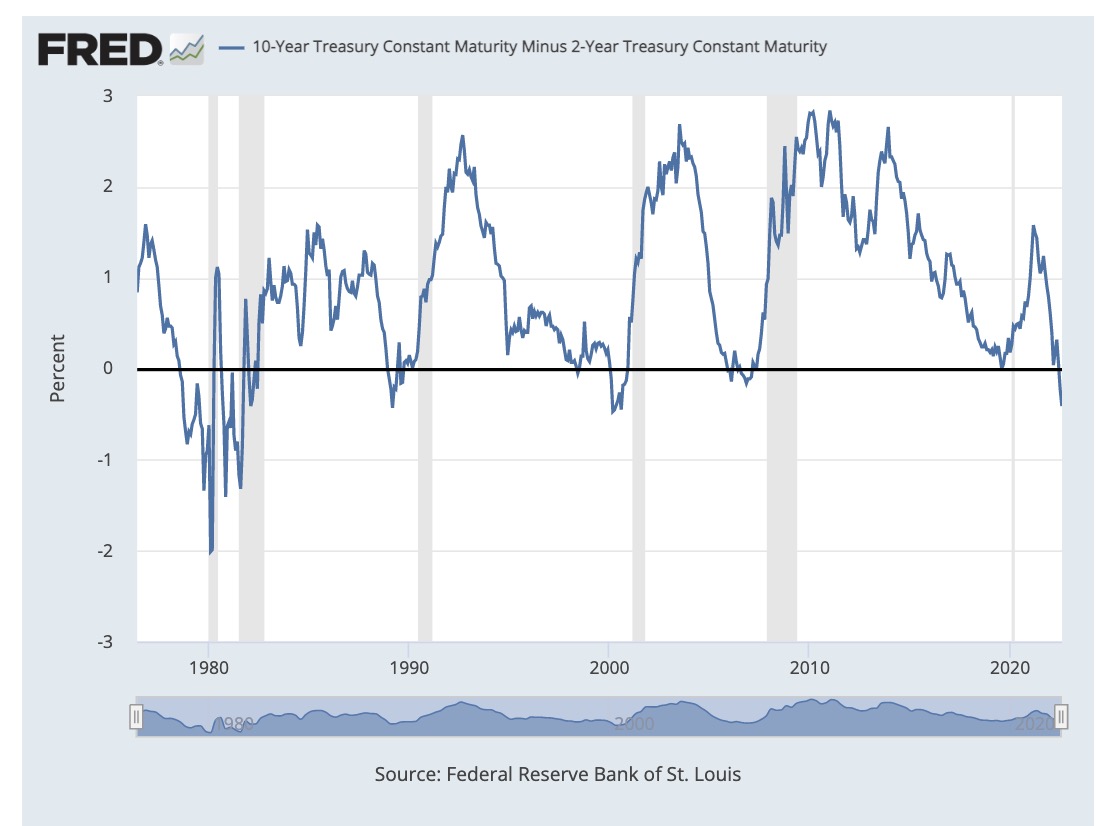
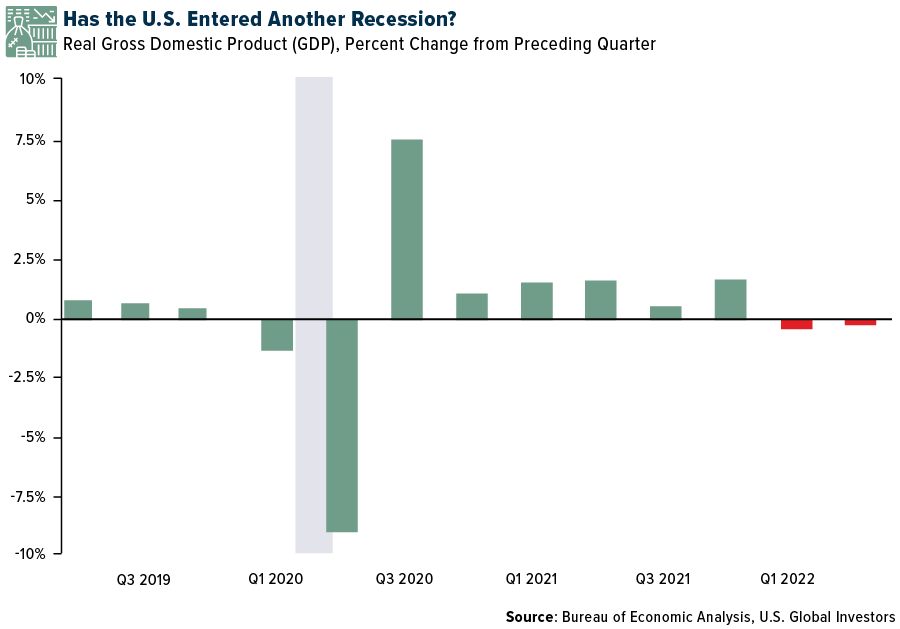
We didn’t need the reported two consecutive quarters of declining real gross domestic product —the unofficial determination of a recession—to tell us the US economy is already in, or at least close to, a business downturn.
CIO Robert Horrocks, PhD, says well-managed companies, not inflation and interest-rate cycles, will determine long-term investment returns.
Russ Koesterich, Managing Director and Portfolio Manager, of the Global Allocation team explains why investors should expand their definition of quality in today’s market environment.
On the latest episode of the Behind the Markets podcast, we had a fascinating conversation with Don Kohn, former Federal Reserve vice chair, and Dave Goodson, Head of Securitized Fixed Income and Senior Portfolio Manager at Voya Investment Management.
We meet the official definition of a market correction and the unofficial definition of a recession, and we’re close to the definition of high inflation. Market corrections can and have caused recessions. Be prepared for all three problems coexisting for many years.
During market downturns, financial pundits can often make you feel like the world is ending.
For some reason, people are feeling good. Animal spirits are on the run.
Franklin Equity Group Portfolio Manager Grant Bowers shares his outlook on inflation and recessionary risks and where he’s finding opportunities in US equities amid recent market volatility.
Facebook parent Meta Platforms Inc. has asked banks to hold investor meetings for a potential bond sale, the company’s first.
There was a major development in 2006 that transformed how Americans invest for retirement. It solved one problem, but created another that will be causing extra pain to people who retire in this economy.
U.S. equities finished mixed in choppy trading amid a host of data, events and cautious Fedspeak driving sentiment.
We met with the portfolio managers of BlackRock Strategic Income Opportunities to have a wide-ranging discussion on their approach and why it’s so well suited to the current market environment.
In this video I will cover 4 dividend growth stocks: Walgreens Boots Alliance (WBA), Intel Corp (INTC), International Business Machines (IBM) and AT&T Inc (T).
After getting thrashed in the era of low interest rates, the last remaining hedge fund managers dedicated to the world of foreign exchange are in fighting spirits this year.
The long-running active versus passive debate has become even more heated than usual during the recent stock market turmoil.
Exceptional circumstances roiled the loan market in the first half. It's impossible to say what will happen next, but the loan market's floating-rate feature could offer value in multiple scenarios versus other fixed income assets.
The Federal Reserve raised short-term interest rates by three-quarters of a percentage point (75 basis points) on Wednesday.
The COVID bust and vaccine boom that followed it was a period unlike any in U.S. history. So why would the resulting inflation be any different?
Bond bulls, while savoring a stellar rebound in returns fueled by growing recession fears, are braced for potential setbacks.
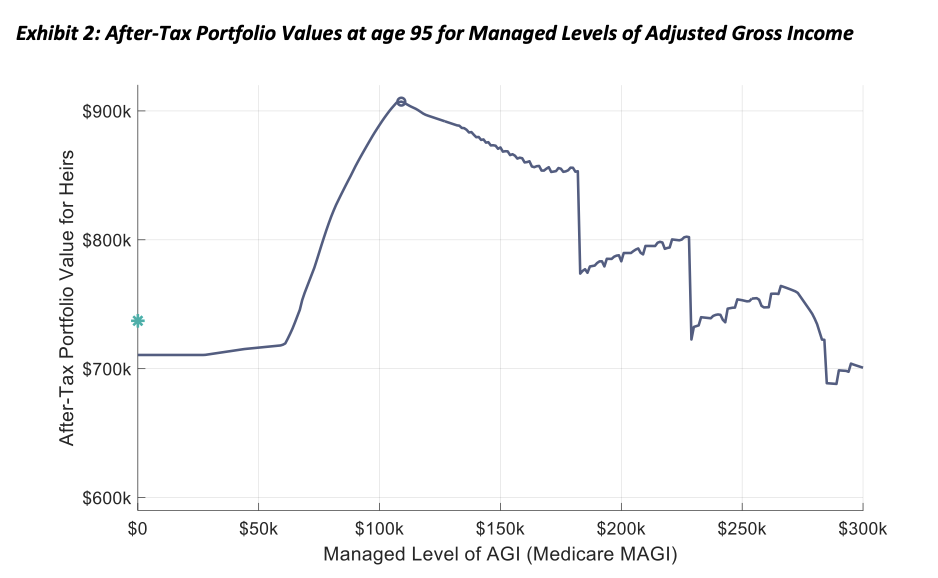
This is the first in a series of articles that will explore tax-efficient retirement distribution strategies.
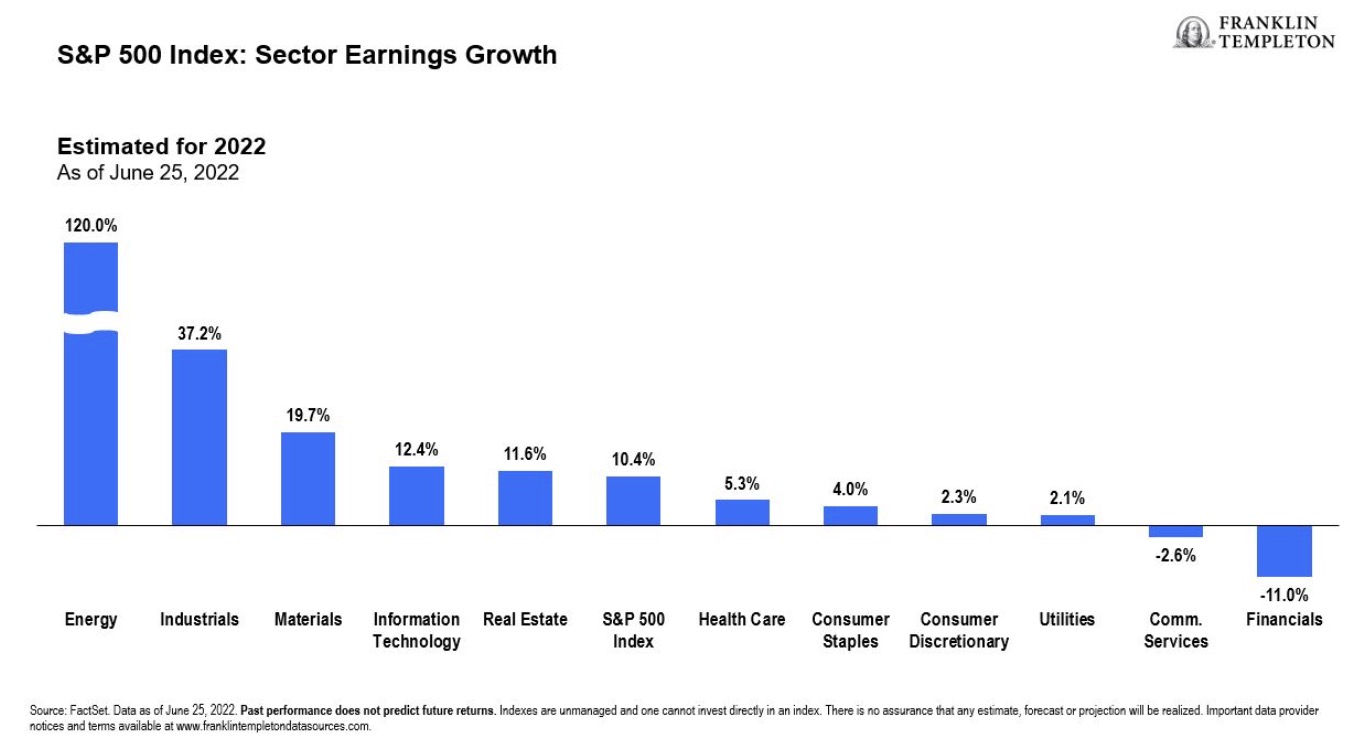
Earnings reports from the biggest technology companies show that the group is navigating the tough economic environment better than smaller rivals, fueling a rebound in stock prices and encouraging investors about the outlook for the second half.
US consumer spending barely rose in June after falling in the prior month, underscoring how decades-high inflation has eroded Americans’ paychecks and tempered demand.
So did the U.S. just enter a recession? It depends on who you ask.
Marriage in the US also unlocks an under-discussed retirement option: the spousal IRA.
The official arbiters of US recessions aren’t close to making a call that a downturn is under way, and may end up concluding 2022’s first half was part of a continuing expansion.
Wealthy Americans, who were girding for the biggest set of tax increases in three decades just a year ago, now look mostly safe from higher levies for years to come.
The Fed’s mandate is for stable prices and maximum employment.
The groundbreaking global corporate-tax agreement secured last year by Treasury Secretary Janet Yellen included a “failsafe” measure to encourage compliance by its 137 signatories.
The agriculture sector’s importance is difficult to overstate. Agriculture impacts structurally embedded hunger, social equality and income distribution, while economically, the sector directly shapes global trade and governmental policy and long-term environmental sustainability.
U.S. stocks are trading higher as the Street is reacting positively to softer-than-expected earnings results from some key companies.
In downward trending markets as we have seen for much of 2022, it is important to distinguish price declines which may present similarly.
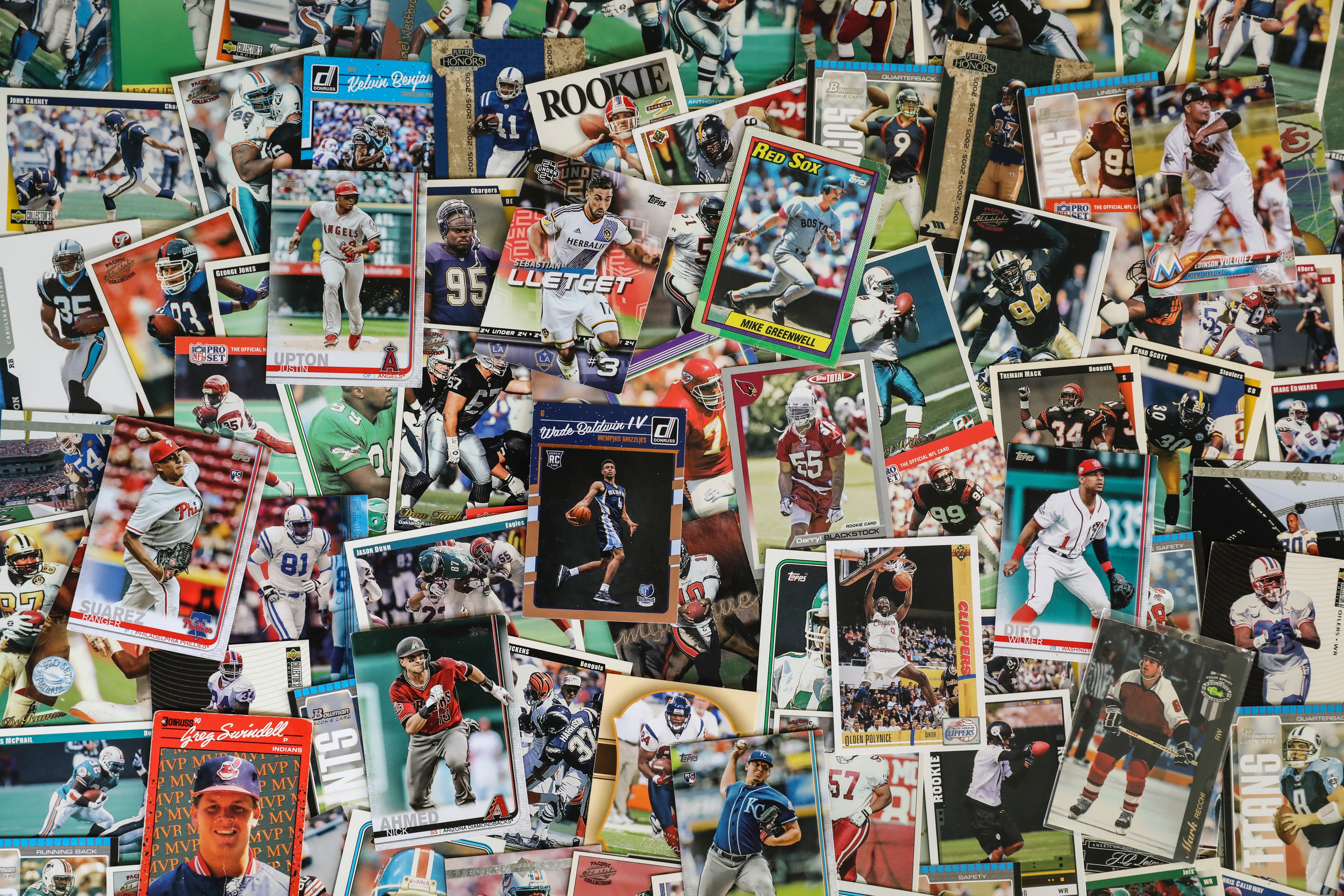
What do sports cards have in common with exchange-traded funds?
The biggest stock-bond rally in more than two decades has just raised the ante for investors betting Jerome Powell will send somewhat dovish signals at Wednesday’s high-stakes policy decision.
Four months have passed since the chief executive officer of Tesla tweeted he was working on a third “master plan” for the electric-car maker.
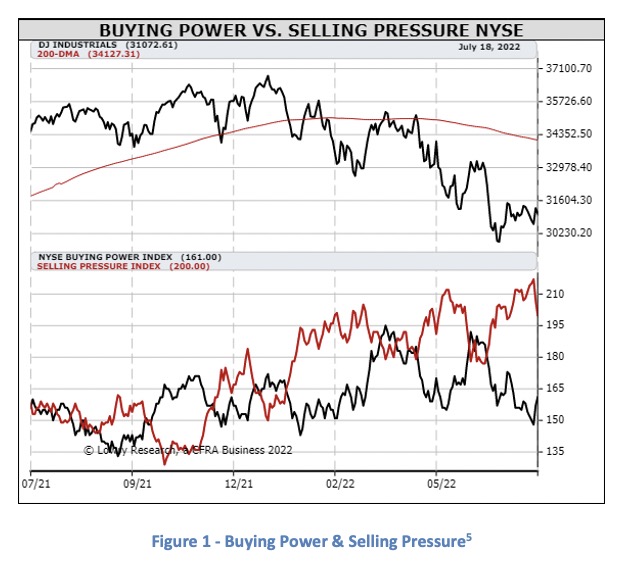
Growing Evidence the Secular Trend in Stock Prices May be Reversing! We can’t be sure that the equity secular bull market for stocks is over, but it’s quite apparent that several reliable indicators are moving in that direction. Many others are on the brink of a sell signal.
Infrastructure has recently seen increased attention as broad equities have been weaker in 2022 due to inflation, rising interest rates, global supply chain disruptions from COVID-19 and the war in Ukraine.
On Monday Walmart warned on profit for a second time in just over two months. That is an ominous sign for the whole consumer sector and the broader US economy.
Money scripts around a vow of poverty often result in financial behaviors that cause more harm than good.
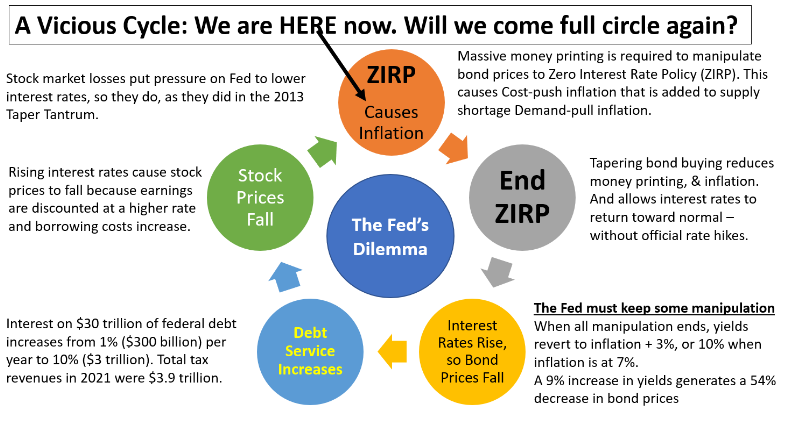
Given the stock market turmoil, a timely question is whether the U.S. Federal Reserve (the “Fed”) will act to stem the tide of losses as it has done during prior stock market declines. A bloated Fed balance sheet and historically high inflation suggest that this time the Fed will be unable to act to save the market.
Home equity is a powerful risk management tool that many higher net-worth individuals and their advisors are starting to explore.
MMT Policy (Modern Monetary Theory), the grand experiment, was tried following the pandemic-driven shutdown of the economy.
Our last two quarterly letters conveyed a cautious attitude regarding both the economy and financial markets. The cautious season persists this quarter.
Anxious Americans with student loans are tired of waiting for action from President Joe Biden and taking matters into their own hands.
When creating your marketing message for your niche, you want to articulate the one unique problem your niche faces. Here are questions to help you address that overriding problem.
We can draw a direct line from the Fed’s low rate regime to today’s surging inflation, asset inflation, and income and wealth inequality. Low rates produce asset bubbles which ultimately pop, but not before blowing themselves larger and multiplying into other bubbles. The process that pushed stock prices higher is the same one that is now pushing food, energy, labor, and every other cost higher. Just follow the bouncing ball.
What would be the impact on your business if $34 trillion in wealth assets were destroyed over the next several months?