I had dinner with a local friend of mine last week.
U.S. equities are modestly higher in afternoon action on the heels of yesterday's sharp drop that came as consumer price inflation surprisingly came in hot.
The S&P 500 is a popular proxy to represent the state of the stock market.
“Price matters again in investing,” according to Bob Wyckoff a managing director of Tweedy, Browne. “That serves the interests of value investors.”
Investors continue to seek income-producing investments. With rising interest rates and inflation driving increased volatility for traditional fixed income investments, the demand for alternative income generation is high. But this requires a dynamic, tactical approach to asset allocation. The Nasdaq-100® Index has generated a long and impressive record of performance as a large-cap growth equity strategy. Combined with traditional fixed income and an options overlay in a rules-based, income-oriented solution, it has the potential to deliver continued upside from secular growth trends and stable income throughout bouts of market volatility.
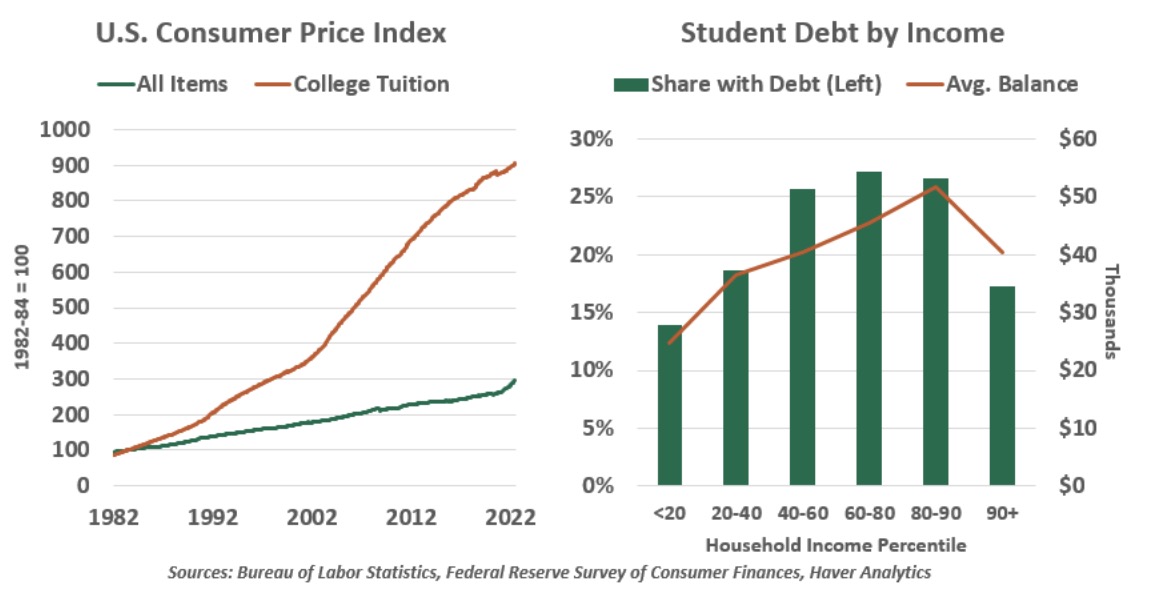
Writing off a portion of student debt does not fix the core challenges of paying for higher education.
Some of the best-known rules of thumb in personal finance have outlived their usefulness.
Americans are losing ground against residents of other countries in what’s shaping up globally to be “one of the worst years to retire in recent memory,” according to a new retirement ranking.
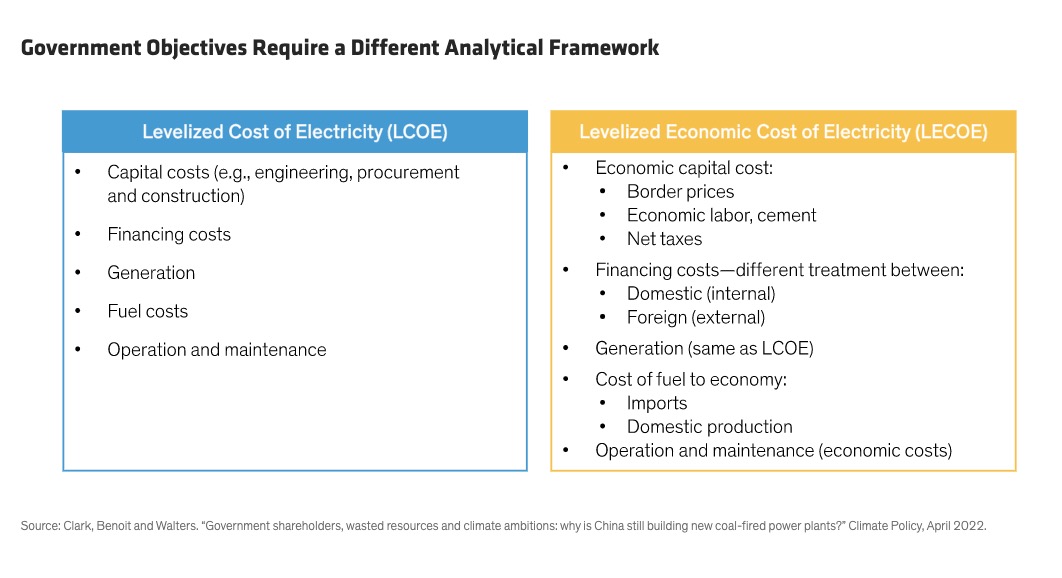
China has pledged to reach carbon neutrality by 2060, and state-owned enterprises (SOEs) are responsible for half the country’s CO2 emissions.
Over the summer, we’ve been told that inflation rose to a 40-year high.
The global economy and financial markets have suffered a dreadful first half of the year, ravaged by a severe commodity shock, strict COVID-19 lockdowns in the world’s second largest economy, and one of the most aggressive Fed tightening cycles in recent history. The second half looks equally tough.
Given that backdrop, now is a critical time for multi-asset investors to revisit their investment approach. There is a sharp divergence in the investment opportunities across equities, fixed income, and real assets.
My guest today, Todd Jablonski, will share how he’s thinking about investing across the multi-asset universe. Todd is the chief investment officer and head of multi-asset investment strategies and solutions for Principal Global Investors. He is responsible for the business, research, and investment management of Principal Global Asset Allocation.
Thanks to reading Spencer Jakab’s book, The Revolution That Wasn't, we've been thinking about what it is like to be in a short position when overwhelming demand affects prices.
A valuation bulwark that had supported stocks relative to credit is starting to erode.
Keeping your fees at market rate is respecting yourself. It helps you enjoy your work, assures that you show up fully for your clients, and will ultimately keep them happier.
How can you leverage the keystone concept to unlock the practice of your dreams?
Earning the coveted charter requires passing a notoriously difficult, three-part exam. But with a clear plan and supportive colleagues, it’s doable and rewarding.
The world is undergoing a dramatic energy regime shift that has been accelerated by recent events, including the COVID crisis, the Ukraine war, and growing concerns about climate change. The Harbor Energy Transition Strategy ETF was introduced to position investors for this transition.
The pandemic surge in demand for houses has run its course.
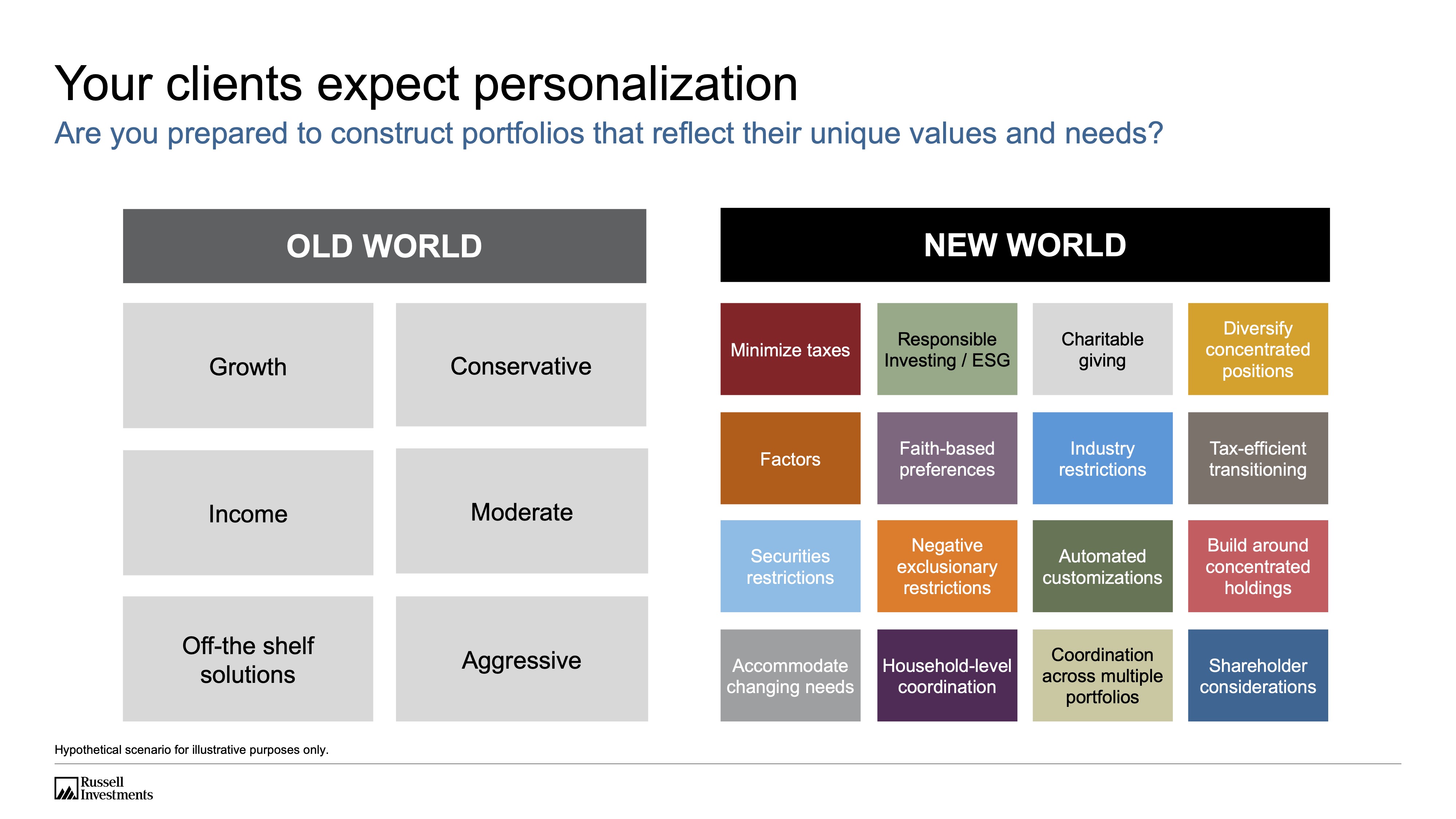
Investors increasingly want more control and customization of their portfolios. Personalized managed accounts give them the opportunity to do that.
Rising interest rates get much of the attention, but other critically important factors are also at work for bank, insurance, consumer lending, and financial services stocks.
Widening participation in the Fed’s standing repo facility and bond buying programs could mitigate another liquidity crisis in the Treasury market.
U.S. stocks are starting the week in positive territory, extending last week's advance that snapped a three-week losing streak.
This year has been a tough one for retirement savings. Inflation is high, markets are volatile and it’s hard to know where we’ll be in a few weeks, months or even a year.
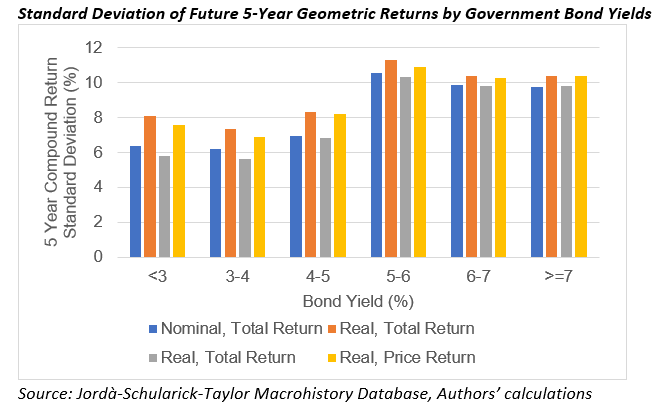
The historical evidence strongly suggests that equity returns are likely to be lower in a lower bond yield environment and this needs to be incorporated into financial projections and investor decision making.
We have always believed that common sense is the key to successful investing.
Americans have driven up their credit balances at a record pace this year.
Last year, I wrote an article discussing that 2022 earnings estimates were too optimistic given the impending reversal of the economic “Sugar Rush” of massive liquidity injections.
Around the world, soaring borrowing costs are squeezing homebuyers and property owners alike.
Advisors won the last war – true professionals achieved victory by adopting fiduciary principles and providing comprehensive planning. But a new battlefront has emerged – what I call the “next argument” – and achieving victory will slow and painful.
If 2021 was the breakthrough year for mRNA vaccines, then 2022 may be the breakthrough year for artificial intelligence.
Shortfalls in retirement savings have been widely regarded as a crisis of our times.
Today, about 1% of our vehicles are electric. What will happen in 2035 when many more EVs need to be charged, potentially during another heatwave?
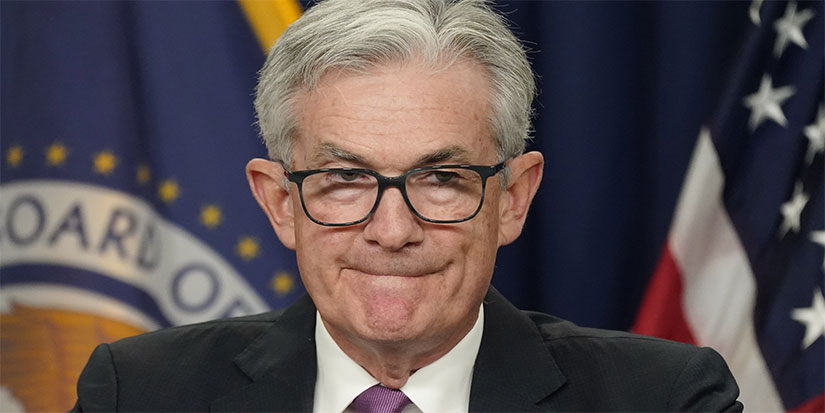
Many ask if Jerome Powell can emulate Volcker. We will certainly find out. But much has changed in 42 years. Does Powell even need to emulate Volcker? Here, some prominent economists disagree. Today we’ll talk about the issues.
U.S. stocks are continuing to trade higher in the final session of the week and are on pace to end a three-week losing streak.
Even fans of student debt relief will admit it doesn't solve the core problem of crushing higher education costs.
As more US workers start new jobs, they should take a closer look at their employers’ options for retirement savings. An underused account called a Roth 401(k) could help minimize taxes in the long run and multiply how much savers eventually have.
As one of us points out relentlessly, risk isn’t a number, rather it is a notion or a concept.
Franklin Mutual Series’ Investment Strategist Katrina Dudley believes that higher inflation in Europe stemming from rising energy prices, as well as lower relative interest rates, may keep the euro under pressure.
High prices and a tight labor market weighed on US economic prospects over the next year, though inflation showed signs of decelerating, the Federal Reserve said.
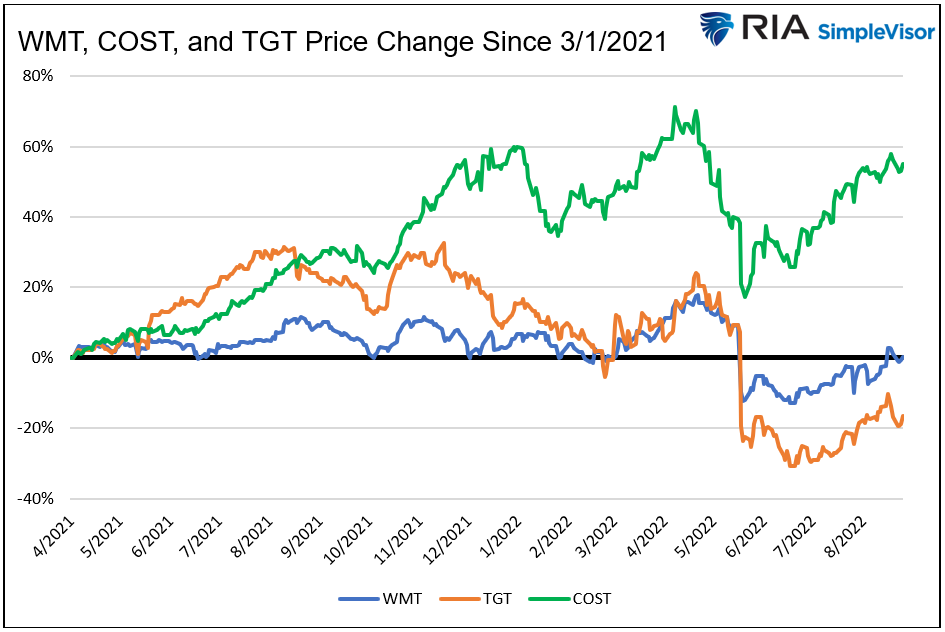
I explore consumer staple and discretionary companies to see how they are navigating the inflation storm.
Today, more advisors than ever are considering private real estate for their clients’ portfolios in search of inflation-protected returns, passive income and public market diversification. Whether you currently advise on private real estate or want to learn more about this asset class, selecting the right fund manager to help your clients achieve their unique financial goals can be a challenge.
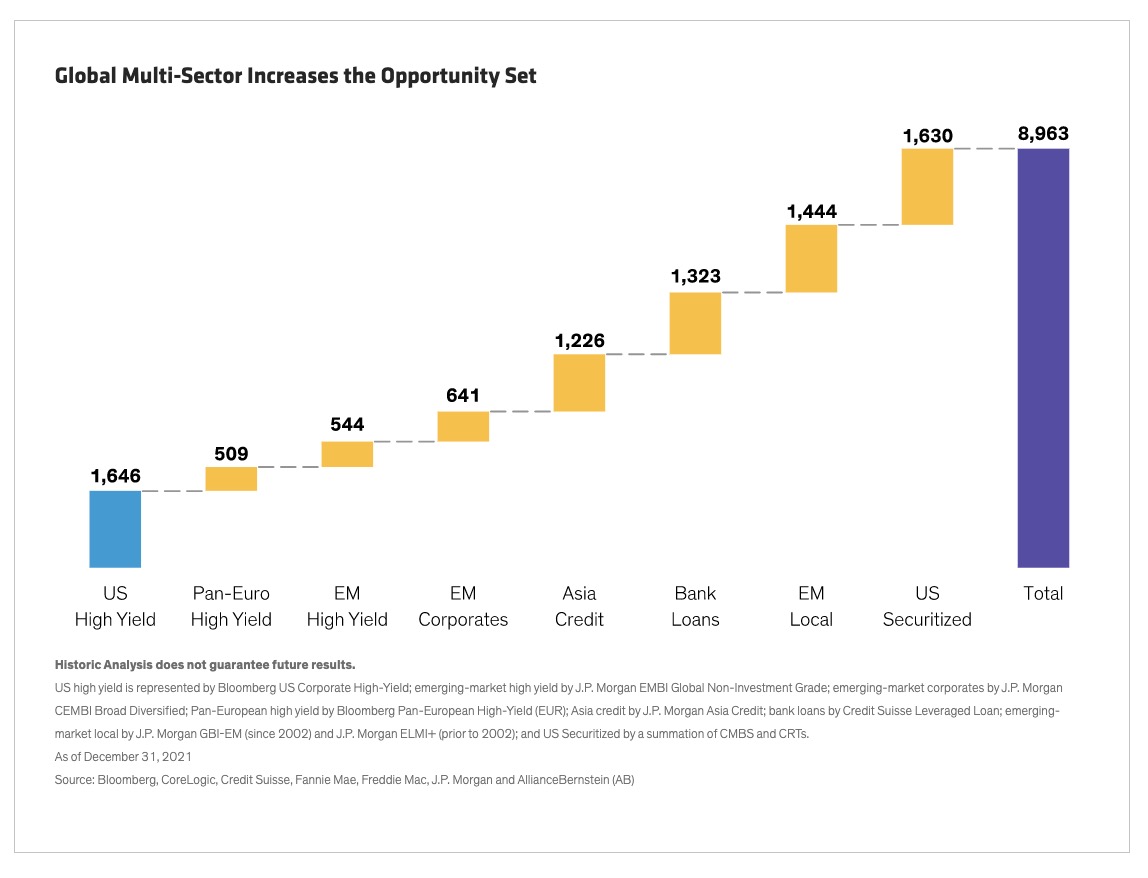
Investors naturally gravitate toward higher-income segments as a way to boost traditional core bond yields.
What can a person do to mitigate the potential of becoming mired in a life-shattering financial crisis?
Why is the first-term governor of Florida the most visible opponent of Wall Street's fastest-growing and best-performing business?
The high-desert mountain pass overlooking alfalfa fields and RV parks doesn’t look like a battleground that will shape the country’s clean energy future.
First, seniors are clearly struggling from the rapid increase in prices. About half of older Americans said they had to spend emergency savings in the past 12 months...
Do your clients include a senior retiree with looming debt and considering filing for bankruptcy? Here is a list of 14 financial resources that can help get their finances in order.
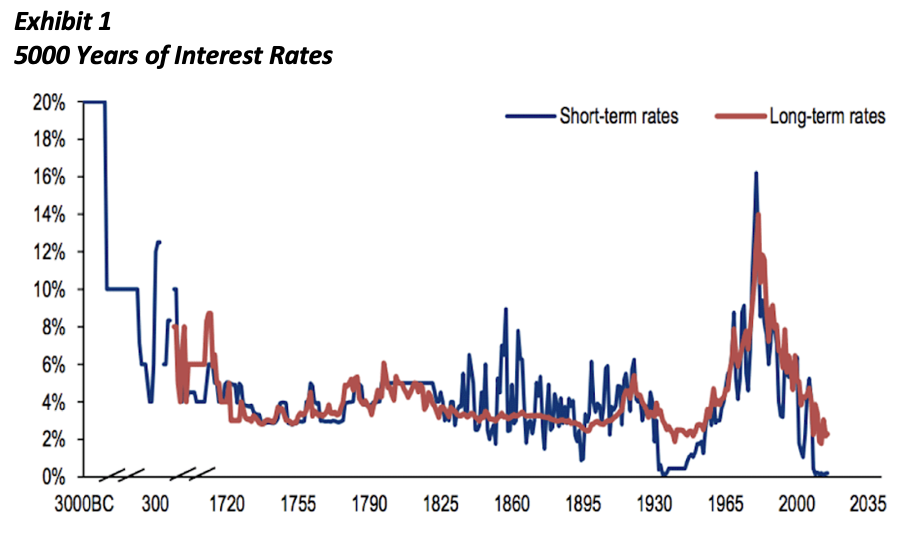
Super-bubbles in the asset markets, the rise of populism, and inequality are among a host of societal problems caused by low interest rates, according to Edward Chancellor. He explains why in his provocative new book, The Price of Time.
Investors who might be looking for the world’s biggest bond market to rally back soon from its worst losses in decades appear doomed to disappointment.
The future of retirement should be individual retirement accounts. We should phase out pensions in public sector jobs and make retirement accounts accessible to more people rather than enlarging Social Security.