The future of retirement should be individual retirement accounts. We should phase out pensions in public sector jobs and make retirement accounts accessible to more people rather than enlarging Social Security.
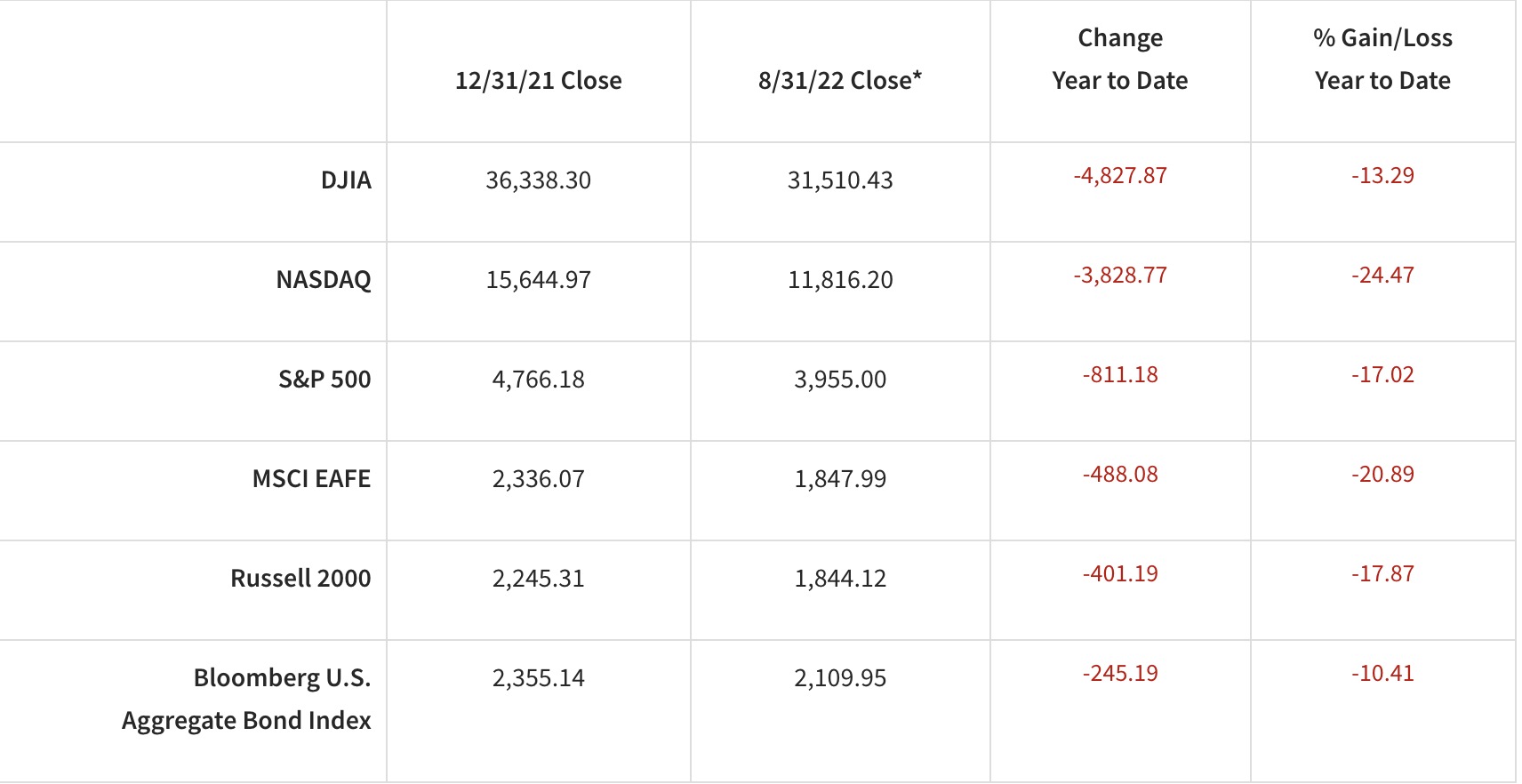
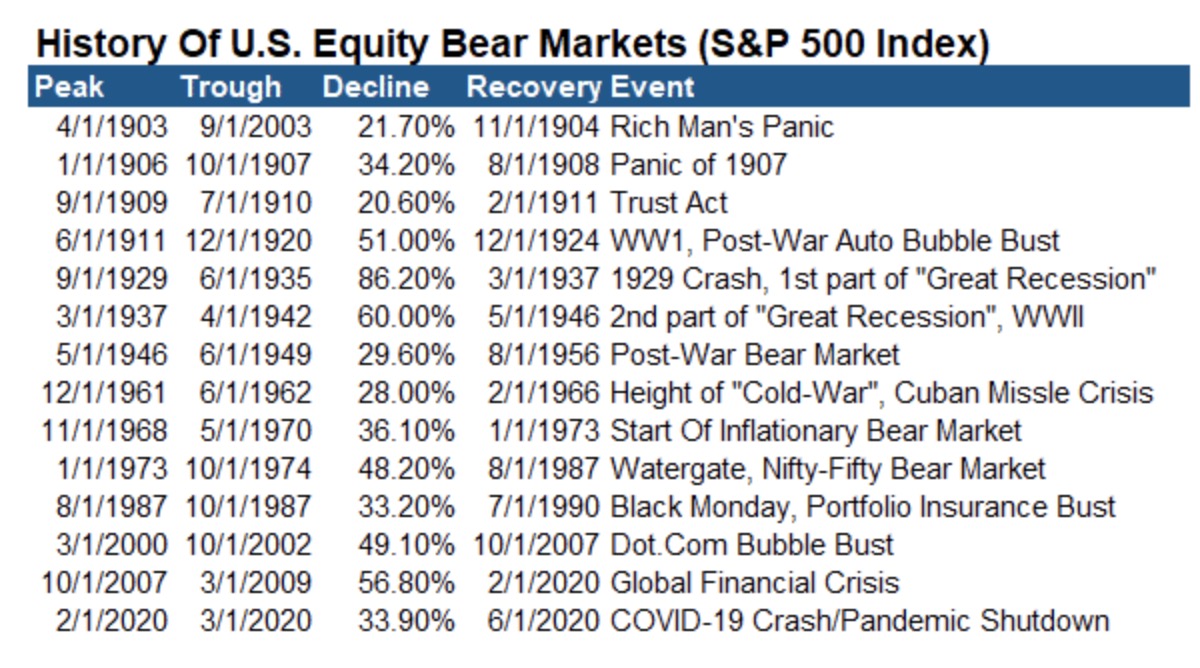
September has historically been one of the worst months for stocks. The Fed’s aggressive moves and upcoming midterm elections could make this September particularly interesting.
Stocks started the month on an upswing but ended with volatility.
US employers added a healthy number of jobs in August and a steady stream of people entering the labor force pushed the unemployment rate higher, consistent with a job market that is coming more into balance and offering mixed implications for the Federal Reserve.
We know that the US economy is currently weak, but the real economy is really weak, and the Federal Reserve’s commitment to precipitate a recession to curb high inflation will make this reality obvious to seemingly oblivious investors.
Some earlier big run-ups in the US currency’s value, including in the mid-1980s and the early 2000s, were eventually followed by sharp declines.
Popular opinion is that the Fed was way too late in responding to the threat of inflation. But this is a misguided view.
Cathie Wood’s fans turned tail last month, pulling out the most money from her flagship fund in nearly a year as it continues to flounder.
The Federal Reserve needs to raise its benchmark rate above 4% by early next year and leave it there for some time to help cool inflation, Cleveland Fed President Loretta Mester reiterated on Wednesday, making it clear she doesn’t expect the central bank to cut rates in 2023.
The world does not need another take on Jackson Hole. But here we go.
The new US climate law plows $27 billion into an Environmental Protection Agency fund for green banks.
Only a few market events in an investor’s career really matter, and among the most important of all are superbubbles.
Famed investor Jeremy Grantham said the “super bubble” he previously warned about has yet to pop, even after this year’s turbulence in the US stock market.
The big question on everyone’s mind is, why is the market going down?
A growing number of prominent financial groups believes the era of low inflation is behind us, and that one investment strategy is to boost exposure to commodities and natural resources.
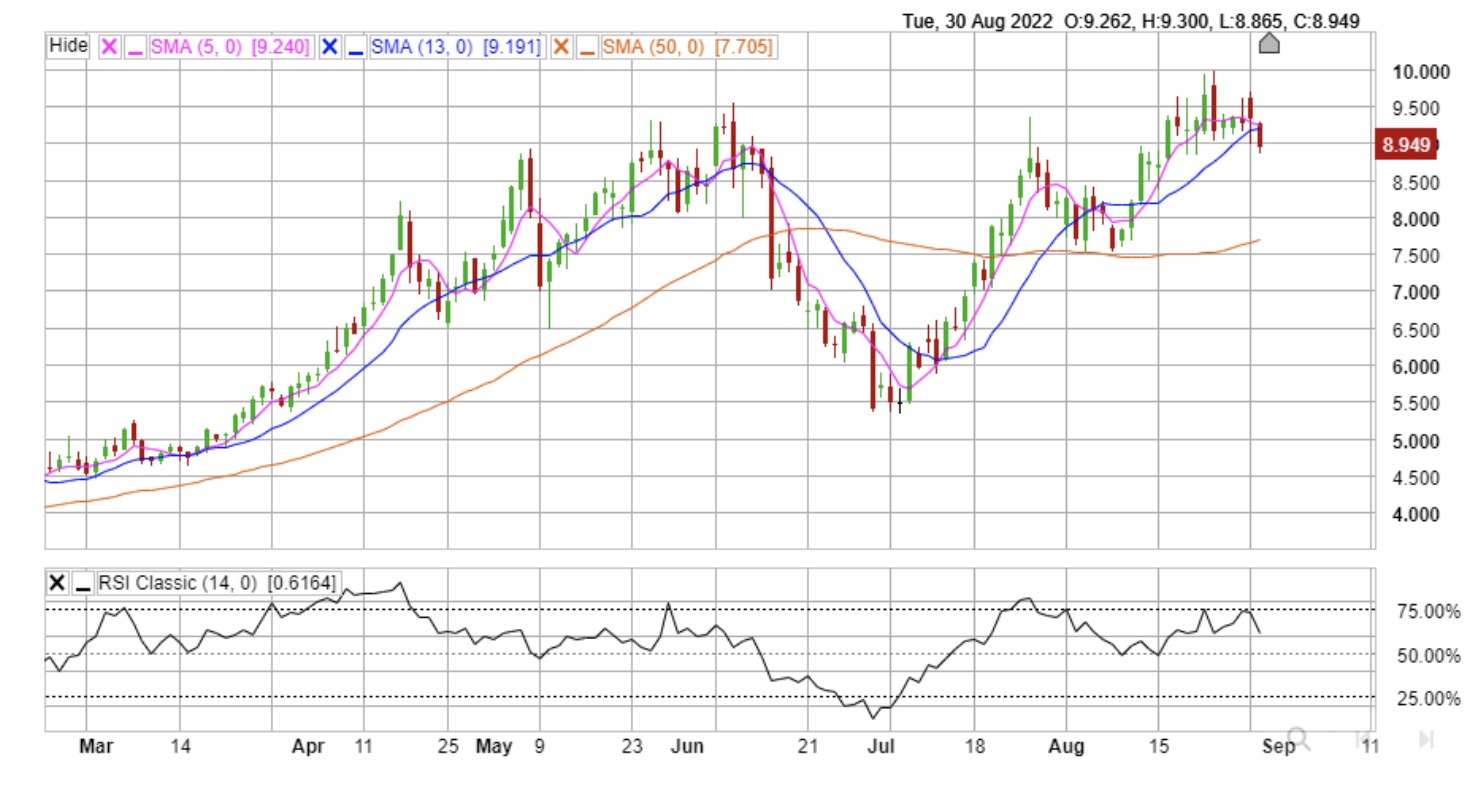
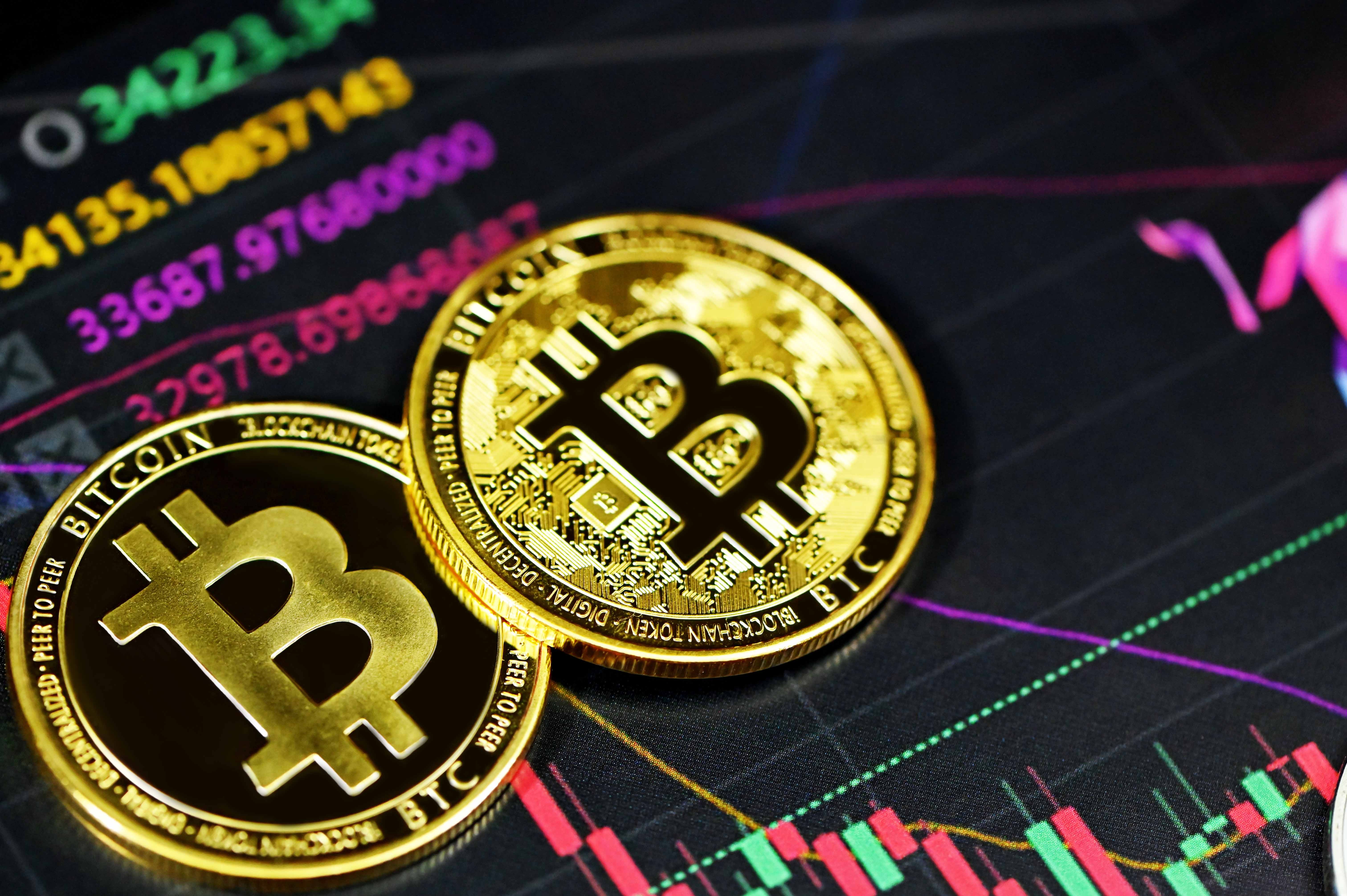
After a cruel summer, crypto fans might be in for an unforgiving September, too.
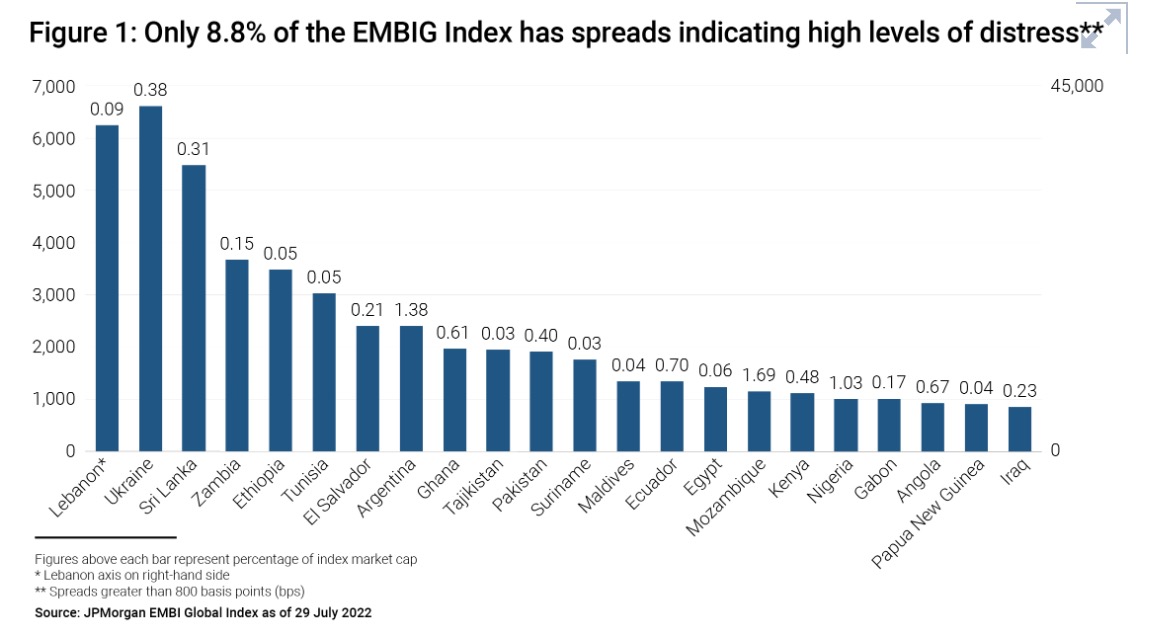
Emerging market valuations appear attractive, but country-specific risks can be critical to monitor amid global inflation and rising interest rates.
US households will install a record amount of solar this year to help slash electricity bills, according to a BloombergNEF analysis.
Forget about a soft landing. Federal Reserve Chair Jerome Powell is now aiming for something much more painful for the economy to put an end to elevated inflation. The trouble is, even that may not be enough.
The second half of August has been bruising for technology stocks, but those hoping for a respite from the declines shouldn’t relax just yet: September is just around the corner.
Let’s carefully examine the menu of potential solutions offered by other countries with higher rates of financial literacy than the U.S.
Federal Reserve Chair Jerome Powell’s hawkish comments dominated the markets on Friday, with the major indices all seeing a drop of over 3%.
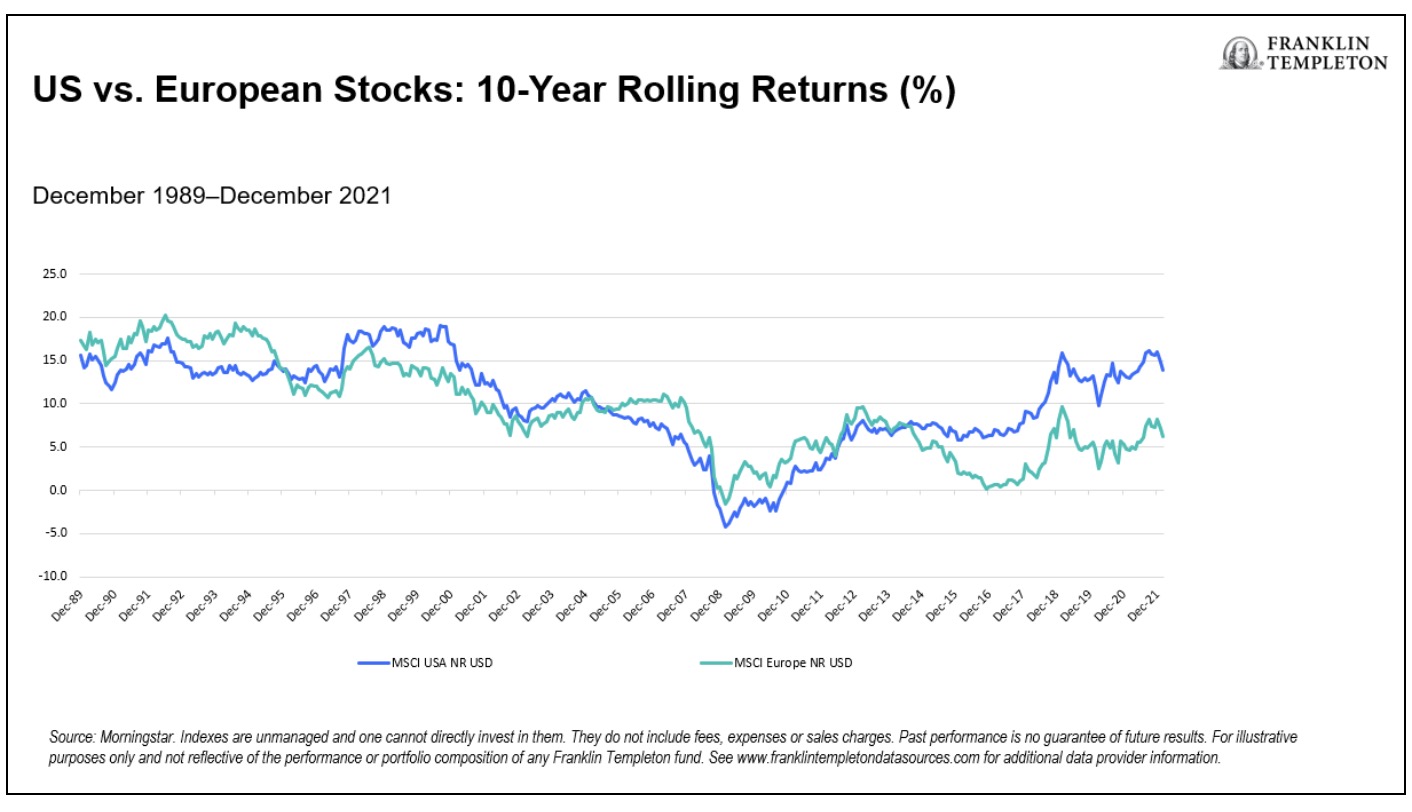
Franklin Mutual Series explains how global investing may provide a path to better returns.
Debate has swirled over President Joe Biden’s student loan-forgiveness plan, but there has been relatively little consideration of some of its longer-run ramifications.
Corporate junk bonds in the US are paying investors a paltry premium for the risk of holding them into a looming recession.
An improvement in buyer psychology is helpful, but what’s really needed is improved affordability, and the question is how we get that.
Fed Chairman Powell delivered a forceful and unequivocal message today at Jackson Hole, pushing back against market expectations of an early pivot back to rate cuts.
My article, “The Trial of Ken Fisher for Crimes Against Annuities,” marked the beginning of my effort to aggressively defend annuities against criticisms that had become too exaggerated, too longstanding, and too inaccurate to be left unchallenged.
US job openings rose unexpectedly in July after a sizable upward revision to the previous month, underscoring persistent tightness in the labor market as employers compete for a limited supply of workers.
Some of Wall Street’s biggest banks expect a lengthy period of higher interest rates to further pressure Corporate America’s profit engine, threatening equity gains as companies grapple with elevated financing costs and margin-shredding inflation.
Worried? Yes. But investors have evinced few signs of panic amid a stock market drubbing that has wiped out $3 trillion, going by everything from fund flows to options trading.
In Jackson Hole, Federal Reserve officials unequivocally emphasized their commitment to bringing inflation under control – even as the U.S. economy slows.
U.S. stocks ended the day in the red, continuing last week's sharp drop following comments from Fed Chairman Jerome Powell last Friday that heightened inflationary concerns.
Review the latest Weekly Headings by CIO Larry Adam.
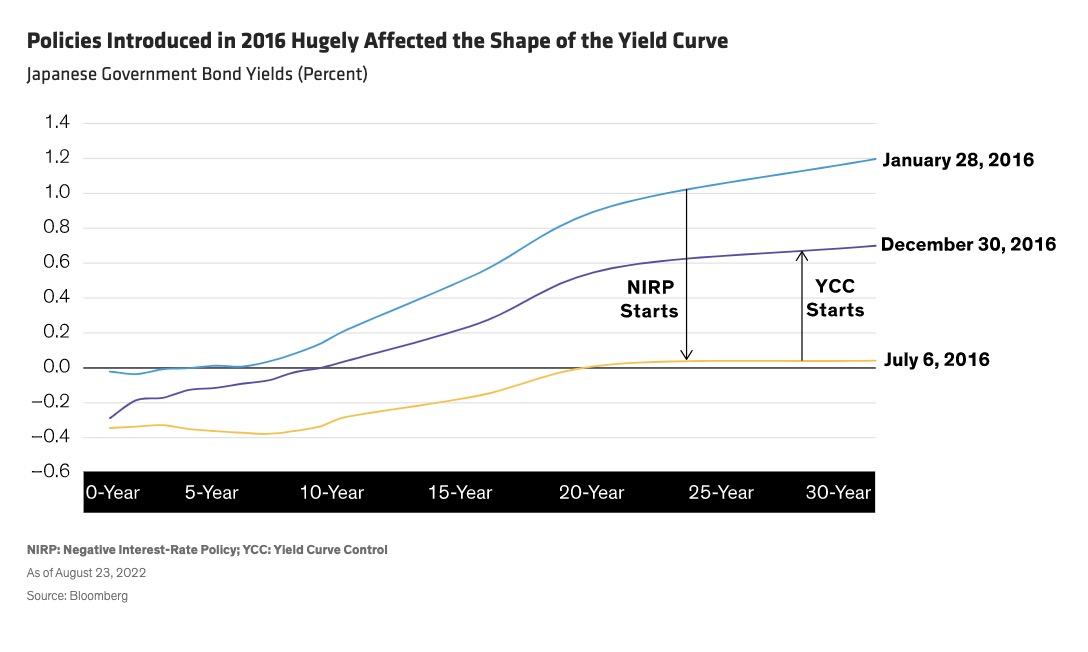
Across the developed markets, central banks have embarked on a tightening path—with one exception: the Bank of Japan (BOJ).
Will it ever be gold’s time to shine?
Global bonds sold off as investors responded to central bankers signaling they will increase interest rates as much as necessary to bring down inflation.
The dog days of summer are firmly over as global investors absorb Federal Reserve Chair Jerome Powell’s stern message that interest rates are going higher for longer in a painful fight against inflation.
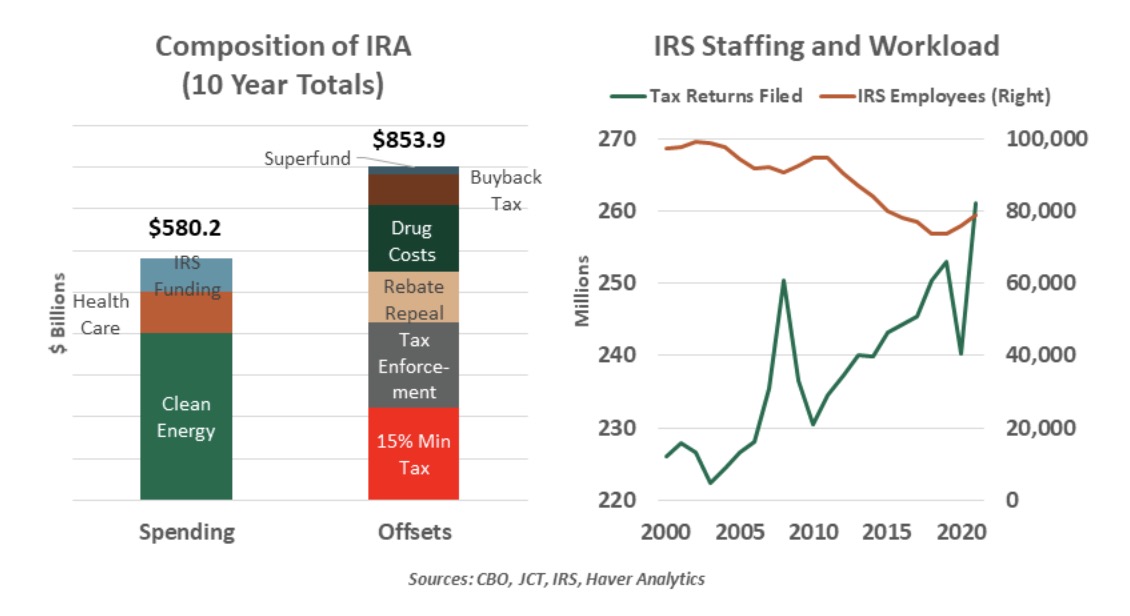
A long negotiation cycle yields green investment, a smaller deficit and higher corporate taxes.
So many critical economic and market developments this year can be traced back in one way or another to the Russian invasion of Ukraine.
With the recent increases in interest rates, the carry trade has had a sudden resurgence in performance, which could make it a tempting strategy for investors.
The bear market is over.
Gold declined after Federal Reserve Chair Jerome Powell warned against any idea that the US central bank would start loosening monetary policy soon.
Cryptocurrencies mirrored global markets and declined after Jerome Powell warned against prematurely loosening policy, with Bitcoin settling into the lower end of the narrow range that it has traded in the past two weeks.
Two-year Treasury yields. rose as investors digested the remarks, pushed as high as 3.44% while the 2- to 10-year yield curve resumed its flattening. Equities were lower.
President Joe Biden’s student-debt plan is bad policy in too many ways to count. But is it also bad politics?
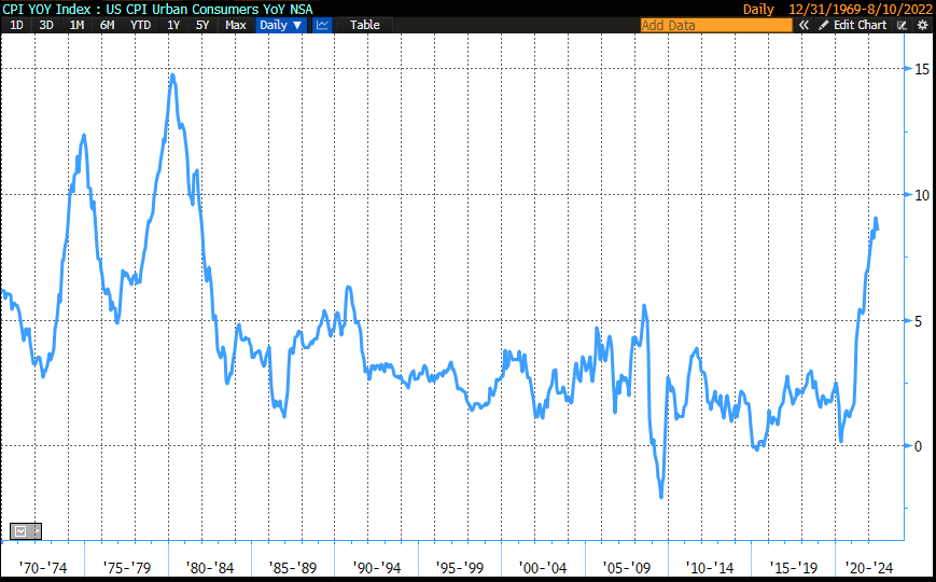
Everyone’s inflation experience is unique. We all have our particular spending patterns, so our experience will feel worse if inflation is more severe in the goods and services we normally buy. Or we might not notice it as much as others do.
An audacious communications campaign from Democrats in Washington is currently underway that is attempting to convince the public that there is no recession, inflation has been vanquished, even if inflation is still alive, targeted new Federal legislation will kill it.
Federal Reserve Chair Jerome Powell’s message to investors was short and blunt: The central bank will likely keep raising interest rates and leave them elevated for some time to battle inflation.
Call it a taper tantrum, times 10. Developing nations are reeling from the double whammy of Federal Reserve interest-rate hikes and China’s economic slowdown.