Remember when inflation was going to be transitory? Good times. I was in that camp myself early on, as were some serious analysts I greatly respect (and still do). Then the data began to show core inflation would be stickier than expected, and I turned in my Team Transitory T-shirt. I appreciate people who admit their mistakes. We all make them.
Total online shopping orders this holiday season are expected to decline from 2021 as consumer budgets are pinched by inflation.
After countless delays, the Ethereum “Merge” finally took place this week, switching the blockchain protocol from proof-of-work (PoW) to proof-of-stake (PoS).
US stocks haven’t seen the worst of this year’s declines yet against the backdrop of scorching inflation and a hawkish Federal Reserve, according to Bank of America Corp. strategists.
The pandemic-induced housing market is swiftly cooling down, as both buyers and sellers are facing growing uncertainty. Indeed, the U.S. housing market is tumbling closer to a collapse – the first in more than a decade.
What lessons for today? Any intervention in foreign exchange markets must be credible to have any chance of working. And when the Fed takes a course that is out of sync with the rest of the world, stresses increase on the rest of the foreign exchange architecture.
Traders watching price action in stocks might have noticed that the S&P 500 has slid toward the 3,900 level three different times Thursday, before holding its ground. The resilience can be attributed to Friday’s $3.2 trillion option expiration, one theory holds.
Ray Dalio came out with a gloomy prediction for stocks and the economy after a hotter-than-expected inflation print rattled financial markets around the globe this week.
The S&P 500 had its worst day since March 2020, but don't lose sight of the bigger picture, said Larry Adam, chief investment officer at Raymond James.
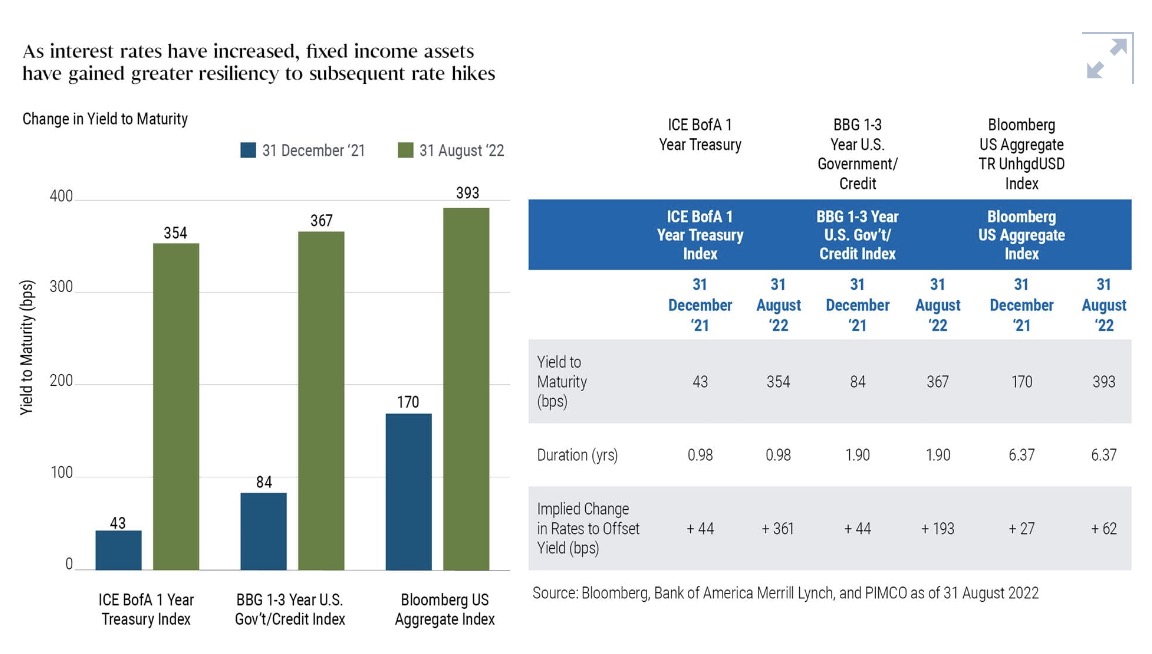
We believe short-dated bonds can offer attractive yields, flexibility, and a means to proceed cautiously as central banks continue to raise interest rates.
The Northern Trust Economics team shares its outlook for growth, inflation and interest rates.
Over the years, I’ve explained at length why I’m not interested in forecasts, but I’ve never devoted a memo to explaining why making helpful macro forecasts is so difficult. So here it is.
Dividends and dividend-paying stocks are getting renewed attention in recent months.
Sell stocks and buy opportunistic bonds, according to Jeffrey Gundlach. “The capital gains potential is the best in the last 15 years," he said. Bonds are “the place to be.”
A barrage of data Thursday offered a mixed view of the US economy in the face of rapid inflation, including more tempered retail activity and a labor market that’s still vibrant.
The specter of US interest rates at 4% or even higher is bringing into sharper focus the question of when and how investors should really get back into bonds after Treasury markets suffered one of their worst beatings in decades.
If the consumer price index report for August that showed inflation remains much hotter than forecast was not enough of a shocker, then talk that the Federal Reserve needs to raise interest rates in even bigger chunks starting with its meeting next week surely is.
We may be learning to live with Covid but as the latest inflation report shows, it's still a pandemic economy.
We more than doubled our portfolios’ duration in a single day this summer.
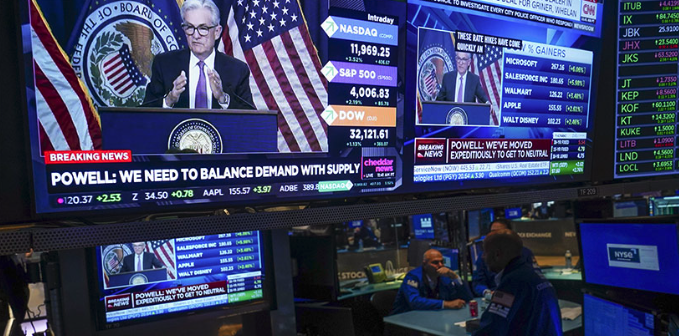
At the Jackson Hole Summit, Jerome Powell made it clear the Federal Reserve remains focused on combatting inflation despite recession signals rising in tandem.
The silver market scarcity has begun to resolve. We discuss what the data in the silver market is saying and why the market has become a Keynesian Beauty Contest.
Yesterday’s inflation print was a big surprise—a bad one.
U.S. equities are modestly higher in afternoon action on the heels of yesterday's sharp drop that came as consumer price inflation surprisingly came in hot.
“Price matters again in investing,” according to Bob Wyckoff a managing director of Tweedy, Browne. “That serves the interests of value investors.”
Tuesday's hotter-than-expected inflation report pours cold water on the possibility of lower interest rates from the Federal Reserve any time soon, and by extension, the prospect of lower mortgage rates.
How bad was the August US inflation report? Let me count the ways. It’s a while since a macroeconomic release has come as such a nasty surprise, but on balance the extremely negative market reaction to the numbers was justified; they’re awful.
This week’s unexpected rise in US inflation is an opportunity to revisit an old debate, which is often a useful exercise. This current bout of inflation has its roots in mistaken assumptions made a decade ago.
Investors continue to seek income-producing investments. With rising interest rates and inflation driving increased volatility for traditional fixed income investments, the demand for alternative income generation is high. But this requires a dynamic, tactical approach to asset allocation. The Nasdaq-100® Index has generated a long and impressive record of performance as a large-cap growth equity strategy. Combined with traditional fixed income and an options overlay in a rules-based, income-oriented solution, it has the potential to deliver continued upside from secular growth trends and stable income throughout bouts of market volatility.
Chief Economist Eugenio J. Alemán discusses current economic conditions.
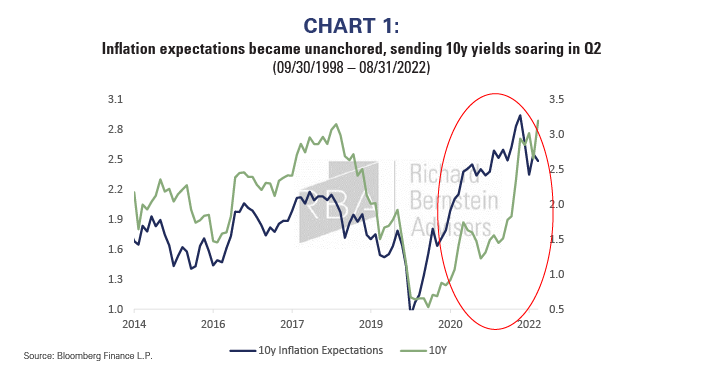
The Federal Reserve may be pressured to target a higher terminal fed funds rate as it seeks to tame U.S. inflation expectations following strong price rises in August.
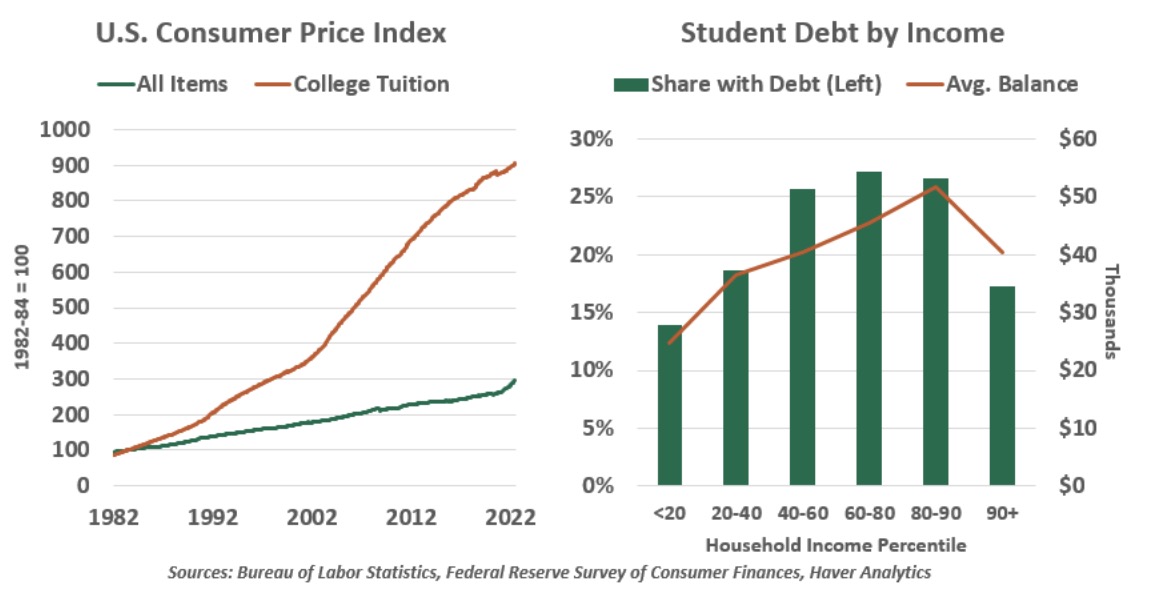
Writing off a portion of student debt does not fix the core challenges of paying for higher education.
Commodity markets are struggling to shake their months-long liquidity crisis that’s brought an era of erratic swings in the value of the world’s raw materials.
Some of the best-known rules of thumb in personal finance have outlived their usefulness.
Americans are losing ground against residents of other countries in what’s shaping up globally to be “one of the worst years to retire in recent memory,” according to a new retirement ranking.
Over the summer, we’ve been told that inflation rose to a 40-year high.
When the supply and demand for bonds normalize, bond investors will realize that economic, inflation and other factors warrant much lower yields.
Silver rallied to start the week as all contract months were up four percent or more.
Thanks to reading Spencer Jakab’s book, The Revolution That Wasn't, we've been thinking about what it is like to be in a short position when overwhelming demand affects prices.
A valuation bulwark that had supported stocks relative to credit is starting to erode.
US consumer prices were resurgent last month, dashing hopes of a nascent slowdown and likely assuring another historically large interest-rate hike from the Federal Reserve.
“CPI Tuesday” doesn’t have the same ring as some other regular market dates, but there’s little denying that no single data release matters more these days than US consumer price inflation. Tuesday morning’s release on price rises in August will matter a lot.
Peak bond-issuance week is in the books, and high-grade corporate bond deals are hanging tough in the face of recession fears and surging risk-free rates, a trend that appears to be extending into the second week of September.
The world is undergoing a dramatic energy regime shift that has been accelerated by recent events, including the COVID crisis, the Ukraine war, and growing concerns about climate change. The Harbor Energy Transition Strategy ETF was introduced to position investors for this transition.
The pandemic surge in demand for houses has run its course.
If you’re still wondering how much the Federal Reserve will raise short-term interest rates next week, you should wonder no more: the Fed is almost certainly going to raise rates by three-quarters of a percentage point (75 basis points), just like it did back in both June and July.
U.S. stocks are starting the week in positive territory, extending last week's advance that snapped a three-week losing streak.
This year has been a tough one for retirement savings. Inflation is high, markets are volatile and it’s hard to know where we’ll be in a few weeks, months or even a year.
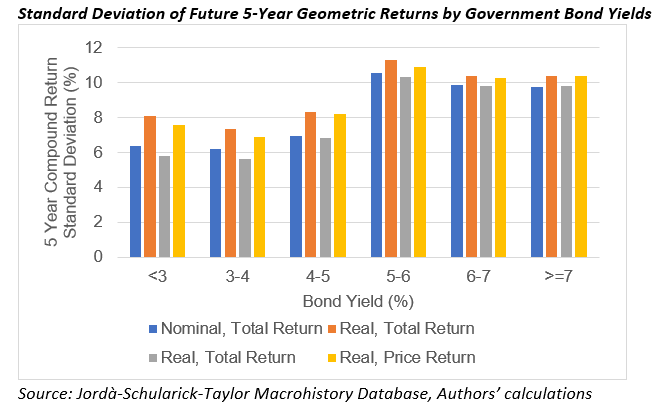
The historical evidence strongly suggests that equity returns are likely to be lower in a lower bond yield environment and this needs to be incorporated into financial projections and investor decision making.
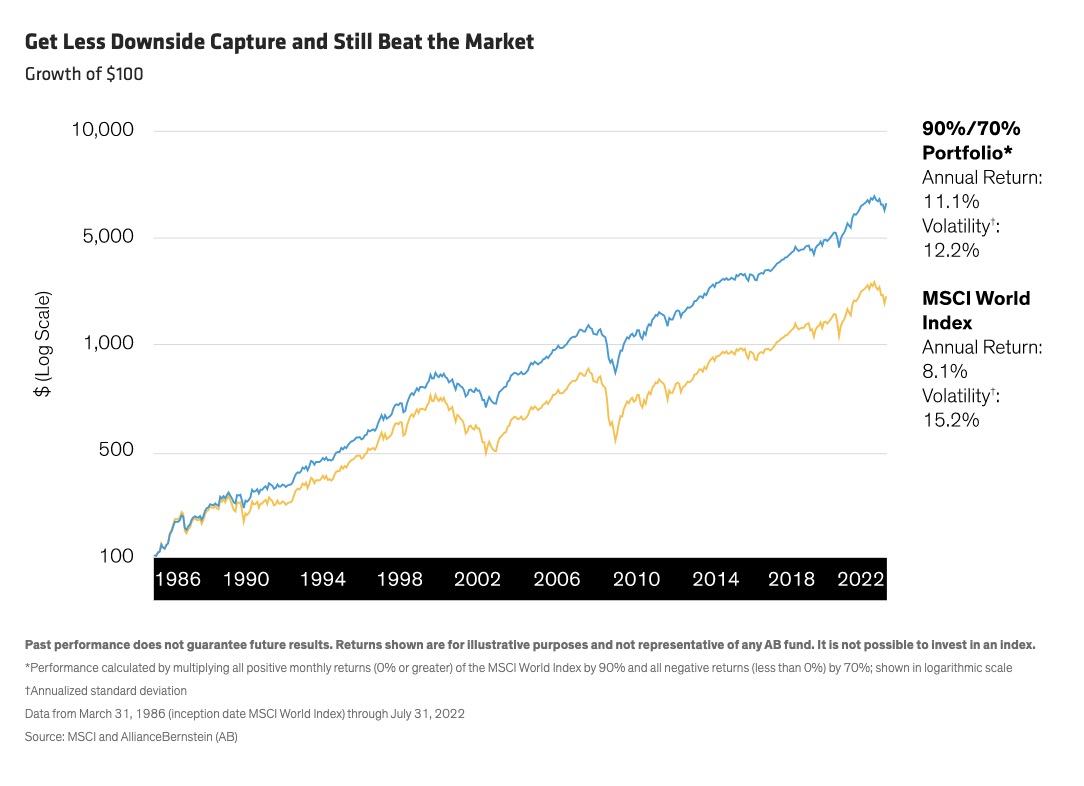
During this period of economic uncertainty and market stress, investors may be surprised to discover how a strategy targeting stocks that lose less in a downturn can beat the market over time.
It's been three months since the elevated May consumer prices report led the Federal Reserve to adopt a "whatever it takes" mentality to fight inflation.