The OPEC+ plan to curb oil production complicates the global economic, inflation, and geopolitical outlook and will likely lead to higher prices for key commodities.
"Carry on!!" was the gruff but oh so welcomed command screamed at me by Marine drill Sergeant Jo Quinn Cruz in October of 1967.
The era of “TINA”—short for “there is no alternative” and describing a phenomenon where bond yields were so low that many investors felt they had no choice but to invest in stocks, even at stretched valuations—has given way to a market where they can “pay attention to the yield(s).” Or “PATTY,” for short.
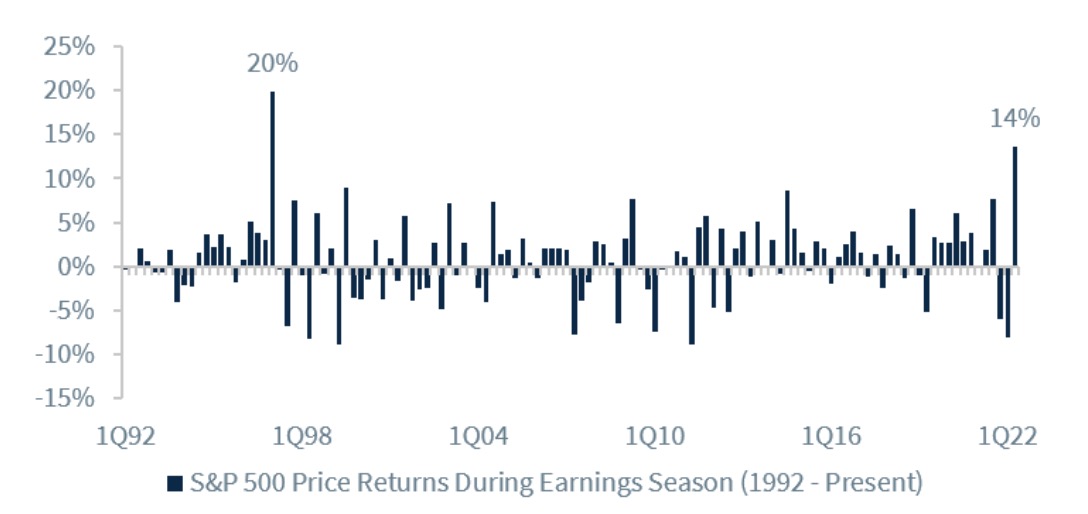
When you look at expectations for corporate earnings for the third quarter, you get a bunch of mixed messages.
In a recession, you must know what mistakes to avoid to protect your 401k.
The US Federal Reserve is under pressure to stop raising interest rates lest it plunge the entire world into recession. This concern is not unfounded.
Jamie Dimon says don’t be surprised if the S&P 500 loses another one-fifth of its value. While such a plunge would fray trader nerves and stress retirement accounts, history shows it wouldn’t require any major departures from past precedents to occur.
E-commerce stocks have struggled this year, and plenty of investors are doubtful the holiday shopping season will provide a catalyst to turn things around.
Allianz SE chief economic adviser Mohamed El-Erian said that aggressive monetary tightening by the Federal Reserve will not only damage the US economy, but will have an impact on the rest of the world.
Banks globally are finding there are fewer corporate acquisitions to finance now, forcing lenders to focus on a less lucrative business: giving loans to corporations looking to cover rising expenses amid high inflation.
U.S. equities are mixed as investors await this week’s highly anticipated September inflation data.
It is as though the finance world decided to take a page out of the music industry's book by recycling a melody with only slight variations.
We do not expect the current environment of weakening economic growth to dislodge the long-term staying power of our investment themes and have also taken great care to try to insulate against the most pernicious risks that inflation poses to equity investments.
In recent months, the economy has shown remarkable resilience in the face of a cyclical downturn.
Growth stocks enjoyed a supercharged post-COVID rally before higher rates and inflation dealt a heavy blow in 2022.
Recent economic reports further undermine the politically-motivated argument from earlier this year that the US was already in a recession.
Millions of Americans are racing to file their 2021 federal taxes before time runs out.
Everywhere you turn, the biggest players in the $23.7 trillion US Treasuries market are in retreat.
You never know where the next crisis will arise but last week it came from a particularly unlikely place: defined-benefit pensions. The UK government bond market (gilts) went wild as rates spiked and pension funds failed to meet their margin calls.
The biggest puzzle in the US economy this year has been two straight quarters of negative real economic growth accompanied by booming job growth.
Federal Reserve officials have been getting an earful about the economic threat that the US central bank’s rapid monetary tightening presents to the rest of the world — complaints that will no doubt be amplified at this week’s meetings of the International Monetary Fund and the World Bank.
According to Woody Brock, inflation will not fall back to the pre-COVID 2% level that the Fed wants. Two underlying structural changes will keep inflation at about 4.
“Market instability” remains the most significant risk to central banks globally.
In a new book, three economists assessed, using detailed data, whether income inequality in America is as great as everybody thinks it is. They conclude that, by a wide margin, it is not, for surprising reasons.
The Great Moderation has given way to the Great Stagflation, which will be characterized by instability and a confluence of slow-motion negative supply shocks.
Evidence of a cooling labor market is emerging.
The fast money refused to join the crowd betting the Federal Reserve was about to make a friendly shift in monetary policy. It proved a prescient bet after Friday’s jobs report.
The world’s largest beef producer joined a chorus of Cassandras this week signaling the end of alternative meats.
A sizzling rally in global semiconductor stocks this week is starting to look illusory as a slew of disappointing earnings from major chipmakers pointed to a likely protracted downturn for the sector.
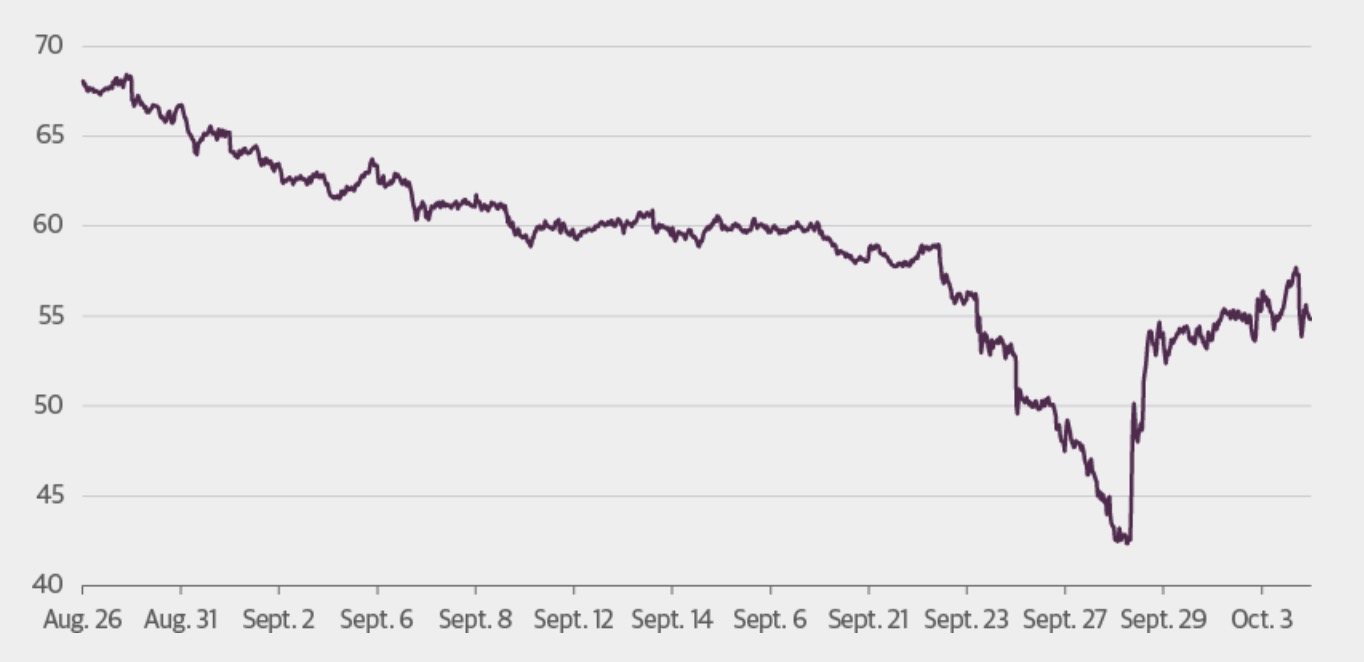
The worst may be behind gold mining stocks. Since hitting a 52-week low on September 26, they’ve risen about 18% and today notched their second straight week of positive gains.
Today I want to talk about why the labor market is so out of balance. Some of this is new and some has been brewing for many years. We will end with some commentary on yesterday’s unemployment report.
Review the latest Weekly Headings by CIO Larry Adam.
A recent MarketWatch article discussed JPMorgan’s Chief Operating Officer, Daniel Pinto, views about a coming mild recession.
October will test the Fed’s resolve.
The fourth quarter is starting with a bang for precious metals markets.
Booming demand for batteries powering the world’s shift into electric vehicles is rekindling US cobalt production after at least a 30-year hiatus.
US employers continued to hire at a solid pace last month and the jobless rate unexpectedly returned to a historic low, indicating a sturdy labor market that puts the inflation-focused Federal Reserve on course for another outsize interest-rate hike.
US equity earnings are behaving similarly to the run-up to previous recessions, tallying with multiple leading indicators showing the US is on track for an economic slump.
If it feels like the winter holiday season starts earlier every year, that’s because it does.
The world seems an increasingly uncomfortable place for traditional stock and bond investments.
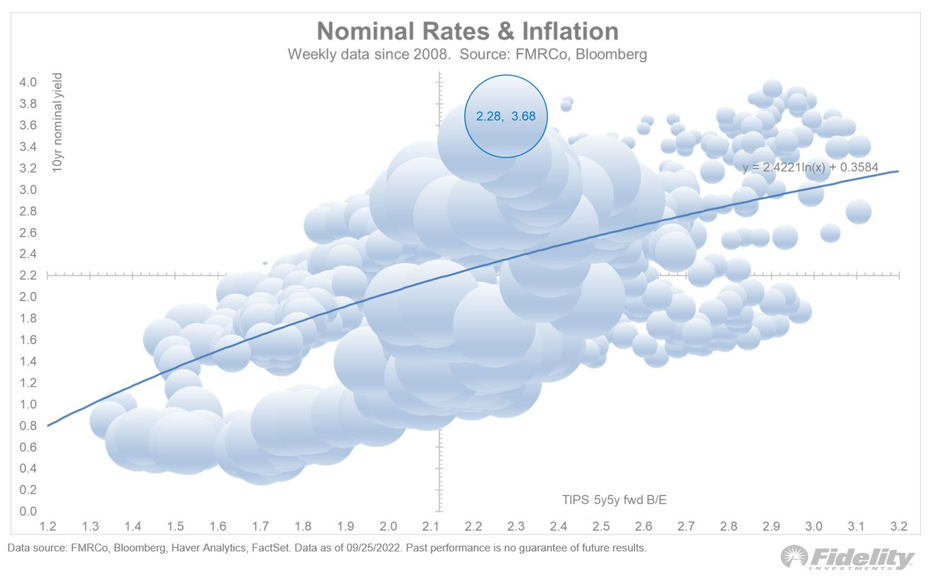
One of the themes I’ve discussed in recent months is the disconnect between a 40 year high in inflation and the lack of experience money managers have in understanding the monetary policy required to deal with such high inflation, including managers with 25 to 30 years of experience
Investors hoping that third quarter earnings will be strong enough to reverse this year’s steady selloff in technology stocks should brace for the prospect of weak company outlooks causing further pain.
Dip buyers wagering that the era of central-bank hawkishness has peaked got a reminder Wednesday that they are playing a dangerous game.
Gold slipped as fresh data continued to paint a mixed picture of the US economy, clouding the outlook for the Federal Reserve’s interest-rate path.
There's a new religion in economic policymaking. It's a more modern view of supply-side economics with converts on both the right and the left. But what that means and how to achieve it is dividing policymakers.
The firestorm among UK pension funds is a wake-up call for their peers across the Atlantic. The end of an era of cheap money is exposing an industry that’s chronically underfunded and overexposed to market turbulence.
We are in the middle of a giant short squeeze, and it is going to get even bigger.
If one is watching CNBC to figure out where markets are headed, they will be better served looking to the bond market for direction.
U.S. stocks are trading modestly lower in pre-market action with the markets awaiting tomorrow's key September nonfarm payroll report.
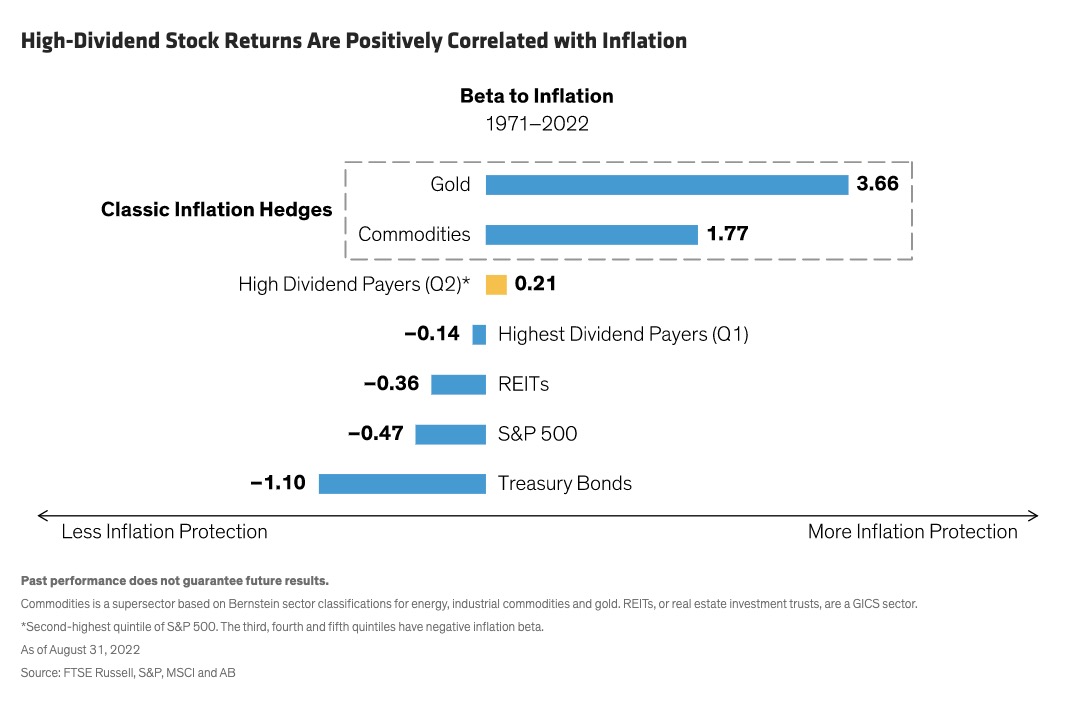
Many investors are searching for assets that can help protect portfolios from inflation.