2022 was a year of disappointment and negative surprises as economies faced the consequences of geopolitical turmoil and central banks fighting inflation.
U.S. stocks are extending a late last-week rally, with Q4 earnings season set to shift into high gear.
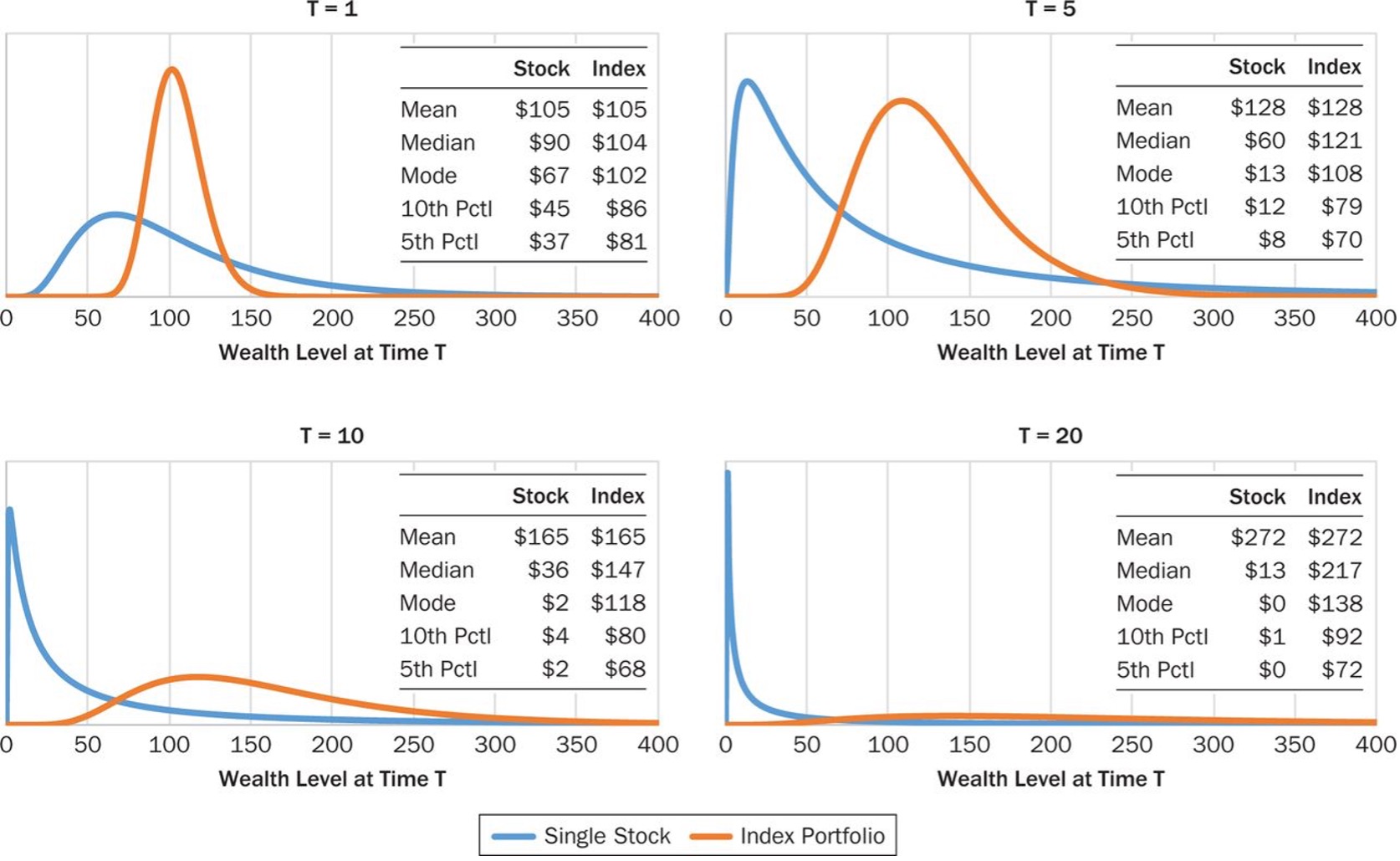
Advisors can illustrate the risks in single-stock positions by educating their clients on the historical evidence that demonstrates diversification is the prudent strategy.
Is the Fed trying to wean the markets off monetary policy?
Ray Dalio, founder of the world’s largest hedge fund, has one.
The world’s leading CEOs, politicians, and various do-gooders were in Davos, Switzerland, this week, discussing ways to solve our collective problems and create opportunities for their own companies. The most important conversations were off the record and many of the public speeches were simply performance art.
A January survey conducted by Bank of America shows that 91% of money managers believe China will “fully reopen” in 2023. That’s a significant increase from December 2022. Growth expectations for the country are also at a 17-year high.
The recurring farce of lifting the US government debt ceiling began again this week.
U.S. equities are higher, as the markets look to get back to their winning ways after a two-day losing streak.
Investors may be able to lock in higher yield levels notes Doug Drabik, Managing Director, Fixed Income Research and Nick Goetze, Managing Director, Fixed Income Solutions.
A common mistake that investors make regarding dividend portfolio construction is not having a well-thought-out plan.
The greatest financial risk for depleting retirement resources is an unexpected and lengthy stay in a long-term healthcare facility.
Dina Ting, our Head of Global Index Portfolio Management, offers her perspective on the allure of multifactor US mid-capitalization strategies for 2023.
A correct, affordable and successful industrial policy would create the conditions in which the U.S. and foreign companies will invest in U.S. re-industrialization in their own self-interest.
2022 was a difficult year for bond investors, but the combination of high inflation and tighter Fed policy should keep yields elevated, creating materially stronger fixed income returns in the new year.
We call them narratives, memes, or mind viruses.
The best start to a year for bond returns is helping fuel an unprecedented debt-sale bonanza by governments and companies around the world of more than half a trillion dollars.
Bond traders were once deemed so powerful and all-knowing that Tom Wolfe described them as the “Masters of the Universe” in his classic 1987 novel “The Bonfire of the Vanities” that used Wall Street as its backdrop.
Behind the five-decade low US unemployment rate of 3.5% lies a 2.6 million-person mystery.
Some of the biggest investors in US commercial real estate are looking to cash in before property values slide further.
Portfolio Manager Michael Oh, CFA, reviews what he seeks out in innovative companies and why he thinks Asia may be in the early innings of innovation in more than technology.
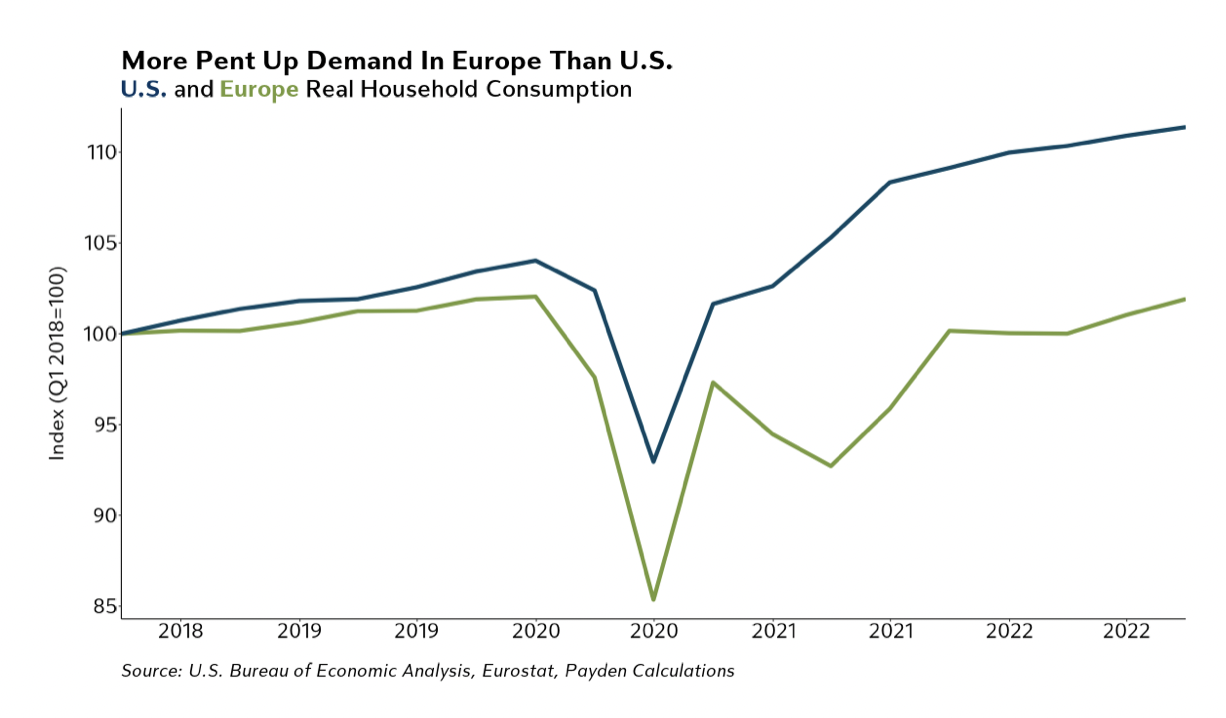
European policymakers face a dilemma: continue to hike interest rates to combat inflation or ease off to stimulate growth.
We believe it is important to keep you informed on the latest proposals and regulations impacting the retirement industry, as well as implications to your business.
It is a challenge to design a website that addresses the needs and questions of multiple client types.
Higher expenses and a plunge in deal-making hobbled quarterly results for two of Wall Street’s premier investment banks, with shares of Goldman Sachs Group Inc. sinking amid concern that the situation won’t improve anytime soon.
One of the main questions for the US economy in 2023 is how the trajectory of inflation will unfold.
Let me share a story of an RIA who will be forced to mount a legal defense because of a lawsuit that is likely to be filed by two of his retired clients.
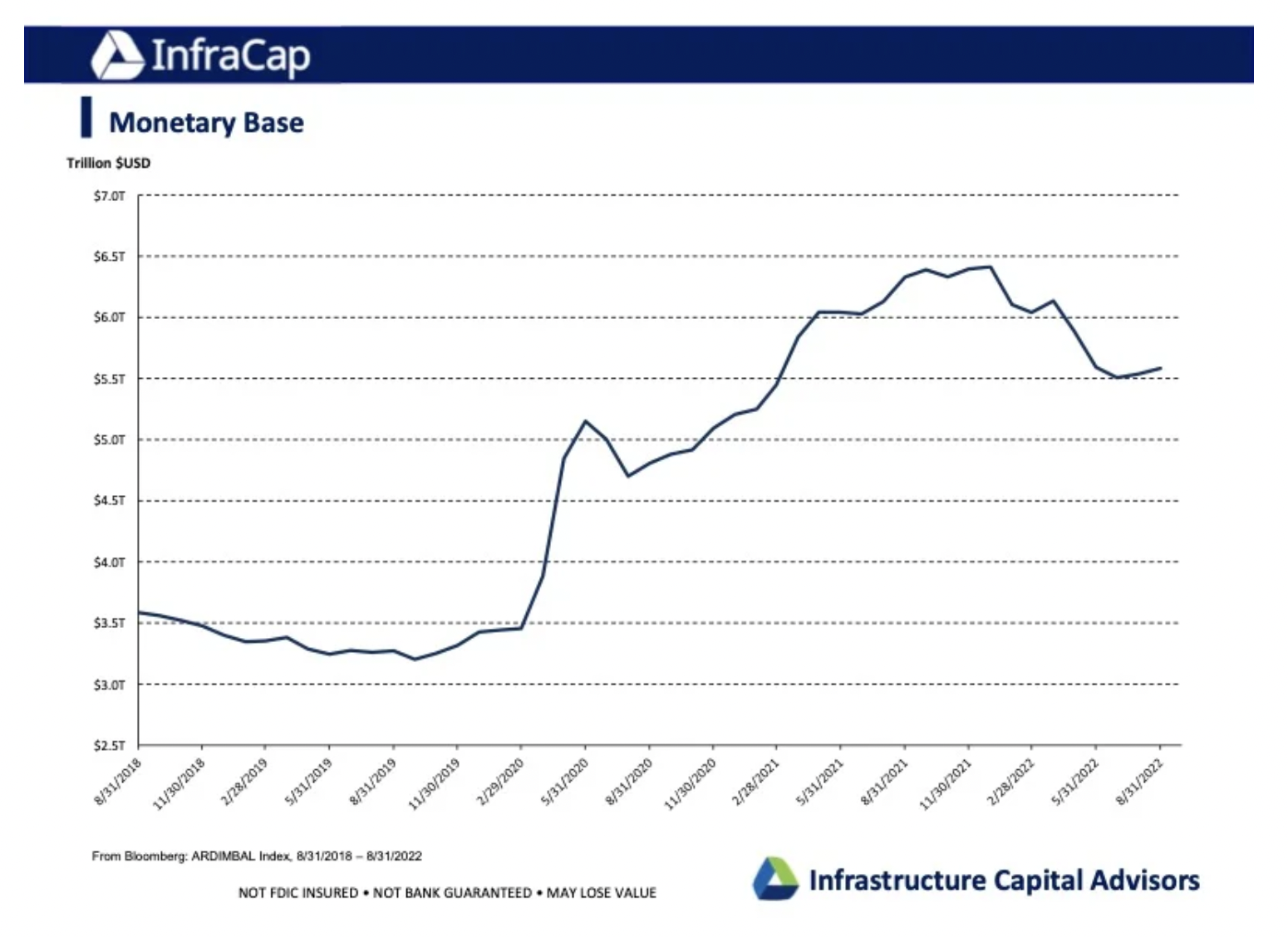
The team at Infrastructure Capital Advisors provides key insights and advice on current market conditions and economic outlook for this month and the coming months.
VettaFi’s Tom Hendrickson and Lara Crigger highlight 2022’s rising ETF stars. George Noble explains the Noble Absolute Return ETF (NOPE). NYSE’s Mo Sparks and Trackinsight’s Robert Jaeger discuss their new collaboration, ETF Central.
Morningstar’s latest research showed higher safe spending rates across all asset allocations over all time horizons. I don’t agree with those results.
Investors don’t appear to have been fazed by the FAA mishap. Shares of U.S. domestic airlines finished Wednesday up more than 1% before advancing a further 4% on Thursday in response to positive earnings estimates.
This article explores how the addition of specific liquid alternative strategies produces an “All-Terrain” portfolio with the potential for improved long-term performance across a wider range of market environments.
One of the most lucrative money-making machines in the world of finance is all clogged up, threatening a year of pain for Wall Street banks and private-equity barons as a decade-long deal boom goes bust.
Welcome to tax season, TikTok edition.
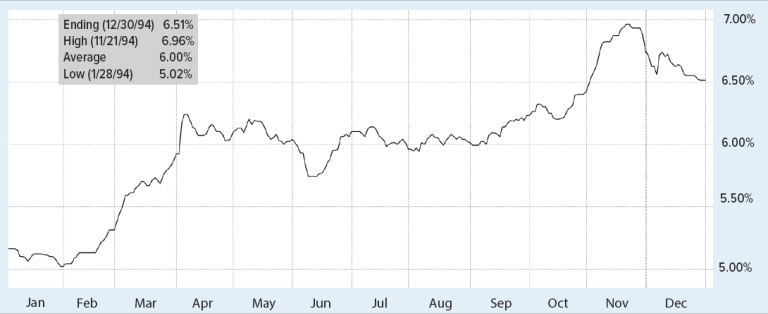
Current federal monetary policy, fixed income returns and economic landscape appear to closely parallel the bond bear markets in the 1990s.
Our 2022 ESG manager survey findings reinforced our belief that the integration of environmental, social and governance (ESG) factors into investment processes is here to stay.
U.S. equities are lower in pre-market trading with the Street digesting a slew of results from the banking sector to kick off Q4 earnings season.
U.S. stocks are choppy as the markets wrestle with the implications of a highly anticipated December consumer price inflation report that showed the headline figure declined but the core rate rose, both in line with expectations.
Throughout this year, Wealthspire Advisors’ Investment Team has spent significant time discussing inflation and the Federal Reserve and felt it was important to pivot towards the story in financial markets for 2022, which begins and ends with fixed income.
Since we gave up on the idea that high inflation would be transitory, the hope has been that we would manage a soft landing: Inflation would melt back to 2% without doing too much harm to the labor market or economic growth.
The six biggest Wall Street banks are expected to slash their corporate bond issuance in 2023 for a second year in a row, offering a bright spot for investors nursing record losses from the debt last year.
Demand for Europe’s debt sales has topped half a trillion euros already this year as investors seek to put money to work in bonds offering some of the highest yields in years.
Market volatility and the Federal Reserve's efforts to reduce inflation will continue to garner attention.
I am on record of often pointing out that it is a market of stocks and not a stock market.
After enduring one of the worst years on record across asset classes, investors should find more cause for optimism in 2023, even as the global economy faces challenges.
2023 may be another difficult year for investors who hope to relive the speculative markets of 2020 and 2021.
The market volatility and interest-rate hikes that gave US banks their biggest windfall last year may prove to be their biggest headache in 2023.
2022 was a rough year for fixed income, but we anticipate better days ahead as the Fed will likely keep rates elevated in its ongoing battle against inflation.
The bond market is much cheaper than the stock market, according to Jeffrey Gundlach. Investors should abandon the traditional 60/40 stock/bond allocation in favor of a 40/60 split.
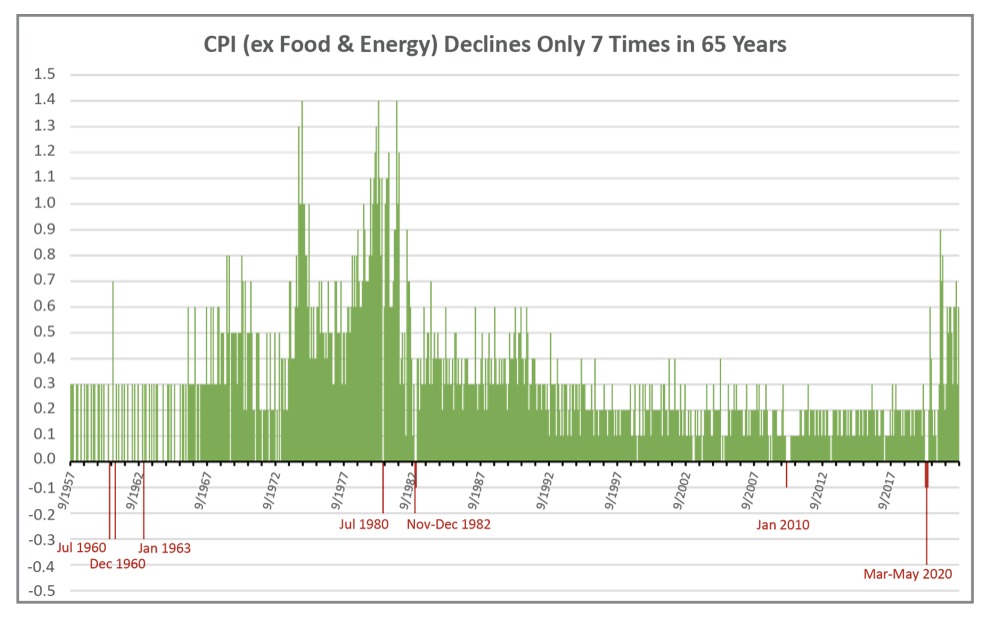
Although inflation appears to have peaked, historical data suggests that prices are unlikely to reverse themselves, which could lead to an extended period of wage inflation.