Realty Income, A.K.A. the Monthly Dividend Company, has rarely been attractively valued since the spring of 2010. However, rising interest rates have brought the price down to fair value.
The U.S. dollar remains the world’s top reserve currency for now, though its share of global central banks’ official holdings has slipped in the past 20 years. By contrast, the yuan’s share of official holdings has more than doubled since 2016.
China’s economy is in the early stages of a gradual, consumer-led recovery. In this issue of Sinology, Andy Rothman outlines why China’s opportunities outweigh risks.
Following recent efforts by central banks and regulators to alleviate the banking crisis, Franklin Templeton Institute’s Stephen Dover and Lukasz Kalwak discuss their thoughts on the implications and outlook for the banking industries in the United States and Europe.
The GMO Focused Equity team has evaluated banks in the context of our Quality Strategy for 20 years, using both quantitative and fundamental analysis to invest in high-quality banks with healthy financials and in our opinion responsible management practices.
To help understand the current market volatility arising from the collapse of banks in the United States and Europe, Head of Franklin Templeton Institute Stephen Dover provides his answers to three crucial questions.
Stocks fell and volatility rose this morning as banking sector worries persist.
Financial markets seem to have returned to trying to time a dovish Federal Reserve turn, but Franklin Templeton Fixed Income CIO Sonal Desai says with a tight labor market and inflation running at 5%-6%—don’t bank on it.
In a closely watched decision, the Fed lifted its benchmark lending rate by 25 basis points to a range of 4.75% to 5% at the conclusion of its March policy meeting.
Read our latest insight where Dan Suzuki explains what investors need to know about the Silicon Valley Bank collapse.
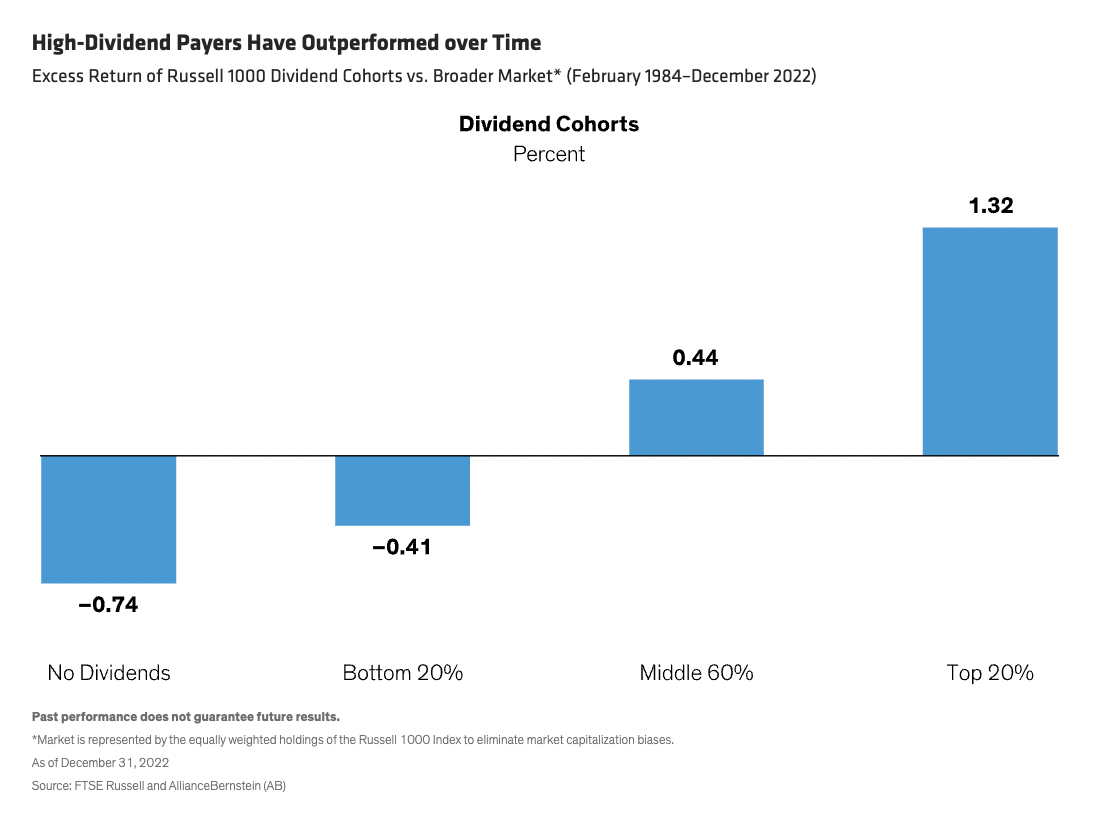
Income-seeking investors are accustomed to casting wide nets after years of low yields.
Silicon Valley Bank was a “vital cog” in the private market ecosystem, which leads to many questions—and opportunities—across the alternative investments landscape.
U.S. stocks climbed for a second straight day Tuesday, with the tech-focused Nasdaq Composite ending near a five-week high, as jitters over bank instability eased.
A question has arisen amid all the bank failures. How, with the bond market enduring its worst spasm of volatility in almost four decades, have benchmark-level stocks managed to glide along, oases of calm?
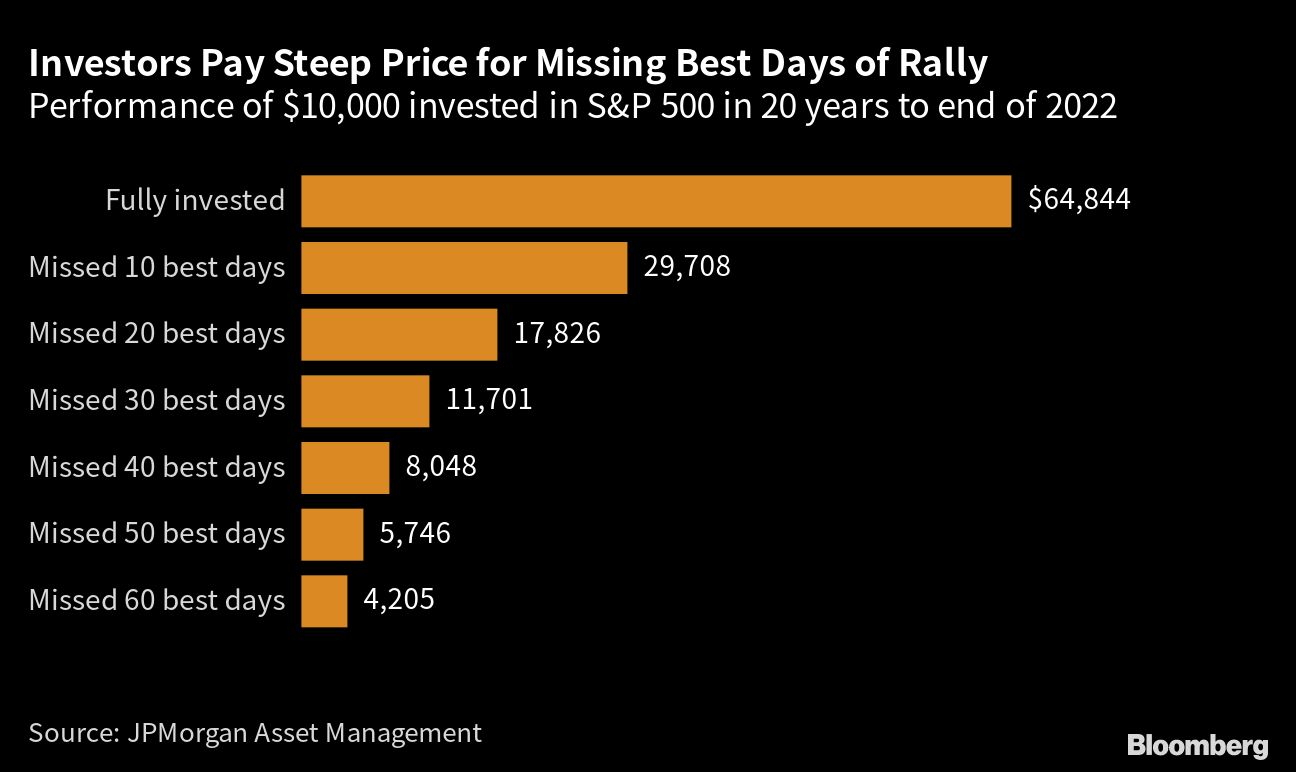
Some of the world’s biggest investors are looking beyond interest-rate hikes, bank failures and the threat of recession to one of the greatest fears of all money managers — missing out on the next big rally.
Banking turmoil continues to rattle the global markets and investor confidence.
CIO Larry Adam outlines the positive events that are outweighing negative developments and looks at dynamics to focus on in the week ahead.
If you work with boomer-generation women, are you properly responding to their need for lifetime income? Consider this parable.
VettaFi’s Todd Rosenbluth highlights the three biggest ETF research trends on their platform. Tuttle Capital’s Matt Tuttle goes in-depth on the Long Cramer Tracker ETF (LJIM) and the Inverse Cramer Tracker ETF (SJIM). Bitwise’s Matt Hougan explains the recently launched Bitwise Bitcoin Strategy Optimum Roll ETF (BITC) and offers perspective on bitcoin in a portfolio.
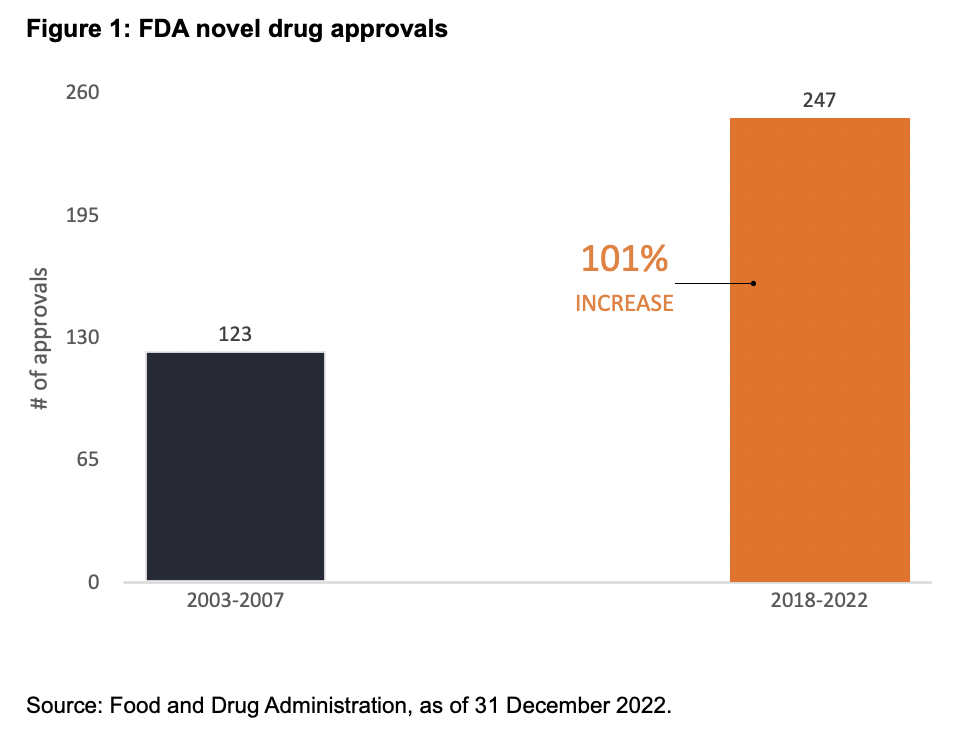
Portfolio Manager Andy Acker explains why the healthcare sector could offer an attractive combination of defense and growth in today’s market.
Robust risk management is essential for fixed income investors. In his latest commentary, Marcus Moore explains why our sustainable investing team considers ESG factors as material business risks, similar to the traditional risks they also analyze.
Franklin Templeton Investment Solutions explores the shared macro concerns that set the stage for the recent banking crisis, its ripple effects on the broader economy and implications for multi-asset investing.
Sixty-six million Americans currently receive monthly benefits from Social Security, which, if nothing changes, is expected to be insolvent by 2035 at the latest. It’s time for Americans to take a greater role in their own retirement planning.
My “five-step investment process” provides an ongoing systematic framework for making portfolio decisions, and further incorporating financial planning and tax considerations into overall portfolio construction.
U.S. equities are lower as pressure has returned to the banking sector, which remains top of mind.
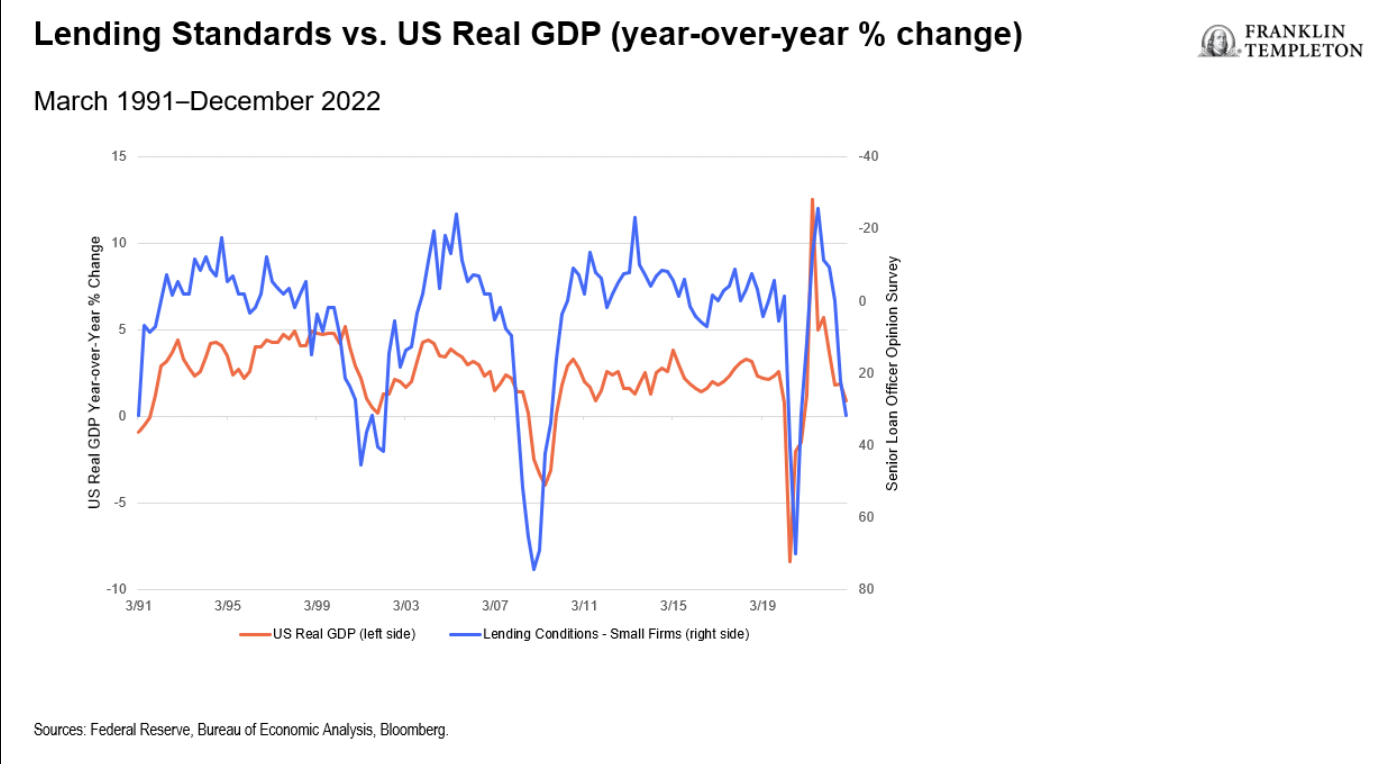
The market gyrations are not rooted in a banking crisis, but in financial cracks from rapid rate hikes.
Portfolio manager Peeyush Mittal and research analyst Swagato Ghosh say India has a fiscal playbook to chart a path of stability and growth.
Implications of SVB and Credit Suisse on the European banking sector—check out highlights from our recent panel discussion with Kim Catechis, Investment Strategist with the Franklin Templeton Institute.
Is upheaval in the banking sector the prelude to a financial crisis, or just the biggest bump yet on the road to restoring order to the economy? Stock investors clinging to hopes this too shall pass are having their tolerance for pain severely tested.
Financial market volatility has followed the collapse of Silicon Valley Bank. Stephen Dover, Head of Franklin Templeton Institute, shares his thoughts on possible implications outside the United States.
What our experts think about today's market action.
Advisors are increasingly using annuities when they determine that it is in their clients’ best interests. They recognize that it is a client’s income – not their wealth – that matters in retirement, and annuities are the only way to provide a longevity-protected income solution. Rising inflation and uncertainty over high market valuations have made the need to secure lifetime income more acute, and rising interest rates have made annuities more affordable.
Here to discuss how to help clients and prospects determine if an annuity is a good fit for their financial needs are three members of the Protective Life team: Lori Marino, Tom Sullivan and Mark Berwanger.
U.S. stocks are falling in pre-market trading as recent banking turmoil on this side of the pond made its way to Europe.
The extreme “tail” risk ahead may be disorienting.
When it comes to value, you can’t deliver too much. Here are five ways to deliver even more value to your clients this week – without beating them over the head.
The new SECURE Act 2.0 (Setting Every Community Up for Retirement Enhancement Act) seeks to make it easier for U.S. taxpayers to save for retirement and expands access to retirement plans.
The events that began with Thursday’s tumult in financial stocks and precipitated the FDIC takeover of Silicon Valley Bank and Signature Bank were swift.
Some of the world’s top money managers are sitting on a windfall after the collapse of Silicon Valley Bank spurred the biggest rally in US Treasuries since the early 1980s.
Regulators' prompt response and the creation of a new lending facility should limit broader market fallout from recent bank failures, notes Chief Investment Officer Larry Adam.
Why did Silicon Valley Bank fail?
VettaFi’s Tom Lydon discusses the ETF impact of SVB’s collapse, oral arguments in Grayscale’s SEC lawsuit, year-to-date ETF flows, and a Vanguard milestone. Roundhill’s Dave Mazza previews their upcoming lineup of “BIG” ETFs, which offers highly concentrated exposure to specific market sectors. SoFi’s Tobin McDaniel explains their unique approach to ETFs, including the “crowdsourced” SoFi Social 50 ETF (SFYF).
Here is some research on why our clients built a sizable portfolio while others had high income but little savings. I’ll address specifics on how to get savers to enjoy their money.
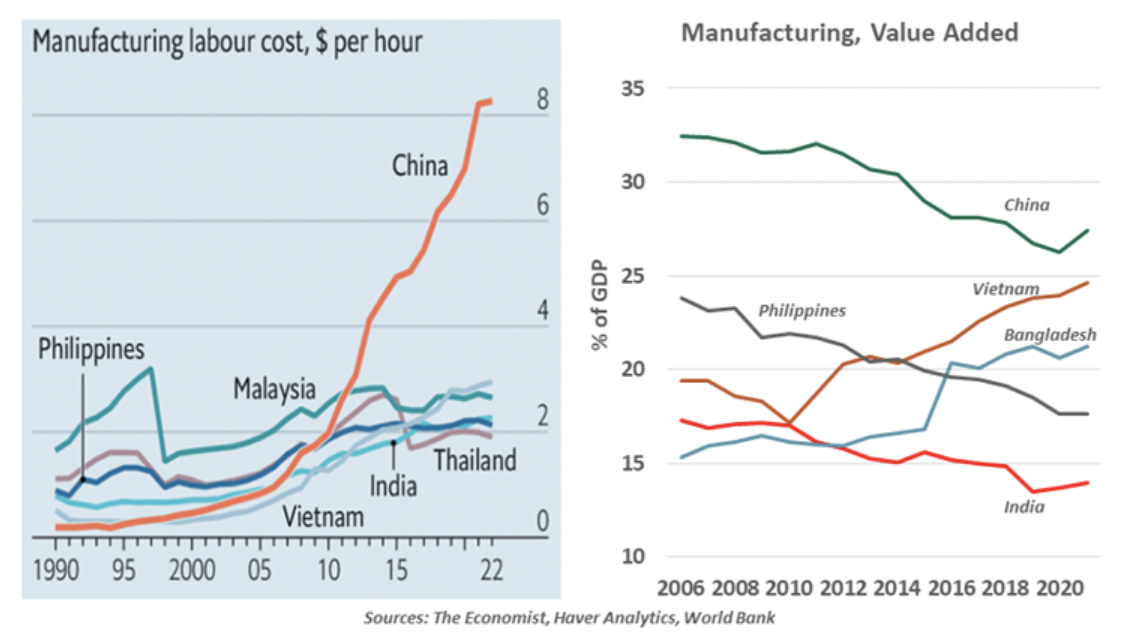
Can India capitalize on supply chain realignment to build its manufacturing sector?
U.S. stocks are extending last week's sharp declines that have come amid worries regarding the ultimate impact on the banking sector of the recent collapses of SVB Financial and Silvergate Capital.
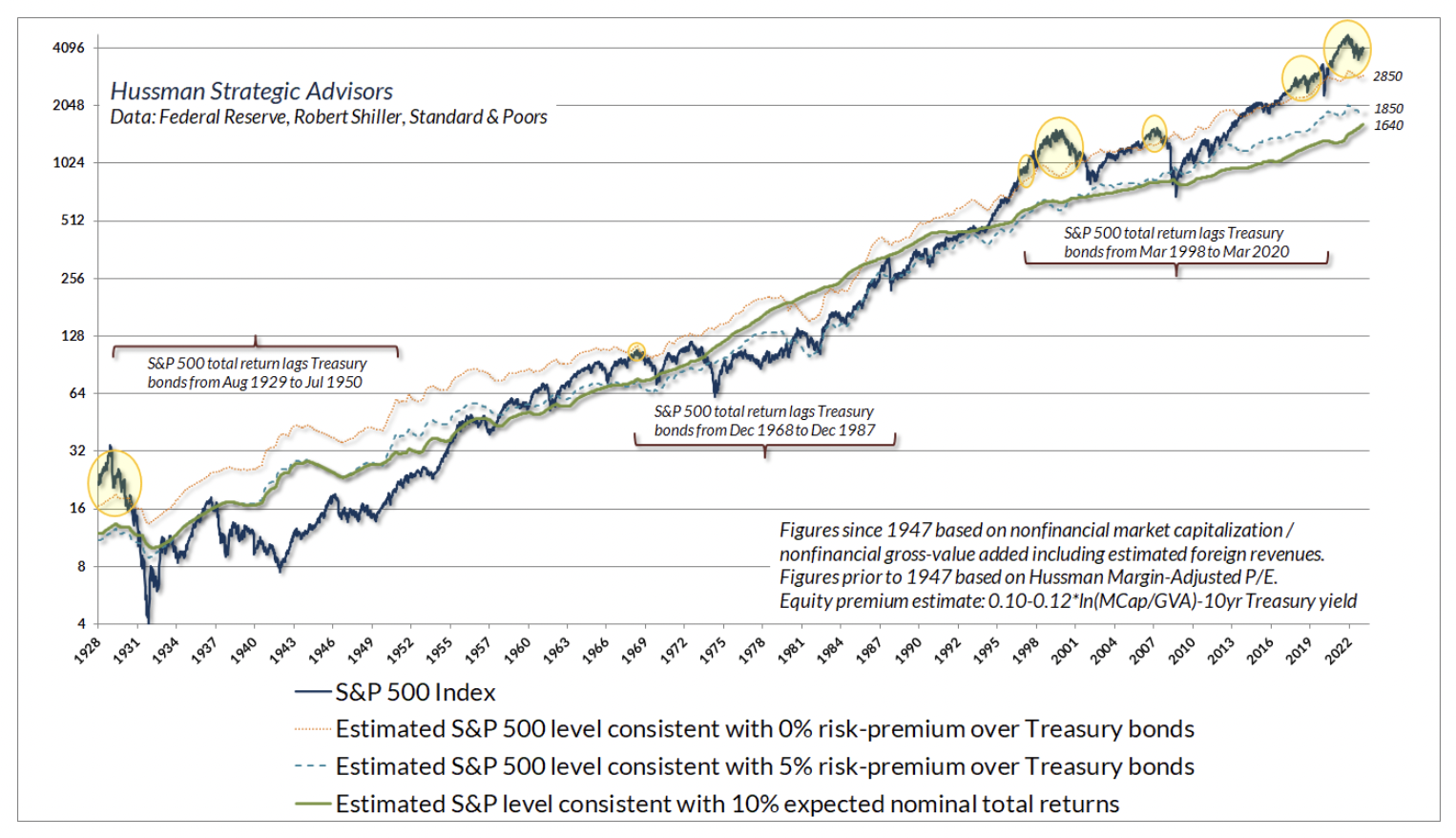
If a picture is worth a thousand words, this will be the “longest” letter I’ve sent you in a while, as there are quite a few pictures. It may also be the most wide-ranging.
Investors sought the safety of bonds for a second day as jitters over a rout in bank stocks hit risk sentiment and traders speculated that rate-hike bets had gone too far too fast.
Vanguard Group Inc.’s first new exchange-traded fund in two years is setting sail at a turbulent time for municipal debt.
U.S. equities are modestly higher in pre-market action following the February labor report that was only modestly above estimates.
We believe municipal bonds boast several key factors that position them as an attractive asset class in general, but especially so when markets are volatile.
Gen Zers, according to a recent Magnify Money survey, are overly optimistic about being wealthy.