For this edition of Bull vs. Bear, Karrie Gordon and Nick Peters-Golden discuss the case for trading in the old 60/40 portfolio for an alts augmented 50/30/20 portfolio.
Recession? Soft Landing? Getting a read on where the US economy is headed hasn’t been easy.
What might the sensational superstar Taylor Swift have in common with exchange-traded funds? David Mann, our Head of ETF Product and Capital Markets, lightheartedly examines the different eras of the ETF industry—drawing parallels to Swift’s memorable eras as a musician.
Effective tax planning means thinking about how tax rates might change.
Once again, markets are taking the elevator while economic data takes the stairs.
I thought I’d lead with some really impressive statistics. I just finished reading our latest ADV Part 2 (the SEC disclosure document provided annually to clients) describing the firm.
Federal Reserve policymakers are increasingly likely to leave interest rates unchanged at their next meeting in September after fresh data showed further signs of cooling inflation.
The potential for a Fed pause presents an opportunity for investors to consider adding duration back into their portfolios.
Flagging office occupancy rates have municipal bond investors concerned. But US cities have more than one card to play in the revenue game.
In 1949, the list of the country’s most affluent metropolitan areas was dominated by Midwestern industrial cities.
Bond investors who have repeatedly gotten burned buying 20-year Treasuries since the US government reintroduced them in 2020 appear willing to conclude that this time will be different.
This article takes a look at a long-term perspective on Treasury yields as of the July 31, 2023 close. The chart below shows the 10-year constant-maturity yield since 1962 along with the Fed funds rate (FFR) and inflation.
Doug Drabik discusses fixed income market conditions and offers insight for bond investors.
Do high-yield bonds still make sense for income investors at this stage of the credit cycle? We think so.
We see compelling value in high-quality, liquid fixed income assets that may offer potential resiliency if the economy weakens.
After an unprecedented pause that started in March 2020, student loan repayments will finally resume in October 2023.
We've all heard the mantra "Cut your losses early; let your profits run." Does it make sense? We take a deeper dive in this short research note.
We see emerging markets better withstanding volatility and benefiting as supply chains rewire. We switch our EM debt preference to hard currency from local.
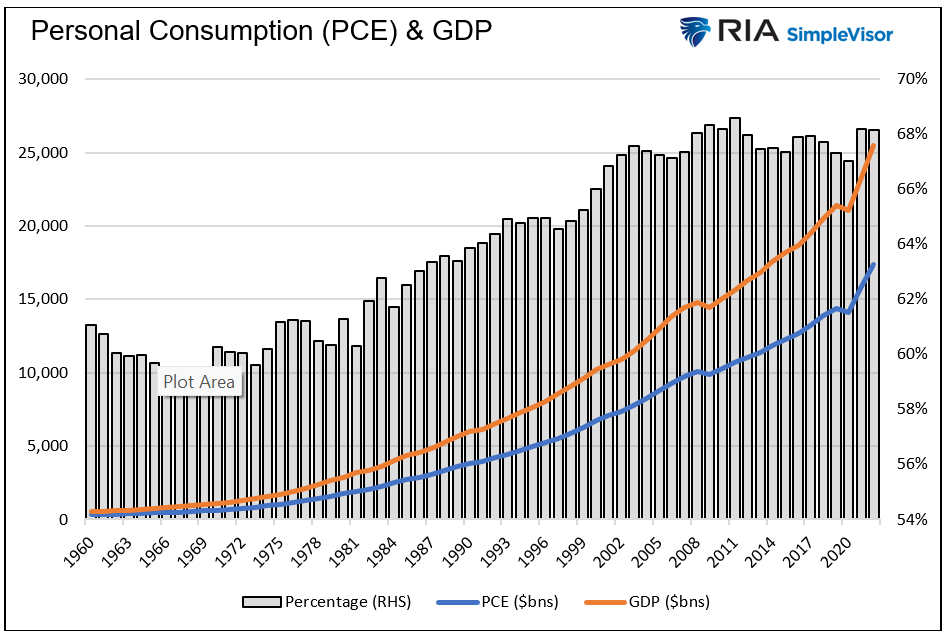
Personal consumption growth rates are showing signs of fatigue. Given it consistently accounts for more than two thirds of economic activity, it's worth exploring the state of the consumer.
Why don’t more advisors recommend simple portfolios?
US bank stocks declined after Moody’s Investors Service lowered its ratings for 10 small and midsize lenders and said it may downgrade major firms including U.S. Bancorp, Bank of New York Mellon Corp., State Street Corp., and Truist Financial Corp.
It’s time for our annual August report, “Charts for the Beach.” Each year we highlight five of our favorite charts we think consensus is currently overlooking. So, head for the beach, but be safe and heed the warning about the critical lifeguard shortages. Yet another sign the labor markets are historically tight!
A closely watched bond market gauge of expected US inflation is rising back toward a nine-year high, signaling concern the Federal Reserve may continue to wrestle with elevated price pressures for years.
July was an impressive asset-gathering month for ETFs. Much of the heavy lifting was done by the industry’s largest ETFs.
July was another good month for stocks across the board. The U.S. indices were up in the low single digits, while international markets also did well. Riskier investments like the Nasdaq and emerging markets did best.
It’s no secret that we are currently in a high interest-rate environment. The Federal Funds rate, the benchmark rate in the U.S. set by the Federal Open Market Committee (FOMC), currently sits between the range of 5.00% and 5.25%.
Berkshire Hathaway Inc. jumped to a record high after its Saturday earnings report showed an operating profit for the second quarter that exceeded Wall Street expectations.
Bulging sales of US Treasuries are about to deliver a major test of investor demand and determine whether a selloff has room to run, as the market braces for the biggest round of refunding auctions since last year.
Here is a tale of two families who were alike in many ways, including political and religious beliefs, income, and net worth. But they were drastically different in how they approached aging.
Earnings season has thus far been a mixed bag, and despite a notable increase in the beat rate, the market is rightfully shifting focus to guidance for the rest of the year.
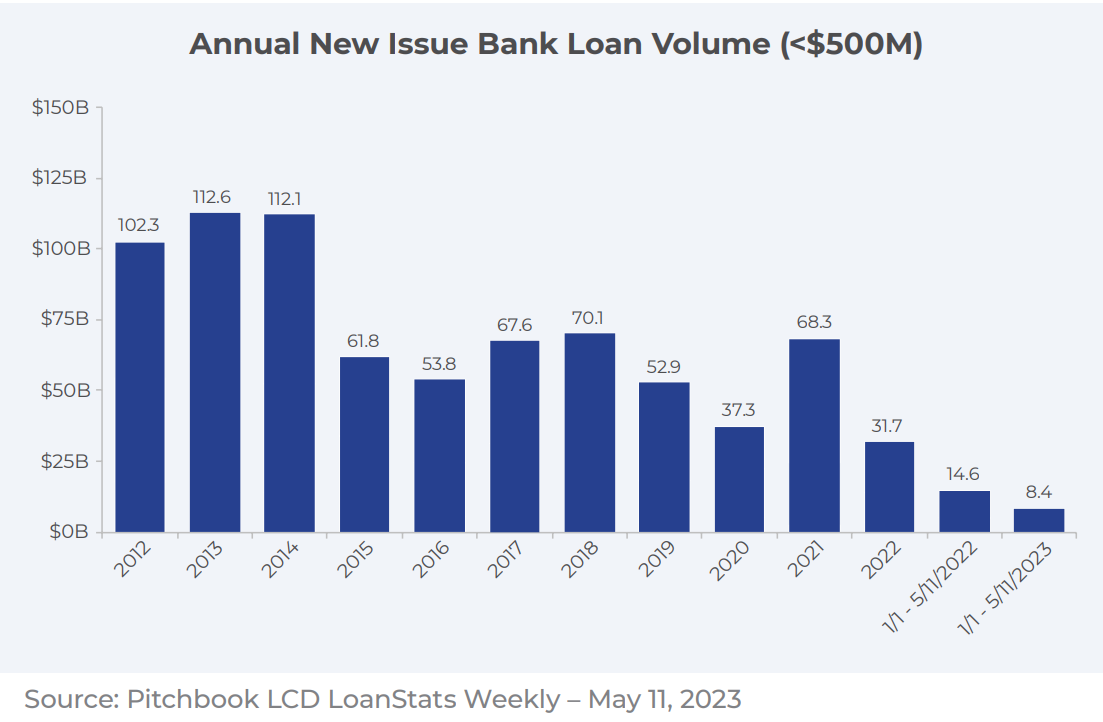
As the Fed tightens and banks accelerate their pullback from middle-market lending, private credit’s stability, strong downside protection and floating rate yields make it an attractive fixed income alternative.
Investors planning for retirement are facing seven significant challenges.
A fresh fiscal showdown is brewing in Washington that threatens to complicate the Federal Reserve’s policymaking and strengthen Fitch Ratings’ warning that self-inflicted wounds are tarnishing America’s standing in the global economy.
Peter Turchin’s End Times is a brilliant, sprawling, and oft-times maddening look at the rise and fall of nations and empire. He’s worried, and rightly so, about the United States.
Investors in emerging markets are shifting to stocks from bonds as they prepare for the world after monetary tightening.
For now, and according to the June Summary of Economic Projections (SEP) ‘dot-plot,’ the Fed still has one more 25 basis point increase for the federal funds rate before the end of this year.
Research Affiliates explain why their long-term return forecasts have risen across asset classes and the implications of their near-term outlook for U.S. recession.
Alphabet Inc., the umbrella organization encompassing Google, is a global conglomerate that has revolutionized the world by organizing information and making it universally accessible and beneficial.
Bank of England raises interest rates again as expected. Rate hike likely to hurt first-time homebuyers in London. UK gilt curve appears to be pricing in a "higher rates for longer" scenario.
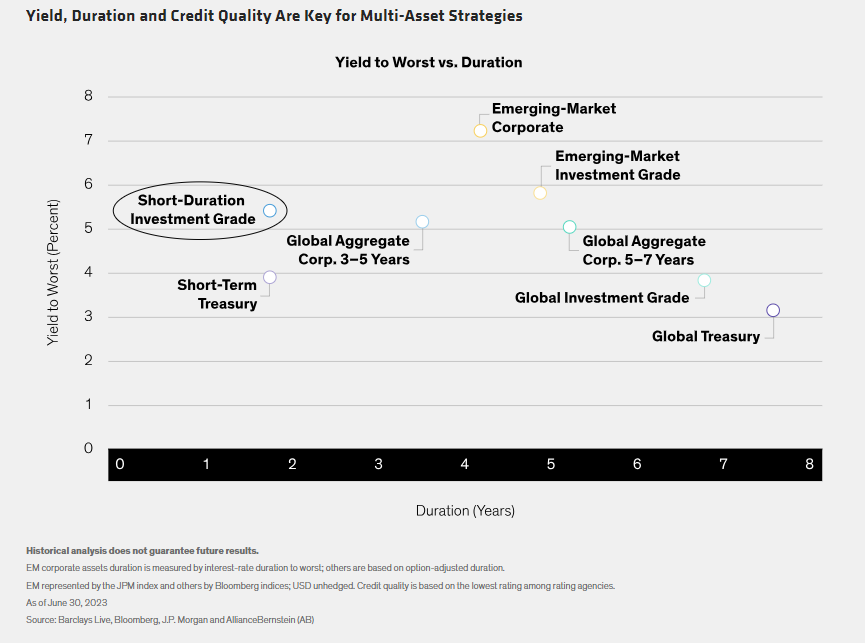
In any environment, multi-asset investors should prudently balance risks across equity, corporate credit and government bonds. But near-term tactical shifts can help take advantage of ever-evolving market conditions in the pursuit of long-term returns.
We are in the last half of what is the most disruptive and violent of the generational periods.
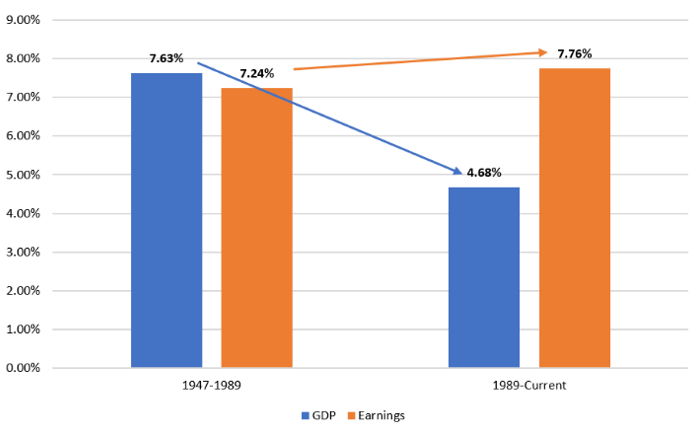
While Washington continues a seemingly unbridled spending spree under the assumption “more spending” is better, debts and deficits matter. To better understand the impact of debt and deficits on economic growth, we must know where we came from.
Equity Insights offers research and perspectives from Putnam’s equity team on market trends and opportunities.
Drew O’Neil discusses fixed income market conditions and offers insight for bond investors.
Australia and Canada are experiencing a surge in population growth, while growth rates have slowed substantially in the UK due to post-Brexit frictions.
Raymond James CIO Larry Adam examines the reasons for the decision and what the impact may be on the financial markets.
In this video, Chuck Carnevale, Co-Founder of FAST Graphs, a.k.a Mr. Valuation, discusses the differences between investing in growth stocks vs. dividend growth stocks.
New public policies reflect growing urgency to address climate risk, which equity investors should emphasize, too.
All told it’s hard to get worked up about the near-term implications of the latest downgrade. But it’s telling that one of the most popular defenses of America’s creditworthiness has lost its rhetorical potency.
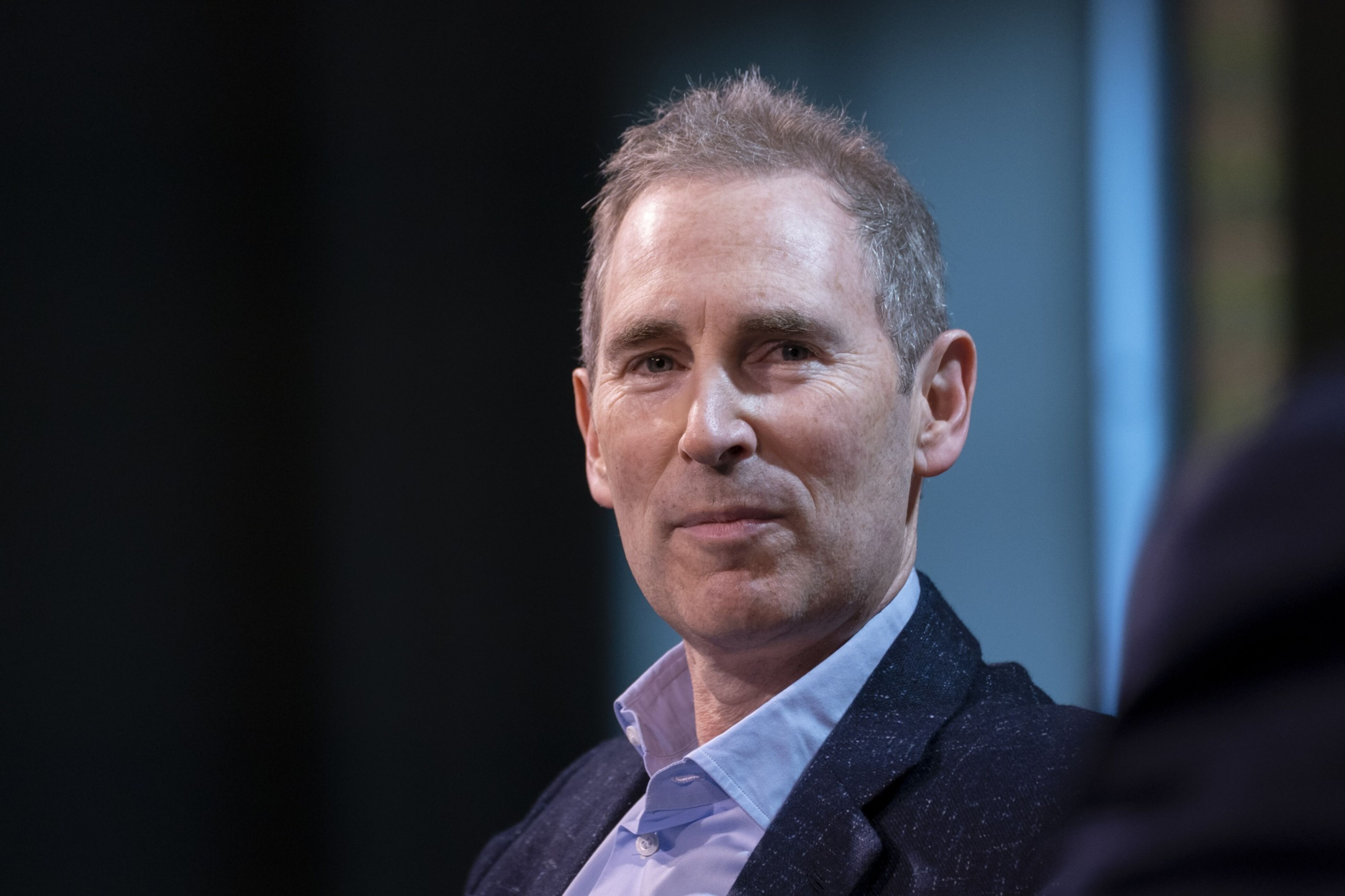
Amazon.com Inc. Chief Executive Officer Andy Jassy pulled off a financial double play this earnings season: generating strong revenue growth from the core e-commerce business while cutting the pace of spending. The shares rose about 9% as the markets opened on Friday.