Investors are zeroing in on key parts of the market for short-term dollar borrowing to determine if and how signs of systemic stress might be emerging after the biggest US bank collapse in over a decade.
Some of the world’s top money managers are sitting on a windfall after the collapse of Silicon Valley Bank spurred the biggest rally in US Treasuries since the early 1980s.
An acceleration in monthly core consumer prices seems likely to reinforce the Federal Reserve’s determination to raise interest rates to fight inflation, though the decision on next week’s move will be a tough call amid ongoing concern about financial turmoil.
Regulators' prompt response and the creation of a new lending facility should limit broader market fallout from recent bank failures, notes Chief Investment Officer Larry Adam.
The high-profile collapse of Silicon Valley Bank last week is a story about bad debt, just not in the way most people think.
VettaFi’s Tom Lydon discusses the ETF impact of SVB’s collapse, oral arguments in Grayscale’s SEC lawsuit, year-to-date ETF flows, and a Vanguard milestone. Roundhill’s Dave Mazza previews their upcoming lineup of “BIG” ETFs, which offers highly concentrated exposure to specific market sectors. SoFi’s Tobin McDaniel explains their unique approach to ETFs, including the “crowdsourced” SoFi Social 50 ETF (SFYF).
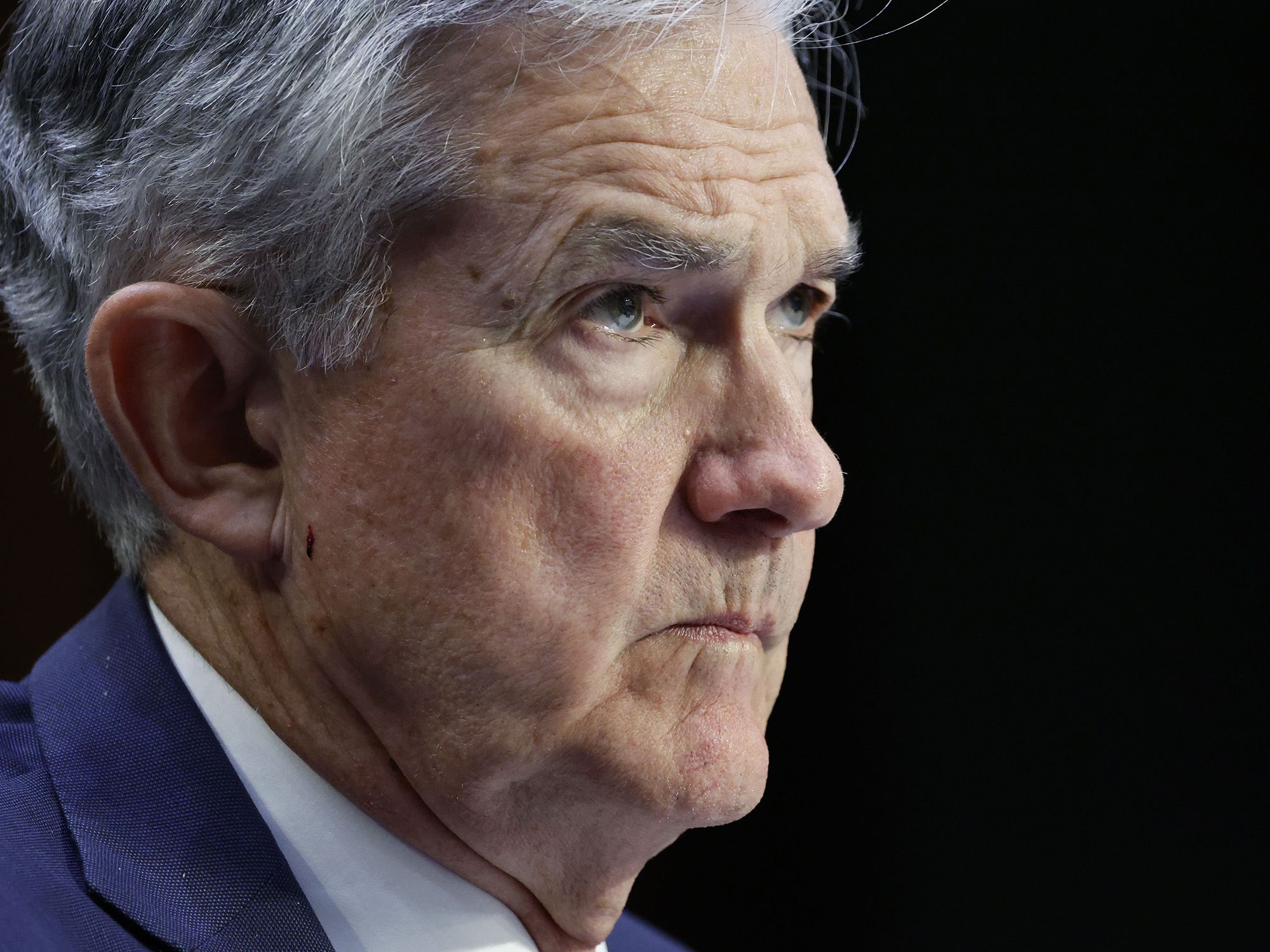
Federal Reserve Chair Jerome Powell’s strategy to speed up the central bank’s inflation-fighting efforts is unraveling in the wake of Silicon Valley Bank’s collapse.
Your clients need a hero – one who can help them navigate the uncertain world and keep them on track to living their best lives no matter what circumstances they face. That hero should be their financial advisor.
Senior Sovereign Analyst Jon Levy shares his analysis of the European Central Bank’s plans to unwind its largest quantitative policy measure, how it could affect markets and how it compares to previous policy changes.
Can we aggressively position assets today that have the potential for strong growth in the next 24 months when a tuition bill is due, without exposing those assets to market risk?
Here is some research on why our clients built a sizable portfolio while others had high income but little savings. I’ll address specifics on how to get savers to enjoy their money.
US authorities took extraordinary measures to shore up confidence in the financial system after the collapse of Silicon Valley Bank, introducing a new backstop for banks that Federal Reserve officials said was big enough to protect the entire nation’s deposits.
U.S. stocks are extending last week's sharp declines that have come amid worries regarding the ultimate impact on the banking sector of the recent collapses of SVB Financial and Silvergate Capital.
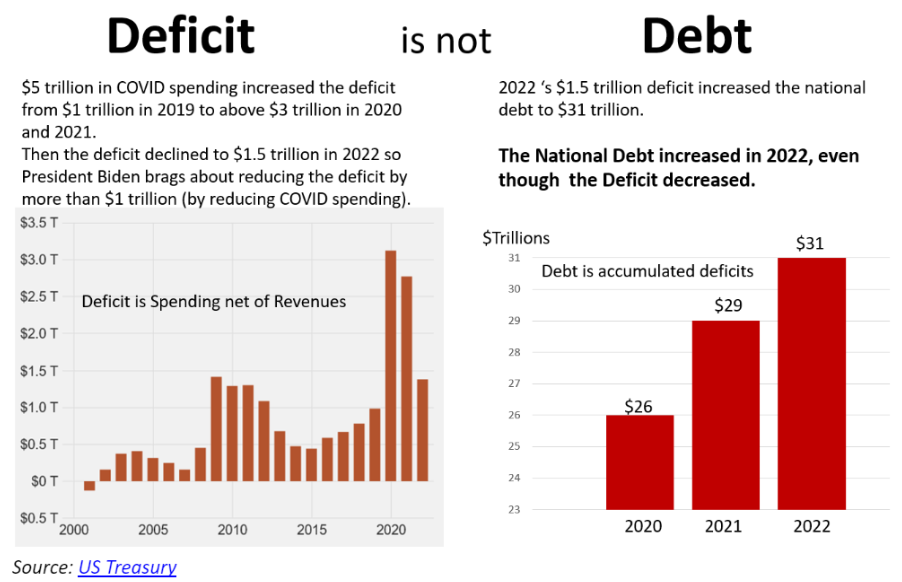
President Biden has proposed a $6.9 trillion budget that calls for reducing deficits and raising taxes on wealthy people and large corporations. There is a lot of spending in this budget that fuels inflation.
Here’s an update on the latest news involving Silicon Valley Bank and the implications for the Fed and markets, from Stephen Dover, Head of Franklin Templeton Institute.
Chief Economist Eugenio J. Alemán discusses current economic conditions.
If a picture is worth a thousand words, this will be the “longest” letter I’ve sent you in a while, as there are quite a few pictures. It may also be the most wide-ranging.
Like face recognition, artificial intelligence (AI), mRNA vaccines and other modern technology, Bitcoin is a key component of the ongoing, rapidly accelerating digital transformation.
Larry Culp is finally having a good year. General Electric Co. had been in nearly constant turmoil since Culp took over as chief executive officer with a turnaround mandate in 2018.
Short sellers are betting against Cathie Wood’s flagship fund more than ever before.
Greg Becker sat in a red armchair at an invite-only conference in Los Angeles last week, legs crossed, one hand cutting through air.
In September 2021, Silvergate Bank, specializing in digital currency, was performing well. In fact, the bank reported record-breaking growth in deposits and loans in 2020, thanks in part to increased demand for its services from clients in the cryptocurrency industry.
Investors sought the safety of bonds for a second day as jitters over a rout in bank stocks hit risk sentiment and traders speculated that rate-hike bets had gone too far too fast.
Former Treasury Secretary Lawrence Summers said that the odds are now almost even that the Federal Reserve will have to raise its benchmark interest rate to 6% or more to bring inflation back down to its 2% target.
Vanguard Group Inc.’s first new exchange-traded fund in two years is setting sail at a turbulent time for municipal debt.
Review the latest portfolio strategy commentary from Mike Gibbs, managing director of Equity Portfolio and Technical Strategy.
U.S. equities are modestly higher in pre-market action following the February labor report that was only modestly above estimates.
Head of Portfolio Strategy David Dali explains why it’s an opportune time to add emerging-market exposure.
We believe municipal bonds boast several key factors that position them as an attractive asset class in general, but especially so when markets are volatile.
Gen Zers, according to a recent Magnify Money survey, are overly optimistic about being wealthy.
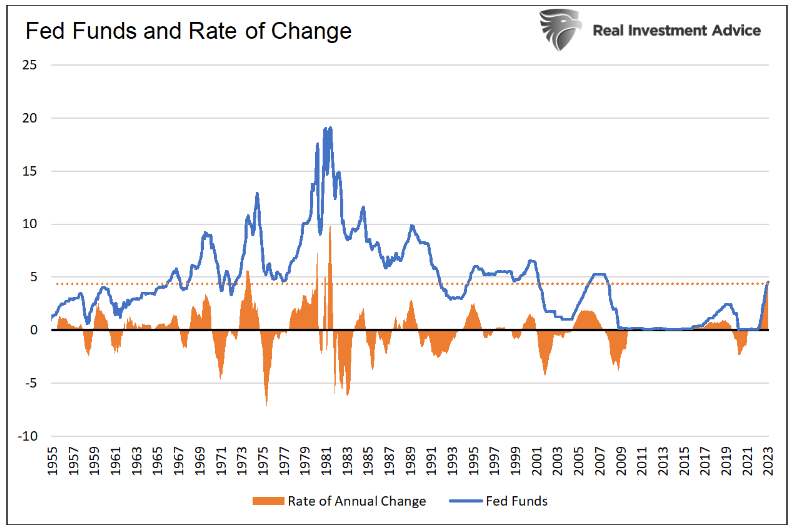
Having raised rates by over 4% over a short period and in a very leveraged economy, the Fed no longer has the big stick it used to have. Therefore, speaking loudly with hawkish rhetoric and narrative must become a priority.
U.S. stocks are higher, paring weekly losses though the markets remain choppy following this week's hawkish Congressional testimony from Fed Chairman Jerome Powell.
The problem with speculation is that there’s usually a gap between the underlying risk and the inevitable outcome.
The bond market is doubling down on the prospect of a US recession after Federal Reserve Chair Jerome Powell warned of a return to bigger interest-rate hikes to cool inflation and the economy.
President Joe Biden is proposing a series of new tax increases on billionaires, rich investors and corporations in his latest proposal for how Congress should prioritize taxes and spending.
The long-term outlook for stocks remains questionable, as most of my leading indicators of risk assets suggest sub-par performance over the next year or so.
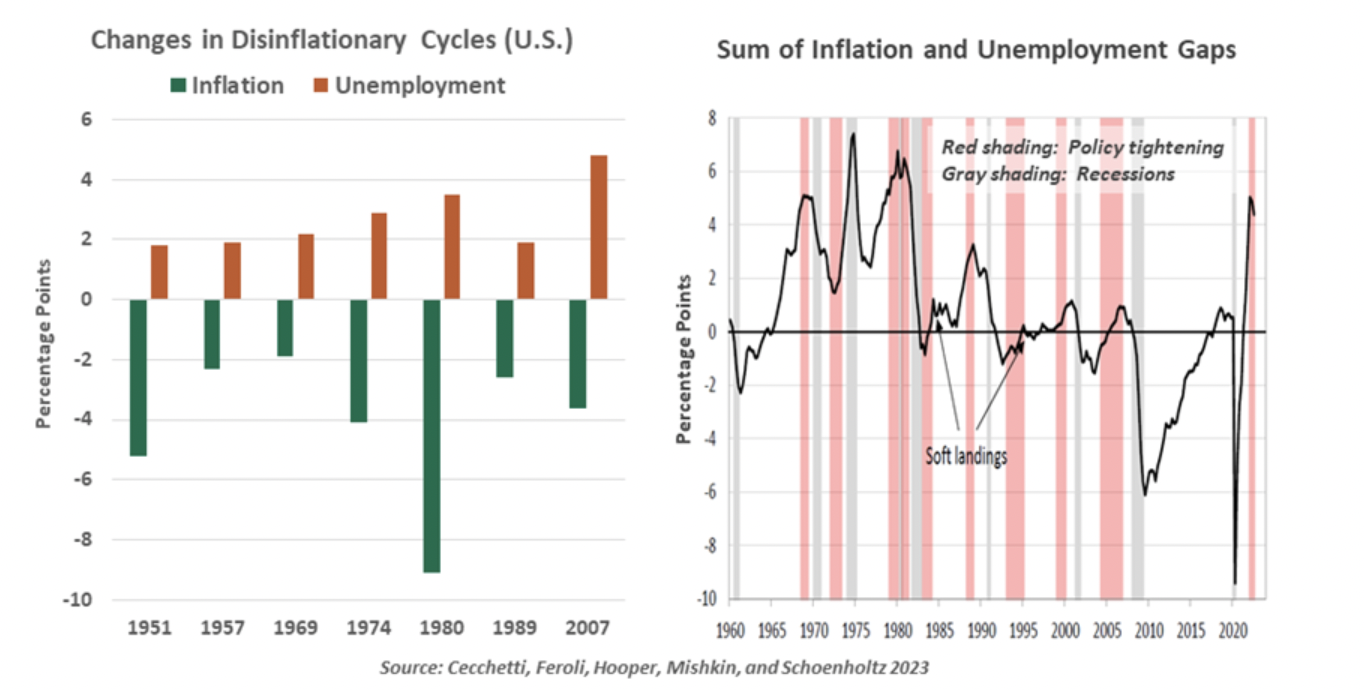
History shows a high risk of recession when central banks fight inflation.
Federal Reserve Chair Jerome Powell softened his tone slightly during a second day of congressional testimony, saying policymakers will wait for fresh jobs and inflation data before deciding how much to raise interest rates later this month.
Investors in emerging markets (EM) have endured a decade of poor performance. But things may be changing. Based on The Economist magazine’s data comparing hamburger prices across countries, many EM currencies look cheap today—as they did 20 years ago before an extended rally of EM stocks and bonds.
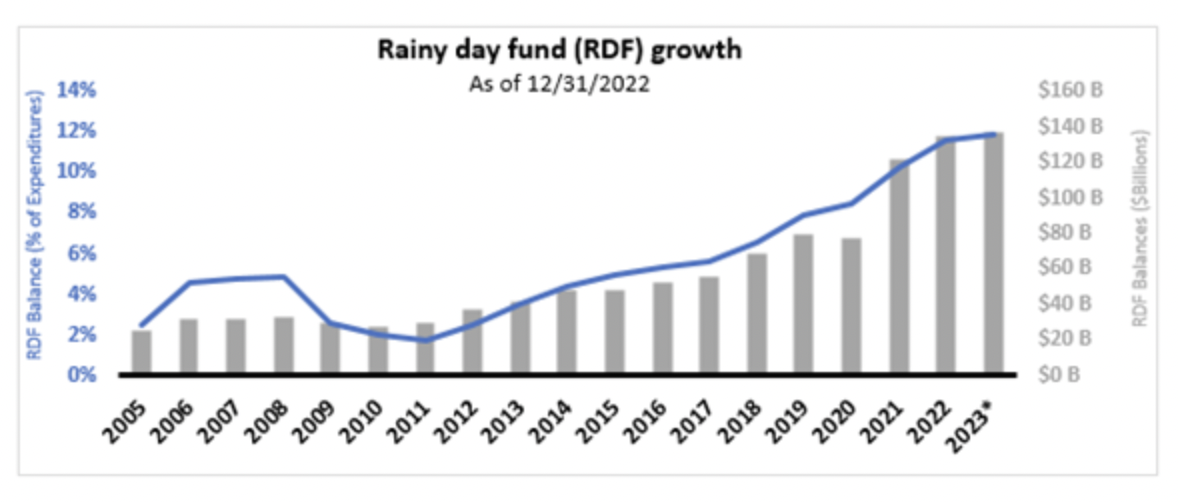
While 2023 has started on shaky ground for the municipal bond market, there are reasons to be optimistic for more stability ahead, according to Jennifer Johnston, Franklin Templeton Fixed Income’s Director of Municipal Bond Research. She explains why California’s issues don’t reflect all states, and offers reasons for optimism.
The reversal of decades of economic integration will leave the global economy with higher inflation and reduced growth potential. In this new era, governments, companies, and long-term investors will need to incorporate more sophisticated geopolitical and sociopolitical analyses into their strategies.
Soft landing or hard landing? Recession or no recession? In my mind, there is no question more important.
Here’s how to simplify your surge agenda and run a pre-surge dress rehearsal to defeat head trash and improve the client experience.
High-yield investors beware. Junk bonds that were financed at low, fixed rates will eventually mature and, according to Jeffrey Gundlach, weak issuers that cannot refinance at higher rates will default.
Read our latest insight to learn why we believe this year's market rally is just speculation and how we are positioning our portfolios for a change in leadership.
Junior debt issued by banks is normally one of the riskiest types of fixed-income in the US and Europe. It’s typically not backed by collateral and in the event of a crisis it only gets paid back after other bonds.
The planet’s billionaires are nearly $2 trillion poorer this year!
Alessio de Longis spent the last three months loading up on risk in his $1.1 billion Invesco Global Allocation Fund. Now, he’s winding down those positions and reversing course back to safety.
European stocks have outperformed this year as China’s economy restarts and the energy shock proved less severe than expected.