The likes of consumer resiliency based on the earliest readings on Black Friday sales and the degree to which the Artificial Intelligence theme continues support the idiosyncratic tendencies of the markets concentrated in the Magnificent 7.
Equities have an important role to play in a diversified allocation today, to help hedge against inflation and to navigate a lower-growth environment.
Even Ken Griffin is a little worried. Multimanager funds like Griffin’s Citadel have come to dominate the hedge fund industry, riding a steady run of outperformance to oversee more than $1 trillion, including a healthy dose of leverage.
The last time the municipal bond market rallied so much, it was Paul Volcker — and not Jerome Powell — who was winning a war on inflation.
Real estate headlines seem to only focus on bad news right now, from remote work’s impact on offices to struggles for city center retail.
There is broad agreement that economic damages will increase with warming, but there is substantial disagreement on the magnitude of these damages.
Drew O'Neil discusses fixed income market conditions and offers insight for bond investors.
On November 28, 2023, VettaFi hosted an Alternatives Symposium with an excellent turnout of nearly 750 advisors and investors registered for the event.
The US economy grew at an even faster pace in the third quarter than originally estimated, reflecting upward revisions to business investment and government spending.
Global bonds are soaring at the fastest pace since the 2008 financial crisis.
As I start thinking about Christmas this year, I decided I want to be on the nice list again, so I put together some useful year-end actions and ideas for financial advisors.
Economic pain is likely in 2024, but that doesn’t mean stocks will struggle all year, especially if there is a continuation of the rolling recessions that have hit the economy.
What were the big ETF trends of 2023? David Mann, Global Head of ETF Product & Capital Markets, reviews some of his predictions for this year—and how they panned out.
At the time of the first major climate change conference, in Rio de Janeiro in 1992, China was one of the least developed nations. Its per capita income was below Haiti, Niger and Pakistan.
Brooks Friederich is a little-known figure in the world of investment advisory, even among the Wall Street cognoscenti. Yet every year, the 39-year-old — and his Berwyn, Pennsylvania-based employer Envestnet — helps steer billions of dollars into tailor-made strategies for financial advisers, part of what’s known as the model-portfolio boom.
A robust growth backdrop, a key input for cross-asset positioning, benefited from pent-up demand and an accommodative fiscal policy stance.
While Treasury inflation-protected securities (TIPS) may seem complex and daunting, it’s important to dive into their intricacies. After all, their current yields present an enticing opportunity and a compelling alternative to conventional Treasury bonds.
By separating the rollout of the new practice into V1 and V2, you can better focus on making V1 successful.
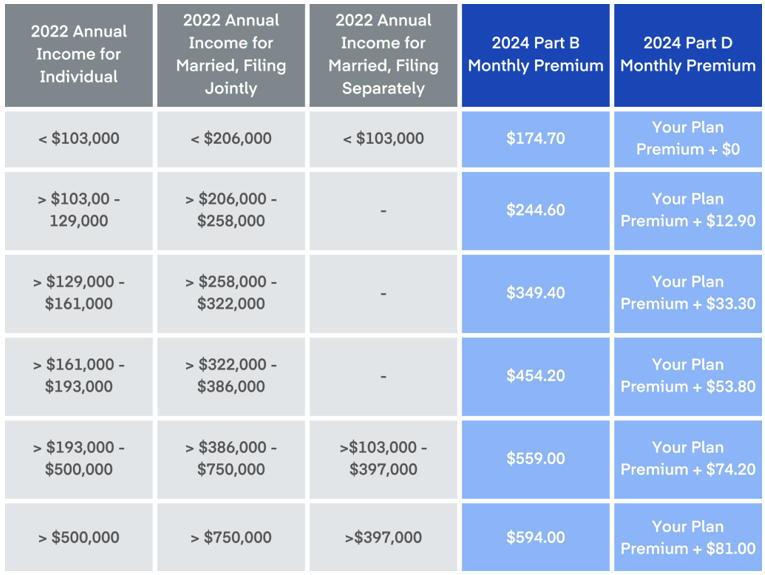
I'll share the impact healthcare costs have on financial plans, the critical healthcare information to include (such as medical tax deductions and IRMAA), how to budget for costs in a world of variables, and tangible strategies to implement during open enrollment and beyond to ensure clients are on the optimal coverage.
How can RIAs avoid missing the mark when it comes to private market investments?
Is a hedge fund anything without its founder? Another batch of well-known hedge fund managers have sold out or moved to liquidate portfolios this month. Their legacies as entrepreneurs underscore the challenges of building a firm that outgrows the key risk-taker.
The world’s biggest bond market has clawed its way back after spending chunks of 2023 underwater. Now many US debt watchers see the pathway clearing for a real revival.
Reeling from a bear market last year, beaten-up investors decided to send more than $60 billion to exchange-traded funds focusing on dividends.
Q3 earnings season had many familiar refrains relative to the year’s first two quarters. One difference was a return to positive earnings growth for the first time since Q3 2022. Still, the market wasn’t unanimously cheering the results.
Every time interest rates go up there is a flurry of demand for a product that has been around at least since the Roman Empire — annuities. The insurance industry has already seen rapid growth in annuity sales since 2021 and if rates remain at or move above current levels, demand seems poised to explode.
Now that we’re about to enter the Christmas shopping season, expect even more focus than usual on the consumer over the next several weeks.
While the fall in inflation is welcome, the impact of higher interest rates on mortgage borrowers still has some way to play out. The reduction in inflation will help DB members that are drawing on their pension. Pension trustees should consider their investment strategy and support members with their retirement planning.
CIO designate Sean Taylor gives his take on what Asia has to offer global and emerging markets investors, from growth, to diversification, to innovation.
Fixed income ETF demand has been strong in 2023 led by Treasury ETFs. However, advisors have been rewarded by turning to alternatives in the fixed income space, such as those focused on the collateralized loan obligations (CLOs) market.
Doug Drabik discusses fixed income market conditions and offers insight for bond investors.
A quirk in retirement fund accounting is making corporate pensions look particularly flush now, giving them more incentive to cut risk by dumping equities and buying bonds.
My guest, Sam Reid, is here to discuss the role and impact of structured credit within a retail investor portfolio. In an environment of rising rates and accumulating debt, this asset class offers investors a chance to alleviate risks and further enhance their portfolios.
Sam uses a process-driven approach to minimize the impact of rising rates, and his underwriting standards allow for enhancements to be built into securities. He focuses on short-duration investments.
October news on CPI inflation was all the doctor recommended and has markets spinning and repricing the Federal Reserve’s (Fed) potential path forward.
VettaFi CMO Jon Fee hosted Cole Feinberg, a BondBloxx partner, in an episode of “Road to Exchange.”
Taxes can have a significant and ongoing impact on an investment portfolio. Advisors can help their clients minimize that impact with a tax-smart approach. Advisors can prepare for capital gains season now, and potentially maximize their clients’ after-tax returns.
In this video, Chuck Carnevale, Co-Founder of FAST Graphs, a.k.a. Mr. Valuation will delve into the world of office real estate investment trusts (REITs), and explore whether there are any good investment opportunities in this sector.
The potency of monetary policy will weigh more heavily on activity in 2024.
For investors stashing record sums in cash, US bond managers overseeing a combined $2.5 trillion have a bit of advice: It’s time to put that money to work.
I show how the best way to utilize bonds in retirement is not to rebalance between stocks and bonds in retirement, but rather to draw down on the bond side of the portfolio first and let the portfolio drift towards a greater equity allocation.
The Age of AI (And Our Human Future), by Henry Kissinger, Eric Schmidt, and Daniel Huttenlocher, is keenly relevant.
The S&P 500 has rallied in recent days and was up close to 20% for the year. However, heading into 2024, many advisors are exploring a range of investment ideas that offer exposure beyond the stock market.
David Dali, Head of Portfolio Strategy, provides his 12-month outlook for global equity markets.
WeLab Ltd., backed by investors including billionaire Li Ka-shing and Astra International, a unit of Jardine Matheson, is launching a digital bank in Indonesia to tap the young and fast-growing economy.
Dina Ting, Franklin Templeton’s Head of Global Index Portfolio Management, sheds light on the benefits of single-country ETF allocations against what has been a rocky macro backdrop and discusses ways to re-evaluate potential opportunities in terms of tax-loss decision-making.
Today's uncertain economic climate is putting particular pressure on four market segments. Here's what to watch out for in the months ahead.
In this issue of Fixed-Income Sector Views, our Sector Teams identify positive technical trends that have helped to support spreads, but remain vigilant for signs of credit deterioration as the slowing economy and the bite of higher rates start to be felt by issuers.
On this episode of the “ETF of the Week” podcast, Tom Lydon discussed the Global X SuperDividend ETF (SDIV) with Chuck Jaffe of “Money Life.” The pair talked about several topics regarding the fund to give investors a deeper understanding of the ETF overall.
Welcome to the world of anchoring, where your serenity takes a back seat to anxiety.
For the better part of two years, investors have been primed with hope of a “Fed pivot” that will presumably restore easy monetary policy and supportive conditions for the financial markets.