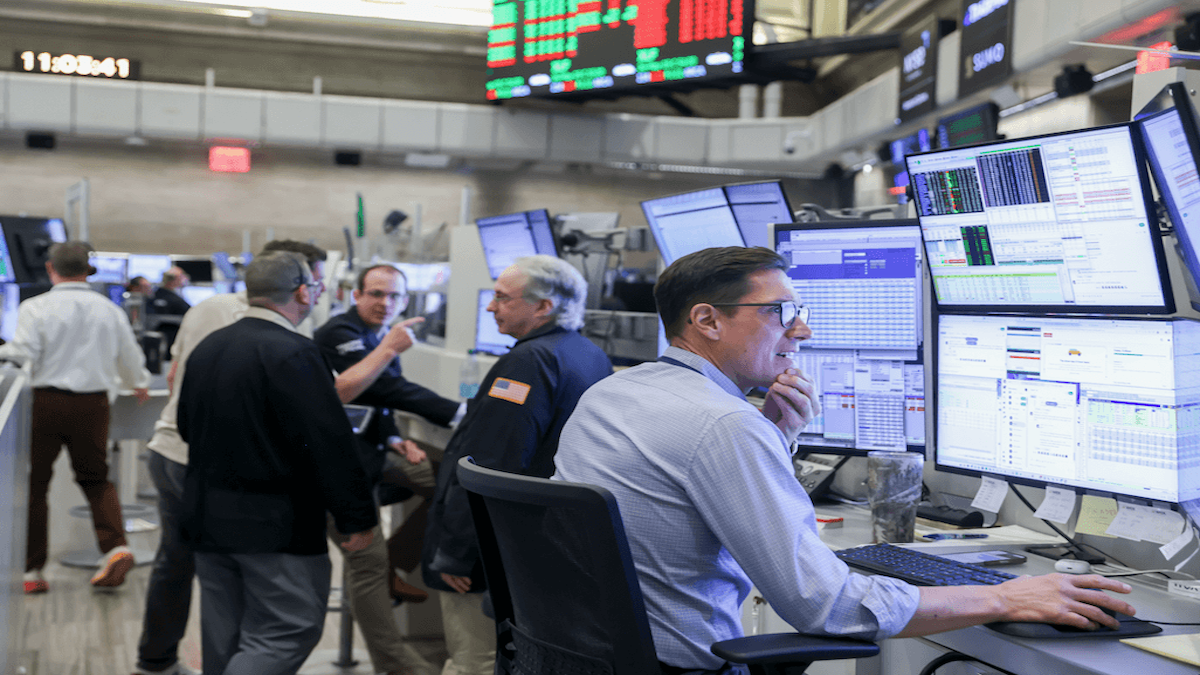
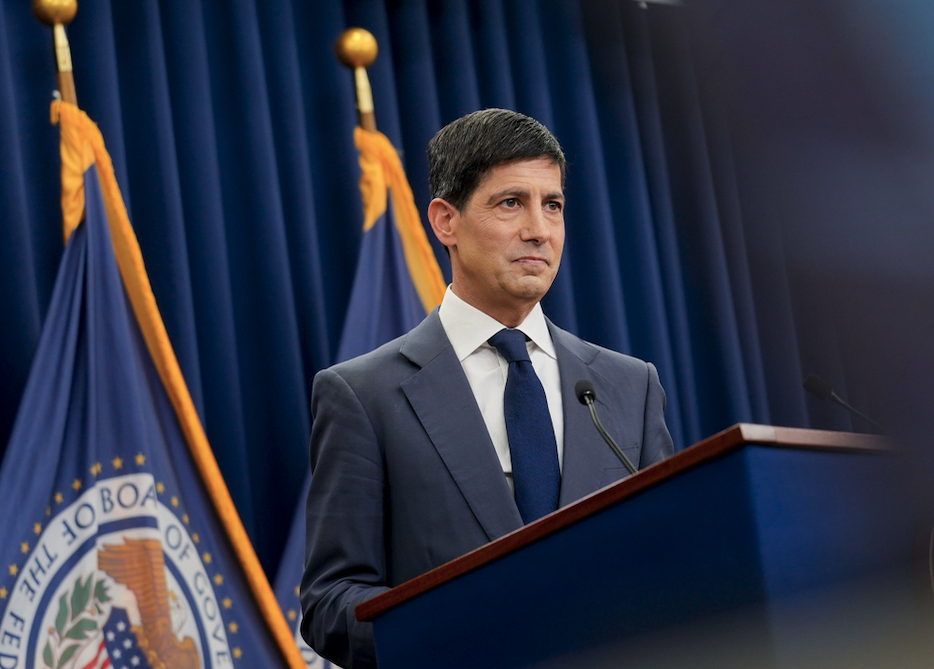
US stocks rose on Tuesday as investors parsed latest inflation data and Federal Reserve Chairman Kevin Warsh’s remarks.
What’s good for the US dollar isn’t always good for US bonds — but investors are finding ways to work around it.
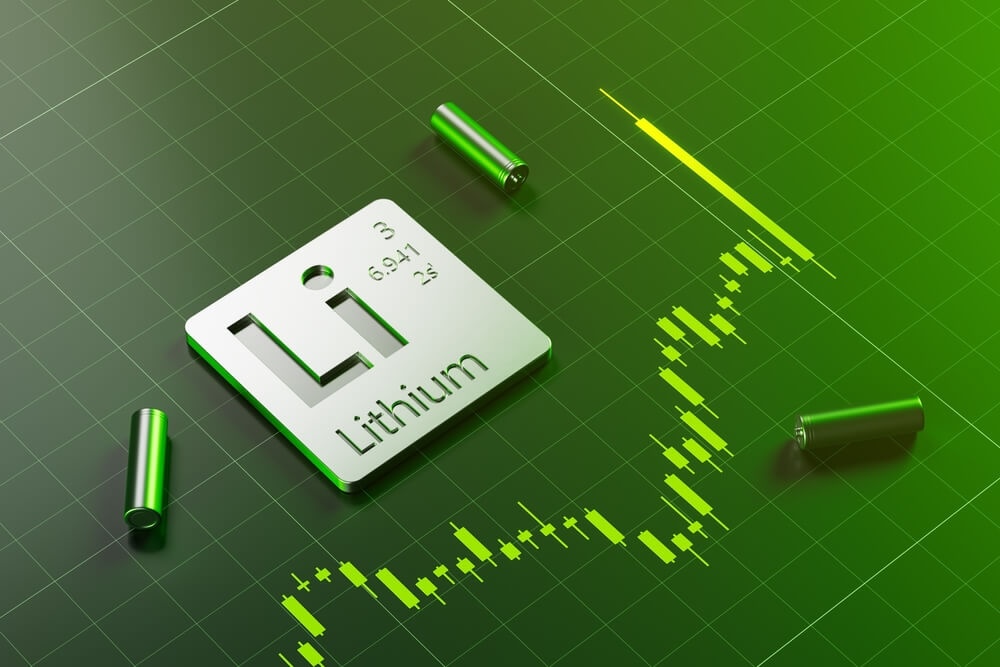
Every year in early July, we update our interactive Periodic Table of Commodities Returns to reflect the performance of raw materials in the first six months of the year. Maybe I’m biased, but I believe it’s one of the clearest snapshots of the commodities landscape you’ll find anywhere.
While tariff uncertainty hasn’t completely disappeared, it has diminished, and firms are feeling less uncertain about the future.
Over the past few weeks, data has continued to point to a U.S. labor market that is healing after showing signs of weakness starting in late 2024 and persisting for nearly the entirety of 2025—a condition that spurred the Fed to cut rates even as inflation remained stuck above its 2 percent target.
The first wave of upgrades came after the AI hyperscalers reported, by and large, strong earnings. But most of the improvement has stemmed from the rest of the non-financials index, with analysts quadrupling their one-year aggregate EBITDA (earnings before interest, taxes, depreciation, and amortization) growth expectations, from 5% at the end of January to more than 20% as of 30 June.
If you knew you were standing inside a stock market bubble, you wouldn’t be standing in it for long. You’d sell. So would I, and so would everyone reading this. And if spotting market bubbles was something everyone could do in real time, the bubble couldn’t form in the first place.
Despite renewed geopolitical tensions in the Middle East, markets continue to display remarkable resilience. Major equity averages sit within striking distance of new all-time highs while oil, perhaps the biggest surprise of the year, remains anchored in the low $70s despite renewed hostilities.
As we move toward the mid-term elections, many are making the argument that “democracy is at risk.” We get politicians making this argument, but when supposedly sober political and economic analysts start to make it, we do get worried.
Given how crucial the fixed income sleeve can be to one’s portfolio, the recent concerns over inflation have caused many advisors and investors to rethink how they go about their exposure. This includes debating over active and passive funds, and reevaluating the type of bond duration that is most attractive at this moment.
Bear flattening trades, inverted yield curves, and frantic style rotations (factor or sector) are not definitive warnings of a market peak. They are extremely informative about where the economy, markets, and investor sentiment stand, but they do not tell investors whether or when the economic or market cycle will turn.
The Federal Reserve’s plans for interest rates in the second half of 2026 appear very much up in the air. That said, advisors and fixed income investors may want to renew their focus on short duration bonds and related ETFs.
In his zeal to avoid signaling where interest rates are headed, Federal Reserve Chairman Kevin Warsh has obscured something else that’s crucial to investors, analysts and other policymakers: How he would react when challenged by the economy.
The official data will be released tomorrow, but if past trends continue, the US inflation rate will come in higher than most Americans are used to, but still relatively low.
What makes this earnings setup truly unique is the behavior of Wall Street analysts over the last 90 days. Because corporate guidance tends to be conservative, analysts historically cut estimates ahead of time.
This week a number of articles caught my attention. The only thing that ties them together is their impact on the US and global economy. Economic anomalies: things we were not looking for but show up and force us to pay attention. Today in the summer heat, let’s take a look at a few of them.
Markets enter the second half of 2026 facing a familiar wall of worry—geopolitical conflict, oil prices, inflation, Federal Reserve policy, and questions around the durability of an AI-led equity rally. Yet the economic backdrop still looks resilient: growth remains solid, inflation has moderated, unemployment is reasonable, and market leadership appears to be broadening.
Fixed income experts James Donahue, John Lloyd and Mike Talaga revisit the levels of supply related to the AI buildout and explain why they remain cautious towards investment grade tech issuance.
Discover the top 10 most-read charts from the first half of 2026, covering historic market valuations, record margin debt, recession indicators, and global index performance.
If there's one thing you should take away from it, it's this: these six measures rarely move together. When they have, twice in 250 years, the country entered a period of real upheaval. Right now, they're moving together again.
For investors who have been tracking this space, the signing is a continuation of a policy architecture that has been assembling with surprising speed.
The sharp correction in gold prices during the first half of 2026 has left many investors wondering whether the precious metal's bull market has come to an end. According to Money Metals' Mike Maharrey, however, the market's recent weakness is largely a matter of perspective.
The US equity market, with the S&P 500 hovering near all-time highs, is expensive. This isn’t controversial. Depending on which measure you use, US stocks have arguably been overpriced for several years.
The Great Moderation has given way to a more volatile era, where inflation shocks and market dispersion favor flexibility and diversification.
Central bankers expect de-dollarization to continue over the next several years, with gold and other currencies taking on a growing role in the global monetary system, according to a survey by the Official Monetary and Financial Institutions Forum (OMFIF).
One of the bigger questions facing advisors and investors right now revolves around credit. Inflation, volatility, and Fed rate hikes all loom, potentially heightening credit risk for portfolios. Navigating that risk may be a crucial task in the second half of this year.
Assessing the year so far, much of the portfolios’ declines have been a compression of valuations, not a deterioration of earnings. For many of our holdings, the two have moved in opposite directions. Revenues, profitability, and cash flow have continued to build, even as the multiples placed against them have fallen.
The articles that dominated the views in June were very much focused on the realities of investing, addressing everything from how inflation can affect your returns to incorporating AI into retirement evaluations.
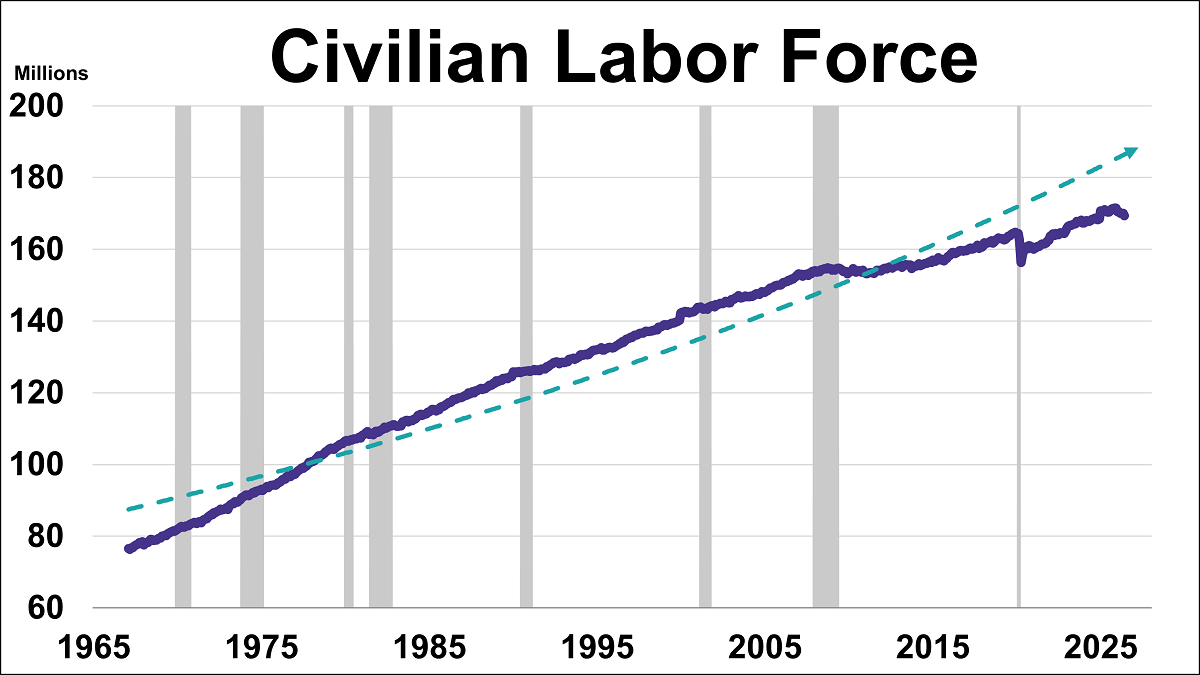
What does the ratio of unemployment claims to the civilian labor force tell us about where we are in the business cycle and recession risk?
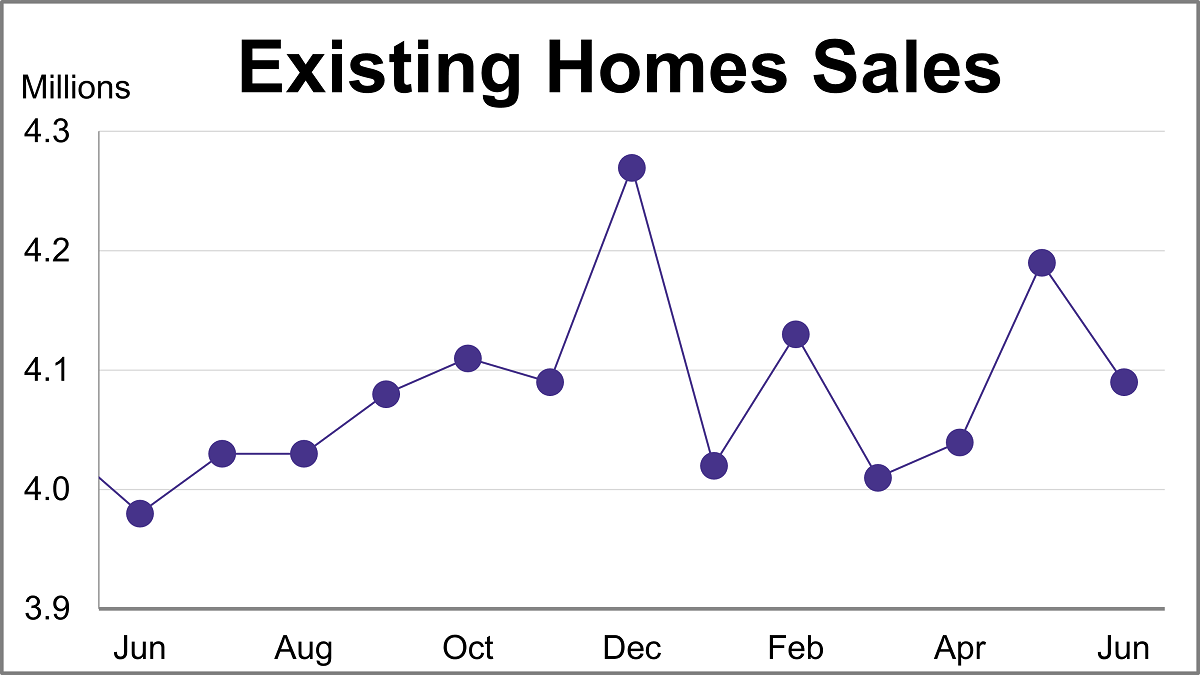
Existing home sales unexpectedly fell 2.4% in June as the median home price surged to a record high of $440,600.
Almost two decades ago, when trillions of dollars in private housing debt proved unsustainable, governments had to step in to prevent the worst financial crisis since the Great Depression from eclipsing it.
It used to be a considered something of a tawdry question, although it could be flattering as well: “What’s your number?” Nowadays, your inquisitor is probably asking about retirement — as in, how much you think you need to retire. And, as it often was before, it’s the wrong question.
ClearBridge Investments: Although markets often pause to digest after large gains, history suggests these episodes usually prove fleeting, meaning major indexes could move higher in the second half of 2026.
As economies become increasingly electrified and power demand grows, the transmission, storage and infrastructure needed to support reliable electricity delivery are evolving. In our view, these trends are creating attractive opportunities across the technologies and infrastructure that underpin the energy transition.
For much of the last decade, investing felt relatively one dimensional. Falling inflation, near zero interest rates and abundant liquidity rewarded long duration growth assets, compressed dispersion and made passive exposure difficult to challenge.
The June jobs report underscored our thesis that while the labor market remains in the 'economic plus column,' some of the prior months' increases in new hiring seemed a bit too high.
Over the first half of 2026, markets faced some expected — and unexpected — tailwinds and headwinds, ranging from geopolitical developments, blockbuster corporate earnings, increasing artificial intelligence (AI) scrutiny, resilient economic data, and a new Federal Reserve (Fed) Chair.
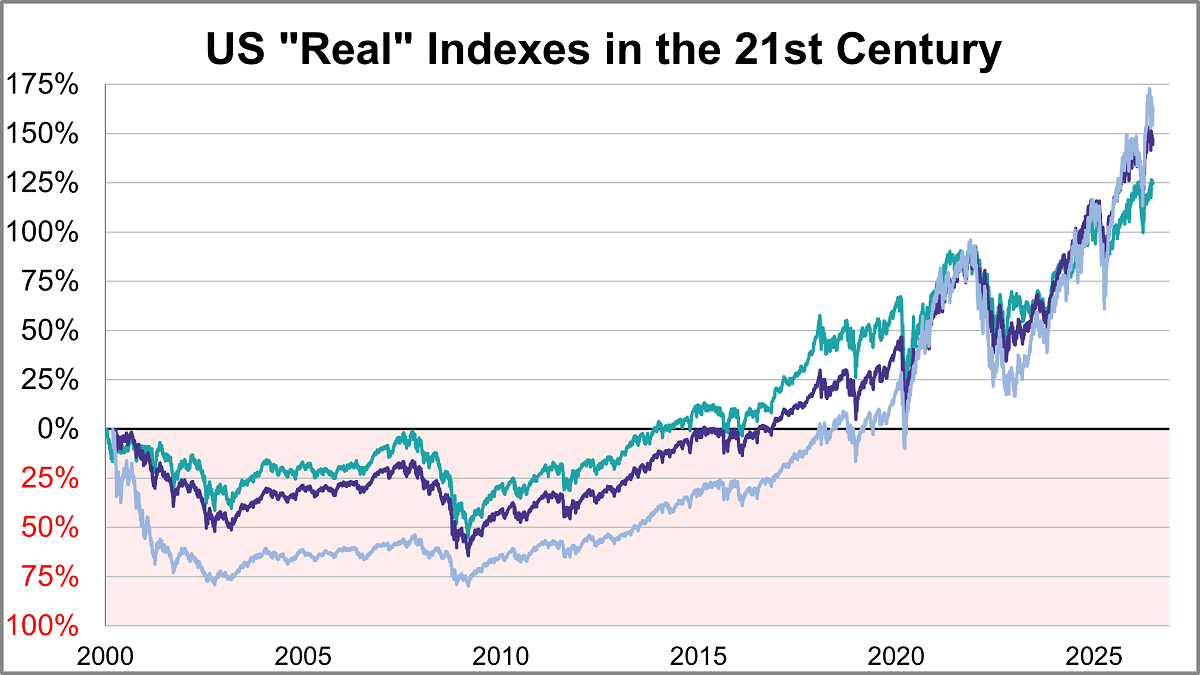
Here is a look at real (inflation-adjusted) charts of the S&P 500, Dow 30, and Nasdaq composite since their 2000 highs. We've updated this through the June 2026 close.
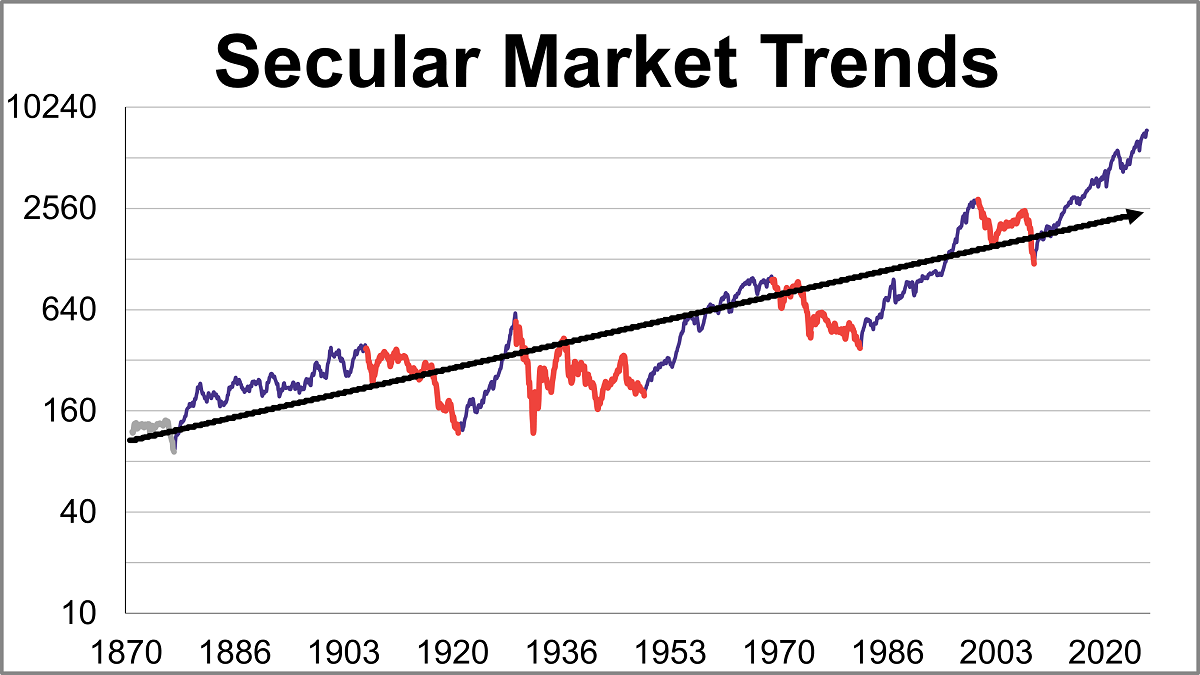
The S&P 500 real monthly averages of daily closes reached a its all-time high in May 2026. Let's examine the past to broaden our understanding of the range of historical bull and bear market trends in market performance.
A wave of profit taking in the gold market has brought a three-year bull run to an end, but there’s little evidence yet that investors are putting on large-scale short positions in anticipation of further declines.
Royce Investment Partners: In this second quarter recap, Francis Gannon discusses how US small-and micro-cap stocks have continued to lead the US equity market in a robust period for equities.
The shortened trading week brought the second quarter of 2026 to a positive close. Stocks ended slightly lower for month, but closed the quarter on a nice uptick. The US and Iran resumed peace talks, helping stocks push higher.
It feels like gold has tanked this year, but the yellow metal was only down about 7 percent through the first six months of 2026. The sharp price rally to kick off the year exacerbated the scope of the ensuing correction. Gold is down about 28 percent from its record highs.
The first half of 2026 has provided a considerable amount of news for investors to digest. Notably, equity markets were higher by nearly 10%, oil prices spiked over 50% before retreating nearly back to where they started, there is a new Chair of the Federal Reserve in Kevin Warsh, and AI infrastructure spending surged.
Stocks staged a powerful recovery in Q2. The S&P 500 gained 15% and closed near record highs as oil round-tripped back to pre-conflict levels, AI enthusiasm returned, and the rally broadened well beyond the handful of names that led the market for three years.
AI may reshape the labor market in ways that are difficult to predict, and it won’t be the first time this has happened. In the short term, the labor market appears to have stabilized and there are some early signs of acceleration.
Bitcoin tumbled as renewed geopolitical tensions rattled digital asset markets, eclipsing what had been a muted reaction to Strategy Inc.’s latest sale of the token earlier in the week.
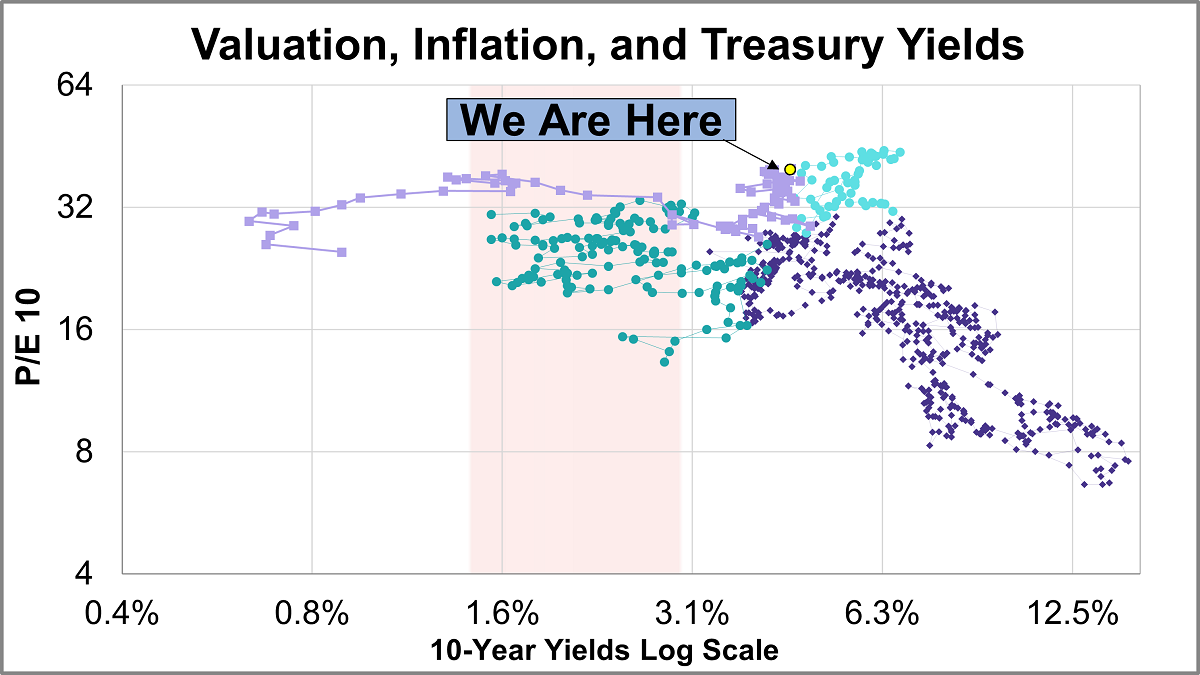
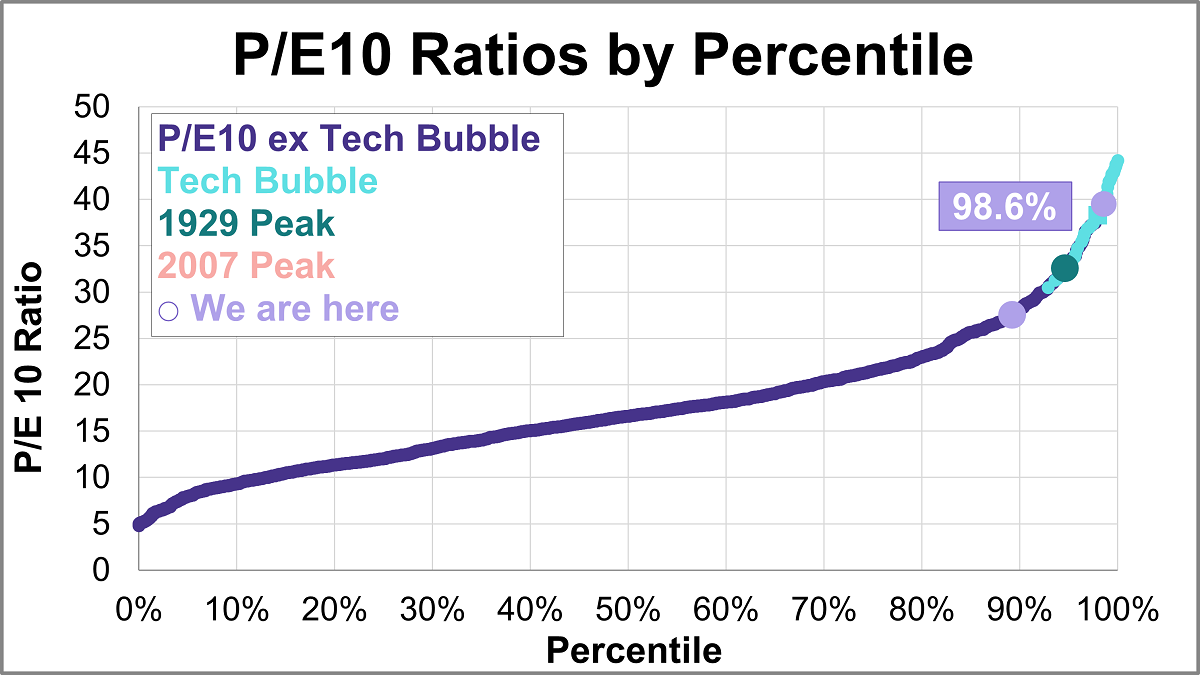
Our monthly market valuation updates have long had the same conclusion: US stock indexes are significantly overvalued, which suggests cautious expectations for investment returns. This analysis focuses on the P/E10 ratio, key indicator of market valuation, and its correlation with inflation and the 10-year Treasury yield.
Here is the latest update of a popular market valuation method, Price-to-Earnings (P/E) ratio, using the most recent Standard & Poor's "as reported" earnings and earnings estimates, and the index monthly average of daily closes for the past month. The latest trailing twelve months (TTM) P/E ratio is 25.3 and the latest P/E10 ratio is 39.5.
The word fiduciary no longer answers the only question that matters: Whether the advice you are given is shaped by what the advisor earns from giving it. Many advisors will tell you, accurately, that they are fiduciaries, and many will say they have no conflicts without disclosing the ones they hold.