In this video, Chuck Carnevale, Co-Founder of FAST Graphs, a.k.a. Mr. Valuation, will go over PepsiCo (PEP) for Dividend Growth Investors while utilizing FAST Graphs, the fundamentals analyzer software tool.
The fourth quarter was particularly volatile in fixed income markets, with U.S. government bond yields surging on worries over the rising fiscal deficit and the potential for inflation to reaccelerate.
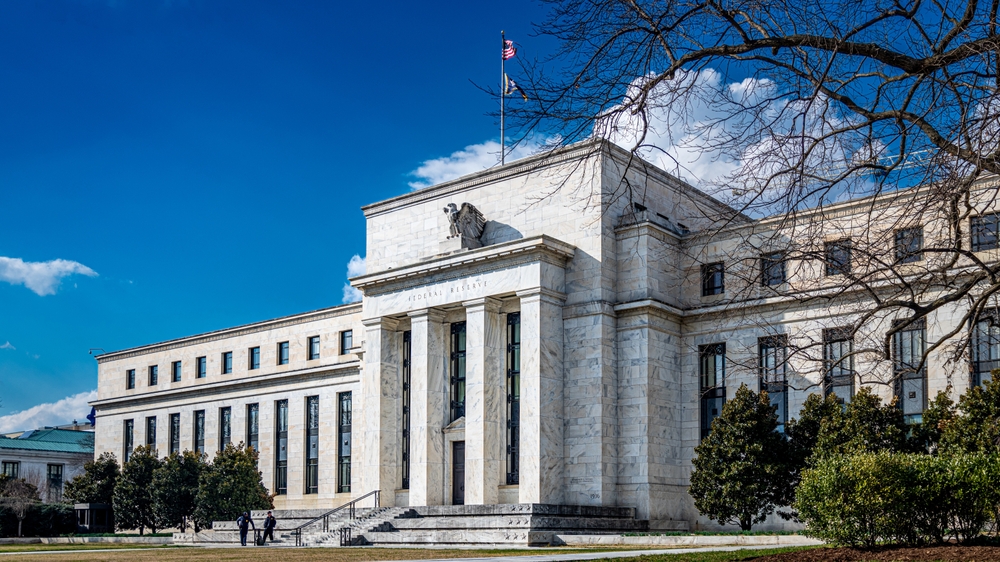
After cutting rates at the past three meetings, it looks like the Federal Reserve has reached a plateau.
Following 100 basis points in rate cuts through the back half of 2024, the Fed started 2025 with a pause, placing itself in wait and see mode for the foreseeable future.
The higher yields they currently offer can be a benefit for income-oriented investors, but those yields reflect the additional risks they face.
Facing an uncertain outlook, the Federal Reserve holds rates steady and signals a watch-and-wait approach.
In 2025, the SECURE 2.0 Act boosts retirement savings with new rules for higher catch-up contributions, auto-enrollment and expanding access to savings plans. Our Bill Cass shares the highlights.
Looking back to 2024, global equity markets remained resilient despite a challenging final few weeks. U.S. equities led both annually and quarterly, buoyed by robust corporate earnings, supportive fiscal policies and market optimism following the Republicans’ red sweep in November.
In the report, Portfolio Managers Andy Acker and Dan Lyons explain the reasons for healthcare’s recent underperformance and why they believe valuations are now disconnected from the sector’s long-term prospects.
The growth in US retirement assets offers potential opportunities for retirement plan advisors to likewise expand their business. Our Mike Dullaghan discusses growth opportunities in the retirement market and how to enhance client engagement.
The stock market posted some noteworthy streaks of its own in the fourth quarter.
Investors may be at a crossroad in early 2025. US equities have recovered from the 2022 bear market with two exceptional years of +25% returns.
Guidance and spending will be important to watch as analysts have their eyes on annual revenue growth, especially after news of DeepSeek shocked U.S. markets.
The global economy will grow at a pace close to that achieved in 2024, notes European Strategist Professor Jeremy Batstone-Carr.
China’s efforts to steer between domestic and international growth challenges in 2025 could be good for bond investors.
Despite continued underperformance in 2024, the biotech sector enters 2025 with a brighter outlook driven by groundbreaking innovations like mRNA cancer vaccines and CRISPR-based therapies.
The first month of 2025 will soon be behind us. We’ve seen new inflation data and earnings season start to ramp up.
What does Nvidia’s historic rout mean for investors?
Economic indicators provide insight into the overall health and performance of the economy. They are closely watched by many.
Can corporate profits reignite after a rocky 2024? This earnings season could either fuel the market’s fire or leave it gasping for air.
Concerns about the outlook for Treasuries have fueled a resurgence of interest in the Magnificent 7 as a target for safe-haven flows.
Deregulation is among President Donald Trump’s most enduring policy themes. In his 2016 campaign, he called for widespread deregulation and made it a central plank in both his economic and energy platforms.
In today’s post, we will examine the money supply represented by M2, the Federal budget deficit, the Fed’s previous adventures with QE, and the correlation to inflation.
Equity markets are facing a variety of headwinds, but the economy remains strong, and we believe there will be ample opportunities to invest in attractively valued quality growth companies in 2025.
Markets responded positively during Trump's first week in office, despite threats of tariffs on the three largest trading partners of the U.S. Are trade risks being dismissed?
Quality has become a popular buzzword in equity investing. But what does it really mean?
China will struggle to maintain momentum without addressing deeply-rooted problems.
You’ve likely heard the saying “when the going gets tough, the tough get going.” A similar principle can apply to investing: “when the going gets tough, stay in the market.”
We wrote this in the evening last night and with the news so fluid, there are further things we could add this morning.
In this article, we will demonstrate how the use of daily options within a covered call strategy has the potential to generate substantial income while also targeting the total return of equities.
Fixed income comes into 2025 on the heels of an explosive 2024. But with 2025’s landscape shifting, investors need guidance.
Close scrutiny of the investment landscape reveals there is precious little room for the Trump administration to improve conditions for stocks. There is also room for current narratives to fall a long way.
Local currency rates and FX screen very attractive, while hard currency credit is neutral. In our Quarterly Valuation Update, we provide our Q4 assessment.
During a rocky fourth quarter, strength in the financials sector was a unifying theme across global markets.
In our view, active investors face opportunities to outperform created by looming policy changes and the macro landscape.
The market for washing machines offers lessons for future trade actions.
Doug Drabik discusses fixed income market conditions and offers insight for bond investors.
While planning for a CMA (Capital Market Assumptions) at the close of the year—and in the wake of an unexpected U.S. election result—it’s tempting to adopt a short-term perspective, focusing on the uncertainties and anxieties generated by President-elect Trump’s policies and their potentially disruptive impact on the economy and the market.
Tech leaders gathered at the White House to announce Stargate Project, a new venture that plans to invest $500 billion over the next four years on AI infrastructure and datacenters.
The Q4 earnings season continued on a positive note after big banks and other financials struck a bullish tone in the first two weeks of reporting.
Retail investors are the most optimistic about higher stock prices in 2025 by the most on record. Unsurprisingly, that sentiment resulted in the psychological rush to overpay for assets, pushing forward 1-year valuations sharply higher.
Not all companies in emerging markets will be hurt by President Trump’s agenda. Here’s what equity investors should look for.
We still believe the odds of a recession are higher than most investors think. Monetary policy tightening started back in 2022 and inflation remains above the Federal Reserve’s 2.0% target, which means the Fed will be reluctant to get loose anytime soon.
Donald Trump’s second term as president came with a flurry of executive orders and his policies are rippling across the global markets.
We explore how evolving priorities under the new U.S. administration may influence markets and investor outlooks.
Next week we will have the first Federal Open Market Committee (FOMC) meeting decision on interest rates of the year, where Federal Reserve (Fed) officials are expected to leave the federal funds rate unchanged.
Tax and spending cuts will face Congressional roadblocks.
High expected fixed income returns imply many non-profit investors could de-risk while still expecting to achieve their stated return objective.
The Second Trump Era has begun. If you are confident about what it will bring (either good or bad), I would like to gently suggest you reconsider. None of us should be sure what is coming.
Markets have responded with gusto since November’s presidential election, especially in a few key—and perhaps expected—industries. The biggest winner so far is the automobile industry...