Assumptions can be wise or unwise. They can be unduly optimistic or excessively pessimistic. Slightly different assumptions can produce giant changes in predicted outcomes. Assumptions are necessary but we shouldn’t make them lightly, nor forget we are making them.
This Super Bowl will also be remembered, I believe, as a major turning point in sports betting in the U.S. More than 50 million American adults are expected to bet on the game, the most ever and a remarkable 61% increase from last year.
As inflation fears have receded somewhat—though we’ll see in next week’s US CPI report how much they really have receded—European stocks have had a good start to the year.
Review the latest portfolio strategy commentary from Mike Gibbs, managing director of Equity Portfolio and Technical Strategy.
Despite mounting evidence supporting recession forecasts, the stock market remains at odds with that outlook.
The Loomis Sayles Mortgage & Structured Finance Sector Team shares insights on consumers, real estate markets and more.
As US inflation gradually eases, the claim that today’s inflationary pressures are the result of a temporary supply shock has re-emerged.
Stocks have been interesting, and one question we have had here at the FRED Report is whether the January rally is a sea change in the markets or a flash in the pan.
After a bruising 2022 for equities globally, Value stocks in the U.S. have become attractive in an absolute sense and worthy of inclusion in one’s portfolio.
The aftermarket auto parts industry has been dominated by fast-growing growth stocks O’Reilly automotive and AutoZone.
Despite the current rally in risk assets that includes US equities, we believe caution remains warranted.
Read Michael Contopoulos' latest report highlighting opportunities outside of Investment Grade corporate bonds and why one does not need to own credit to generate income at the moment.
Stocks lower as investors digest data, Fed commentary.
With the new year in its infancy, it may be too early to think about where to spend Thanksgiving or booking your car’s fall tune-up.
Doug Drabik discusses fixed income market conditions and offers insight for bond investors.
US workers are clearly feeling the strain of economic uncertainty, according to Franklin Templeton’s third annual “Voice of the American Worker” study.
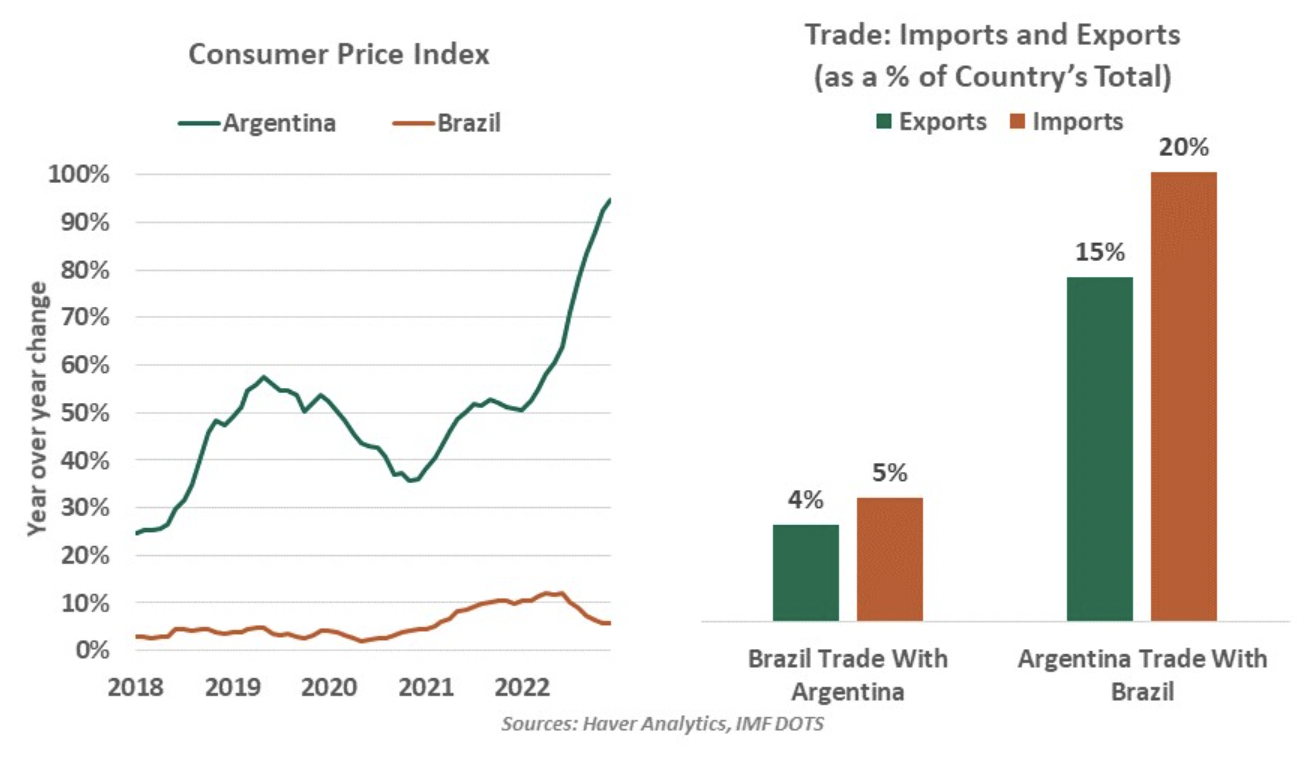
Differing economic cycles and limited trade links will make the sur unfeasible.
Brian Smedley, Chief Economist and Head of the Macroeconomic and Investment Research Group, joins Macro Markets to discuss Fed policy, recent inflation, labor, and GDP data, and key takeaways for investors from our 10 Macroeconomic Themes for 2023.
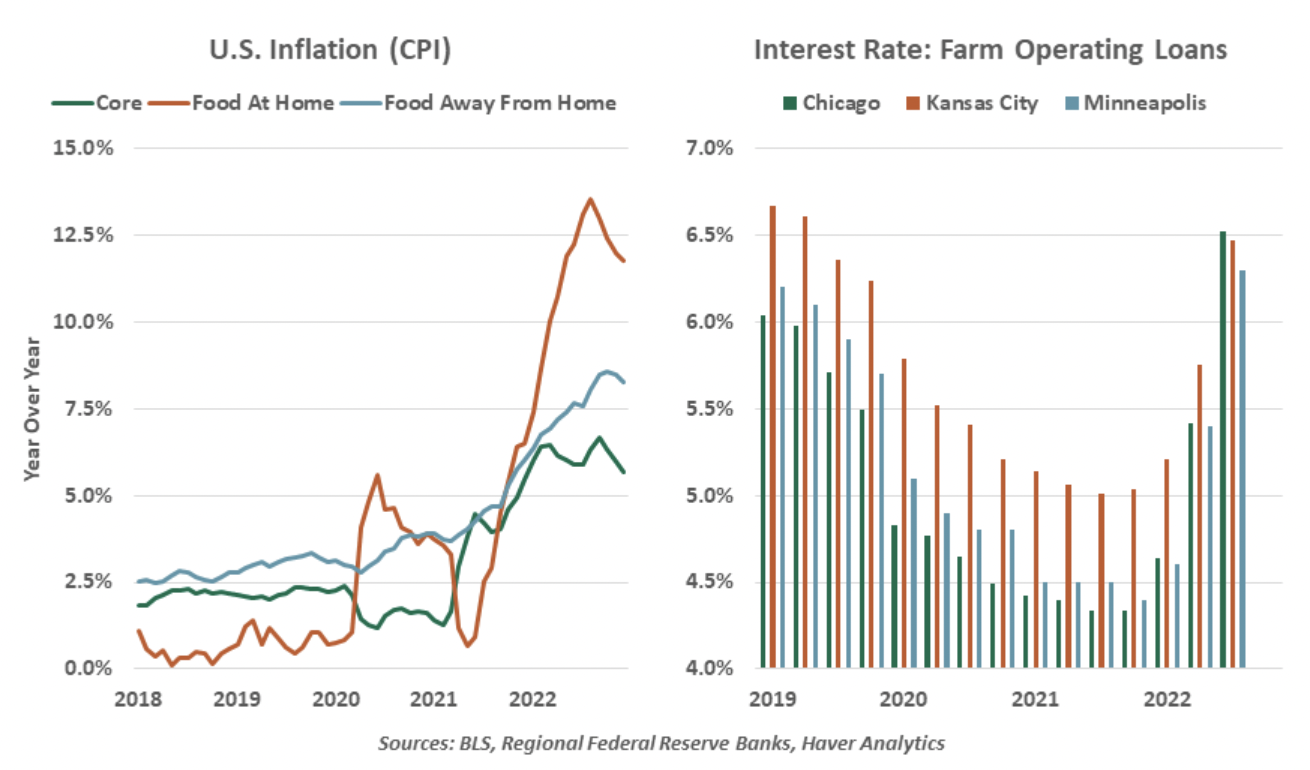
Inflation has turned a corner, but not yet for food.
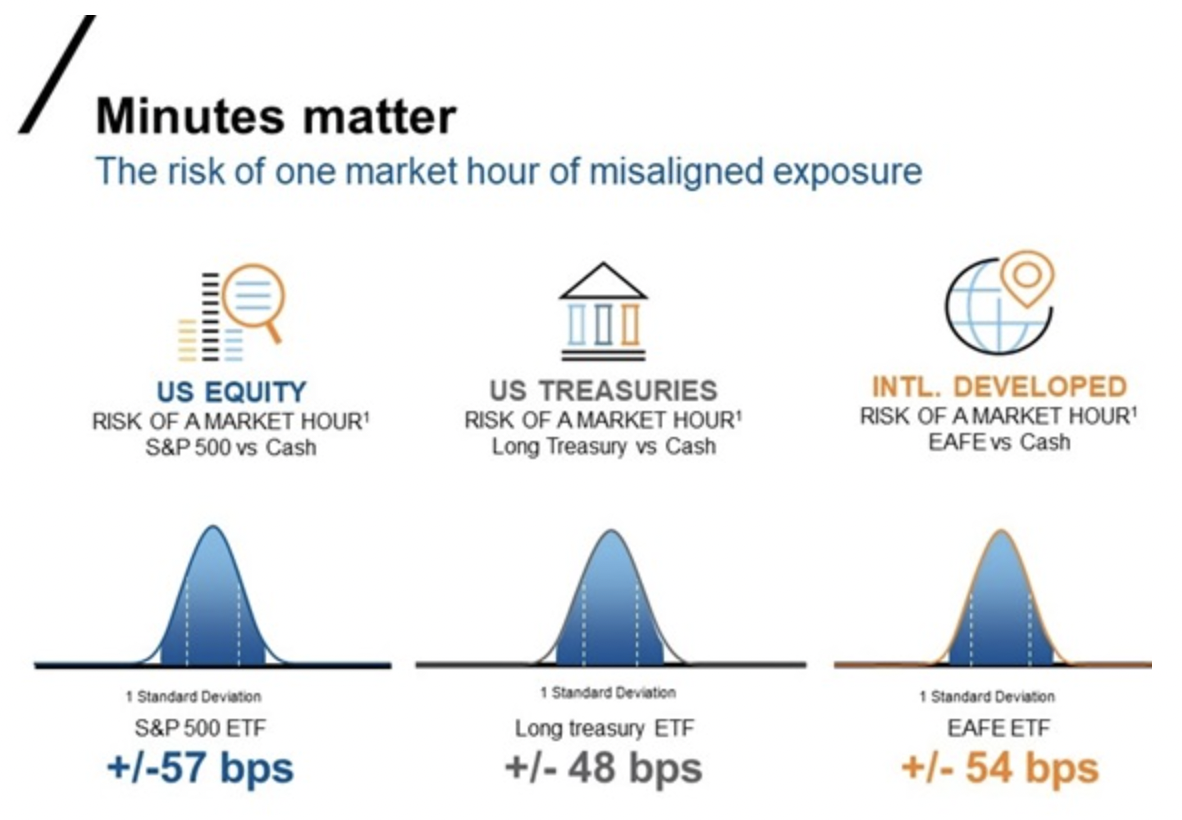
Investors should be aware of potential real-time market exposure risks when implementing large changes to their portfolios.
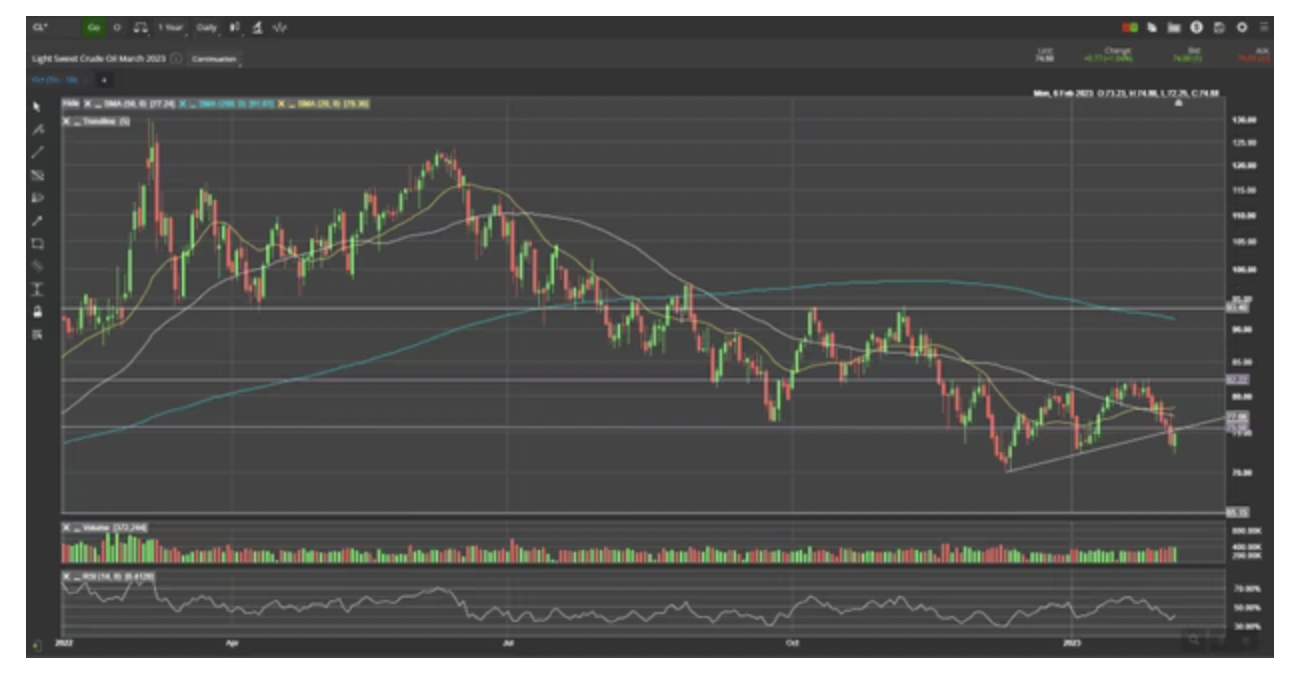
Monday’s trading saw oil rise as traders digested China’s return in demand against a continued supply strain and slower growth in world economies.
Changes for investors include RMD age increases, higher catch-up contribution limits and a new 529 transferal option.
Valuation metrics across all but the U.S. interest rate dimension remain unambiguously attractive.
With Caixin China PMI numbers today broadly confirming Monday’s official CCP data, the outlook for China and its neighbors remains bright.
At the beginning of the season, not many predicted that the Philadelphia Eagles would be in the Super Bowl this year.
The European Central Bank raised its policy rate, and more hikes are coming.
The most recent NFIB (National Federation Of Independent Business) is sending a strong signal of an economic recession.
Markets are no longer shocked by central bank tightening.
We are now seeing clear signs of a broad-based decline in inflation.
These weekly letters, of which I’ve now written well over 1,000 (plus 7 books and multiple papers and articles), are generally about two broad topics: the economy and the financial markets. While related, these aren’t the same. Good news for one can be (and often is) bad news for the other.
Retail demand for bars and coins in the U.S. and Europe hit a new annual record last year in response to stubbornly high inflation and the war in Ukraine. Western investors gobbled up 427 tons (approximately 15 million ounces), the most since 2011.
Chief Economist Eugenio J. Alemán discusses current economic conditions.
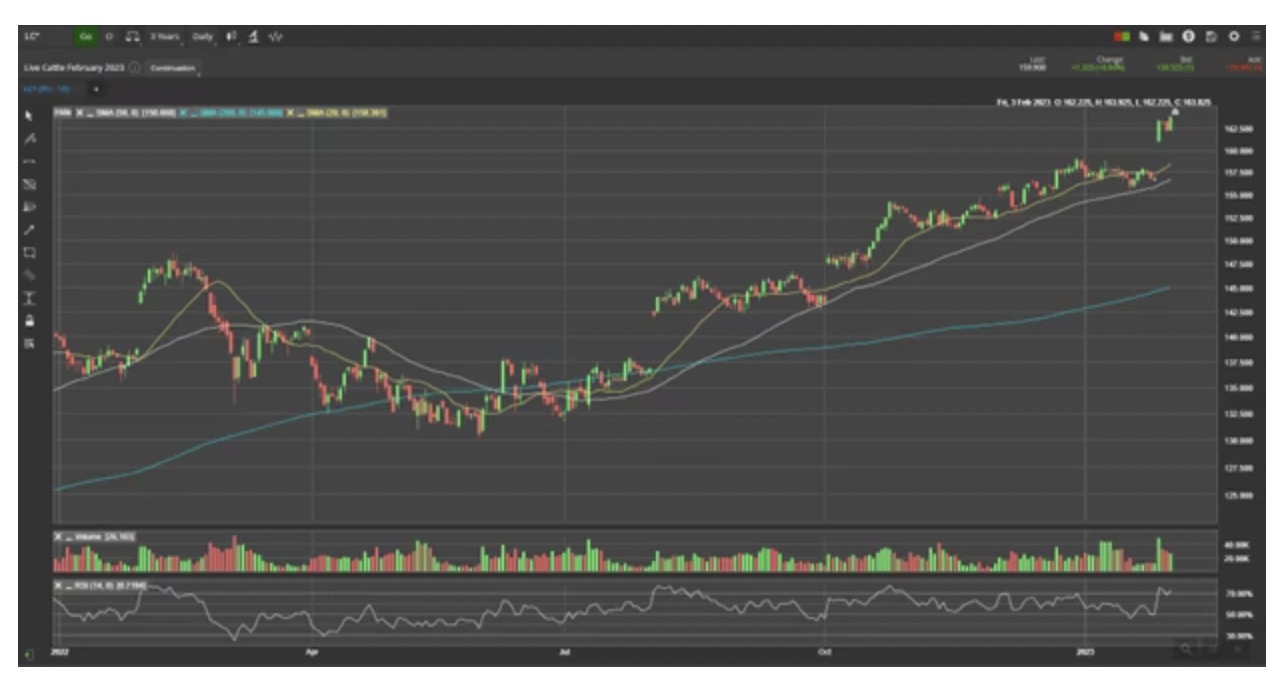
The April Live Cattle futures, LCJ23, rallied as traders digested the United States Department of Agricultures (USDA) Cattle inventory report.
From a contrarian investing view, everyone remains bearish despite a market that corrected all of last year.
At the conclusion of its inaugural policy meeting of 2023 today, the U.S. Federal Reserve (Fed) delivered a smaller, quarter-point rate hike, as widely expected by markets.
In 1965 I was studying for a degree in Engineering.
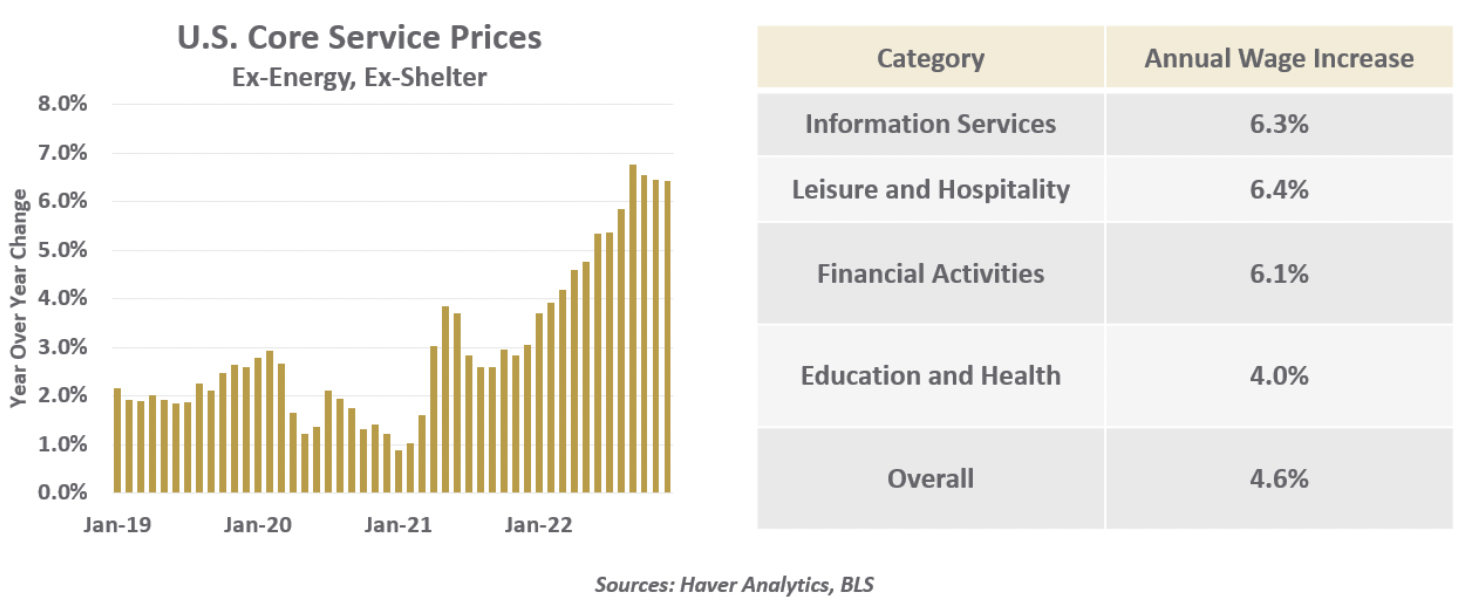
Inflation is a mixed picture, with services staying hot.
During uncertain economic times – as we are experiencing currently – the ever-important principles of valuation and margin of safety become even more important.
As expected and discussed in the January Macro Tides the December Consumer Price Index (CPI) dropped below 7.0% falling to 6.5% from 7.1% in November.
Investors face mixed signals between the Federal Reserve’s policy guidance and recent economic developments.
On Monday, Germany’s GDP print for the final quarter of 2022 came out below expectations of 0.0% by -2%.
US market structure was back in the news recently with several stocks experiencing irregular price movements on the morning of January 24.
The Fed downshifted to a smaller rate hike to start 2023, but the job is far from done.
The market has high hopes for the Fed, however, comparing this to the Fed’s own expectations, we see a very different narrative.
Inflation appears to have peaked, led by improvements in core goods prices and rate-sensitive sectors like housing.
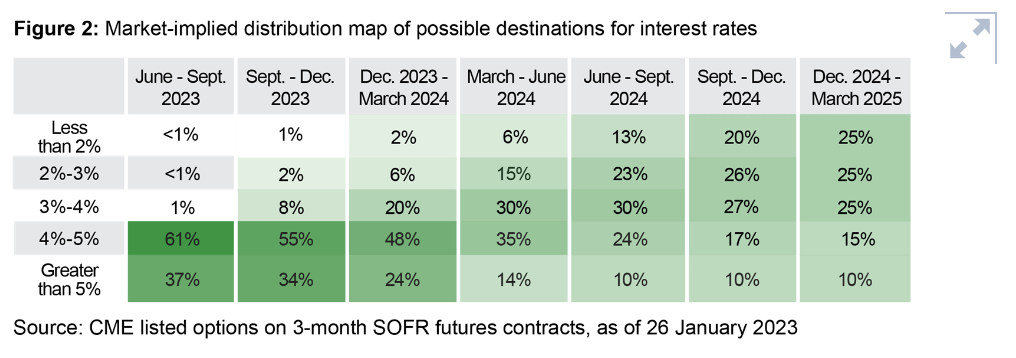
As investors seek to pinpoint market expectations for Federal Reserve policy, it’s critical to consider not just rate projections and derivatives pricing, but the degree of uncertainty and distribution of outcomes.
In anticipation of tomorrow’s rate decision, we saw another indicator today that the Federal Reserve has been successful in stemming the tide of inflation.
I chose the topic for this month’s Absolute Return Letter during the Christmas break.
It is hard to reconcile the jubilant mood of many business leaders with the uncertainty caused by the war in Ukraine.
A plunge in pricing power was one of the most notable developments we found in our latest quarterly survey of our credit analysts, who follow more than two dozen industries.