Let’s unpack the state of the markets today, explore where opportunities lie and review several strategies to navigate the months ahead.
How do you make sure your nest egg lasts as long as you do? Figuring out a safe withdrawal rate is tricky, because life is unpredictable. Markets and inflation rise and fall, tax laws change, and political philosophies come and go.
US consumer confidence rebounded sharply in May from a near five-year low as the outlook for the economy and labor market improved amid a truce on tariffs.
The Republican tax bill contains flashy goodies for families with kids. The flashiest: savings accounts for children — branded Trump Accounts — created and initially funded by the Treasury Department. These will consist of $1,000 in invested assets for each American citizen born through 2028, plus whatever funds parents later add.
There are plenty of reasons to be concerned about the direction of the US economy right now.
India is the stuff of dreams for OPEC and Big Oil: a rapidly developing nation of nearly 1.5 billion people where petroleum consumption is still in its infancy.
Without proper financial guidance and planning, the end of their career could be followed by serious financial difficulties. While every athlete’s legal, tax, and financial picture is different, here are some of the topics that should be reviewed with athletes.
Looking to reduce volatility without sacrificing income potential? Consider short-maturity high yield.
A host of data influences the market, including jobs and GDP. Learn how savvy investors decipher their meaning and what they watch for beneath the surface.
529 plans and Roth IRAs are two tax-advantaged accounts designed to help you save for future expenses.
Selling your real estate portfolio, especially investment properties you and your family have held for years or decades, can be a complex process.
In 2025, AI crossed a subtle but monumental threshold: it stopped just answering questions and started executing goals.
Markets rallied after a surprise tariff rollback, but with valuations stretched and policy signals still mixed, investors appear to be leaning toward flexibility, fundamentals, and selective exposure.
Given the headwinds Target has faced this year, many advisors were not expecting to hear good news at the retailer’s latest earnings call.
The Endowment Tax was introduced during the first Trump administration as part of the 2017 Tax Cuts and Jobs Act (TCJA).
Tariffs have long been part of U.S. economic policy, but big changes can disrupt markets and trade. Here's a quick overview of some questions investors may have.
On the latest episode of ETF 360, VettaFi’s Kirsten Chang interviewed Innovator’s Director of Product Management Joe Becker to discuss one of their newest product launches, the Innovator Equity Premium Income – Daily PutWrite ETF (SPUT). This new product uses the put instead of the covered call.
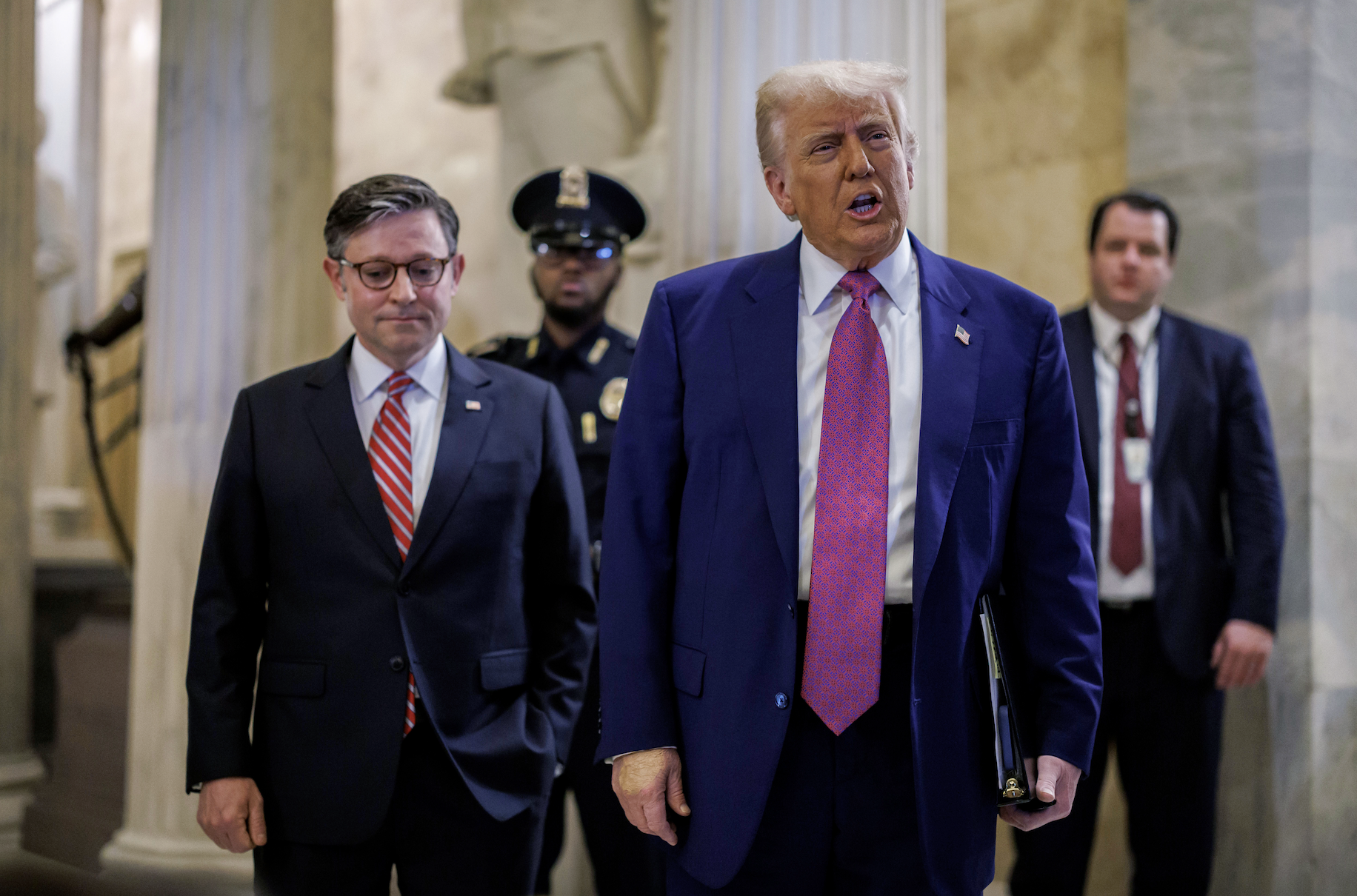
House Republicans narrowly passed President Donald Trump’s economic package after a series of all-night negotiations and 11th-hour compromises.
Investors should always be attuned to inflation risk, but it seems pronounced in this moment. How should your clients adjust behavior and investments?
As AI capabilities continue to advance, we can expect even more sophisticated financial planning tools to become accessible to the average person, potentially improving retirement outcomes for many.
Bond investors are demanding more and more compensation to hold long-dated US debt as global markets grow anxious about the widening fiscal deficit in the world’s biggest economy.
America’s fiscal woes are nothing to sneeze at, but they’re also nothing new. Which is why we expect markets to largely shrug off the latest credit-rating cut.
Direct indexing has been in the news a lot more in recent years. Larger industry players have strategically acquired a number of providers—including Parametric. And many new entrants have entered the space, looking to build on its success.
Shopping for bonds? The bonds you choose should align with your risk tolerance and goals. Discover what to consider before buying any bond.
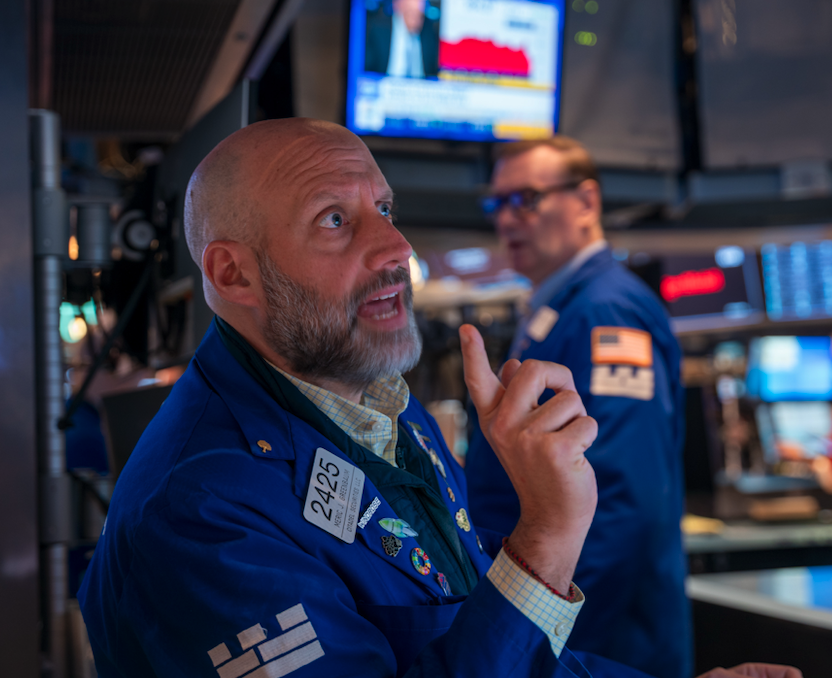
Investors active today can be forgiven if the events of the past few months have been a bewildering experience.
The market narrative appears to change on a dime these days. Stocks may have staged a comeback to recoup almost all their post-“Liberation Day” losses. But the bottom line on the fixed income market hasn’t changed all that much.
Discounted municipal bonds could expose you to unexpected taxes. Here's what to know before you buy.
The wise minds at Moody’s Investors Service finally acknowledged last week what the other two main credit rating agencies did years ago.
The world’s largest asset manager is adding to bets on the artificial intelligence within its US model portfolios while trimming its overall equity risk because of tariff uncertainty.
Tariffs, inflation, geopolitical tensions, and other factors continue to feed into market uncertainty for even safe haven assets like Treasuries. As such, investors could be giving riskier emerging market (EM) bonds a second look.
529 plans offer tax-free savings for a variety of education expenses, including K-12 tuition, vocational training and apprenticeships. Our Bill Cass discusses the trends in 529 savings plans.
In a year dominated by multimodal marvels and reasoning breakthroughs, perhaps the most economically significant shift in AI went largely underplayed: cost collapse.
The materiality of ESG factors differs across sectors and markets. Investors need to understand how.
The April Consumer Price Index (‘CPI’) report was released last Wednesday and gave the Federal Reserve another positive data point in its inflation fight, as did Thursday’s negative Producer Price Index (‘PPI’).
During last month's tariff war, a big driver of stock-market declines was foreigners selling.
The shifting change in market leadership to international outperformance may call for a portfolio review to assess overexposure risks.
Innovative ETFs are making waves as investors look for fresh ways to navigate a market marked by rapid growth and ongoing volatility.
With the latest Target earnings report coming in weaker than expected, advisors might want to reassess how they gain exposure to the company.
This isn’t about selling — at all. It’s about problem-solving and helping — it’s about offering an opportunity to change someone’s life. Remember, they can always say “no.”
Debt collectors have been unpopular since ancient times, but they play a necessary role in the lending lifecycle. Their jobs are not easy: I recall one collector noting that there are few ways to communicate with defaulted borrowers.
Most investors would jump at the chance to add more money to their portfolio, but they often fail to consider the hidden costs associated with it.
Emerging-market (EM) stocks might not seem an obvious choice for anxious investors during a trade war. But history suggests that past volatility peaks have created favorable moments to invest in EM stocks.
Last week I talked about the upward sloping Treasury yield curve, a welcome change from the inverted yield curve that lingered for years. The upward sloping curve means that investors are rewarded more for taking on duration.
Moody’s Ratings has followed S&P Global Ratings and Fitch Ratings in stripping the US of its top-notch credit score, lowering it one level to Aa1.
Globalt remains conservatively positioned with an underweight in global equities, and neutral duration in fixed income.
Tidal’s Mike Venuto discusses the latest in ETF innovation, from 351 conversions and the ETF share class structure to options-based strategies and leveraged products. VettaFi’s Kirsten Chang offers a tour around the world of fixed income ETFs, highlighting recent flows, new launches, and under-the-radar success stories.
If there were ever a time for more funnel cake — oops, I mean municipal bonds—that time may be now.
The 60/40 approach has not been what it was just a few years ago. Fortunately, there are alternatives.
By incorporating growth CDs into a diversified retirement plan, retirees can take advantage of equity market growth, protect their lifestyle, and avoid the fear of market downturns diminishing their savings.
President Donald Trump’s first overseas trip since returning to the White House is turning heads across the aerospace & defense and semiconductor industries.