It is human nature to be captivated by unbelievable stories, great victories, and thrilling endings. One could argue that we have a penchant for the dramatic.
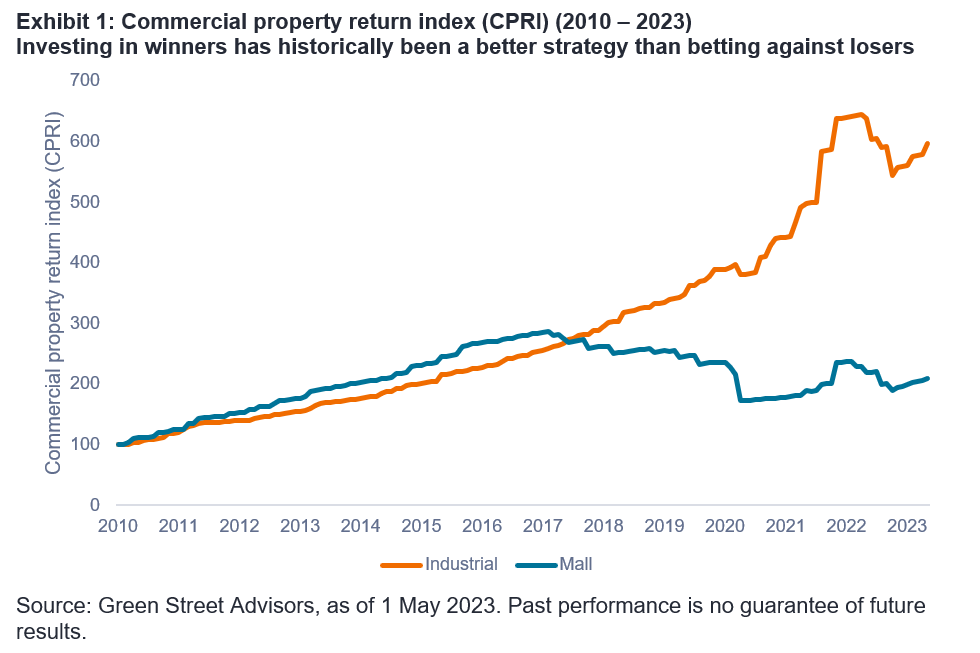
While the financial media has focused on the headwinds for commercial real estate and the challenges the office and retail sectors face, this narrative ignores the differences across sectors and the potential opportunities available in today’s market environment, according to Franklin Templeton Institute’s Tony Davidow.
We believe that the creeping economic slowdown in the United States will probably persist for a few more months, with a recession possible over the next 12-18 months. The onset of the recession may be delayed until 2024.
Central bankers think they can handle a situation and fire the artillery. It always has an effect… but ultimately it is rarely the effect they wanted. Doing nothing at all might have been better but that wasn’t an option. They’re trapped in an endless spiral of intervention.
India is rapidly transforming into a formidable global superpower and an increasingly attractive destination for investor capital. Amid rising geopolitical tensions and the impact of disruptive technologies, India's story is a beacon of opportunity in a challenging landscape.
One such company is NVIDIA Corporation, a leader in the AI industry. With the growing interest in AI, it’s no surprise that investors are looking for ways to gain exposure to NVIDIA, including through leveraged and inverse ETFs.
A direct indexing solution can help make an investment portfolio as personalized as a home.
After the disruptions of the past few years, many of us are looking for a return to normal. For investors in emerging-market bonds, normal would mean a world in which global inflation is in check, interest rates are no longer rising, China is healthy, and traditional asset correlations resume.
We review the key themes of the first half of a busy year.
Fortunately for Biden, November 2024 is still a long ways off, leaving him plenty of time to correct some of these deficiencies in the labor market and improve consumer sentiment. If he can’t, then we might end up with back-to-back one-term presidents.
The US economy keeps surprising the doomsayers, and Tuesday’s data is just latest the example.
The European Central Bank (ECB) hikes rates and signals more tightening ahead.
Proper archiving of social media data is crucial to meet compliance requirements and reduce these risks, ensuring your firm has a backup of content in case of complaints.
We get a big bunch of data reports this week: GDP revisions and economy-wide corporate profits for the first quarter; durable goods, new home sales, personal income, and consumer spending for May; home prices for April.
Today's U.S. equity market is highly concentrated, with seven stocks contributing to an astonishing 96% of the Russell 1000 Index's year-to-date return.
Companies that consistently grow their dividend distributions tend to be companies with strong revenue and free cash flow at their disposal. Given the importance of dividends in down and volatile markets, dividend growth could be even more critical as the markets face uncertainty. Join the experts at Harbor Capital and VettaFi for a robust discussion on dividend growth strategies.
Topics covered will include:
Few financial topics grab more media attention than money managers who make gobs of money while everyone else suffers. Scott Patterson’s The Chaos Kings centers on two colorful participants who regularly do just that, Nassim Taleb and Mark Spitznagel.
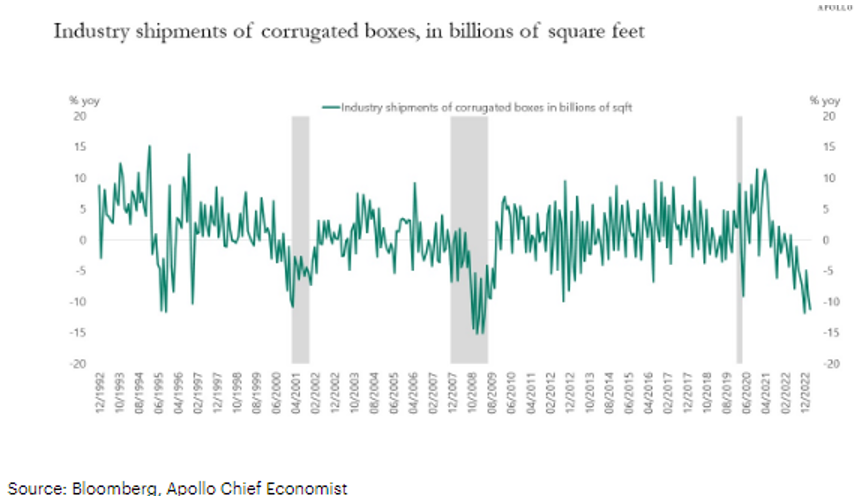
Many economists have been forecasting a recession for 2023 due to tightening monetary policy. But that recession has not arrived yet.
The current market speculation surrounding artificial intelligence (A.I.) has garnered everyone’s attention.
The complexity of some risk management platforms can lead to a steep learning curve for institutional investors, draining resources and creating stress.
Imagine a new digital environment where our data is portable and democratized, challenging the current monopolies. Web3 promises to be such an environment, using blockchain technology.
Politicians of both parties should welcome this trend and build on it — not least, by shifting resources from traditional college pathways and toward work-based alternatives that provide students with real-world skills.
The exit from a decade of very low interest rates, via the most aggressive hiking cycle since 1980 has laid bare the distorted financing incentives that became entrenched in the years between the Global Financial Crisis in 2008 and the end of pandemic-era monetary policies in 2022.
Japanese stocks may help boost the performance of international markets although the unique nature of Japan's economic and business structure could pose some risks.
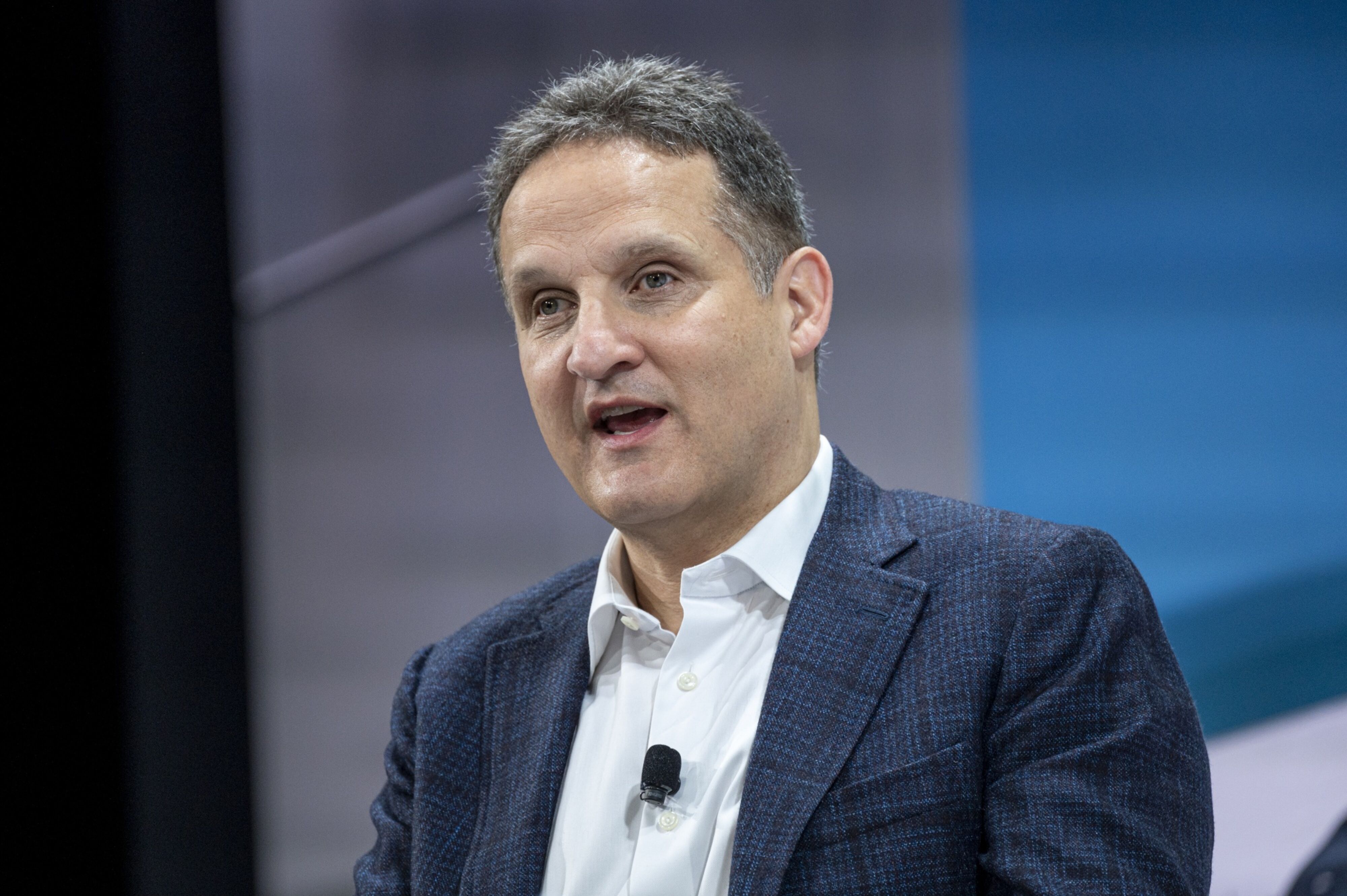
Amazon.com Inc.’s cloud unit is building a program to help customers develop and deploy new kinds of artificial intelligence products as the biggest seller of cloud services tries to match Microsoft and Google in the market for so-called generative AI.
Amid fears of a recession, the S&P 500 is up more than 14% this year, and AI stocks have risen many times more than that. But the market is not in a bubble, according to Jeremy Siegel.
In this article and video, we are going to cover Fidelity National Information Services.
I was watching NBC Nightly News the other night, and they ran a story about how there is no housing inventory because people are trapped in their mortgages.
Sticky inflation looks to compel developed markets (DM) central banks to crank policy rates higher – and keep policy tight for longer. The Federal Reserve paused last week but pointed to more hikes on the way.
Sunsetting a core benchmark rate is no small feat.
The period of large upside surprises to global data prints, which dominated the first quarter, seems to be over for now, but it is a major leap to suggest recession is now imminent.
With unanimity, the Federal Open Market Committee held the federal funds rate in its current range, but updated projections suggest this rate-hike cycle is not yet over.
While the Euro Area reported inflation of 6.1% in May, the US was able to post 6% year-over-year as of February. In this framework, a hike, and potentially two more to follow, was to be expected before a pause could occur.
Our long-term outlook for commercial real estate investing argues for a flexible, long-term approach to seize opportunities in debt and equity investments across the real estate landscape.
Bull markets and bear markets can’t be identified in real-time – only in hindsight. More importantly, the return/risk profile of a “bull market” or a “bear market” can change dramatically depending on whether valuations are consistent with the beginning of a market cycle or the end of one.
The US money-market industry, one of the big winners on Wall Street as the Federal Reserve hiked interest rates, is getting another lift with more tools at its disposal to attract investors and expand its unprecedented mountain of cash.
T. Rowe Price Group Inc., Allspring Global Investments and AllianceBernstein Holding LP are among investors seeking opportunities in longer-dated high-grade corporate bonds, reflecting bets that the peak in interest rates is nearing and a US recession would force policymakers to reverse course.
Quarterly Macro Themes, a quarterly publication from our Macroeconomic and Investment Research Group, spotlights critical and timely areas of research and updates our baseline views on the economy.
At its June meeting, the Fed opted to forgo an increase in its key lending rate for the first time since March 2022 but projected that more rate hikes may be possible by year-end. Our investment strategy analyst shares his thoughts on when the central bank’s rate-hiking journey could finally end.
Most of the things we expected to happen during the first half of the year in fact did: Inflation eased, U.S. economic growth slowed, the Federal Reserve appears to be near the end of its rate-hike cycle, and the U.S. government debt ceiling standoff was resolved before a potential default.
They’re the gilded class of high finance, whose shrewd bets and jumbo-sized paydays are the envy of Wall Street.
There is a whole world going on beyond the 8 largest stocks, which some people can’t see without a microscope or frankly have no inclination to bother stepping into the lab.
A year ago, the US Consumer Price Index was rising at an almost 9% annual rate. The Federal Reserve was trying to change that trend with tighter policy. But it wasn’t just the Fed. All of us—businesses, consumers, everyone—responded to the pain.
Measuring changes in consumer prices is a messy, imprecise undertaking, one that can result in conflicting data, and yet these data are used by both the public and private sectors to guide important policy decisions.
India is making bold moves in ‘new energy’ and decarbonization and our recent trip reinforced our reasons to remain bullish.
This year’s annual rebalancing of the FTSE Russell’s stock indexes, when companies are added or kicked out of the equity gauges, will be a headache for active portfolio managers.
The invasion of Ukraine may change many things, but the longest-lasting implication may be a reorienting of the post-World War II status quo and the unquestioned role of the United States dollar as the reserve currency for global trade.
The meaning of "wealth" goes far beyond having a lot of money. It's more about what money can do for you.
Seminars and workshops are a costly and exhausting way to acquire high-net-worth clients.
Investors seeking to capitalize on artificial intelligence are harkening back to another period when a technological advancement caused a market frenzy: the dot-com era.