The tariff recession is cancelled, but with the Fed strangling rates, we are nowhere near the boom Trump wants.
The latest economic data suggests the US economy is decelerating. That means growth is slowing, jobs are shrinking, and households are spending less.
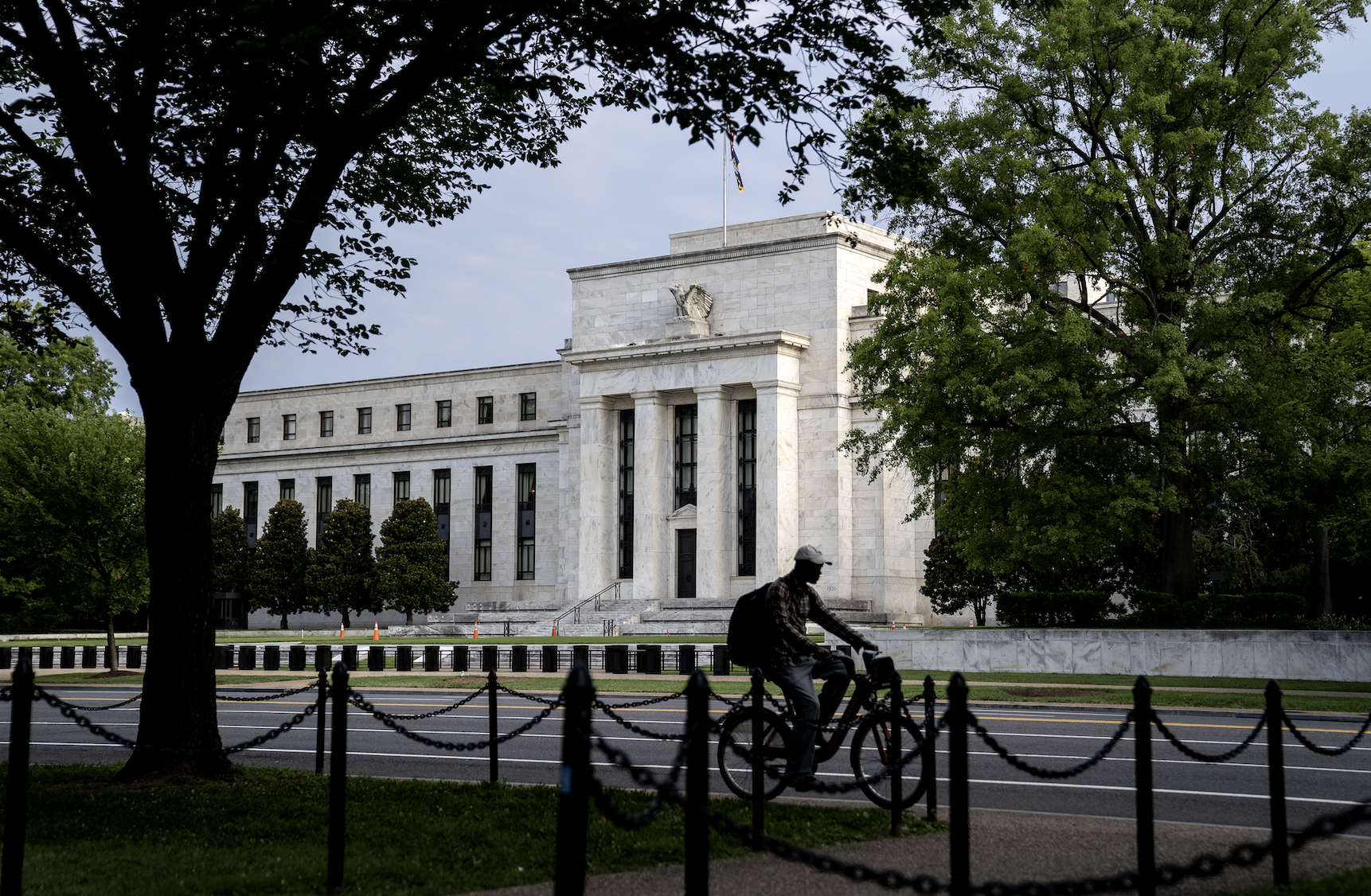
The Federal Reserve’s annual gathering in the Rocky Mountains is usually a time for central bankers and their wonky friends to kick back, discuss a few complicated economic topics and then go for a hike in the shadow of Grand Teton.
Our economic-number friends are behaving badly, leaving us unsure where to turn. Maybe in time we will see who was right and wrong. This week we’ll look at some of the data and then at the wide array of diverse opinions from my favorite sources.
Despite not meeting three of the four criteria, UPS valuations provide a better margin of safety than many stocks. However, while it may fare better comparatively, we would want to see improvement in earnings and sales trends before committing UPS to our roster of rainy-day stocks.
Chief Economist Eugenio J. Alemán discusses current economic conditions.
AI’s long-term potential remains strong, but supply chain risks and uneven adoption may impact near-term gains.
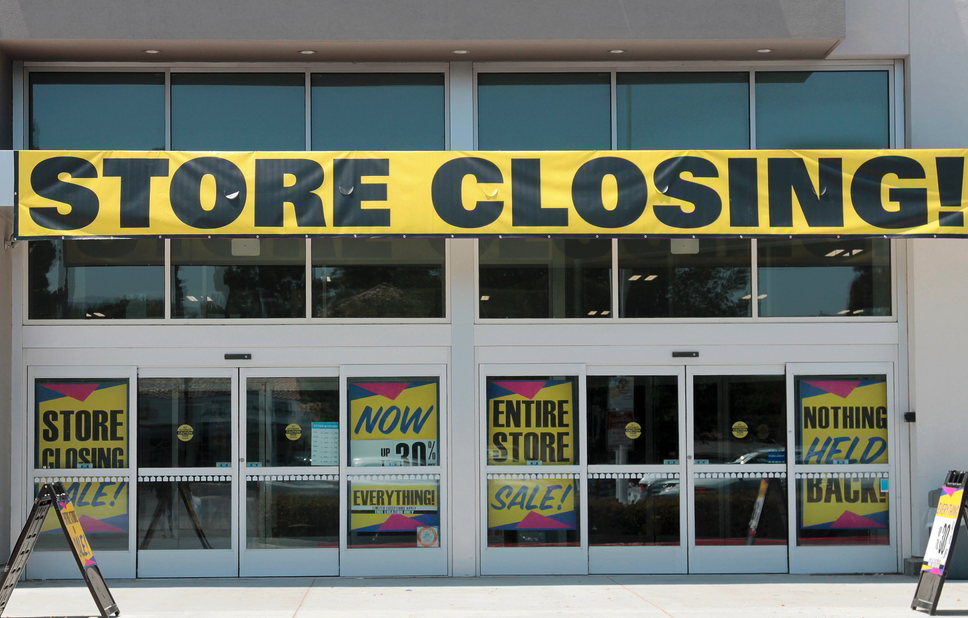
Corporate bankruptcies hit a 14-year high in 2024, and the pace continued through the first seven months of 2025.
In economic news other than that from Jackson Hole, the week included a new record high for margin debt and more.
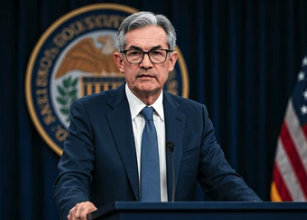
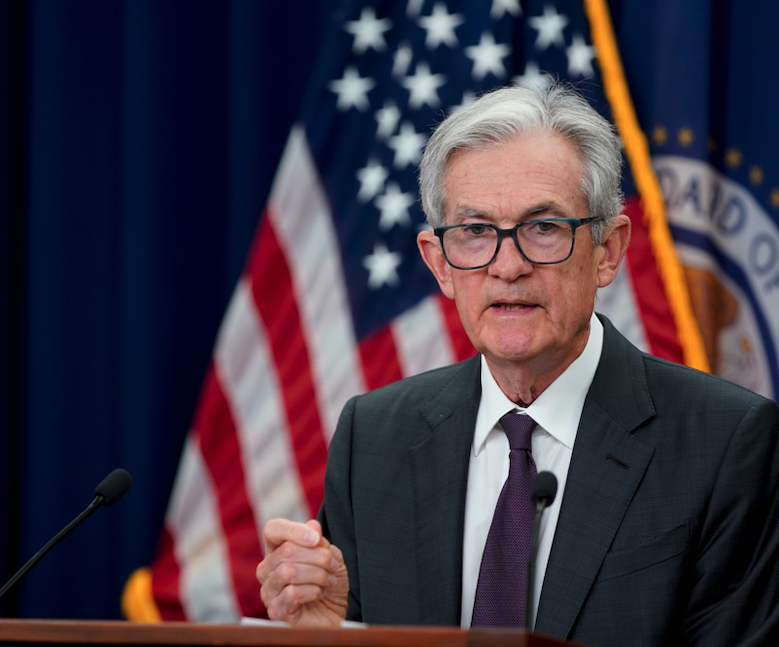
For much of this month, Wall Street traders piled into stocks and bonds, betting that the Federal Reserve was finally ready to start cutting interest rates again. All they were waiting on was the green light from Jerome Powell to keep the rally going.
Walmart Inc., TJX Cos Inc. and Lowes Cos. each upgraded their forecasts this week; Home Depot Inc. returned to sales growth. All the good news means the retail sector is doing fine, right?
Since the global financial crisis, value investing has been a lonely grind. Yet I know several managers who never gave up on value, and others who are uncomfortable with tech valuations and have been reallocating to lower P/E stocks.
Treasuries soared and traders added to bets on a September interest-rate cut after Federal Reserve Chair Jerome Powell indicated a reduction may be warranted to support the labor market.
Bond investors are heading into Friday’s much-anticipated Jerome Powell speech largely expecting the Federal Reserve chair will indicate policymakers will start cutting interest rates next month.
Investors today take for granted that the S&P 500 is an inherently superior group of stocks to those outside of the U.S. We believe investors who are substantially overweight U.S. large cap stocks would be well advised to rethink their stance.
Resilient data continues to fuel market momentum, but policy risks and global fragility remain close behind.
Following the softer-than-expected July jobs report, the money and bond markets have fully embraced the narrative that a Fed rate cut will be coming at the September FOMC meeting.
In this video, Chuck Carnevale—co-founder of FAST Graphs and known as Mr. Valuation—shifts focus from growth stocks to income investing in this video of 6 dividend growth stocks. He explains how dividend-paying stocks can be a powerful strategy for investors seeking steady income, particularly in retirement, and why they differ from growth or total-return approaches.
While gold hit all-time highs in April before consolidating, he notes the pullback has been unusually mild—less than 6% versus an average 10.1% correction during the 2001–2011 bull run.
In the 2018 thriller A Quiet Place, silence masks imminent danger. Today's equity markets offer a similarly deceptive peace.
Fresh from a bruising tussle with the White House over tariffs, Vietnam is confronting a different but no less delicate challenge.
July CPI, PPI, and Retail Sales are in the rearview mirror, and investors now look ahead to a trio of key potential macro volatility catalysts this week.
Revamped insurance regulations could bring securitized investments back into play.
Producer prices rose significantly more than expected in July, throwing markets into turmoil and calling into question what seemed like an almost certain Federal Reserve interest rate cut in September.
Uncertainty remains high, but so are bond yields, leading to attractive opportunities for active investors, in our view.
Small-cap stocks have provided a return pattern quite different from large-cap stocks. Typically, small caps either race ahead of larger companies or else fall behind. They’re rarely in synch.
Last week, the S&P 500 had a rally that took it to three straight record highs but the momentum cooled as economic data painted a complex picture. Read through the major economic news from the week of August 11th-15th.
If ever there were conditions that cried out for stimulus, China appears to have met them. Recent gauges of growth and inflation were more than just disappointing.
Traders are piling into one specific options wager that relies on a dovish Federal Reserve slashing interest rates by over a quarter-point next month.
As an industry leader, Vanguard cultivates a detailed understanding of defined contribution (DC) plans and their role in the U.S. retirement system.
Market uncertainty is leaving would-be retirees unsure about the future. Here, three Schwab professionals discuss how to navigate the transition with confidence.
We received a slew of economic data this past week, but the true market mover lies ahead this Friday: Chair Powell’s upcoming Jackson Hole address.
This week, the focus shifts to US retailers, particularly after recent economic data.
In this article, Russ Koesterich discusses his latest recommendations around portfolio positioning in anticipation of a potentially more volatile fall.
Limited price collection will complicate estimates of inflation.
Winding Down The Summer! While summer ‘officially’ lasts until late September, Labor Day marks its ‘unofficial’ close – and it’s fast approaching. That makes now the perfect time to hit the beach, prep and get organized for the school year, or sneak in a last-minute getaway.
Second quarter earnings season, which winds down this week and next, has met some of the highest expectations. Strong beat rates, big upside earnings surprises, and increases in estimates during the past four weeks were consistent themes that gave investors very little to complain about.
In this article, I will discuss the automatic Social Security bridge strategy built into the AFP models and look at several hypothetical client situations to quantify how much a Social Security bridge strategy (SSBS) may actually enhance your retired client’s retirement security.
A portfolio of longish-term bonds held to a shortish-term horizon did appear to benefit from a drop and suffer harm from a jump in interest rates. This article’s purpose is to sharpen that observation and remove the ambiguity.
Lauded for their yield, credit quality, and of course, their federal tax-free income, municipal bond benefits are also extending into the containment of tariff contagion.
Recently, due to deals President Trump is making, some are saying the United States has embarked on a version of Chinese-style “state capitalism” – directly entangling markets and government.
Investment assets – things such as stocks, bonds, companies, and buildings – have a value, which is sometimes referred to as their “intrinsic value”: what the asset is “worth” at a point in time. This value is subjective. It can’t definitively be found anywhere – not even by AI, as far as I know – and opinions will differ as to what it is.
On the latest edition of Market Week in Review, Global Chief Investment Strategist Paul Eitelman recapped the stock market’s latest record-setting run. He also dug into the health of the global economy and the latest inflation numbers from the United States.
Since the last update of our three ‘Tactical Rules’ on June 17th, both domestic and international equity markets have rallied, increasing roughly 6.9% and 3.7%, respectively.
July inflation data emphasized that tariff-related price pressures are still with us, in addition to some heat in the services sector—making the road to Fed cuts a bit bumpier.
Markets entered the second half of 2025 with renewed optimism, though not without turbulence earlier this year.
Younger workers are facing difficult employment prospects.
Despite triple the amount of tariff income, the July budget deficit surged to $294.14 billion, 19 percent higher than a year ago, according to the Monthly Treasury Statement.
The latest wholesale inflation numbers in the U.S. took some of the wind out of Wall Street’s sails this week, but they haven’t dulled investor enthusiasm for gold.