Over the last 10+ years, U.S. equity outperformance has been caused by increased profit margins, the accretive impact of share buybacks, dollar weakness, and most significantly, an outsized expansion in equity multiples. There are risks to all of these sources of outperformance, suggesting that a neutral long-term strategic allocation to U.S. equities is now likely warranted.
ICYMI: In this roundup, we’re highlighting the five most popular pieces of content from the previous week.
When an iceberg comes into view, investors must be wary of the danger, but Rick Rieder and team argue that it's also important to recall that calmer seas may lie beyond.
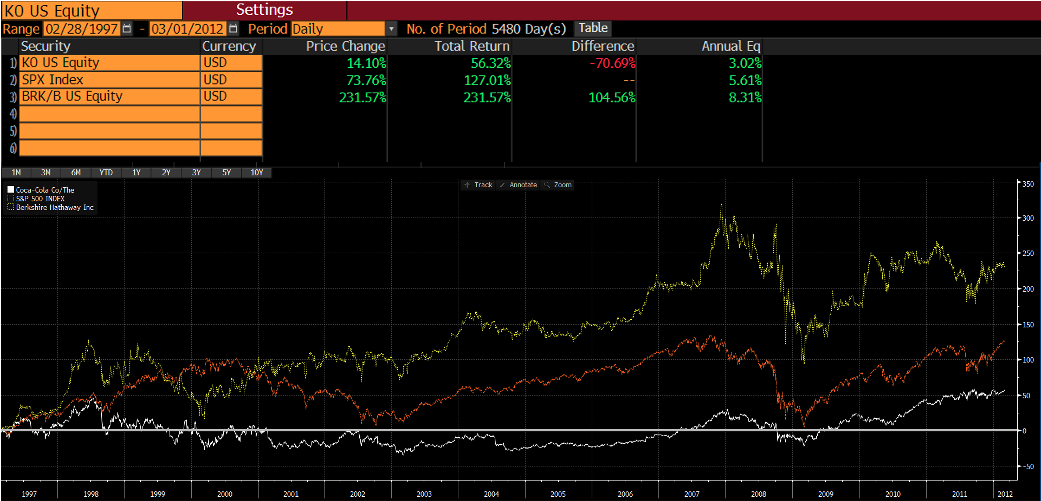
Warren Buffett released his 2021 Berkshire Hathaway Annual Letter on Saturday, February 26, 2022. He seemed to want to talk about almost anything besides the stock market.
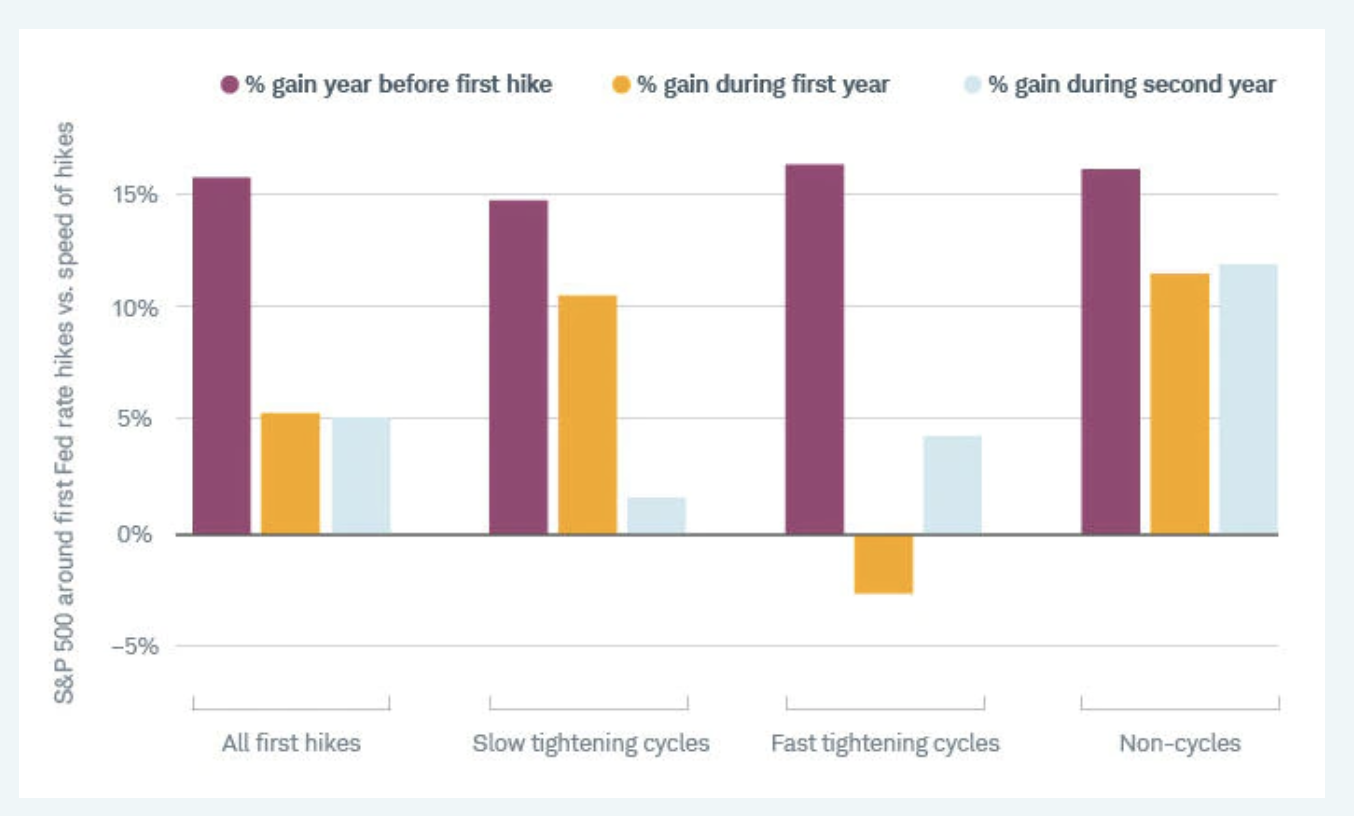
One of the ways the Fed may tighten financial conditions is by reducing its balance sheet. Here’s what investors should know about it.
If you want to know what stagflation looks like, check out the housing market. The conditions that existed during the 1970's — high inflation and stagnant output — are happening already in this segment of the U.S. economy, illustrating the challenges ahead for consumers, industry players and the Federal Reserve.
As a financial planner, it’s your job to help the client understand why certain investment steps are in their best interest when their intuition may be telling them otherwise.
My wife and I have downsized. We sold a large condo in a high-rise building and are moving to a much smaller house in a nearby community. The process taught me a lot about financial planning.
This article outlines the necessary requirements to establish a Nevada family trust company and examines the core features and benefits it offers clients.
This year, the theme for International Women's Day is #BreakTheBias. This theme celebrates the achievements that women have made, takes action for equality, and raises awareness against bias. What better way to honor the holiday than to examine how women are breaking down barriers in the financial services industry?
The rapid rise in housing prices since the pandemic has fueled fear among Americans already faced with the worst inflation in the last 40 years. The fear of inflation is genuine, but housing prices have nothing to do with it. The Bureau of Labor and Statistics (BLS) incorrectly calculates housing as a component of inflation.
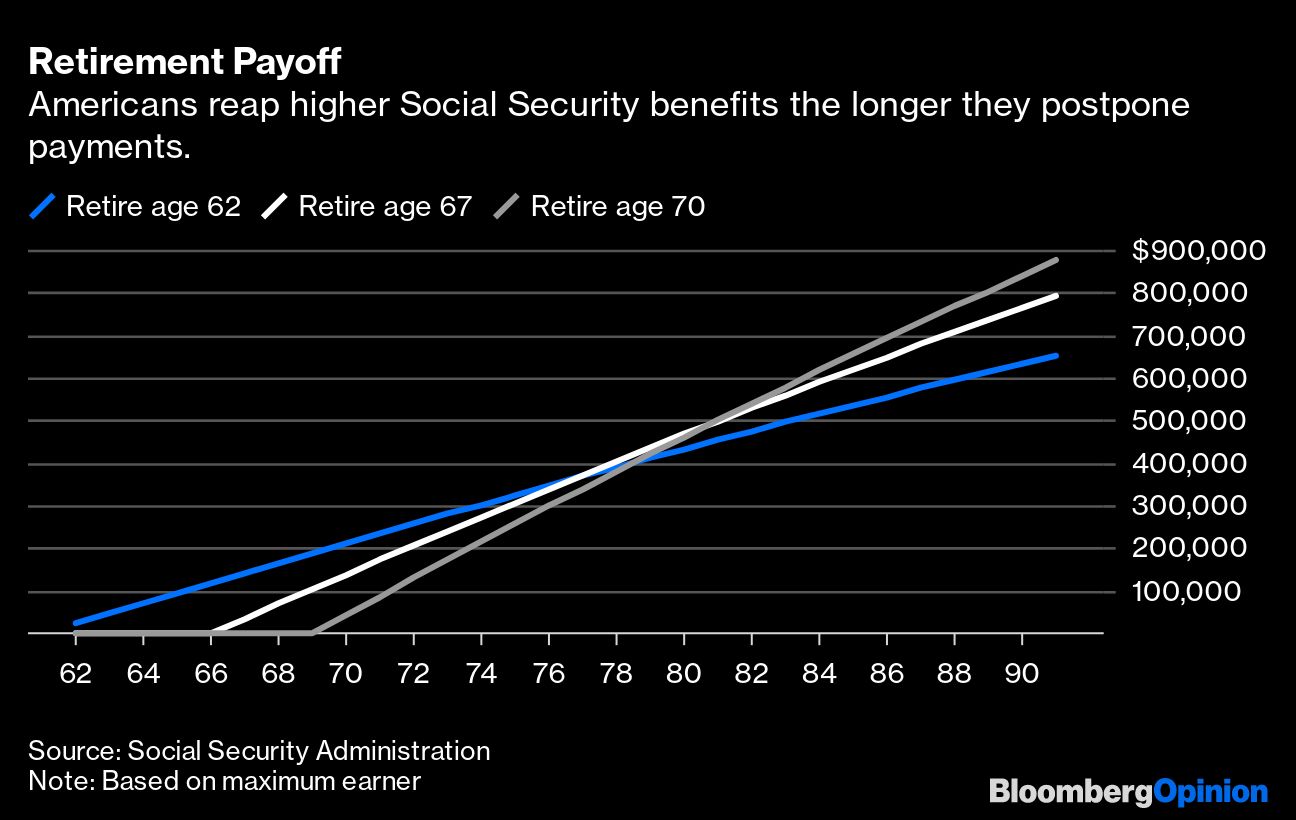
Even before Russia invaded Ukraine the economy felt pretty dicey. There was inflation, a weird post-pandemic job market, and the prospect of a more hawkish Fed. Now markets are even more volatile as sanctions roil the global outlook. For anyone counting the days until retirement, it's been a harrowing ride.
Russia’s invasion of Ukraine has ramifications for global inflation and growth, according to Franklin Templeton Fixed Income.
For some months now I have been banging the drum on how economic growth has been slowing and is set to meaningfully deteriorate come the middle of 2022.
New data on consumer preferences and behaviors during COVID shows that the advisory firms face daunting challenges with respect to staffing, differentiation and – if they are private-equity backed – financing and maintaining profitability.
In this interview, Peter Essele, vice president, investment management and research, at Commonwealth Financial Network, explains why investors should view the volatility created by the pandemic and geopolitical events as an opportunity to add risk to their portfolios.
Given the war in the Ukraine, I thought it would be helpful to provide insights for advisors and investors to think about risk and what if any actions should be considered.
After living through more than two years of COVID-19, its variants, and the attendant supply-chain disruptions and inflation concerns, one thing is clear: Uncertainty is the only certainty.
We recently hosted a special edition of our “What Our Managers Think” panel discussion to address the current situation in Ukraine.
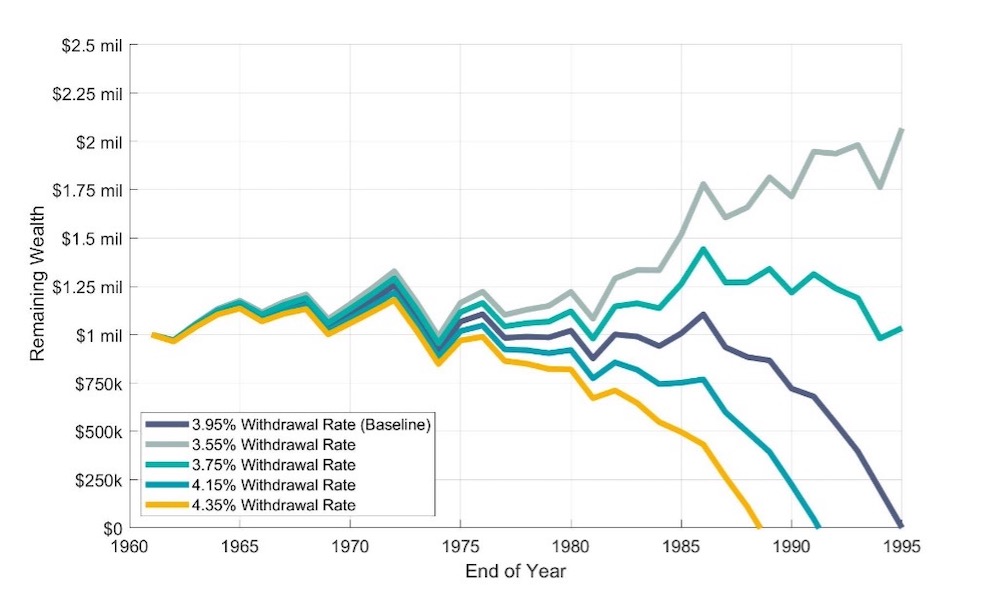
Understanding how reverse mortgages can add value in retirement planning requires an understanding about the peculiarities of sequence-of-return risk that the reverse mortgage can help to manage.
Commodities appear attractive amid elevated inflation, lingering supply-demand imbalances and high roll yields.
2022 has been a tough year so far for risk management.
Kim Catechis, Investment Strategist for the Franklin Templeton Investment Institute, recently shared his thoughts around the situation in Ukraine and the implications for the global economy and capital markets.
Finding attractively valued and high-yielding investments is difficult in the current market and economic environment.
The fixed income markets have changed dramatically since the global financial crisis, providing the opportunity for disciplined investment managers to add alpha. My guest will discuss ways to navigate the changing fixed income markets, including the difficulty in consistently calling interest rate moves, how conditions in the credit markets have dramatically changed, and how his firm manages fixed income.
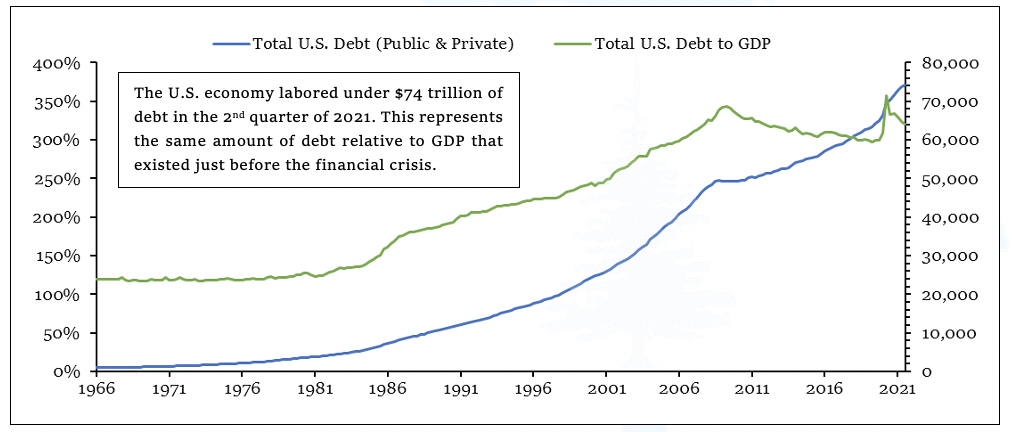
American households took on over $1 trillion in new debt in 2021 for only the second time in history, pushing consumer debt above $15 trillion for the first time ever.
The story of the Banque Royale and the Mississippi Bubble in the first issue of the Macro Value Monitor may sound like a tall tale of financial fiction, but those events did in fact occur three centuries ago in France.
Those intending to shame or attack "the rich" commonly make an absurd comparison when they lump together "millionaires and billionaires."
Since 2011, we have issued annual reports on the largest listed corporate defined benefit (DB) sponsors in the U.S., codenamed the $20 billion club.
A couple of weeks ago, we gave a presentation at the first annual Smead Investor Conference near our headquarters in Phoenix.
This paper tracks the evolution of the emerging markets asset class and describes some of the resulting unique characteristics that make a value investing discipline attractive in these markets today.
Canada is registering more and more ETFs each month, rapidly expanding offerings in a market where the average fund is roughly a 10th the size of its U.S. counterpart. Newfangled funds -- not least those pegged to Bitcoin -- are responsible for some of the glut as Toronto upholds its mantle as an industry laboratory.
Inject targeted marketing content in a stepwise approach and be patient while the relationship builds as marketing prospects see and consume your content.
Russia has invaded Ukraine.
Interest-only variable annuity policies have zero commissions, no surrender charges and low annual M&E and admin fees plus various subaccounts that span traditional and alternative investment strategies.
Though there are 1 million donor-advised fund (DAF) accounts in the country, many clients are still not aware of how they can help them in their desire to support the charities and causes that are important to them.
In the immortal words of Jerry Seinfeld: “You don’t even know what a write-off is.”
This week’s news is seemingly all about Ukraine and Russia. It is a terrible situation. But as an economic matter, we still have serious economic challenges no matter how it develops.
Yale Professor Robert Shiller’s Cyclically Adjusted Price-to-Earnings ratio (CAPE) is a respectable predictor of the future real return of the stock market, but it underwhelms when used on its own to set stock exposure. We examine a better way of using CAPE, with much better results.
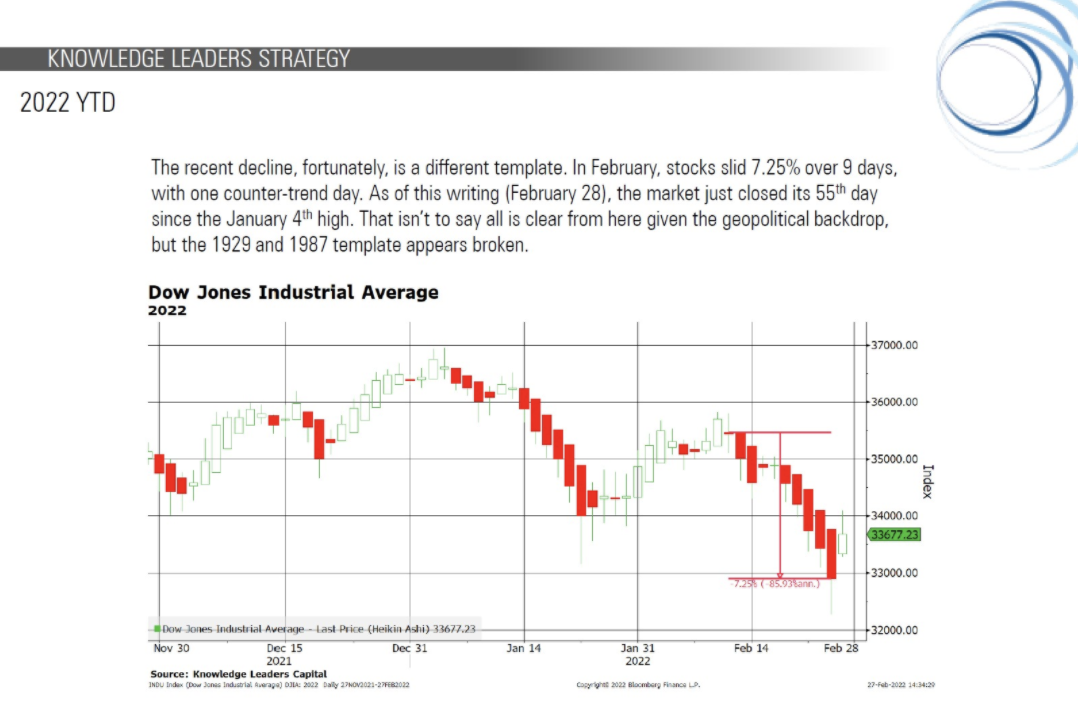
Market pullback or bear market? Such seems to be the question on everyone’s mind as of late, given the rough start to 2022 so far.
The Northern Trust Economics team shares its outlook for key markets in the month ahead.
What many feared may happen came true overnight with Russia invading Ukraine from all sides—Crimea, Belarus and Russia.
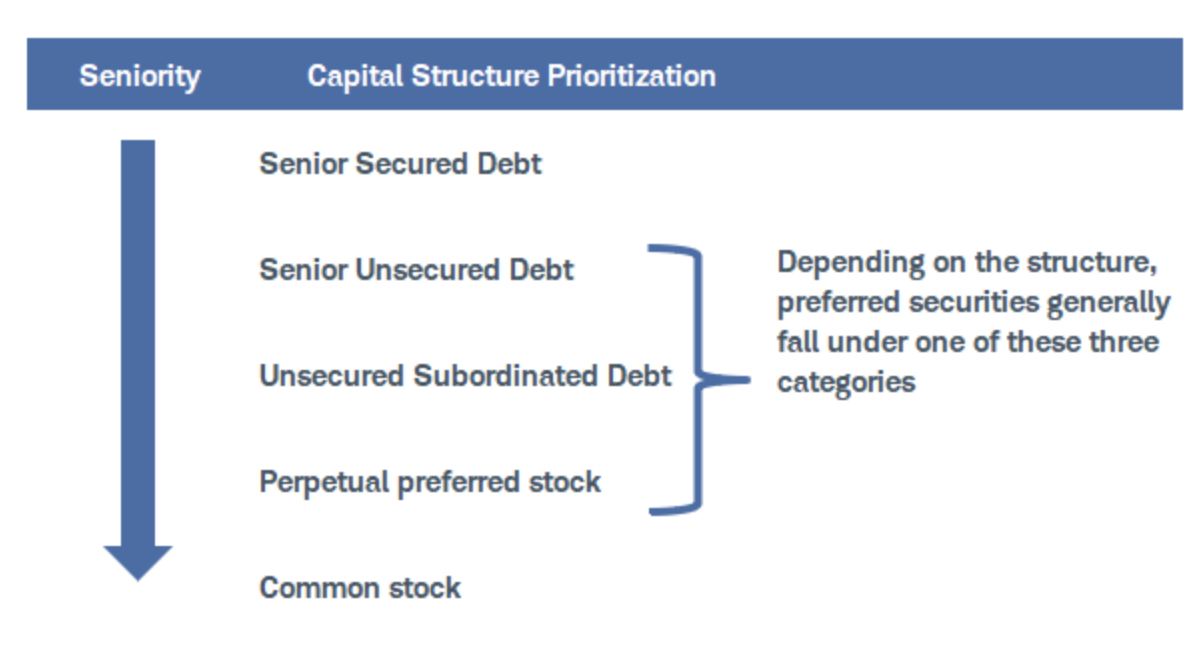
Preferred securities are a type of investment that generally offers higher yields than traditional fixed income securities, such as U.S. Treasury securities or investment-grade corporate bonds.
The 2022 investment year is now well underway and financial advisors and investors would be well advised to not, as the old saying goes, “fight the tape” of what is shaping up to be a difficult year for the stock market.
As we turn over the page to a new year, there are plenty of decisions that investors will need to make.
Consumer spending and borrowing have rebounded, and delinquencies have not.
Environmental, social and governance (ESG) factors are all important to the sustainability of an investment.
I propose a strategy that can produce larger price gains or losses than bonds and higher yields than traditional bond funds or ETFs. If yields decline soon, investors can expect double-digit returns in a relatively short period.
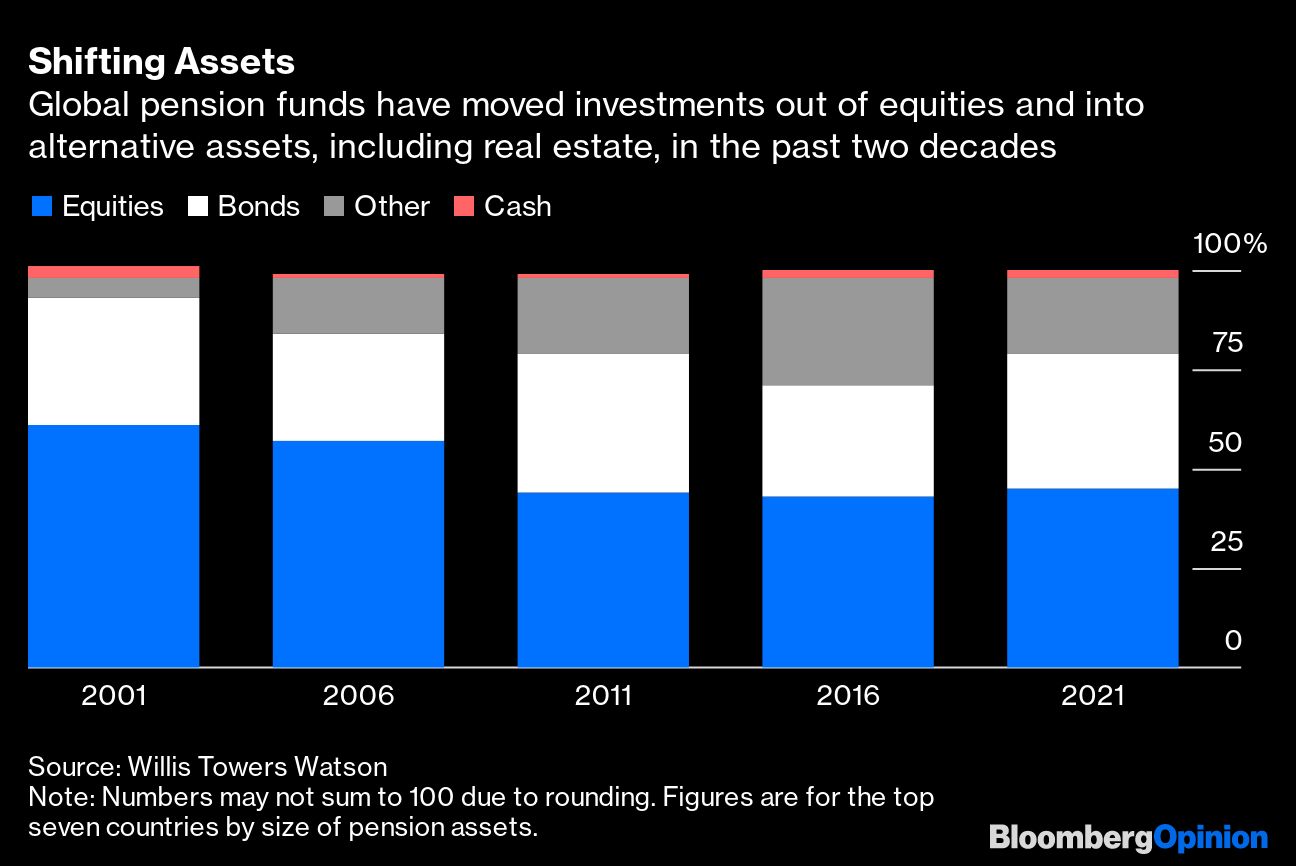
The world’s pension funds are growing as an ageing population puts more money aside to pay for retirement. The global total has doubled in the past decade to almost $57 trillion. But the biggest pool of savings risks missing out on both diversification and returns by restricting its investments to its domestic markets.