The nature of the economy is that there are always causes for concern in strong markets, just as there are reasons for optimism in weaker ones.
The U.S. economy contracted 1.4% in the first quarter, leading some investors and analysts to raise the specter of the dreaded “R” word: recession.
April was a hard month for the markets.
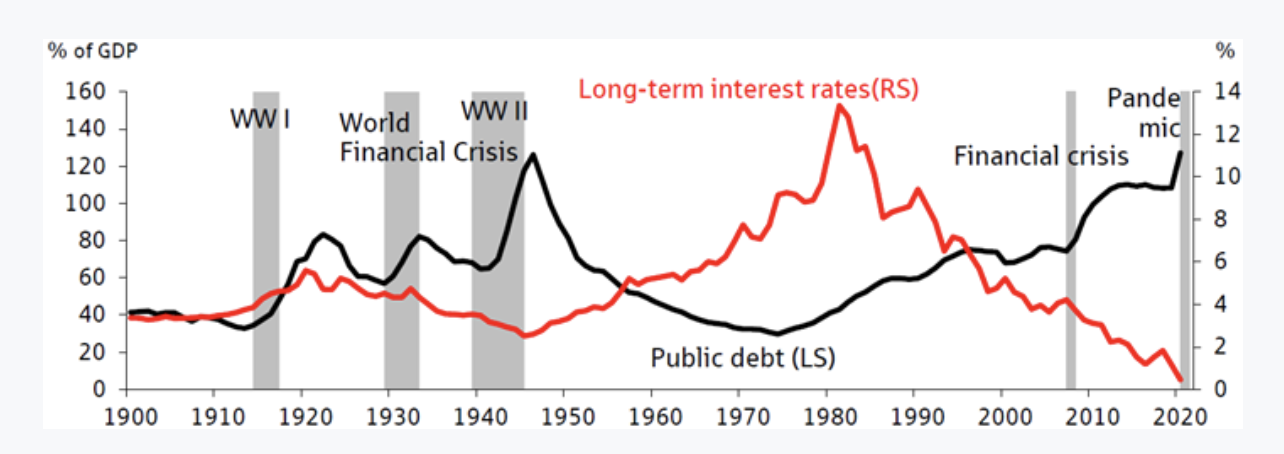
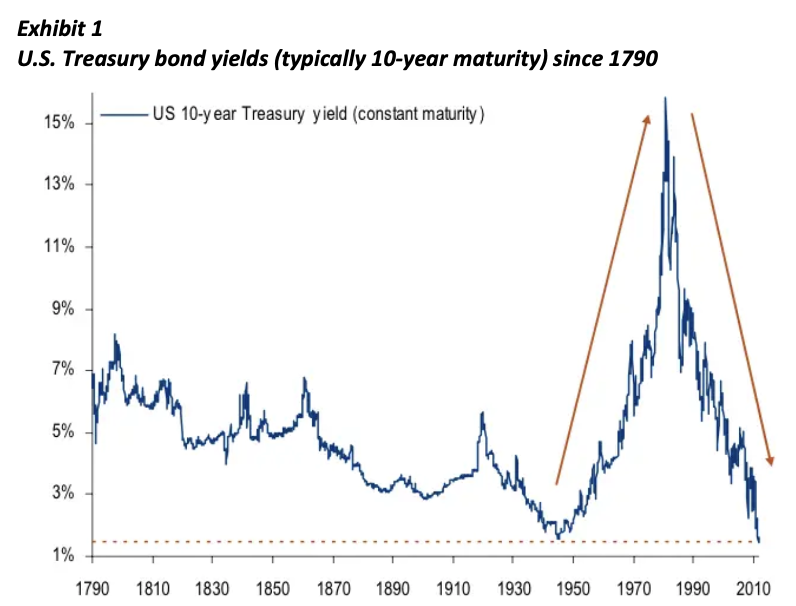
A bull market in bonds is set to return with a vengeance as the Fed once again makes a policy mistake.
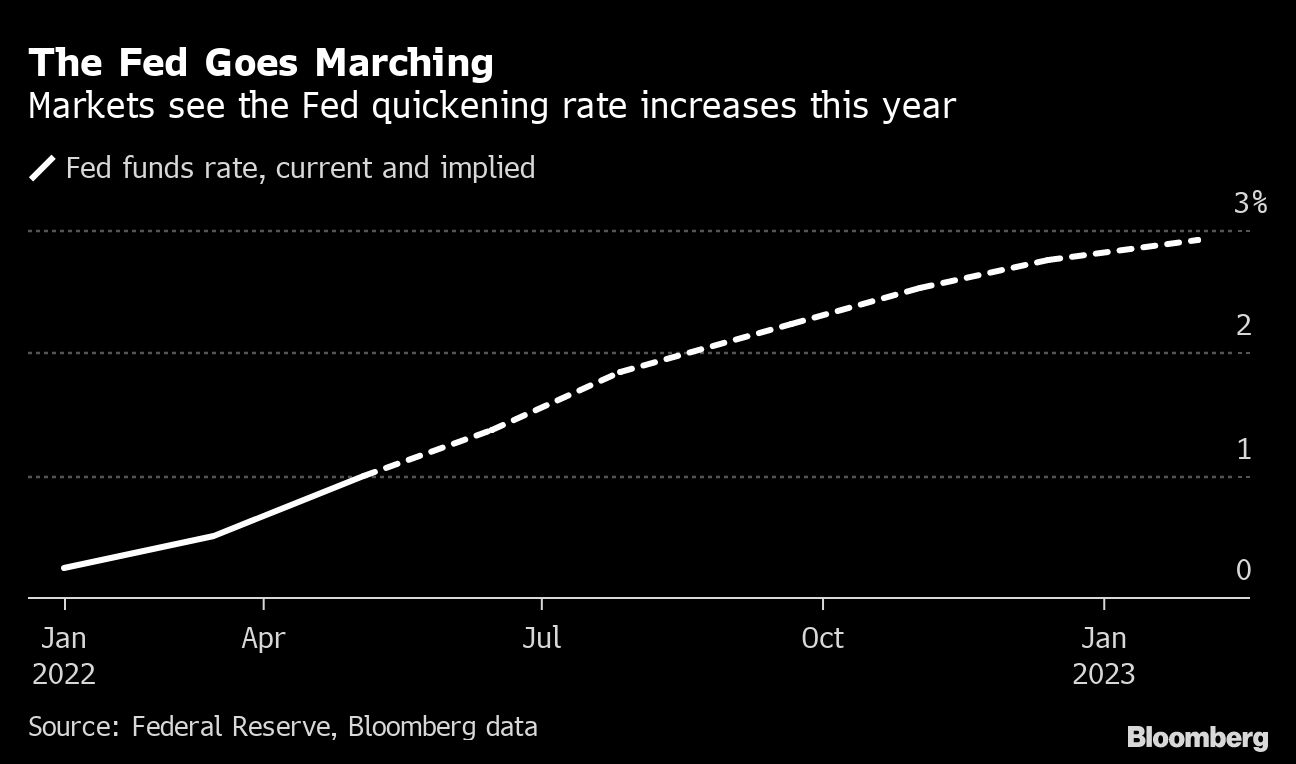
As expected, the Federal Open Market Committee (FOMC) raised the fed funds rate by 50 basis points, to a range of 0.75% to 1.0%.
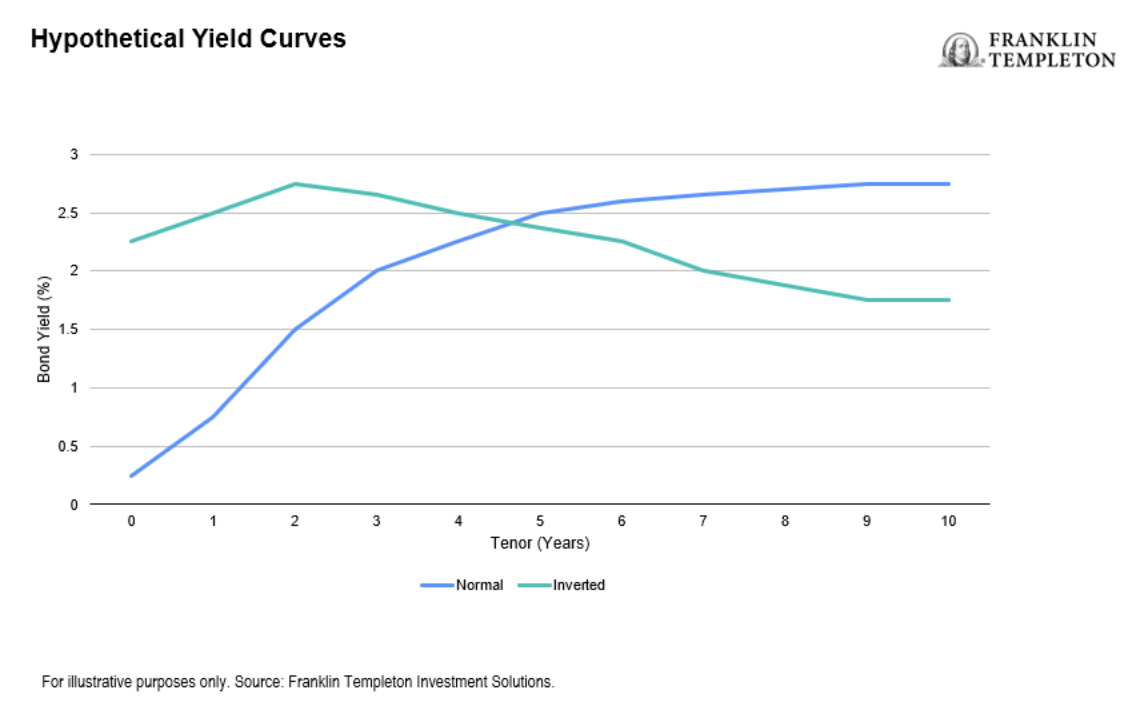
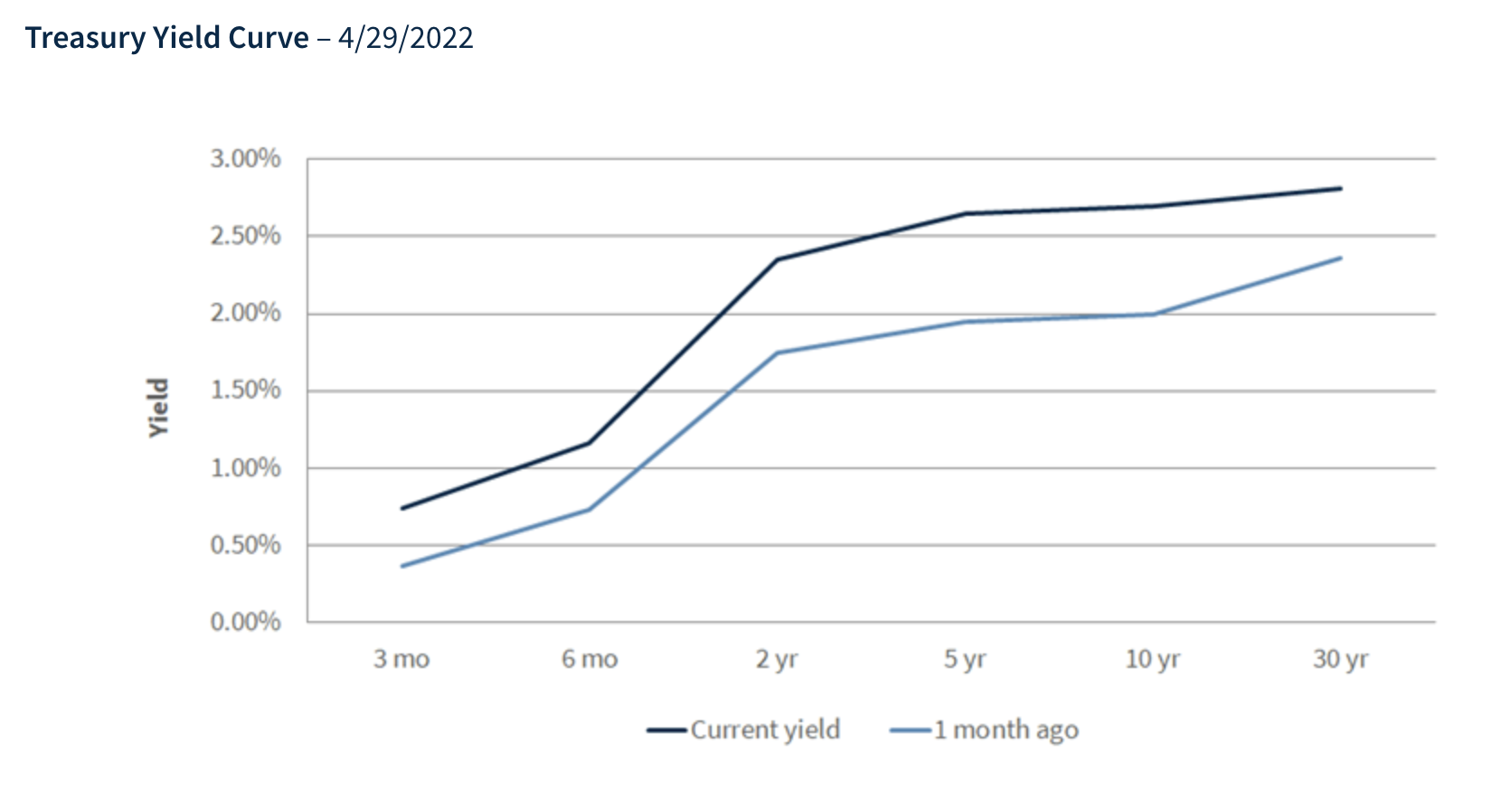
The US Treasury yield curve momentarily inverted.
"Transitory" is out, "expeditious" is in.
The Federal Reserve has finally started to get real. It increased the policy rate target Wednesday by 50 basis points. More rate hikes are expected as the Fed tries to bring down inflation. But will this be enough?
Consumers seem undaunted by higher prices of everything from luxury cars to beer, letting companies like Anheuser-Busch InBev NV and BMW AG boost profits despite economic threats ranging from inflation to war to China’s Covid flare-up.
Higher interest rates from the Federal Reserve's efforts to get a handle on inflation have contributed to the stock market's worst start to the year since 1939. That's bad news for investors, but the market signal being sent to corporate America is good news on the inflation front.
Economic policy seems especially susceptible to a certain dynamic. Ideas get fixed too firmly and for too long, so when they’re forced to change, the shift is violent. Narratives drive decisions, and stories shape events, rather than the other way round. The new account of inflation is an arresting example.
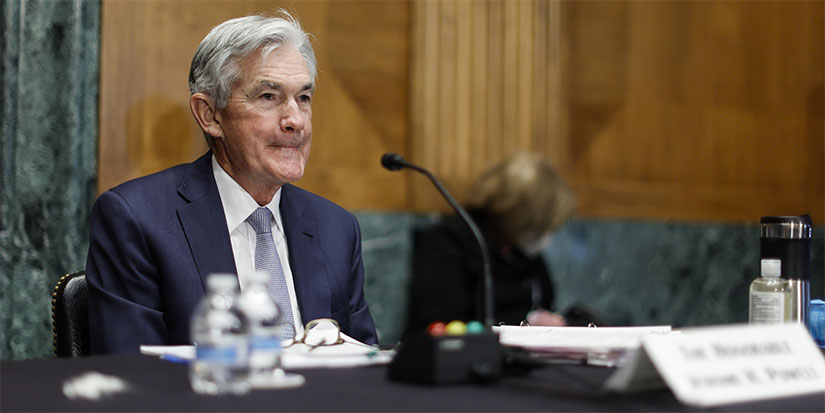
Federal Reserve Chair Jerome Powell assured Americans that policy makers will do what it takes to curb surging inflation, acknowledging this could cause “some pain” as the U.S. central bank deployed its most powerful policy tightening in decades.
We assess risks and potential opportunities for multi-asset portfolios amid late-cycle dynamics, higher inflation, rising interest rates, and geopolitical uncertainty.
ICYMI: In this roundup, we’re highlighting the five most popular pieces of content from the previous week.
The US Federal Reserve certainly bears its share of responsibility for the great inflation of the 2020s.
In the first quarter of 2022, financial markets abruptly reversed course and volatility increased significantly.
The Milken Institute Global Conference continues in Beverly Hills, California, bringing together investors, dealmakers, power brokers and celebrities to discuss markets and megatrends. Academics, sports stars, entrepreneurs and politicians among the thousands coming to the Beverly Hilton for the event, which runs through Wednesday.
The Treasury Department said in a statement Wednesday that it will sell $103 billion of long-term securities at auctions next week -- down $7 billion from February. This marks the longest string of quarterly cuts since a 2014-2015 cycle. In a surprise for some dealers, it’s also trimming sales of two-year, three-year and five-year auctions in coming months.
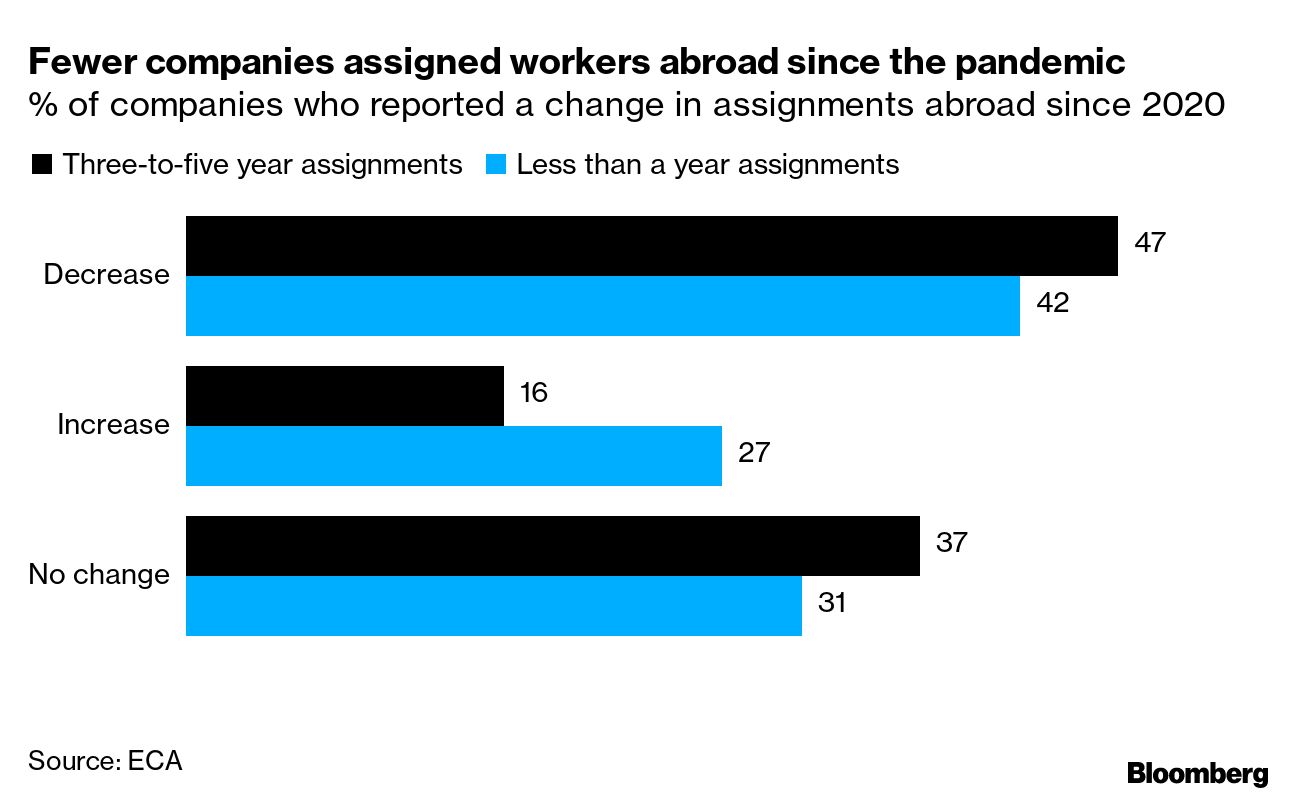
Whether it’s because of tight Covid restrictions, separation from family or the frustration of closed borders, a growing number of people living abroad have made the choice to move closer to home. In the process, they’re facing the reality of inflation and pandemic-related transportation snags, not to mention the possibility of lower-paying jobs and higher taxes in their new location.
There are no shortage of bears making similar claims these days. Between the Russia-Ukraine war, the aggressive tightening by the Federal Reserve, soaring inflation and Covid lockdowns in China, there are plenty things to worry about. The S&P 500 has already lost 12% this year, while the Nasdaq Composite cratered into a bear market after sliding more than 20% from its peak in November. Key bond benchmarks are down more than 10%.
It was quite a month.
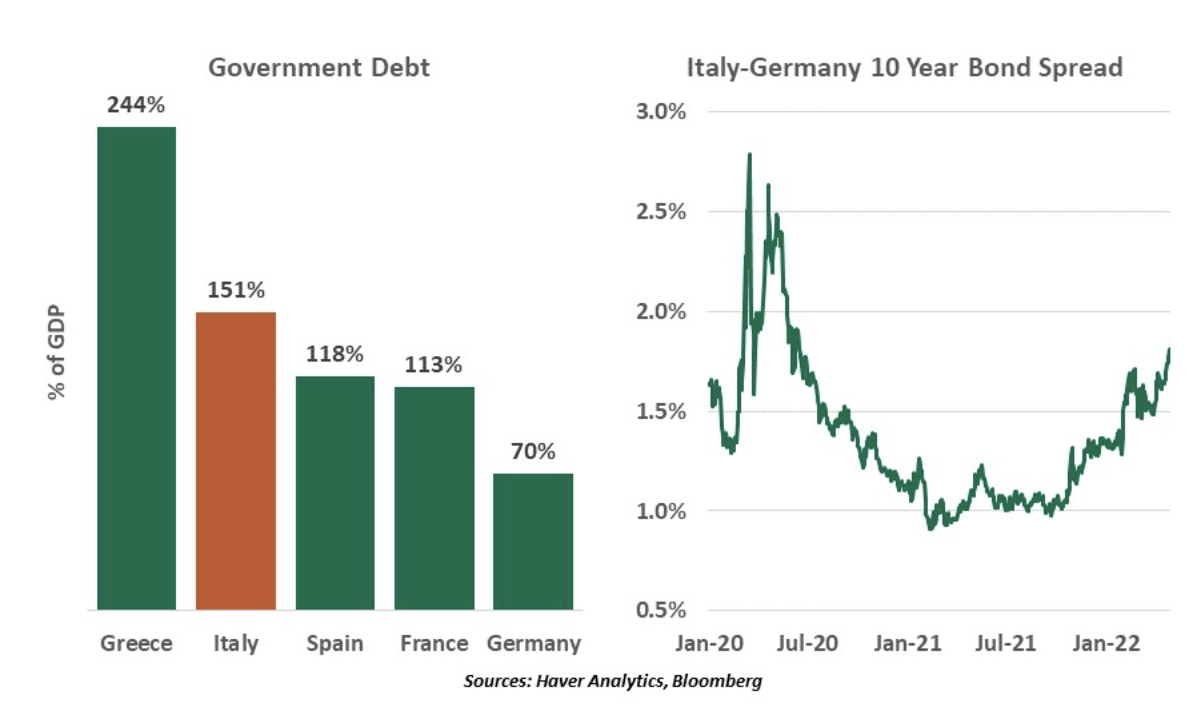
Draghi has put the Italian economy back on track, but challenges remain.
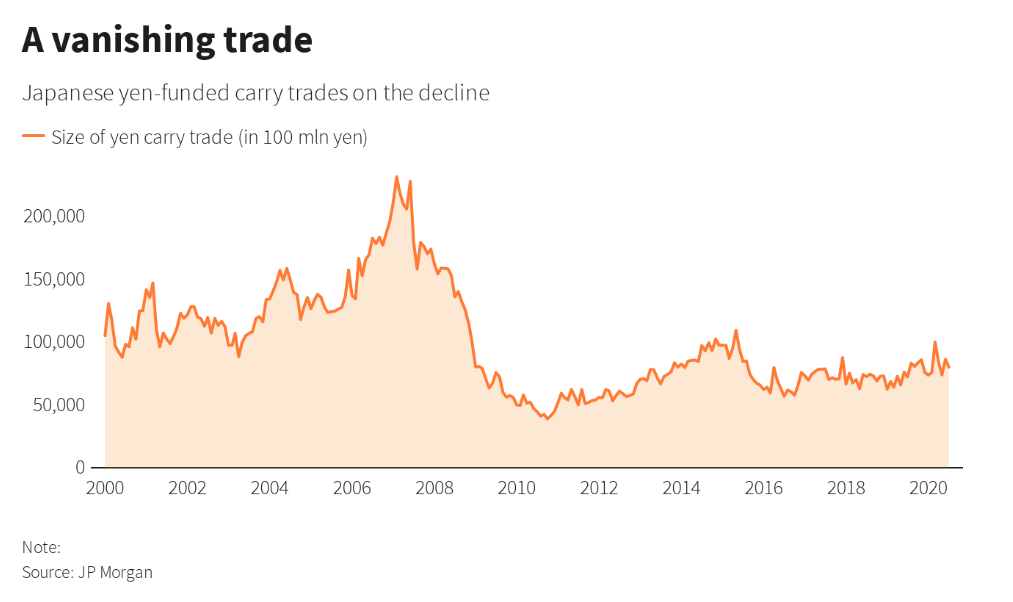
The BOJ is trapped. It is conducting unlimited QE to keep rates low and weaken the yen, which promotes inflation.
As of this writing, Russian forces are reorganizing in eastern Ukraine, and fighting is well into its second month. Supply chain disruptions continue, gas prices are reaching all-time highs, inflation has become a constant concern, and some analysts are predicting that the Fed will aggressively raise rates.
Franklin Mutual Series’ Katrina Dudley sees President Emmanuel Macron’s re-election as a positive for the French economy and regional equity markets over the longer term.
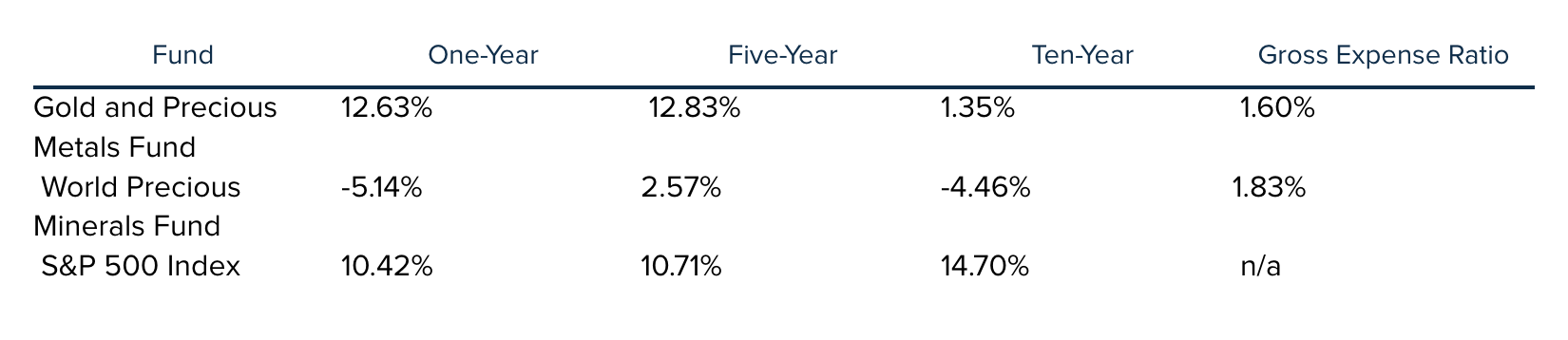
Is gold the answer?
Trillions of dollars of deficit spending financed by money creation over the past two years caused today’s soaring inflation.
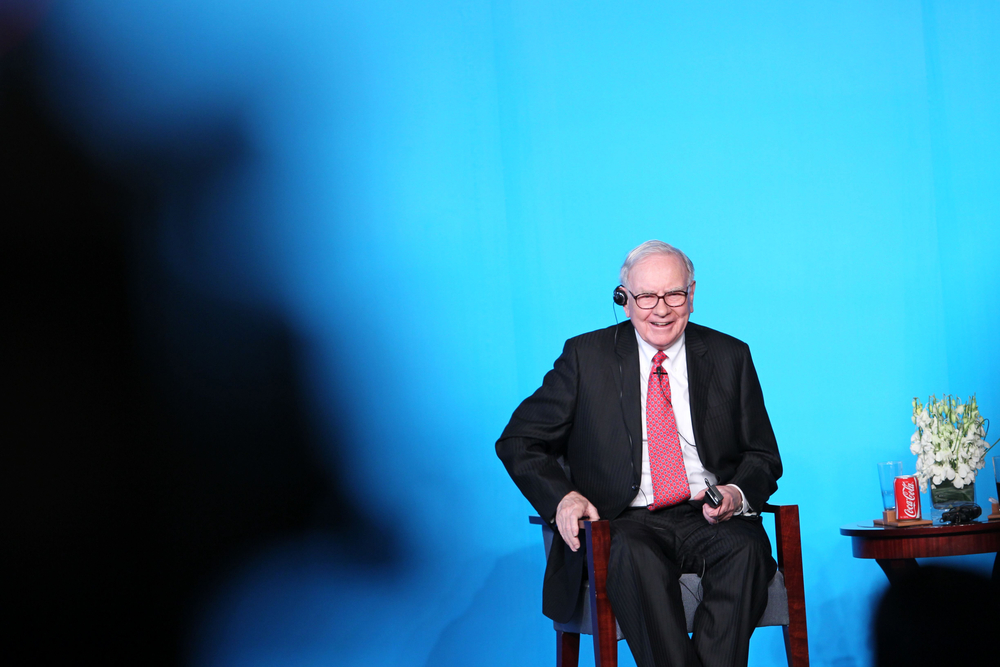
Warren Buffett has simple advice for investors as they stare down the worst inflation in decades: Invest in your own skills.
With so many analysts, not to mention market pricing, having settled on a 50-basis-point interest rate increase by the Federal Reserve this week, it would be understandable to assume that it’s a “done deal” when it comes to what the central bank will announce at the conclusion of its policy meeting on Wednesday. The situation could not be further from the truth.
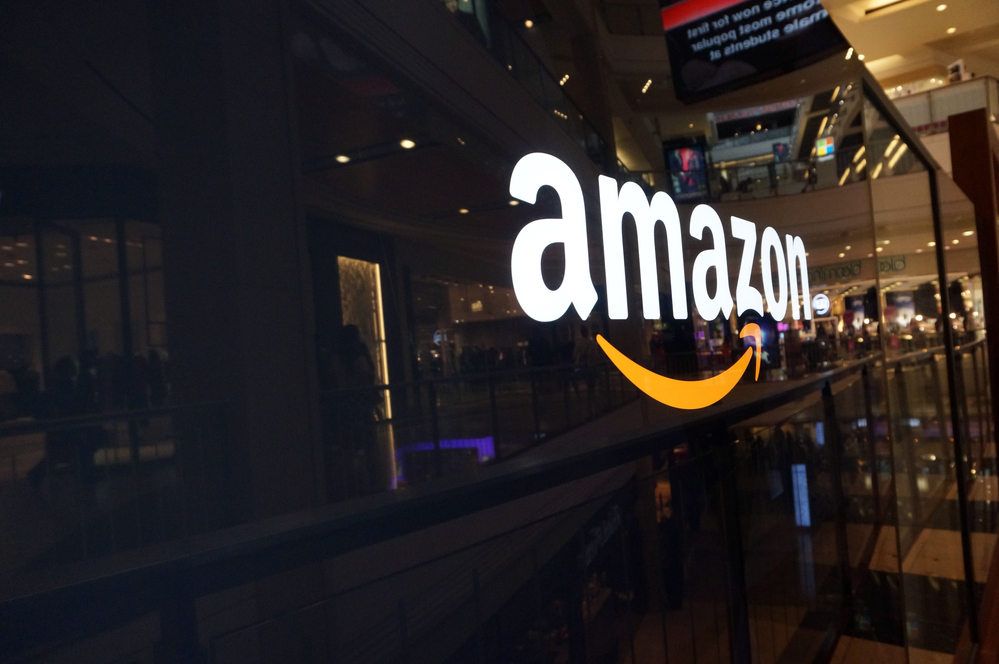
If you want to blame one company for the surge in inflation over the past year, blame Amazon. When e-commerce demand leaped at the onset of the pandemic in 2020, the retailer decided to expand capacity to meet higher growth forecasts.
Both the S&P 500 and the Nasdaq 100 have fallen for four consecutive weeks, and the S&P’s 8.8% drop last month marked its worst April performance since 1970. The tech-heavy Nasdaq slumped 13% for its worst month since the financial crisis in 2008.
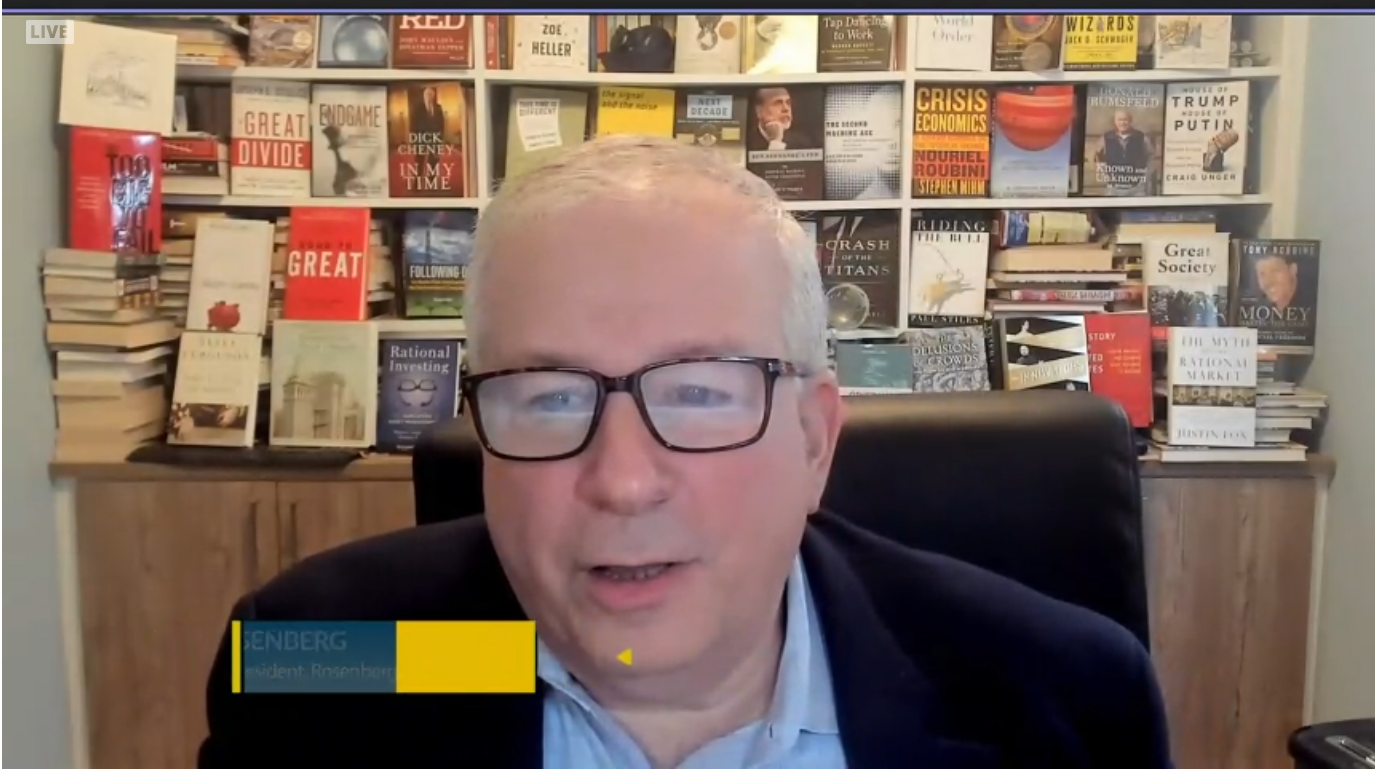
The U.S. economy will be in recession in the second half of this year, according to David Rosenberg. Equity Investors should brace for a 30% bear market decline.
Ultimately, inflation is always and everywhere a monetary phenomenon, as the late great economist Milton Friedman used to say.
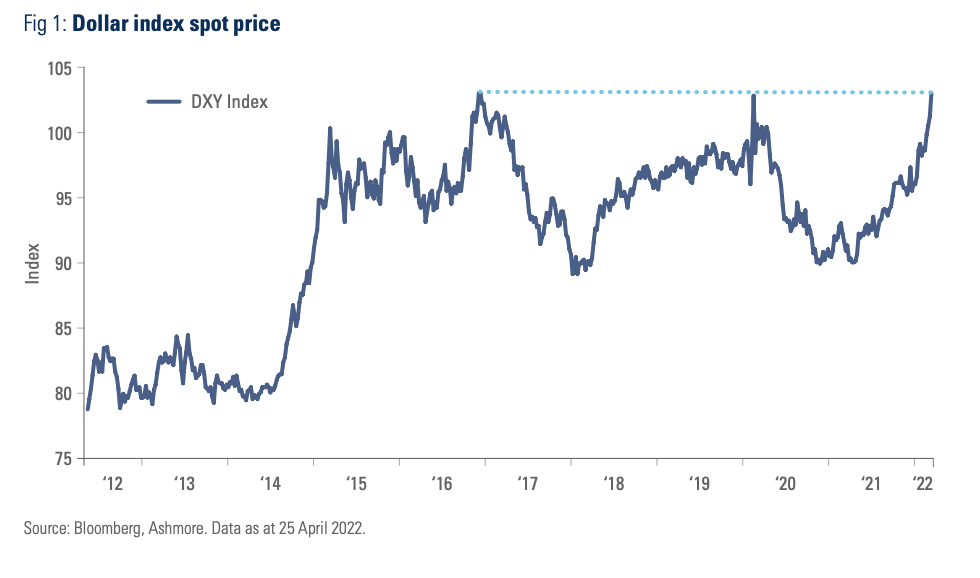
Even though the medium-to-long term US Dollar fundamentals remain unimpressive, due to a combination of large external imbalances, a continuous dependence on foreign investors’ inflows and the weaponisation of the currency, the Dollar became the least bad currency in G4 since the beginning of the Ukraine war
As we inch closer and closer to what might be the end of the longest business cycle in history, investors everywhere are looking for a safe harbor in which to protect their assets.
In an ambitious new book, the economist Andrew Smithers rejects core “Newtonian” principles of economics, replacing them with radical departures from conventional wisdom. But as I will explain, some of Smithers’ theories fail meet the standard of empirical verification.
Forward-thinking advisors have been searching for and employing analytics very carefully. This series will explore some of these metrics, along with their benefits and pitfalls. Today’s topic is capital markets assumptions.
Investors seeking higher yields and relatively low risk, and are willing to sacrifice liquidity, will find attractive opportunities in interval funds that invest in senior secured, middle-market loans, such as those offered by Cliffwater.
The U.S. stock market is very likely in a bear market that anticipates a recession will start later this year. This means the time is now to shift portfolios from risk-on mode to risk-off before the losses get even worse. But what worked in the past when hedging against a bear market may not work now, given the ever-changing economic dynamics. It’s also important not to fall for some old myths.
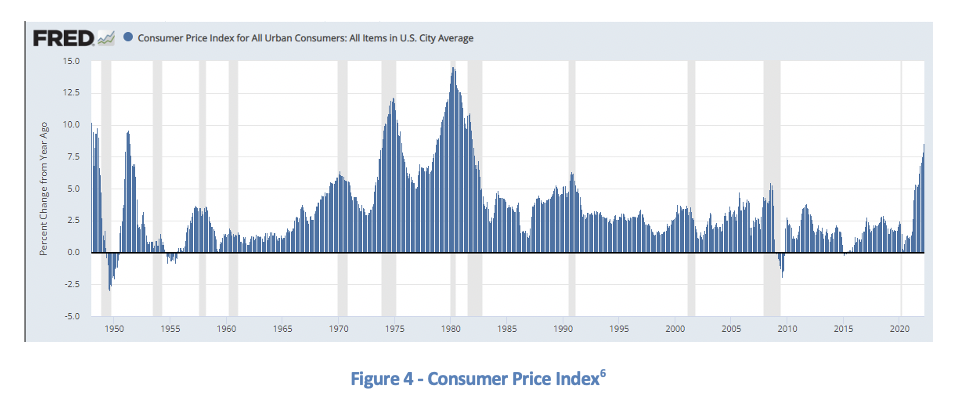
The Fed messed up. Big time. After almost 40 years of low, predictable price growth, inflation is back: 8.5% at last count and it may go higher still. Some of the inflation is related to pandemic re-opening, but some of it came from serious policy errors. Now the Federal Reserve faces some hard choices. It may even need to cause a recession to bring inflation back to manageable levels.
If you think it has been painful that the market has been down each of the past four weeks, your nest egg hasn’t seen anything yet.
Markets have already priced in a 50-basis-point hike on Wednesday, expecting the Fed will take a quicker approach in order to squash stubborn inflation. Accelerating U.S. labor costs and a resilient consumer are effectively giving the central bank the green light to raise interest rates by a half-point next week to tamp down price pressures.
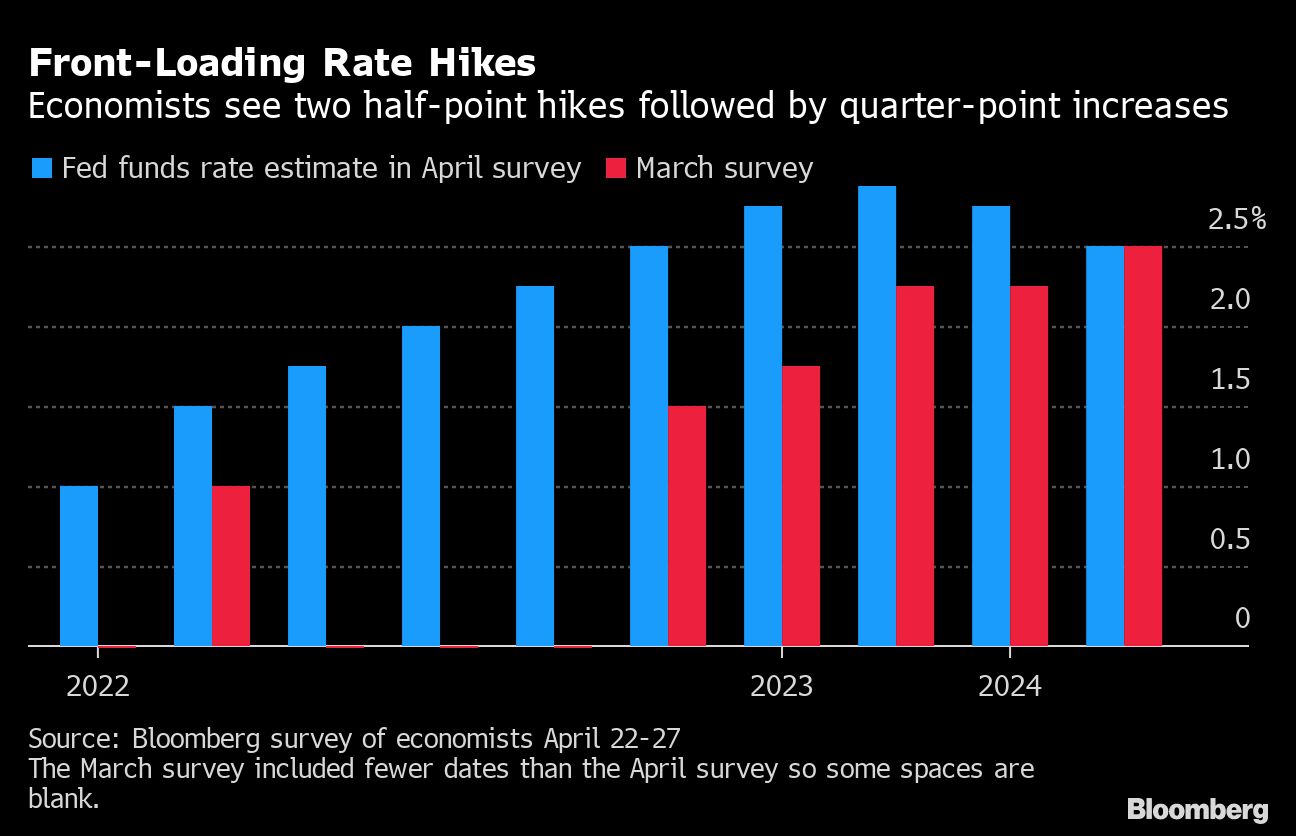
Federal Reserve Chair Jerome Powell is likely to slow the pace of interest-rate increases after front-loading policy with half-point hikes next week and in June, economists surveyed by Bloomberg say.
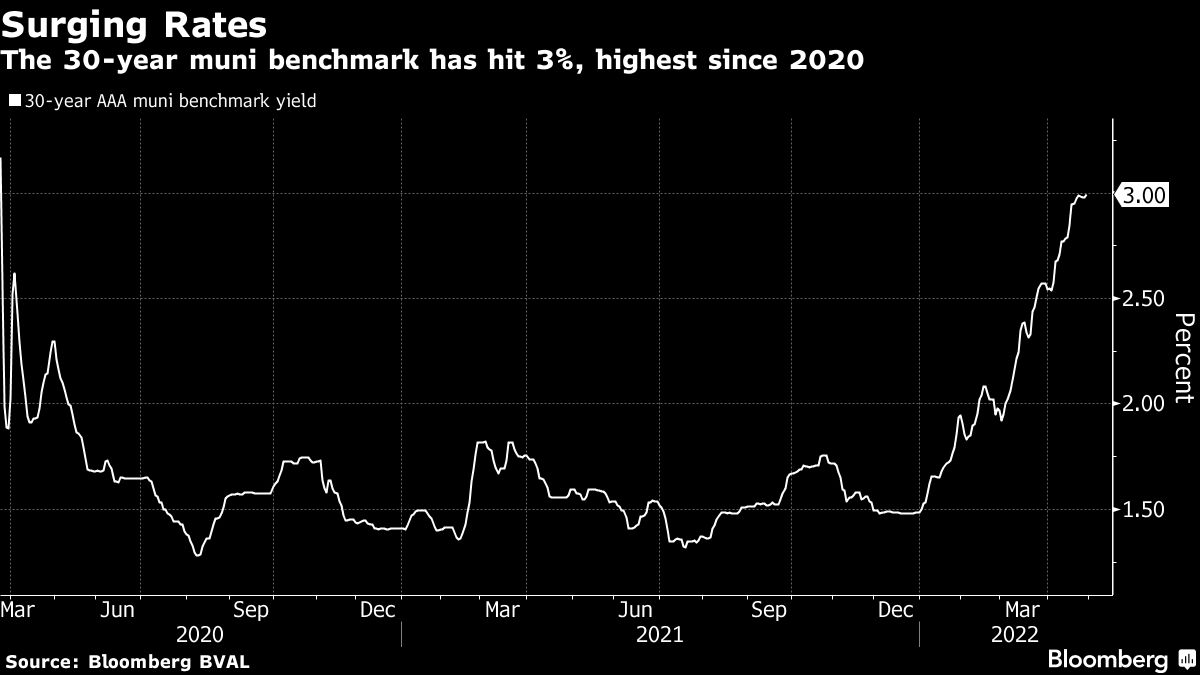
Municipal bonds are heading for their worst start to a year on record, and fund managers say nailing the direction of the $4 trillion market from here likely has little to do with the fiscal health of U.S. states and cities.
The push-and-pull between centralization and decentralization is the great contest of our times. And decentralization is winning out.
My good friend Ben Hunt of Epsilon Theory has written what I think is one of his most powerful letters ever. He’s basically saying the Fed just isn’t going to make it. I wish I had written it. He is such a wordsmith. With that, let’s turn it over to Ben.
The most challenging financial event for investors in the coming decade will be the repricing of securities to valuations that imply adequate long-term returns, following more than a decade of reckless and intentional Fed-induced yield-seeking speculation.
Chief Economist Scott Brown discusses the latest market data.
Imagine that you have joined some friends for a day of fishing. About two miles offshore, you sense that something is wrong. The small, single engine boat’s handling has changed. There seems to be more. Use our premium service to add your company’s logo and send this to clients.
Markets don’t have feelings or morals. They do not care what an investor needs and there is no investment or strategy that has consistently provided returns well in excess of those earned in the broad markets. Use our premium service to add your company’s logo and send this to clients.