For the better part of the last decade, interest rates have been near zero and leverage has driven asset prices higher.
Gasoline consumers around the world, from families to businesses, have had to deal with record prices at the pump for months...
The economics profession has long had a vigorous academic argument over “natural” interest rates. What would rates be if we could somehow remove all the subjective actors—central banks, commercial lenders, government agencies—that conspire to set them? What would nature do if we left it alone?
Revenue above expectations, pandemic federal aid and reserves have strengthened states' financial outlook. But states will need to prepare as pandemic aid winds down and the economy slows.
Rough water is ahead, but equity markets may sail higher over the next 12 months...
Markets are slumping. Crypto has cratered. Yet one corner of the financial world continues to offer investors strong, low-risk returns: Humble I bonds.
Spiking inflation, rising interest rates and growing fears of a US recession dominated global equity markets in the second quarter. While the outlook is very cloudy, it’s important to evaluate what types of strategies can help investors in an economic downturn.
While a direct indexing strategy is a great addition to an investor’s portfolio, you’ll want to ensure your clients are properly diversified and also poised to reap the benefits of active management, while recognizing that active management doesn’t generate as many tax losses as tracking the index does.
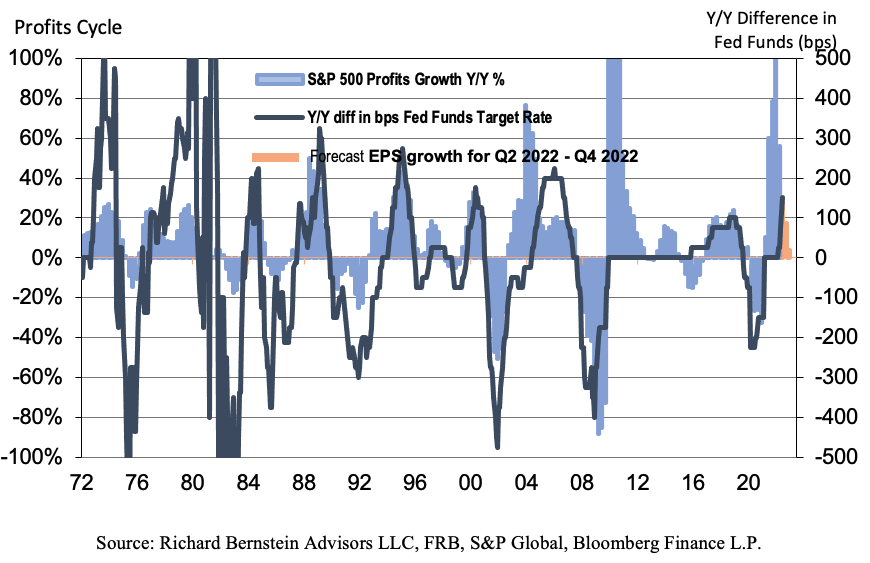
The investing world seems highly uncertain these days. Investors are understandably having trouble balancing earnings, the Fed, fiscal policy, inflation, economic growth, disease control, and geo- and US politics. Read our latest report to learn about the two certain events that are central to our current portfolio positioning.
The Supreme Court’s decisions on abortion and gun safety reinforced how ideology polarizes politics and prevents civil discussion and progress. Market ideology has also polarized discussion and harmed advice standards.
Markets were exceptionally volatile during the first half of 2022, foreboding poor capital market returns. Here is a quick review of nine areas of heightened risks.
The labor market has come a long way over the past year.
Lao Tzu wrote, “A journey of a thousand miles begins with a single step.”
As we move into the second half of 2022, there are lots of things to worry about.
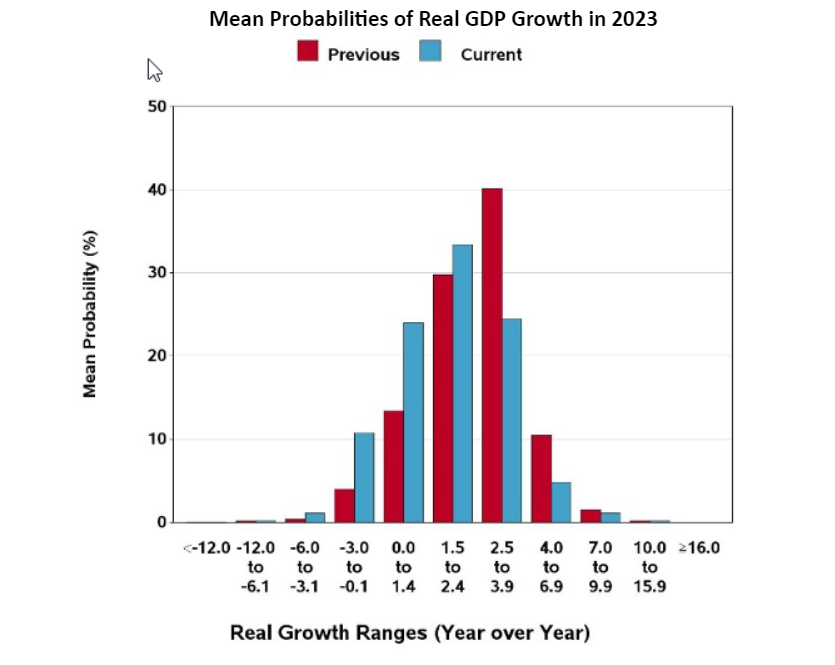
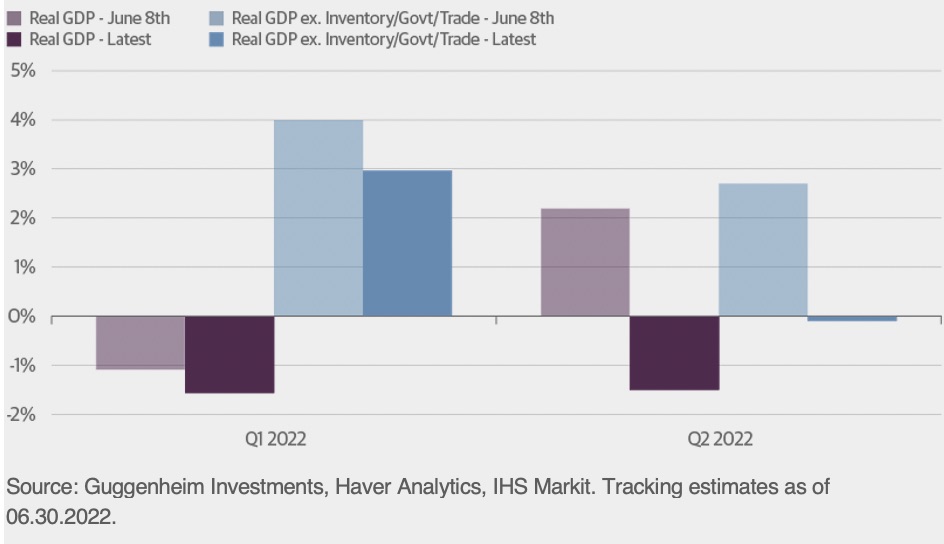
The latest data suggest that we may already be in a recession.
Chris Galipeau, Senior Market Strategist of Putnam’s Capital Market Strategies group, recently spoke with Scott M. D’Orsi, CFA, a Portfolio Manager in Putnam’s Fixed Income group on the Active Insights podcast.
Chairman and largest shareholder, Harold Hamm, is trying to own our shares of Continental Resources (CLR US) at a price of $70.
The recession calls are getting louder on Wall Street, but for many of the households and businesses who make up the world economy the downturn is already here.
Where can investors turn when the markets are a riddle? Raymond James CIO Larry Adam seeks advice from antiquity.
Mutual fund managers evaluate many characteristics of potential investment opportunities.
If you have your own independent firm (i.e., RIA), you are not immune to the macro effects of the downturn either. You will be squeezed as well.
Everyone is stressing about consumer debt. Investors have been dropping the shares of big banks, credit-card specialists and younger fintechs because of fears about the pain that rising living costs and interest rates will inflict on borrowers.
With the US bear market entering its seventh month, it’s not too soon to think about what other risks might be lurking. Private equity is at the top of the list.
For anyone who’s retired or nearing retirement, sinking stocks, rising inflation and the prospect of a recession can be a nightmare economic brew.
U.S. stocks are seeing pressure in early action following the long holiday weekend, with global recession concerns weighing on sentiment.
Incorporating a wide variety of portfolio risk mitigation techniques is essential to address unforeseeable macroeconomic challenges.
If I had a time machine, 1972 isn’t the destination I would choose for Britain — not with so much inflation, strike action and strife just around the corner.
The first half of 2022 brought a brutal selloff to emerging markets, but also fueled hope for the second half: stocks, bonds and currencies have begun to outperform their peers in the US.
Things can only get better for the $4 trillion muni market in the second half of the year, according to Wall Street strategists.
As mass layoffs start to make headlines and recession chatter gets louder, there is a lot that traditionally employed folks can learn from freelancers to defend their finances amid anxiety about a downturn.
No doubt about it, this has been a very challenging market environment to navigate, and we look to be in for more of the same. The Fed will continue to tighten monetary policy, and the longer the conflict in Ukraine persists, the longer we’ll likely feel the pressure from elevated gas prices.
Let’s start with a basic question. If you have unused property—cash or anything else—why would you lend it to another party?
Inflation, China, Russia, Central Banks, Labor, Recession: It's been quite a year thus far.
Global risk assets were at the epicenter of a selling spree Friday as investors kicked off the second half of the year with recession concern front and center.
In an inflation-lashed world where bonds are posting record losses, Wall Street issuers are betting investors hungry for income will instead lavish their millions on ETFs that ride stocks in order to deliver payouts.
There may be signs the overheated housing market is cooling, but many buyers still feel like it’s near-impossible to get a house without an all-cash offer, or something close to it.
“HODL,” an original misspelling taken on as a badge of courage by cryptocurrency investors, spread to “Meme stocks” during the runup in 2020 and 2021.
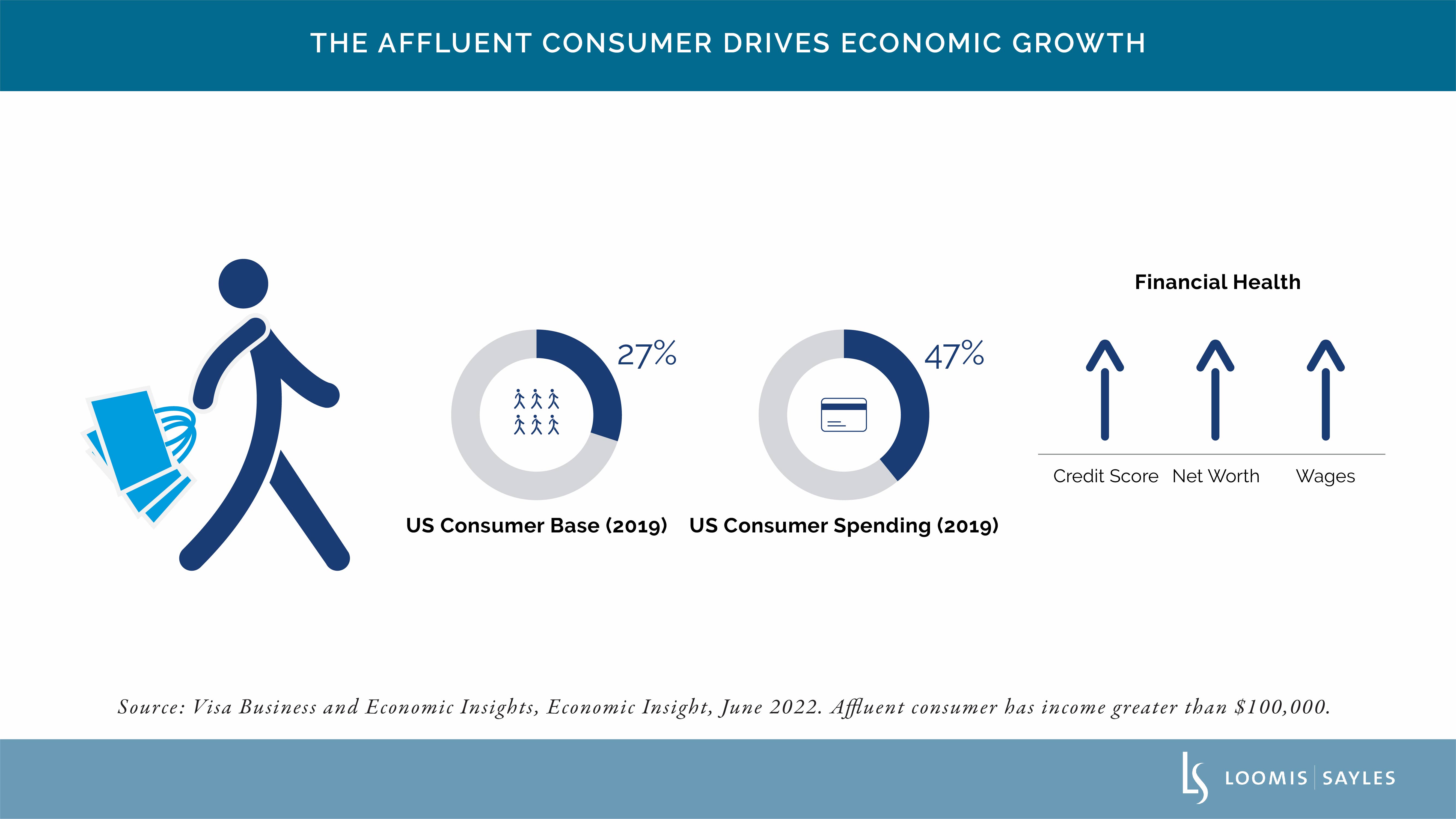
With consumer behavior under a magnifying glass, Portfolio Manager Jennifer Thomas, shares her assessment of the US consumer.
Last Thursday, Elizabeth Warren expressed skepticism about the Fed tightening monetary policy, saying it would make people poor.
It’s official: Chinese equities are once again in vogue, after months of regulatory crackdowns, deleveraging and stringent virus curbs wiped trillions of dollars off benchmark gauges.
Since healthcare costs are the number one fear in retirement for Americans, this article will focus on which states are the least expensive to retire in based on healthcare costs.
Recession fears and central-bank tightening are driving market volatility.
We examine key themes from our review of advisor fixed income portfolios over the past year.
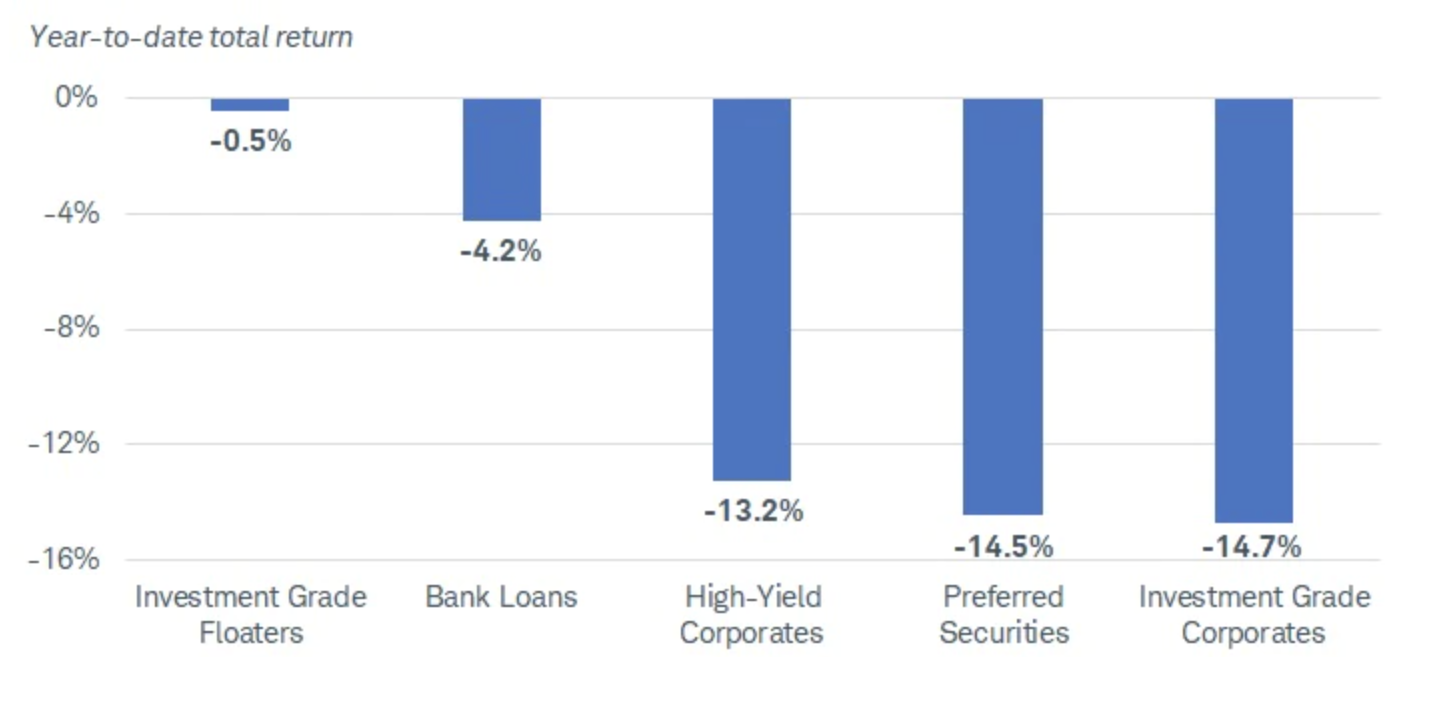
After the steep drop in prices during the first half of this year, yields on many corporate bond investments are at or near 12-year highs.
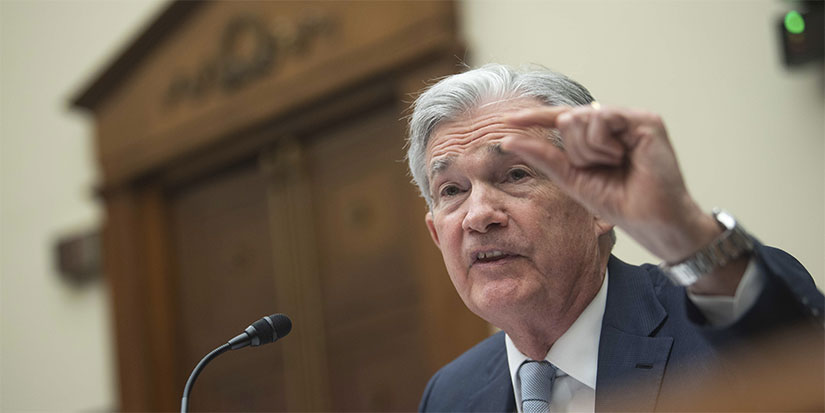
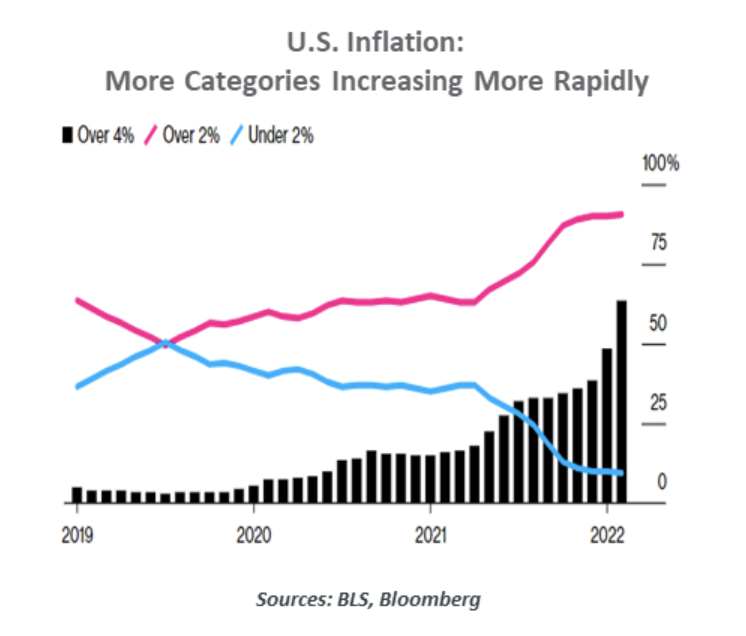
The Federal Reserve is trying to fight inflation by raising interest rates.
Our mid-March meeting’s “unenthusiastic” stance on global equities and negative stance on global bonds was a respectable decision, as was the overall macro theme “Stagflation Lite with GDP somewhat worse than consensus, but skirting recession.”
It came as a surprise when I found the annual report of the New Zealand SuperFund. While no one could fault it for sticking with passive investments, it chose a different path, with stunning results.
Our economy is in a will-they-won’t-they relationship with the next big recession.
Business has started to evaporate across home-lending firms in recent weeks, after the Federal Reserve boosted borrowing costs to tame decades-high inflation.
Many of my clients or their kids will face repaying student loans. And given the inflationary environment and related rising interest rates, some of them will need to make careful choices about prioritizing their payback plans.