September has historically been one of the worst months for stocks. The Fed’s aggressive moves and upcoming midterm elections could make this September particularly interesting.
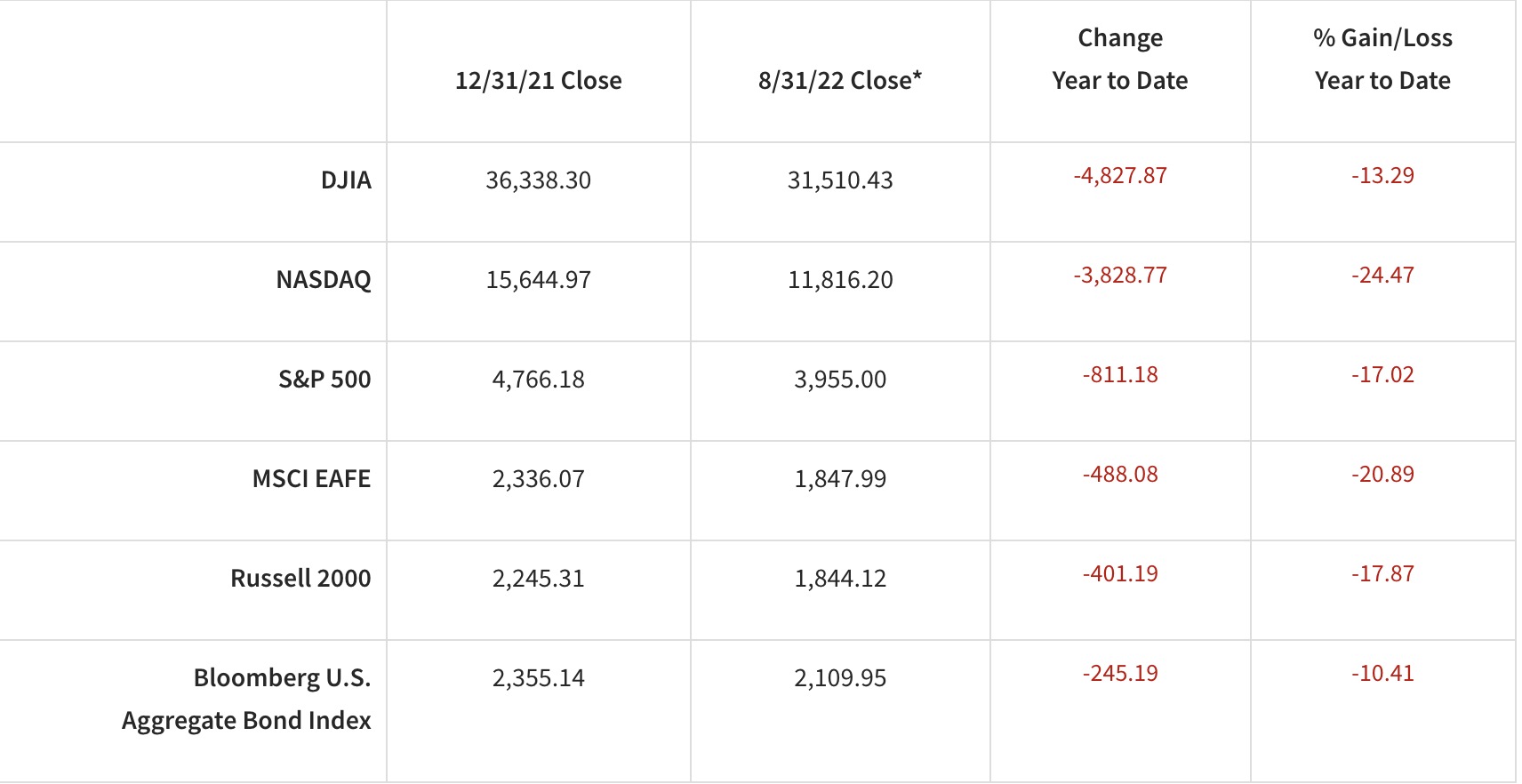
Stocks started the month on an upswing but ended with volatility.
We know that the US economy is currently weak, but the real economy is really weak, and the Federal Reserve’s commitment to precipitate a recession to curb high inflation will make this reality obvious to seemingly oblivious investors.
This means your chances of finding a good candidate are worse than at any time in the last 40 years. If you hire wrong, it will set you back months. You need someone good now.
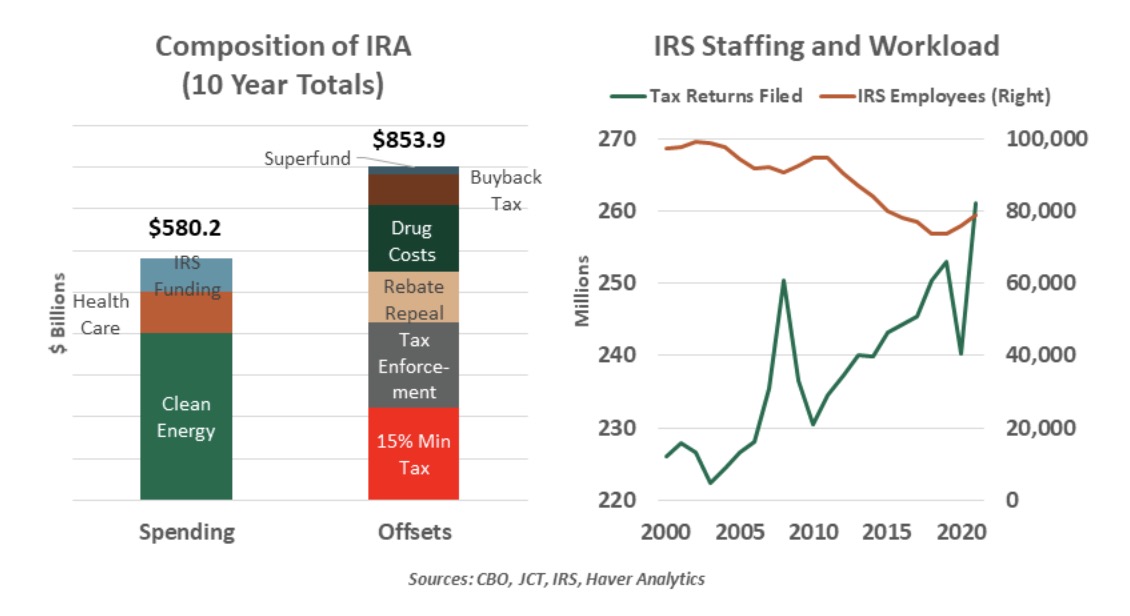
The new US climate law plows $27 billion into an Environmental Protection Agency fund for green banks.
The crash in cryptocurrencies was not a unique contributor to investor suicides. It just happened to be the financial crisis de jour.
A growing number of prominent financial groups believes the era of low inflation is behind us, and that one investment strategy is to boost exposure to commodities and natural resources.
The Federal Reserve’s quantitative tightening program will ramp up to its full potential in September, increasing from $47.5 billion to $95 billion per month.
Federal Reserve Chair Jerome Powell’s hawkish comments dominated the markets on Friday, with the major indices all seeing a drop of over 3%.
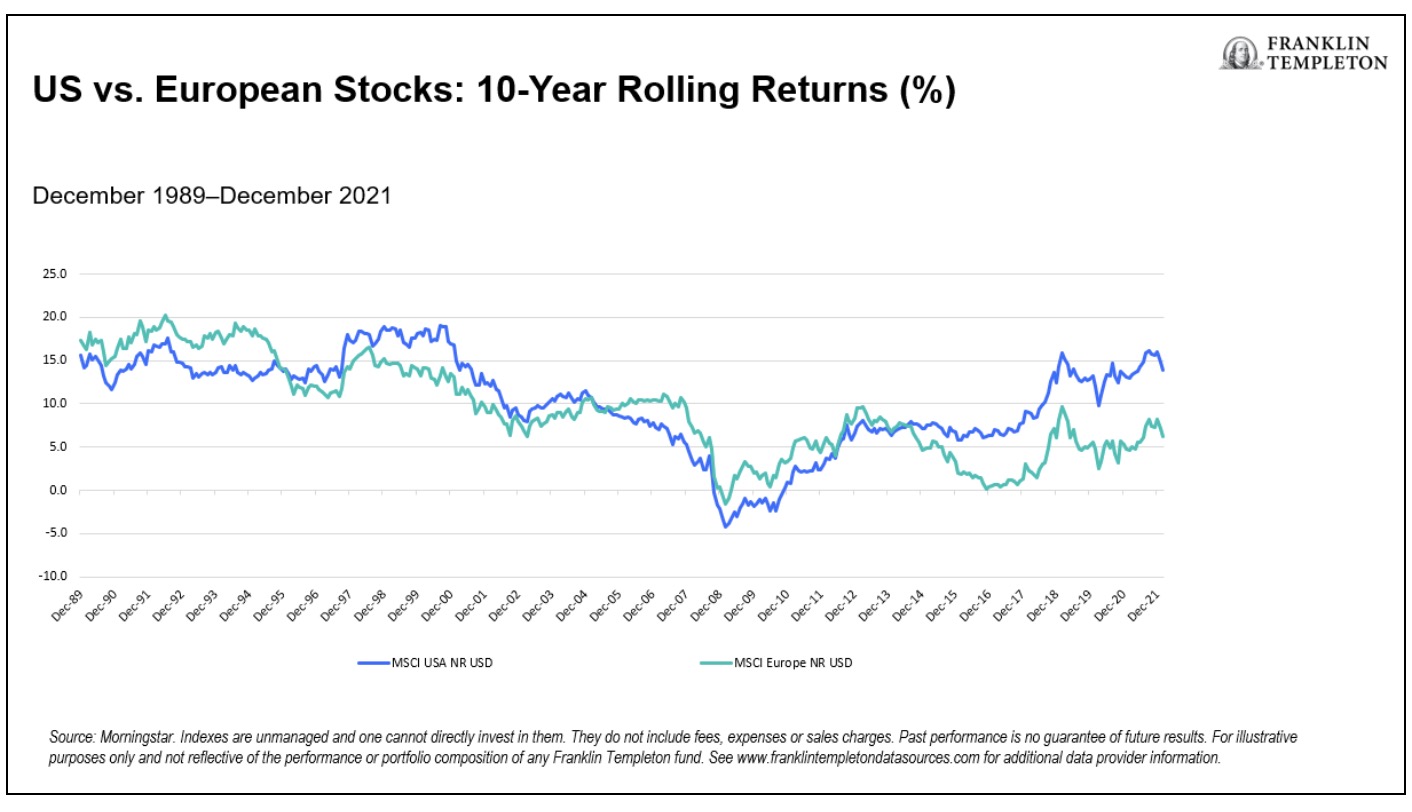
Franklin Mutual Series explains how global investing may provide a path to better returns.
This is a brief guide to help clients understand if a trust is required and, if so, which type of a trust is suitable to ensure that their wishes are honored.
An improvement in buyer psychology is helpful, but what’s really needed is improved affordability, and the question is how we get that.
Fed Chairman Powell delivered a forceful and unequivocal message today at Jackson Hole, pushing back against market expectations of an early pivot back to rate cuts.
My article, “The Trial of Ken Fisher for Crimes Against Annuities,” marked the beginning of my effort to aggressively defend annuities against criticisms that had become too exaggerated, too longstanding, and too inaccurate to be left unchallenged.
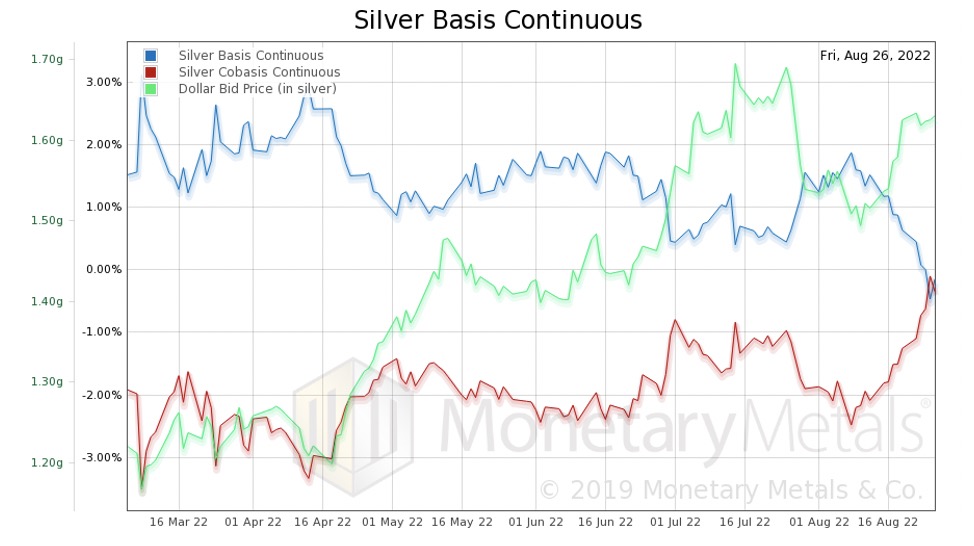
The silver market is showing signs of scarcity that haven’t occurred in years. We break down what this means for silver owners and the ways it could be resolved.
U.S. stocks ended the day in the red, continuing last week's sharp drop following comments from Fed Chairman Jerome Powell last Friday that heightened inflationary concerns.
The Dow Jones Industrial Average fell more than 1,000 points on Friday, caused apparently by Fed Chairman Jerome Powell’s attempt to use a brief speech to channel the ghost of Paul Volcker.
With the 2013 publication of Capital in the Twenty-First Century, Thomas Piketty singlehandedly made inequality the focus of economic and political discourse. In his new book, he goes farther – advocating Marxist-like policies to achieve what he considers progress – greater equality.
Global bonds sold off as investors responded to central bankers signaling they will increase interest rates as much as necessary to bring down inflation.
A long negotiation cycle yields green investment, a smaller deficit and higher corporate taxes.
With the recent increases in interest rates, the carry trade has had a sudden resurgence in performance, which could make it a tempting strategy for investors.
President Joe Biden’s student-debt plan is bad policy in too many ways to count. But is it also bad politics?
An audacious communications campaign from Democrats in Washington is currently underway that is attempting to convince the public that there is no recession, inflation has been vanquished, even if inflation is still alive, targeted new Federal legislation will kill it.
It can be daunting to get back on track once you’ve fallen behind.
The government’s main measures of US growth pointed in different directions in the first half of 2022, adding to the ongoing debate on the health of the economy.
With Wednesday’s long-awaited announcement forgiving the debts of certain student borrowers, President Joe Biden hopes to give Democrats a boost in this fall’s midterm elections.
Signposts for credit investors as the next recession approaches.
In this analyze out loud video, Chuck Carnevale, co-founder of FAST Graphs offers a by-the-numbers review of Magna International Inc. (MGA).
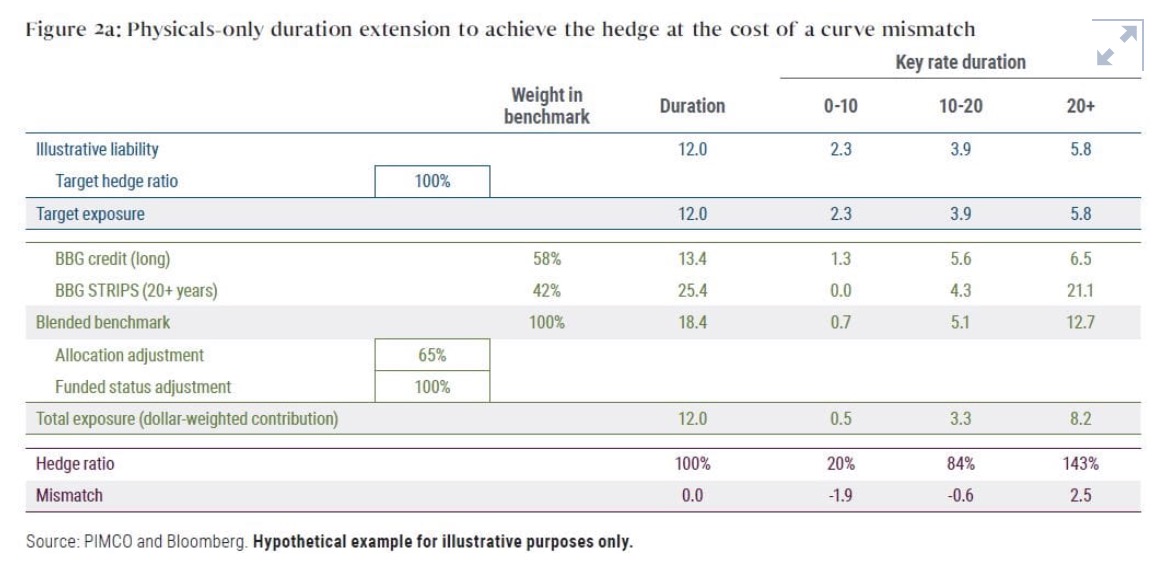
The value of completion mandates for defined benefit plans depends on the stage of the de-risking journey.
When Federal Reserve Chair Jay Powell speaks in Jackson Hole later this week, he will have no shortage of critics lying in wait to vivisect his every remark.
David Mann, Head of Global Exchange Traded Funds Capital Markets, takes this quiet end-of-summer opportunity to pre-empt any of the typical ETF investor concerns that can pop up during busier times.
President Biden denies the US economy is in a recession despite the fact that we just endured two consecutive quarters of negative GDP growth, which many consider the classic definition of a recession.
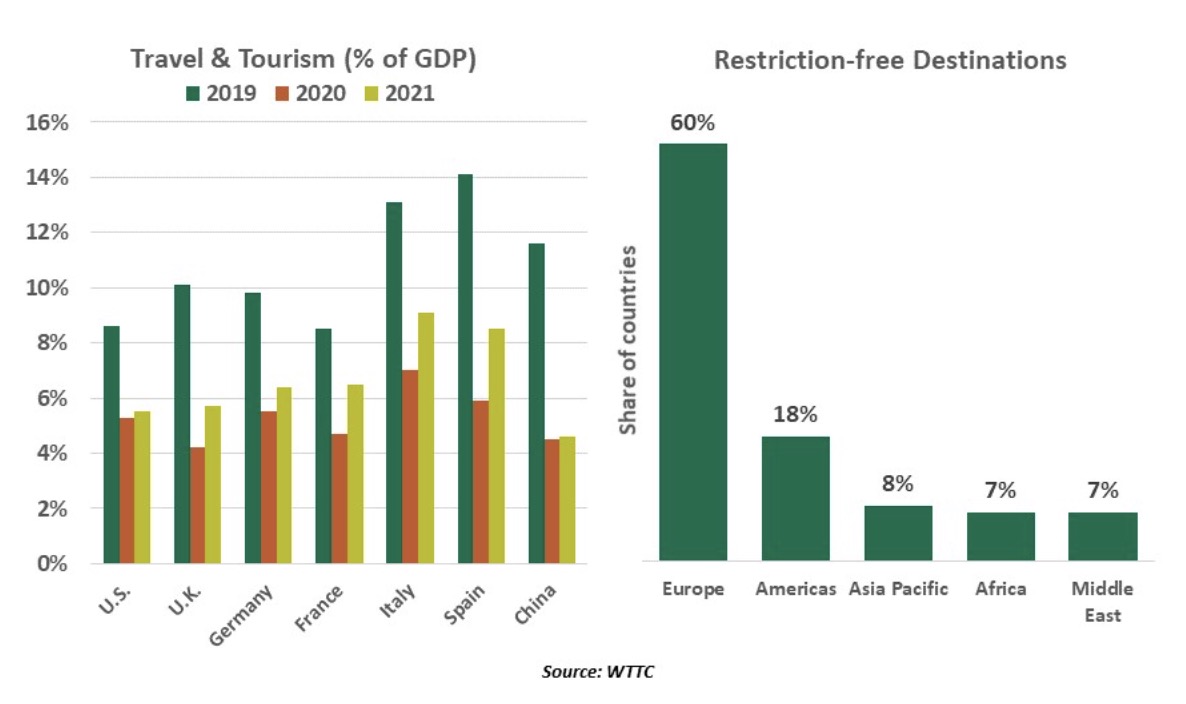
The tourism industry remains vulnerable to macroeconomic, public health and geopolitical risks.
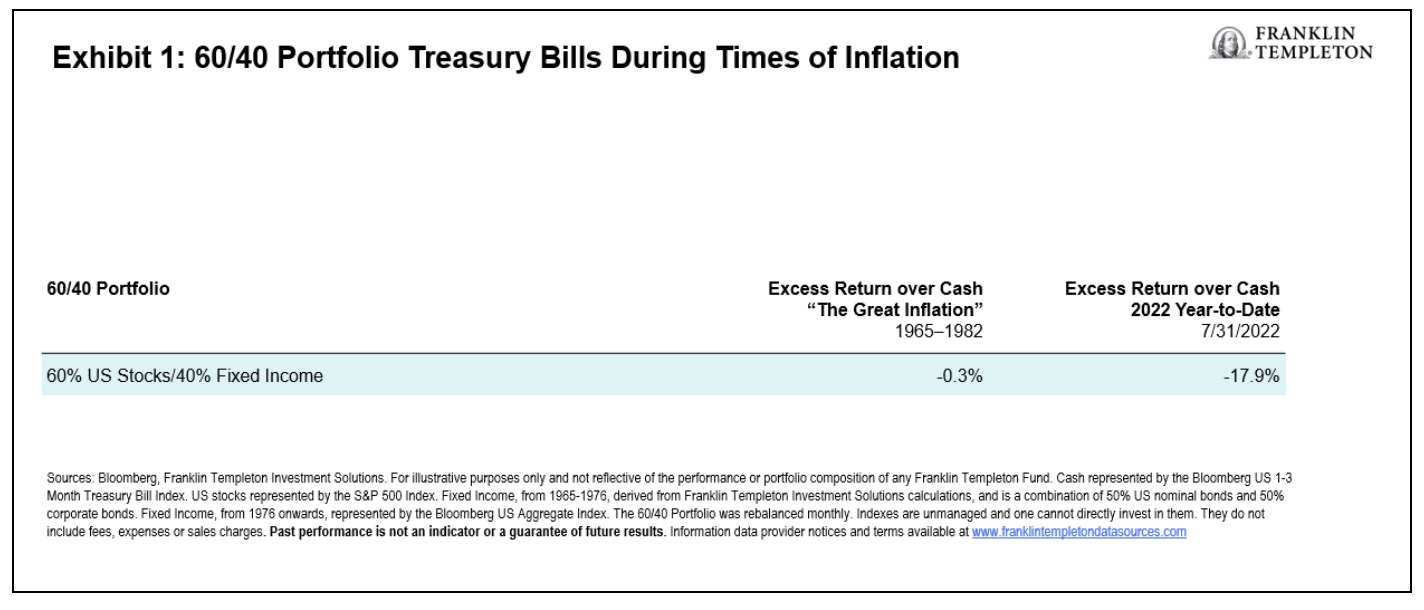
Jerome Powell isn’t Paul Volker, and this isn’t 1982.
The economy is trying to take us for a ride.
Some of the world’s biggest bond investors say the market is wrong to expect central banks to score a long-term win in the war against inflation.
Equity markets have clearly taken notice of rising inflation—and not in a good way.
In estate planning, “equal” isn’t necessarily the same as “fair.”
Here are five things investors and advisors should consider and weigh when it comes to tax-managed investing.
I examine the benefits of the contingent deferred annuity (CDA), and whether it’s poised to become the next big thing in retirement.
Corporate debt offers attractive yields, particularly through an interval fund with limited liquidity. I compare one such fund, CCLFX, to more traditional, liquid mutual funds.
Household, corporate and bank balance sheets are more resilient today than during past crises.
Because of rising interest rates and higher home values, the monthly mortgage payment on a typical US home is 62% higher than a year ago.
A sober warning for Wall Street and beyond: The Federal Reserve is still on a collision course with financial markets.
We normally start our letters on a positive note.
This is part 1 of Volume I Issue VI of the Macro Value Monitor, a publication focusing on Monetary History, Market Myths, Investing Legends, and Real Global Value.
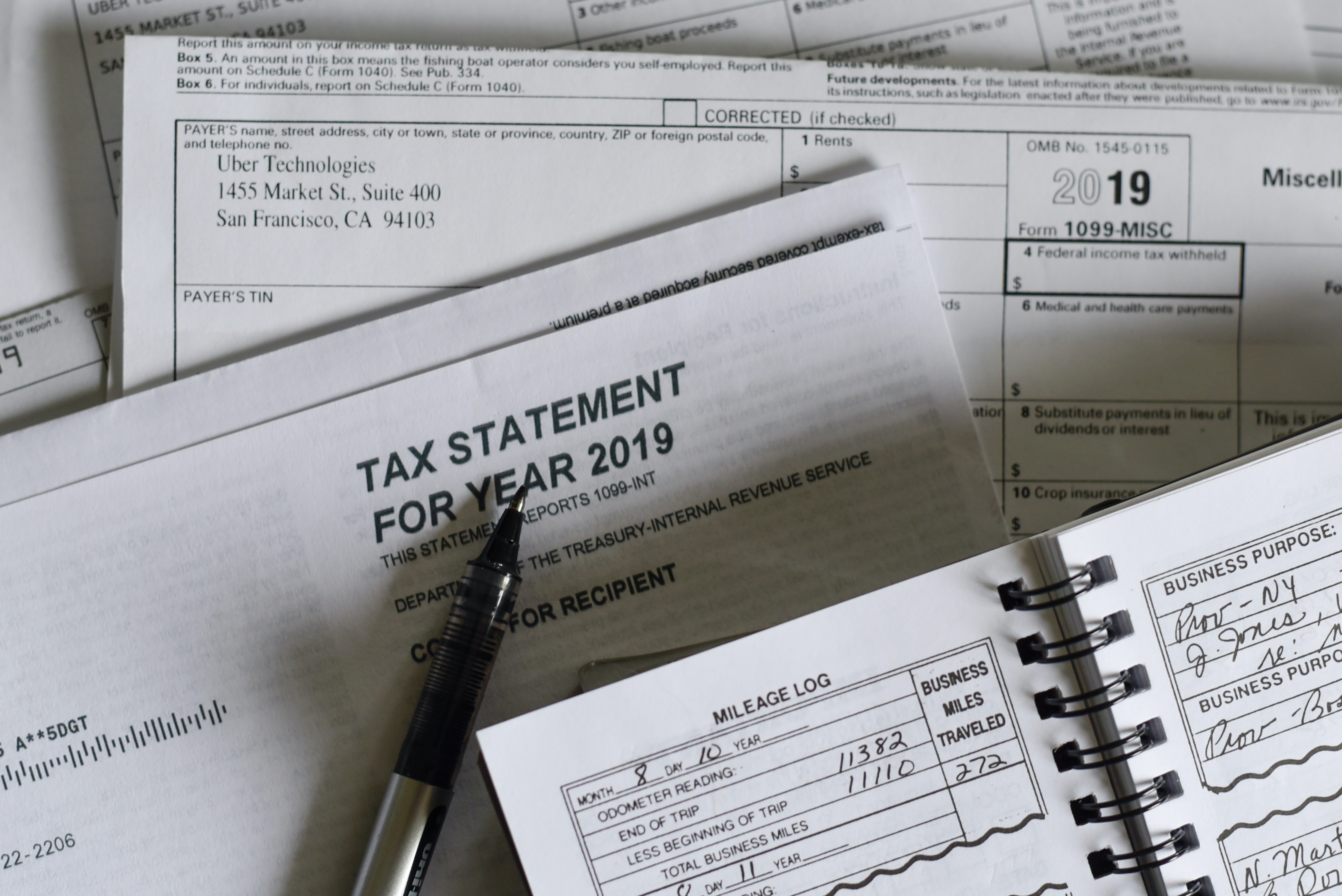
In a word, yes: The IRS struggles to administer the system because US taxes are insanely complicated.
Winter is coming for Europe, and energy prices are soaring as international sanctions on Russia curb the supply of natural gas, on which many European Union (EU) countries have increasingly become dependent.
Our own government cannot afford a short end of the curve much higher than it is now, and our own fiscal and monetary decisions have held down the long end of the curve in what I believe is a multi-decade period ahead that is best referred to as “Japanification”
Investors – your clients – are paying unnecessary taxes when they purchase stocks, equity mutual funds and other securities.