India’s tech industry is being less than bold in embracing artificial intelligence. It’s hoping to create solutions for corporate clients by building on top of somebody else’s investment in foundational technologies, hardly a strategy for pathbreaking success.
One such company is NVIDIA Corporation, a leader in the AI industry. With the growing interest in AI, it’s no surprise that investors are looking for ways to gain exposure to NVIDIA, including through leveraged and inverse ETFs.
A direct indexing solution can help make an investment portfolio as personalized as a home.
Did you know that American forests offset 12% of total U.S. emissions? With wildfires back in the headlines, Energy Analyst Pavel Molchanov discusses the crucial role of reforestation efforts.
Want to develop your firm’s offerings today while also securing its future? Download our whitepaper for insights and actionable steps to help you successfully onboard a next-gen advisor, including guidelines for defining the position you want to fill, recommendations for where to find the perfect candidate, and tips for training and retaining top talent for the long term.
Broad appeal is a thing of the past. It’s time to find your niche.
Five of the six biggest banks — all apart from Citigroup Inc. — are likely to see their capital requirements lowered for the year ahead after sailing through a tougher test than last year with smaller losses.
A month or two ago, people were having a conniption about commercial real estate. An absolute meltdown.
We review the key themes of the first half of a busy year.
Reading Brendan Ballou’s book, Plunder: Private Equity’s Plan to Pillage America, was to experience a continually reinforcing series of feelings of outrage.
The housing market is full of surprises. Sentiment among homebuilders has been perking up, their stocks are surging, and new home sales are at the strongest since early 2022. All in the face of persistently high mortgage rates.
Yields on long-term US Treasury securities have risen, and prices have fallen, farther and faster over the past few years than at any time since the 1980s. This has wreaked no small amount of havoc — contributing, for example, to the recent demise of several regional banks.
Runway AI Inc., whose artificial intelligence software can create a short video from just a few typed words, has raised $141 million in funding from Alphabet Inc.’s Google, Nvidia Corp., Salesforce Inc. and other investors.
Tech stocks have had a great year in 2023. Despite many prognostications to the contrary, a rational evaluation of the evidence does not suggest a price bubble in tech or the overall market.
The problem with Gretchen Morgenson and Joshua Rosner’s These Are the Plunderers: How Private Equity Runs – and Wrecks – America is that while their moral and factual indictments of private equity operations find their mark, their pound-the-table-and-yell-like-hell tone detracts from its credibility.
China’s tech sector has a new obsession: competing with US titans like Google and Microsoft Corp. in the breakneck global artificial intelligence race.
Longtime Japan watchers could be forgiven for getting a bad feeling upon learning that a government-backed fund is shelling out $6 billion to take control of a domestic technology company.
The Bank of England surprised financial markets last week by raising its policy rate by half a percentage point instead of the expected quarter. The bigger surprise was that so many investors and analysts were surprised.
The Federal Reserve (Fed) still has a very tough job ahead to bring inflation down to its 2% target over the long run while facing pressures from markets, which have a very different timetable than the Fed.
In this article, we’ll closely examine the EM bond ETFs that have performed the best over the past year.
In a hawkish move coming on the heels of data that showed a reacceleration in inflation, the Bank of England raised its key lending rate by 50 basis points at today’s policy meeting.
1969 is often remembered as one of the biggest years in pop culture history.
After yesterday’s testimony by Fed Chair Jerome Powell to the US House of Representatives I analyzed its sentiment on key issues compared to his previous four FOMC policy statements, using ChatGPT. The table below shows the results.
VettaFi’s vice chairman Tom Lydon discussed the Pacer US Small Cap Cash Cows 100 ETF (CALF) on this week’s “ETF of the Week” podcast with Chuck Jaffe of “Money Life.”
Spear Advisors is a fundamental asset manager specializing in industrial technology.
My guest today is the founder of Spear. She will explain how investors can do better than passively tracking the broader market. You will hear why adding a thoughtfully managed product to your portfolio can help you capture more upside in the long run.
What are the five non-financial areas advisors can help clients focus on to de-risk their business and better secure funding from lenders?
Is there an evidence-based way to coach clients that is likely to help their proclivity to act emotionally?
How many multibillion-dollar settlements does 3M Co. need before it can move on from its myriad legal woes? Definitely more than one, and therein lies the problem with owning shares of the maker of Post-it notes, automotive adhesives, and N95 masks.
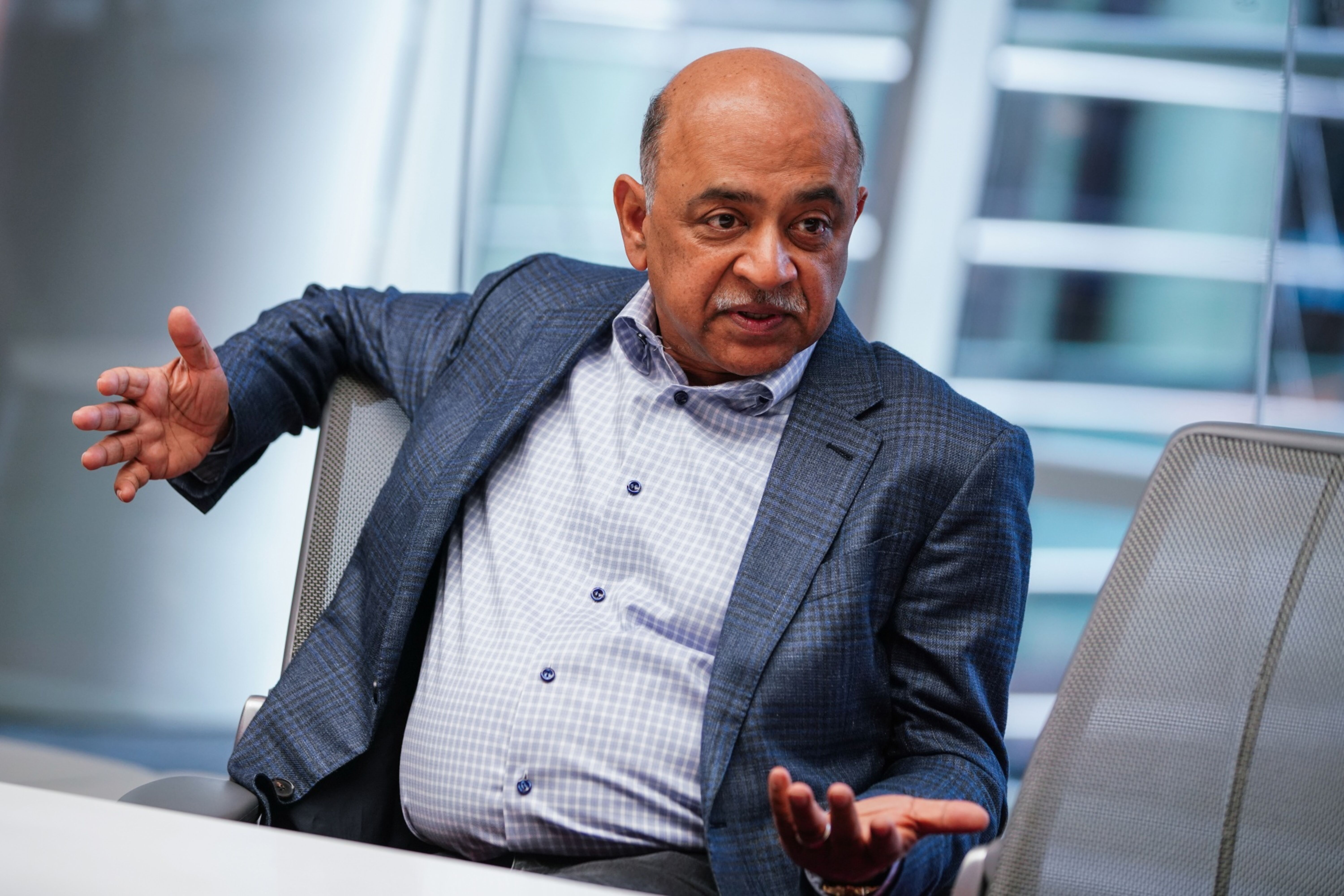
The acquisition is the seventh made by Big Blue this year, part of Chief Executive Officer Arvind Krishna’s continued effort to pivot the 112-year-old company away from its legacy business of IT infrastructure.
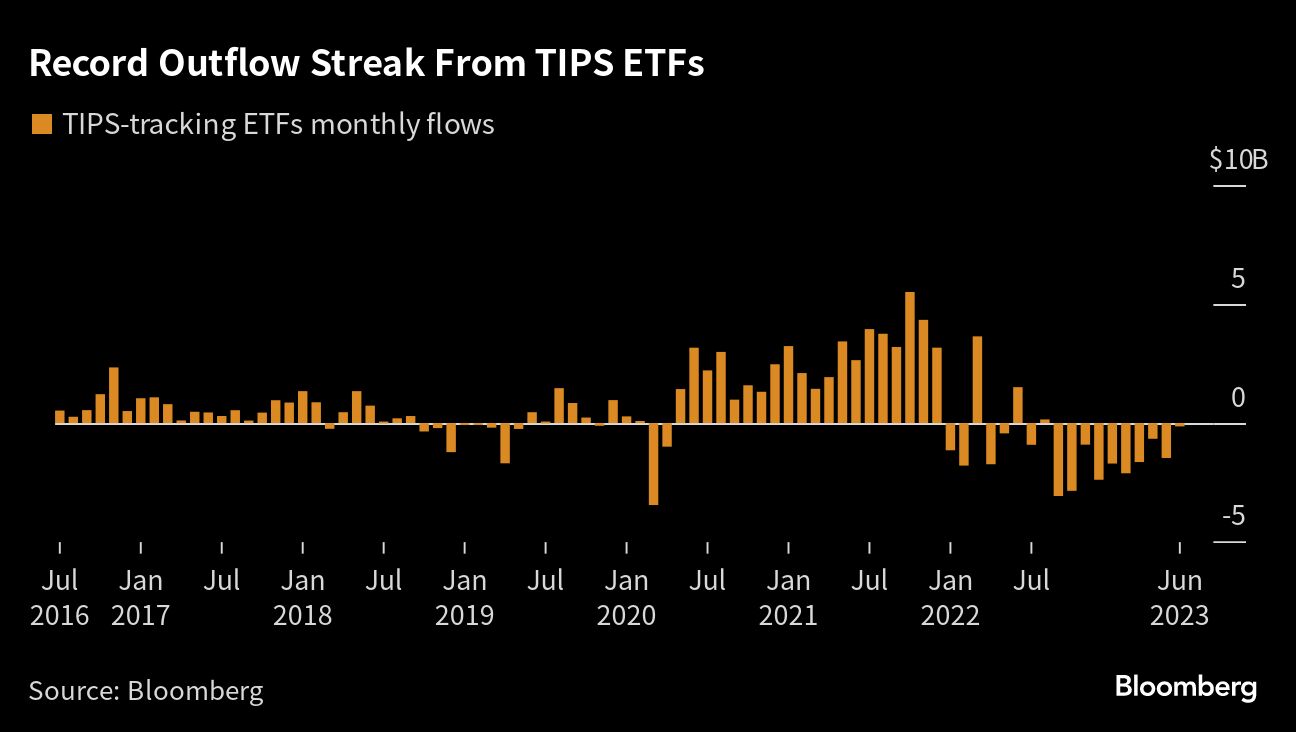
Exchange-traded funds designed to protect against inflation are staring down a record exodus after faltering in the face of still-sticky price pressure.
The US Federal Reserve (“Fed”) paused rate hikes in June, but signaled it expects to deliver 50 basis points of additional hikes this year.
With June being Pride Month, advisors and market participants are paying renewed attention to strategies relevant to the LGBTQ+ community.
Digital-asset investment products added $199 million last week, the biggest weekly inflows in nearly a year, as a flurry of applications for spot Bitcoin exchange-traded funds in the US sparks renewed interest in the space.
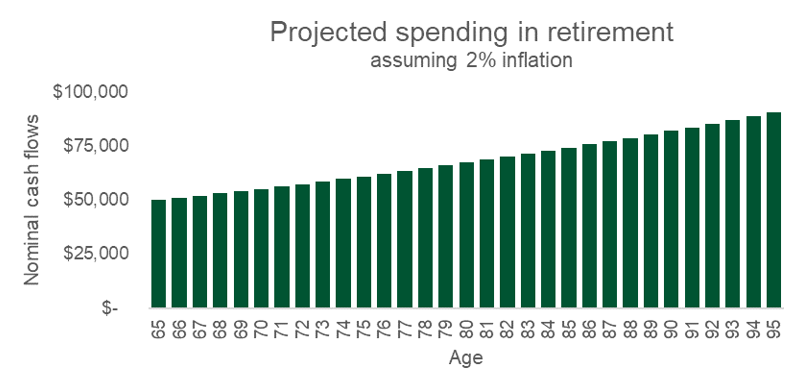
Evidence on actual spending behavior suggests that real spending falls with age. If that’s true, people need to save less for retirement than we think.
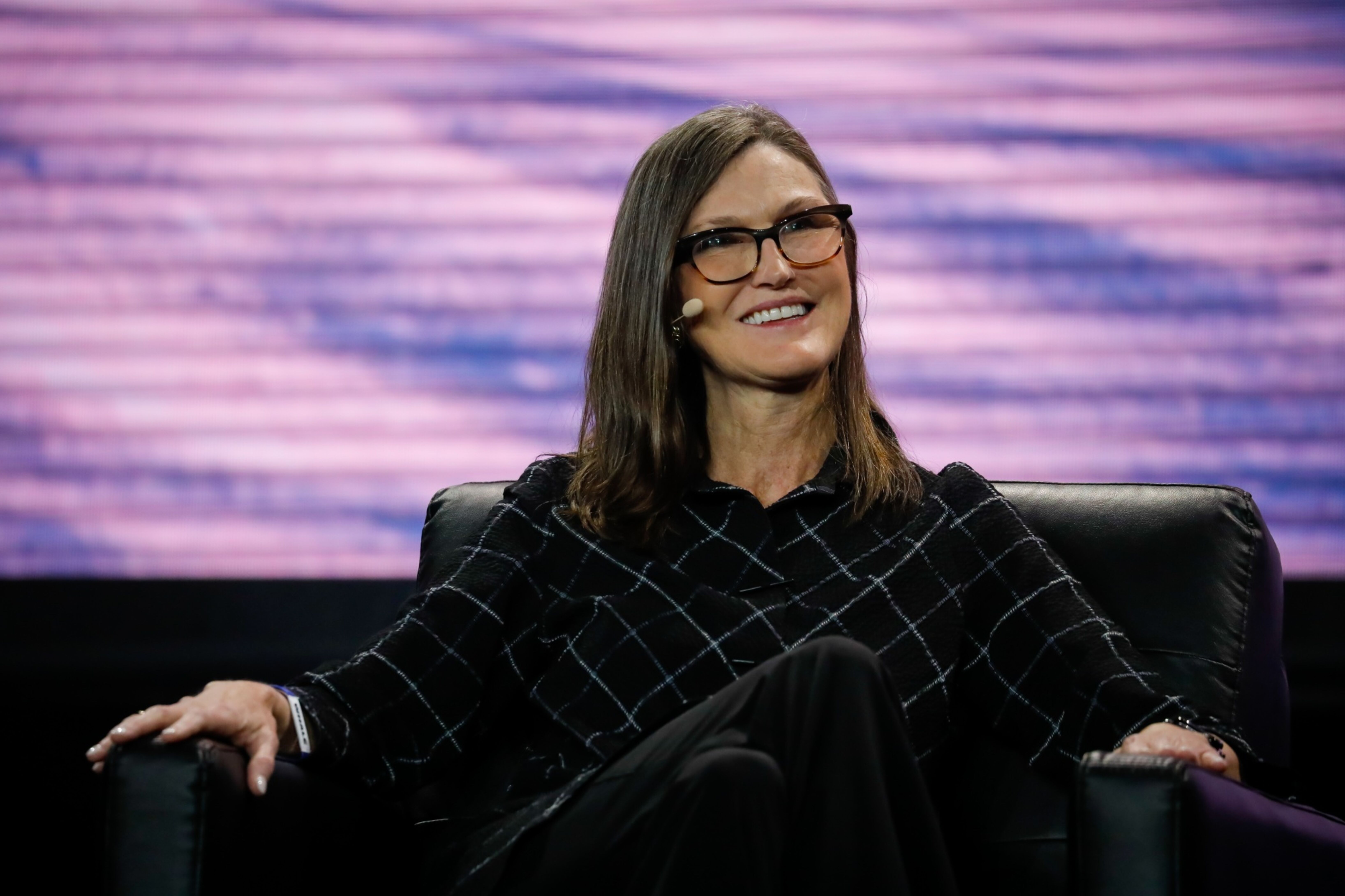
Cathie Wood’s ARK Investment Management says it’s first in line to get potential approval for a spot-Bitcoin ETF, despite industry reasoning positing that BlackRock Inc. might be ahead in the race should any product receive regulatory assent.
For people looking on anxiously as stock wealth converges in an oligarchy of high-tech juggernauts, some perspective: It’s nothing new.
In this article, we will delve deeper into some of the top-performing Japan ETFs, analyzing their YTD performance. We will also discuss whether advisors and investors should consider investing in them.
When Saudi Arabia needs to quickly convince the oil market that supply is tightening, putting upward pressure on prices, nothing beats reducing its crude exports into the US.
An ounce of optimism, a pound of prudence. It’s still a good time to be measured about taking risks in equities, but we believe the longer-term horizon holds particular promise for active stock pickers.
The Northern Trust Economics team shares its outlook for U.S. growth, employment, interest rates, and inflation.
We continue to watch the fascinating developments in Russia. While the coup has failed and Yevgeny Prigozhin is either in exile or meeting a worse fate, the reality of the situation is that Russia is on a path to internal strife.
A conversation with Dave Nadig, Financial Futurist, VettaFi and Kevin Gopaul, President, BMO Exchange Traded Funds
VettaFi’s Todd Rosenbluth offers perspective on the top five ETFs in inflows this year. ASYMmetric ETFs’ Darren Schuringa explains the technologically underpinning their “Smart” ETF lineup. Motley Fool’s Charly Travers spotlights their Small Cap Growth ETF (TMFS) and provides a behind-the-scenes look at day-to-day portfolio management.
Tech stocks are not in a bubble for two reasons. Not all stock price booms result in busts, and fundamentals and valuations do not suggest a tech bust is imminent.
To help advisors and investors get started, below are some key questions and answers about carbon pricing that might help the broader investment community learn more about carbon pricing and its potential impact on portfolios as the world aims to create a greener and more sustainable future.
Few financial topics grab more media attention than money managers who make gobs of money while everyone else suffers. Scott Patterson’s The Chaos Kings centers on two colorful participants who regularly do just that, Nassim Taleb and Mark Spitznagel.
The markets behave differently at night, making the overnight sessions a compelling opportunity for savvy investors looking to enhance their equity returns. In this upcoming LiveCast, NightShares and VettaFi will explore the benefits of tilting to the Night using the NightShares 500 1x/1.5x ETF (NSPL).
Many economists have been forecasting a recession for 2023 due to tightening monetary policy. But that recession has not arrived yet.
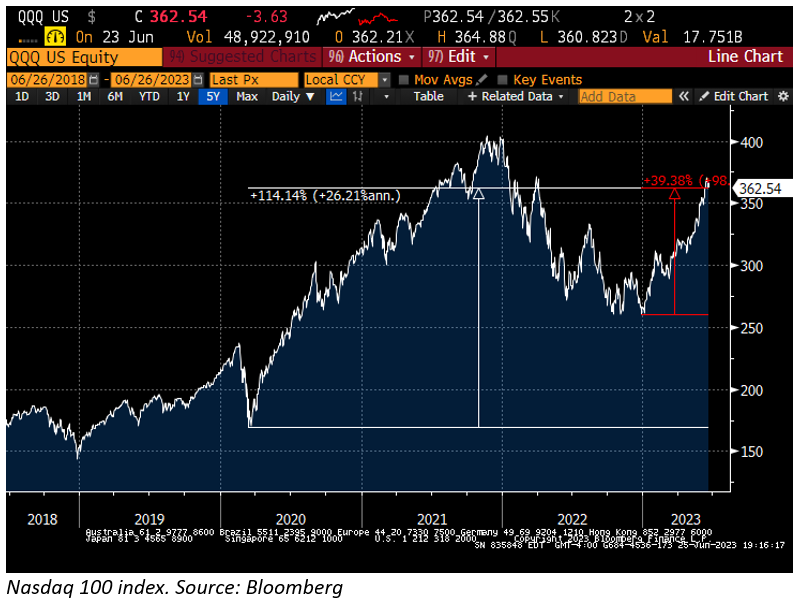
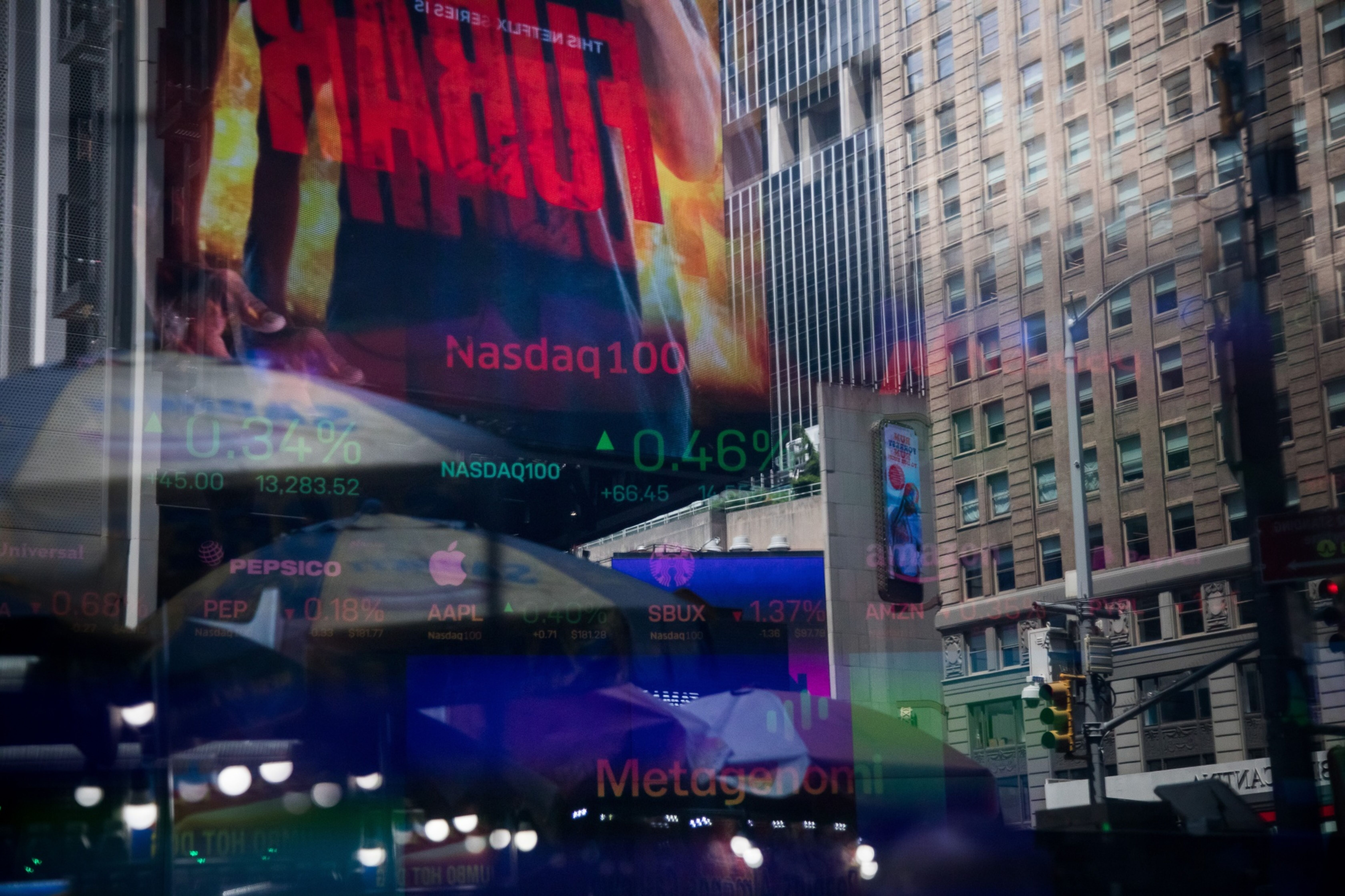
As a dizzying first half for US stocks draws to a close, the Nasdaq 100 Index is poised for its best opening six months to a year ever, and Wall Street is growing concerned that the Federal Reserve will derail the rally.
Few stocks have better embodied Wall Street’s frenzy around artificial intelligence lately than Palantir Technologies Inc.