Are you just an educator or can you motivate prospects to implement your ideas?
Doug Drabik discusses fixed income market conditions and offers insight for bond investors.
All bets appear to be off on how high yields can rise in the world’s biggest bond market.
For traditional fixed-income investors seeking higher yield and/or inflation protection, private, senior secured, sponsored debt provides an attractive alternative.
Less than a month after I recommended that an organization – specifically NAPFA – set new membership standards regarding an RIA firm’s revenue model, one has risen to take up the challenge.
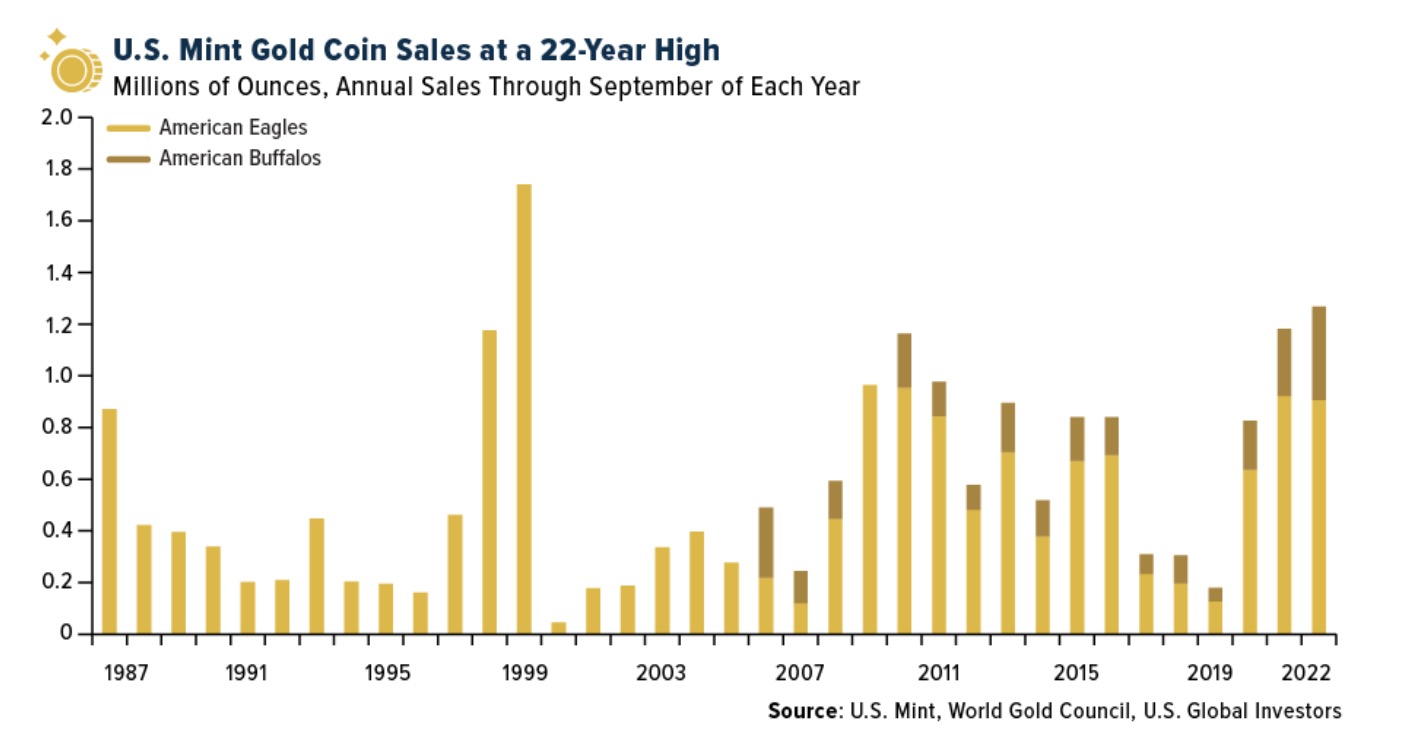
Precious metals investors remain cautious following the Federal Reserve’s latest jumbo rate hike.
As I see it, decentralized assets have never looked more attractive than they do now.
Historically speaking, this phase of life we call “retirement” is a new concept.
Buying a dividend is a market-structure risk that costs investors billions in unnecessary taxation.
Scott Minerd, Guggenheim Partners Global CIO and Chairman of Guggenheim Investments, joins Bloomberg TV on Fed Day.
This is now the third consecutive quarterly letter in which we express a cautious stance toward both the global economy and financial markets. A
What are the implications of strategic asset allocation, the dynamics of public and private credit, tech-driven megatrends, and more?
The Fed continues to raise interest rates to try and fix the economy and bring down inflation.
Wall Street money managers looking to pile back into Treasuries after months of losses will have to contend with a Federal Reserve that stands ready to raise the stakes every step of the way.
US worker productivity barely increased in the third quarter after steep declines in the first half of the year, though enough to slow the pace of labor cost growth.
Exit interviews don’t often yield enough information to answer why your people leave.
Markets hoped for a dovish Federal Reserve “pivot,” but got a hawkish surprise instead.
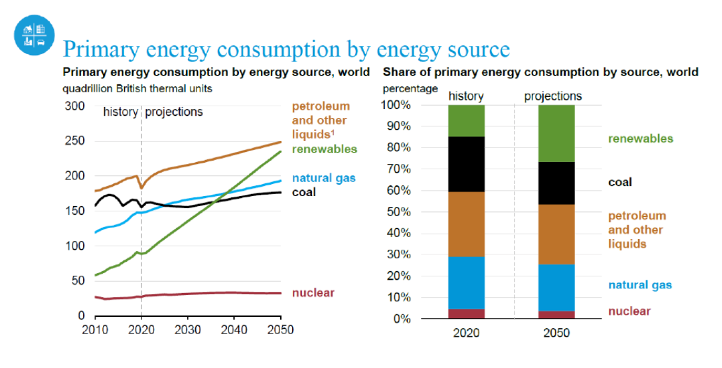
With energy prices soaring, thanks partly to Russia’s invasion of Ukraine, countries around the world have been experimenting with a hodgepodge of interventions to ease the pain, including consumer subsidies, price regulation and ad hoc nationalizations.
Wall Street had already come to terms with prospects that the Fed would again raise interest rates by 75 basis points.
U.S. equities finished lower with the Dow whipsawing within a more than 900-point range following the Fed's monetary policy decision.
Gone are the days when China could point to soaring real-estate prices and rising incomes to justify endless new construction.
As veterans of this male-dominated industry, we have faced our fair share of challenges and uncertainty. However, that led us to venture out on our own and start solo planning firms.
The fixed income market is on the verge of having its worst year of performance in several decades, and for many of us, the worst of our careers – but there are still fixed income opportunities for investors to consider.
In our discussion, we want to share with you insight on a segment of the fixed income market that we believe presents an opportunity for investors – municipal bonds.
There is an adage about three generations of wealth – the first generation makes it; the second generation maintains it and the third generation spends it.
Small businesses have an alternative to 401(k) plans. A cash-balance plan has much higher contribution limits and is a powerful tool for those needing to accelerate retirement savings.
After nearly three years of the economic and financial market distortion due to COVID lockdowns, money printing, and massive government borrowing, some of these distortions are subsiding
MassMutual’s Whole Life 12 Pay may be a good fit for your high income earners looking to protect and accumulate income for retirement. Learn how the Whole Life 12 Pay may help Jim be better prepared to do just that.
Build a scalable marketing plan that focuses on repurposing your content.
The final day to get Series I savings bonds at a record 9.62% yield has come and gone.
There’s no sugarcoating the stock market’s 20% plunge, but there is a small consolation prize: You have one of the best opportunities in years to lower your tax bill.
U.S. equities are declining, struggling to continue the past two week’s positive momentum.
The cost-of-living crisis has prompted more young workers to opt out of their workplace pensions, forgoing contributions from both their employers and the government.
Governments will have to resist the temptation to address stagflation with stimulus.
One of the trends in financial innovation over the past decade has been interval and tender-offer funds.
Few would disagree that the period from 1870-2010 saw immense technological advancements that improved our quality of life. But, according to Bradford DeLong, far fewer advances lie ahead, and societies should adapt by “slouching” away from a free-market system. He’s wrong on both counts.
The U.S. economy is weak, as GDP numbers in both the second quarter and the third quarter have shown. The fundamental reason why the U.S. economy grew 2.6% during the third quarter of the year was because Net Exports, which is exports of goods and services...
Equity investors are trying to figure out whether steep share-price declines have led to attractive valuations, given mounting threats to fundamental business performance. The answer varies from company to company and requires an active equity investing approach to separate winners from losers.
In 1990, a new tech start-up was spun out of Apple to invent the future.
Exxon Mobil Corp. posted the highest profit in its 152-year history as natural gas demand and prices surged, following similarly strong results from European peers Shell Plc and TotalEnergies SE.
I literally grew up in the oil patch: Wise County, Texas, 60 or 70 miles northwest of Fort Worth in a little town called Bridgeport. The two first-generation Greek immigrant brothers who became Mitchell Energy talked old man Christie into funding Christie, Mitchell and Mitchell and they drilled (hundreds?) of natural gas wells which they eventually sold to an Illinois utility. This was in the 1950s and ‘60s.
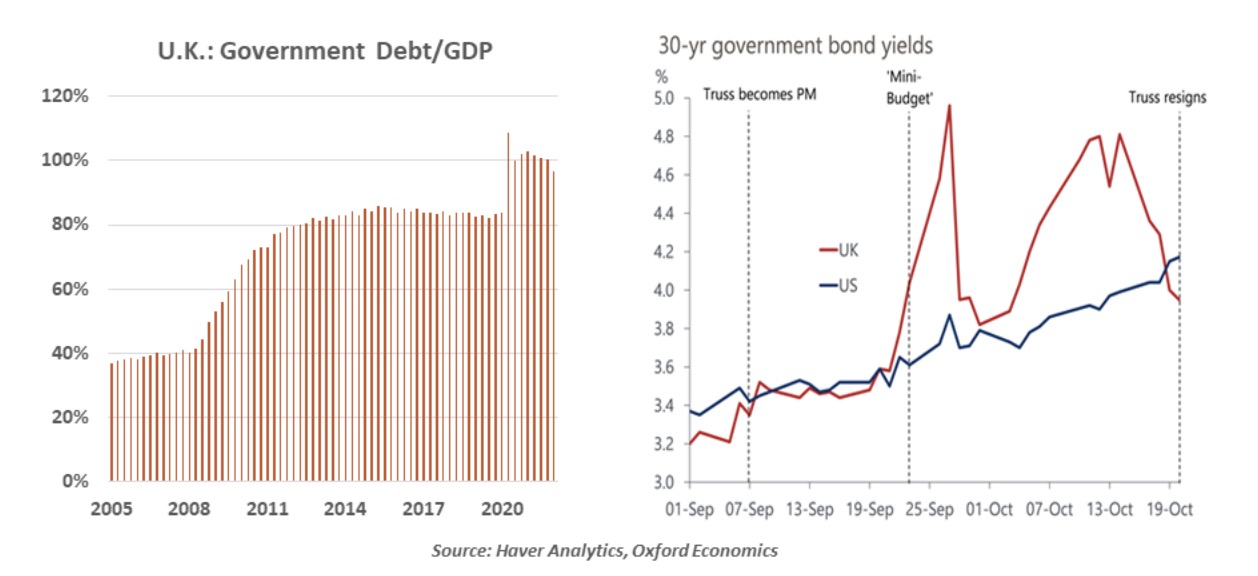
It is unlikely that US corporate defined benefit (DB) pensions will have to face liquidity issues like those UK DB pensions recently witnessed, primarily because of their different approach to valuing liabilities, varying use of derivatives/leverage, and therefore a different investment style of liability-driven investing (LDI), according to Franklin Templeton Fixed Income’s Tom Meyers.
This economy can’t go on forever.
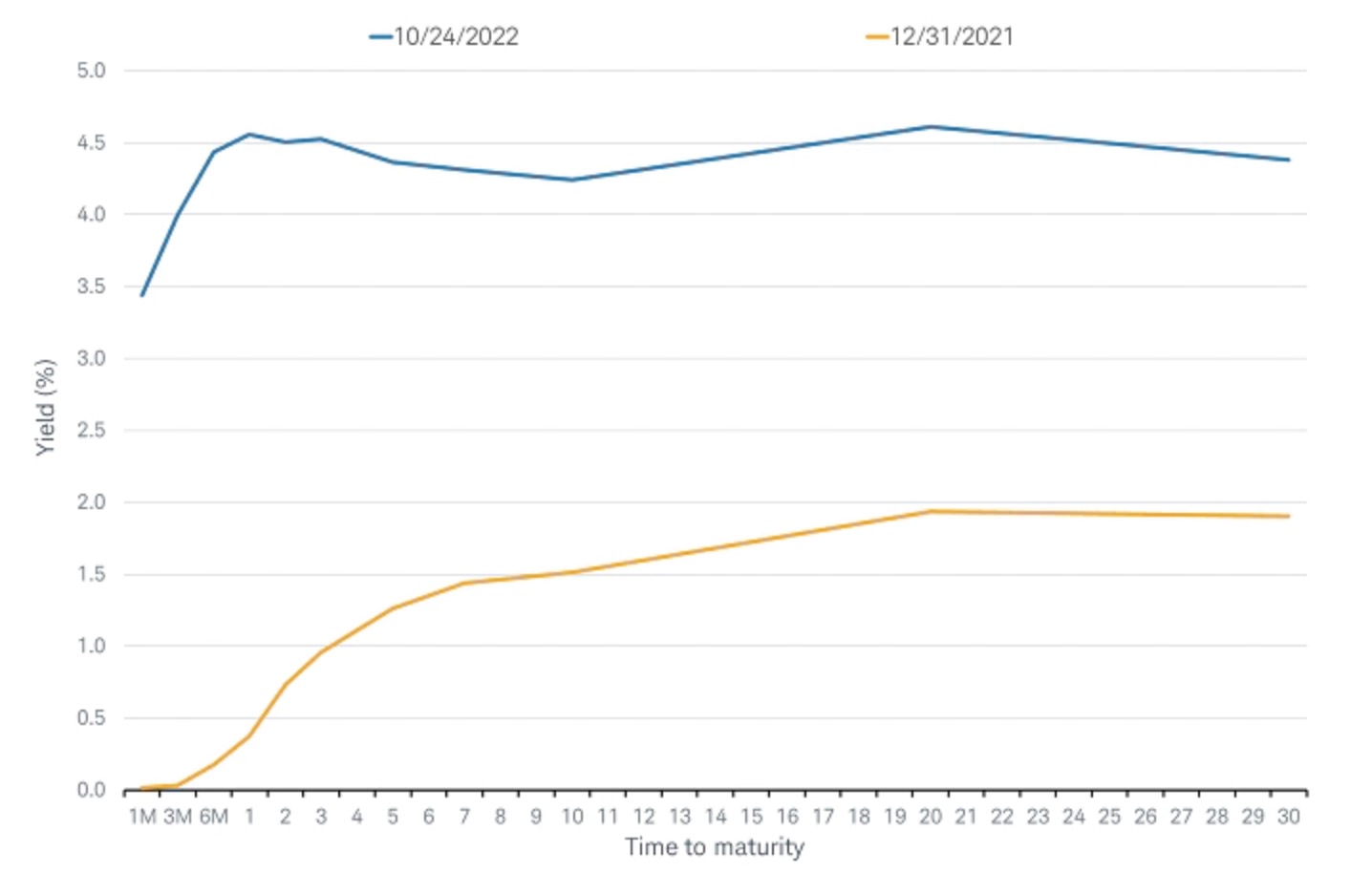
Short-term bonds currently offer higher yields than longer-term ones, but there are risks in holding only short-term bonds.
Last week, the FOMC published its minutes from the September meeting, confirming its recent stance that Fed rate hikes will continue until inflation is vanquished.
Depending on where they live, student borrowers may soon face an unexpected tax burden.
In these tumultuous times on Wall Street, at least one investing trend is proving remarkably consistent: Dividend ETFs are notching relentless inflows as traders take refuge in the stock-market storm.
Every year, the IRS offers taxpayers a polite warning in the form of what it calls the “dirty dozen” – 12 of the latest tax-related scams. We introduce “the permissible dozen” – the 12 easiest ways to reduce federal income taxes – legitimately, of course.
Now that the Party Congress is over, Xi Jinping has one big decision to make. Sinology explores.
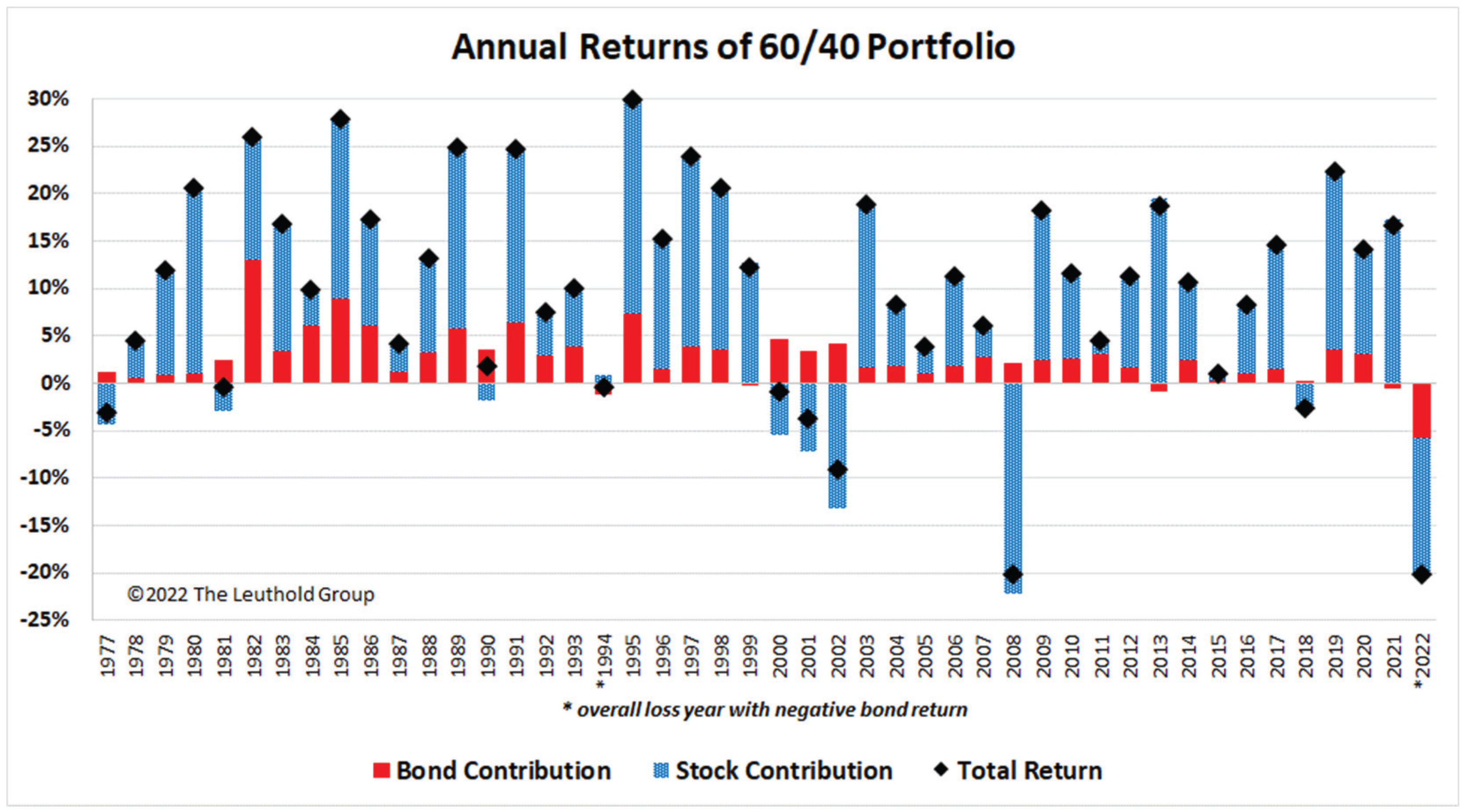
The balanced portfolio strategy of allocating 60% to equities and 40% to fixed income generated a highly satisfactory 7.9% annualized return over the last 30 years.
In recent reports, we’ve been highlighting that innovation—as a factor represented by R&D as % of sales—has stopped underperforming and it is selling for an attractive valuation.