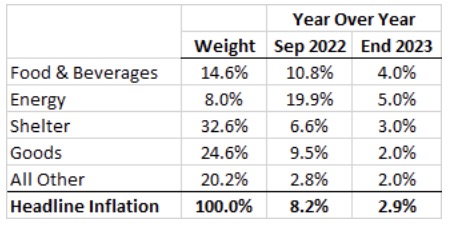
Renewed increases in energy prices come at a bad time in the battle against inflation.
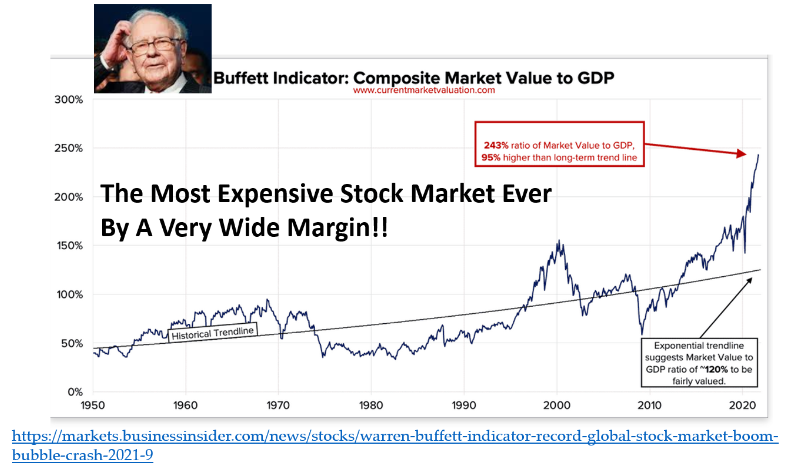
Is this the “Superbubble’s Final Act?” Such was a fascinating piece of commentary recently from Jeremy Grantham, famed investor and co-founder of GMO.
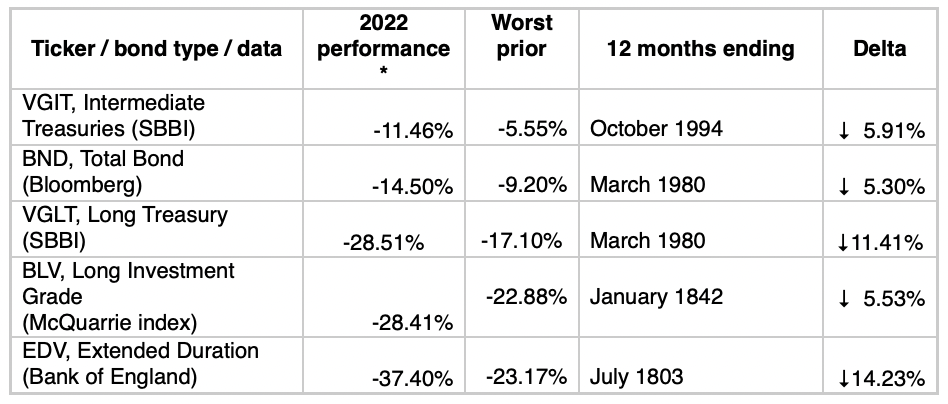
Despite crippling stock and bond market performance in 2022, there are nuggets of good news for clients.
I know what you’re thinking: “Longevicide? What is that?”
Readers of a certain age will remember Carnac the Magnificent, Johnny Carson’s recurring alter ego.
In 1987, Sports Illustrated, the preeminent sports periodical of the time, predicted the Cleveland Indians would win the American League pennant in its baseball season preview.
This year could be the beginning of the bursting of a superbubble that inflated over the previous 13 years.
The electric vehicle revolution will be subsidized.
Cathie Wood’s flagship fund on Friday closed at its lowest level in five years, after suffering a 78% plunge from last year’s highs.
As the housing market heated up during the pandemic, many would-be homeowners found themselves unable to buy despite making multiple offers or waiving inspections.
Inflation concerns on Friday once again pulled the rug from under investors struggling to find their footing as the Federal Reserve's battle against rising consumer prices shakes the economic terrain.
S&P 500 Introduction 2022 has been a bad year price-wise for the stock market as measured by the S&P 500. However, I contend that is not enough to simply know that the market is down, it is even more important to know why.
2022 has been a stormy year for bond investors, and the forecast calls for more of the same. We address today’s biggest investment challenges—from persistent inflation to rising rates to a looming recession—the silver linings of higher yields, wider credit spreads, and strategies for navigating bad weather.
Millennials were more comfortable with the stock market this year, a May survey found. We explore the outlook for equities through a generational lens.
US retail sales stalled last month as shoppers grew more guarded about discretionary purchases amid the worst inflationary environment in decades and rising interest rates.
Federal Reserve policymakers are suggesting that they’re prepared to raise interest rates higher than previously planned, though not necessarily faster, with elevated inflation proving more persistent in the latest data.
Markets have been whipsawed in recent weeks, first by talk that a cooling labor market would allow the Federal Reserve to “pivot” away from its aggressive interest-rate hiking campaign, and then by comments from central bankers that any such move would be premature — as Thursday’s hot consumer price index report proved.
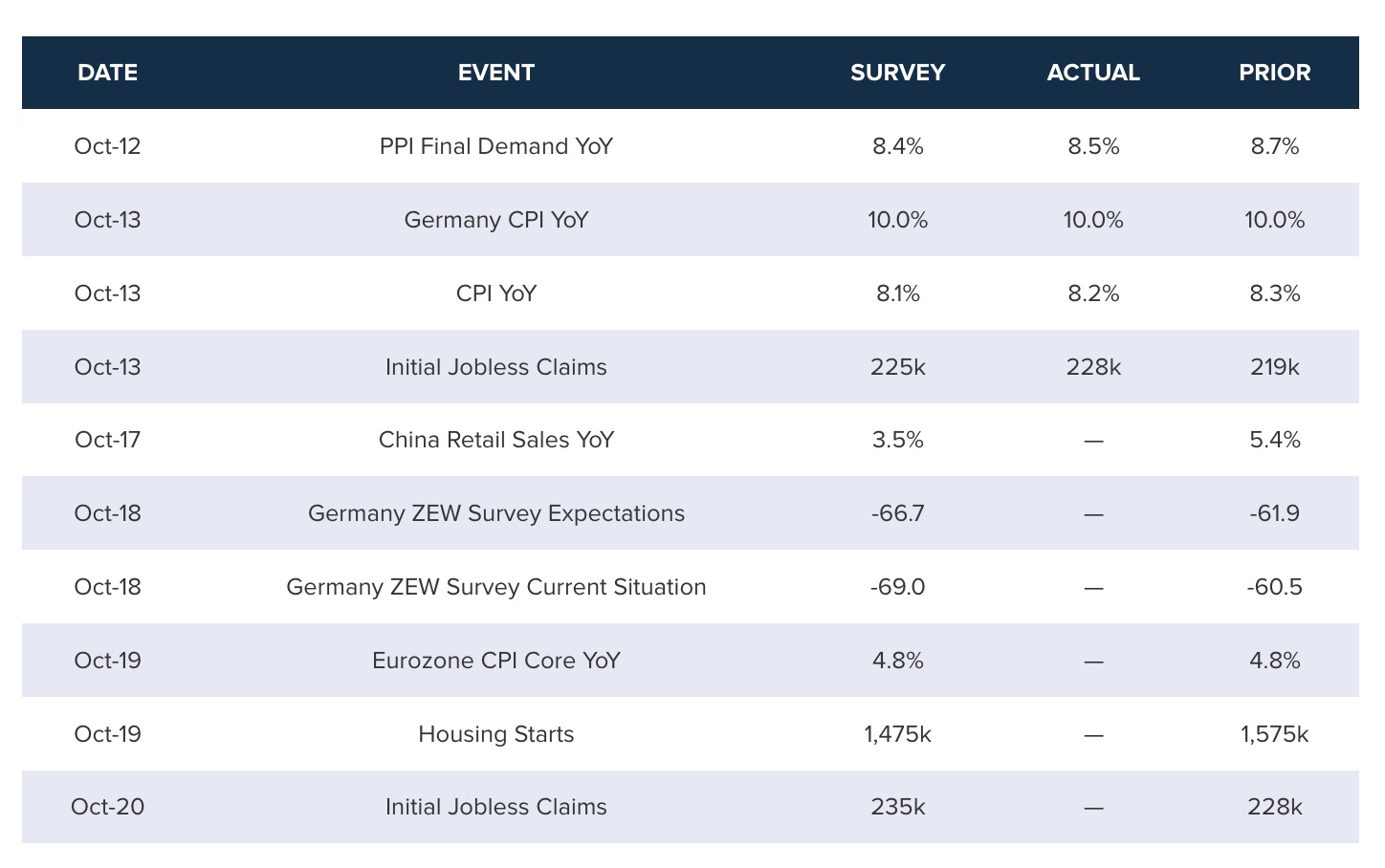
Core inflation in the U.S. outpaced expectations for September and may fortify the Federal Reserve’s hawkish resolve.
Is a recession lurking around the corner in 2023? If so, how might it impact defined benefit (DB) plan sponsors—and what steps, if any, should they consider taking?
Sandpiles can be fun. Nothing beats taking kids to the beach (or being a kid!) and watching their creativity blossom into all kinds of magical shapes. The problem with sand construction is it doesn’t last. I have it on good authority that building your house on the sand probably won’t end well.
As new inflation data pushes the Fed toward continuing with rate hikes, precious metals markets are struggling to make headway.
Review the latest portfolio strategy commentary from Mike Gibbs, managing director of Equity Portfolio and Technical Strategy.
Social Security benefits will increase 8.7% in 2023, helping retirees weather surging inflation that shows few signs of slowing down.
A shift toward private markets is cushioning many of the world’s largest investors from the wreckage wrought by runaway inflation and spiraling interest rates.
Yields on popular Series I savings bonds — intended to protect consumers against price increases — are likely heading down even as inflation continues to surge.
Banks could be about to deluge the market with more bonds after they post quarterly results, borrowing at a breakneck pace even as other blue-chip companies pull back, and bondholders could suffer in the process.
JPMorgan Chase & Co. reported its highest quarterly net interest income ever and raised its guidance for the year as the biggest US bank reaps rewards from the Federal Reserve’s interest-rate hikes.
UK Prime Minister Liz Truss fired Chancellor of the Exchequer Kwasi Kwarteng and replaced him with former Foreign Secretary Jeremy Hunt as she prepared to make a humiliating U-turn on parts of her economic plan.
The Northern Trust Economics team shares its outlook for growth, employment, inflation and interest rates.
2022 has hit investors with an unprecedented 1-2 punch of sharply negative returns in both the equity and fixed income markets, but our Strategic Income team feels the selloff has created attractive opportunities in high yield bonds.
There are continuing pressures on investment portfolios as advisors and their clients need to manage pressures they have not seen for 20 years: market volatility, inflation, rising interest rates and a potentially rising tax rate environment. Some of these pressures have not surfaced in 20 years. With fixed income not holding up as a low-risk part of the portfolio, right now is an opportune time to look at other strategies to protect client portfolios.
Senior Sovereign Analyst Jon Levy tackles three big questions on the Bank of England's recent operations.
After enjoying a long period of deflationary conditions, the global economy is being pushed by a wide range of forces toward a new and more difficult equilibrium.
What I want to talk about today is this moral panic we’re having about inflation.
Social Security is known as the third rail of politics. President Joe Biden has pounced on all who dare even think about curtailing the retirement program. In fact, this week cash-strapped retirees will get the biggest cost-of-living increase in 40 years, an 8.7% boost to protect them from inflation.
The strong dollar remains a risk to corporate profits and asset prices as the impact on the global economies grows.
The Fed’s inflation-fighting efforts have resulted in a stronger dollar relative to most other major currencies.
This much is clear: Tesla is going to start delivering Semi trucks on Dec. 1, a full five years after Elon Musk started taking orders for them.
Federal Reserve officials committed to raising interest rates to a restrictive level in the near term and holding them there to curb inflation, though several said it would be important to calibrate hikes to mitigate risks.
Grayscale Investments LLC, the largest crypto asset manager, said the US Securities and Exchange Commission acted arbitrarily earlier this year in rebuffing a bid to convert its $12 billion spot Bitcoin trust into an exchange-traded fund.
The top 50 broad strategy funds – determined by highest historical performance through 2021--outperformed the market by 21 percentage points through the first six months of 2022.
Prices paid to US producers rose in September by more than expected, suggesting inflationary pressures will take time to moderate and keeping the Federal Reserve on its aggressive interest rate-hike path.
James Bullard’s inflation epiphany came when he tried to buy a bicycle.
Wealthy young Americans have lost confidence in the stock market as a primary vehicle for creating wealth and are increasingly turning to alternative investments to fund their futures, a Bank of America survey has found.
With rents, food prices and child-care costs all rising, coming up with the cash to cover unexpected expenses is becoming more difficult.
The US corporate earnings season could prove to be half decent, but don’t expect the market to celebrate.
U.S. stocks are mixed and subdued as the markets digest another hot inflation report in the form of the September Producer Price Index.
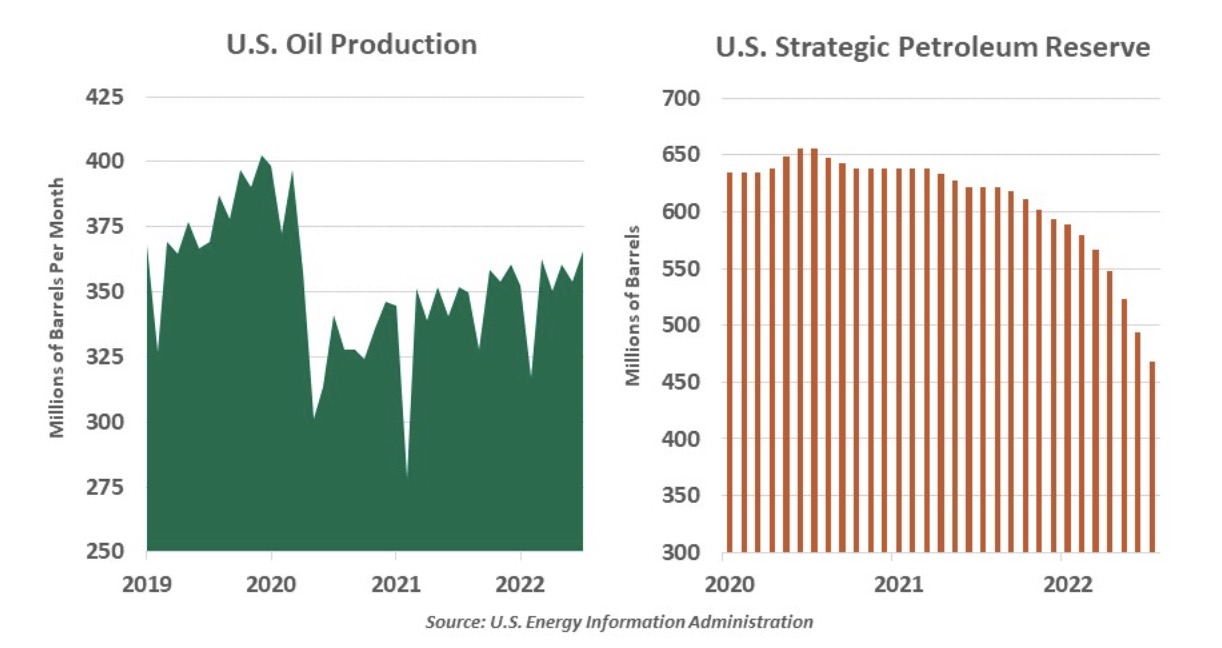
The OPEC+ plan to curb oil production complicates the global economic, inflation, and geopolitical outlook and will likely lead to higher prices for key commodities.
"Carry on!!" was the gruff but oh so welcomed command screamed at me by Marine drill Sergeant Jo Quinn Cruz in October of 1967.
The era of “TINA”—short for “there is no alternative” and describing a phenomenon where bond yields were so low that many investors felt they had no choice but to invest in stocks, even at stretched valuations—has given way to a market where they can “pay attention to the yield(s).” Or “PATTY,” for short.