Portfolio Manager Alex Zarechnak identifies six key themes from the COVID years—some new, some familiar—to help anchor investors in today’s emerging markets.
Tony Davidow, Senior Alternative Investment Strategist with Franklin Templeton Institute, illustrates the potential impact of adding alternative investments to pursue growth and income—as well as seek to dampen volatility—during the accumulation and distribution phases of retirement.
The US debt ceiling negotiations brought considerable volatility to market prices.
Nasdaq’s Alison Doyle goes around the world of ETFs, highlighting flows, trading, launches, and new filings. VettaFi’s Tom Lydon discusses recent advisor polling data including surveys on equal weighting, stock valuations, bond duration, and more. Zacks’ Sal Esposito explains the Zacks Earnings Consistent Portfolio ETF (ZECP).
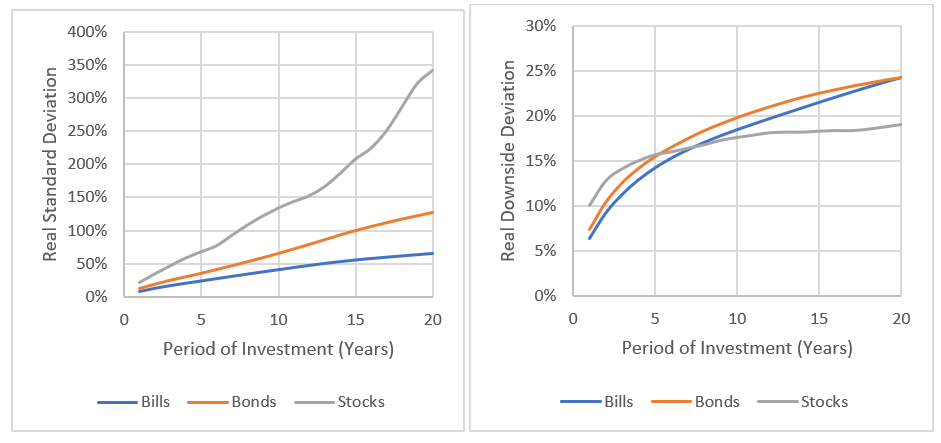
The empirical evidence supports Seigel’s general assertion that stocks beat inflation in the long run. But the inflation-hedging benefits of stocks aren’t perfect.
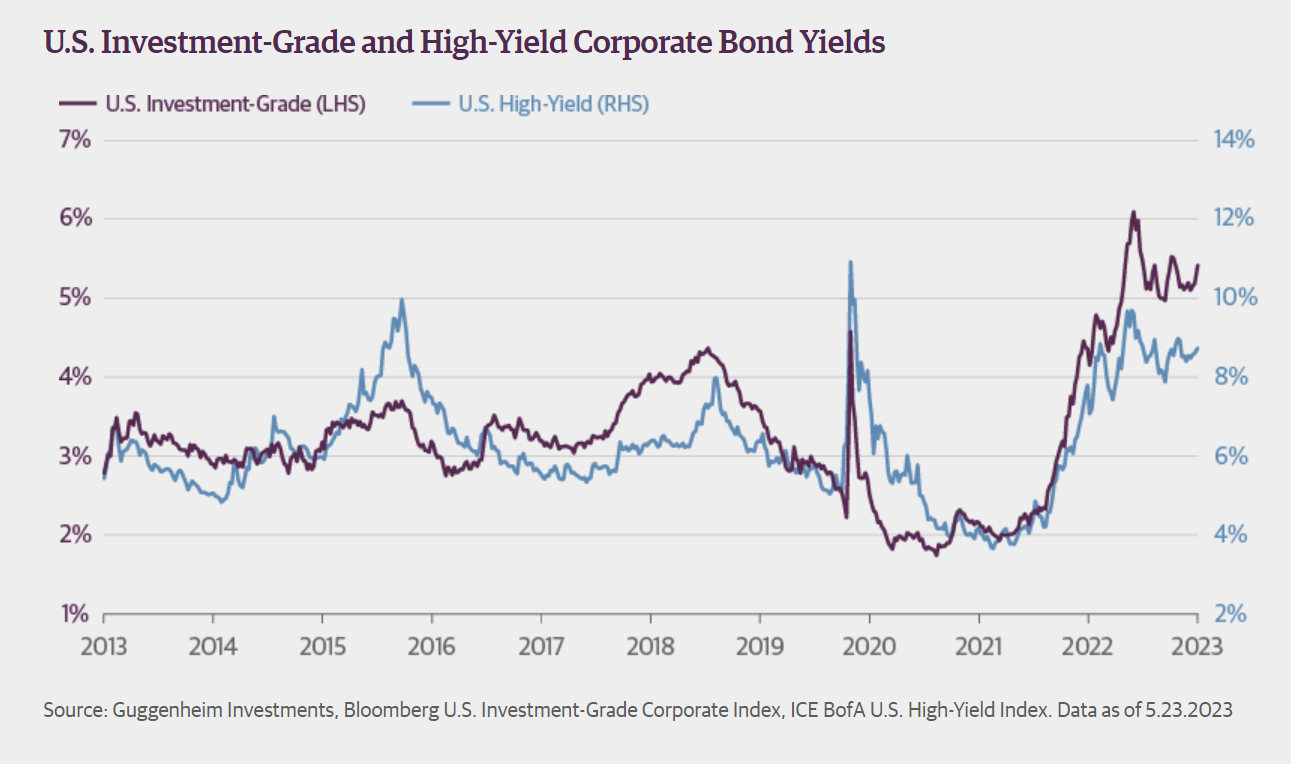
Improved value proposition in credit.
History suggests that a soft landing might be difficult, as the U.S. has entered a recession following the last five periods when inflation peaked above 5%.
Financial decisions that are not based on personal integrity are risky in many ways. Making sound, ethical financial choices – and teaching our children to do the same – is essential for financial wellbeing.
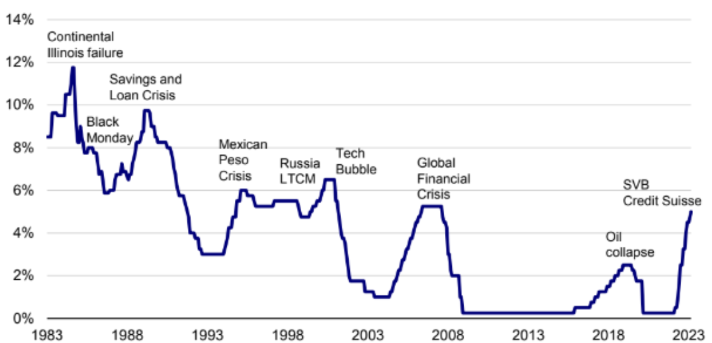
For over a year, bond traders have been whipsawed by uncertainty about how high the Federal Reserve will push interest rates.
While tuition is the main qualified expense you think of when you get a 529, there are other tangential education expenses that will also qualify.
A robust implementation strategy and real-world implementation capabilities are both necessary in order to achieve your portfolio’s preferred position.
What's next for global growth? Our Macro Strategies team shares a regional breakdown of their growth expectations across the globe.
New findings from EBRI’s recently released 2023 Retirement Confidence Survey reveal what’s top of mind for American workers and retirees. Below, we look at two key findings – alongside ways the industry is responding.
Given the challenges presented by today's market environment, private credit can be a valuable and versatile tool in sourcing incremental growth and income, dampening portfolio volatility, and hedging the corrosive impact of inflation. Read this paper for an in-depth look at the types of private credit, potential benefits and how to access them.
Here are four things advisors get wrong about tax-loss harvesting.
529 plan benefits abound no matter which type of plan you choose. Read on to get a full understanding of what 529 plans can do for you.
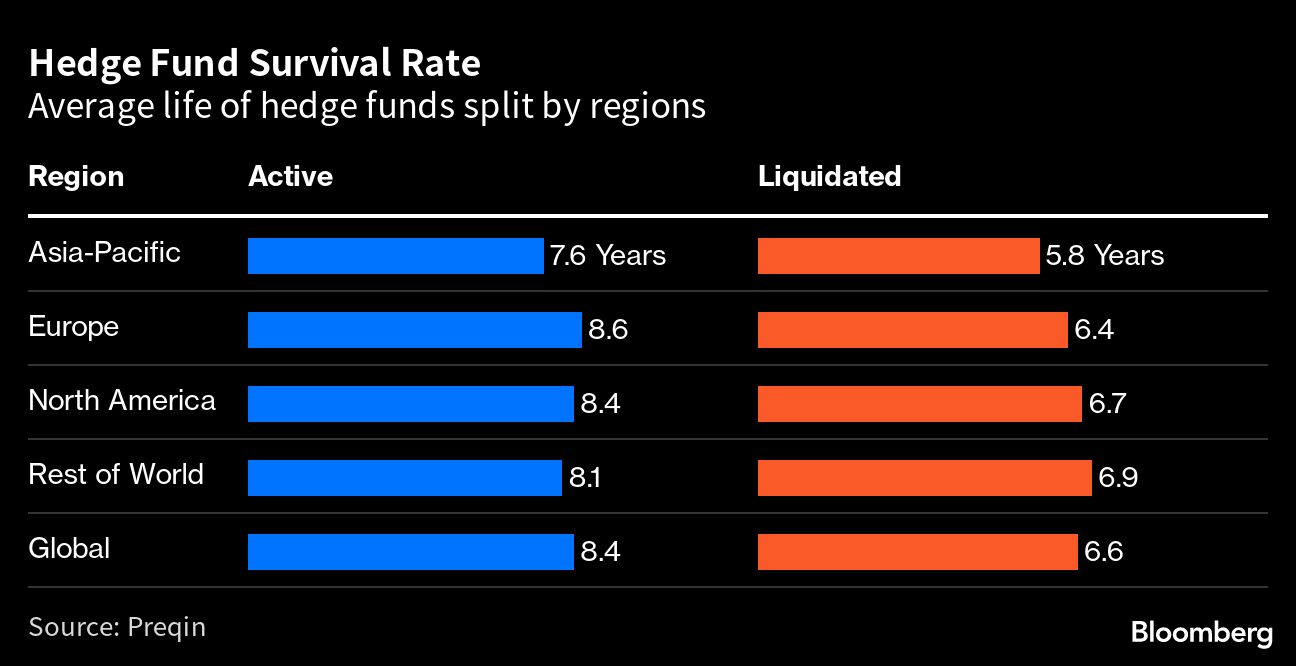
When portfolio manager David Lipner said he was quitting billionaire Izzy Englander’s Millennium Management to join a rival, the hedge fund countered with an unusual proposal: A one-year paid sabbatical and an incentive upon return if Lipner stayed.
Truist Financial Corporation is a purpose-driven financial services company committed to inspiring and building better lives and communities. Truist has a leading market share in many high-growth markets in the country.
Choppiness in the equity market continues as investors look to see a debt limit deal approved.
David Dali, Head of Portfolio Strategy, provides his 12-month outlook for global equity markets.
Thoughts on the current US debt challenge and the long-term implications for markets and the economy from Stephen Dover, Head of Franklin Templeton Institute.
Because exchange-traded funds (ETFs) offer a dynamic product that can serve as a buy-and-hold or buy-and-sell investment, they can offer investors the opportunity to reap long-term or short-term gains. Knowing the difference between the two is crucial, especially when it comes time for taxes.
Nick Goetze discusses fixed-income market conditions and offers insight for bond investors.
The collapse of Silicon Valley Bank and Signature Bank heightens the Federal Reserve's policy dilemma over fighting inflation while maintaining financial stability. We analyze what the crisis means for the banking system and the economy.
See why we believe that market uncertainty may create opportunities for active managers to identify companies that can weather a slowdown.
A quick PSA from RBA: Beware of the coming credit crunch. The key goal of tightening monetary policy is to reduce the flow of credit. It is also important to note that the weakest links always default first. This cycle is so far no different.
The Federal Reserve’s higher interest rates, the work from home trend, ESG distractions, increases in crime, etc., are having far reaching effects on our economy and investors.
Investors have been loading up on T-bills and money market funds this year, but according to our Total Return team, that is not a sustainable strategy as it exposes investors to both reinvestment risk and inflation while creating an asset/liability mismatch.
Inflation has proven sticky, even as growth weakens. Markets are realizing that policy rates are set to stay higher for longer. We like quality in stocks and bonds.
While markets are often efficient, the current market environment exposes a number of select areas within the bond market that exhibit less efficient behavior. Investors taking a value-oriented bond management approach may find ways to exploit the inefficiencies.
I received many emails and questions on “why” we are adding the U.S. Treasury bond to our portfolios. The question is understandable, given its dire performance in 2022, where bonds had the biggest drawdown since 1786.
This week, the VettaFi Voices come together for an abbreviated chat about an important topic: the debt ceiling.
Without understanding people – how they think and act, and what they believe – you can’t effectively help them, no matter how good you are at planning or asset allocation.
Transit has not made a complete recovery from the pandemic.
The stock market finished Friday on a high note, with the S&P 500 index just north of 4,200 for the first time since August 2022 and up 17.6% versus the market bottom in October.
Chief Economist Eugenio J. Alemán discusses current economic conditions.
Some of the most common questions clients ask advisors revolve around retirement:
New research from Dimensional addresses these questions. The study found that investors who tilt towards size, value, and profitability in their equity allocation are likely to enter retirement with significantly more assets, sustain their retirement spending longer, and to leave behind larger bequests than with a standard, broad-market-index portfolio. Given the popularity of broad market indexing, the findings have implications for advisors. Joining us to talk about the research is Mathieu Pellerin.
As the debt limit negotiations near resolution, the specter of a default recedes. But the lesson is that both sides were willing to play chicken with the train.
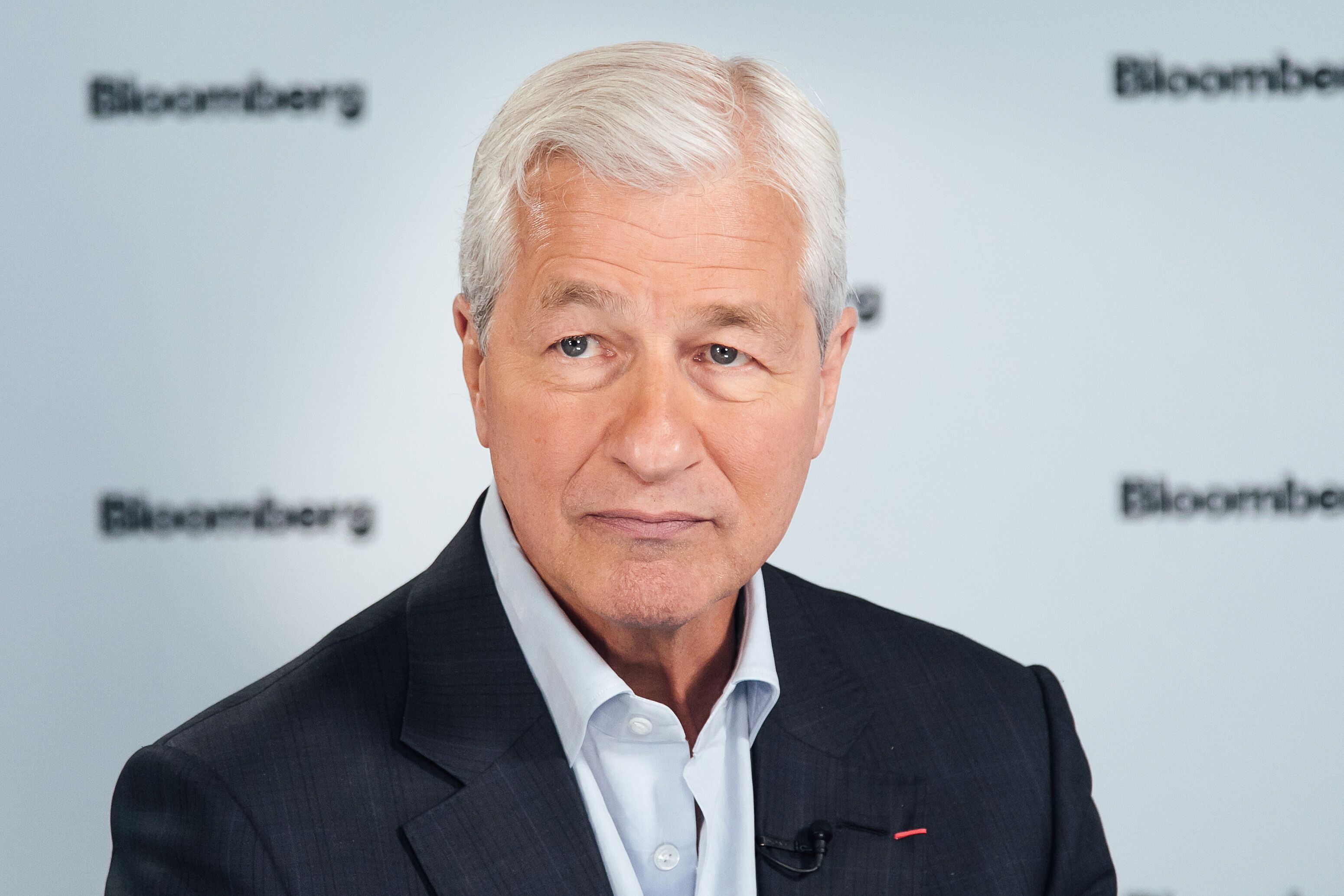
When Jamie Dimon takes center stage at JPMorgan Chase & Co.’s China summit Wednesday, he’ll be confronting a business landscape that looks vastly different from his visit four years ago.
For this edition of Bull vs. Bear, Elle Caruso and Karrie Gordon discussed the pros and cons of investing in fossil fuels.
As other nations seek to become less dependent on the U.S. dollar, rumors of the greenback’s potential demise continue to swirl. Can the dollar remain king of the world’s reserve currency?
The financial markets are giving off mixed signals of late, and credit investors may wonder whether to be downbeat or optimistic.
Like planting seeds, sometimes new investment vehicles take time to take root. David Mann, Franklin Templeton’s Head of Global ETF Product and Capital Markets, draws parallels between gardening and developing and growing new ETFs.
VettaFi’s Stacey Morris drills into the energy sector and energy ETFs. Candriam’s Alexandra Russo goes in-depth on ESG investing, offering perspective on where it’s gone wrong over the past several years and what the focus should be on moving forward.
If you were doubting whether the age of AI has arrived, NVIDIA’s stock performance this week may have given you second thoughts.
According to the company’s investor relations page on this REIT, Simon Property Trust (SPG) is a real estate investment trust engaged in the ownership of premier shopping, dining, entertainment, and mixed-use destinations and an S&P 100 company.
Last week the VettaFi Voices gathered to reflect on a year at VettaFi under the firm’s new name. The team celebrated wins, and time spent together, and shared their favorite insights and highlights from a busy twelve months.
While we don't expect the U.S. government to default, the uncertainty may heighten market volatility in coming days. Here are answers to some of the questions we're hearing most often.
Although few nations have a debt ceiling similar to the U.S.', rising government debt levels are a widespread global risk that may lead to lower economic output and weaker growth.
Bonds issued by government-sponsored enterprises can offer slightly higher yields than U.S. Treasuries, without requiring investors to take on too much additional risk.