The triumphant comeback of quant-investing strategies on Wall Street is suddenly on shaky ground as virtually all of 2022’s hottest market trends get derailed in the new year.
Doug Drabik discusses fixed income market conditions and offers insight for bond investors.
US workers are clearly feeling the strain of economic uncertainty, according to Franklin Templeton’s third annual “Voice of the American Worker” study.
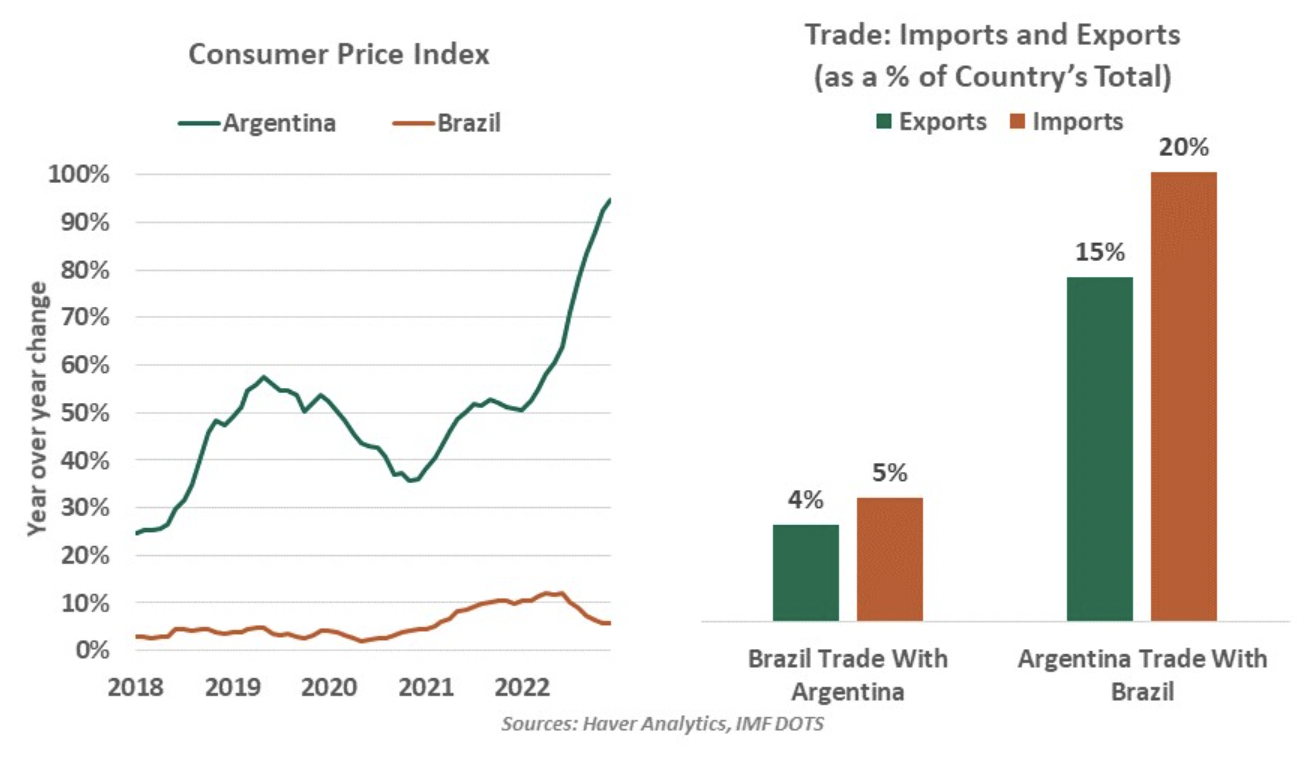
Differing economic cycles and limited trade links will make the sur unfeasible.
Surveying your clients and prospects is essential, especially as we continue to confront a major shift in how we live our lives.
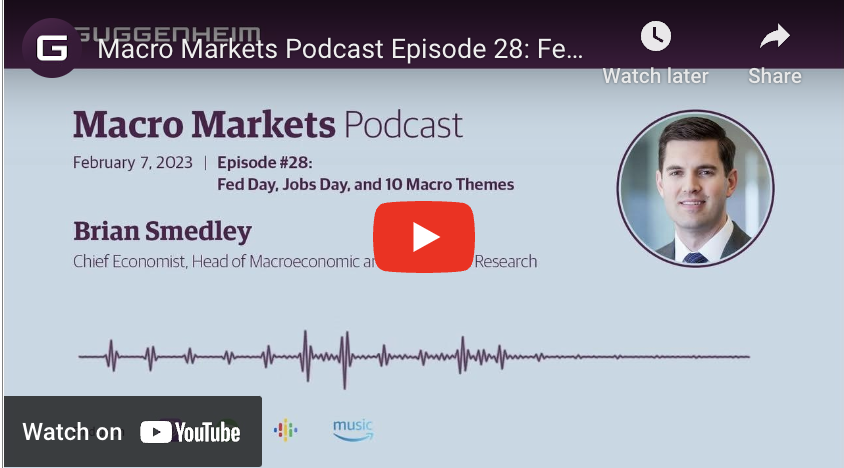
Brian Smedley, Chief Economist and Head of the Macroeconomic and Investment Research Group, joins Macro Markets to discuss Fed policy, recent inflation, labor, and GDP data, and key takeaways for investors from our 10 Macroeconomic Themes for 2023.
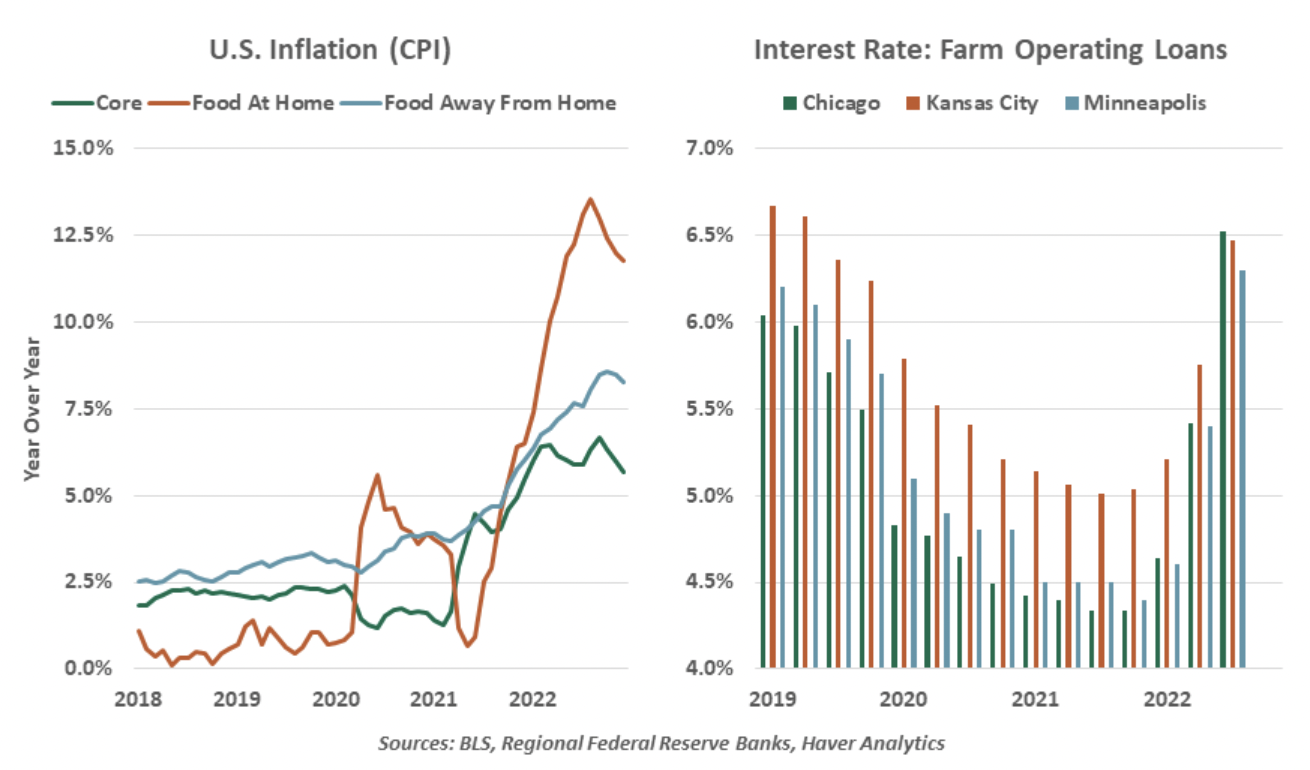
Inflation has turned a corner, but not yet for food.
Federal Reserve Bank of Atlanta President Raphael Bostic said January’s strong jobs report raises the possibility that the central bank will need to increase interest rates to a higher peak than policymakers had previously expected.
The greening of red-state America, well underway in the Sun Belt, is now accelerating in the Midwest.
The world should end this season with its first sugar surplus in four years, but you wouldn’t know it from how prices have surged.
Changes for investors include RMD age increases, higher catch-up contribution limits and a new 529 transferal option.
Valuation metrics across all but the U.S. interest rate dimension remain unambiguously attractive.
SECURE 2.0 focuses on changes that affect your retirement savings in the next year or two. Here are 11 changes that you need to understand.
Ignoring the Federal Reserve’s determination to keep raising rates and hold them there is a wildly profitable trade on Wall Street right now. It’s trying to swim against the rising market that carries risks.
Three straight days of gains are giving hope to embattled dollar bulls who are looking to a slew of Federal Reserve speakers and rising US-China tensions to extend a nascent rebound.
Cracks are appearing in Wall Street’s bullish case for emerging markets as hurdles — from Adani Group’s $108 billion rout to the Federal Reserve’s rate-hiking plans — prompt a more selective approach to investment.
At the beginning of the season, not many predicted that the Philadelphia Eagles would be in the Super Bowl this year.
The European Central Bank raised its policy rate, and more hikes are coming.
The most recent NFIB (National Federation Of Independent Business) is sending a strong signal of an economic recession.
Markets are no longer shocked by central bank tightening.
People say that the best defense is a good offense. They are wrong, at least when it comes to protecting wealth.
We are now seeing clear signs of a broad-based decline in inflation.
The greatest anomaly is that despite decades of poor performance and the failure to effectively hedge exposure to conventional security classes, assets under management among hedge funds have grown from about $300 billion 25 years ago to about $5 trillion today.
Bullish markets are increasingly pricing in a second-half reversal of the global monetary tightening wave, making it tougher for central bankers to vanquish inflation once and for all.
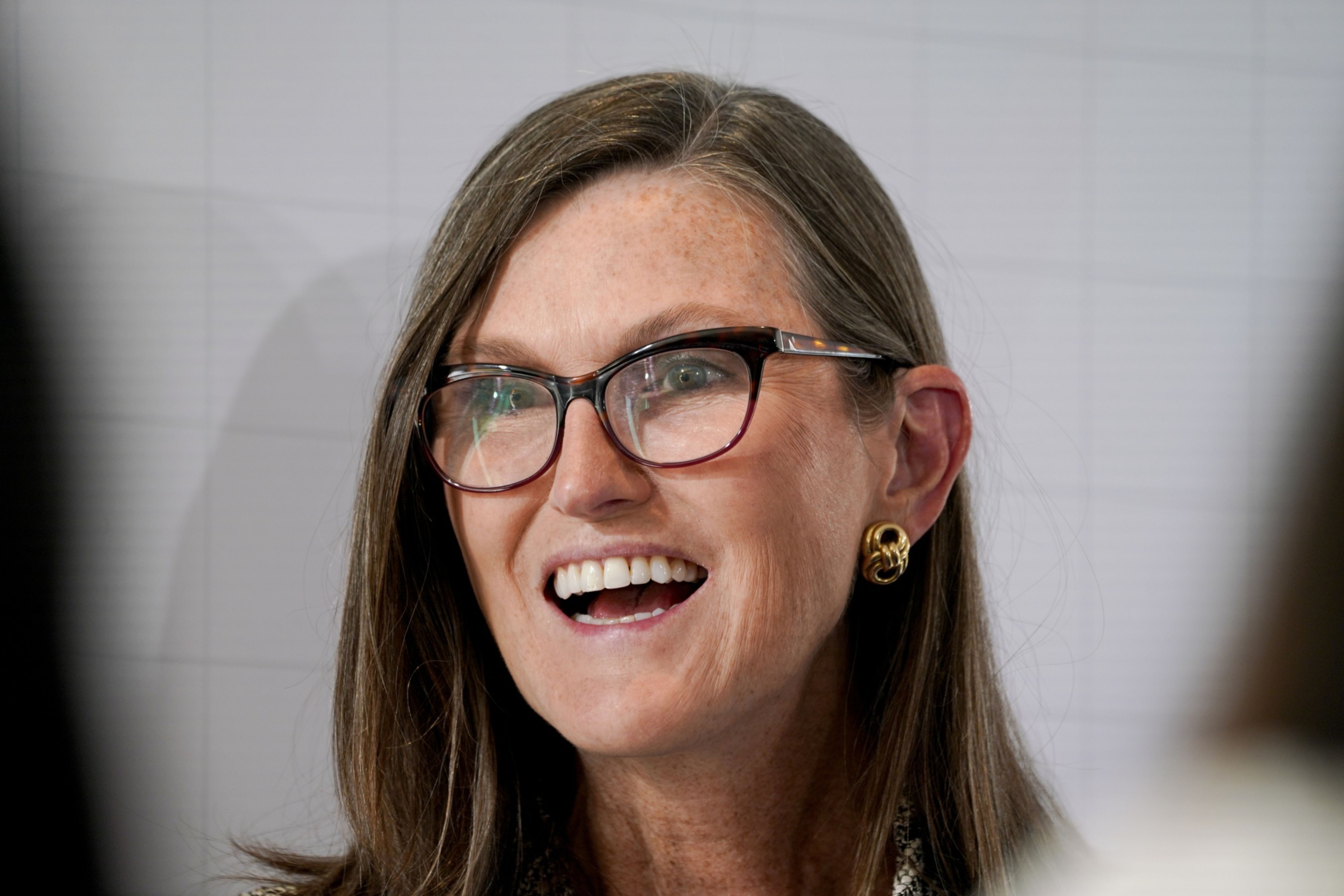
Cathie Wood’s funds had a scorching start to the year and she wants investors to know it.
The cost of insuring emerging-market nations against default fell to the lowest in nearly a year as the dollar weakens and investors bet that less aggressive US tightening will bring relief to developing borrowers.
As a rout in the price of food commodities from wheat to cooking oil deepens, the cost of products on grocery shelves continues to rise.
These weekly letters, of which I’ve now written well over 1,000 (plus 7 books and multiple papers and articles), are generally about two broad topics: the economy and the financial markets. While related, these aren’t the same. Good news for one can be (and often is) bad news for the other.
Retail demand for bars and coins in the U.S. and Europe hit a new annual record last year in response to stubbornly high inflation and the war in Ukraine. Western investors gobbled up 427 tons (approximately 15 million ounces), the most since 2011.
Chief Economist Eugenio J. Alemán discusses current economic conditions.
From a contrarian investing view, everyone remains bearish despite a market that corrected all of last year.
At the conclusion of its inaugural policy meeting of 2023 today, the U.S. Federal Reserve (Fed) delivered a smaller, quarter-point rate hike, as widely expected by markets.
In 1965 I was studying for a degree in Engineering.
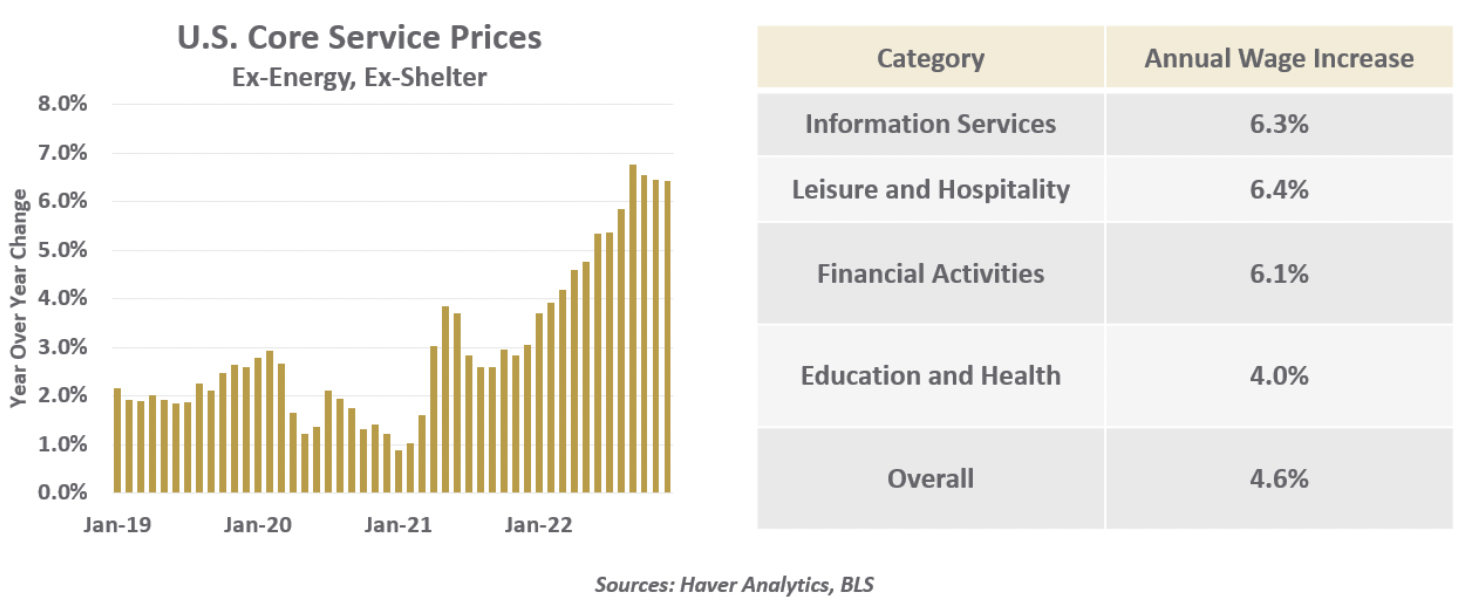
Inflation is a mixed picture, with services staying hot.
Traders piling back into tech stocks just got a sobering signal that they might have gotten ahead of themselves.
Brookfield Infrastructure Partners LP’s $15 billion commitment last year to help finance Intel Corp.’s giant new semiconductor complex in Arizona, the first deal of its kind, sent investors and bankers racing to find similar opportunities.
During uncertain economic times – as we are experiencing currently – the ever-important principles of valuation and margin of safety become even more important.
As expected and discussed in the January Macro Tides the December Consumer Price Index (CPI) dropped below 7.0% falling to 6.5% from 7.1% in November.
Investors face mixed signals between the Federal Reserve’s policy guidance and recent economic developments.
The Fed downshifted to a smaller rate hike to start 2023, but the job is far from done.
The US Treasury held steady its quarterly sales of longer-term debt, matching widespread expectations among bond dealers, given the standoff in Washington over expanding the government’s borrowing authority.
Wall Street had widely expected that the Federal Reserve would ease up on its pace of rate hikes to battle inflation on Wednesday.
Punxsutawney Phil’s forecast is appreciated as a bit of inconsequential fun; nobody takes it too seriously. Unfortunately, that’s not the case on Wall Street.
The Federal Reserve slowed its drive to rein in inflation and said further interest-rate hikes are in store as officials debate when to end their most aggressive tightening of credit in four decades.
Behind closed doors, Federal Reserve policy makers worry rallying markets are impeding their efforts to control inflation. But every time Jerome Powell goes out in public he gives them more room to run.
The market has high hopes for the Fed, however, comparing this to the Fed’s own expectations, we see a very different narrative.
Inflation appears to have peaked, led by improvements in core goods prices and rate-sensitive sectors like housing.
In anticipation of tomorrow’s rate decision, we saw another indicator today that the Federal Reserve has been successful in stemming the tide of inflation.
I chose the topic for this month’s Absolute Return Letter during the Christmas break.
Shaky property markets across much of the world pose another risk to the global economy as higher interest rates erode household finances and threaten to exacerbate falling prices.