If I did not have bad luck, I would have no luck at all.
Paul Volcker is mostly remembered fondly in the US, as the Federal Reserve chairman who restored stability to an economy gone wild. South of the border, however, he is often remembered as the man who brought the world down.
Chief Economist Eugenio J. Alemán discusses current economic conditions.
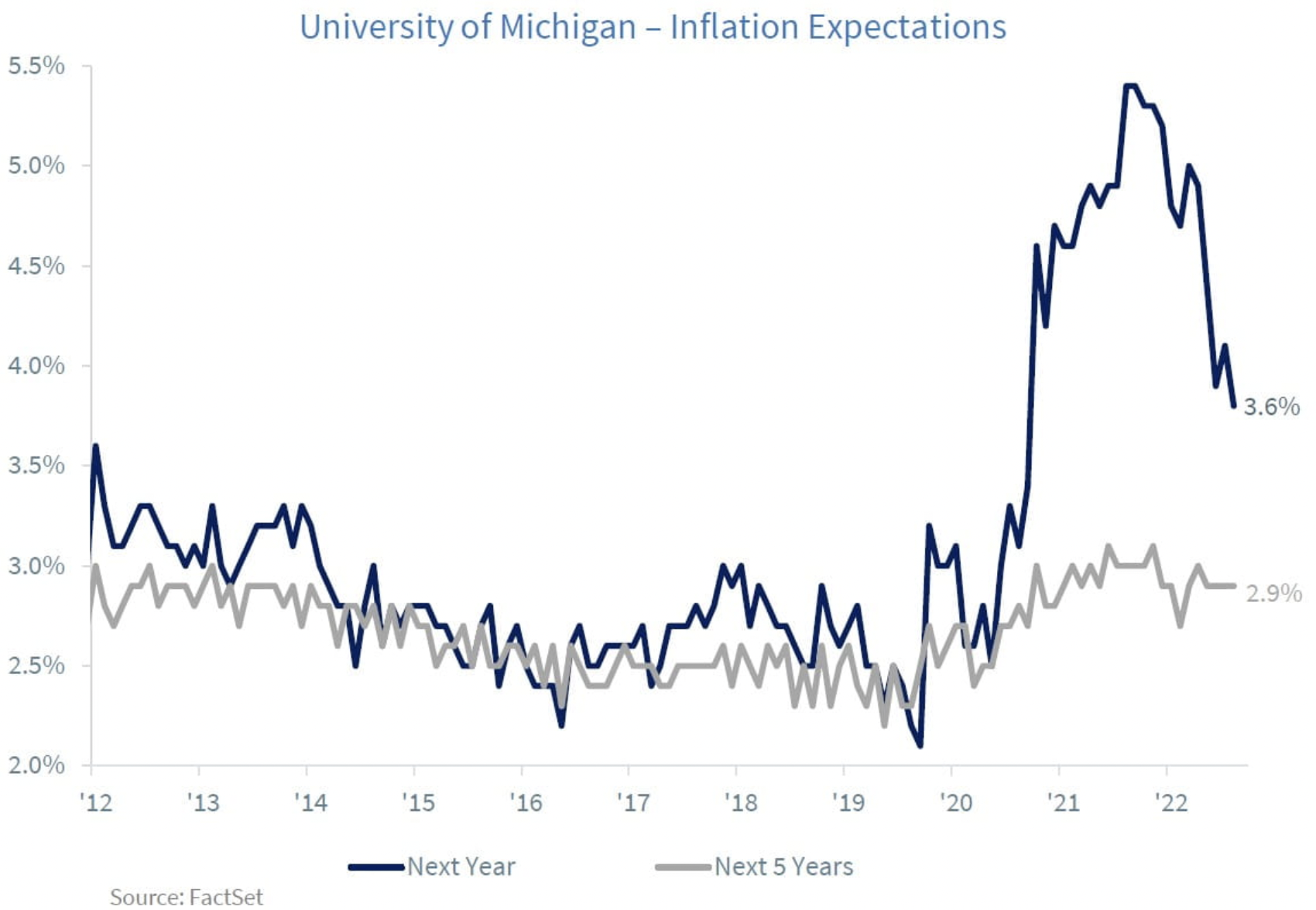
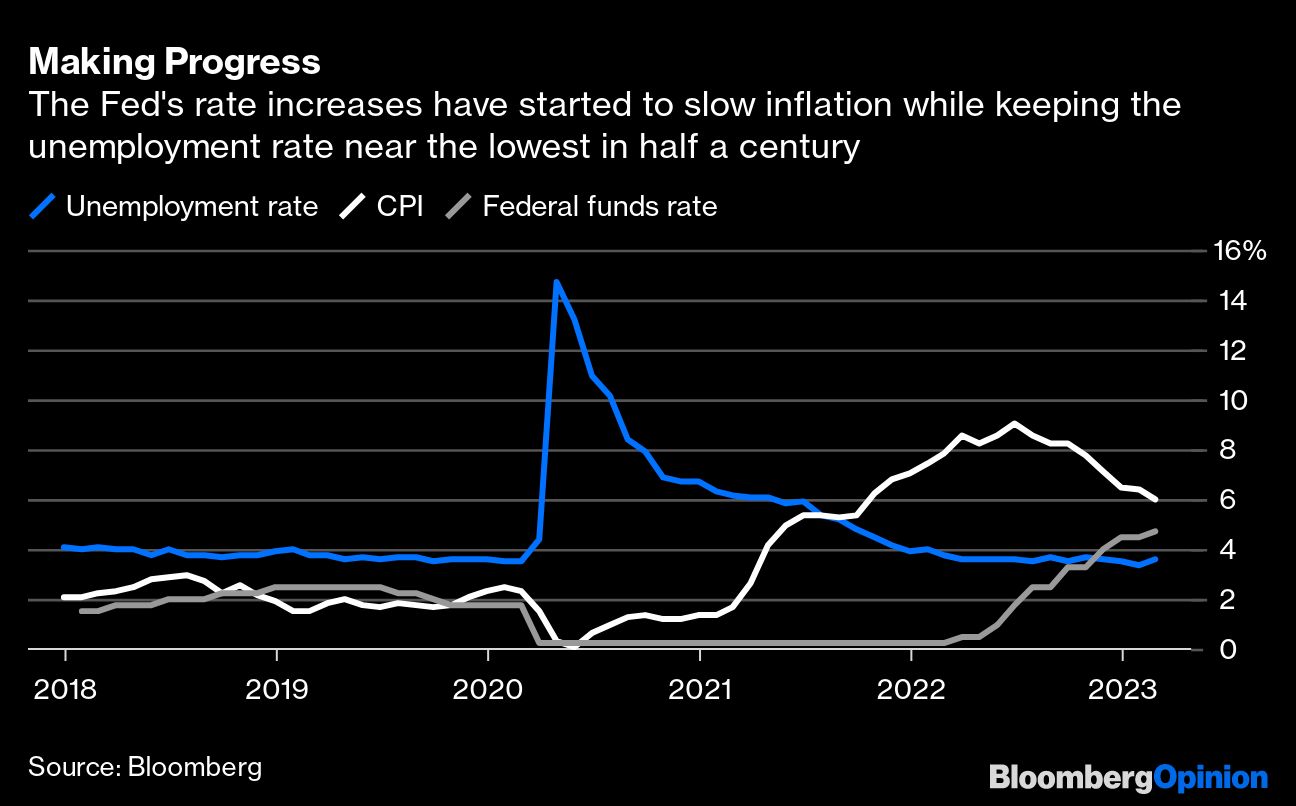
The market has spoken: It’s expected that the Federal Reserve’s fight against inflation is just about over. Fed Chairman Jay Powell has hinted that rate increases are nearly at an end. But inflation was still at 6% last count, and Powell insists the Fed is still committed to reaching its 2% target.
Despite an ongoing “banking crisis,” investors continue to chase stocks triggering several bullish buy signals.
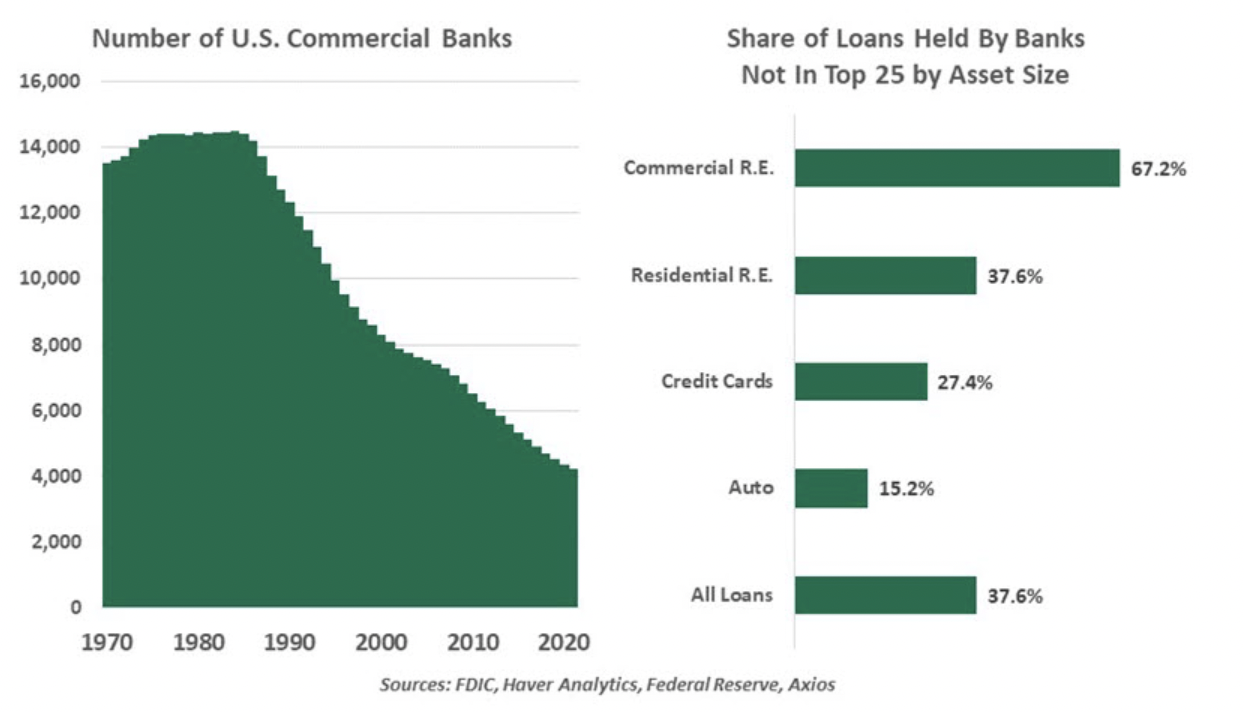
Remember when banks were small? Those old enough to have a bank account in the 1970s should. Back then, most people did their banking with a locally owned institution, often the First National Bank of (Your Town).
Gold appears to be well-positioned for a strong pump that could carry it to new all-time high prices in 2023—and beyond. As you know, I’ve been following and writing about the precious metal market for a very long time, and I see a number of unique catalysts at the moment that could contribute to higher gold prices.
Bitcoin’s surprising fast exit from its “crypto winter” has once again put the notoriously volatile digital currency atop the leader-board in the first quarter for being the best-performing asset class by a wide margin.
Wall Street’s model-portfolio boom appears to have flashed its invisible power for the second time in this week after a once-sleepy Charles Schwab Corp. bond exchange-traded fund received another monster inflow.
When Microsoft Corp. launched its $1 billion Climate Innovation Fund three years ago, it was the lone tech giant pledging serious money to tackle rising temperatures. The dangers facing the planet have since become more acute, and the fund has about $400 million left.
Stocks built on overnight gains and Treasury yields inched lower following today's relatively benign February PCE inflation data.
Early signs of economic unraveling are appearing. The federal corporation that insures bank deposits is woefully underfunded. The Fed is under pressure to pivot away from its inflation fight.
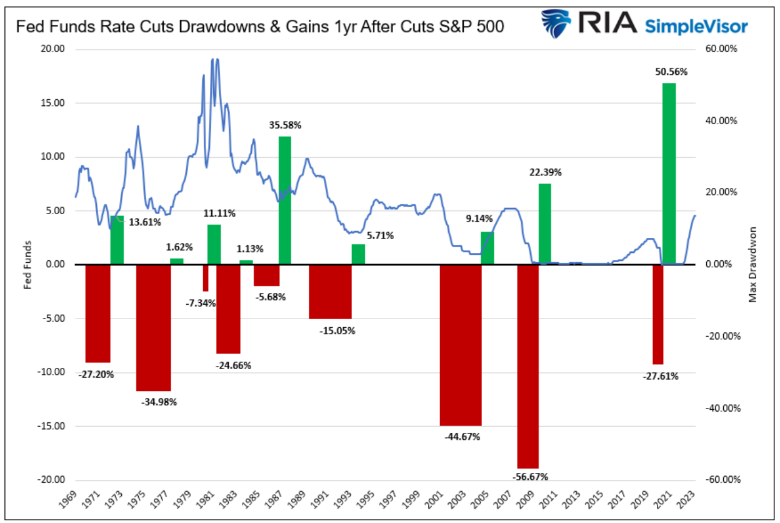
Stock investors wishing for the Federal Reserve to pivot should rethink their logic and review the charts below.
Everyone insisting America isn't up to managing the world’s No. 1 economy after the Covid-19 pandemic caused the highest joblessness since the Great Depression and biggest cost-of-living increase in 40 years should ask...
No investment is risk-free, but the closest thing is probably short-term loans to the US government, also known as Treasury bills. That’s because the US government has vast resources to pay back its loans, and investors get their money back quickly.
The benchmark S&P 500 Index is wrapping up its second straight quarterly gain, rising 5.50% through Thursday and adding to the 7.08% surge in the final three months of 2022.
Recession indicators are ringing loudly.
The investment landscape is pockmarked by intractable statistics that continue to impose strategic and psychological barriers to the short term potential of portfolio alpha.
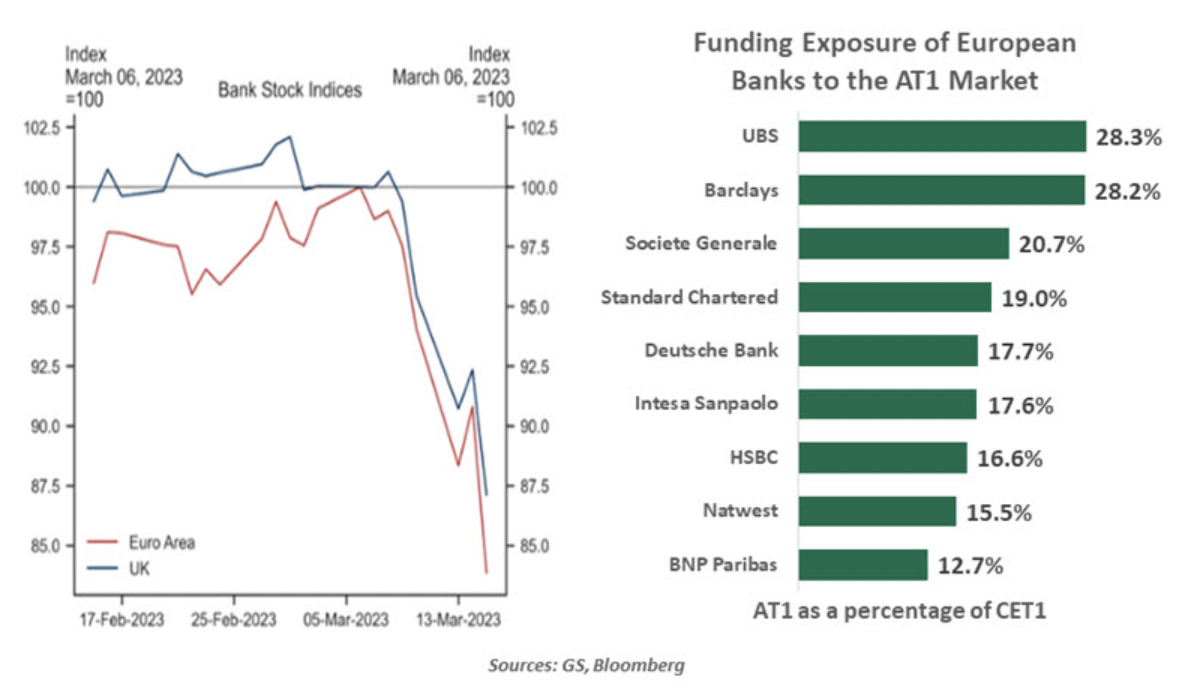
What are the implications of the ongoing volatility in the banking sector, and what does it mean for markets in Europe and globally?
“QE” or “Quantitative Easing” has been the bull’s “siren song” of the last decade, but will “Not QE” be the same?
US equity capital markets are having the slowest start to a year since 2009, and dealmakers fear a rebound is nowhere near.
In the face of high and persistent inflation, recession risks, and now a looming insolvency crisis in the financial sector, central banks like the US Federal Reserve are facing a trilemma.
There has been surprisingly little worry reported by advisors and readers in the past couple of weeks.
We’ve been watching slumps ripple through various parts of the economy over the past 18 months: technology startups and stocks, regional banks and growing concern about commercial real estate. Yet we’re still waiting for the wider labor market to feel the downturn.
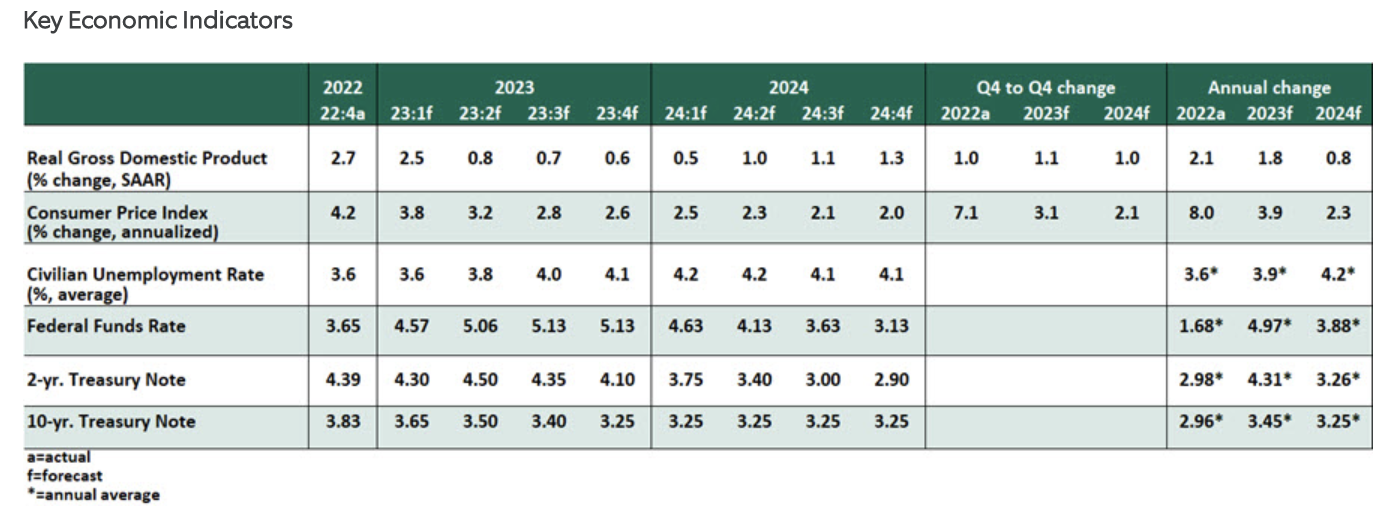
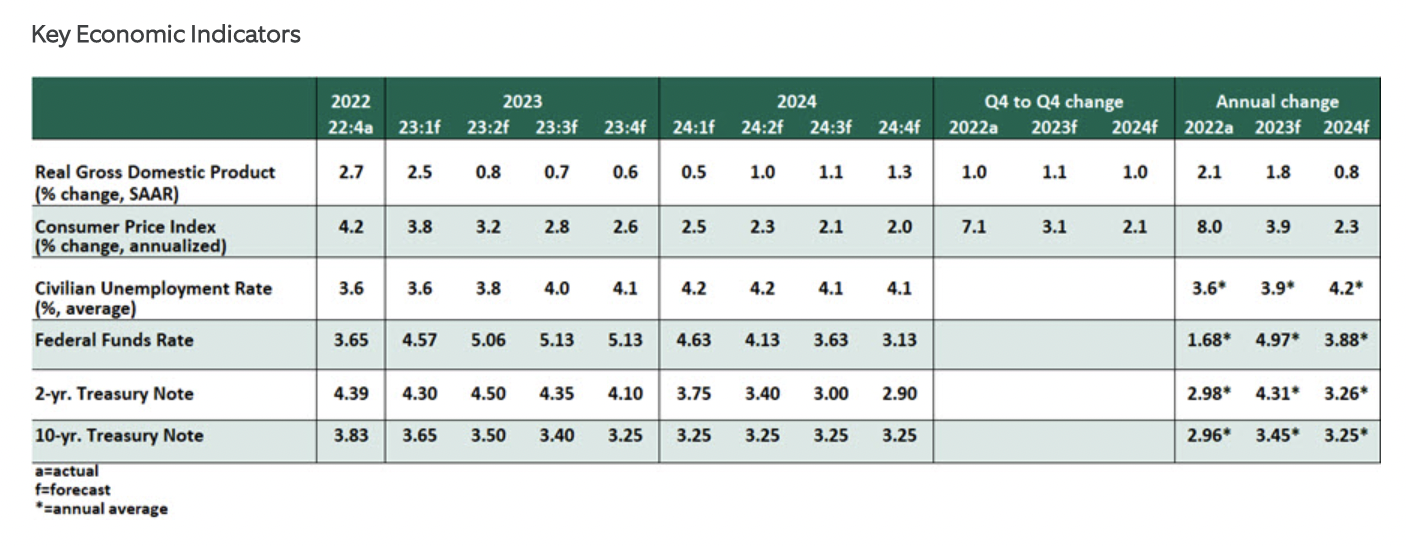
The Northern Trust Economics team shares its outlook for growth, inflation, employment, and interest rates.
A group of conservative Republicans representatives known as the House Freedom Caucus came out last week against any proposal that would lift the cap on deposit insurance, currently set at $250,000. Members of US Congress on both sides of the aisle are understandably cautious about taking such a dramatic step in the middle of an unfolding crisis.
The dollar has lost some of its luster over the winter. The twin supports of its status as the preferred haven during the pandemic and being backed by the world’s strongest economy are fading.
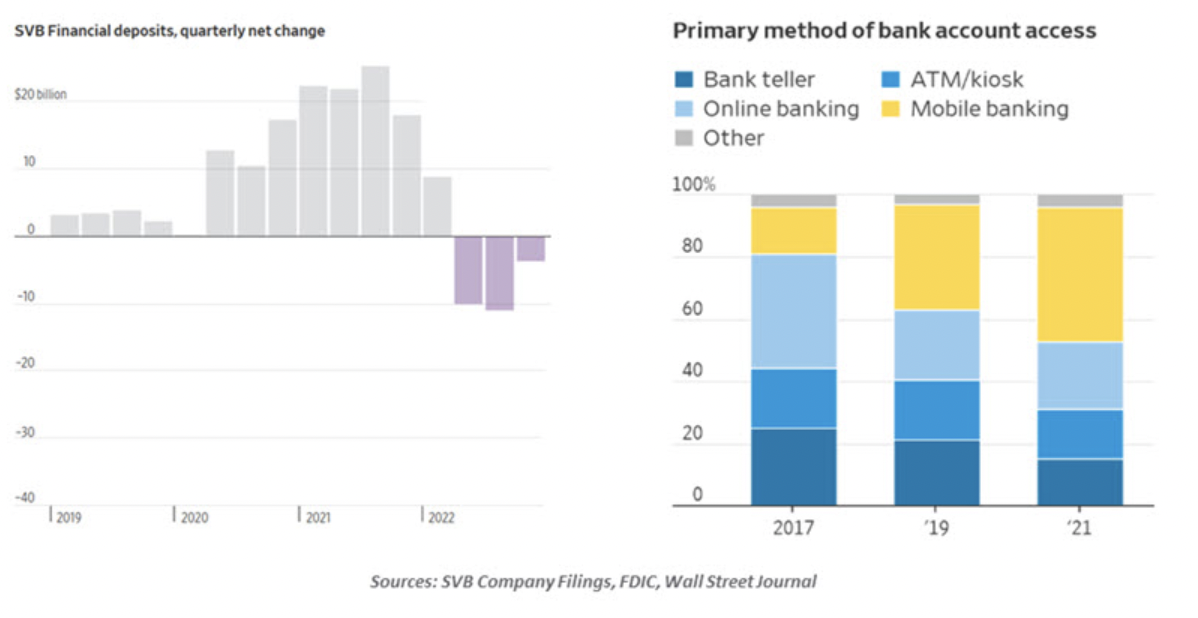
Congress is asking the Federal Reserve and other financial regulators what went wrong at Silicon Valley Bank and why they didn’t see it coming. In due course, they’ll admit some mistakes, draw some lessons and tweak some rules.
The Senate Banking Committee held a hearing to investigate the collapse of Signature Bank (SBNY) and Silicon Valley Bank (SIVB/SIVBQ) that brought to discussion possible changes for the entire banking system.
From the perspective of the U.S. stock market, 2022 was a miserable year (with the S&P 500 declining 19.4%), but until recently, 2023 was shaping up to be a stronger year.
In hindsight, it was obvious it wouldn’t last. Low interest rates — the result of shifts in the global economy, economic stability, low inflation and monetary policy — couldn’t stay at zero forever.
A year into its fight against inflation, the Federal Reserve could — just maybe — be done raising its policy rate. History shows that monetary policy pauses mark great buying opportunities for US stocks, but there are several key caveats to bear in mind this time.
The sudden loss of confidence by depositors in some US banks is causing many to focus on the scope for financial contagion and the needed policy responses. What should not be overlooked is the other, and slower, contagion channel in play — that involving enablers of economic growth...
Predicting spot exchanges is tricky, but there are still ways of adding value in currency markets, including through a disciplined approach we call currency factor investing.
The demise of a major bank illustrates the global tensions in the financial sector.
The Federal Reserve raised short-term interest rates by another quarter point on Wednesday.
The economic signals and a host of geopolitical risks confronting investors suggest that 2023 could be as challenging as 20022 for both stocks and bonds.
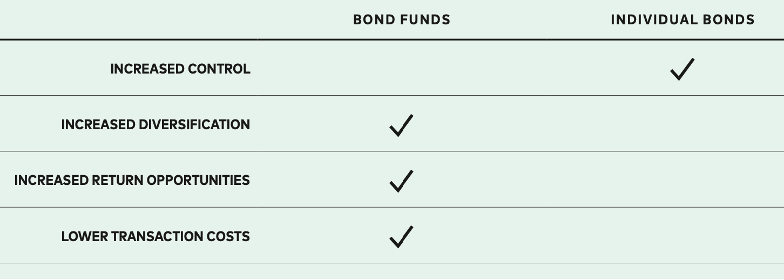
Should investors build their own portfolios of bonds, or buy shares of bond funds? Is there an economic difference or just one of appearance? Are directly held bonds safer because they mature, and you get your money back? How should one decide?
The fallout from SVB will make the Fed's job more difficult.
Review the latest Weekly Headings by CIO Larry Adam.
Slower credit growth may curtail broader U.S. economic growth, taking pressure off the Federal Reserve.
Recently I saw someone share a clip from their weather app. It said, “Rain expected at 3 pm,” right above a little graphic showing a 30% chance of rain at 3 pm. What’s wrong with that picture?
The U.S. dollar remains the world’s top reserve currency for now, though its share of global central banks’ official holdings has slipped in the past 20 years. By contrast, the yuan’s share of official holdings has more than doubled since 2016.
China’s economy is in the early stages of a gradual, consumer-led recovery. In this issue of Sinology, Andy Rothman outlines why China’s opportunities outweigh risks.
The GMO Focused Equity team has evaluated banks in the context of our Quality Strategy for 20 years, using both quantitative and fundamental analysis to invest in high-quality banks with healthy financials and in our opinion responsible management practices.
Yesterday, the Fed raised its benchmark interest rate 25 basis points to a 4.75%–5.0% range and signaled that one more hike is likely this cycle.
To help understand the current market volatility arising from the collapse of banks in the United States and Europe, Head of Franklin Templeton Institute Stephen Dover provides his answers to three crucial questions.