Does stock risk decline the longer the holding period is? It’s a great question and something I received a comment about.
Yesterday, we got a 3.0% inflation reading, which was a touch below expectations. Markets responded about as you might expect.
The bond market’s re-energized bulls may want to dial down their excitement because their fortunes hinge on whether an abstract, almost elusive number, is as low as they assume.
The dollar has defied predictions of a prolonged slump since at least the beginning of the year but top money managers say it’s now on borrowed time as US exceptionalism wanes.
Call me superstitious or contrarian — or maybe just a procrastinator — but I only started worrying about a recession last week.
Jeff and Ron Muhlenkamp provide an update on the possibility of a U.S. recession, analysis of the Fed’s fight against inflation, and a report on the stock market.
Millions of young Americans will face the end of the student loan payment moratorium this summer. Why is this happening now, after a three-year break from payments?
What a year it has been for financial markets. There have been several negative factors in play, including a high-single-digit inflation print, the ongoing war in Ukraine, and several regional bank failures. Nonetheless, the S&P 500 finished the second quarter up 17 percent for the year. Go figure!
Municipal bonds posted positive absolute and relative performance in June. Modest primary and secondary supply was outpaced by improved demand. While July has historically been a top-performing month, we maintain some near-term caution.
Chief Economist Eugenio Alemán and Economist Giampiero Fuentes note that while it is taking longer to bring inflation down, the Fed will continue to conduct monetary policy to reach its target rate.
It will be increasingly important to consider the best ways to connect with and support Gen Z as they make some of their biggest financial decisions.
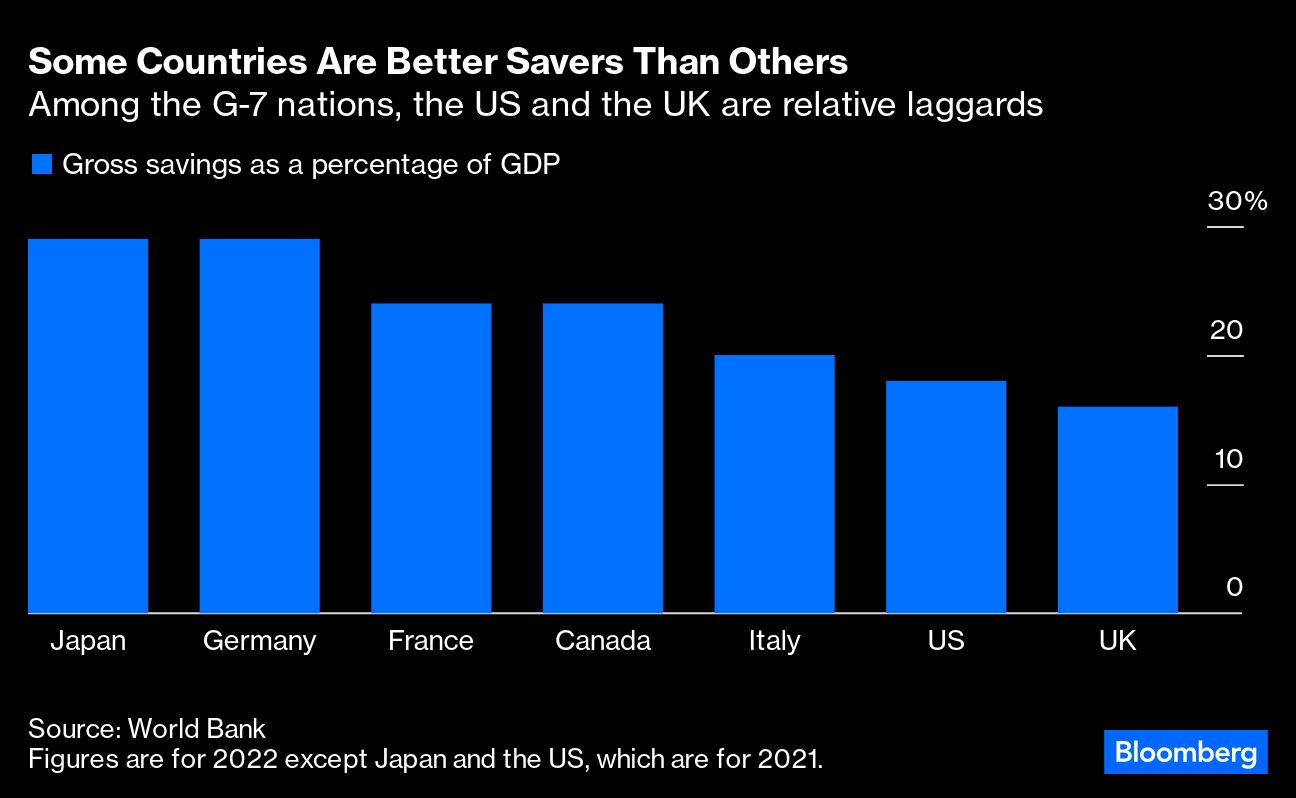
One way to deal with the current global economic uncertainty is to search for consistent and reliable indicators to help you navigate the chaos. Another way is to focus on some time-honored verities about savings and human capital.
In his latest paper, James Montier lays out a framework for spotting what he terms “slow burn Minsky moments,” or the economic vulnerabilities associated with the build-up of private sector debt.
Formed in 2017, the firm is headed by ETF visionaries Bruce Bond and John Southard, founders of PowerShares ETFs, one of the largest ETF providers in the world.
Factor investing can help drill through broad sector labels to help investors better understand past performance and expected returns.
Prior to 2008, when the Federal Reserve ran a “scarce reserve” monetary policy, just about every bank in the US had a federal funds trading desk. These trading desks lent and borrowed federal funds (reserves) amongst each other.
Chief Economist Eugenio J. Alemán discusses current economic conditions.
An upturn in residential activity may be the next inflation challenge.
Global equity markets have had a very strong first half of the year, but it’s a pretty unusual time because, on the one hand, equities are contending with a pretty difficult macro backdrop.
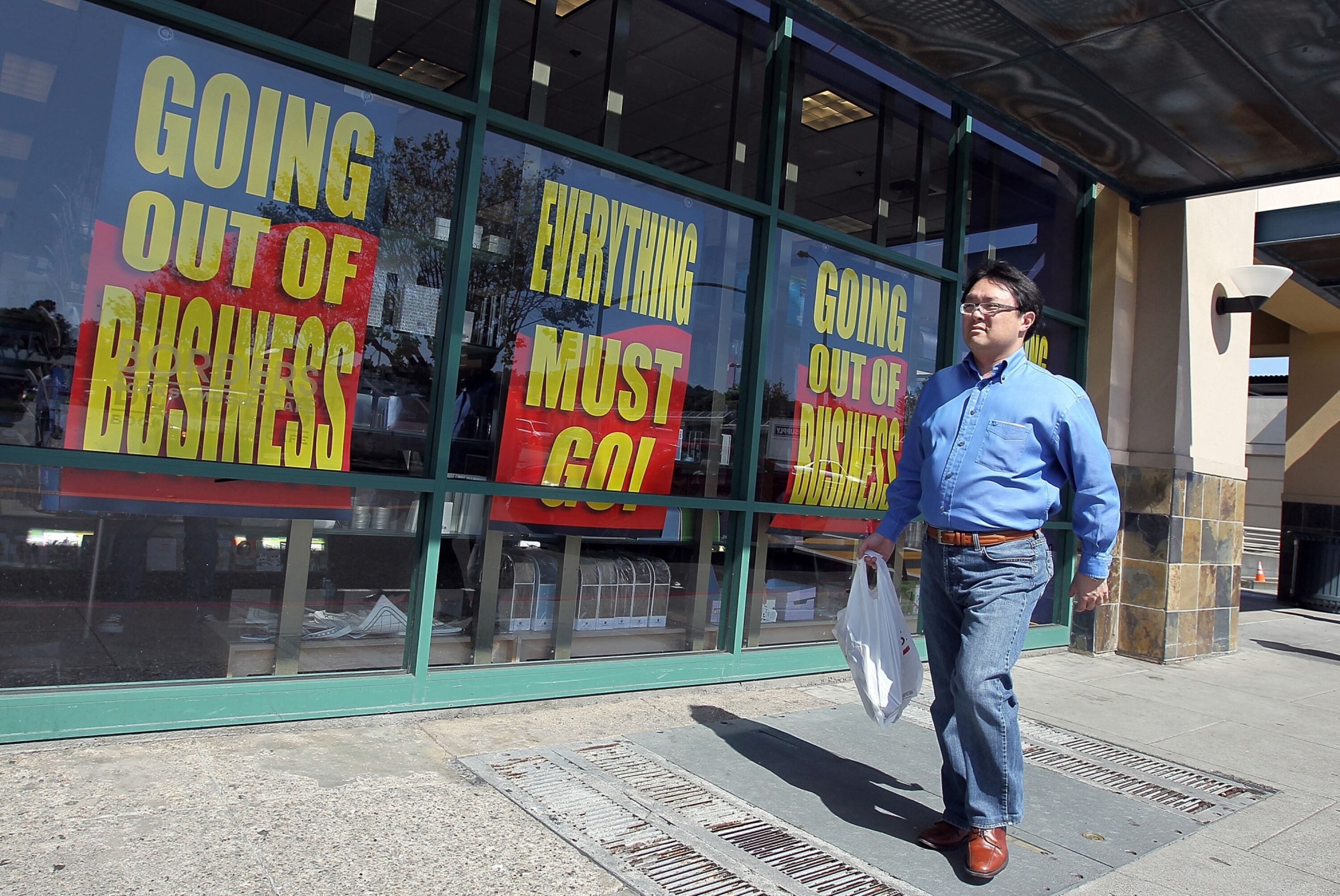
Business bankruptcies are surging around the world, in some countries reaching volumes not seen since the aftermath of the 2008 financial crisis.
Economic indicators are released every week to help provide insight into the overall health of the U.S. economy. In this article, we cover three of the most important economic releases from the past week: the BLS employment report, job openings, and labor turnover (JOLTS), and the ADP employment report.
Higher expected corporate earnings mask broad pressure under the surface. We see more earnings pain ahead and look for opportunities at the sector level.
We’re tactically cautious on developed-market equities with a broadly risk-off stance, but we have a relative preference for emerging-market (EM) stocks over a 6- to 12-month horizon.
The recent collection of labor data has painted a mixed jobs picture, but underlying wage strength and still-strong payroll growth will likely keep the Fed in a hawkish position.
VettaFi’s coming Fixed Income Symposium is timed to go live just days before the next FOMC meeting. The Symposium goes live on the 24th and the next FOMC meeting is scheduled for July 25th – July 26th.
VettaFi’s Dave Nadig checks-in on some of the hottest ETF topics over the past several years. Cambria’s Meb Faber discusses the firm’s continued growth and spotlights the Cambria Shareholder Yield ETF (SYLD). Strategas’ Todd Sohn provides the 10 ETFs he’s using to track market conditions in the second half of 2023.
Our money scripts have an impact on the way we think about final expenses for our loved ones and ourselves.
In his latest memo, Howard Marks discusses five market calls he’s made during his career. He argues that investors seeking to know the market’s likely direction should focus on taking its psychological temperature and understanding the nature of cycles. Just as importantly, they should learn to control their own emotions and have the humility to know when not to make a call.
We have announced our Venerated Voices™ awards for commentaries published in Q2 2023.
A pair of exchange-traded funds tracking corporate credit saw a nearly $2 billion flight after data underscoring jobs strength solidified bets the Federal Reserve will resume its interest-rate hikes.
I discuss recent regime changes and reveal findings from the SPIVA scorecard and Morningstar’s U.S. Active/Passive Barometer.
The world’s sovereign investors are seeking to boost investment in bonds as yields rise, while a freeze on Russian assets has increased their demand for gold, Invesco Ltd. said in an annual report.
There's more pain on the way for the S&P 500 as profit warnings and fears of higher interest rates combine to threaten the key US stock indicator, according to the latest Markets Live Pulse survey.
A year ago this week, the US government told us that inflation as measured by the Consumer Price Index soared to 9.06% in June 2022 from a year earlier, the highest reading since 1981.
Shifting the risk-reward ratio in your favor.
Following a strong start to 2023, CIO Larry Adam and his team share their outlook for the remainder of the year.
Low commodity prices are containing inflation in emerging markets.
Debt-financed fiscal policy is driving much of today’s high inflation, but as pandemic-era measures fade, central banks will likely return to their key role in managing price levels.
Steadfast global resilience to recession highlighted the quarter, although the outlook hasn’t necessarily improved. But with labor markets tight and wages keeping pace with inflation, consumers are navigating the economy’s rough patches. Still, we expect growth to slow in time.
One of the hardest parts of economic forecasting is separating what we expect from what we want.
The second half of 2023 has officially begun, meaning it’s time for us to reflect on the commodities market so far this year. Lithium increased by 10.81%, making it the best-performing commodity and one of only two that recorded a positive return, the other being gold.
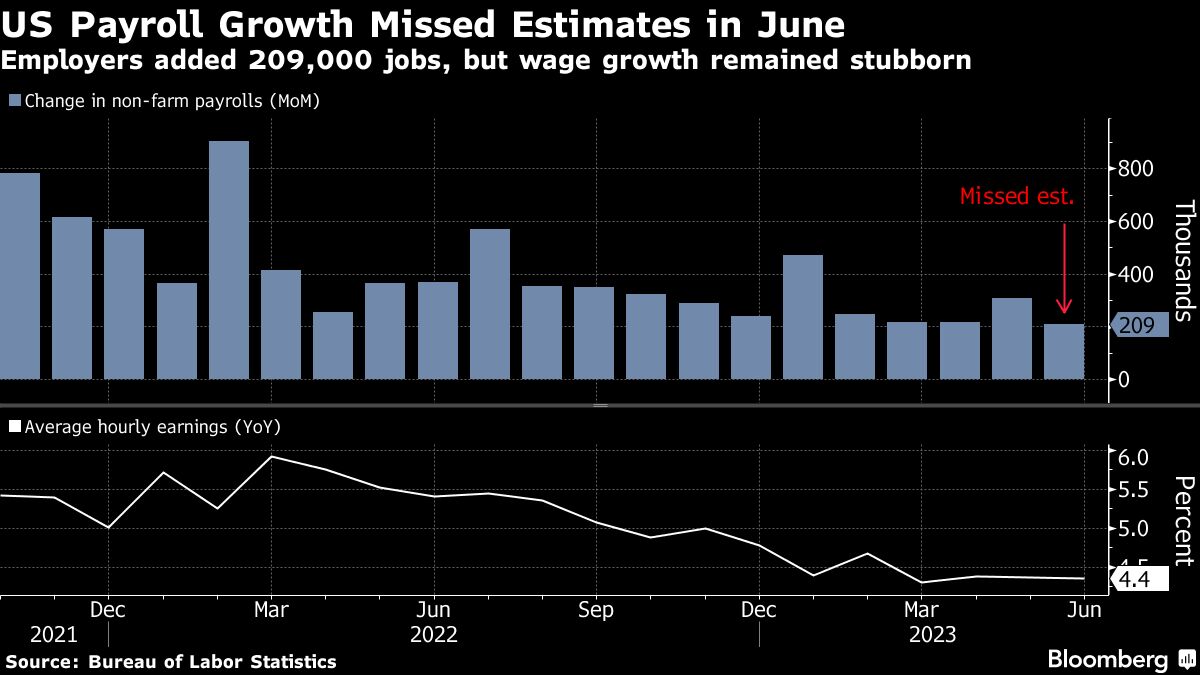
US job gains moderated in June while wage growth remained firm, showing a strong enough labor market to keep the Federal Reserve on track to raise interest rates this month.
The ARCS strategy is a currency management strategy that gives a diversified exposure to three factors: Carry, Value and Trend.
The cognoscenti may have been too quick to declare the end of the Great Resignation.
Corporate credit has failed to live up to lofty expectations of double-digit returns so far this year, fueling a string of bearish bets into the second half of 2023.
A summer real estate market should help heat up the sector amid relatively high-interest rates. If the real estate market is indeed in recovery mode, that’s just what it needs for bullish momentum.
This week the VettaFi Voices discuss what lies ahead for the U.S. economy and U.S. markets. Consumer confidence ticked up significantly from 102.5 in May to 109.7 in June.
Bond investors are bracing for fresh signs of strength in the US labor market on Friday after Treasuries tanked on fears the Federal Reserve will hike interest rates higher than previously assumed.
Throughout 2022, high levels of volatility across all major asset classes created a difficult environment.
There is renewed anxiety among central bankers in the face of sticky inflation.