A long-delayed plan to build a hydropower plant on the Ruzizi River between Rwanda and the Democratic Republic of Congo received a boost amid US-backed peace talks between the two countries.
The maturity and prevalence of indexing on the equity markets have undeniably blurred the lines between active and passive management. Investors should be concerned because what appears to be a rules-based, transparent, low-cost strategy may involve hidden active choices that influence returns, risk and transaction costs.
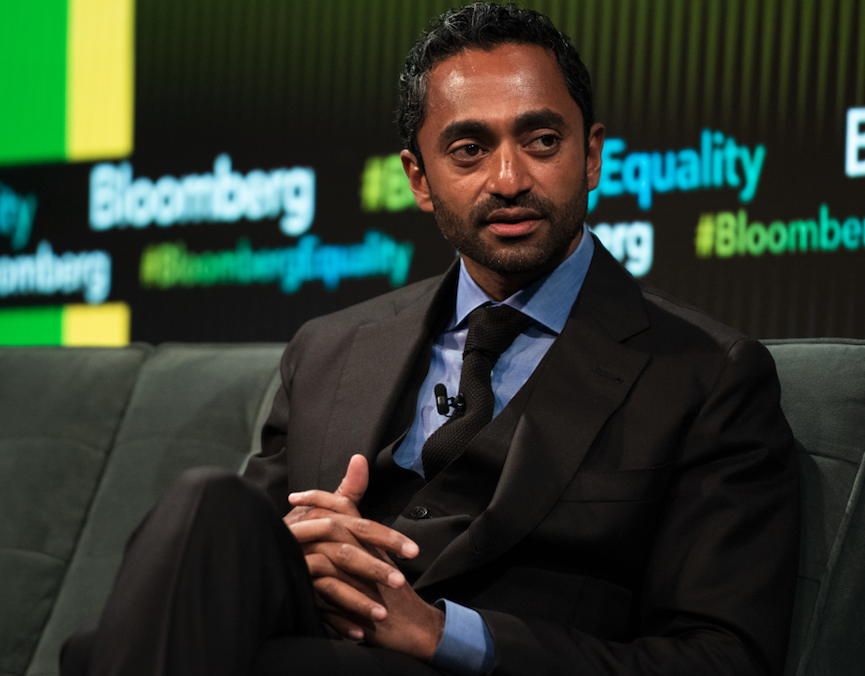
In this video, Chuck Carnevale, co-founder of FAST Graphs, aka Mr. Valuation, discusses the principles of value investing and how understanding a company’s intrinsic value is key to making sound investment decisions.
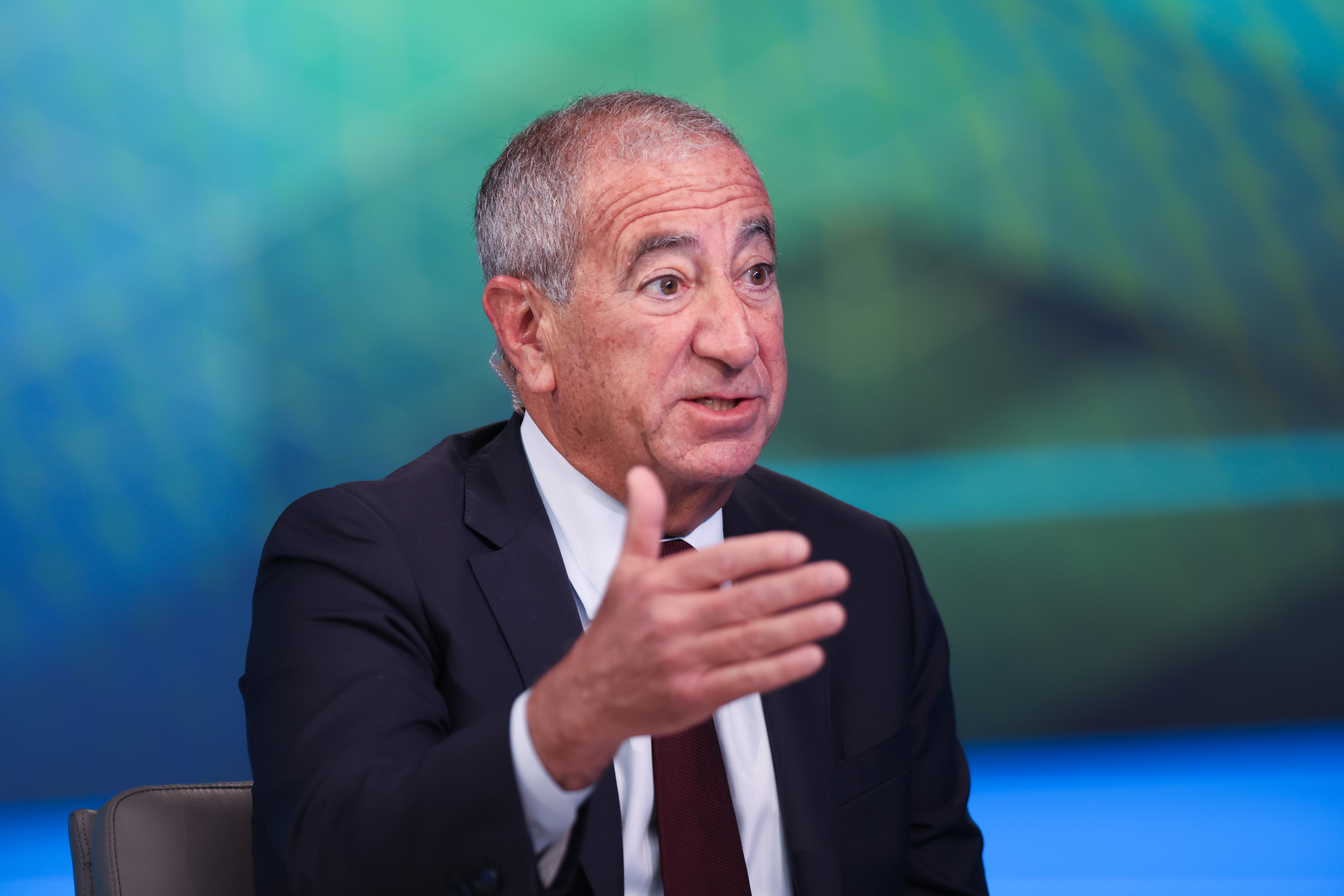
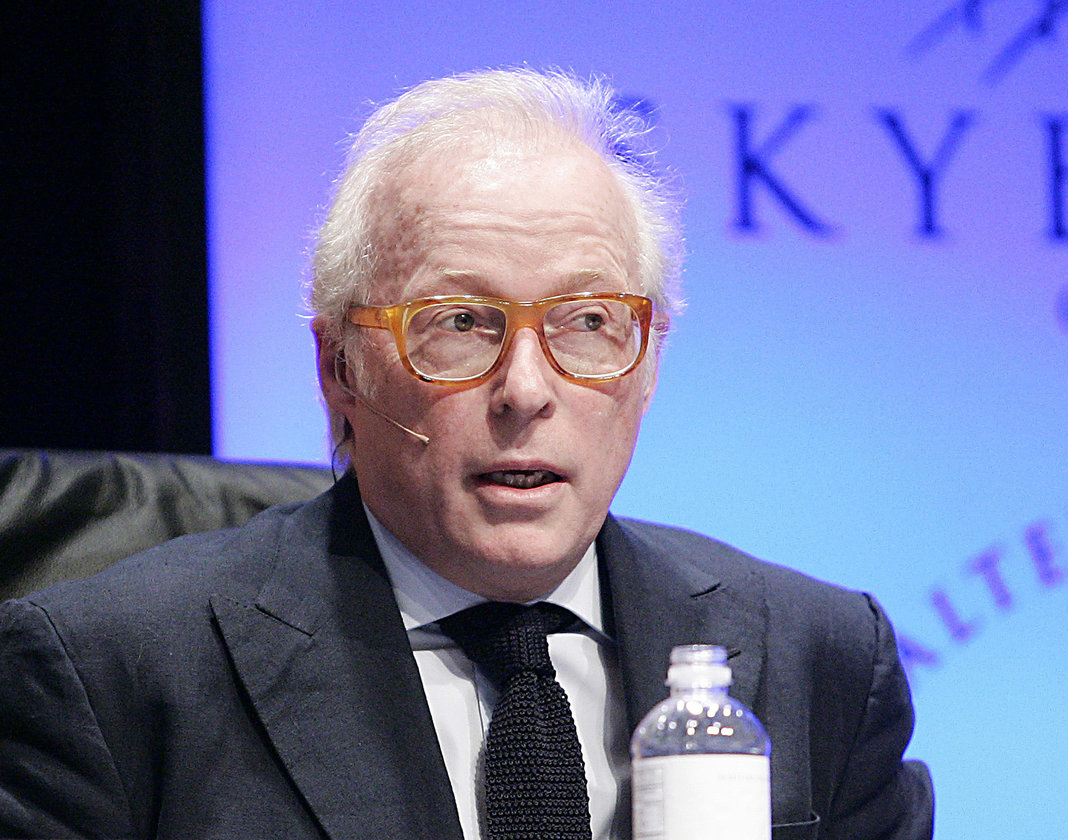
Ken Moelis, the veteran Wall Street dealmaker, predicted a golden era of prosperity across the globe, shrugging off tariff uncertainty and wars in the Middle East.
OBBBA sets a path for more borrowing ahead.
The US Census Bureau’s May retail sales report came in weaker than expected, with the headline measure — total nominal sales — down 0.9% on the month. It’s the largest drop in nearly two years and reflects broad-based softness across categories like autos, gas stations, and restaurants.
The old Wall Street quip about economists having “predicted nine of the last five recessions” has never felt more painfully relevant.
Following a surge in new listings by special purpose acquisition companies, one can’t help but worry about how astonishingly short Wall Street’s memory is. T
It’s said nothing in life is certain save death and taxes. There is also certainly an increase in investors’ appetites for nontraditional instruments like hedge funds as their wealth grows.
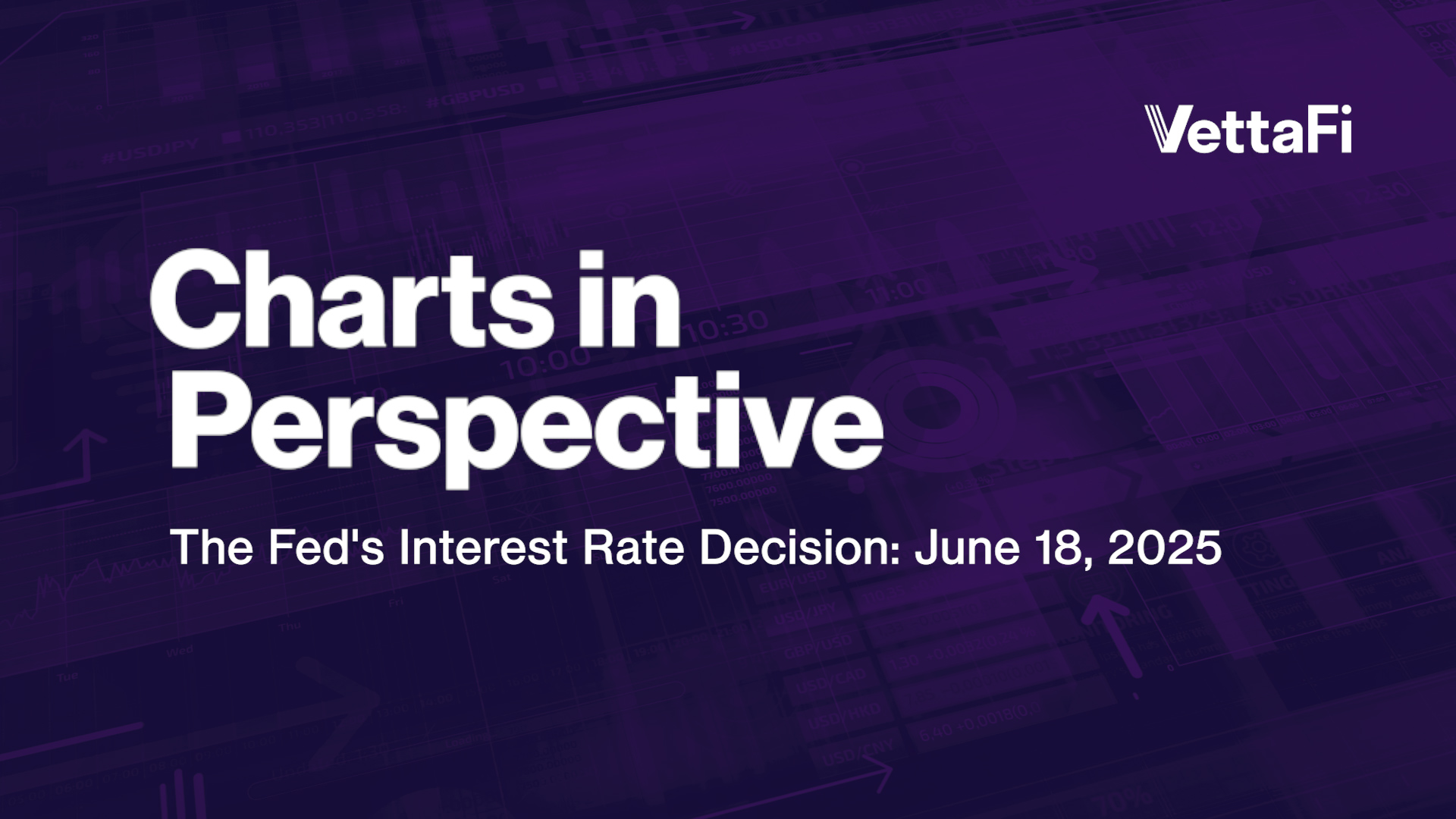
The Federal Funds Rate (FFR) is the interest rate banks charge each other to borrow money overnight. It's set by the FOMC and is one of the Federal Reserve's primary tools to implement monetary policy and is a key driver of economic activity. This video examines the Federal Funds Rate and reviews the Fed's latest interest rate meeting.
TMX VettaFi has gathered industry experts and thought leaders for the Midyear Market Outlook Symposium happening June 26 at 11 a.m. ET.
Wealth management firms that embrace AI chatbots and continuously refine their data strategies can stay ahead of the curve and deliver superior value to their clients.
Why are we still making high-stakes economic policy based on lagging surveys and statistical approximations? The answer lies in a system that hasn't kept pace with modern realities.
While both valuation and technical factors suggest to us that the dollar may continue to weaken in the near-term, we would caution investors against reading too much concerning the US’ long-term economic stability into further dollar weakness.
During our June 5th ROBO Global Webcast, we covered three key themes driving the robotics and AI investment landscape.
If you are considering merging or acquiring another practice, consider having each party answer some of the following questions to see where you both stand.
Just when the International Monetary Fund sees slower growth around the globe, the economy the World Bank ranks 112 out of 196 based on gross domestic product is leading everyone – with the opposite outlook.
AQR Capital Management is doubling down on a strategy that seeks to juice returns with leverage for its first new US mutual funds in four years.
One of Europe’s largest pure-play banks, which is controlled by members of Qatar’s ruling family, is expanding a partnership with BlackRock Inc. to bolster its investing services.
Froth in the red-hot private credit marketplace is creating opportunities in the world of public high-yield debt, according to George Gatch, JPMorgan Asset Management’s chief executive officer.
The United Arab Emirates has managed to thrive during global instability, drawing capital during the Arab Spring, opening up quickly during the pandemic and attracting Russian money after Moscow’s invasion of Ukraine.
President Donald Trump’s economic policies will reduce US fiscal deficits by up to $11 trillion over the coming decade, according to the White House’s chief economist — a projection at variance with independent analysis.
Raymond James Ltd enters into agreement with FNZ to accelerate its digital transformation
How do direct indexing ideas fit into a fixed income portfolio? These two powerful strategies make one compelling combination with potential tax and risk management opportunities.
Inflation's trend has been favorable this year, but a growing conflict in Iran—combined with already-imposed tariffs—might put upward pressure in prices later this year.
Newsflow and misperceptions can obscure the drivers of profit growth—especially during a volatile year like 2025.
Doug Drabik discusses fixed income market conditions and offers insight for bond investors.
Foreign demand for U.S. Treasuries remains intact.
The recent decline in the dollar relative to other currencies is well within historical norms. Notably, previous declines were much larger without the “fear-mongering” from the “experts of doom.”
The U.S. strike on Iran over the weekend has added a modest premium to oil, and in the Sunday evening market, stocks opened only slightly lower. Any resolution to the crisis could send stocks to new all-time highs.
We have seen a lack of conviction from the Federal Reserve (Fed) in previous opportunities. Last year, during the first quarter, Fed members were spooked, as inflation numbers moved higher, changing their view on the path forward regarding interest rates.
Join Cohen & Steers for a timely webcast to explore why this overlooked asset class could be positioned for a powerful comeback.
VettaFi’s Todd Rosenbluth joins host Nate Geraci to break down the top ETF stories shaping the first half of 2025. Astoria’s Bruce Lavine dives into one of the industry’s hottest topics: 351 Exchanges – what they are and why they matter.
While private equity can deliver attractive entry points — particularly in dislocated markets — success hinges on investing with established, top-tier managers and maintaining deliberate vintage diversification.
Whether you’re breaking away from a wirehouse and going independent for the first time or looking for a greater degree of balance, there are opportunities for advisors to truly manage their practice the way they choose.
One serious risk to financial wellbeing in retirement that is difficult to talk about is financial exploitation. Someone whose cognitive abilities are declining is vulnerable to harm from both financial predators and their own financial misjudgments.
CEFs stand out due to their fixed capital structure, allowing portfolio managers to focus on long-term investment strategies without the need to manage daily inflows and outflows.
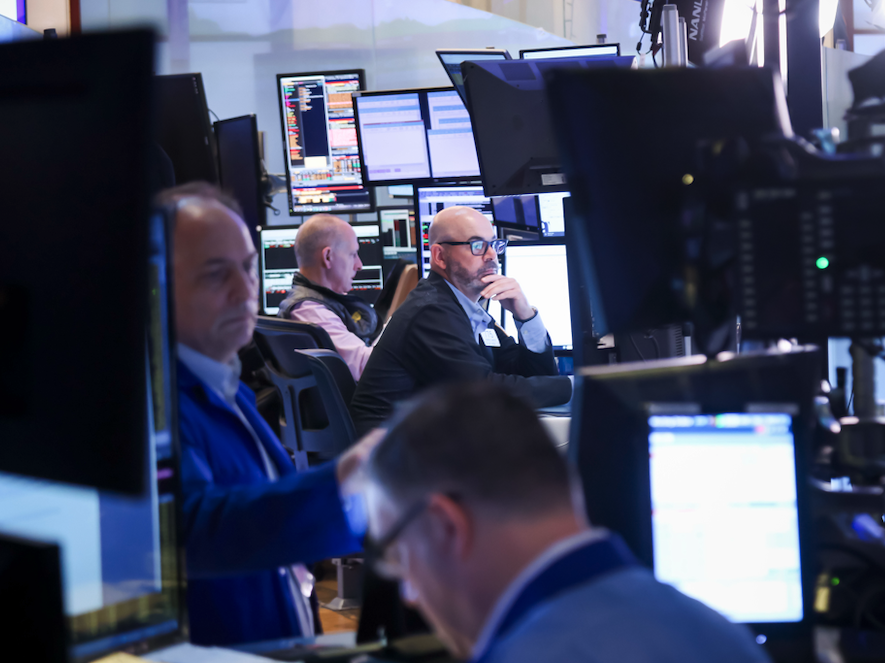
As tensions in the Middle East mounted to start the week, Wall Street strategists had a message for US equities investors: Stay calm and buy into market declines. The call looked prescient on Tuesday after President Donald Trump announced a ceasefire between Israel and Iran.
If we’ve seen the worst of the oil price shock from the Israel-Iran conflict, then another ostensible impediment to Federal Reserve interest rate cuts may have just disappeared.
Now that the Big Tech conference season is behind us, the smart money in Apple Land is saying that Chief Executive Officer Tim Cook should be preparing to open his checkbook for a huge AI deal, so apparent are the company’s shortcomings.
Investors have been waiting years for the chance to buy a stake in hedge fund Millennium Management.
The current round of budget discussions in Washington will have a significant impact on America’s fiscal trajectory decades into the future. A key underpinning of this year’s debate has roots that go decades into the past.
When navigating the unknown, an experienced guide can ensure you don’t veer off the path to your chosen destination, can prevent you from stumbling over hazards, and ensure you have the tools you need to finish the journey safely and soundly.
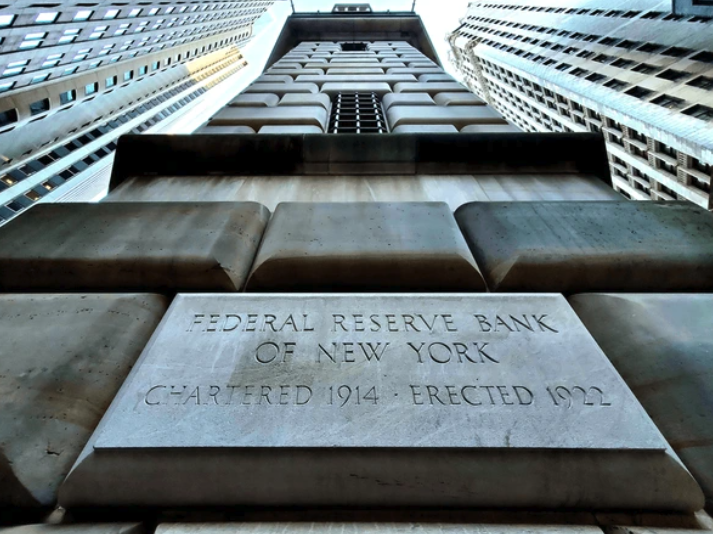
For the fourth meeting in a row, the Federal Open Market Committee (FOMC) decided to keep rates unchanged, leaving the Fed Funds trading range at 4.25%–4.50%.
The U.S. Dollar Index, when measured against a basket of other major currencies, has declined by approximately 10% this year through mid-June and is currently trading at its lowest level in three years.
Like all appetites, the consumer typically reaches some point of appeasement. That could be the case for central bank gold purchases, which have started to show signs of receding. But market experts do not see it faltering anytime soon.
In a new Siemens AG factory that makes large switchboards for data centers in Fort Worth, Texas, artificial intelligence is doing a lot of work.
Looking back on it, the first quarter of the year was a complete anomaly. Real GDP declined at a 0.2% annual rate, and the left side of the political spectrum said this proved current policies were a disaster.
Portfolio Managers John Kerschner and John Lloyd and Client Portfolio Manager Steve Preikschat investigate the case for multisector bond funds as a core fixed income allocation.
Federal Reserve Vice Chair for Supervision Michelle Bowman warned the current approach to leverage ratio requirements has led to unintended consequences in the market while adding she could support lowering interest rates as soon as July.