Today’s LPL Financial Chart of the Day spotlights the seasonal setup for stocks in August.
It happened quickly. One minute, the focus was on the furious nature of stocks’ rebound off the April 8 lows. The next minute you start hearing strategists, including ourselves, making references to 2021.
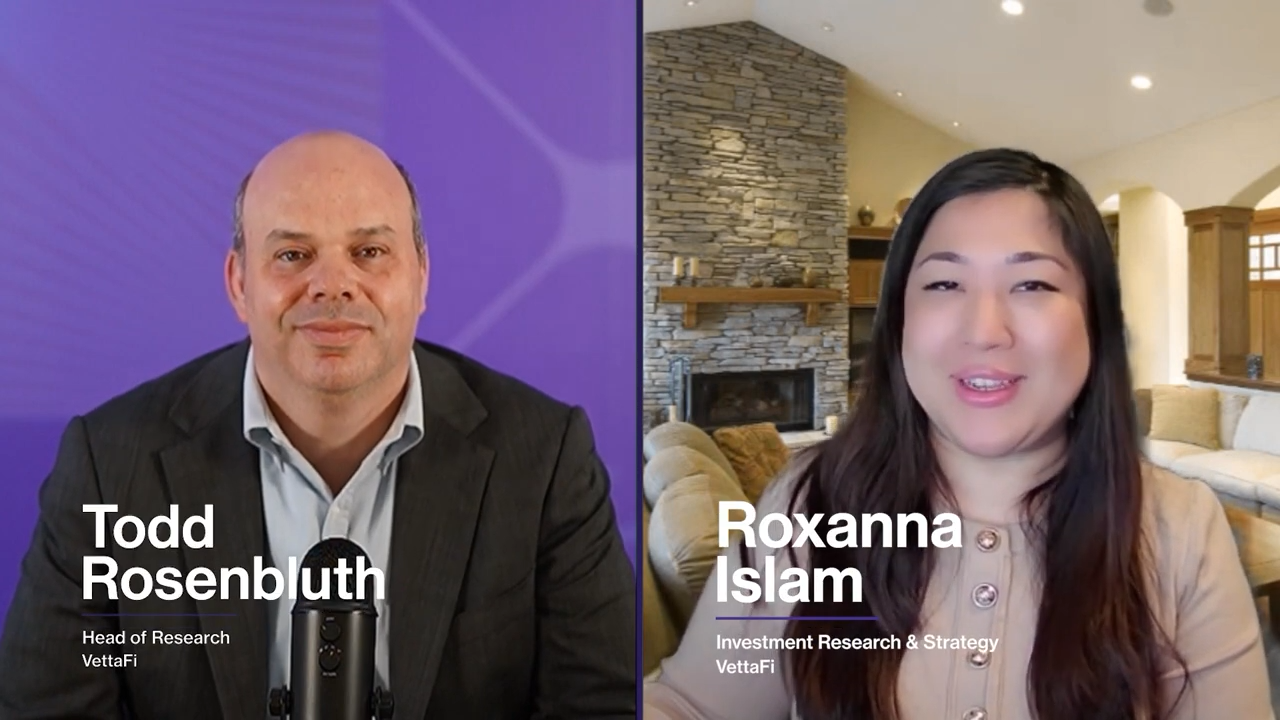
Bitcoin continues to draw investor attention and interest as prices climb higher and fundamentals strengthen. Matthew Kimmell, digital asset analyst at CoinShares, joined Roxanna Islam, CFA, CAIA, head of sector and industry research at VettaFi in the Alternatives Symposium hosted on the VettaFi platform.
Emerging markets (EM) could finally be in the throes of a comeback, and there are already signs it could be in its early stages.
VettaFi research colleagues spotlight some of the top trends in the first half of 2025 and preview what's to come in the ETF market."
Investors in US Treasuries will scour employment data Friday for clearer evidence of a hiring slowdown that could open the door to the Federal Reserve cutting interest rates in September.
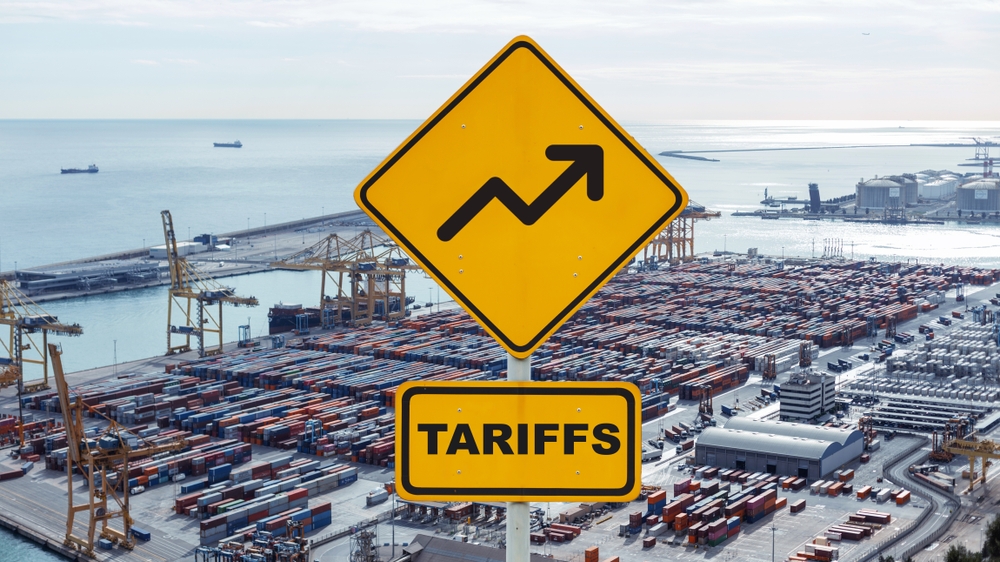
Four months after Donald Trump shocked the world and roiled markets by unveiling a placard full of tariff rates at the White House Rose Garden, his revisions unveiled Thursday generated a more subdued response among investors.
The nimbleness of corporate America is on full display this earnings season, with a little assist from fiscal policy.
We are entering a Golden Age of big business. Or, depending on how you look at it, a Dark Age for small business.
Did tariffs help Apple Inc. to a blowout quarter?
A wise man once said that generally accepted accounting principles (GAAP) is where you start. It may not be the most economic way of looking at a business for various reasons.
Fixed income investors often think of changes in US Treasury rates as the tide that lifts or lowers all other domestic bond yields.
Federal Reserve officials leave short-term interest rates unchanged but appear to open the door for a potential rate cut later this year.
Emerging markets (EM) local currency debt posted strong returns in the second quarter, building on momentum from earlier in the year.
Thanks to AI, cloud computing, and renewable energy reshaping the global economy, one under-the-radar sector surging to the forefront is utilities. Long considered a sleepier, more defensive, “old economy” play, utilities stocks and ETFs are quickly becoming the backbone of the digital and green revolution.
An ambitious policy yielded great gains and high debts.
The US-Japan deal may mark a pivotal moment for global equity investors, according to Dina Ting, Head of Global Index Portfolio Management. Find out why.
For the fifth meeting in a row, the Federal Open Market Committee (FOMC) decided to keep rates unchanged, leaving the Fed Funds trading range at 4.25%–4.50%.
Speculation may be running rampant—much like past bubbles—but that’s exactly why long-term investors should be optimistic. As past bubbles eventually gave way to investment opportunities, this environment could set the stage for powerful long-term returns.
Investing in commodities can be a difficult path for investors who react impulsively to market headlines and short-term price movements.
The need for strategies targeting AI opportunities across the value chain has become a necessity for investors.
Join us for the Alternatives symposium as we explore non-traditional approaches, investment strategies, and innovative financial models that provide alternatives to conventional financial systems and investment practices
The Federal Reserve held rates steady for a fifth consecutive meeting, though murmurs have begun in the Fed ranks that the time for more cuts is approaching.
President Donald Trump has put the Indian prime minister in a tight corner. The 25% tariff that he says he’ll impose on US imports from the most-populous nation isn’t significantly higher than the rates he has announced for Southeast Asian countries like Vietnam, Indonesia and the Philippines.
In a May report on alternative scenarios for the long-term US budget outlook, the Congressional Budget Office estimated the impact of productivity growth that was faster or slower than the 1% annual average in its baseline forecast. It made a big difference.
The Federal Reserve kept benchmark interest rates unchanged on Wednesday but edged closer to a resumption of cuts, perhaps as soon as the next monetary policy meeting in mid-September.
Consider the humble bank note. Wrinkled and torn as it may be, it’s the only government-issued legal tender — the only direct obligation of a central bank — to which most people have access.
On Wednesday, Mark Zuckerberg addressed every constituency that mattered.
With August tariff extensions looming, several major companies are now guiding for reduced tariff impacts, a shift that has helped boost market sentiment this earnings season.
Judging by soaring asset valuations in the wake of President Trump backing away from the worst-case tariff scenario, one could believe that the threat posed by upending the global trade framework has been removed. We are more circumspect.
Globally, stock markets are near their highest levels for the year, reversing the losses that came in the wake of the U.S. tariffs announced on President Donald Trump's declared "Liberation Day," April 2nd.
Doug Drabik discusses fixed income market conditions and offers insight for bond investors.
Tell me if this rings a bell. You worked hard your entire life. You maxed out your 401(k) every single year of your career and invested those assets inside your employer 401(k).
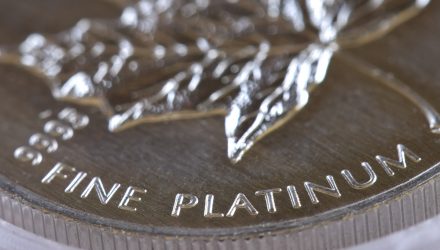
Platinum charted a 49.8 percent gain through H1, rising from around $900 an ounce in January to $1,360 at the end of June. That compares with a 25.9 percent increase in the price of gold and a 24.9 percent rise in silver.
Trade negotiations will reveal a nation's favored sectors.
On Tuesday, consumer products giant Procter & Gamble reported its latest quarterly results. Given the mixed signals on where inflation and tariffs stand for the long term, advisors and investors were eager to hear how the company is doing and what it’s doing to position for the long term.
Retirement saving in a 401(k) plan requires patience and discipline. Our Mike Dullaghan explains why it’s important to automate contributions, diversify, and stay committed to your plan.
Platinum has been relatively staid for much of the year before taking flight in June, rising 36% in Q2 and leaving other metals in the dust.
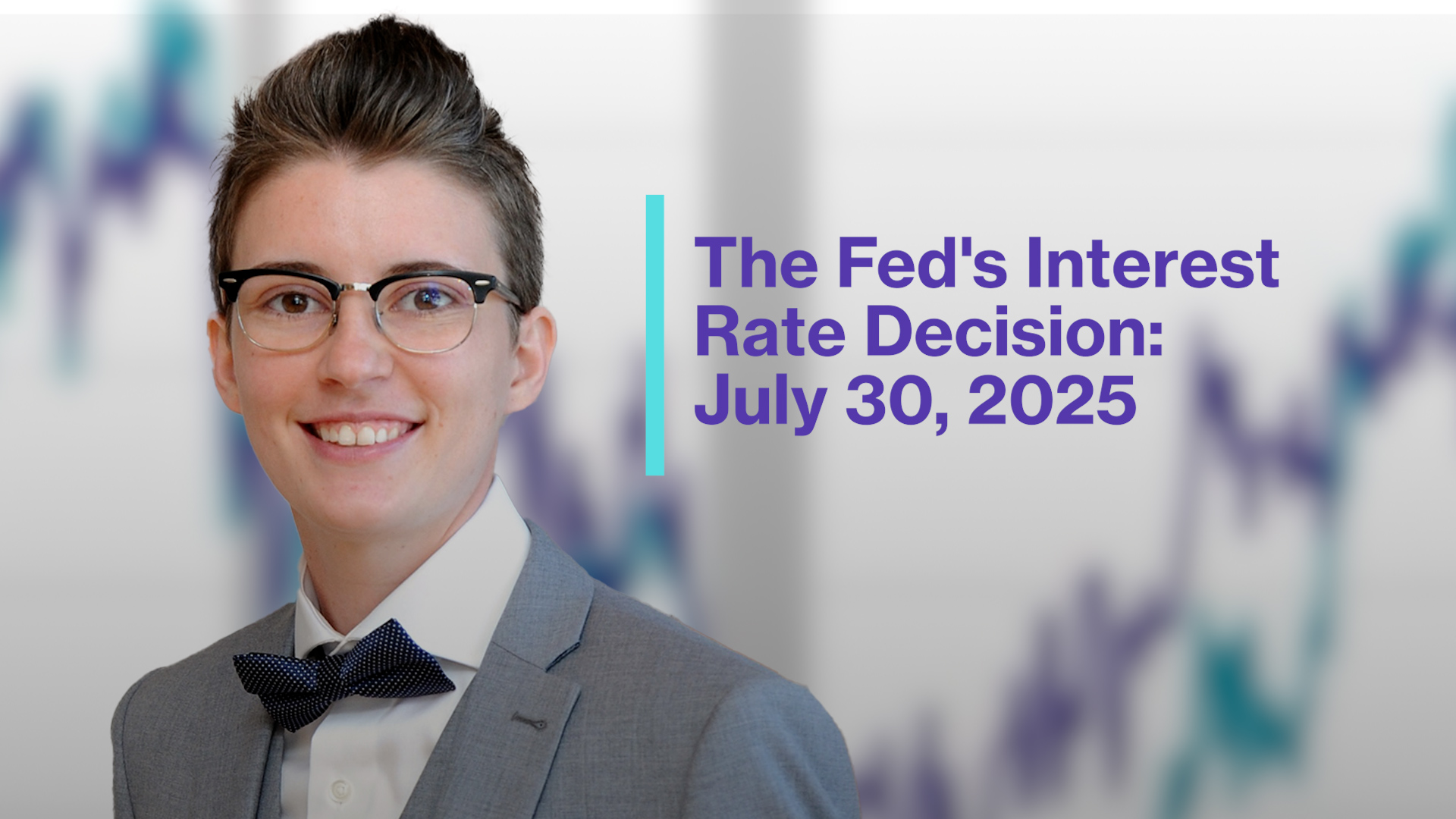
The Federal Funds Rate (FFR) is the interest rate banks charge each other to borrow money overnight. It's set by the FOMC and is one of the Federal Reserve's primary tools to implement monetary policy and is a key driver of economic activity. This video examines the Federal Funds Rate and reviews the Fed's interest rate meeting on July 30, 2025.
This week’s column is devoted to the advisors over the years who have shared stories with me that have stuck with me. These anecdotes have reminded me we can’t take anything for granted and being safe is better than sorry.
Meeting AI is no longer a nice-to-have — it’s become a core part of the advisor tech stack almost overnight.
A good RIA will focus on the “mechanical” parts of post-M&A integration. But great RIAs will pay just as much attention to the human side of integration.
US buyers have been coming for the UK’s top companies, and now they are coming for its bankers. You can see why London-based boutique Robey Warshaw is selling itself. For New York-based buyer Evercore Inc., it’s more a calculated gamble.
China’s current AI frenzy represents the best and worst of classic capitalism: The competition propels innovation at a rapid clip, but not all of the companies will survive over the next five or 10 years.
Instead, a new group dubbed the “Terrific 20” — spanning real-economy sectors like financials, energy, industrials, and consumer — has led the rerating. Their forward valuations have risen ~50% in two years, making a larger portion of the market look expensive.
Coders who use artificial intelligence to help them write software are facing a growing problem, and Amazon.com Inc. is the latest company to fall victim.
Constant threats are souring U.S. relations with its trading partners. Stop-gap deals of the kind agreed recently will not mark the end of the trade war, as the pacts leave high tariffs in place.
The U.S. economy is still proving resilient despite global tensions and trade barriers. The news of a 15% EU deal is very encouraging, and there were few other restrictions in the preliminary agreement.
With the August 1 trade deadline fast approaching, America’s trading partners are racing to finalize agreements in hopes of securing more favorable terms before the higher tariffs announced by President Trump take effect.
US equities underperformed global markets in the first six months of 2025, but continue to trade at a premium to foreign markets. ClearBridge Investments outlines the case for global diversification.