Rare earth magnet producer MP Materials Corp. secured a $400 million equity investment from the US Department of Defense to build a new plant, with a $1 billion financing commitment from JPMorgan Chase & Co. and Goldman Sachs Group Inc. The shares soared.
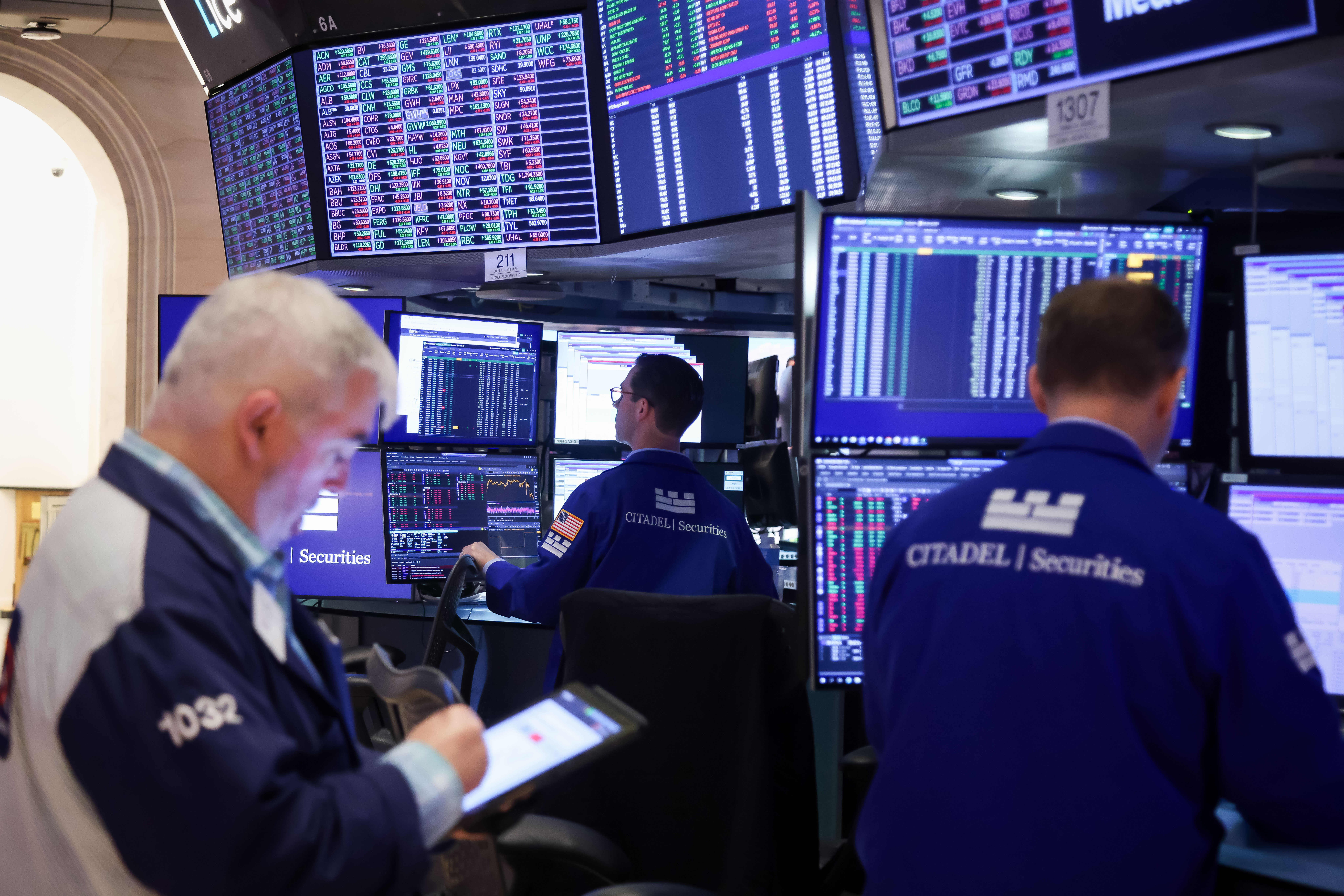
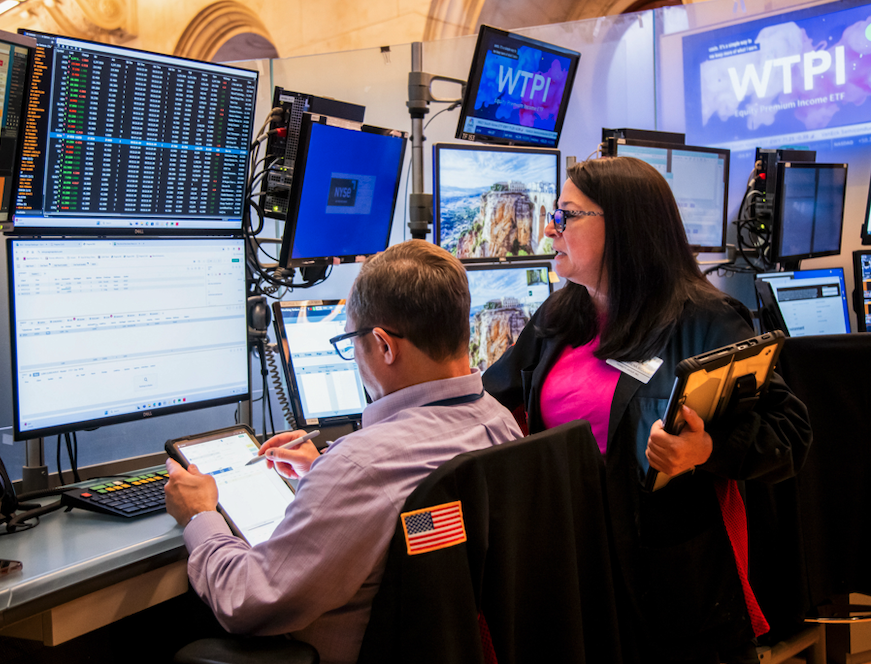
US equities swung between small gains and losses at the open Thursday as investors parsed through a slew of tariff headlines and looked ahead to corporate results that are due to start in the earnest next week.
Private equity firms are bringing their portfolio companies back to the US IPO market, testing investor demand for firms that have more debt than other recent listings.
The Treasury market rallied after an auction of 10-year notes drew strong demand, easing concerns that investors will balk at financing swelling US deficits.
Liberation Day seems like a lifetime ago. But the 90-day pause is almost over, and—thus far—there are few deals that have been consummated.
We expect tariff policy to remain a key part of the narrative pushed by the administration.
In this month’s issue, Franklin Templeton Emerging Markets Equity explains how markets in many regions are weathering US policy uncertainty and offers an upbeat assessment of Vietnam after a recent research visit.
In the weeks leading up to last month’s Israeli and U.S. strikes on Iran, oil prices climbed – not due to actual supply disruptions, but in response to a geopolitical risk premium.
In this article, you’ll learn how to evaluate crypto ETFs with the same rigor you apply to traditional investment products.
A new era of regulation is bound to bring high hopes for the crypto bulls. House Republicans are now gearing up for “Crypto Week” – during which the committee has agreed to prioritize digital asset legislation and review several crypto-related bills.
At the recent 2025 Morningstar Investment Conference, CEO Kunal Kapoor highlighted a growing trend that is reshaping the investment landscape.
Our strategy work and quantitative insights suggest the conditions behind more than a decade of U.S. equity outperformance are starting to shift.
Our long-time investors are probably wondering why we haven’t made any gains over the last 18 months.
Join the experts at CoinShares as they explore Bitcoin in the current environment and the long-term prognosis. Discover how it stacks up against more traditional assets.
Looking at the first half of 2025 reveals a nuanced landscape for private equity (PE) and principal investors.
This video examines and compares the two main measures of inflation: the Personal Consumption Expenditures (PCE) Price Index and the Consumer Price Index, with data through May 2025.
The artificial intelligence investment landscape reached a critical inflection point in Q2 2025, with the ROBO Global Artificial Intelligence Index (THNQ) delivering exceptional returns of 24.4%.
Advisors who rely solely on instinct or inertia will get left behind, because having a real business plan is a powerful differentiator. But any plan is only as strong as its execution.
ClearBridge Investments believes positive forces from One Big Beautiful Bill Act passage and future interest rate cuts should soon outweigh negative forces of tariff actions.
If you're thinking about adding subscription services to your financial planning practice, you're not alone. More advisors are moving beyond the traditional AUM model to offer monthly subscription plans, and for good reason.
Most of us grew up in an era in which you simply had to figure things out on your own, but that’s no longer how it works in business today. The stakes are higher, the competition is fierce.
Reckoner Capital Management is testing investors’ hunger for a new category of risky bets with an exchange-traded fund that uses leverage to juice returns on collateralized loan obligations.
Wall Street’s latest tax dodge doesn’t hide in the Cayman Islands or rely on complex derivatives.
Futures traders have been unwinding some large bullish bets on Treasury bonds, adding to the recent upward pressure on US yields after a surprisingly strong jobs report last week.
Wall Street’s latest tax dodge doesn’t hide in the Cayman Islands or rely on complex derivatives. It’s engineered to turn a publicly traded fund into a tax-minimizing machine that hums quietly on autopilot.
Opinions of the One Big Beautiful Bill tend toward the extreme. One of its main authors calls it “the greatest piece of Republican legislation in a generation,” while one of its most authoritative critics says it makes him ashamed to be an American.
Nearly six months into Donald Trump’s presidency, a Trump Doctrine is coming into view.
Markets rebounded sharply in 2Q 2025 following April’s tariff-driven selloff. Our mid-year market outlook breaks down the recovery, Fed policy, and where to invest next.
Are interest rates too high? A lot of people think they are, and a growing chorus of voices is calling on Federal Reserve Chairman Jerome Powell to cut rates.
Elevated interest rates and market uncertainty make for an interesting tandem regarding getting core bond exposure. When considering yield, reinforcing a portfolio to absorb market shocks, or both, consider this active option from Vanguard: the Vanguard Core-Plus Bond ETF (VPLS).
Tariff volatility rocked markets for much of the second quarter, creating pressure on U.S. bonds and equities. In the challenging environment, rife with uncertainty and investor concern, a handful of funds generated significant performance.
How the Matthews Emerging Markets Equity Fund’s strategy helped it achieve outperformance during a historic period for global markets.
The headline employment figure came in stronger than expected and better than feared following the weak ADP report, but the details were far from a blockbuster.
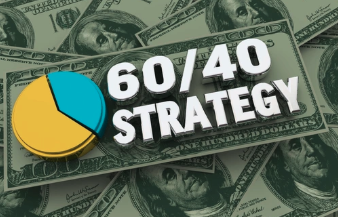
In the latest Alternative Allocations, with guest Brian Ullsperger from Andersen, Tony Davidow examines the traditional 60/40 portfolio and how it can be expanded to include alternatives to meet clients’ needs.
Apple Inc.’s top executive in charge of artificial intelligence models is leaving for Meta Platforms Inc., another setback in the iPhone maker’s struggling AI efforts.
Joel Schneider, Deputy Head of Portfolio Management at Dimensional, discusses the firm’s milestone as the first issuer to surpass $200 billion in actively managed ETF assets. He also delves into the hidden costs of traditional index funds and Dimensional’s pursuit of the multi-share class structure. VettaFi’s Cinthia Murphy breaks down the latest filings and launches in the buffer and synthetic income ETF space, spotlighting new offerings from ARK Invest, ProShares, Innovator, and others.
So many businesses are stuck in this endless cycle of chasing leads, hoping that persistence will eventually pay off. Here’s the truth: chasing leads is not only ineffective, it’s damaging your business.
If you’ve been following the mainstream financial media lately, you might think the airline industry is in crisis. From headlines about tariffs and labor costs to geopolitical tensions and delays at Newark Airport, it sounds like air travel should be tanking.
We upgrade equities to neutral from underweight as falling interest rates and improving economic conditions in emerging markets offset uncertainty over US tariff policies.
They have been called “the four most costly words in the annals of investing,” and surely that’s true: This time is different. Still — hear me out! — there are reasons to entertain the possibility that, well, this time really is different.
Asian countries including Japan and South Korea said they’ll keep pushing for a better deal for their exports to the US after President Donald Trump shifted his tariff deadline to Aug. 1 and tweaked the rates he’s set for many economies.
HSBC is turning cautious on three of the biggest US bank stocks following a record rally that’s brought the group within shouting distance of an all-time high.
Robinhood Markets Inc. Chief Executive Officer Vlad Tenev said the firm is in talks with regulators over its offering of tokenized equities in Europe, after the launch drew rebuke from companies including OpenAI.
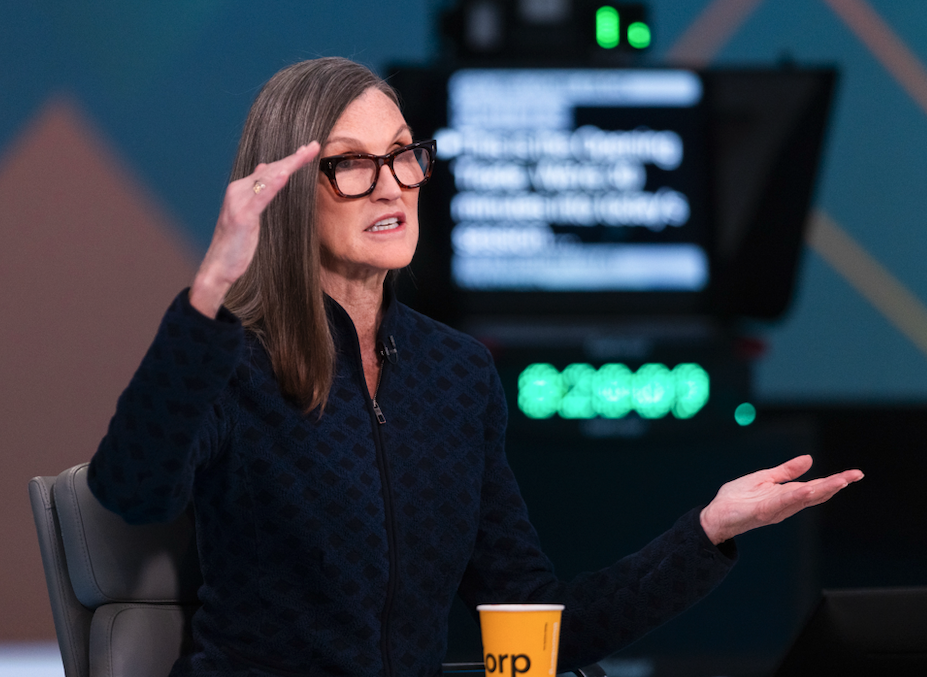
Cathie Wood, a longtime backer of Elon Musk, is standing by the Tesla Inc. chief executive after a turbulent start to the week that saw shares in the electric vehicle-maker plunge after the billionaire businessman announced he’s forming a new political party.
US equities were steady at the open on Tuesday as President Donald Trump’s latest tariff warnings left room for hope that he was still open to negotiations.
For those breaking into the financial industry, it’s an exciting time. The opportunity to achieve success and make an impact on an industry that could help people for years to come .
Private equity has officially conquered the registered investment advisor (RIA) landscape. It is now responsible for a significant portion of RIA-linked M&A activity.
It was a positive quarter for emerging markets equities.
The earnings bar is fairly low for the second quarter, setting companies up for a potential easy jump—but there will likely be more focus on forward guidance.
As the second half gets underway, we think a modest overweight to risk assets is called for.