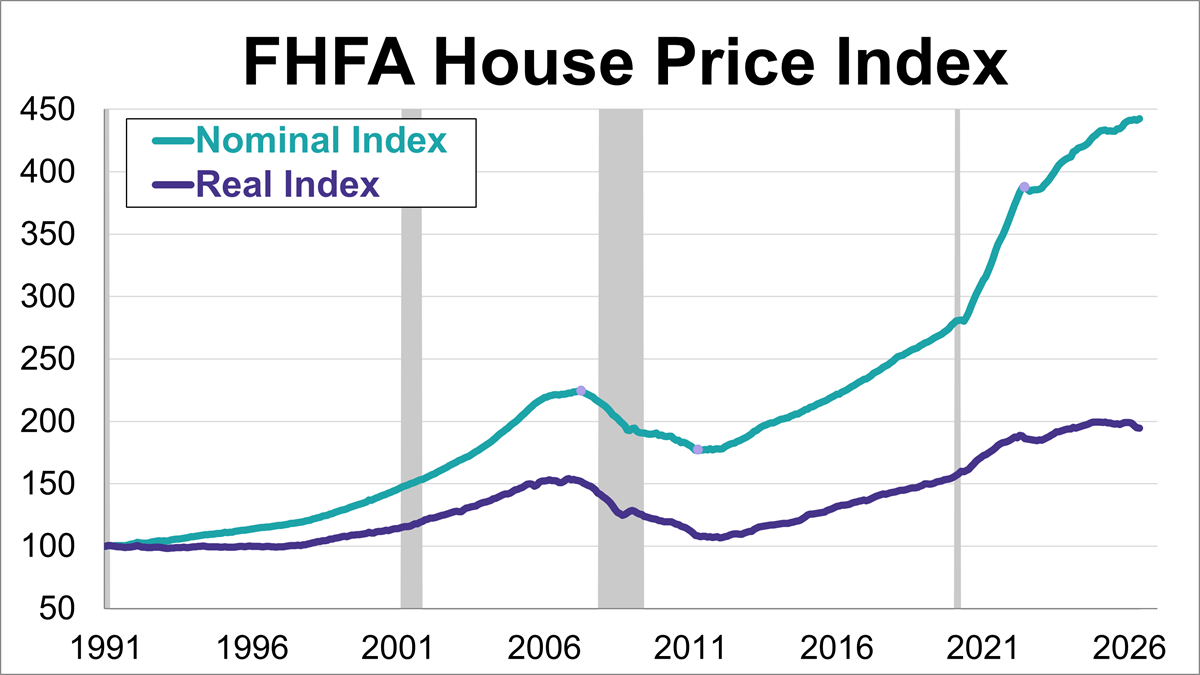
The Federal Housing Finance Agency (FHFA) House Price Index (HPI) rose more than expected in May, reaching a new record high.
If you own treasuries, you need to make two separate decisions rather than one blended bet. The liquidity sleeve holds the bill exposure and does the work people mistakenly ask the long end to do. The duration sleeve stays deliberately small, sized as recession insurance rather than as a conviction call on falling inflation.
The structural backdrop for U.S. inflation increasingly suggests that the long run equilibrium range is migrating from roughly 1.5–3.5% toward 3.5–4.5%, with a significant risk of episodes of inflation above 5%. An important core reason is the steady erosion of the disinflationary architecture that dominated the 1990–2020 period, even as various cyclical pressures also play a role.
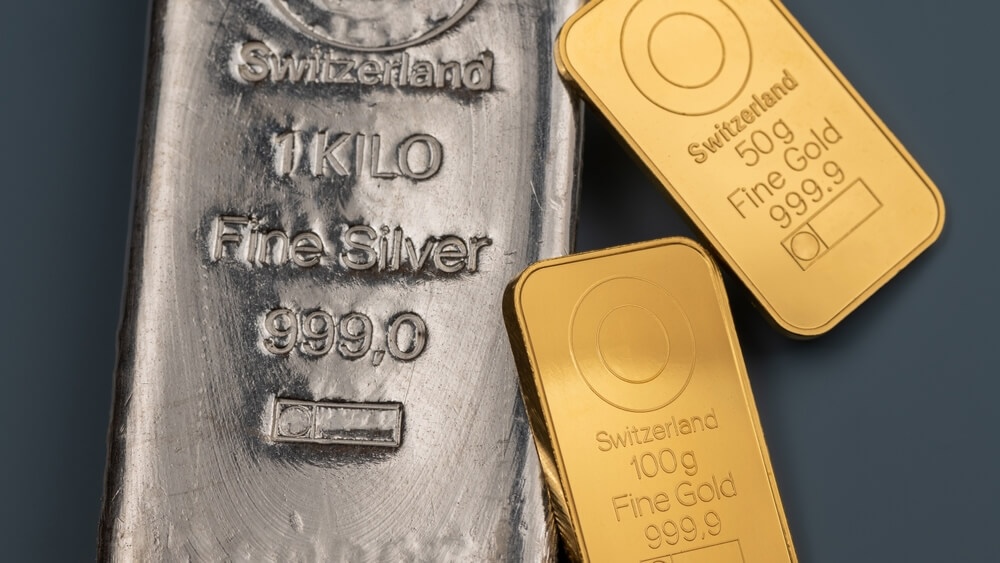
Earlier this week, I wrote that the gold-silver ratio has recently widened to around 70-1, a bullish signal for silver. But is this metric still relevant today?
US state and local government debt hit its cheapest level since the spring, after inflation fears caused municipal bonds to see their worst week of returns since April 2025.
Brent crude crossed above $100 a barrel this week, all due to a 20-mile-wide stretch of water some 6,500 miles away from the U.S. Tanker traffic through the Strait of Hormuz—the Persian Gulf bottleneck that carried roughly a fifth of the world’s seaborne oil before the fighting started—has fallen to virtually zero.
The narrative presented in this article is uniquely suited only to the retirement scenario. (And it neglects such complications as tax-deferred accounts, etc.) Other investing narratives will be different — for example, those of pension funds or endowment funds.
Whenever faced with tradeoffs between risk and return, we recommend turning to expected utility. The method of maximizing expected utility is the most sensible technique for making these tradeoffs, taking into account both your personal preferences and the specifics of the situation.
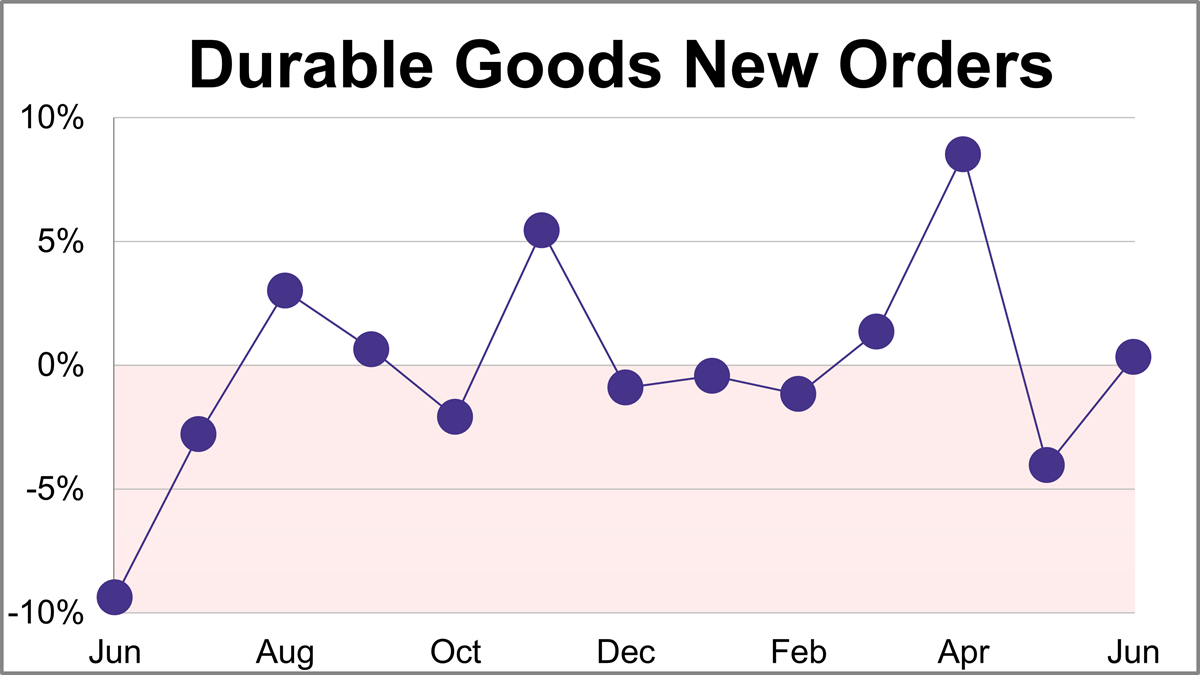
New orders for manufactured durable goods rose 0.3% in June to $334.77B, less than the projected 1.6% monthly growth.
June may have proven to be a difficult month for silver investors, but it’s likely far too soon to give up on the precious metal. To better understand this, it’s important to contextualize why silver’s price is struggling and why the metal’s long-term opportunities are still there.
US Treasuries edged higher as oil prices softened after the US paused its nearly two-week campaign of strikes against Iran, while traders eyed a roughly one-in-three chance of a Federal Reserve interest rate hike on Wednesday.
Let’s get this out of the way right away: It’s highly unlikely the Federal Reserve will raise interest rates when policymakers meet this week after the latest data showed inflation has slowed.
The equity bull market is expected to continue through the second half of 2026, supported by resilient U.S. growth, AI investment and solid earnings.
In this midyear global outlook summary, the authors revisit Vanguard’s economic and market outlooks and assess how our views have evolved since the start of the year.
The ETF market saw a push in capital away from the concentrated U.S. tech sector to defensive broad market exposure, short duration bonds, and commodities. The shift in flows is amplified by the semiconductor market pullback, interest rate uncertainty, and ongoing geopolitical tensions in the Middle East.
Emerging markets are quietly having their best decade in a generation, and most global investors still don’t own enough. The case for investing in emerging markets today is not the tired characterisation of a high growth, low valuation opportunity.
It may seem premature to focus on the November US midterm elections. Polls will shift, economic data will evolve and unexpected events will reshape the political landscape in the months ahead.
Today we’ll consider the interaction between long-term interest rates, the Fed’s limited ability to influence them, inflation and the housing market. And because home prices are the biggest concern for many households, we’ll start with a look at the latest changes there. And then look at the Federal Reserve’s likely reaction.
It is one of the great paradoxes of our time: Americans have never been richer — or more negative about the economy.
Election season often follows a familiar script. Investors debate congressional control, speculate on policy outcomes and search for clues about what markets might do next.
In June, market news continued to be dominated by the Middle East conflict as frequent flare-ups in hostilities gave way to repeated ceasefire efforts and the signing of a high-level memorandum of understanding between the US and Iran.
Research Affiliates and PIMCO leadership analyze key 2026 midyear market shifts, warning of elevated U.S. and AI equity valuations.
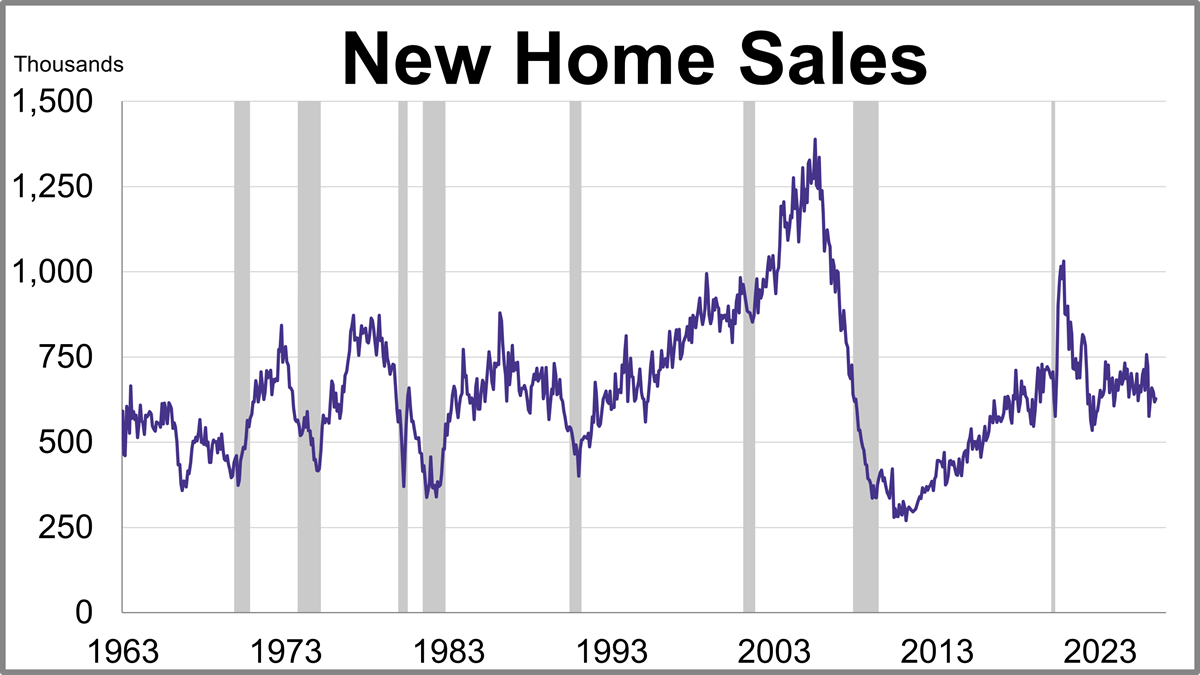
New home sales unexpectedly rose in June while the median price fell to its lowest level in almost a year.
US equity futures on Friday were little changed, indicating stocks are poised to steady from the deepest one-day drop in a month, as Brent crude prices fell below $100 a barrel and a selloff in Big Tech shares eased.
Russ Koesterich explains gold’s recent fall and lays out his argument for why investors should continue to hold a modest position in their portfolios.
It's difficult to call any stretch a calm, quiet summer week, but this one would seemingly fit the bill. Earnings from Alphabet (GOOGL), Tesla (TSLA), and IBM (IBM) are the standouts, along with a slew of cyclicals reporting Q2 results.
Resilient earnings, improving industrial activity and the AI investment cycle should continue to support equities, according to Putnam Equity’s Shep Perkins. But the same forces driving the market higher are also making companies harder to value.
The summer has once again brought a miasma of wildfire smoke across wide stretches of the nation, leading to hazy views and slower activity. The clouds in our outlook are not merely atmospheric. A failed ceasefire and renewed conflict in the Middle East have created new reasons to worry about economic performance.
Inflation remains above target, especially the Federal Reserve’s preferred core Personal Consumption Expenditures (PCE) inflation measure, as choppy data have challenged the view that disinflation will proceed smoothly.
Kevin Warsh’s early overhaul of Federal Reserve communication and policymaking suggests investors should prepare for a higher-for-longer rate environment with greater uncertainty around policy signals.
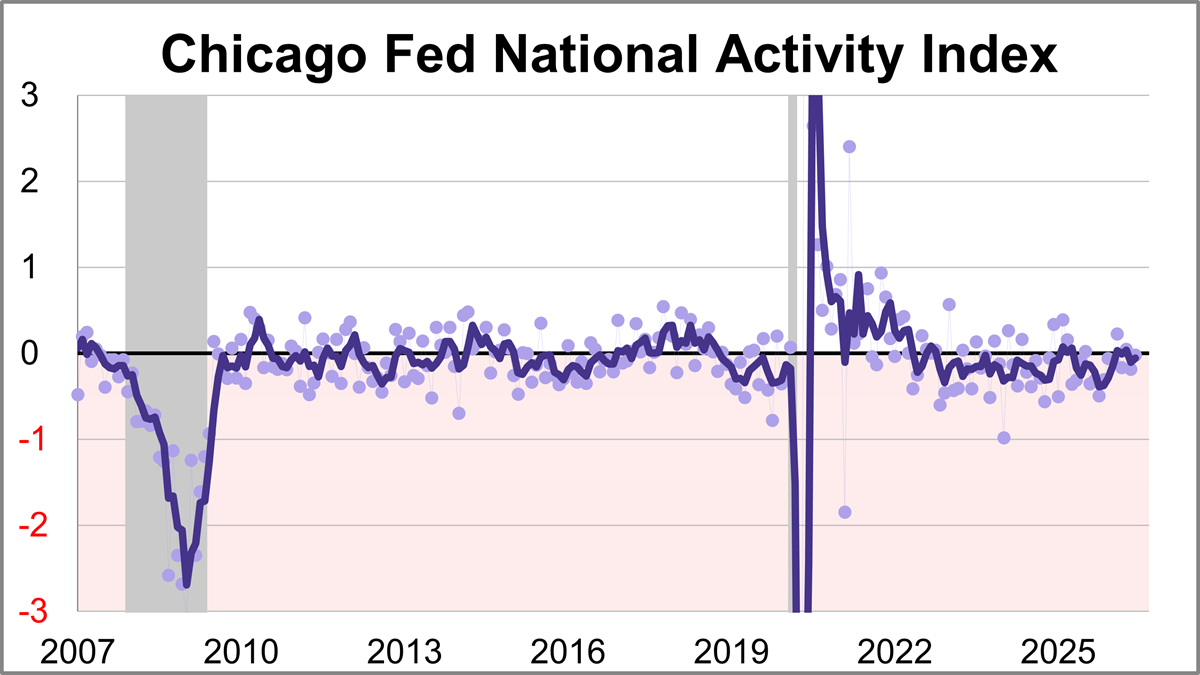
The Chicago Fed National Activity Index (CFNAI) rose to -0.02 in June from -0.19 in May. One of the four broad categories of indicators used to construct the index decreased from May, and two categories made negative contributions.
US Treasuries are offering investors solid protection against losses as yields remain elevated, according to BlackRock Inc.
Investors continue to benefit from two powerful tailwinds: strong stock-market performance and bond yields that remain attractive compared with much of the post-financial-crisis period. Higher yields have improved the income generated by fixed income portfolios and given investors more flexibility to balance income, liquidity, and interest rate risk.
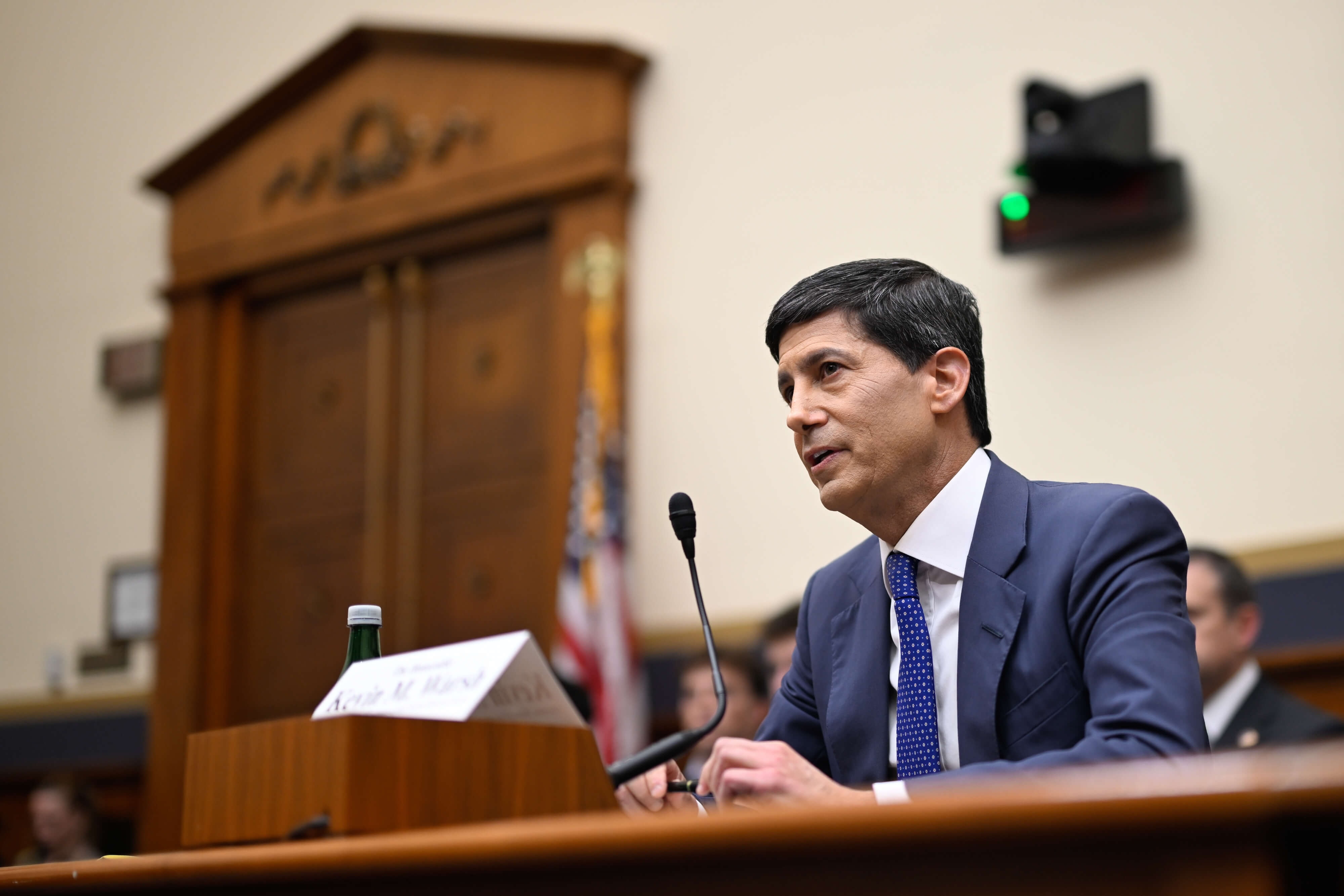
Making his first appearance on Capitol Hill since becoming Fed Chair in May, Kevin Warsh delivered the chair's semi-annual testimony on monetary policy and the state of the economy to the U.S. House Committee on Financial Services on July 14 and the Senate Banking Committee on July 15.
In the Warsh Fed's new era of two-way risk, bonds offer something rare: potential downside risk mitigation that investors get paid to hold.
Last week’s dominant story was the sharp unwinding of the momentum trade that has carried the market for months. The Philadelphia Semiconductor Index (SOX) declined 10 per cent over the week and is down 21 per cent from June’s peak. Bear markets are defined as drawdowns of 20 per cent or more.
The prime culprit was renewed questioning of the artificial intelligence (AI) buildout given the increasing amount of capital investment needed to bring it to life and the corresponding costs for those who use the technology weighed against its potential productivity benefits.
Lock, stock and barrel, a British phrase, originally referred to the three essential components of a firearm. Over time, it evolved into shorthand for the whole package. When tensions flare in the Middle East, the global economy often feels the consequences lock, stock and barrel.
The first data releases since Federal Reserve Chairman Kevin Warsh took office suggest that inflation has subsided, making his job a little easier.
The US 30-year bond yield is trading above 5% for the longest stretch since the dawn of the financial crisis, echoing investor concerns about a growing debt pile and sticky inflation.
As developed economies grapple with higher debt burdens and elevated interest rates, the UK's gilt market offers important lessons for investors evaluating sovereign bonds around the world.
The first half of 2026 was shaped by market-moving headlines. The conflict in the Middle East was the most significant story, triggering a short-term market sell-off.
The relative cheapness of Treasuries versus interest rate swaps mechanically affects how corporate bond spreads are measured, but it appears to have limited influence on how corporate bond spreads actually behave.
Chris Galipeau discusses high-conviction insights that go beyond media headlines.
For a Federal Reserve (Fed) chairman committed to reducing noise coming from the institution and/or to changing how the Fed communicates, his first attempt to do so was not very promising. Just after Chair Warsh’s first press conference, we argued that inflation was not a choice, as he suggested during the press conference.
The market received encouraging inflation news last week as both the CPI and PPI came in below expectations, as inflation pressures moderate. A negative monthly CPI print effectively removed any concern about an immediate Federal Reserve rate hike.
LPL Research analyzes China’s declining crude imports, inflation risks, and the resilient U.S. economy driving above-trend growth.
A Roland Berger study finds family offices moving capital into infrastructure and private equity while retreating from riskier bets abroad.
Government bonds are back in focus, as investors reassess where value lies in global fixed income. With markets wavering over how quickly interest rates will fall, sovereign debt in several developed economies is starting to look attractive again to us.