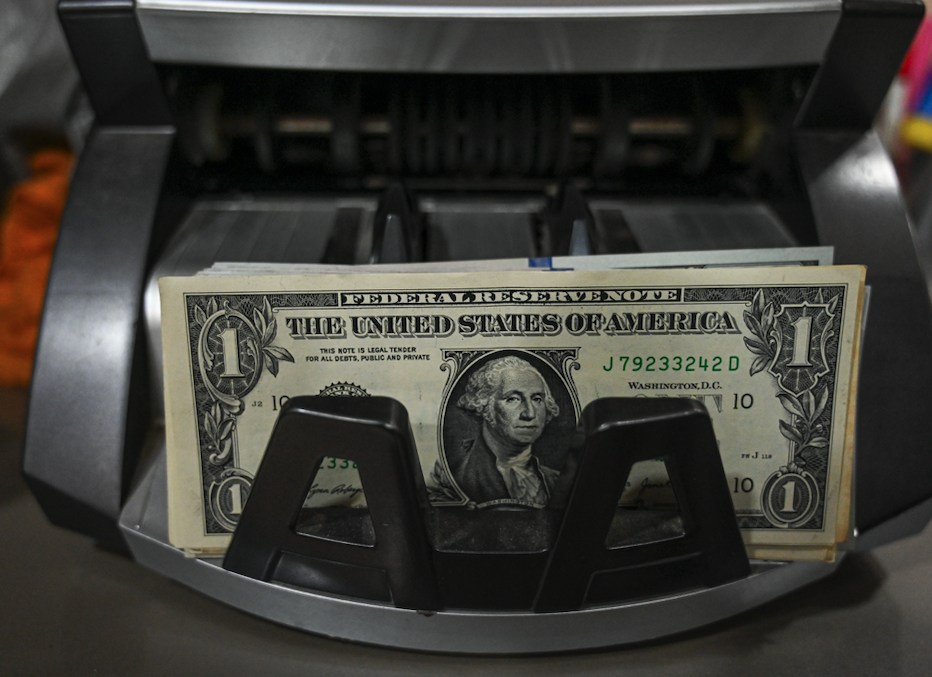
Betting against the dollar has been the dominant trade this year in the $9.6 trillion-a-day foreign-exchange market, but the wager is starting to stumble.
To say the roof hasn’t caved in on the dollar is an understatement. Despite the doomsaying that was pervasive after the White House imposed sweeping tariffs, the greenback is as entrenched in the cogs of global finance as ever. If anything, its use is more pervasive.
Labor markets are not keeping pace with young adult populations.
The extra yield investors demand to own dollar bonds of emerging market sovereigns rather than US Treasuries has shrunk to the least in seven years — and the rally is set to run further.
Three things to watch this month from Franklin Templeton Emerging Markets Equity: China's Golden Week, tariffs on India and the likelihood of a year-end market rally.
Like AI stocks, precious metals look overbought; but unlike AI stocks, they’re structurally underinvested. As such, I believe they deserve another look.
If speaking of “win-win solutions” is a naïve surrender to Chinese propaganda, then virtually everything that isn’t an expression of bellicosity toward China also is. But of course, those like Pottinger and Fishman who believe that bellicosity toward China is the only way to defend the U.S. against it are falling into the trap of the “security dilemma.”
Powering intelligence: the molecules, metals, and markets behind AI.
Oil prices are notoriously difficult to forecast. Production can be volatile, and the global oil supply chain is complex.
From managing exposure to leveraging growth opportunities—core active portfolio managers can unlock the full potential of emerging markets.
Goodbye summer, hello fall! As the sun sets on another season, we’re swapping beach days and backyard barbeques for crisp mornings, vibrant foliage, football weekends, and everything pumpkin spice.
My reasons are simple. The debt pile is unfathomably massive, and it’s accelerating. Fiscal imbalances are widening, and monetary policy is being constrained. The Fed can’t raise rates aggressively without bankrupting the government, but it also can’t make deep cuts without tanking the dollar.
Investors are increasingly confident that the U.S. Federal Reserve will cut interest rates several times through mid-2026, signaling a more aggressive easing cycle.
In this video, Chuck Carnevale, co-founder of FAST Graphs, takes a deep dive into what he calls the single most important factor for long-term investing success: the ability to forecast future earnings growth. While past performance matters, it’s really what lies ahead that determines whether a stock will generate wealth or disappointment.
Investment giants KKR & Co. and Blackstone Inc. are leading a combined $17 billion investment in the natural gas industry, marking a massive push of private funds into a sector helping to quench artificial intelligence firms’ relentless thirst for energy.
The Fed lowered rates by a quarter of a percentage point (0.25%) at its September meeting, citing increased risks to employment; Powell emphasized ongoing inflation and a divided Committee, with future moves dependent on incoming data.
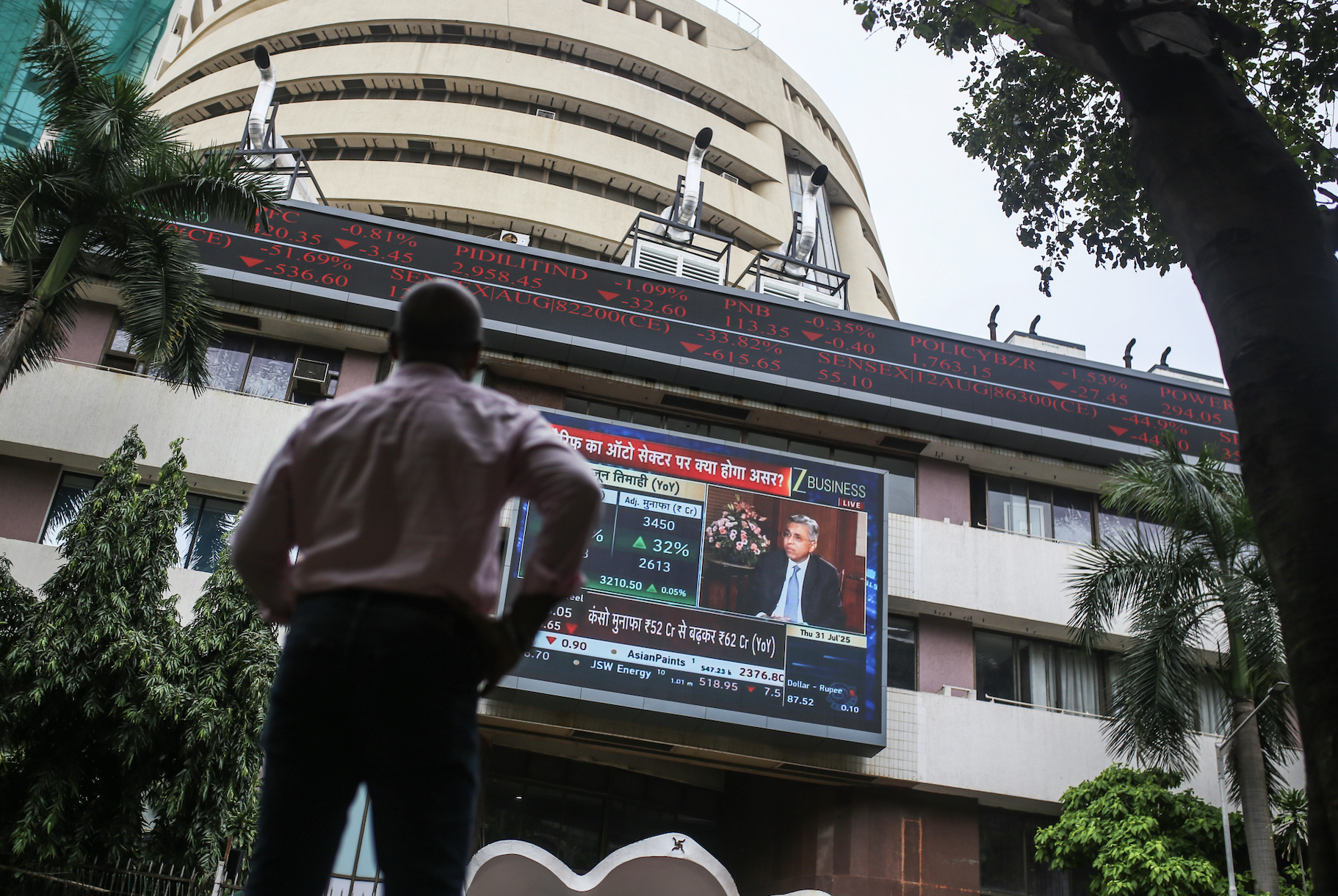
A blistering rally in Chinese technology shares accelerated on Wednesday as renewed bets on artificial intelligence sent a key gauge to the highest in nearly four years.
Treasuries have powered into first place among major sovereign bond markets this year as the prospect of a new round of Federal Reserve interest-rate cuts overturns widely held bearish views on US debt.
JPMorgan Chase & Co. will cut the weight of the largest bond issuers in its flagship emerging-market index, diverting investor flows from the likes of China and India toward smaller nations.
Today, volatility isn’t a blip on your radar; it’s the landscape. The question isn’t if, but when the next market shaking event will hit your portfolio. So, are you equipped—or exposed?
One of the standout developments in financial markets in August 2025 was the unprecedented surge in ETF inflows.
Global asset managers from KKR & Co. to Blackstone Inc. are ramping up investments in India and elevating locally-based executives to key regional roles, underscoring the nation’s rise in Asia’s private equity landscape.
Gold, digital gold (blockchain-backed gold), and critical minerals are drawing interest as money supply grows and certain resources become scarcer.
The U.S. economy has thus far avoided recession, yet growth has decelerated and economic risks persist.
The U.S. market has outperformed the rest of the world over the past decade but may fade, making international equities—a timely and overlooked opportunity.
Looking back over the past 20 years, airline equities have tended to outperform in the final three months of the year, with the NYSE Arca Global Airlines Index gaining over 3% on average in October; this is followed by an even stronger showing in November and a 3% increase in December on average.
Emerging-market currencies and stocks rose as expectations of an imminent US monetary policy easing pushed the dollar lower and strengthened investor appetite for riskier assets.
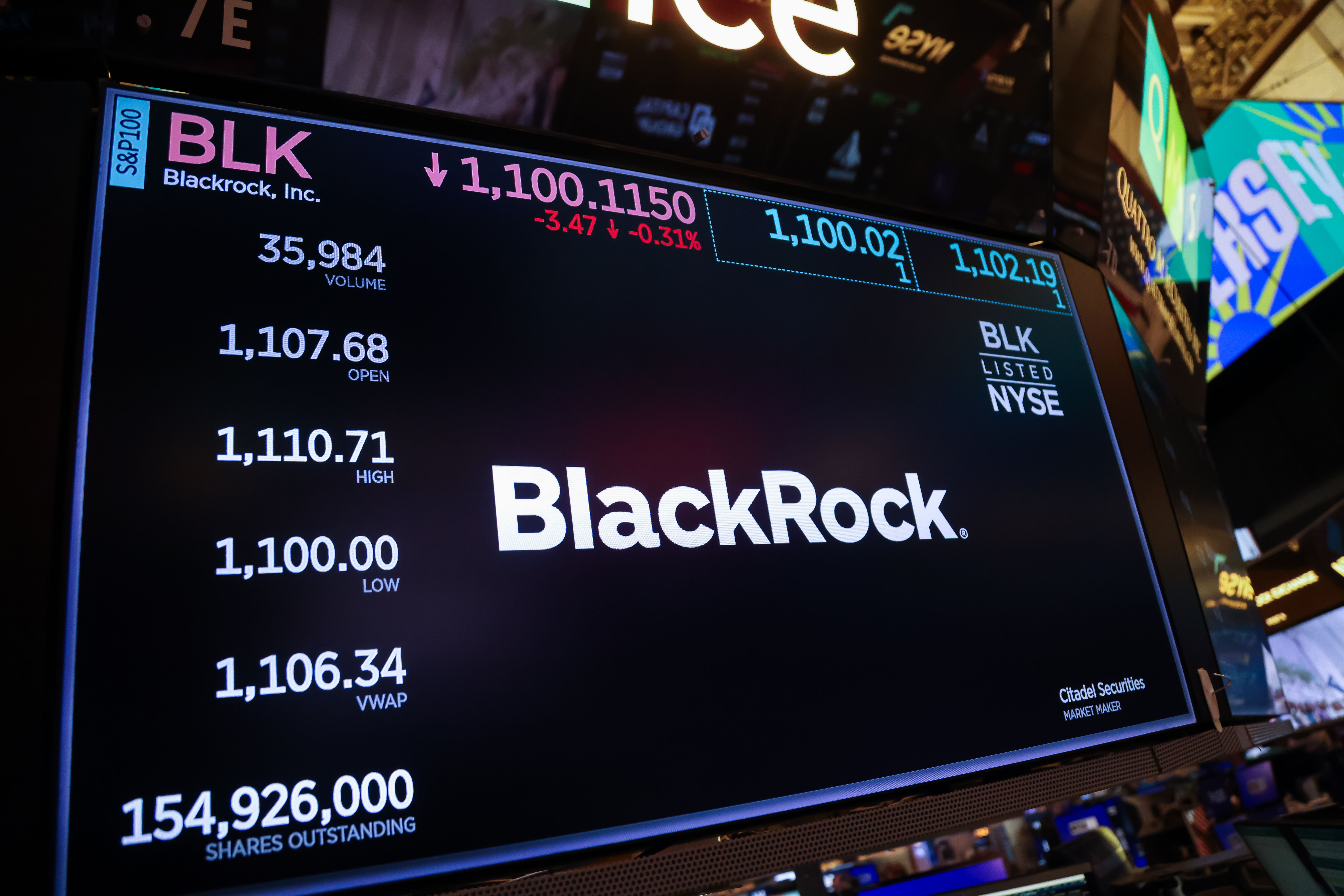
BlackRock Inc. is exploring ways to attract more capital to emerging markets, where efforts to finance the transition to a low-carbon economy have so far been slowed by perceptions of risk.
Franklin Templeton Emerging Markets Equity discusses recent developments in emerging markets, specifically examining the impact of tariffs on Indian exports, the resurgence of Chinese equities and potential US Federal Reserve interest-rate cuts that could benefit emerging markets.
If you want a glimpse of a changing global order, go to Singapore. That’s what I did last month, when I served as the S. Rajaratnam Professor of Strategic Studies at the Rajaratnam School of International Studies and met extensively with leading thinkers and government officials.
This past week, we saw a sweeping change in U.S. trade policy come into effect with the termination of the long-standing “de minimis” exemption on small, imported parcels.
If Modi now wants to reach out a hand to the leaders of Eurasia, one might assume it is entirely because India has been insulted and rejected by the US — laden with higher tariffs than almost all its peers, and continually needled by President Donald Trump’s advisers and officials.
Emerging market investing has long been dominated by China’s outsized role. The country once accounted for roughly 30%-40% of many EM indexes.
The World Bank sold $510 million of bonds backed by loans it gave companies across the developing world, part of its efforts to lure more institutional investors to regions where borrowers have a harder time raising cash.
President Donald Trump’s efforts to stack the Federal Reserve with economists willing to cut interest rates is providing all the drama this week.
The global exchange-traded funds (ETFs) market has rarely been more dynamic. Active strategies may be commanding the headlines, but index-based ETFs remain the bedrock of portfolios worldwide.
The year to date has been complicated by a cloud of uncertainty as a new U.S. administration took the world economy by storm.
Fed Chair Jerome Powell’s comments at Jackson Hole shifts the outlook for interest rates.
China’s economy has propagated itself through branches like trade, finance and infrastructure. But supply chains are where its roots have thickened into trunks, particularly across Southeast Asia.
A group of multi-billion dollar businesses could help stage a comeback for Europe’s market for initial public offerings this fall, compensating for the region’s slowest first half in more than a decade.
Apple Inc.’s stock is showing signs of life after struggling through most of 2025, as the tariff-related risks that have weighed on the company start to ease.
An avalanche of cheap Chinese stuff is landing on doorsteps across Latin America. Bargain-hungry consumers are giddy, local retailers are getting pummeled and customs agencies are swamped.
AI’s long-term potential remains strong, but supply chain risks and uneven adoption may impact near-term gains.
Resilient data continues to fuel market momentum, but policy risks and global fragility remain close behind.
Emerging-market funds are pivoting to capture the artificial intelligence craze, with some investors predicting that booming technology spending will drive returns for years to come.
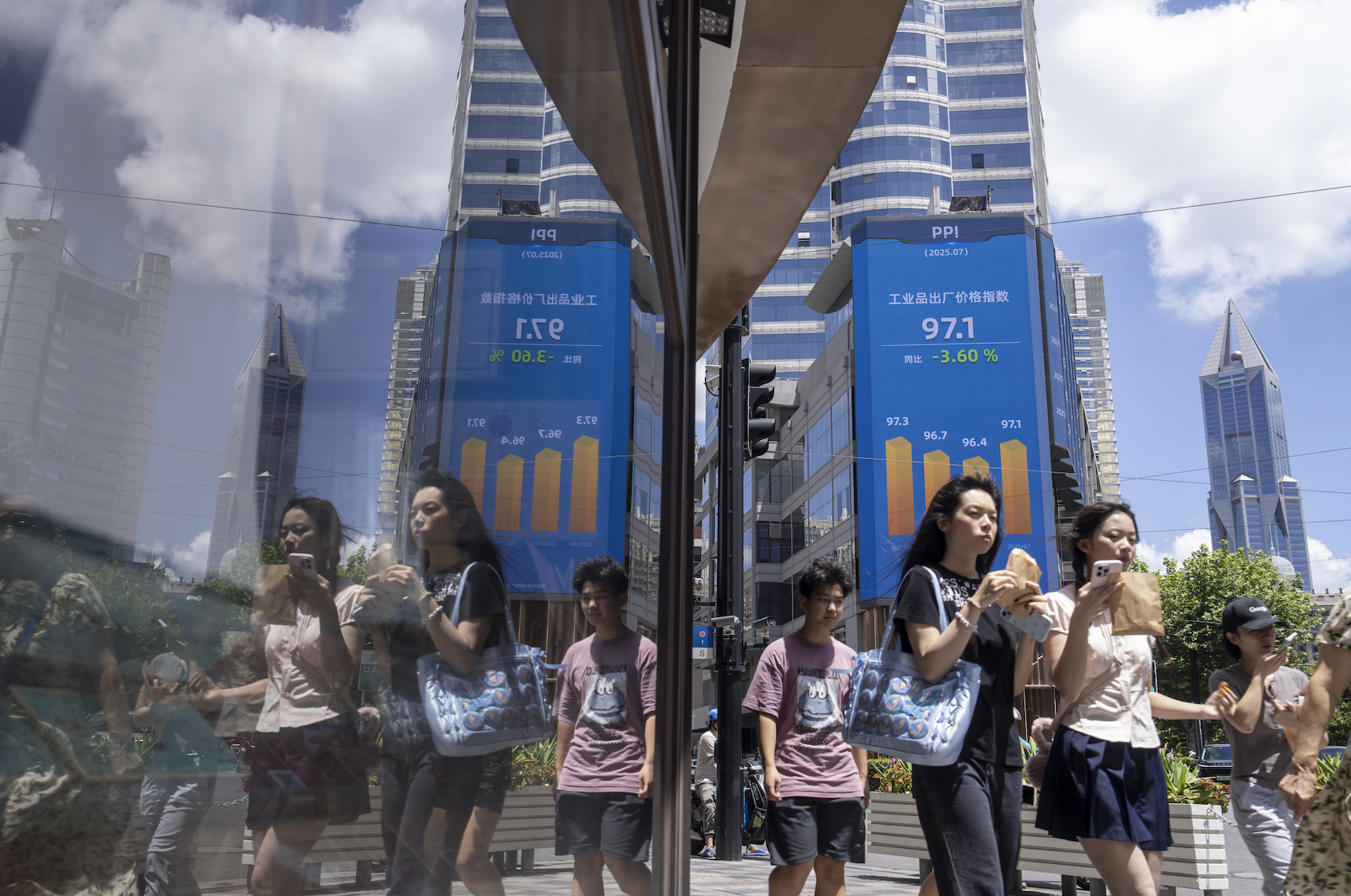
At the heart of why consumers in China save so much and spend so little, and why Xi Jinping and Donald Trump will struggle to change that behavior even if they want to, lies the country’s stock market.
Japan represents a compelling investment case, where local insight and rigorous research can uncover under-owned assets with the potential to deliver strong returns.
Wall Street banks are starting to cover firms that are not publicly traded. JPMorgan Chase & Co. kicked off the trend with a report on OpenAI Inc. Citigroup Inc. followed suit a week later with a list of roughly 100 large private companies it will focus on, predominantly in the tech sector.
It’s always fun to return to classic novels for summer reading and accordingly, this year’s Charts for the Beach returns to the time-honored basics of the economy and of investing.
You’ve probably seen versions of these headlines this summer. They’re all designed to grab your attention by sounding the alarm, then close with a hand-wringing quote from someone who probably missed the last bull run.