Although the House narrowly approved a bill designed to jumpstart negotiations, the issue is far from resolved.
Higher bond yields and improved total return potential may offer advisors a compelling opportunity to move cash off the sidelines.
Over the past year, the municipal bond market has seen increased volatility stemming from rising interest rates across the yield curve.
Discussion about inflation and the Feds efforts to fight it, the recent bank failures, and the odds of a U.S. recession.
Short-term Treasury yields skyrocketed throughout 2022 reaching levels not seen in almost 15 years. In early October, the yield of the 6-month T-bill topped 4% for the first time since 2007 and by the end of the month had topped 4.5%.
We favor high yield bonds and natural resource stocks as inflation still shows persistence, earnings expectations deteriorate and worries mount over a stalling U.S. economy.
We hope you enjoy the latest NewsLetter from Harold Evensky.
JPMorgan has unseated itself for the title of largest actively managed exchange-traded fund in the $7 trillion arena.
The vast “cash hoard of 2023” has the bullish media salivating about what it means for the future of equities. That cash hoard in money market funds now exceeds $5.2 trillion.
Over the next few weeks, the exciting professional hockey playoffs will determine this year’s Stanley Cup winner! The NHL’s fast-paced playoff games will be sure to keep fans on edge as momentum constantly changes as players skate to a puck that travels up to 100 mph.
VettaFi’s Tom Lydon discusses recent advisor polling data on everything from 60/40 portfolio returns to active ETFs. Sprott’s John Ciampaglia spotlights their lineup of energy transition ETFs, including the first-ever nickel miners ETF. Horizon’s Scott Ladner explains the process behind their ETF-centric, goals-based model portfolios.
Hedge funds are betting on higher Treasury yields in a market that’s divided over whether the US economy can avoid recession and Federal Reserve interest-rate cuts.
Amid the overabundance of economic opinion, unexamined clichés, and unverified assertions, and nutrient-free word salad dispensed by talking heads on television, market observers, and even Federal Reserve officials, I often wonder how many of them have ever taken the time to carefully examine historical data.
What can breakeven inflation rates tell us about oil prices, energy stocks, and market direction? It turns out it’s a lot more than you think.
Resisting recency bias is the key to earning the premiums available from all risky assets, as this example illustrates.
Corporate bond investors may be wondering if banking sector turmoil will affect financial institution bond issuers. Here's what to know now.
Despite continued geopolitical events and a potential banking crisis, markets remained focused on the economy and central banks’ attempts to control inflation.
This year’s top US bond managers agree that Federal Reserve interest-rate cuts are inevitable this year. The main debate they see is how deep the economic pain gets.
Getting lost in the moment is easy to do. When planning and executing your fixed income portfolio, looking long term is more likely to get you to your goal. Fixed income portfolio allocations are often meant to first protect principal and second, to optimize income and cash flow per your specific circumstances.
Our entire financial system revolves around credit. This includes the ability to access credit for new loans, and more importantly, the refinancing of existing loans.
Start me up! This iconic Rolling Stones song keeps racing through our minds as we glance across the investing landscape. Why? Because it feels like the drivers of this turbulent market – Federal Reserve (Fed) tightening, inflation, recession worries, geopolitical fears – will never stop.
Having presided over America’s first banking crisis since 2008, Federal Reserve officials are rightly focused on reforming regulation. That said, they should keep in mind some lessons for monetary policy, too.
AI provides a powerful tool for gaining valuable insights into user behavior, allowing you to make data-driven decisions that enhance client satisfaction and increase profitability.
Disagreement is bubbling up at the Federal Reserve as dueling growth and inflation risks pull policymakers in different directions. If you think the debate seems fiery now, just wait until the third quarter, when recession may be at the nation’s doorstep.
BlackRock Inc. strategists are ditching the 60/40 portfolio in favor of public and private investments as well as tactical holdings of bonds to navigate higher interest rates.
Two brutal weeks for banks have mostly scuttled hopes in markets that a US recession can be avoided. But a close read of the cross-asset landscape still finds investors unconvinced the stress portends a genuine financial crisis.
At the end of 2021, the Dow Jones Industrial Average closed at 36,338, and the career scoring total of LeBron James stood about 60 points lower…
In his latest memo, Howard Marks discusses the significance of the Silicon Valley Bank collapse. He argues that it likely doesn’t portend a wave of banking failures but may amplify preexisting wariness among investors and lenders, leading to further credit tightening and additional pain across a range of industries and sectors.
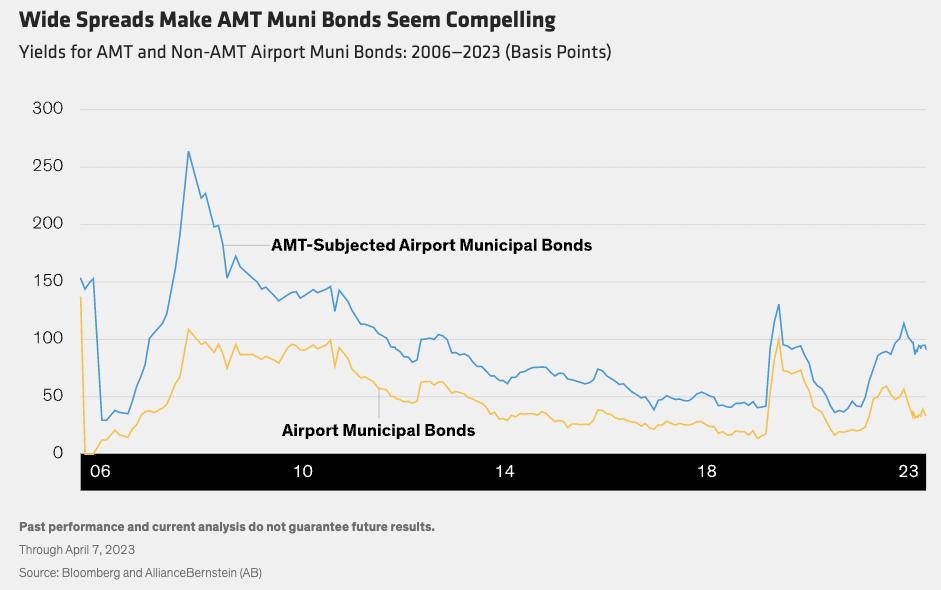
For years, investors seeking tax-efficient income grappled with a key question: Are municipal bonds that are subject to the alternative minimum tax (AMT) worth their higher yields? After all, an attractive bond yield didn’t hold as much luster once the AMT shaved off up to 28%.
It’s believed that to meet this goal, two out of every three passenger vehicles manufactured in the U.S. would need to be electric models.
What does a potential change in Federal Reserve policy mean for markets and the economy?
The Northern Trust Economics team shares its outlook for U.S. growth, employment, interest rates and inflation.
2023 has already been an eventful year, featuring a banking crisis and more Fed rate hikes. In our view, this is not a “set it and forget it” type of market – investors need to stay vigilant.
Given market uncertainty and the risk of a US recession, is now the time for defensive stocks? Making a case for low-volatility, high-dividend equities with Franklin Templeton Investment Solutions’ Vaneet Chadha and Michael LaBella.
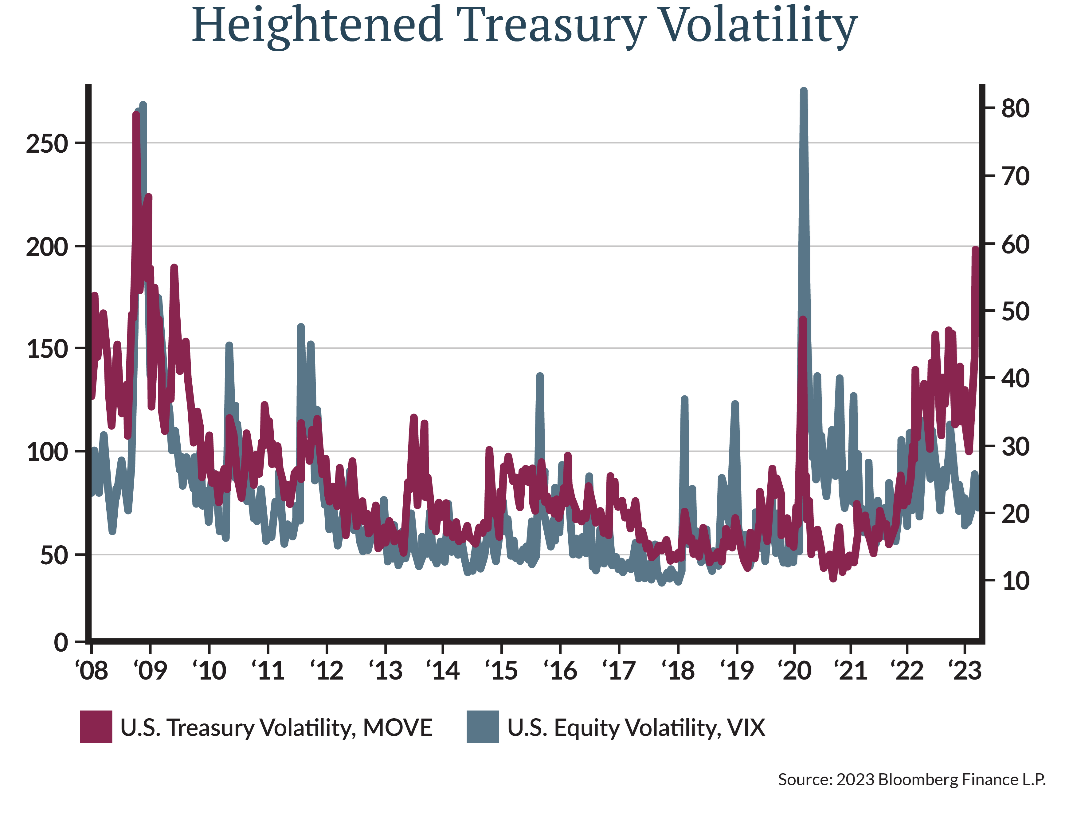
During his spring break, Johnson Financial Group Portfolio Manager Brian Schaefer had the time to read “A Gentleman in Moscow,” which got him thinking about the how the current market moves could impact the American experiment. In this investment commentary, Schaefer discusses the MOVE and VIX indexes and what they might say about the markets.
Born of the Global Financial Crisis, additional tier-1 securities were designed to absorb bank losses in times of turbulence and maintain financial safety at no cost to taxpayers. Despite good intentions, we’ve found AT1s to be flawed instruments that are contingently junior to common equity in practice.
With higher bond yields, it is instructive to understand what drives interest rates in cash sweeps.
Why finding ways to break the tie to these variables is so important, and outline a few ideas for how to do it.
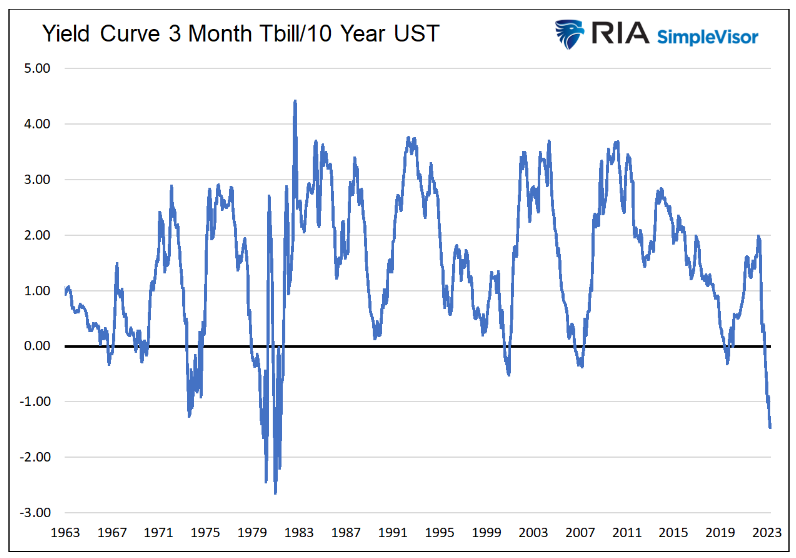
Long-term bonds usually pay a higher yield than shorter-term ones to encourage investors to lend for longer. But sometimes the so-called yield curve inverts, as it has now, and short-term bonds offer the highest yield.
Hedge funds are reloading on bearish wagers on US equities, betting the latest market retreat will persist amid worsening economic data and corporate earnings.
Trading might be muted today as the market pivots, awaiting earnings and inflation data this week.
We introduce a tool for assessing how the market responds to news about the economy and about government monetary and fiscal policy.
We think dividend-income strategies can be effective across multiple environments, provided that they’re designed to tap into a wider opportunity set beyond traditional dividend payers alone.
When banks started going belly-up, the reaction in bonds was emphatic. Two-year Treasury yields slid a percentage point over three days in March, the most since 1982.
I get many inquiries from bond investors on whether they should buy bills, notes, or bonds based solely on expected Fed policy.
Rick Rieder and team argue that a major shift in market perception of growth, inflation and policy trajectories means investors should consider calling a "time-out" to reassess portfolios.
Implications of the ongoing volatility in the banking sector, and what it means for markets in Europe and globally—check out highlights from our most recent discussion with Kim Catechis, Investment Strategist, Franklin Templeton Institute.
Everyone knows it by now: 2022 was not a kind year for investors, particularly balanced fund investors. There were no silver linings, no shelter from the storm; it seemed that no matter what levers you had in place to protect clients’ wealth, there was very little to cheer about on investor return statements.
In the face of banking stress and a hawkish Federal Reserve, stocks have advanced impressively so far this year, but narrow breadth doesn't bode well for continued strength.
Inflation regimes often coincide with changing political regimes and agendas, much of which stems from the rise of populism and fiscal dominance. As a result of decades of globalisation and rising wealth inequality, we may well be entering a new regime - one of higher inflation and higher inflation volatility.