In the early years of the artificial intelligence (AI) race, performance benchmarks told a clear story: a handful of frontier models, developed by a few dominant labs, consistently outperformed the rest. In 2024, that changed.
Vanguard is well-known for making investing more accessible, affordable, and efficient for investors over the past 50 years.
In the latest ETF 360, VettaFi’s Kirsten Change interviewed THOR Funds founding principal and CIO Brad Roth. They discussed two index-based strategies calibrated to manage downside risk. Accordingly, downside protection and risk management are top of mind in today’s unusual market environment.
Morgan Stanley is working on a plan to add cryptocurrency trading to its E*Trade platform, in what would be the most significant move by a major US bank to help everyday customers buy into the asset class since the Trump administration began removing regulatory barriers.
The US economy’s contraction last quarter was something of a head fake, driven by a surge in imports as businesses tried to front-run tariffs.
Famous gold skeptic Warren Buffett is right about the dangers of inflation when it comes to non-producing assets, but he’s never been a fan of gold. Monetary Metals has transformed gold into a productive asset by generating a yield on gold, paid in gold, proving Buffett wrong about gold and giving investors new ways to own this timeless asset.
SEI® (NASDAQ:SEIC) today announced that Summit Wealth Group, a fast-growing enterprise advisor practice, has selected SEI to support the firm’s vision and evolution for strategic growth.
Even in normal times, managing an investment program is a challenging job. But when you add on tariffs and trade wars, it's bound to lead to some sleepless nights. Learn how an OCIO firm can provide relief.
Many American consumers recently endured their first inflationary cycle, and recent trade headlines have elevated fears of a another bout with higher costs. While not impacted by tariffs, energy markets may play a critical role in driving the price level during the balance of this year.
With flexibility, humility and disciplined processes, equity investors can find a way forward.
A massive budget bill of tax and spending cuts, as well as a debt ceiling debate loom as Congress returns from its Easter recess.
The current level of tariffs of 145% on Chinese goods and 125% on US goods going into China amounts to a trade embargo between the two countries.
"This earnings season is critical". We've heard that line before, but this time we believe it really is.
After the U.S. imposed substantial tariffs on China, Beijing responded with tariffs of its own and with restrictions on exports of seven rare earth minerals. The latter action will be a particular hindrance to American manufacturers.
Margin debt is the amount of money an investor borrows from their broker via a margin account. Margin debt is often seen as a measure of investor sentiment and risk appetite. High levels of margin debt can signal confidence, but extreme spikes may also indicate excessive speculation, increasing the risk of market instability.
VettaFi Voices connection discuss where the money flowed since the tariff developments. They also reviewed recent award winners.
When Meta Platforms Inc. reports earnings on Wednesday afternoon, the social media giant will face a high hurdle to satisfy anxious investors.
One of the best-known market trends, the “sell in May” effect is backed by decades of historical performance: Investing in a fund that debuted in 1993 and tracks the S&P 500 during the May-October period yielded a cumulative return of 171%, compared to a 731% gain for November-April, an analysis from Bespoke Investment Group found.
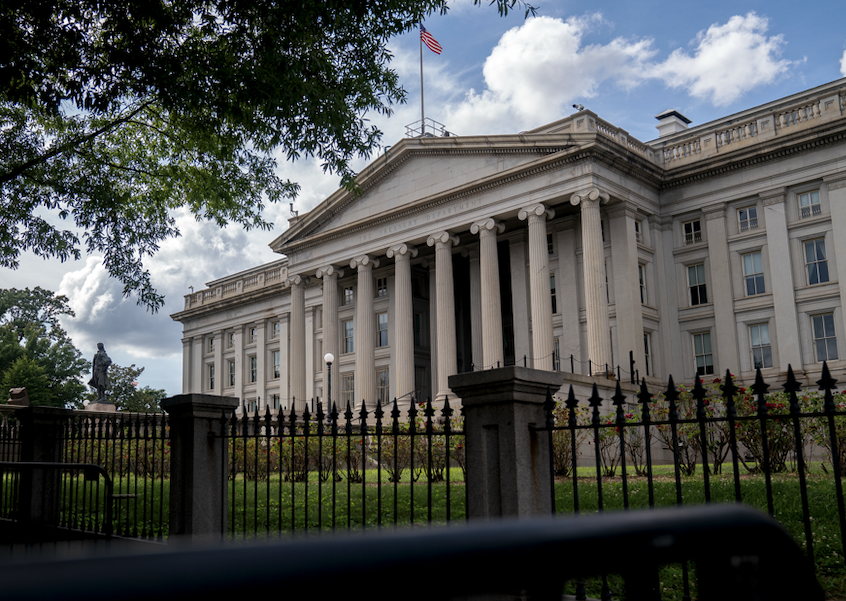
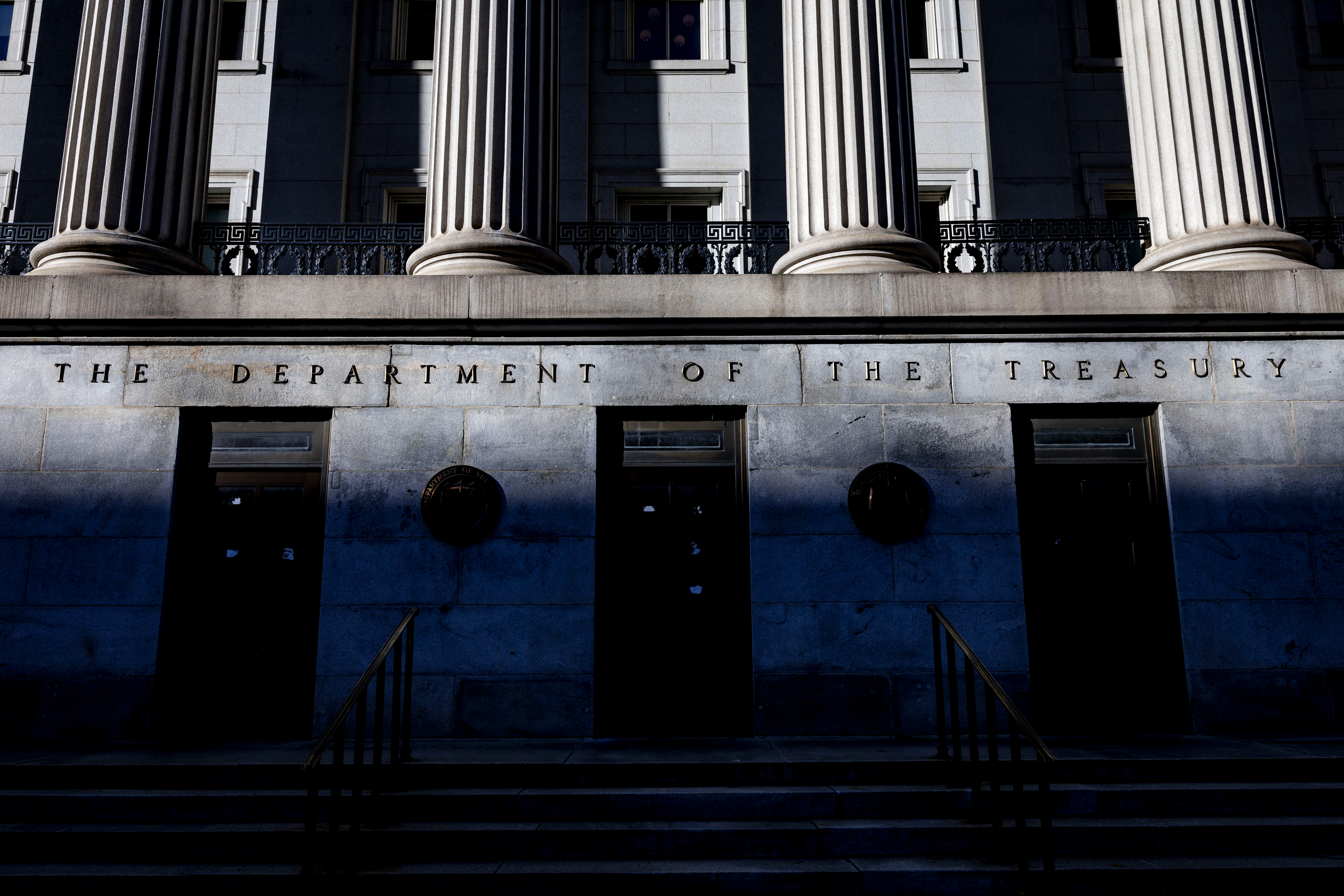
The Treasury Department said it’s now looking at “enhancements” to its buybacks of older US government debt securities, just weeks after Scott Bessent hinted at the potential to beef up the program in the event of any major market turmoil.
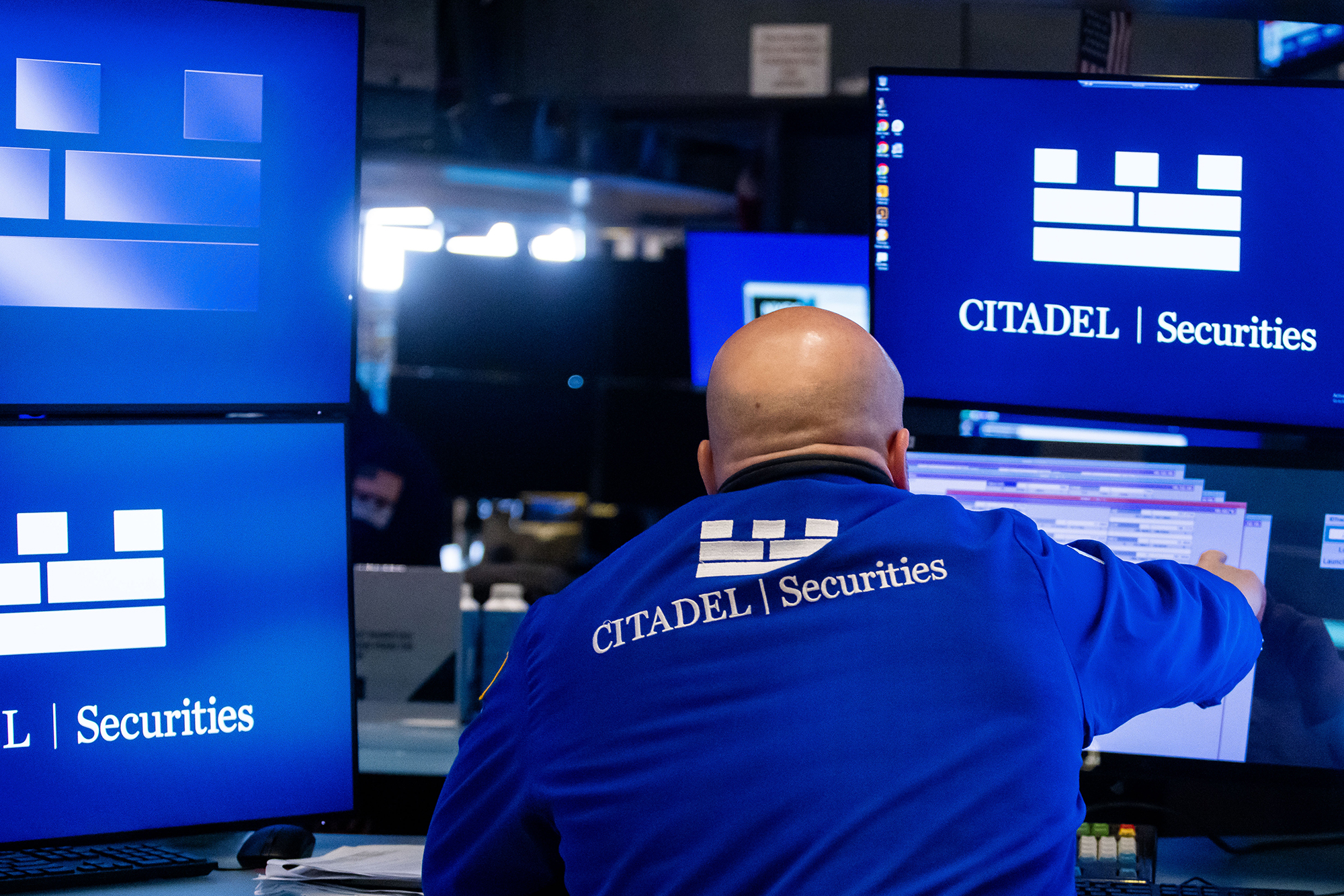
Citadel Securities is urging the Securities and Exchange Commission’s new leadership to examine a list of what it argues are emerging and mounting risks, including opaque trading in so-called private rooms and the push by US stock markets to operate around the clock.
The fintech revolution has opened doors to optimizing home office operations, but the question remains: How can wealth managers effectively harness their tech stack to reduce fragmentation and simplify processes related to vendor workflow management?
Think of the drafting process like investing—scouts meticulously rank players based on their strength, speed, flexibility, and mental acuity, much like we analyze the economy and financial markets to shape our outlook. The true value of these players might take years to unfold...
Barry Ritholtz, Chairman and Chief Investment Officer of Ritholtz Wealth Management, breaks down the current market environment and discusses key ideas from his latest book, How Not to Invest. VettaFi’s Todd Rosenbluth offers highlights from the 2025 etf.com Awards.
Ultimately, advisors should choose a rebalancing strategy that best serves their client’s needs without putting undue strain on their own operations.
Cryptocurrency investors waded back into the market last week, riding a surge in Bitcoin.
Social Security does face challenges. The trust fund reserves, built up during years when payroll taxes exceeded payouts, are projected to run dry around 2033. If Congress does nothing, benefits will need to be cut by about 20%. That’s serious, but it’s a solvency issue, not a scam.
The sole pursuit of shareholder value — i.e. of maximizing stock price — leads not to a focus on creating the greatest possible value for the firm’s customers, but to a focus on financial metrics and financial engineering.
Treasury Secretary Scott Bessent has a plan to prop up a government-bond market destabilized by Washington’s chaotic economic policies: Let banks load up on federal debt.
American leaders are now engaged in an effort to reverse the loss of manufacturing. The hope is to restore a path to prosperity for struggling regions and their residents. Tariffs are being employed liberally as a means to this end.
Peak earnings season kicks off this week, with 7,600 companies, or 70% of our equity universe expected to report over the next three weeks.
President Donald Trump’s recent executive order revives many of the SDI’s ambitions, albeit with a modern twist. His January 27 directive launched what he first called an “Iron Dome for America,” later rebranded as the “Golden Dome.”
We have good and bad news for investors who want to know whether the stock market will soar, stall, or plummet. First, the good news. This article presents a market path for what lies ahead. Unfortunately, the “right” path lies among three likely scenarios.
Gold has been a high-performing investment over the prior year. It has rallied on the back of falling short-term interest rates and recently increased uncertainty about global trade and economic growth.
On this episode of the “ETF of the Week” podcast, VettaFi’s Head of Research Todd Rosenbluth talked about the the WisdomTree Floating Rate Treasury Fund (USFR) with Money Life host Chuck Jaffe. The pair covered a range of topics related to the fund, providing investors with a deeper understanding of the ETF.
Emerging-market stocks rose for a second day, with the benchmark gauge heading for a three-week high amid optimism over corporate earnings.
Private equity firms are scouring for investment opportunities in European defense, chasing the once shunned sector in an effort to benefit from a historic switch to military expansion in the region.
The “Sell America” trade that gripped markets this month has left a potentially lasting dent in investors’ willingness to hold the US government’s longest-maturity debt, a mainstay of its deficit-financing toolkit.
It’s harder to make it as a professional stock picker than it used to be, which is saying a lot because it was never easy.
Are you a “speculator” or an “investor”? This is an essential question that every individual deploying capital into the financial markets must answer. The reason is that how you answer that question determines how you should behave during market cycles.
I don’t believe the current level of tariffs will be maintained. I think most of them will be walked back, and the country will adapt to, say, a 10% tariff here and there. The Chinese (and a few other countries) tariffs are different in that they will have a more significant impact.
Five pivotal U.S. economic considerations, including tariffs, monetary policy, fiscal policy, debt overhang, and demographics, are aligning to depress economic growth for the balance of this year and into 2026.
U.S. policy uncertainty and the ebbs and flows of AI advancement are likely to stoke continued volatility in the world’s stock markets.
In the Middle Ages, a common form of punishment was some form of mutilation, which included cutting off the nose of a prisoner or purposefully marring one’s own appearance before the arrival of conquering armies
There's a tectonic shift unfolding in global finance—subtle in appearance, but profound in implication. The traditional signposts of market anxiety—stocks, bonds, even crypto—are being bypassed in favor of something far older: gold.
Investors are currently using leveraged ETFs to embrace market volatility, particularly in disruptive technology.
This week's economic data revealed a split in the housing market. New home sales unexpectedly surged while existing home sales declined.
Tax planning for high-income earners isn’t about loopholes; it’s about leveraging the strategies available to you.
A well-planned defensive strategy can position equity portfolios to be resilient in a very harsh market environment.
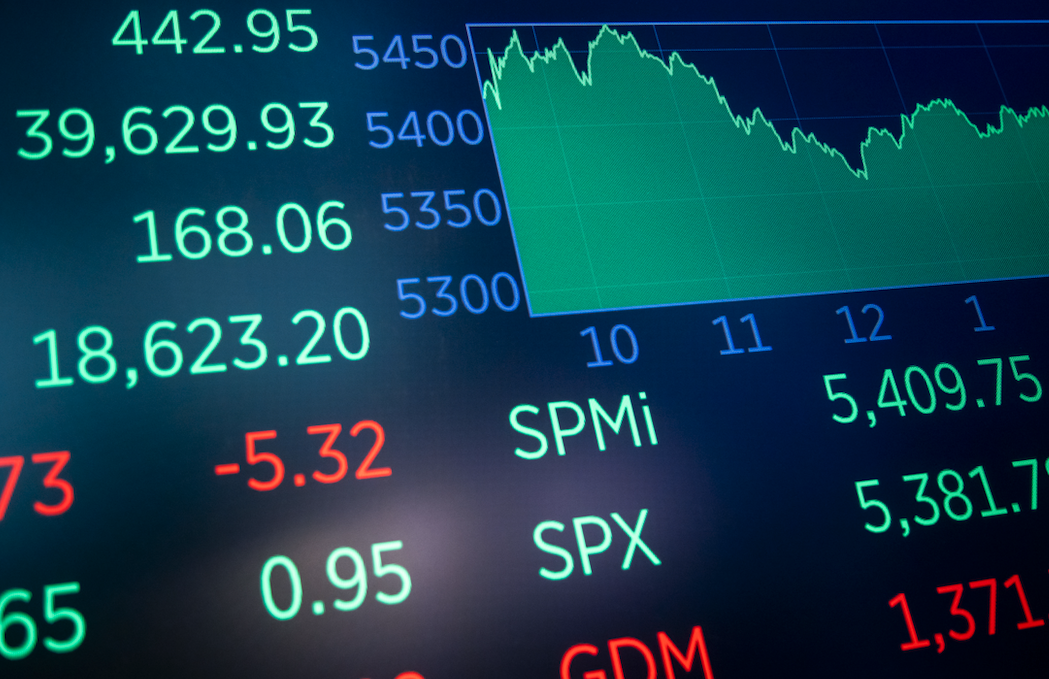
US stocks pared earlier losses with big technology stocks driving gains and hopes for tariff deals overshadowing concerns over deteriorating consumer sentiment and mixed corporate earnings.
Google parent Alphabet Inc. reported first-quarter revenue and profit that exceeded analysts’ expectations, buoyed by continued strength in its search advertising business.