Prices of bitcoin and ethereum haven’t done much to spark enthusiasm in recent weeks. That lethargy could be belying significant appreciation potential.
Downside equity market volatility can be unsettling, but it is important to put the pullback in perspective and identify the drivers of the negative market reaction. First and foremost, the equity market was due for a modest pullback.
With negligible incremental risk, a RAFI Global Index hypothetically outperformed a Cap-Weighted Global Index by 40 bps per annum and a Cap-Weighted Global Value Index by 2.2% from 2007 to 2022—a 16-year period covering the long value rout and its aftermath.
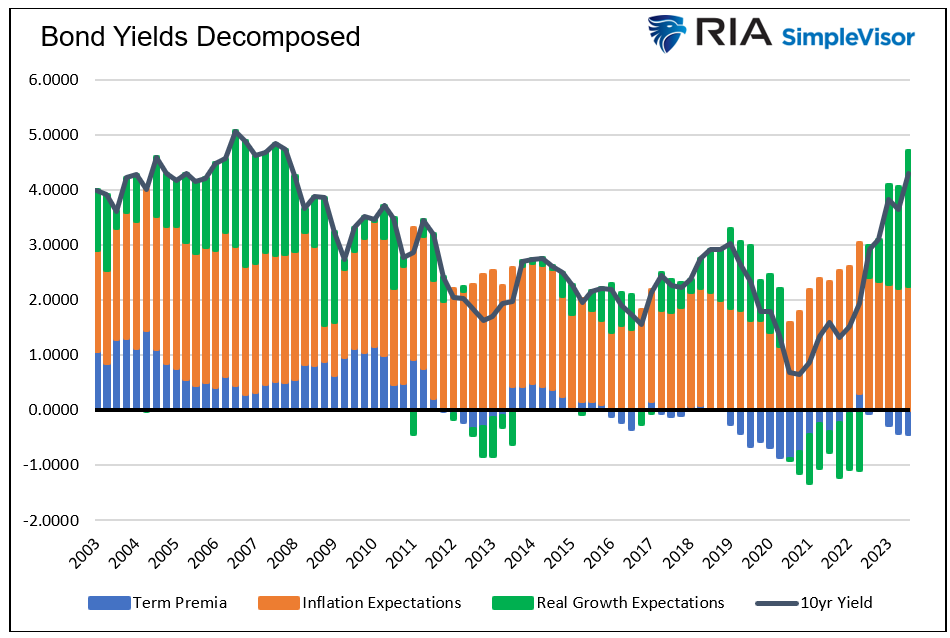
The yield on the benchmark 10-year Treasury is up 70 basis points this year, leading many to question the future direction of interest rates. Let’s look at the underlying causes of this and whether those conditions are likely to persist.
We can and are building much taller skyscrapers. But they are impractical money losers because so much floor space is taken up by elevators. A new book explains the interplay between size and scale, and what it means for our economy and investments.
Common aphorisms and assumed truths about stock returns often imply the disappearance of risk over long horizons. Is that accurate?
Offices in many of the world’s major cities are struggling to find workers to occupy them. The trend of remote working, triggered by the pandemic, is costing Manhattan “$12 billion a year,” “devastating America’s cities” and “killing London.”
Delegating tasks is daunting. Here are the five most common mistakes advisors make when they hire new assistants and how to avoid them.
The degree of success of muni impact bonds often stems from showing issuers how they’ll be graded.
The Chinese yuan has lost nearly 6% of its value against the U.S. dollar this year, while Shanghai-listed stocks are off about 8% from their 2023 high, set back in May.
U.S. stocks typically post their best returns in the final quarter of the year. Our review of S&P 500 performance since the index’s inception in 1957 found an average Q4 uptick of 4%. (Q1 was next best at an average of 2%.)
We believe a mild U.S. recession is more likely than not in 2024, although a soft-landing scenario cannot be ruled out. A recession is also likely in the UK and eurozone, but appears less likely in Australia.
It was the week that bond markets finally seemed to grasp what central bankers have been warning all year: higher interest rates are here to stay.
The level of concern among retail executives over the resumption of student loan payments run the gamut from brushing it off as a non-event to bracing for a big pullback in spending.
Gilt prices have been struggling this past year due to surging inflation and interest-rate increases. David Zahn, Franklin Templeton Fixed Income’s Head of European Fixed Income, shares his outlook for the UK economy and why he thinks now is a good time to consider investing in gilts.
Intermission is over. Today we resume my series on the global cycle theories that, probably not by coincidence, all point to major change unfolding in the next few years. Finishing it may take some time since I keep finding new material.
For all the importance of China’s subpar recovery, the country's woes are notably absent from the plethora of projections and commentary that flow from the Federal Reserve these days. Judging from recent remarks, there's either no problem or nothing sufficiently grave to prod Chair Jay Powell to hint at switching gears. Give it time.
Like any recovering reporter, I like to keep tabs on my old beats, and the marijuana ETF space never disappoints. Or, perhaps more accurately, it never stops disappointing.
Home prices are once again on the rise following a brief decline.
Many advisors are finding their clients show little interest these days in how the markets are doing.
We have been given the mandate to show our capabilities by growing our books of business to “earn the right” to work with clients.
Private infrastructure offers unique investment characteristics and potential diversification benefits for portfolio construction.
Here are the 10 best books I read from September 2022 through August 2023.
Investors that missed out on this year’s dizzying rally in Nvidia Corp. have an attractive entry point this month.
Today, in a shock decision, the Bank of England (BoE) left its policy rate at 5.25% by the tightest possible majority vote of 5-4. All but one of 65 economists polled by Reuters had predicted that the BoE would raise the rate to 5.5%.
A balanced portfolio needs assets with strong return potential and those that may provide downside mitigation. We believe direct lending can deliver both—a potentially valuable feature, particularly in today’s uncertain market.
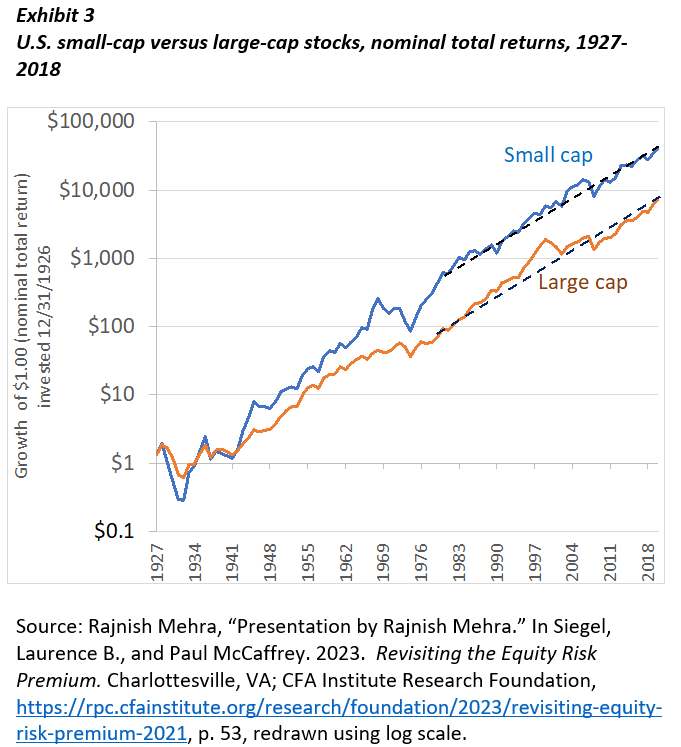
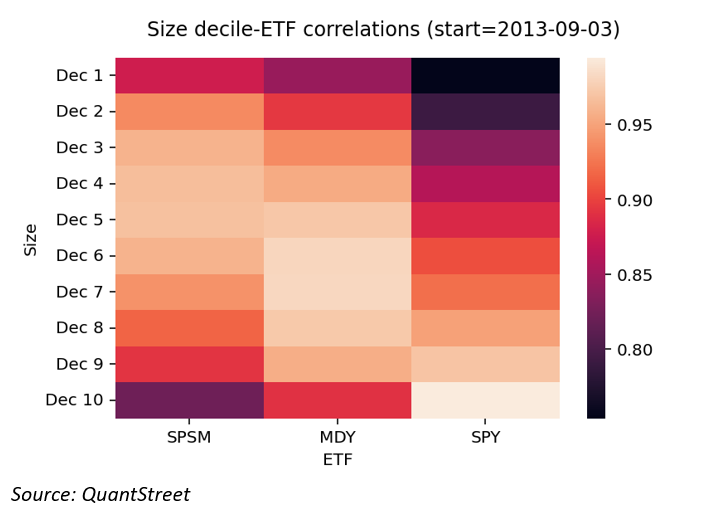
Investors think about companies as being either large or small. In between those extremes are midcaps. Based on historical performance and fundamentals, midcaps should command more attention.
The Big Myth is the remarkable, and largely untold, story of how America fell in love with market fundamentalism.
Financial advisors often face the challenge of transitioning a new client into their practice in a tax-efficient way.
Many of the speakers and attendees were bullish on the physical metal, pointing to gold’s resilience in the face of a very strong U.S. dollar and multiyear-high yields.
For many wealth advisors, workplace retirement plans are either a burden or an afterthought, according to John Kutz, National Retirement Plan Strategist at Franklin Templeton. He and his team explore why embracing these plans can benefit their practice, and their clients.
Last week we began exploring the details of my personal portfolio. This week we will finish and then move back to our discussion of various cycles.
In our view, the specific market dynamics that influence a company's sales growth prospects have a greater impact on equity returns than the overall direction of the economy.
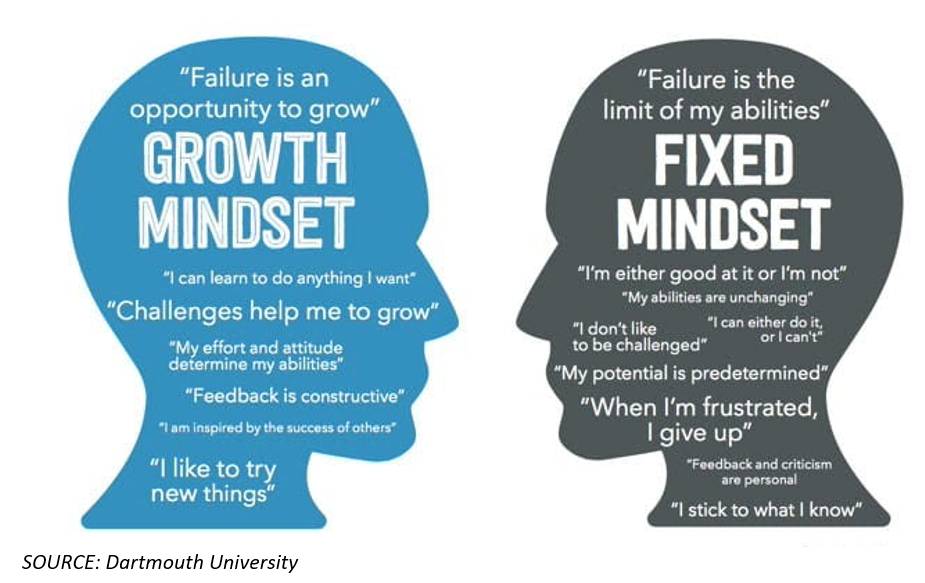
To better understand the growth mindset as it applies to your practice, look at some common misunderstandings, contrasting them with the outlook predicated by the proper mindset.
Can the economy grow 2.0% to 2.5% faster per year over the next 10 years than the last 30 years? I don't think so.
When Exchange first launched in 2022, it redefined what an advisor-focused conference could look like. Now, Exchange 2024 is just around the corner. The financial services industry prepares to unite at Miami Beach on February 11th-14th.
To widen your audience, deepen client bonds, and carve out a strong market presence, a webinar strategy is your ticket to success.
Banks are never fans of tougher regulation, but they really don’t like the overhaul of US capital rules proposed at the end of July by the Federal Reserve and other finance authorities. Lenders and their lobbyists have come out fighting.
Given the uncertainty over a recession, there are other incremental steps that investors may want to consider instead. These include making adjustments to a portfolio’s market beta and credit exposure.
The term “Bond Vigilantes” is a nostalgic twist on an old-west theme. In the nineteenth century, the American West formed self-appointed groups, or committees, to seize the duties of law enforcement and judicial authority in situations when citizens found law enforcement lacking or inadequate.
Now seems like a good time to talk about wrappers and which ones are best for different situations. How do you decide whether to use an ETF, a mutual fund, or something else?
The FOMC will make some close calls and tough decisions.
Here’s how I apply behavioral finance to help clients to think differently about their investing.
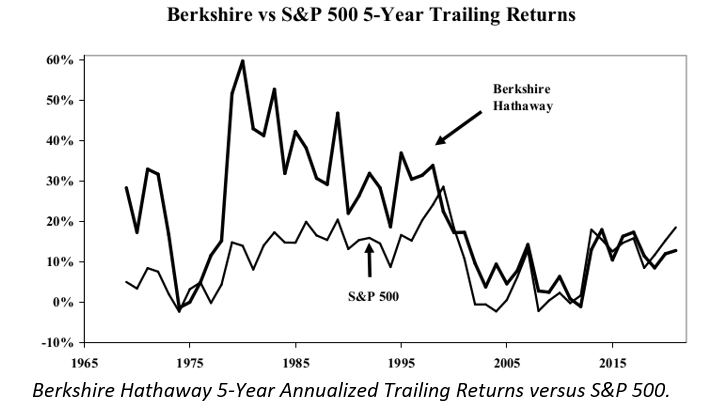
If someone’s good enough to regularly trounce the market, they don’t want your money.
In a significant turnaround for its aviation sector, Mexico’s air safety rating was upgraded from Category 2 back to Category 1 by the Federal Aviation Administration (FAA). The upgrade could be a game-changer, offering opportunities for both Mexican airlines and their U.S. joint venture partners.
Soft consumer confidence and property-market woes are playing a large role in the slowdown of China’s economy.
Today, I am going to do something that I've never done. I am going to start a two-part series describing what is in my personal portfolio and why. Let me start by offering two caveats: This letter is in the “do as I say and not as I do” category.
Hear from Jeff Schulze, Head of Economic and Market Strategy at ClearBridge Investments, about the state of the US economy. Get his perspective on the Federal Reserve’s next potential moves.
Federal Reserve Chairman Jerome Powell and his colleagues are likely to shy away from signaling that they’re done raising interest rates when they meet next week.
All week, stock traders have shrugged off everything from hot inflation data in the US to another recession-threatening hike in interest rates over in Europe.