A plunge in pricing power was one of the most notable developments we found in our latest quarterly survey of our credit analysts, who follow more than two dozen industries.
We are closing in on what we think may be the question of the decade. If a majority of stock market capitalization in the US is passive or indexed, does this cause problems for stock markets?
Over the past couple of decades, I’ve told clients many very important things. Most of them are timeless, which is why I find myself saying the same things repeatedly. Here are the top 10, and I’ve saved my most important for last.
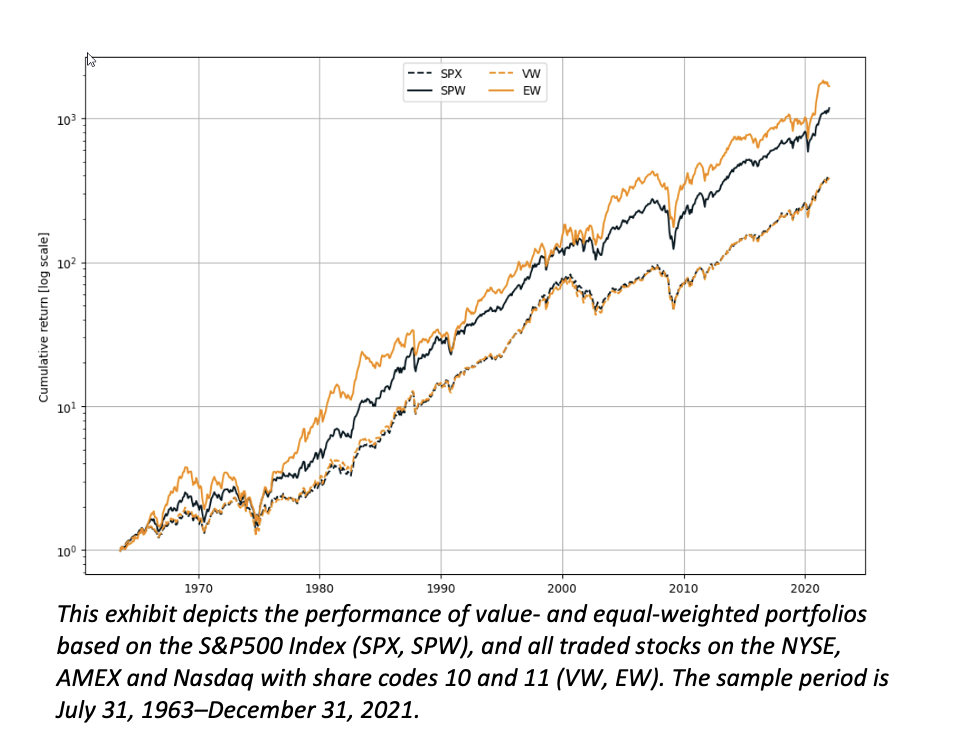
Equal-weighted portfolios have long outperformed cap-weighted funds. Conventional wisdom is that was because of the small-cap factor, but new research shows more is at play.
While tech investors have plenty of issues to worry about as the sector heads into a key week for corporate earnings, one notable headwind from last year has eased in recent months: the dollar.
Since its launch in November, ChatGPT has been a smash hit. To explore the benefits of airline deregulation in the U.S., we sought the help of the AI content generator.
Elon Musk’s response to wavering demand and recession risk is pretty clear: slash prices, keep increasing capacity and try to continue growing even if it means sacrificing profit margin in the short term.
The current debt ceiling debate in Congress is a great reminder that investors should always prepare for the unexpected and invest in companies that are durable enough to withstand a range of economic scenarios.
Yesterday, we got our first look at December’s economic data for Europe, in the form of PMIs.
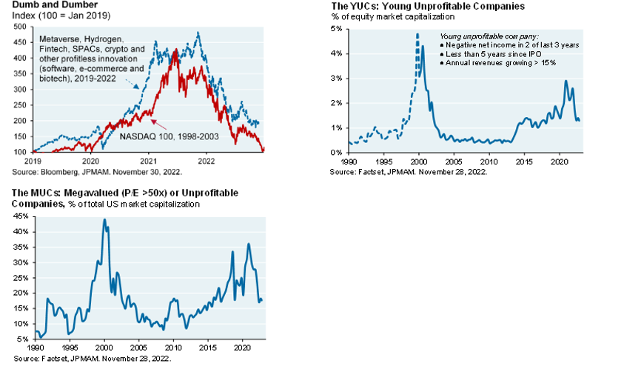
The first and easiest leg of the bursting of the bubble we called for a year ago is complete.
The Federal Reserve’s quantitative-tightening program risks being propelled toward an early end as US politicians bicker in Washington over raising the national debt limit, according to some economists and bond-market participants.
Paying down student debt or saving for retirement can seem like mutually exclusive goals. A little-known workplace benefit could soon allow more workers to do both.
Making optimistic predictions either makes you look foolish if bad things happen or be forgotten if nothing bad happens.
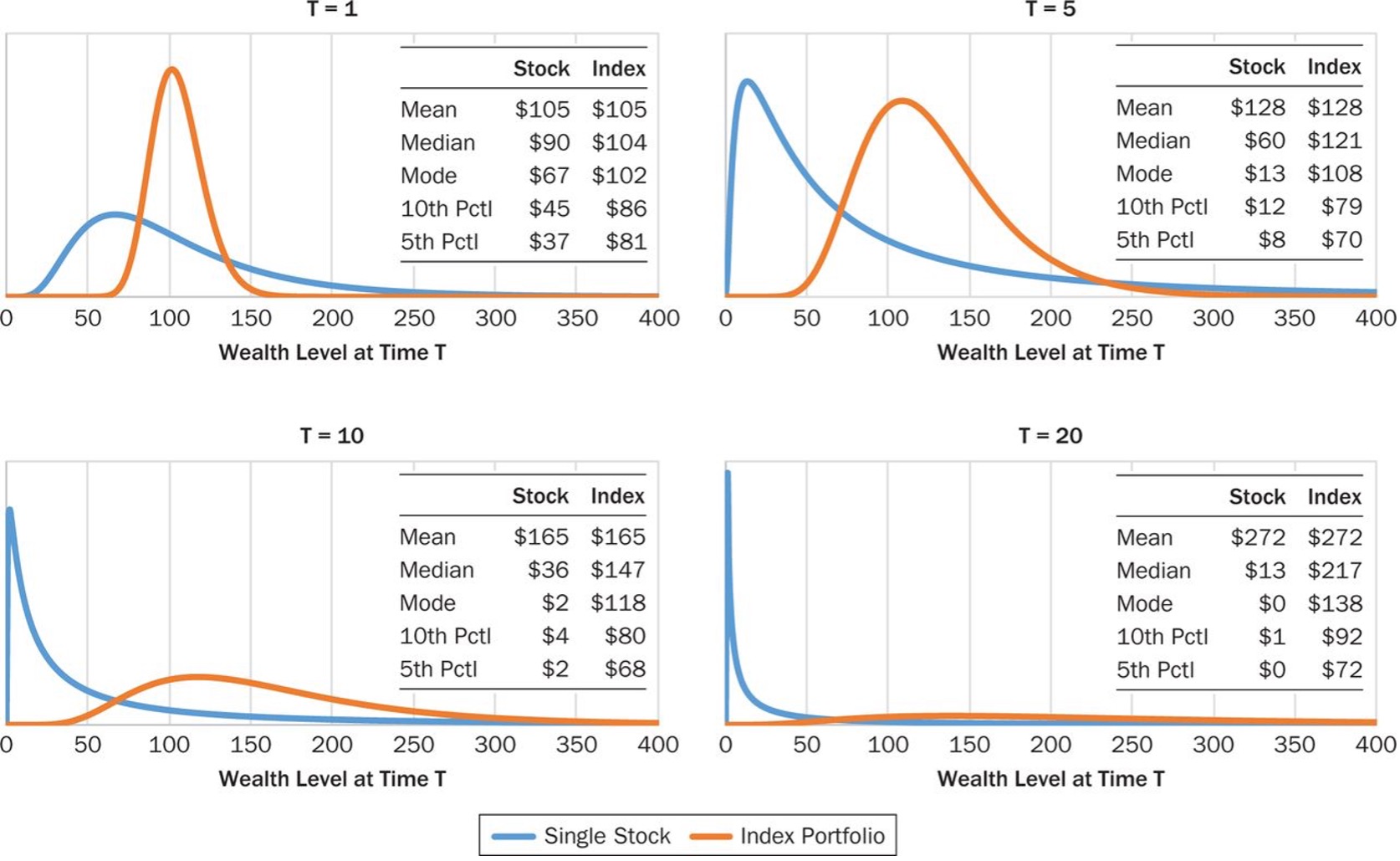
Advisors can illustrate the risks in single-stock positions by educating their clients on the historical evidence that demonstrates diversification is the prudent strategy.
It’s big news that Envestnet is moving into the RIA custodial space and will soon be competing head-to-head with its biggest integration partners: an expanded Schwab platform, Fidelity and Pershing. I suspect that this is just the first of many so-called software “platforms” that will jump into the custody competition.
Ray Dalio, founder of the world’s largest hedge fund, has one.
The world’s leading CEOs, politicians, and various do-gooders were in Davos, Switzerland, this week, discussing ways to solve our collective problems and create opportunities for their own companies. The most important conversations were off the record and many of the public speeches were simply performance art.
A January survey conducted by Bank of America shows that 91% of money managers believe China will “fully reopen” in 2023. That’s a significant increase from December 2022. Growth expectations for the country are also at a 17-year high.
It’s as close to a sure-thing bet as markets ever offer. When the S&P 500 falls 20% or more, a recession is close behind
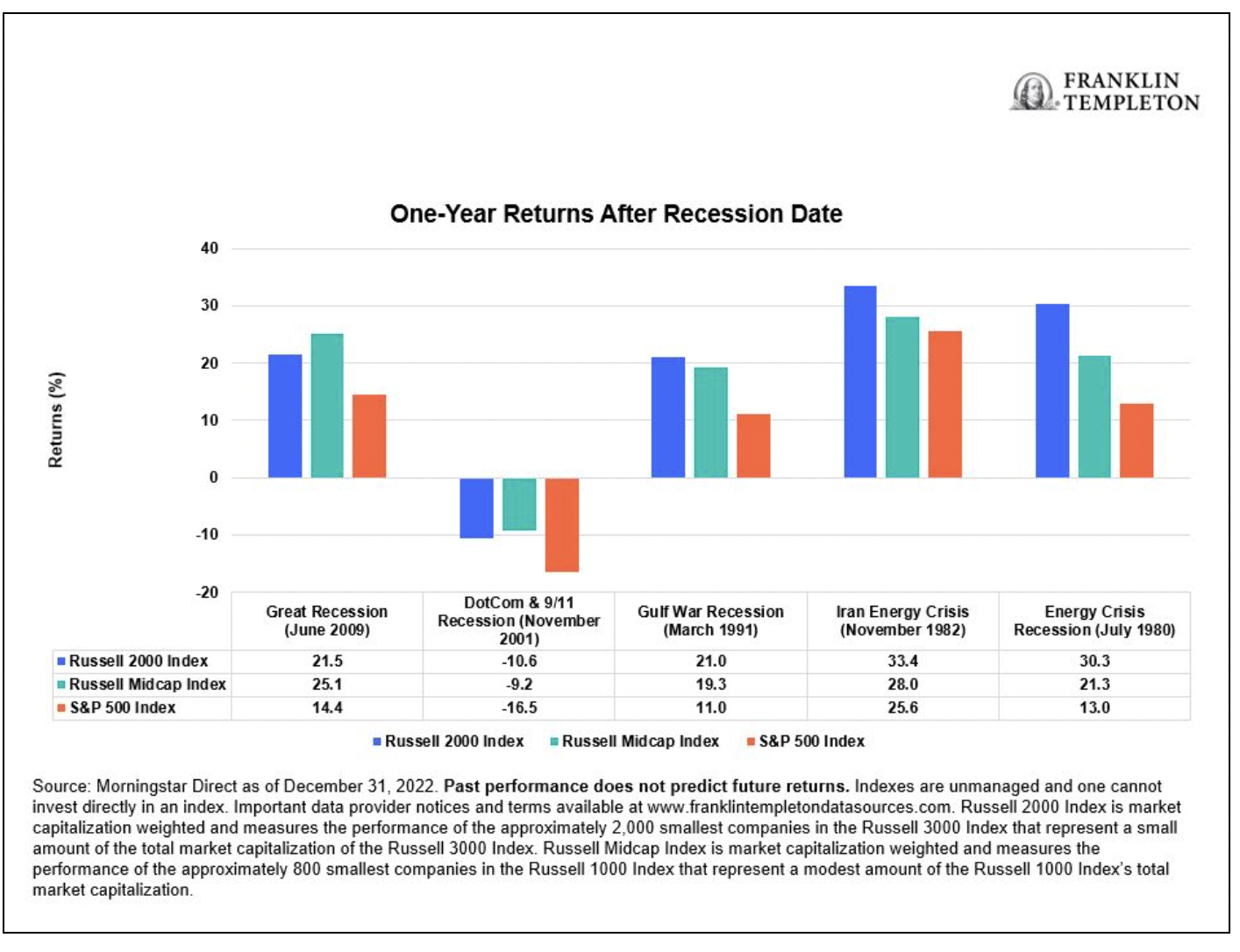
Dina Ting, our Head of Global Index Portfolio Management, offers her perspective on the allure of multifactor US mid-capitalization strategies for 2023.
The best start to a year for bond returns is helping fuel an unprecedented debt-sale bonanza by governments and companies around the world of more than half a trillion dollars.
Federal Reserve Chair Jerome Powell is justifiably proud of the central bank’s independence — and refreshingly candid about its boundaries.
European policymakers face a dilemma: continue to hike interest rates to combat inflation or ease off to stimulate growth.
We believe it is important to keep you informed on the latest proposals and regulations impacting the retirement industry, as well as implications to your business.
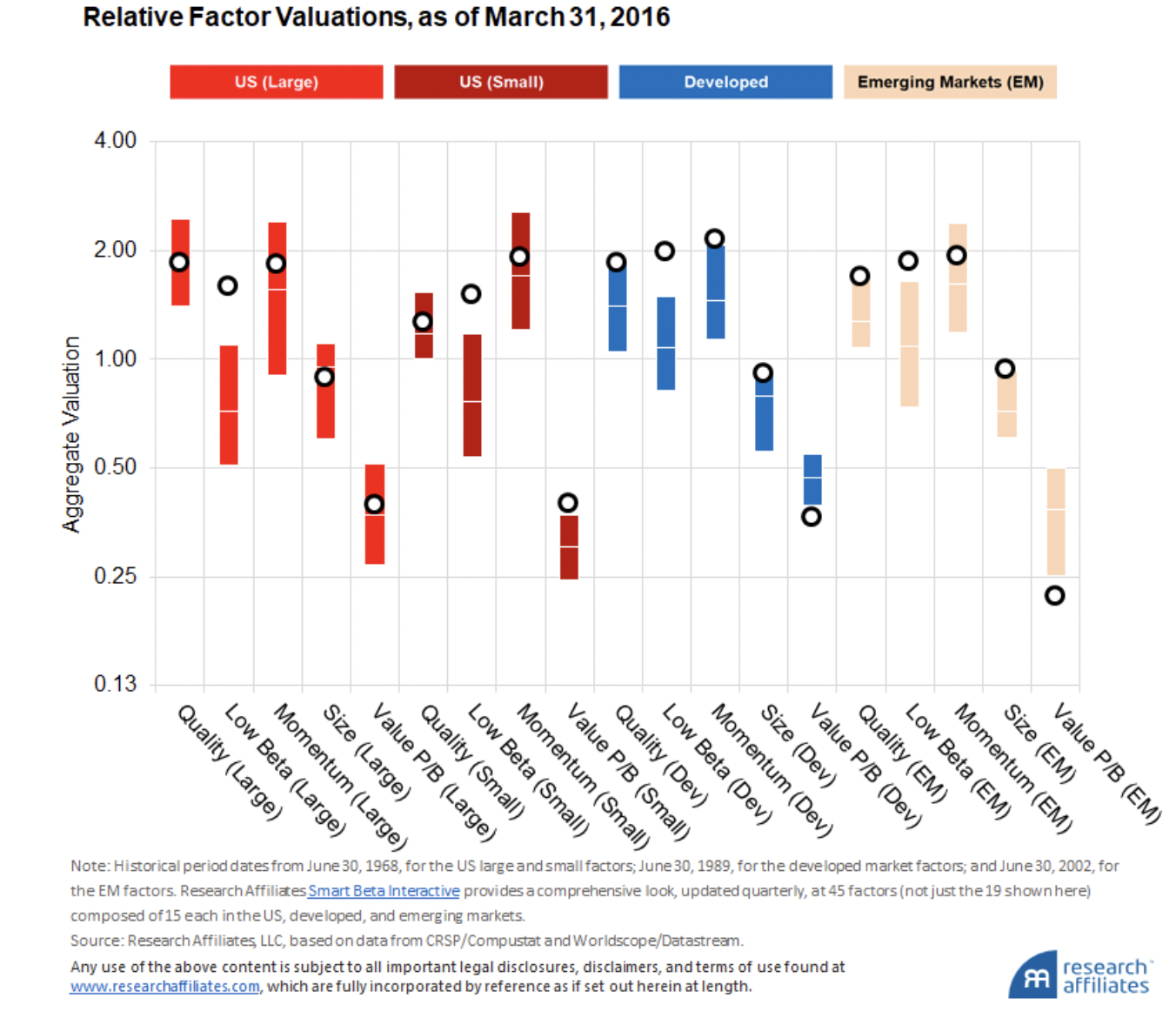
Nearly seven years have passed since the publication of our 2016 paper “How Can ‘Smart Beta’ Go Horribly Wrong?”
Markets provided investors with a dozen lessons in 2022 (and a bonus one in the postscript).
Throughout this year, Wealthspire Advisors’ Investment Team has spent significant time discussing inflation and the Federal Reserve and felt it was important to pivot towards the story in financial markets for 2022, which begins and ends with fixed income.
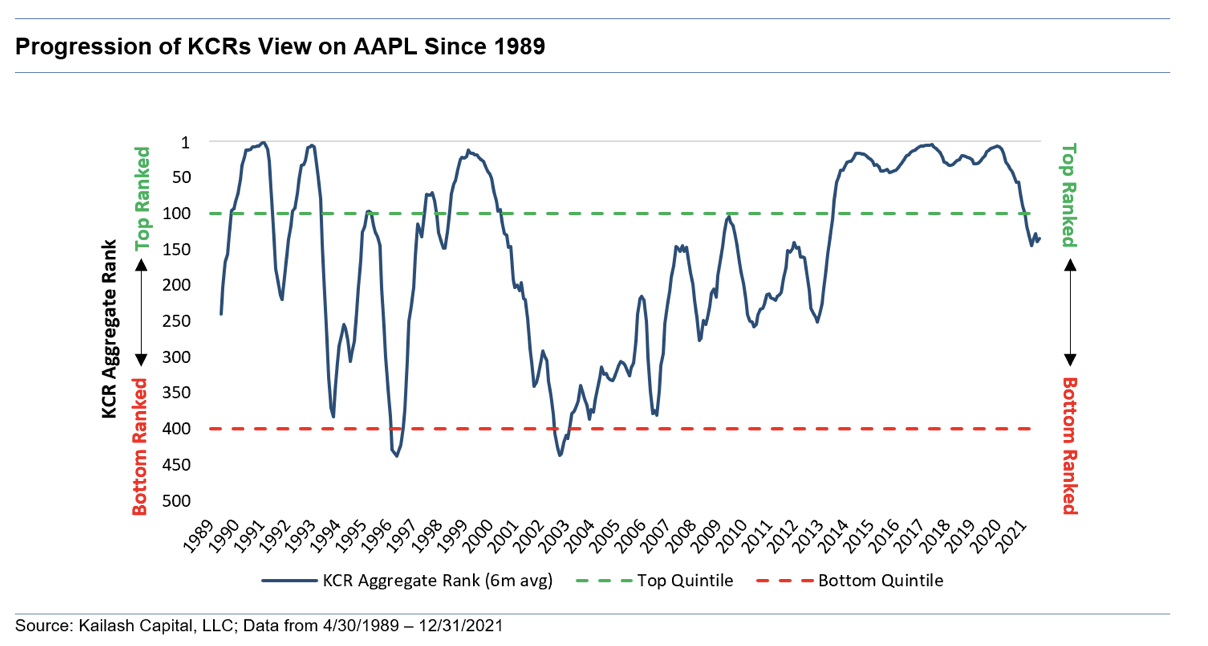
At KCR, we believe in the Quantamental Investment approach–a strategy that leverages the most useful aspects of both quantitative investing and fundamental investing.
The question that obsessed financial markets last year was when and where US inflation would peak. The 2023 version will likely be how far, and how fast, it comes down.
VettaFi’s Todd Rosenbluth evaluates Nate’s 2023 ETF predictions. Axel Merk spotlights the Merk Stagflation ETF (STGF) and the VanEck Merk Gold Trust (OUNZ). ETF Think Tank’s Cinthia Murphy offers an inside look at the booming ETF white labeling business.
Relieved to have turned the page on the worst year for stocks in more than a decade, investors are finding that pricey share valuations and shrinking earnings still stand in the way of any swift bounceback for Big Tech.
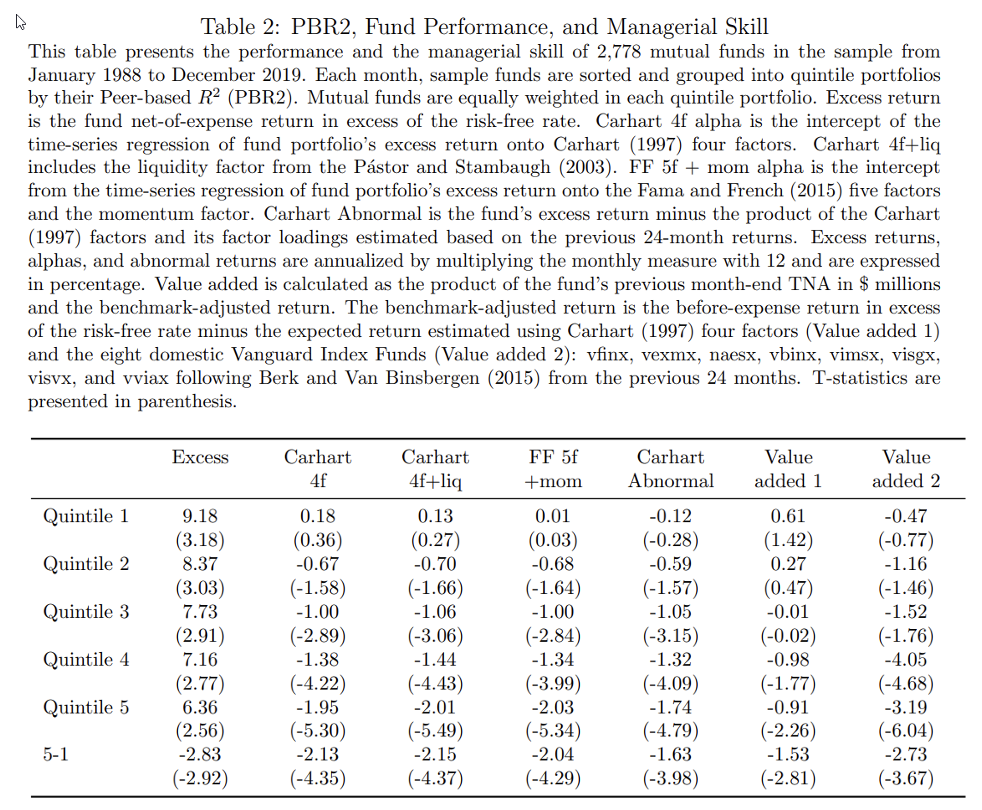
Countless investment practitioners and academics have unsuccessfully searched for the metric that can successfully identify future mutual fund outperformers. What follows is the saga of the latest failed attempt.
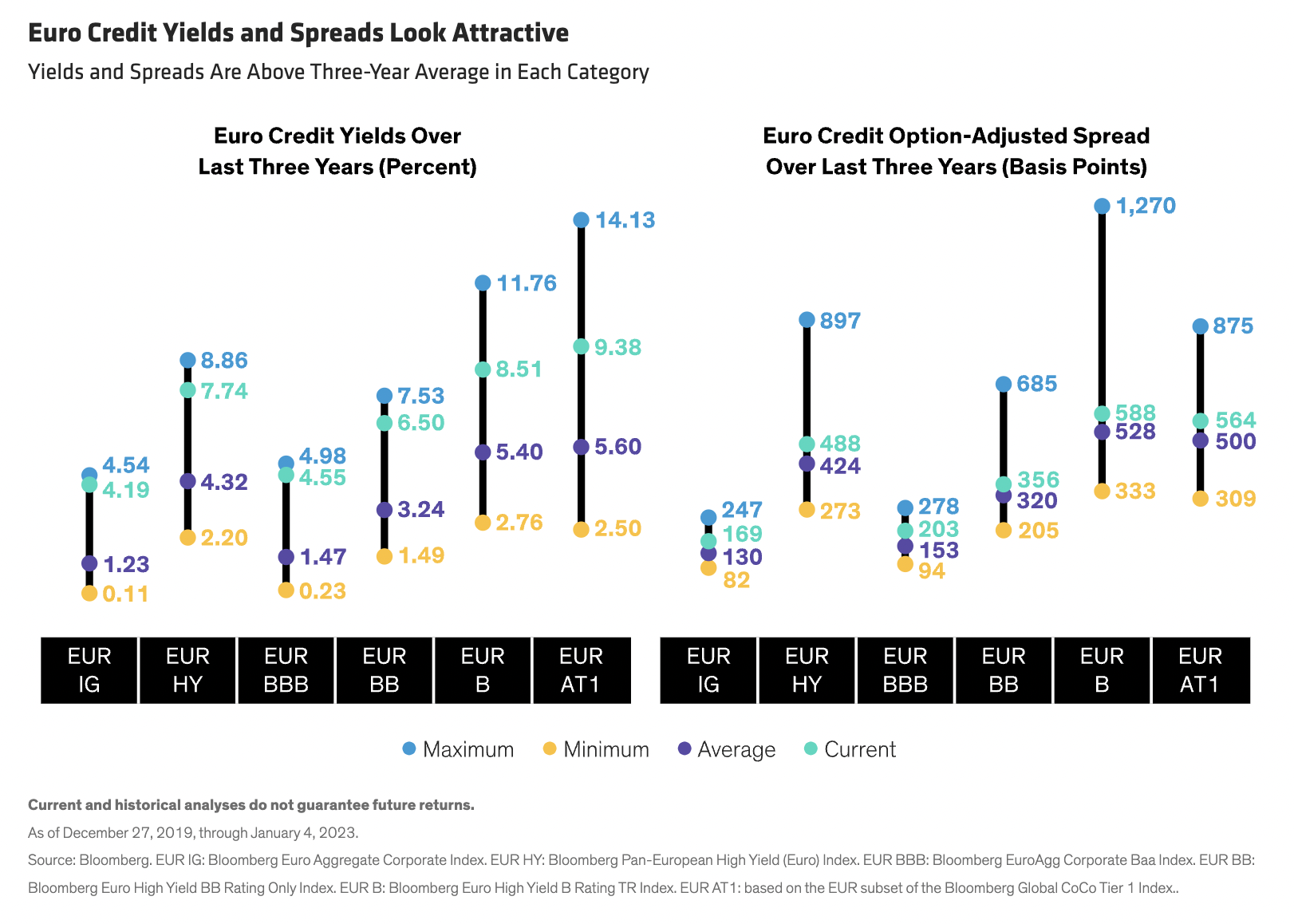
European bond-market performance was among the worst on record in 2022, as Europe ran the gamut of geopolitical, economic and market storms.
Welcome to 2023. It’s Forecast Season on Wall Street, the time when everyone tells us what to expect for the new year. Do they really know? Of course not. Forecasters don’t know, investors know they don’t know, yet we all go through this exercise anyway.
Investors who use a 60/40 portfolio had a rough year. In the past, putting 60% in stocks and 40% in bonds has often helped investors hedge against losses in either asset class. But 2022 had other ideas.
In the rough year ahead, bonds might be one of the only bright spots. It would mark a dramatic turnaround from 2022, when bonds fell alongside almost every other asset class, posting their worst year in a generation.
Over the long-term, the fundamentals of the dollar suggest a downward bias is likely.
In preparation for the new year, let’s look at the importance of celebrating what’s been done and learning from mistakes made.
The collapse of FTX and the charges against Sam Bankman-Fried have brought many renewed calls for crypto regulation, from both commentators and legislators.
Nikko Asset Management’s Global Investment Committee recently got together to discus their views heading into 2023.
Dave Nadig, Financial Futurist at VettaFi, previews the upcoming year in ETFs and the financial markets. Dave also discusses potential implications of longer-term asset management trends including crypto, ESG, direct indexing, and the rise of passive.
Contrary to what financial theory predicts, new research from Europe shows that the elderly accumulate assets later in life than expected, likely because they want to leave bequests, are receiving pensions, or are reluctant to part with assets such as their homes.
U.S. equities closed out 2022 in the red, and all three major indexes registered solid losses on a yearly basis. The stock market posted its worst yearly decline since 2008.
Any way you slice it, 2022 was a turbulent year, from Russia’s invasion of Ukraine to historic inflation and jumbo rate hikes to multiple failures in the digital asset space.
Much ink has been spilled over the death of the 60/40 portfolio.
The Aiguille du Midi, neighboring popular Mont Blanc in the French Alps, is famous for having the highest vertical ascent cable car in the world, a vertigo-inducing ride that is equal parts scary and awe-inspiring.
Bear markets end with widespread capitulation while a chorus of the stock trader’s prayer (God, if you get me out of this mess, I swear I will never buy another stock) spreads through out the land.
Sales of previously owned US homes fell for a 10th-straight month in November, extending a record decline as high mortgage rates continue to stifle affordability.
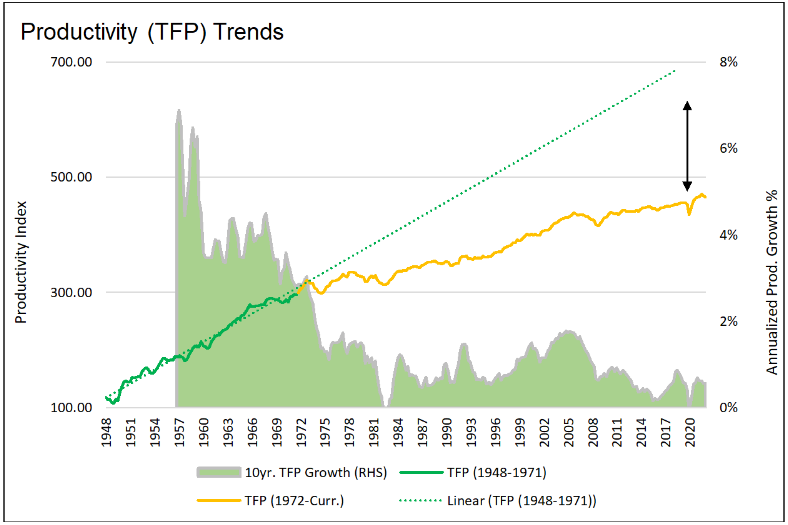
The Fed’s repeated manipulation of the price of capital has weakened productivity growth and reduced economic activity. Ultimately it is the citizens that pay the price.
Capital represents the resources and labor used to produce goods and services.