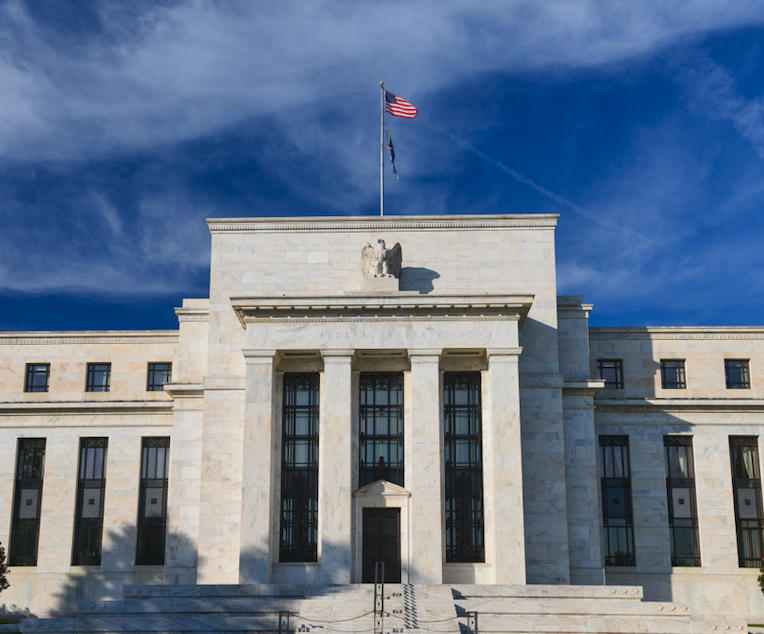
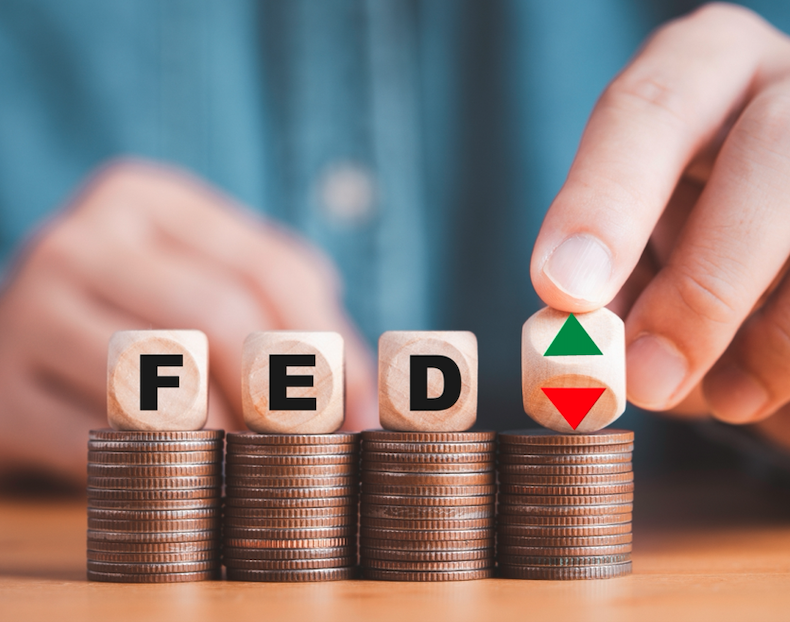
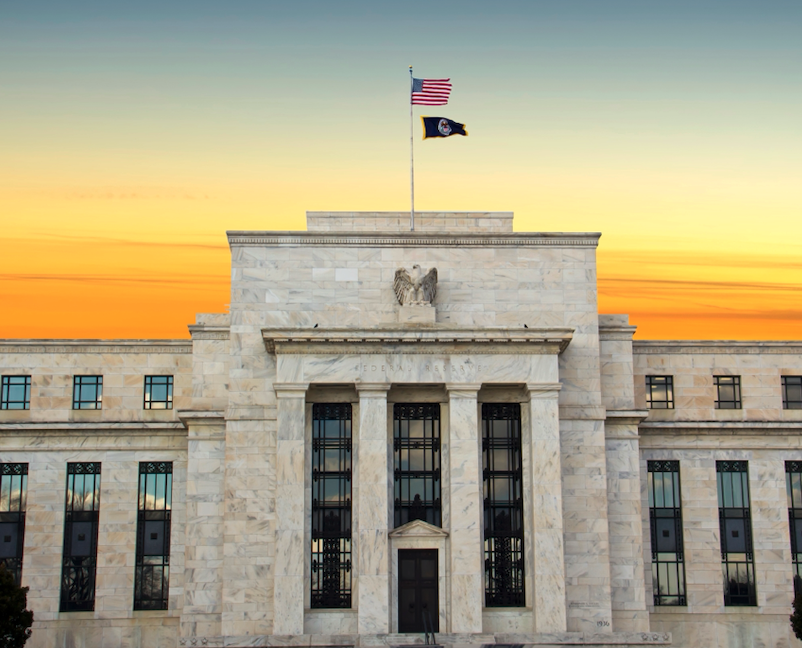
There’s a new sheriff in town over at the Federal Reserve. He sounds a lot different than the old sheriff, but one would be wise to remember that Kevin Warsh is enforcing the same laws in the same town as Jerome Powell did.
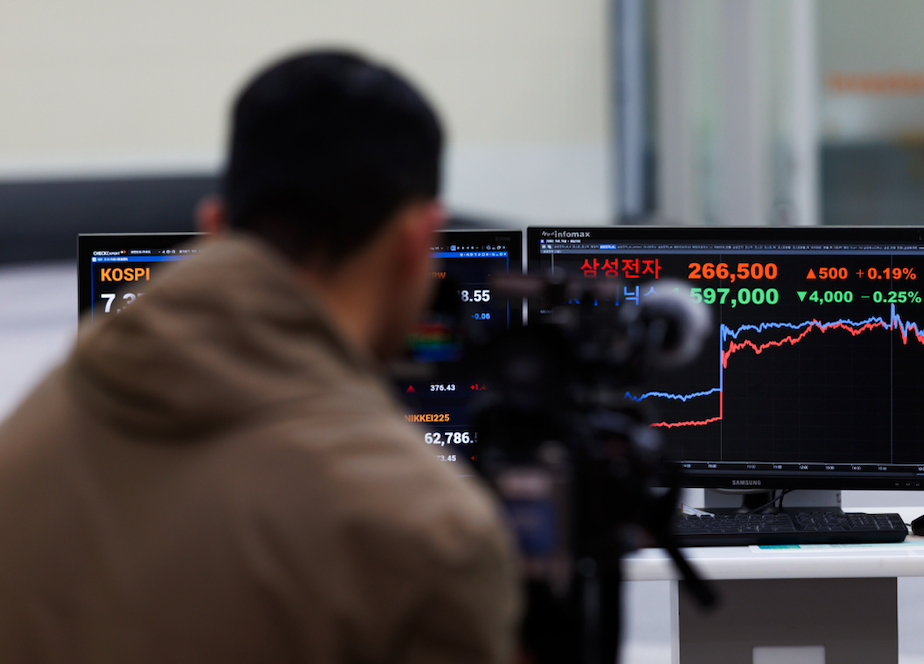
Equities rallied after President Trump announced an agreement with Iran to end their conflict and reopen the Strait of Hormuz. The S&P 500 and the NASDAQ finished the holiday-shortened week with solid gains, led by the technology sector.
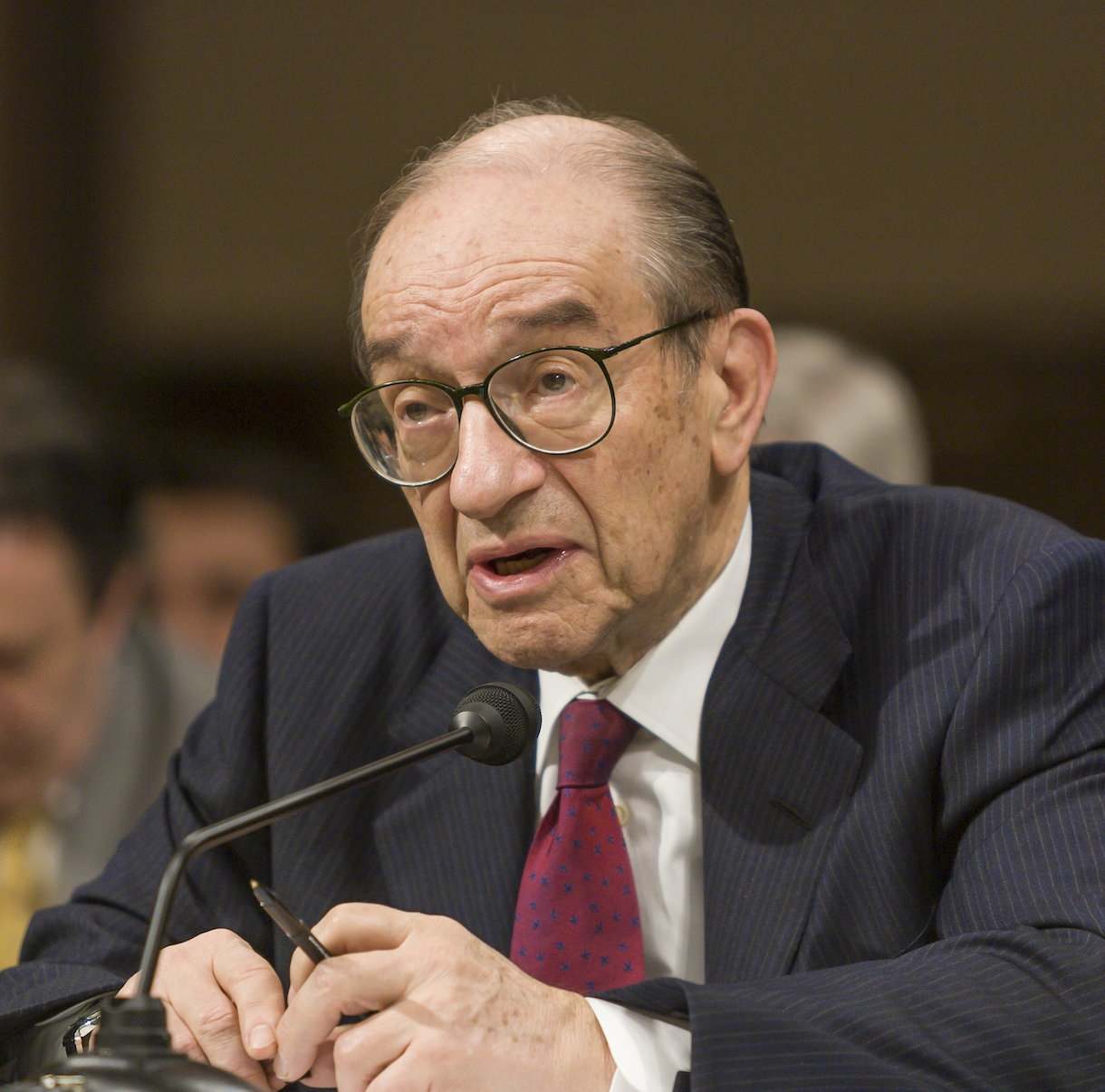
Alan Greenspan, the titan of global central banking who led the Federal Reserve during decades of prosperity, has died at 100, just when elements of his free-market philosophy are experiencing a renaissance.
Kevin Warsh, the newly appointed Federal Reserve chair, led his first committee meeting in June. The decision to leave short-term interest rates unchanged didn’t surprise anybody, but there was plenty for markets to chew on.
The ongoing World Cup showcases three countries working together. The USMCA review will reveal whether that cooperation extends beyond sport. A shared platform can continue to deliver strong outcomes, but only if the rules remain clear, stable and broadly accepted.
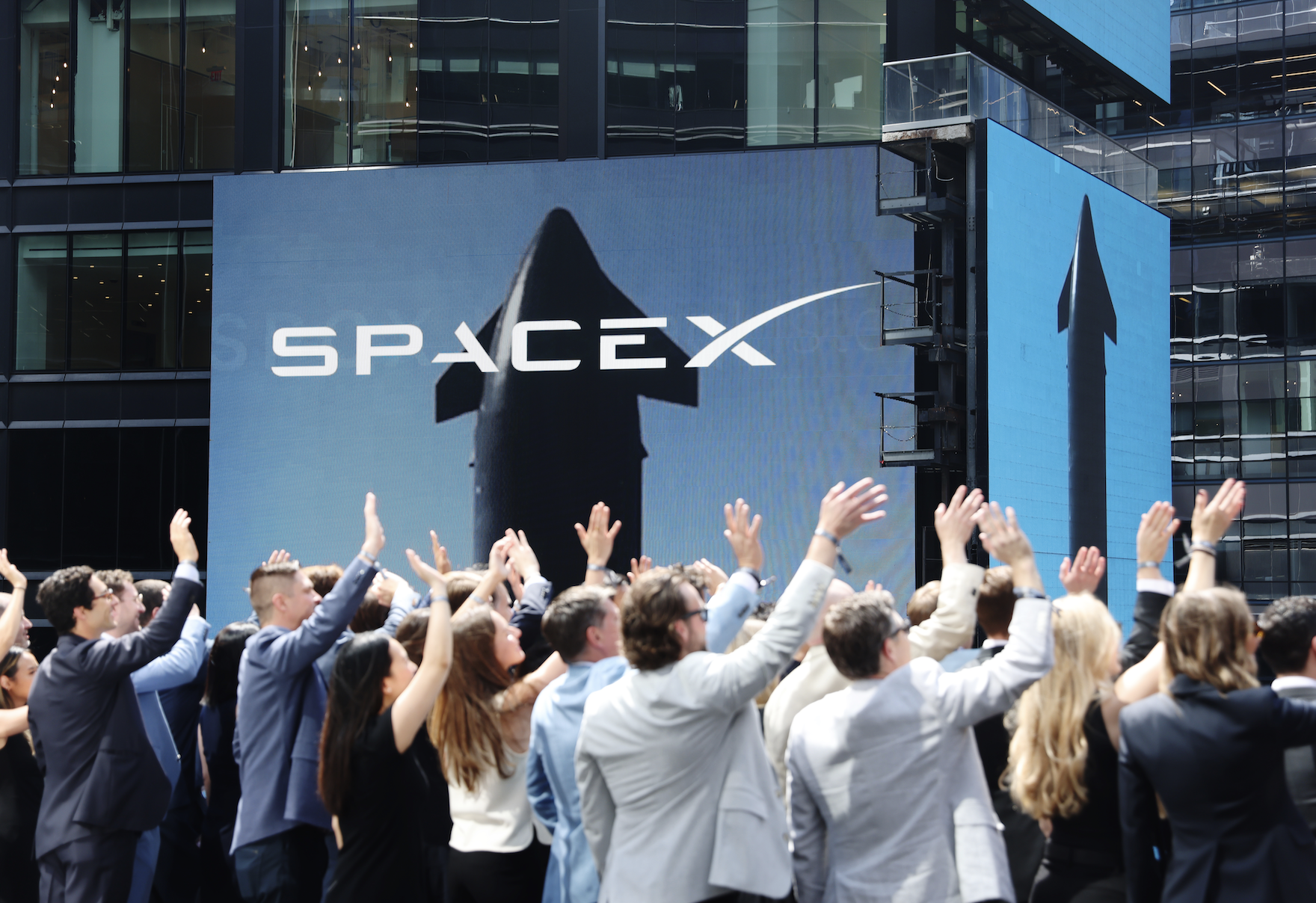
SpaceX is seeking to raise between $20 billion and $25 billion from a debut bond offering on Tuesday, after attracting about $30 billion of investor orders even before the sales process had formally begun, according to people with knowledge of the matter. At that size, the deal would rank among the biggest of the year, according to Bloomberg-compiled data.
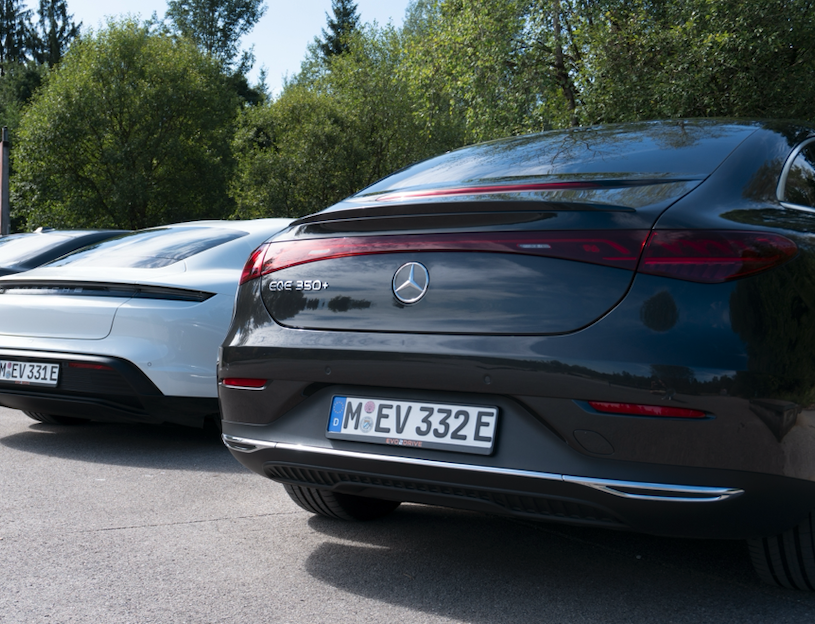
A massive profit warning from BMW AG last week delivered yet more evidence that Germany’s automaking business model is broken. With Volkswagen AG’s top executives reportedly worried about existential threats to their company, BMW’s woes aren’t isolated.
While the market-cap methodology has been the guiding principle for equity index creators, it’s increasingly viewed as a structural error in the world of fixed income. Today, TMX VettaFi is helping to spearhead a growing movement of index innovators who are inclined to challenge the fixed income status quo.
U.S. equities posted a modest advance during the holiday-shortened trading week despite a Wednesday sell-off following a more hawkish than expected Federal Reserve meeting under its new chair, Kevin Warsh.
The rising debt burden of the U.S. government is becoming an increasingly serious economic concern. While it may not be an immediate crisis, it has the characteristics of a slow-moving domestic pandemic.
The corporate world is awash in capex. Leaders in the artificial intelligence (AI) arms race are pouring hundreds of billions of dollars into tech projects, and uncertainty surrounds their profitability. For now, the market rewards this use of cash, but it’s not without pitfalls. Share buybacks, for instance, are seen as a net loser, while the S&P 500® dividend yield has sunk toward all-time lows near 1%.
Join the experts from Victory Capital for a one-hour session, including live Q&A, where we’ll unpack the dispersion story and show why free cash flow has worked across the style box, regardless of where the market has been.
Here’s the setup most investors are underrating right now. Over the next two weeks, the tape will trade on plumbing rather than fundamentals. We just cleared the largest options expiration in history. Quarter-end pension selling comes next, and then July 1 reopens the passive-money firehose into a market that already routes forty cents of every S&P 500 dollar into ten stocks.
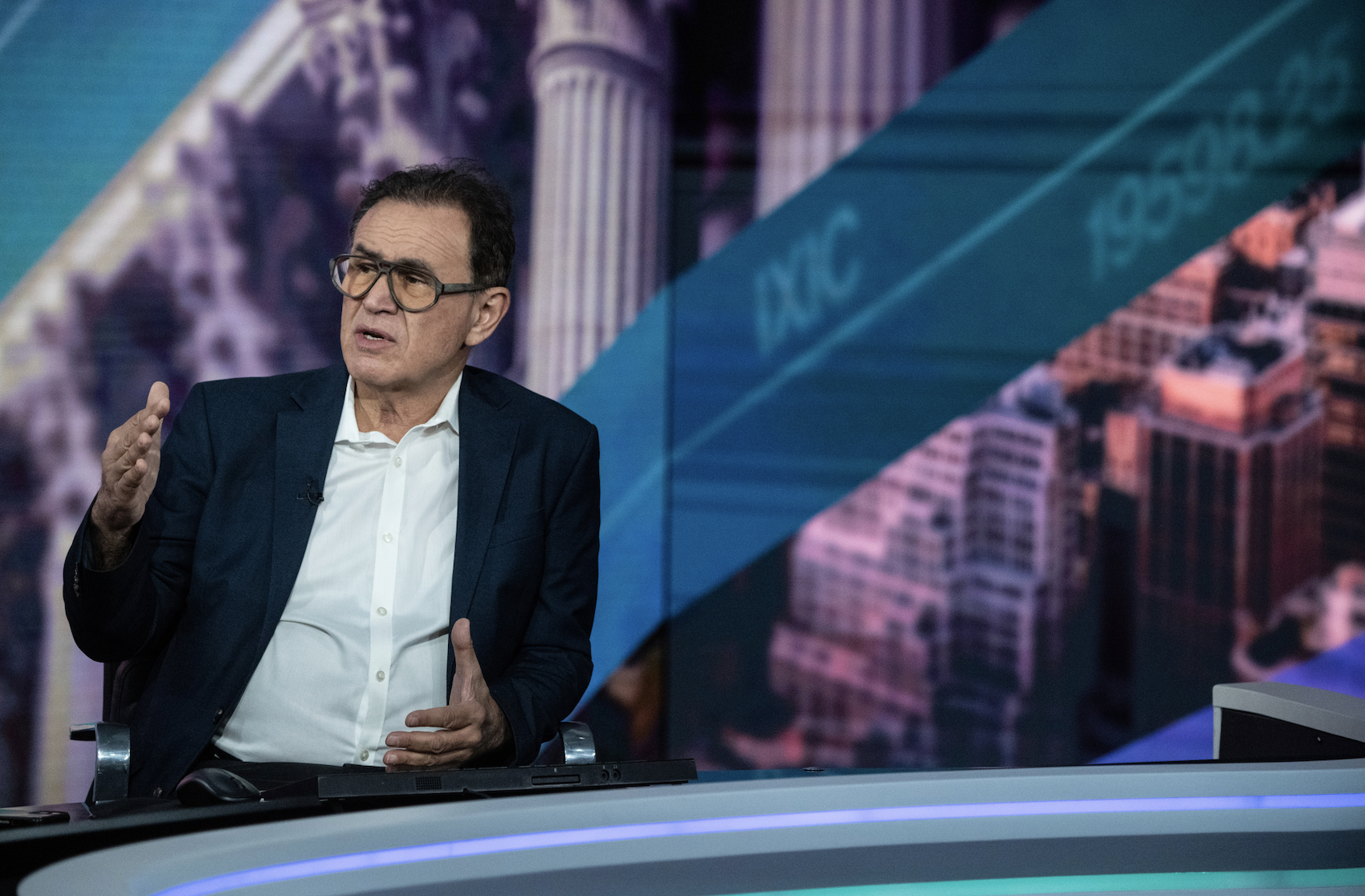
Nouriel Roubini, the economist known for predicting the 2008 financial crisis and later for his sharp criticism of crypto, is putting one of his investment products on the blockchain.
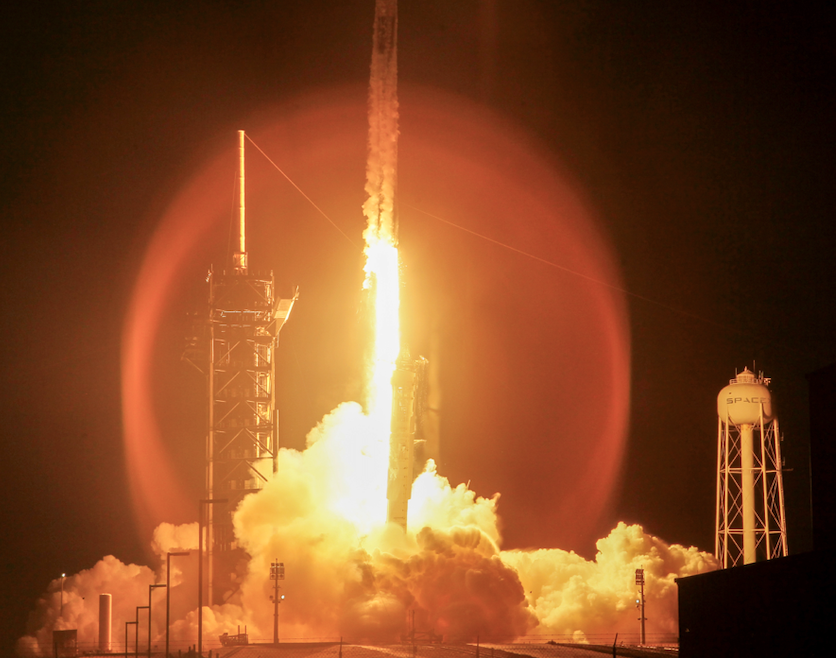
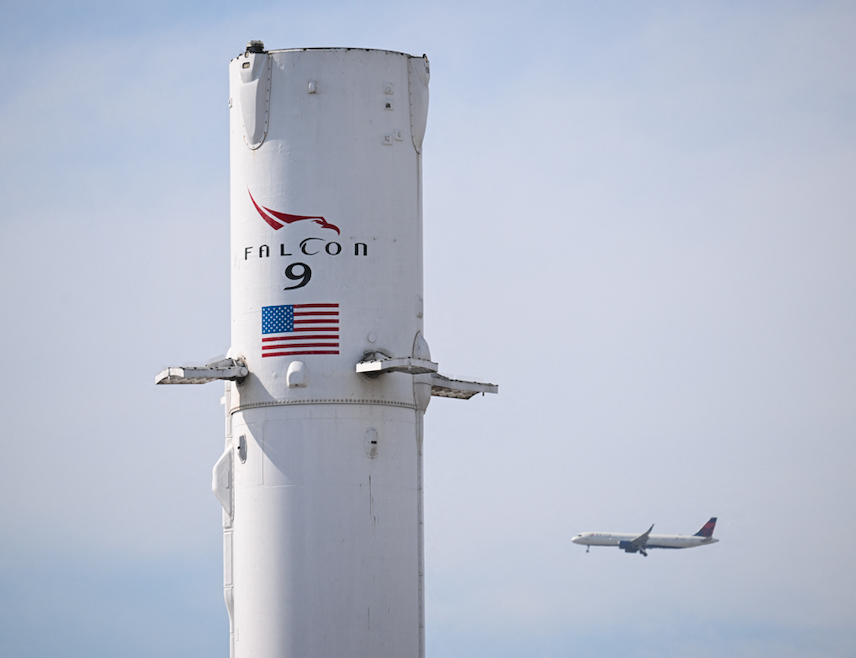
SpaceX launched a demonstration mission Tuesday to send a reusable capsule into space and then recover it, part of a new program that may allow the Elon Musk-led company to tap into the emerging market of in-space manufacturing.
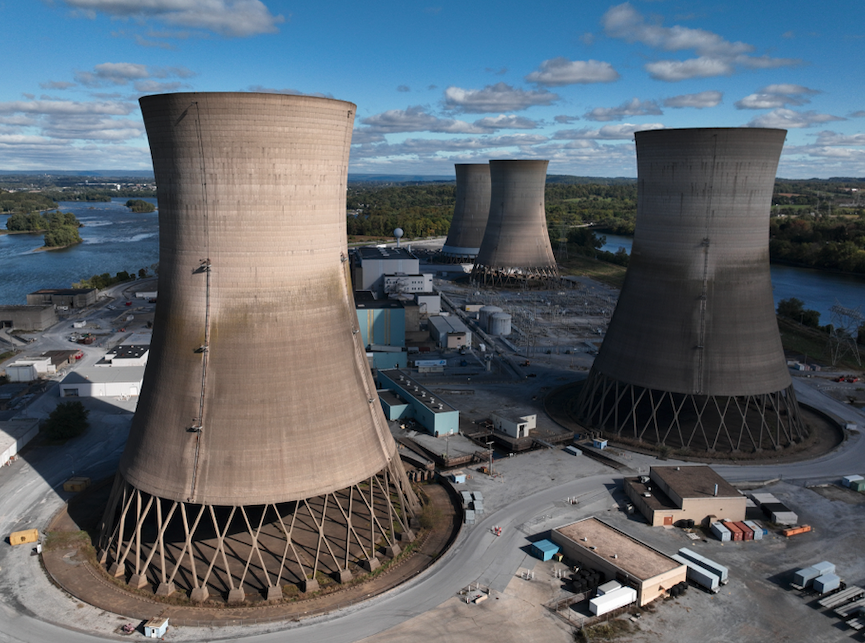
The Trump administration is providing $17.5 billion to help finance equipment orders for large-nuclear reactors being built by Westinghouse Electric Co., according to people familiar with the matter.
All of this is a warning to other developed markets with debt levels on the verge of exceeding their gross domestic product. Following the Truss chaos of four years ago, the market has decided to approach the UK through a lens of always assuming the worst, a default that continues to cost British taxpayers in the form of higher interest rates.
On June 11, security researchers showed how to subvert OpenClaw, one of the most widely used AI agents. Instructions hidden in something as ordinary as a shared contact or a pinned location could make the agent run an attacker’s code and hand over its secrets.
The fixed income environment continues to project uncertainty, as higher-for-longer interest rates persist amid sticky inflation. Investors may want to lean on the expertise of active managers when deciding between an active and indexed fund.
A real, potentially lasting U.S.-Iran deal appears to be on the horizon for the first time in many weeks of on-, then off-again negotiations. Should this be the deal that does it, or another one in the near term, oil prices will respond. In fact, they’ve already dropped in response to the news that the Strait of Hormuz will reopen.
Important investment decisions should always be based on investment principles, not predictions. Principles form the foundation of a sensible long-term financial plan and are timeless rules.
No one can guarantee which choices will be best for your financial future. Do your best to make them, not out of anxiety over the broader economy, but in the context of your own family’s needs and finances.
The advisory profession is entering a new era. AI will not replace advisors — but advisors who use AI will replace those who don’t. And the actuarial approach is uniquely well suited to this transition.
Kevin Warsh, the new chairman of the FOMC, has long been critical of forward guidance, which is the Fed’s practice of explicitly signaling the future path of interest rates (e.g., “rates will stay low for an extended period” or publishing a projected path for policy rates). His concern is that the guidance could give the impression that policymakers might have a high degree of confidence about the future path of the economy and rates.
The US-Iran conflict – and its impact on oil prices – has dominated headlines over the past three months. Higher oil prices have pushed inflation to a three‑year high, reshaping the Federal Reserve’s rate outlook.
Humanoid robots grab headlines, but they are just a fraction of the physical AI ecosystem. Autonomous robots, drones, cobots, and eVTOLs are rapidly scaling across industrial and defense sectors.
On Monday, President Donald Trump announced that the U.S. and Iran have reached a peace deal to reopen the Strait of Hormuz, the 21-mile chokepoint through which roughly 20% of the world’s oil supply normally flows.
The most consequential decisions a founder will face, equity gifting before valuations increase, trust structures timed ahead of a sale, QSBS qualification built while eligibility still exists, all must be decided before liquidity. Once the transaction closes, much of what was available earlier is simply gone.
The results of Kevin Warsh’s first official set of meetings on monetary policy as the Chairman of the Federal Reserve were like a breath of fresh air.
Chris Galipeau discusses high-conviction insights that go beyond media headlines.
The announcement of an extended ceasefire in the Middle East is welcome news. The accord, which is scheduled to be signed late this week, reduces a source of geopolitical uncertainty that has hovered over the global economy. But significant risks remain.
Discover why DoubleLine's Jeffrey Gundlach is urging a structural defensive rotation into emerging markets and international assets.
As geopolitical factors increasingly impact returns in a changing market, active portfolio management will become an increasingly necessary approach for advisors seeking to navigate uncertainty and deliver consistent results.
The emergence of leveraged ETFs tied to Space Exploration Technologies (more familiarly known as SpaceX) points to strong investor demand for concentrated exposure.
Gold is often misunderstood. It is not a growth asset, and it produces no cash flow. Its role is to maintain purchasing power — not outperform. It reflects the currency’s declining value.
For much of the past decade, secondary funds served as the default entry point into private equity for a number of wealth managers, registered investment advisors, and institutional allocators. These investment vehicles allowed investors to acquire exposure to a private equity fund by purchasing the interest of one of its existing primary investors.
You know the term “Money Illusion”: mistakenly believing that today’s dollars have the same purchasing power as the dollars of ten or twenty years ago. As with any illusion, fake replaces real, image supplants fact, and fog obscures truth. We’re here to help you sort it out.
The convergence of long-term structural drivers and emerging cyclical tailwinds suggests the industrial sector may be approaching an inflection point, with conditions increasingly supportive of new development.
For the first time in four years, companies in emerging markets are beating profit estimates, giving investors a fresh reason to believe the bull market is just getting started.
Alan Greenspan, the Federal Reserve chairman proclaimed a wizard for guiding a then-record US economic expansion, only to see his luster dimmed by the financial crisis that erupted less than two years after he stepped down, has died. He was 100.
The flow of oil through the Strait of Hormuz is running at the fastest pace since the Iran war began — despite Tehran stating that the world’s key shipping chokepoint is shut and a report that the Islamic Republic continues to harass passing vessels.
Water utilities are selling bonds at a record pace to upgrade aging pipes and meet tougher regulations as they prepare for a potential pullback in federal funding.
SpaceX is selling investment-grade bonds for the first time in what’s expected to be the start of a massive borrowing spree to fund the company’s AI ambitions following its record $75 billion IPO.
Data center developers are struggling to connect to the power grid and, not unrelatedly, connect with people. Perhaps half the data center projects due to start operating this year won’t arrive on time, according to Currence, an artificial intelligence analytics firm.
Start with the disconnect itself. If you only looked at the Michigan headline, you’d assume the country was in a depression. However, when you look at what people are actually doing, the picture changes completely.
Investors have plenty of reasons to celebrate the covered call ETF boom. Covered call strategies have offered new ways to add income to portfolios. Challenges in fixed income were a catalyst for assets to flow into traditional covered call ETFs.
There is a great deal to unpack from this week’s press conference by the new chairman of the Federal Reserve, Kevin Warsh. Most striking is his markedly different approach to Fed communications. This was evident not only in the statement accompanying the federal funds rate decision, but also in the abandonment of forward guidance and his reluctance to provide insight into the committee’s internal deliberations.
Emerging market (EM) fixed income's risk-adjusted profile has meaningfully improved. Sharpe ratios across EM credit and local rates have rebounded, with EM credit delivering one of the strongest risk-adjusted performances in fixed income over the past two years.
At graduation ceremonies, audiences are often reminded to limit their audible reactions and hold applause, so that all graduates’ names can be heard. But a few viral videos this year showed a new disturbance to be managed: graduating students booing speakers if they extolled the virtues of artificial intelligence (AI).
Roth conversions provide tax-free retirement income to hedge against future tax hikes, but they trigger an immediate tax bill. Fortunately, strategic planning can help minimize this upfront cost.