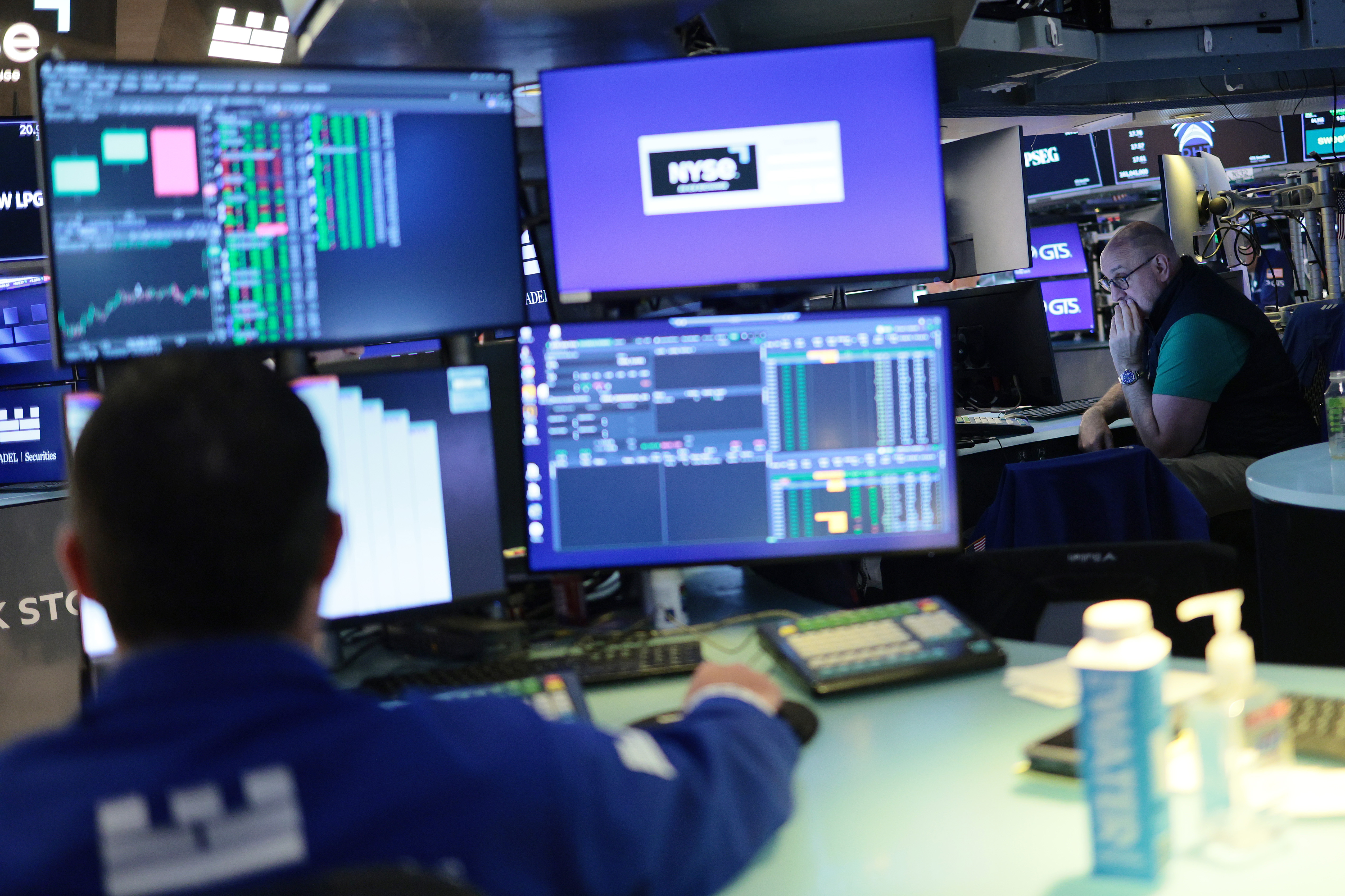
Financial markets generally displayed exuberance Monday after the US and Iran agreed to an interim peace deal to reopen the Strait of Hormuz. Oil prices fell to the lowest since early March and the S&P 500 Index surged, leaving it just a few points below its all-time high reached at the start of the month.
Brent oil fell below $80 a barrel for the first time in more than three months as the US-Iran deal to reopen the Strait of Hormuz boosted expectations for a revival in supply, with leading Wall Street banks reducing their price forecasts and regional benchmarks collapsing.
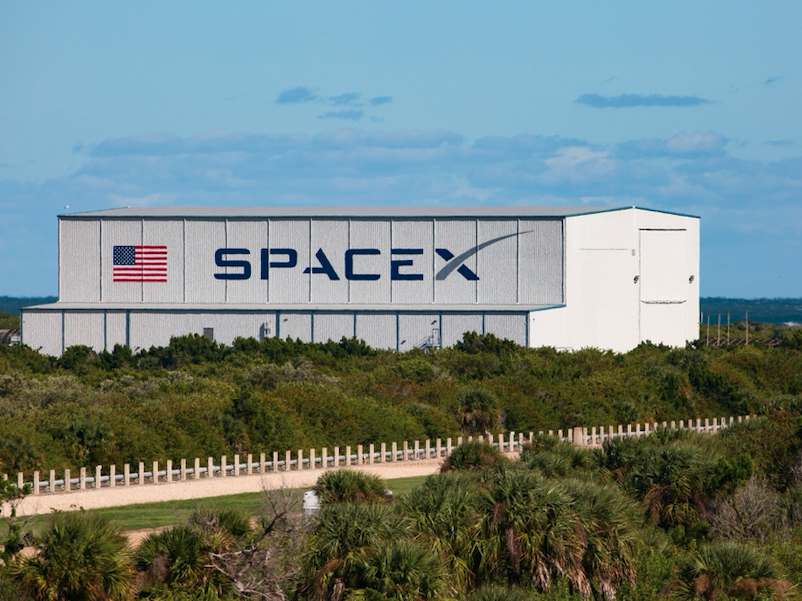
SpaceX shares jumped on Tuesday, putting the firm on track to overtake Amazon.com Inc. as the fifth largest publicly traded company in the world just days after its blockbuster debut.
Philanthropy conversations can open the door to multigenerational planning, as clients can bring in their children to contribute to discussions of shared values and charitable goals. For advisors, that creates an opportunity to become not just a financial resource, but a trusted partner who helps clients connect wealth with purpose.
Most couples who argue about money are arguing from different money scripts – the deeply held beliefs about money that each partner formed long before the relationship began. Uncovering and understanding those scripts, individually and together, may be one of the more useful things a couple can do.
Tariff rates will vary, but their persistence is certain.
New Federal Reserve Chairman Kevin Warsh will preside over his first Federal Open Market Committee (FOMC) meeting on June 16-17, stepping in at a complex moment with inflation at a three-year high as oil prices remain elevated, labor market risks easing with job growth averaging ~140,000 year to date versus only 10,000 last year, and hawkish voices on the Fed gaining traction.
As we go to press, fighting in the Mideast has escalated, sending crude higher, but stocks, in early Monday trade, have shown remarkable stability following Friday’s deep selloff.
The U.S. initial public offering (IPO) market appears to be entering one of its most consequential periods in years. After a long drought following the 2021 issuance boom, a healthier macro backdrop, improved risk appetite, and a long queue of mature private companies have reopened the new-issue window.
For many investors, retirement planning becomes most tangible at the start and end of the year. Goals are set in January, then revisited during year-end tax and financial planning discussions. But the middle of the year offers an equally valuable opportunity: a chance to evaluate progress, reassess assumptions, and make adjustments before small issues become larger challenges.
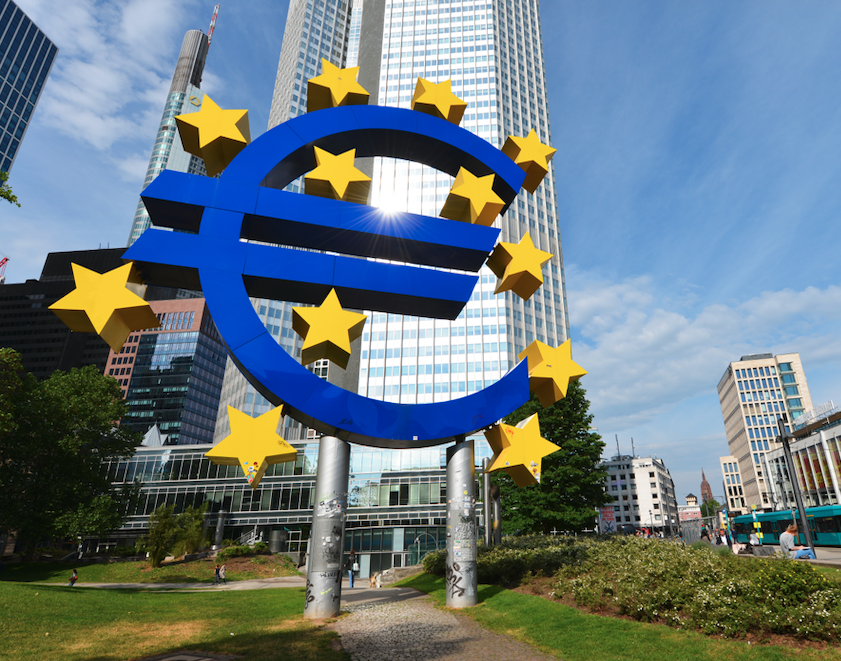
As expected, the European Central Bank (ECB) raised its three key interest rates by 25 basis points (bps) on June 11, responding to the energy shock from the Iran war. Inflation was revised higher for 2026 and 2027, and it is expected to fall to target in 2028. Although we expect one more hike, the timing is uncertain as the ECB is keeping all options open—including the possibility of not raising rates again.
This week the Fed has its first meeting under new Chair Kevin Warsh. For only the third time in US history, the former Chair, Jerome Powell, will still participate as a regular member of the Board of Governors.
Gold has always had a way of testing investors’ expectations. Just when the headlines appear most supportive—inflation is rising, geopolitical risk is escalating and confidence in fiat currency is being questioned—gold can suddenly move in the opposite direction.
Advisors searching for diversification from a concentrated S&P 500 Index often reach for equal-weight strategies. However, a new report argues that all equal-weight approaches are not interchangeable.
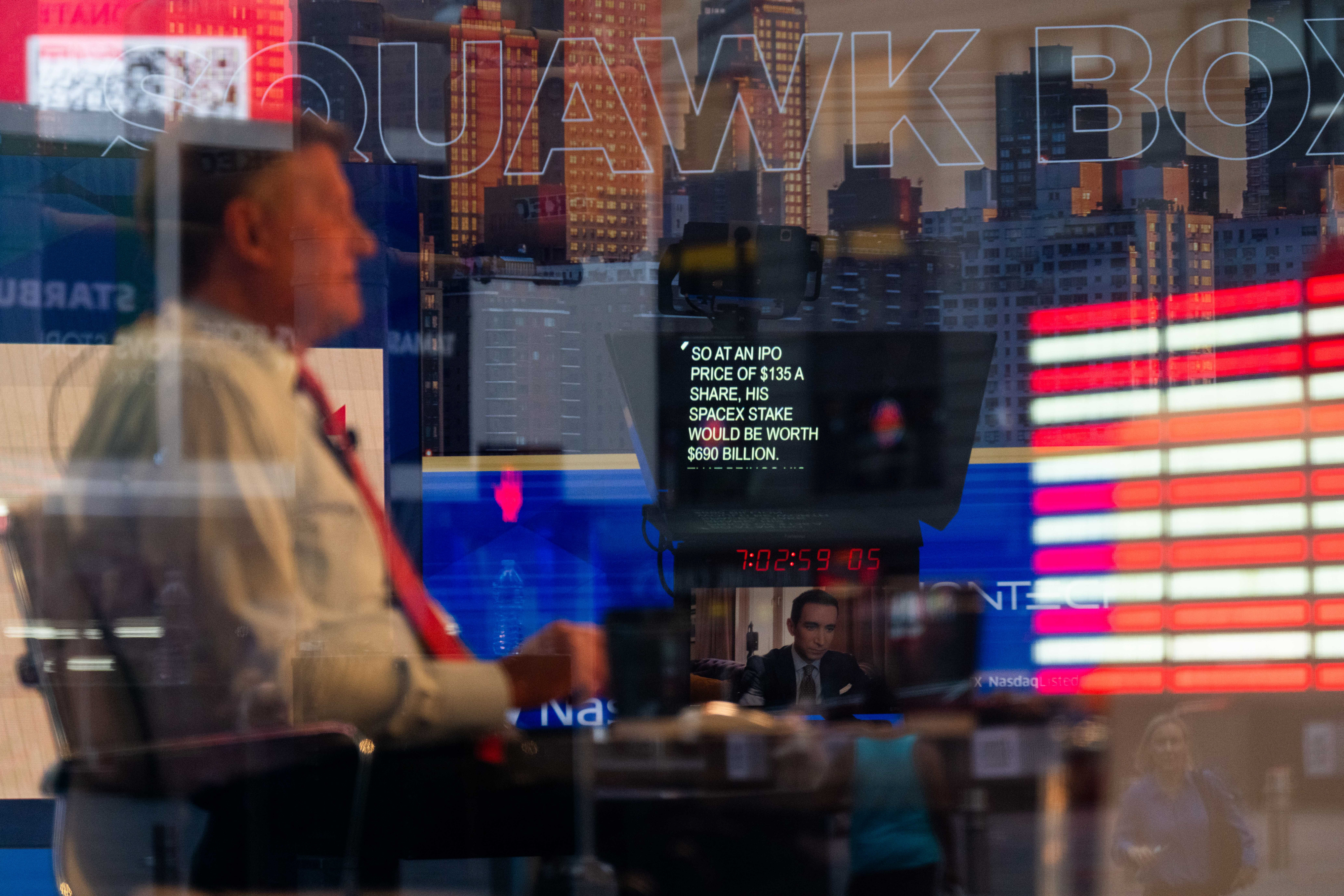
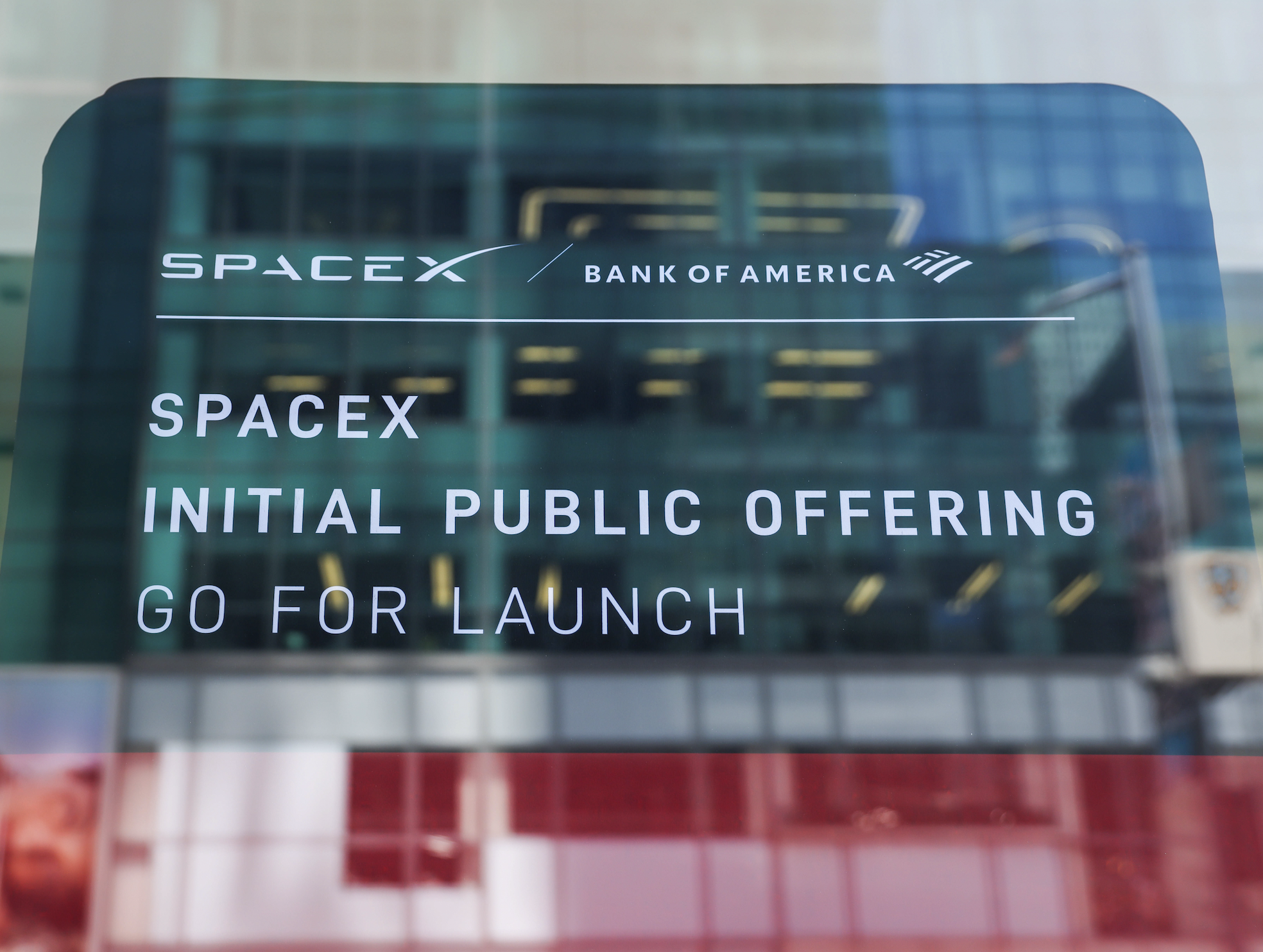
Several ETFs have added exposure to Space Exploration Technologies (SPCX) after the aerospace giant completed the largest initial public offering in market history. Trading on the Nasdaq, SpaceX surged 19% from its initial $135 offering price to close at $160.95 per share, notching a historic $2.1 trillion valuation. Actively managed ETF vehicles were able to use their operational flexibility to add positions in SpaceX at its debut.
Join Baron Capital for a product due diligence session covering Baron SMID Cap ETFTM (BCSM).
On the heels of arranging a record $85 billion equity-raise for Alphabet Inc., Goldman Sachs Group Inc. has scored a lesser-known victory for the tech giant in the municipal bond market.
The IPO market is bubbling with excitement. The headlines surrounding the IPOs are hyperbolic, banker fees are enormous, and social media is teeming with bullish sentiment on how high the new shares may trade after going public. While that is all great for clickbait, nobody is asking the most important question. Where will the money come from?
This is the underlying question in several books and articles that have been published recently, most notably Kenneth Rogoff’s “Our Dollar, Your Problem,” and Barry Eichengreen’s “Money Beyond Borders: Global Currencies from Croesus to Crypto” — the latter of which is the subject of this review.
Dr Frank Sortino passed away last month. He was 94. Frank was a good friend of mine. Frank earned the name Dr. Downside for redefining risk as a measure of not achieving your objectives, which led to the fairly famous Sortino Ratio.
Treasuries advanced as investors dialed back expectations for Federal Reserve interest-rate hikes following news of a deal to halt the Iran war.
SpaceX shares jumped in their second day of trading, adding to gains following a blockbuster debut that instantly vaulted it into the ranks of the world’s most valuable public companies.
The US insurance industry recently joined the fossil-fuel industry in its fight to avoid being sued over the damage oil, gas and coal emissions have done to the planet. Given that insurers are supposedly among the world’s biggest sufferers of those same climate-fueled losses, this was a perplexing choice — until you think about why Big Insurance and Big Oil might be on the same team.
There are two processes that we cannot escape: aging and math. This applies not only to human beings but also to large government social-insurance programs.
VettaFi’s core mission is to provide the index and distribution solutions that help asset managers build, grow, and navigate the markets with precision. Last week we took a massive, transformational step forward. TMX VettaFi signed a definitive agreement to acquire RAFI Indices from Research Affiliates, the undisputed pioneer of fundamental indexing and smart beta strategies.
Chris Galipeau discusses high-conviction insights that go beyond media headlines.
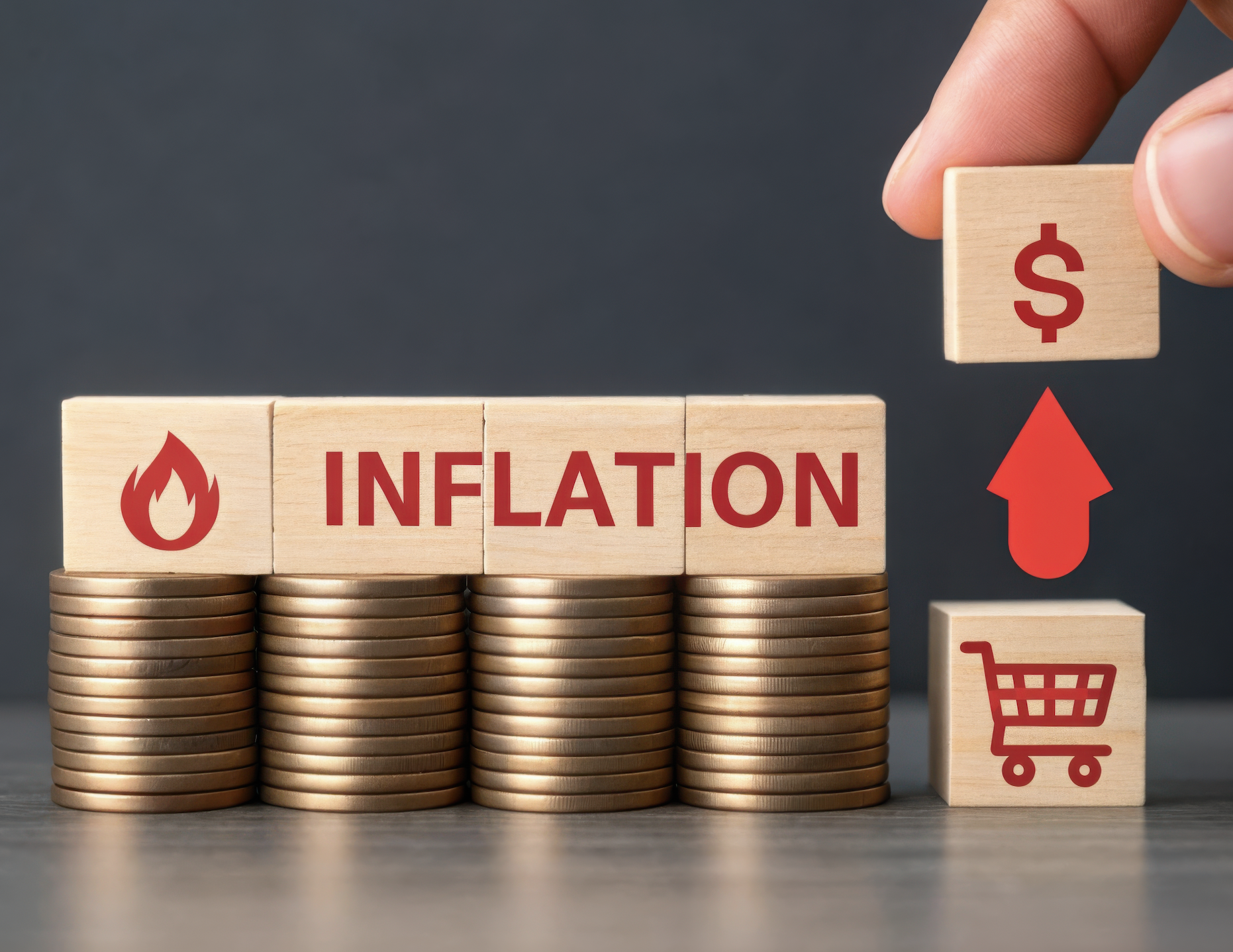
This week’s inflation data highlights a growing disconnect between how markets interpret inflation and how consumers experience it. The May Consumer Price Index (CPI) report delivered a nuanced message: While headline inflation accelerated, core inflation remained relatively contained, an outcome that provides some comfort to policymakers.
Given all the interest and hype over the SpaceX IPO, many advisors and investors have been increasingly gravitating towards thematic ETFs that focus on the space industry. Given that the SpaceX IPO is the largest IPO in history, this should not come as a surprise to anyone.
The K-shaped economy has become shorthand for a tidy story. The rich pull away while everyone else falls behind. It fits the mood, and it makes for a sharp headline. The problem is that it’s mostly wrong.
GMO has posted a new 7-Year asset class forecast as of May 31, 2026.
Recent economic data continues to point to a resilient U.S. economy. The unemployment rate held steady at 4.3% in May, while payrolls increased by 172,000 jobs. Hiring remained strongest in leisure and hospitality, though there were also encouraging signs from more cyclical areas of the economy.
During this time of year, we like to take stock of what happened in the first half of the year and compare it with the expectations we had at the beginning of the year when we published our full-year outlooks.
The U.S. economy faced intensifying headwinds in May as both consumer and wholesale inflation metrics surged to multi-year highs.
Discover how Capital Group’s active CGGR ETF navigates this mega-cap divergence to uncover secular growth beyond tech.
Despite everything we have seen in the economic data, which can be confusing, the US consumer has refused to crack. My friend Dr. Ed Yardeni, whom I have known since '98, has the most compelling explanation I have heard for why.
High-speed railway Brightline West has signed new contracts to lay tracks and systems for its high-speed railway, according to an email seen by Bloomberg, signaling progress for a project whose municipal bonds have traded at steep discounts since last year.
The current economic downturn is best described as hybrid and structurally driven. It leans heavily on demand constraints, though it is triggered and complicated by ongoing supply shocks.
New York City’s pension system said it’s seeking bids for roughly $92 billion of stock index-tracking funds now overseen by BlackRock Inc. and State Street Investment Management.
What do you do if you have a standard that’s not being met? Move the goalposts! Of course, you could work harder to meet the goal. But that’s hard. So, why not just change the standard and make it easier to meet?
Companies are also looking for ways to cut workers’ costs by offering plans that charge workers less but restrict them to a narrower group of providers.
Join the experts at MassMutual Strategic Distributors for an educational webcast exploring income riders and how to evaluation variable annuities beyond surface level features so you can match the right rider to each client’s investor profile and retirement goals.
Goldman Sachs and Innovator panelists say buffer ETFs can help advisors move cash-shy clients into stocks with built-in downside limits.
In this video, Chuck Carnevale responds to a viewer's question about building a retirement income portfolio for a 63-year-old investor. Rather than recommending specific stocks, Chuck focuses on the process he uses to identify high-quality income investments using the principles of value investing and the FAST Graphs platform.
VettaFi today announced it has signed a definitive agreement to acquire RAFI Indices, the renowned pioneer in fundamental indexing, from Research Affiliates.
SpaceX made history with a $75 billion IPO that instantly turned it into one of the biggest public companies in the world. Now it has to win over the market.
US stocks opened with a small gain on Friday, supported by optimism about pending trading in SpaceX, which made history with the biggest-ever IPO, and the potential for an interim peace deal in the Iran conflict.
There’s a memorial to Paul the octopus at the Sea Life Centre in Oberhausen after the cephalopod seer earned worldwide fame by correctly predicting the outcome of all Germany’s seven games at the 2010 World Cup
That’s SpaceX out of the way. Next, investors will have to absorb the artificial-intelligence titans behind the Claude and ChatGPT chatbots, Anthropic PBC and OpenAI.
The ETF industry has reached a historic turning point. Vanguard has officially surpassed BlackRock’s iShares to become the largest ETF provider. The milestone underscores a broader structural shift among investors prioritizing low-cost investments in portfolio allocations.
At a time when the cost of living is rising and market volatility appears to be rising, too, investors may be looking for current income to bolster their portfolios. Current income can especially help investors at or near retirement to adapt to retired life.