At these levels, valuations are stretched, leaving investors with little potential upside and increased vulnerability to spread widening. In our view, such an environment warrants a shift toward high-quality assets.
North is south, south is west, west is east, east is north, up is down, and down is steady. This week’s employment reports have something for everyone, which is precisely why we should interpret them cautiously.
Prior to the conflict in the Middle East, the U.S. financial markets were being confronted with headlines and attendant concerns surrounding the credit markets.
The size and duration of the oil-price shock are key variables in determining the ultimate impact.
Have no fear—ETFs tracking crude oil, natural gas, and even wholesale gasoline futures are at the ready.
Adam Hetts and Oliver Blackbourn discuss where they assess the market implications of sustained conflict with Iran, examining energy shocks, inflation pressures, and what prolonged instability could mean for investors.
LPL Research reviews how the Iran conflict is affecting markets, highlighting energy risks, market resilience, and what investors should watch in the weeks ahead.
The “fiat is dying” argument has become a catchphrase narrative among digital asset bulls, gold bugs, and cryptocurrency advocates. That narrative’s core is that central banks have printed vast amounts of money.
If tensions de-escalate soon, there could be relatively little impact on international markets. However, risks will rise if global energy supplies face a prolonged disruption.
On February 27, 2026 the United States and Israel launched a coordinated strike on Iran’s leadership, killing Ayatollah Ali Khamenei and many of the leadership team. Since the initial attack, a torrent of strikes has continued, designed to take out Iran’s ballistic missiles and leadership apparatus.
The Treasury market is stuck between artificial intelligence (AI)-driven job displacement and the ongoing conflict in Iran. Earlier in the year, Treasury yields fell sharply as investors weighed the possibility that accelerated AI adoption could slow economic growth by displacing labor.
Prediction markets aren't going away. They're designed to be fun and exciting for bettors, intellectually engaging, and culturally resonant. The question isn't whether your clients will participate, but whether you'll have a productive framework ready when they do.
Sustainability analysis is most useful when it helps investors and advisors understand how structural economic forces may shape risk and opportunity over time. This includes energy demand, resource constraints, regulation, and physical risk.
Join the experts at GraniteShares as they explore the autocallable market, unpack how it works, and provide strategic solutions to today’s market challenges.
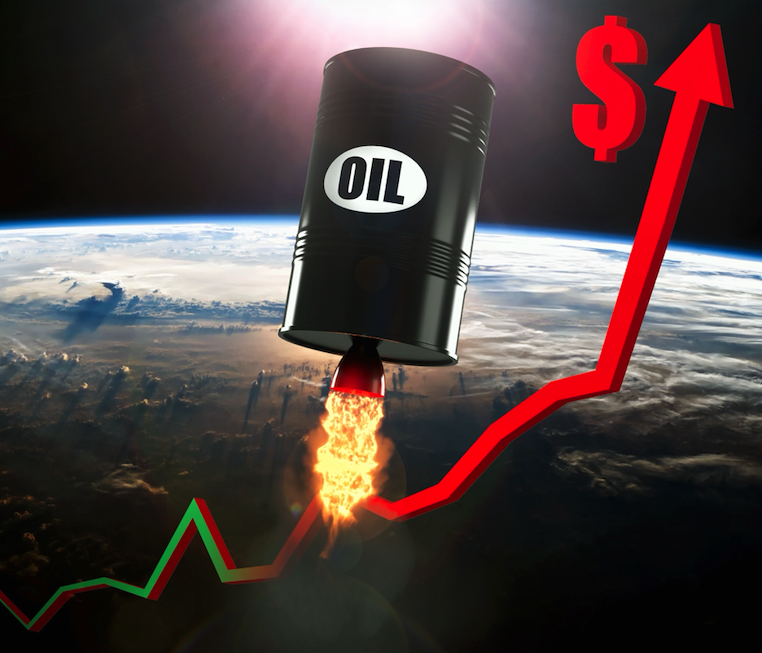
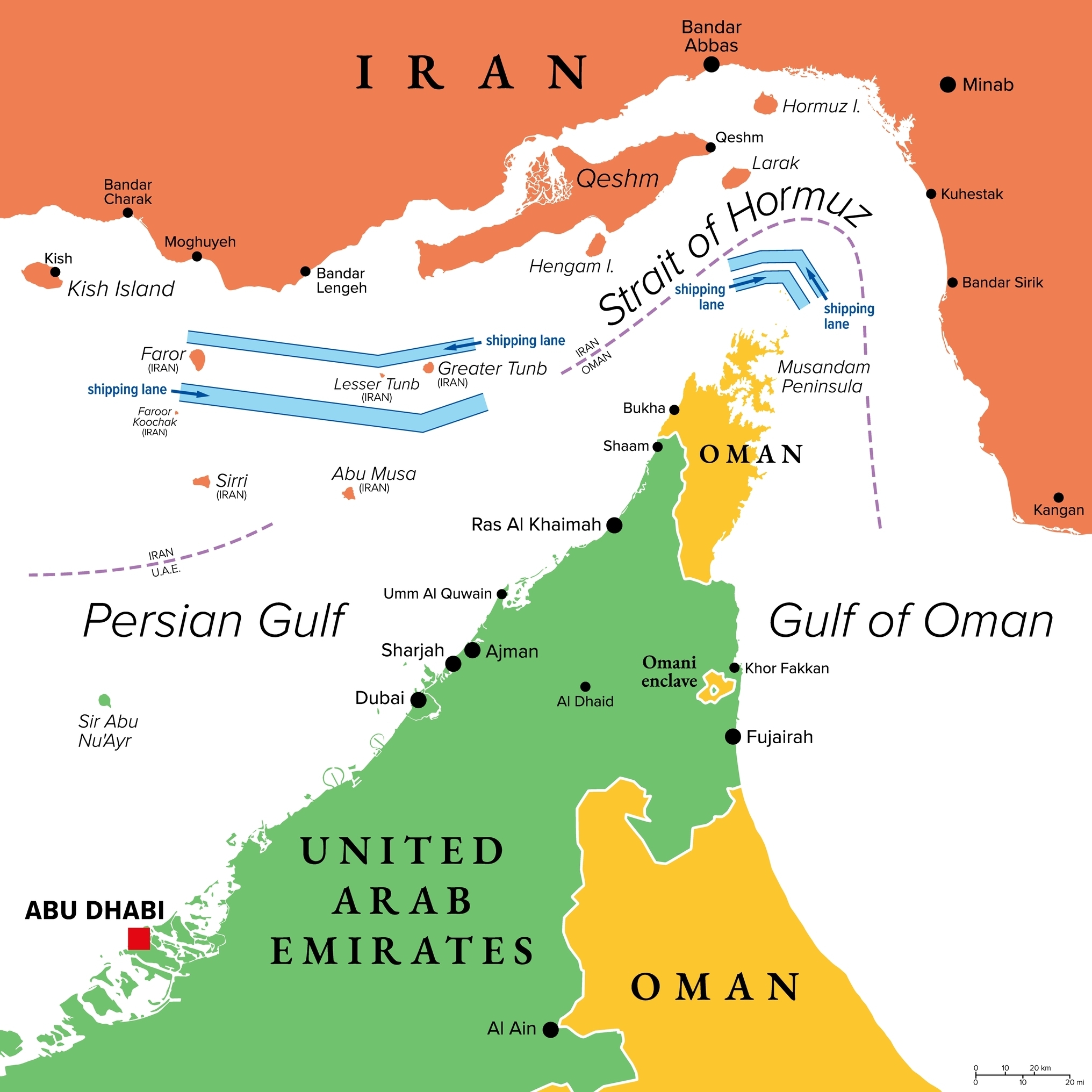
Markets hate uncertainty, and right now there’s plenty to go around. The outbreak of the U.S.-Iran conflict, following by Iranian retaliation against oil infrastructure across the Persian Gulf, has sent crude prices surging and shipping rates soaring to record levels.
About a month ago the financial markets were surprised by a January jobs report that was stronger than expected. The consensus was for a gain of 68,000 private-sector jobs, but the actual came in at a much higher 172,000.
Doug Drabik discusses fixed income market conditions and offers insight for bond investors.
While we don’t find much reason to underweight our allocation to U.S. stocks based on the current high degree of concentration, we do believe that the valuation of the overall U.S. stock market today is consistent with low expected returns relative to safer fixed income investments.
Concerns about private credit have intensified in recent months. Investors are grappling with questions about weakening credit quality, stale valuations, looser underwriting, redemption risk in certain types of funds, and the impact of AI‑driven disruption.
Stocks and currencies have seen steep losses, with the MSCI equity index posting its biggest weekly drop in six years, and bond yields have jumped.
The Debt Black Hole keeps getting bigger. Household debt grew modestly in the fourth quarter of 2025, ending the year at another record high.
As investors navigate an increasingly complex market, the demand for sophisticated, outcome-oriented ETF strategies has reached a significant inflection point. Goldman Sachs Asset Management is seeing strong success in this space, evolving its suite of derivative-based ETFs to meet the diverse needs of modern portfolios.
Improving after tax returns is rarely as simple as boosting pretax returns or reducing tax expenses. It’s actually quite a bit more involved than that. As we see it, maximizing after-tax performance requires an “all of the above” approach, applying a range of techniques in a holistic way.
Managed futures strategies, also known as Commodity Trading Advisors (CTAs) or trend-followers, are designed for environments where macro shifts drive persistent price trends across equity, bond, commodity, and currency markets. As geopolitical risk has spiked due to the conflict with Iran, the current backdrop will present a unique test for investment strategies.
As the market continues to move deeper into the first quarter of 2026, the fixed income landscape calls for more stability.
Nearly 50 million Americans go to court each year without a lawyer. Low-income Americans are especially vulnerable, with most saying they “do not get any or enough legal help” for their major civil legal problems.
Bond investors, who have been focused on inflation since the Iran war began, say a surprise in the monthly US jobs report has the potential to upend their expectations for Federal Reserve interest-rate cuts.
February data shows investors abandoning growth strategies for cyclical sectors as value funds attract $15 billion in new assets.
Treasuries fell for a fourth day — lifting yields to the highest levels in several weeks — as rising oil prices ignited inflation expectations and dented the outlook for Federal Reserve interest-rate cuts.
The war in Iran and the risk that it could lead to a wider regional conflict have roiled global financial markets. Oil and European gas prices have spiked while equity markets have seen sharp declines.
For over a decade, the narrative surrounding emerging market (EM) debt has been dominated by a single, overpowering force: the United States Dollar. As the greenback surged from the mid-2010s through the early 2020s, investors seeking yield in emerging markets largely sought shelter in "hard currency" debt—bonds issued by emerging nations but denominated in U.S. dollars.
Tax reform in 2017 reduced the statutory tax rate for corporations from 35% to 21%. As a result, lawmakers had to address taxes paid by noncorporate business owners who are considered “pass-through” entities for purposes of income taxation.
Relying on the kindness of strangers has never been a good business or investment strategy, but it doesn’t mean that people don’t wish that it worked. The main issue with this hope is that it’s foolish to believe that other people’s grace and money will always be there.
Notwithstanding developments in the Iran conflict, there are important leadership shifts still at play within the equity market, which emphasize the importance of diversification.
Markets are responding primarily to uncertainty, with oil prices rising and equities volatile. The economic impact will depend largely on energy supply disruption, particularly whether oil prices remain contained or move sharply higher.
February saw more than 50 new ETF launches according to ETF Database data, with some standout offerings to note.
It’s been a busy start to the year for investors, as shifting geopolitical risks and rising economic uncertainty led to choppy returns for stocks. Concerns about AI spending and profitability hit technology stocks especially hard. However, other sectors like financials and consumer discretionary have also seen losses to start the year.
Recessions are a regular part of the economic cycle, which means planning ahead is essential. You can't control the economy, but you can take steps to help protect your savings, manage debt, and keep your goals on track. Here are some smart ways to prepare when the economy shifts.
January is a time to revisit financial plans, make changes, and ensure objectives are being met. This review isn’t about exposing bad financial plans, but instead finding what is outdated and revising.
Investing in financial markets is not for the timid. In a very recent Bond Market Commentary, the Head of Fixed Income Solutions, Nick Goetze, discussed “Preparing for the Storm.”
As markets rotate to favor small caps and international equities, rising risks are likely to make investment discipline even more important for seizing opportunities, write Chris Galipeau and Lukasz Kalwak of Franklin Templeton Institute.
Energy is among the smallest sectors in the S&P 500, representing only about 3.5% of the benchmark’s sector allocations, and yet, it’s energy that’s capturing investor attention this year. A big part of the story centers on oil and natural gas, now in sharp focus due to an ongoing conflict in the Middle East.
As industry experts convened at SFVegas 2026, the world’s largest structured-finance conference, insurers showed up in large numbers, underscoring growing exposure to securitized assets and private credit in portfolios. We also attended the event and returned with a few key takeaways.
A guide to helping HNW investors align tax efficiency with philanthropy, retirement strategy, and multi-generational wealth transfer planning.
From real estate to multi-generational planning, learn the key strategies high-net-worth individuals use to maximize wealth and legacy.
Adding tax management services to your practice calls for more than an assessment of potential revenues and client interest. Tax management introduces new compliance demands and sometimes complex business management needs that might not be right for every firm.
Most investors, from grandma to the mightiest sovereign wealth funds, own bonds to help steady their portfolio and provide a ready reserve for spending. So, it’s notable when prominent voices start questioning their safety.
Looking beyond recent dividend strategies' performance, LPL Research asks and answers the question, “How should I think about dividend stocks or building an equity income portfolio?”
Stocks were choppier in January, but most areas of the market showed gains. The one laggard was large-cap growth, which was strong in recent years and for most of 2025, but trailed other stock indices.
International value stocks outpaced US equities in 2025. See the five catalysts fueling the shift—and why investors still have time to act.