Advisors equipped with outcome-based allocation frameworks and cash-flow-focused strategies like dividend-growth investing can help business owners translate a singular liquidity event into a wealth plan aligned with their lifestyle, generational, and aspirational goals.
For most of this year, investors have flocked into small caps to diversify away from the concentrated AI trade. Rising interest rates are threatening to put a damper on that.
Family offices now see inflation as their No. 1 worry, underscoring how rising costs of goods and services are vexing even the richest investors.
This has been an incredible year in that Wall Street has spent all of it raising its earnings estimates, and the second-quarter season only accelerated the trend. Analysts began the year expecting S&P 500 earnings to grow about 15%.
Early this week, I was in Los Angeles at the All-In Summit along with about 4,000 others, including tech investors, money managers and entrepreneurs. The ticket wasn’t cheap, but it was well worth it.
Chris Galipeau and Taylor Topousis discuss high-conviction insights that go beyond media headlines.
A popular narrative for the rise in bond yields over the past few months is that the debt-funded AI capital expenditure cycle is crowding out the Treasury market. The crowding-out argument can appear compelling: AI companies are expected to continue to issue unprecedented amounts of debt at a time when Treasury supply remains elevated. Because both ultimately draw from the same pool of investor capital, yields must rise to clear the market.
As summer officially gives way to fall on September 22, it's not just the weather that's changing. The global monetary policy landscape is shifting as well. After spending much of the past two years focused on supporting growth, central banks have increasingly turned their attention back to inflation, especially with oil prices climbing back above $100 per barrel.
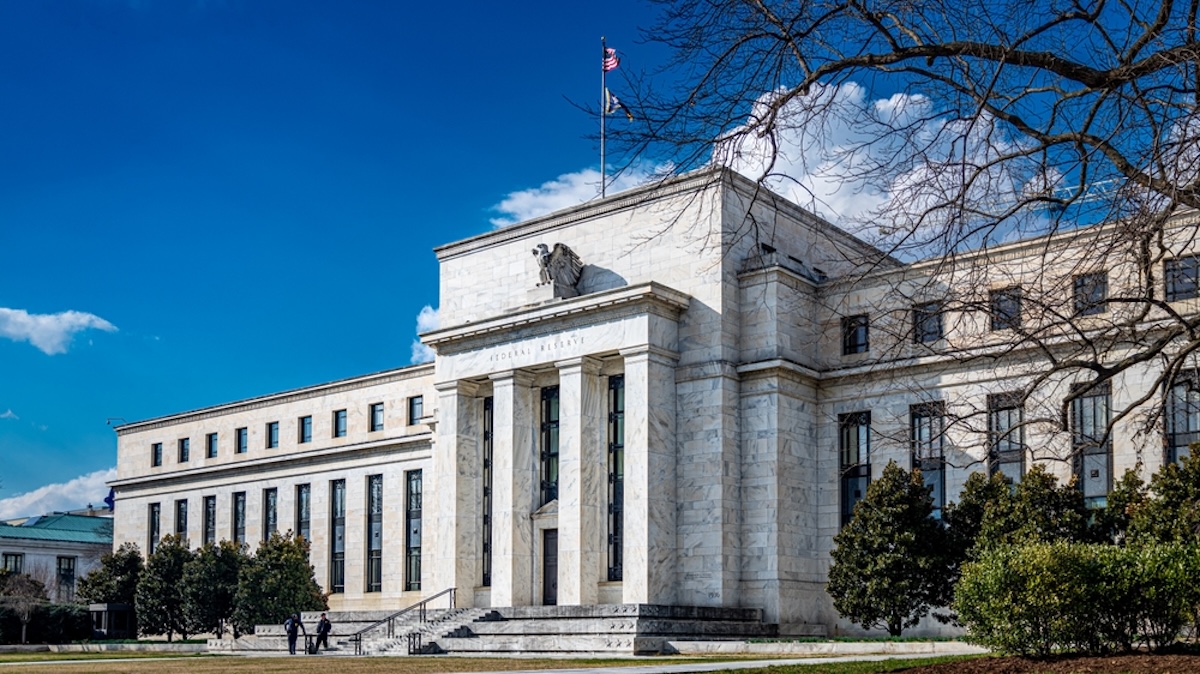
This week's Federal Open Market Committee (FOMC) decision was largely in line with expectations. While many market participants and Federal Reserve (Fed) members anticipated another rate increase later this year, we remained in the camp that viewed the move as likely the last increase before the Fed adopted a wait-and-see approach, allowing geopolitical developments to stabilize and recent inflationary base effects related to the US-Iran war to fade.
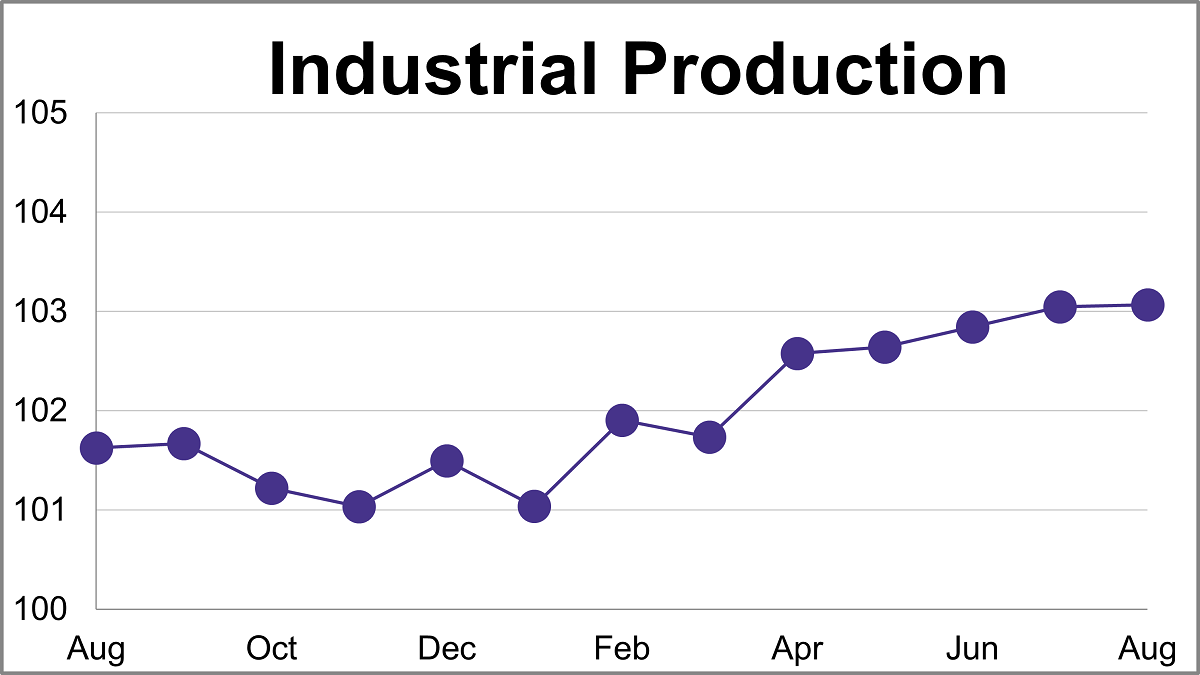
Industrial production grew 0.02% in August after July's 0.2% growth. This was lower than the expected 0.3% growth and marks a 1.4% increase compared to one year ago.
The Federal Reserve increased rates by 25 basis points this week, a remarkable turnaround with major implications for portfolios of all kinds; one underexamined impacted area may be annuities.
The combination of prior Fed inaction followed by relatively significant market tightening raises a question: If long-maturity yields were already weighing on economic activity, did the bond market already do the Fed’s job?
The K-shaped economy is real, and it is old. What changed isn’t the shape of the economy; it’s just that the media found a narrative that gets lots of clicks and views, and we let headlines do our thinking for us.
Investors in the US Treasury market are shifting their focus to owning shorter-dated government bonds, a bet that the Federal Reserve will eventually emerge victorious in its fight against inflation.
Better clarity about the Federal Reserve’s resolve to fight inflation is giving investors reason to be bullish, and yet risks associated with oil prices and artificial intelligence keep them from fully committing.
Catherine LeGraw and B.J. Brannan of GMO's Asset Allocation team discussed the role of liquid alternative strategies in today's investment landscape.
Advisors outsourcing at least 20% of assets reported saving 9.1 hours per week, or approximately 473 hours annually. WisdomTree research found 90% of investors welcomed third-party model portfolios, suggesting clients may be more comfortable with outside expertise than advisors expect.
We are never going to get rid of the FOMC for political and practical reasons. For those of us who would like to see the market set rates without an FOMC intervening, this is as good as it’s going to get.
The Federal Reserve raised interest rates this week, in part to reset consumer expectations on inflation. Their work is likely not done, as there is a negative surprise coming for many consumers, especially in rural America. Winter is coming, and that means the return of home heating bills. Depending on how you heat your home, your bills could be much higher this winter.
Gold rallied alongside Treasuries as a slump in oil prices helped ease concerns about inflation, following the Federal Reserve’s first interest-rate hike since 2023.
The Federal Reserve (Fed) made something clear this week that markets had been reluctant to accept. Apparently, the easing cycle isn't paused, it's over for now.
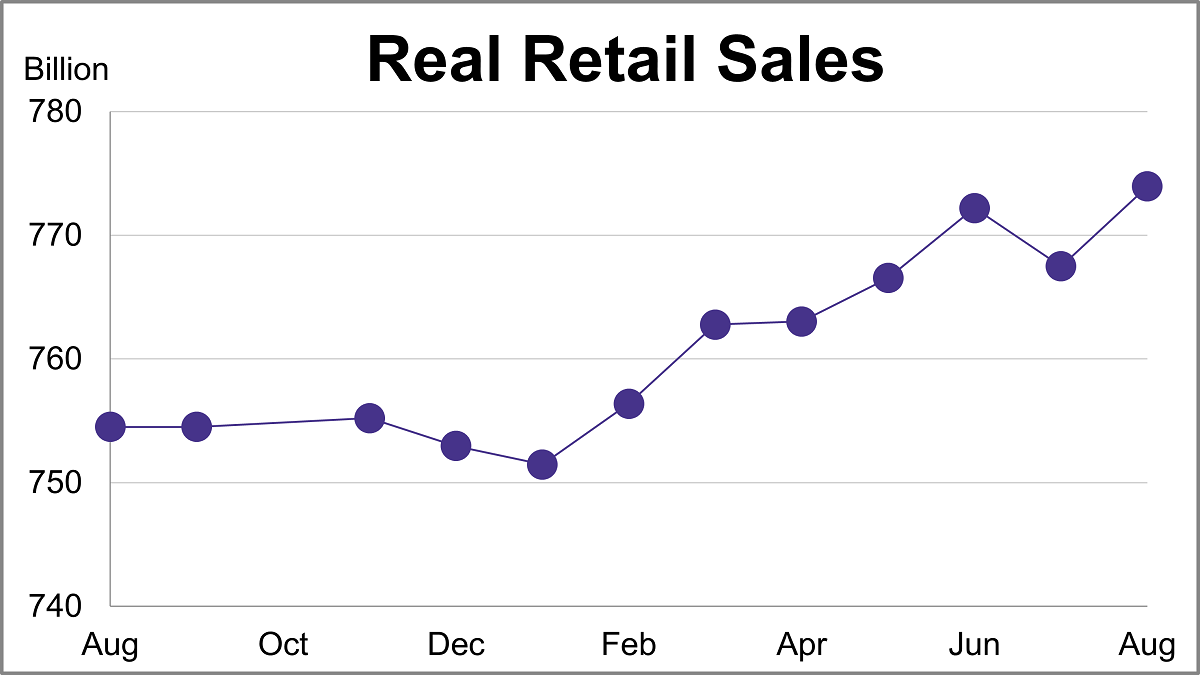
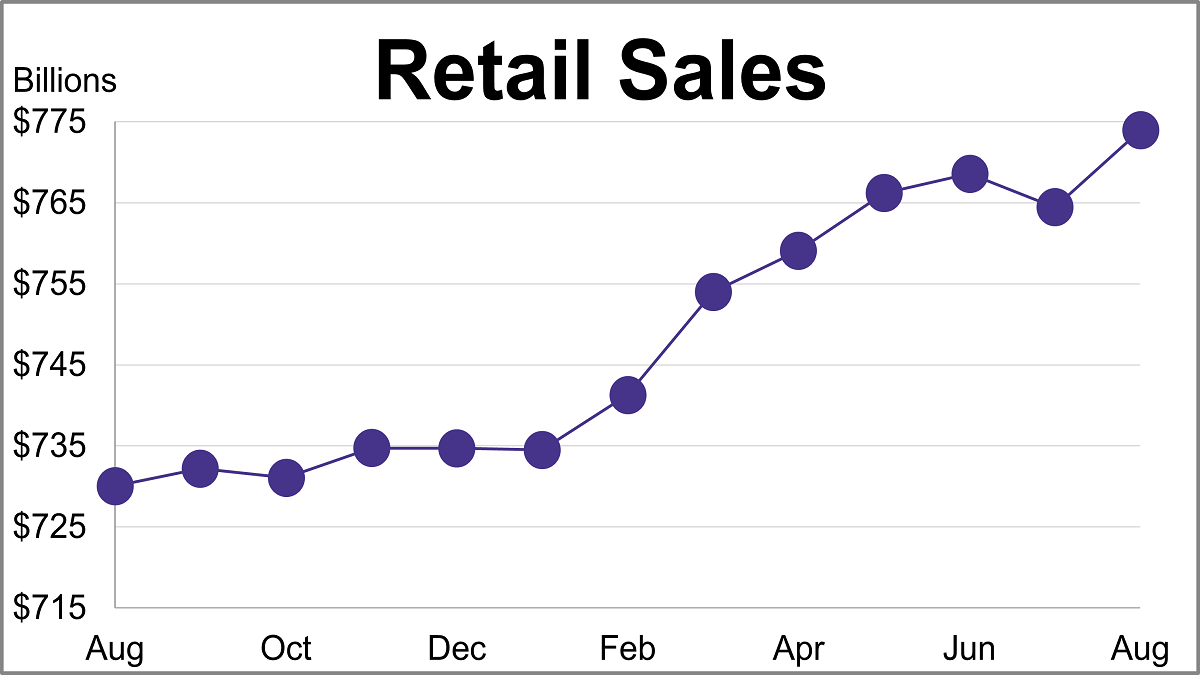
Nominal retail sales were up 1.2% month-over-month and up 6.0% year-over-year in August. After adjusting for inflation, real retail sales were up 0.8% month-over-month and up 2.6% year-over-year.
Federal Reserve Chairman Kevin Warsh had ground to make up on Wednesday — and, for the most part, did what was necessary.
In an environment marked by the Fed’s first rate hike in three years and ongoing market uncertainty, income-focused investors face a unique dilemma. While cash alternatives offer attractive yields in the short-term horizon, they leave portfolios vulnerable to reinvestment risk should the
For decades, equity investors have relied on a foundational promise from Corporate America: the continuous return of surplus cash. Dividends and share repurchases represent the two primary ways by which companies deliver tangible value back to shareholders. Yet as we navigate the final stretch of the third quarter of 2026, both channels are signaling a distinct shift toward restraint.
The new investment case for global power, security and affordability. The phrase “energy transition” has served as a useful political and cultural shorthand, but it has become a misleading framework for capital allocation. Franklin Templeton Institute explodes new opportunities for investors—and where shifts in thinking may be needed.
The U.S. Federal Reserve delivered on consensus expectations by raising its policy rate by 25 basis points (bps) at its September meeting.
Municipal bonds might still offer attractive tax-advantaged income and relatively stable credit quality for investors who understand the risks.
Stocks have recently hit new highs, supported by strong earnings growth, but the bond market is sending a more cautious signal.
The recent global bond sell-off may be more than a temporary repricing. Rising government debt, persistent inflation risks and shifting economic expectations could keep longer-term yields elevated relative to the post-financial-crisis era.
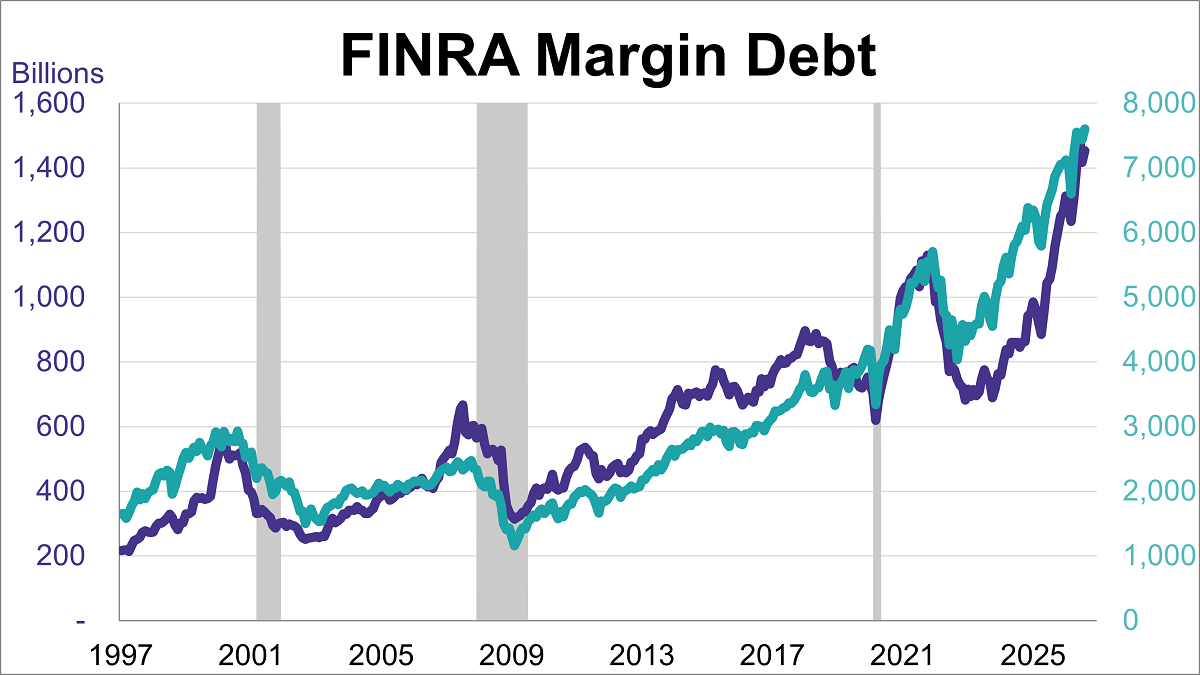
Margin debt increased in August to $1.45 trillion after decreasing last month. This marked a 2.6% increase from July and a 37.2% rise compared to the previous year.
The 2026 U.S. midterms are rapidly approaching, with major implications. Muni bonds, in particular, may be impacted.
Gold clawed back some losses alongside Treasuries as markets stabilized following the Federal Reserve’s first interest-rate hike since 2023.
Investors should continue to treat bonds with caution even as the selloff bolsters the case for holding them in multi-asset portfolios, according to strategists at Goldman Sachs Group Inc.
What does Tina Turner have in common with a US Treasury bond? They both show that the meaning of safety is not always straightforward.
Federal Reserve Chair Kevin Warsh on Wednesday presided over the first US interest rate increase since 2023, and rate hikes are generally a package deal, as the aphorism goes.
The shortened Labor Day trading week brought little cheer for stock and bond investors. Coming off a long weekend that saw increased hostilities between the US and Iran, oil prices pushed higher, topping $100/barrel. Gas and diesel prices also spiked: diesel hit an all-time high of $6/gallon, while regular gas jumped to a Labor Day record of $4.15/gallon.
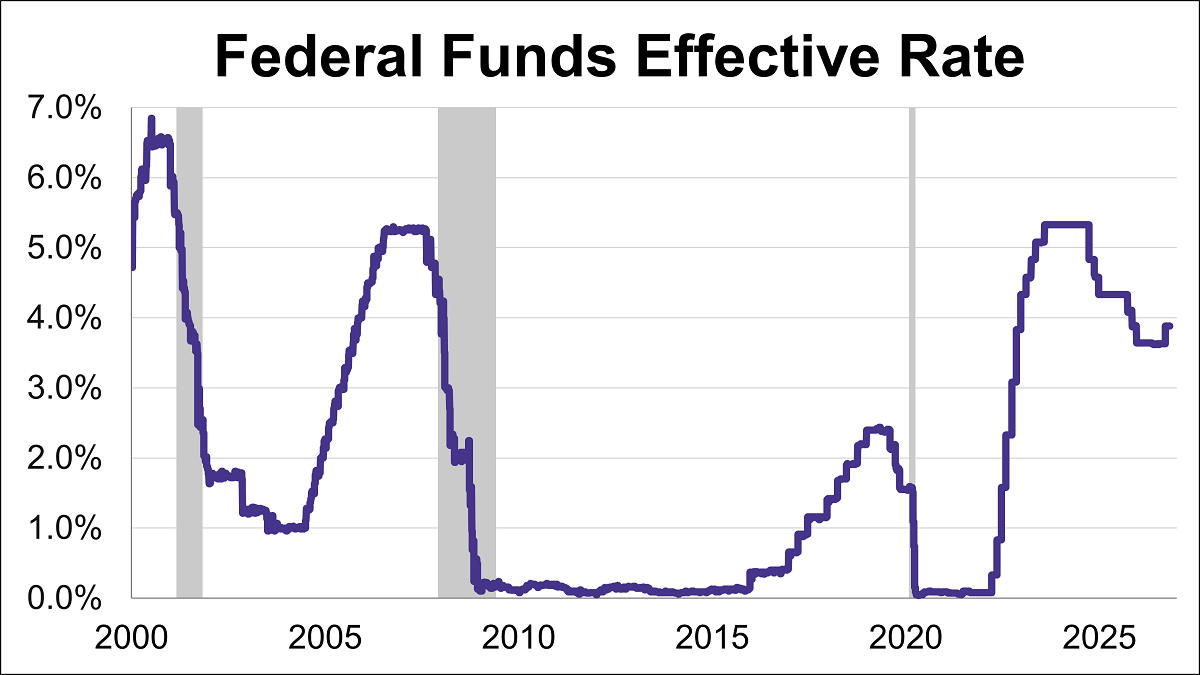
The Federal Reserve today unanimously decided to raise its short-term interest rate target by a quarter percentage point to a range of 3.75 – 4.00%, the first hike since mid-2023. The Fed made two key changes to the statement announcing its decision, declaring that “domestic spending has been resilient” and the rate hike “will support a timelier return” to the Fed’s 2% inflation target.
Fed policymakers unanimously voted to raise rates 25 basis points, the first hike since 2023, and vowed to fight inflation. Another hike is seen this year, but 2027 is in question.
The Federal Open Market Committee (FOMC) decided to raise rates by a quarter-point, bringing the new fed funds trading range to 3.75%–4.00%. The money and bond markets had been pricing in a potential rate hike at this gathering, and Warsh & Co. ultimately determined that such a move was warranted. That said, the ‘rate hike’ story does not end here.
U.S. headline retail sales rebounded in August, up 1.2% to $773.9 in August, while core retail sales increased by 1.4%.
The Federal Reserve concluded its sixth meeting of the year by raising the federal funds rate (FFR) by 25 basis points to a target range of 3.75%-4%.
US retail sales rose by the most in five months in a broad advance, showing consumers continued to spend despite rising gasoline prices.
Ed Yardeni, one of the biggest stock bulls on Wall Street, is slashing his year-end forecast for the S&P 500 Index a month after raising it, citing increasing risks of a downturn in the next three to six months.
Last December we published Riding the Wave: The Anatomy of Booms & Bubbles. In it, we argued that the AI spending boom would continue through 2026 without tipping into ‘bubble’ mania, and that the right posture was to stay overweight stocks while favoring US assets. Nine months on, we think that call has aged well.
With so much attention focused on what the Fed might do at its policy meeting this week, it’s a good time to look back at history to get a sense of how stocks might respond should policymakers hike rates as the market now expects. LPL Research had been characterizing the rate decision as a coin flip until Fed Chair Kevin Warsh’s hawkish comments at the Jackson Hole meeting and the strong August jobs report.
From the 2020 pandemic to today’s oil shocks, we’re often reminded in recent years that inflation can flare up unexpectedly. We’ve also likely entered an era in which higher inflation may linger for some time. As a result, bond-heavy and income-oriented investors may need to shore up their inflation defense, which we think should combine strategic positioning with tactical maneuvering.
The Consumer Price Index (CPI) data for August was generally in line with expectations. However, a slightly hotter-than-expected core CPI reading buoyed expectations of a rate hike at the Federal Reserve meeting in September.
The August employment report was much stronger than expected and reinforces my view that the U.S. economy remains remarkably resilient. Payrolls increased by 162,000, above every estimate, while revisions added another 55,000 jobs to the previous two months.
A rate hike on Wednesday is now very likely but would also be unusual, and perhaps dangerous, at least as far as the past generation of monetary policy goes.