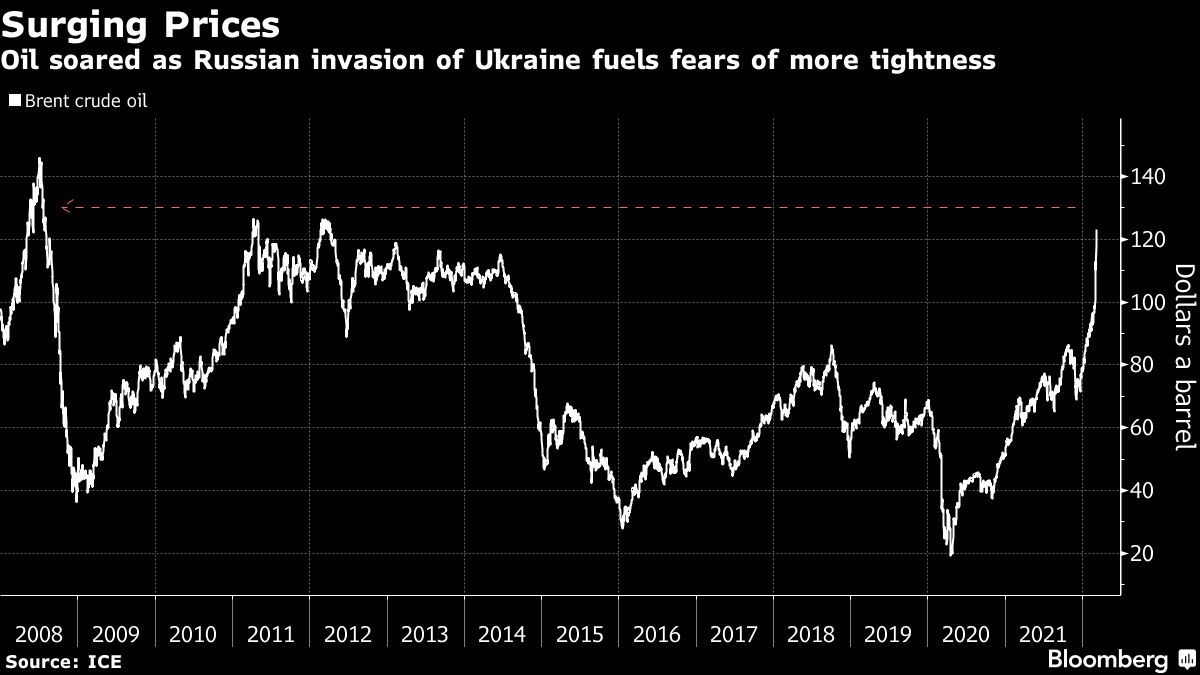
The world has spent a decade gorging on fuel from America’s shale basins, and oil prices are topping $100 a barrel. So it might seem an odd time to be contemplating the energy transition. But that's precisely the task facing the small towns across places like Texas, Wyoming and New Mexico: deciding when to move on from their bedrock industry, even when it’s in an upswing.
If you’ve read the book or seen the movie, Moneyball, you may be familiar with the story of Billy Beane and how he and the Oakland A’s revolutionized sports management. By focusing on data rather than the ‘gut feelings’ felt by his scouts, he re-defined what ‘success’ meant in MLB. Now imagine those techniques applied to portfolio management.
Rather than relying on the ‘gut feelings’ of portfolio managers and research analysts, New Age Alpha has re-engineered active stock selection in the same way. Using a systematic and repeatable investment process that aims to avoid the losers rather than pick the winners New Age Alpha aims to deliver better returns with less risk.
New Age Alpha’s goal is to form long-term partnerships by helping advisors build their practice. We recognize the importance of showing your clients something they’ve never seen before. Our methodology and hands-on tool enrich the experience for both client and advisor by easily communicating how a portfolio can benefit from avoiding the losers.
Advisors tell me they don’t have time to focus on what they need (and often want) to do.
Does being busy equate with being productive?
Here’s what to do and what to avoid when writing email subject lines.
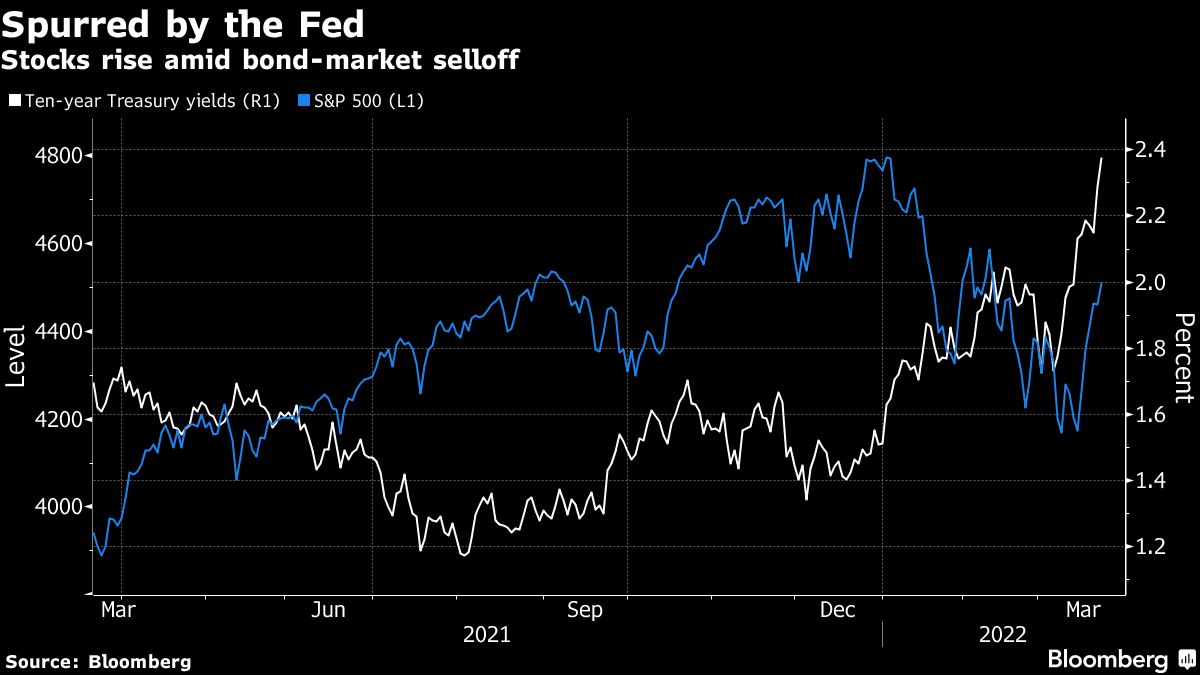
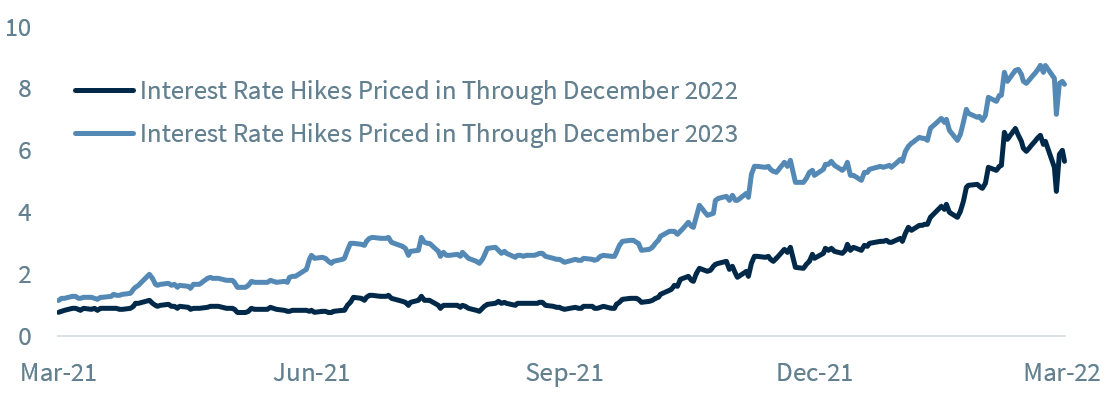
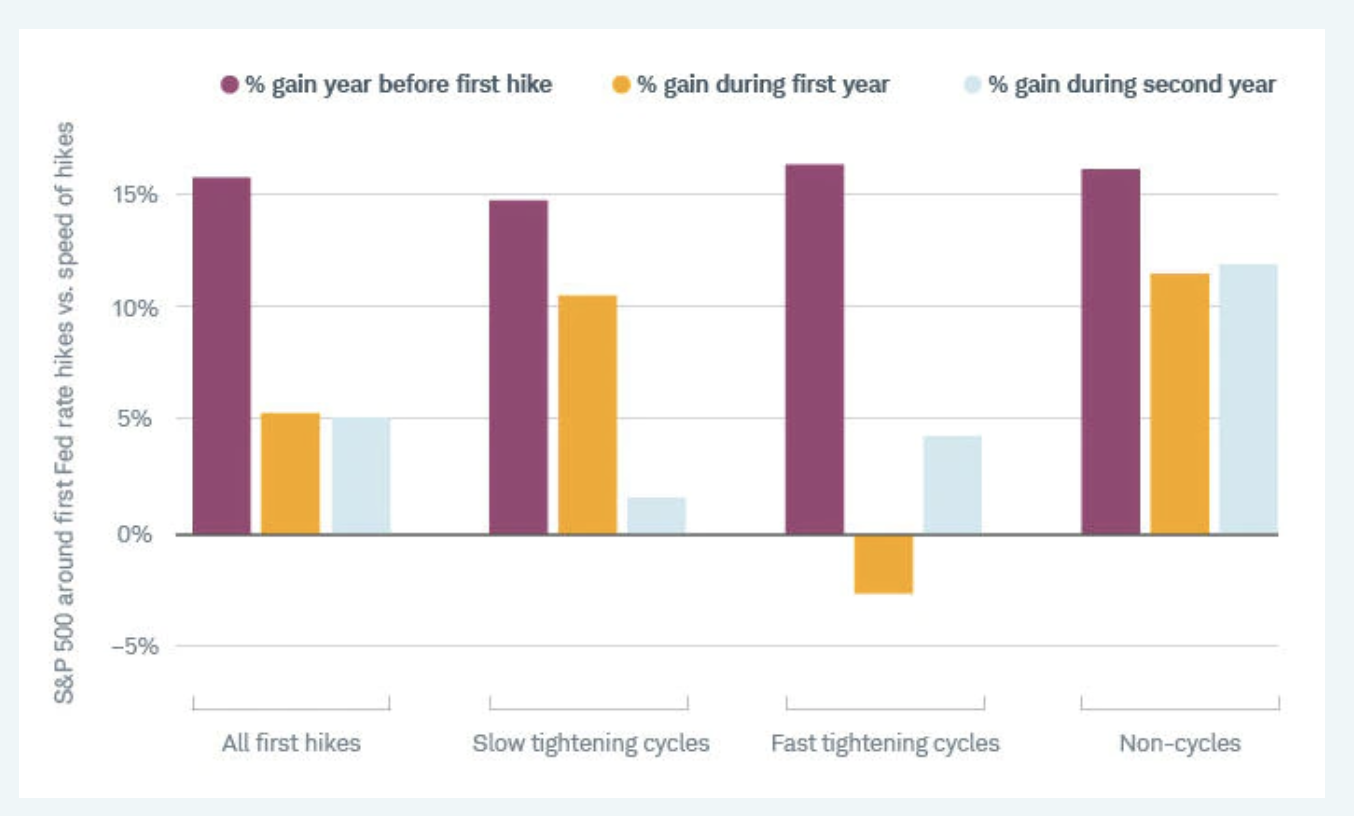
Call them brazen, call them naïve, but stock investors are giving no sign of being daunted by the hottest inflation in decades or the accompanying surge in bond yields. Their boldness has sent analysts in search of ways to explain how the S&P 500 Index has managed to rally in five of the last six sessions, even as the Federal Reserve promises higher rates while war rages in Europe and Treasury rates see the biggest two-day jump in two years.
The war in Ukraine will weigh on the rest of Europe.
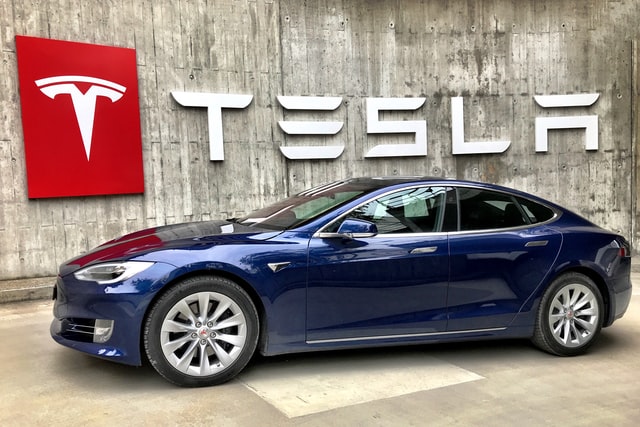
Electric car giant Tesla Inc. is the latest big name firm to scrap financing plans, as it postponed a $1 billion offering of bonds backed by leases on its vehicles last week. Almost 80 companies, nearly half from the U.S., have put at least $25 billion of deals on hold since the start of the war nearly a month ago.
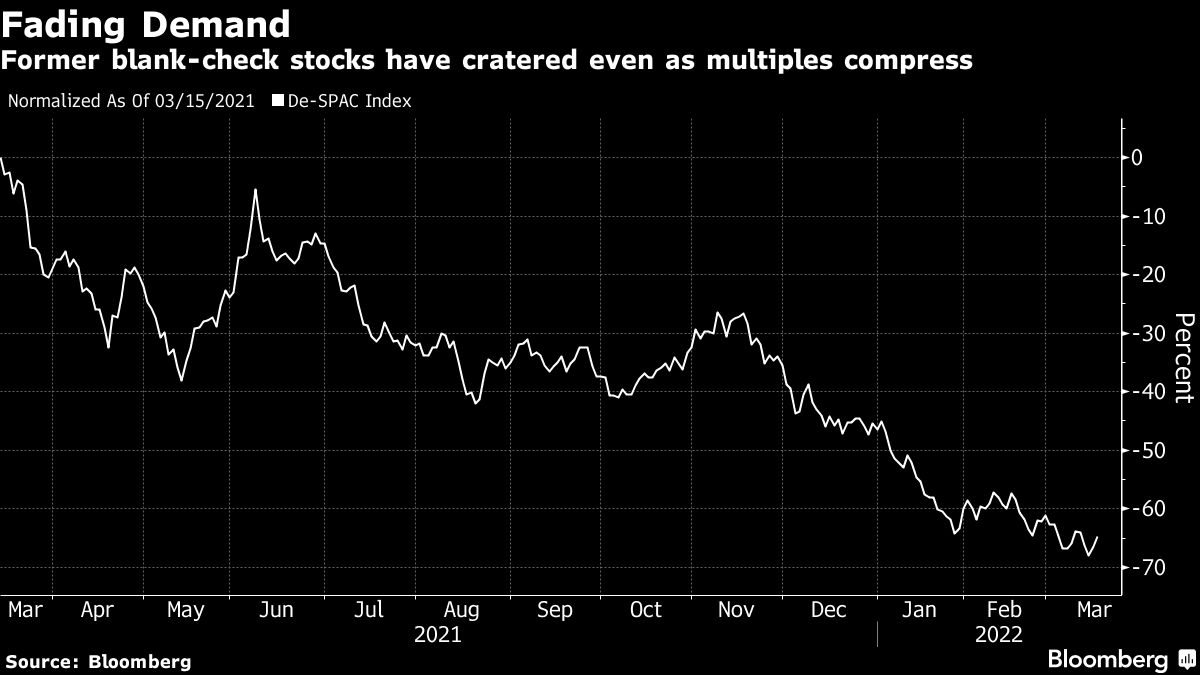
Investors grabbing shares in beaten-down companies after a merger with blank-check firms aren’t getting much of a bargain. In most cases, they’re still paying dearly for promises of revenue and profits that remain years away.
Russia’s invasion of Ukraine and the resulting oil market tumult are prompting a global rethink of fossil fuel reliance that progressive Democrats want to seize for a renewable energy “moonshot.” But some of the party’s climate hawks also recognize that the U.S. may have to do something they find abhorrent: increase drilling.
For this Subscriber Request Tuesday, I was asked to provide examples of dividend growth stocks that were getting cheaper because of the current market drops.
For the past three weeks Tymofiy Mylovanov, president of the Kyiv School of Economics in Ukraine, has been witnessing the effects of Russia’s invasion of Ukraine firsthand -- working from within a war zone to bring desperately needed medical supplies to the country.
To say Russia’s invasion of Ukraine has changed the outlook for financial markets is a vast understatement.
Russia’s invasion of Ukraine and the world’s subsequent sanctions and actions to curtail Russia’s access to the global financial system have thrown financial markets into turmoil.
Price shocks are a boon for some emerging markets, while a curse for others.
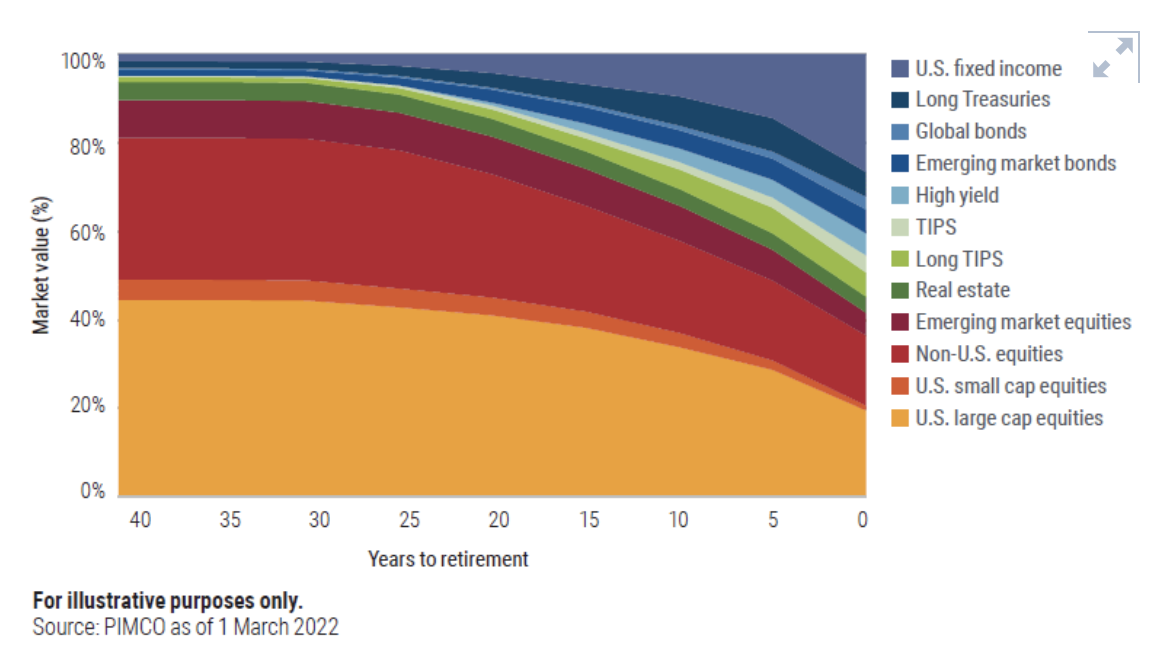
PIMCO’s glide path for target date funds expresses the firm’s collective view on age-appropriate asset allocation that can help prepare defined contribution (DC) plan participants for successful retirements.
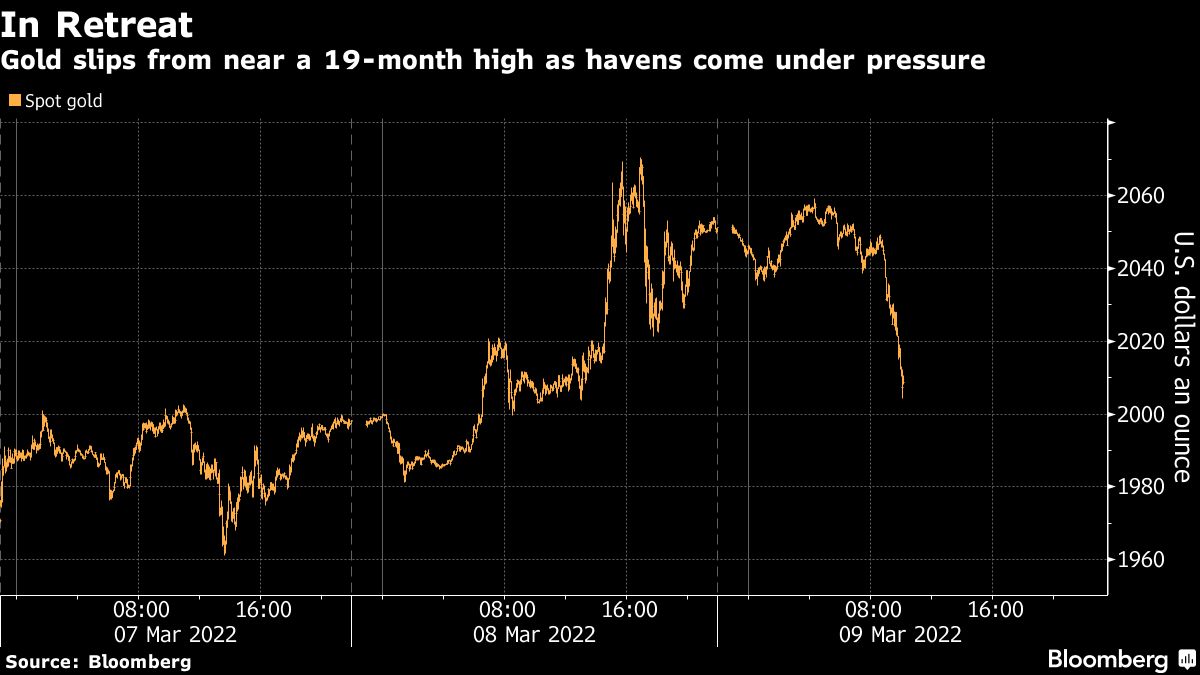
Gold fell from near a 19-month high as risk sentiment improved, despite ongoing concerns that the fallout from Russia’s invasion of Ukraine will further fuel inflation and hurt economies.
If you want to know what stagflation looks like, check out the housing market. The conditions that existed during the 1970's — high inflation and stagnant output — are happening already in this segment of the U.S. economy, illustrating the challenges ahead for consumers, industry players and the Federal Reserve.
Many U.S. drivers, stung by record gasoline prices, say they’d pay even more if it would end Russia’s war in Ukraine. That doesn’t mean they’re happy about it.
Your firm would take off if you could replicate yourself. The problem: You can’t.
This year, the theme for International Women's Day is #BreakTheBias. This theme celebrates the achievements that women have made, takes action for equality, and raises awareness against bias. What better way to honor the holiday than to examine how women are breaking down barriers in the financial services industry?
When it comes to the Federal Reserve and monetary policy, there are no shortages of talking heads who say the central bank can’t raise interest rates too much or else it would trigger a “debt bomb.”
Greedy corporations are not causing inflation.
Authoritarian Petrostate dictators like Putin are attempting to thwart the critical transition to a lower carbon future. To combat the damage done by Petrostates, advisors can invest exclusively in the solutions to the problems Petrostates create, and to never invest in the causes of the problems themselves.
In this interview, Peter Essele, vice president, investment management and research, at Commonwealth Financial Network, explains why investors should view the volatility created by the pandemic and geopolitical events as an opportunity to add risk to their portfolios.
Review the latest Weekly Headings by CIO Larry Adam.
Given the war in the Ukraine, I thought it would be helpful to provide insights for advisors and investors to think about risk and what if any actions should be considered.
After living through more than two years of COVID-19, its variants, and the attendant supply-chain disruptions and inflation concerns, one thing is clear: Uncertainty is the only certainty.
Since 2011, we have issued annual reports on the largest listed corporate defined benefit (DB) sponsors in the U.S., codenamed the $20 billion club.
This paper tracks the evolution of the emerging markets asset class and describes some of the resulting unique characteristics that make a value investing discipline attractive in these markets today.
Canada is registering more and more ETFs each month, rapidly expanding offerings in a market where the average fund is roughly a 10th the size of its U.S. counterpart. Newfangled funds -- not least those pegged to Bitcoin -- are responsible for some of the glut as Toronto upholds its mantle as an industry laboratory.
If there ever were a strategy to come close to being a sliver bullet for marketing, it’s texting. Before you click away from this screen, hear me out.
Interest-only variable annuity policies have zero commissions, no surrender charges and low annual M&E and admin fees plus various subaccounts that span traditional and alternative investment strategies.
The Rest of the Story was a radio show that aired from 1942-2008. Host Paul Harvey revealed little known facts that were previously not reported. The rest of the Federal Reserve story is that it is just pretending to be in control, and the rest of the Russian invasion story is about China and the U.S. dollar.
Our withdrawal was well timed, as Russian stocks had their worst one-day selloff on record. The dollar-denominated RTS Index fell around 40% on Thursday.
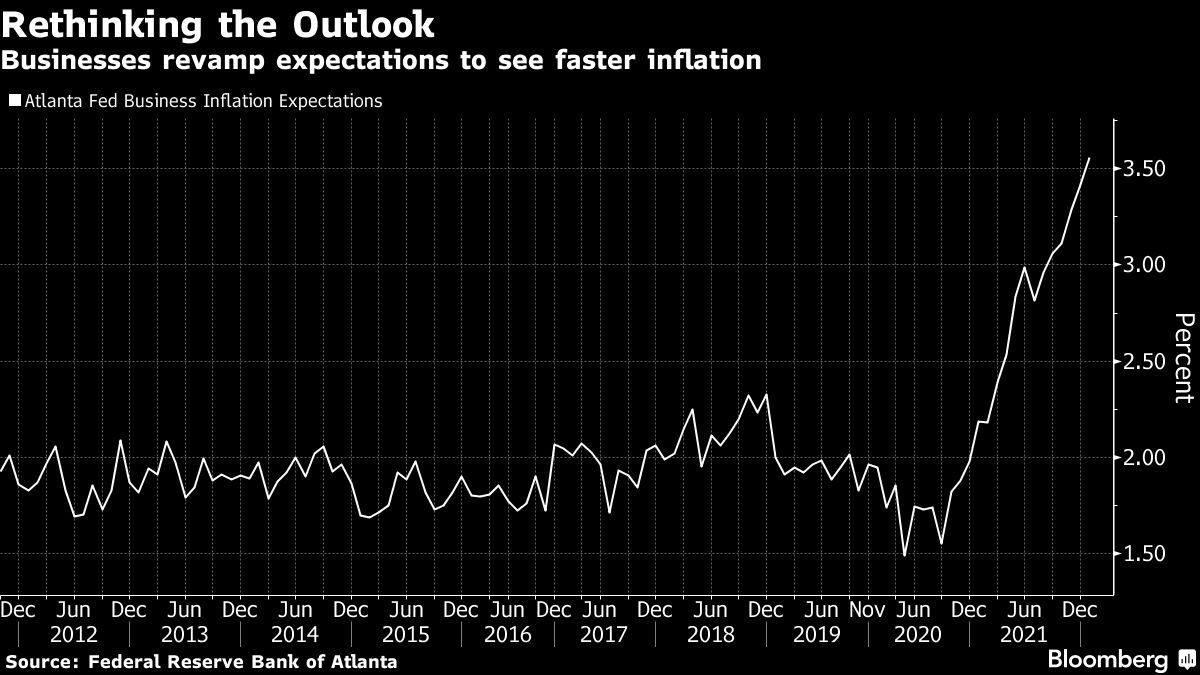
As U.S. businesses and consumers weather the highest inflation in four decades, some firms are already betting those cost increases will be around for longer than many economists are predicting.
Loomis Sayles' Macro Strategies Group looks at three scenarios for the Russia-Ukraine conflict and how those outcomes could impact financial markets.
Observing the lack of traffic at a new Ferrari dealership led me to an important insight into how advisors should justify their value to prospects.
Cryptocurrency exchanges and other financial services companies were stars amid a Super Bowl ad blitz that featured the return of many longtime sponsors and an overall more celebratory mood than last year.
If everything goes according to plan, travel and tourism could contribute $2 trillion to the U.S. economy in 2022, compared to $1.87 trillion in the year before the start of the pandemic.
Near-zero, zero, and below-zero interest rates changed the incentive calculations and decisions from what they were a mere 30 years ago. You can’t look at policies or almost anything else prior to the early 2000s as a standard for today. The incentives of low interest rates have literally screwed (that’s a technical economic term) things up.
Cars have been a big part of the U.S. inflation picture over the past year. Since a computer chip shortage slowed production and drove up prices for new and used vehicles, fixing those supply chain problems in 2022 was supposed to normalize the market again, helping cool inflation more broadly.
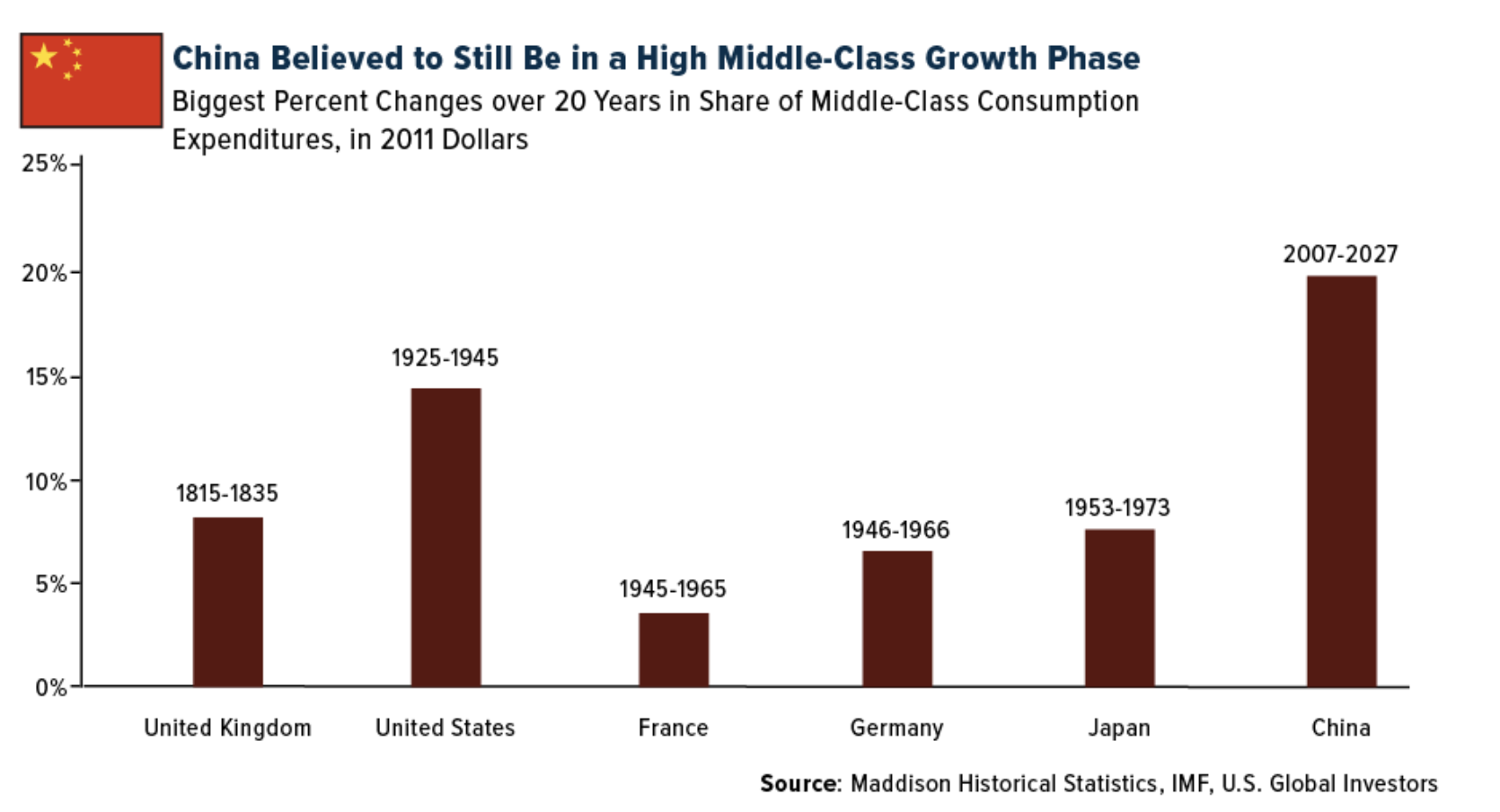
Since the start of the pandemic, we’ve seen consumers around the globe shift much of their spending from services and experiences to goods, and consumers in China were no exception, according to a recent report by consultancy firm Bain & Company.
A new report from the U.K.’s Cambridge University Centre for the Future of Democracy offers investors a rare chance to think about the overall economy over the next decade. The authors compiled a large global dataset that suggests some not-often-heard claims, such as that the tide of populism, nationalism and inequality has turned, and is rapidly receding in favor of a more prosperous, peaceful, egalitarian and cohesive globe in the next decade.
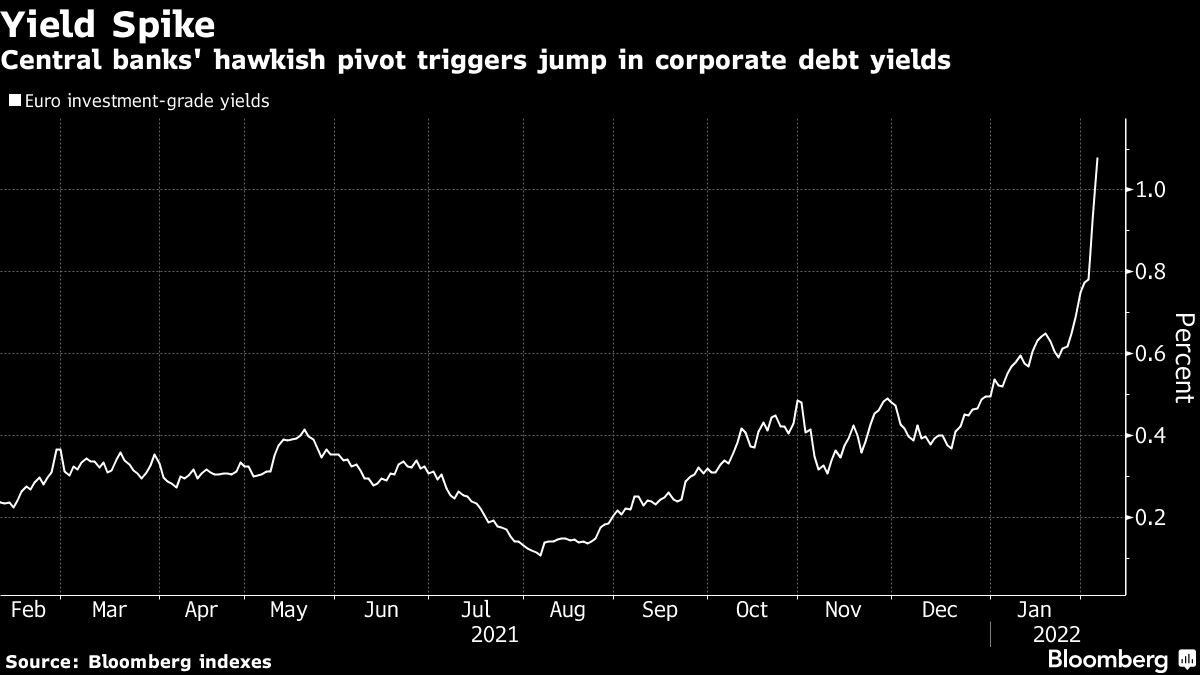
Borrowing costs are soaring across global credit markets as investors prepare for the end of an era of loose monetary policy.
When considering portfolio allocation, it’s important to keep in mind the wide dispersion of returns among economies.
Tensions between Russia and Ukraine are showing no signs of abating.
I don’t know if we should downsize and move into a smaller space, give people the option to WFH and then lose the great camaraderie that has always made us so great.
Personal finance is like a pot of simmering chicken soup on the back burner. They know it’s there and they know it’s savory, but they also know it will not require much attention until they eat it.
The decade-long bull market has infected advisors and their clients – especially those in or nearing retirement – with a dose of complacency that hides the perilous outcomes most consider impossible.