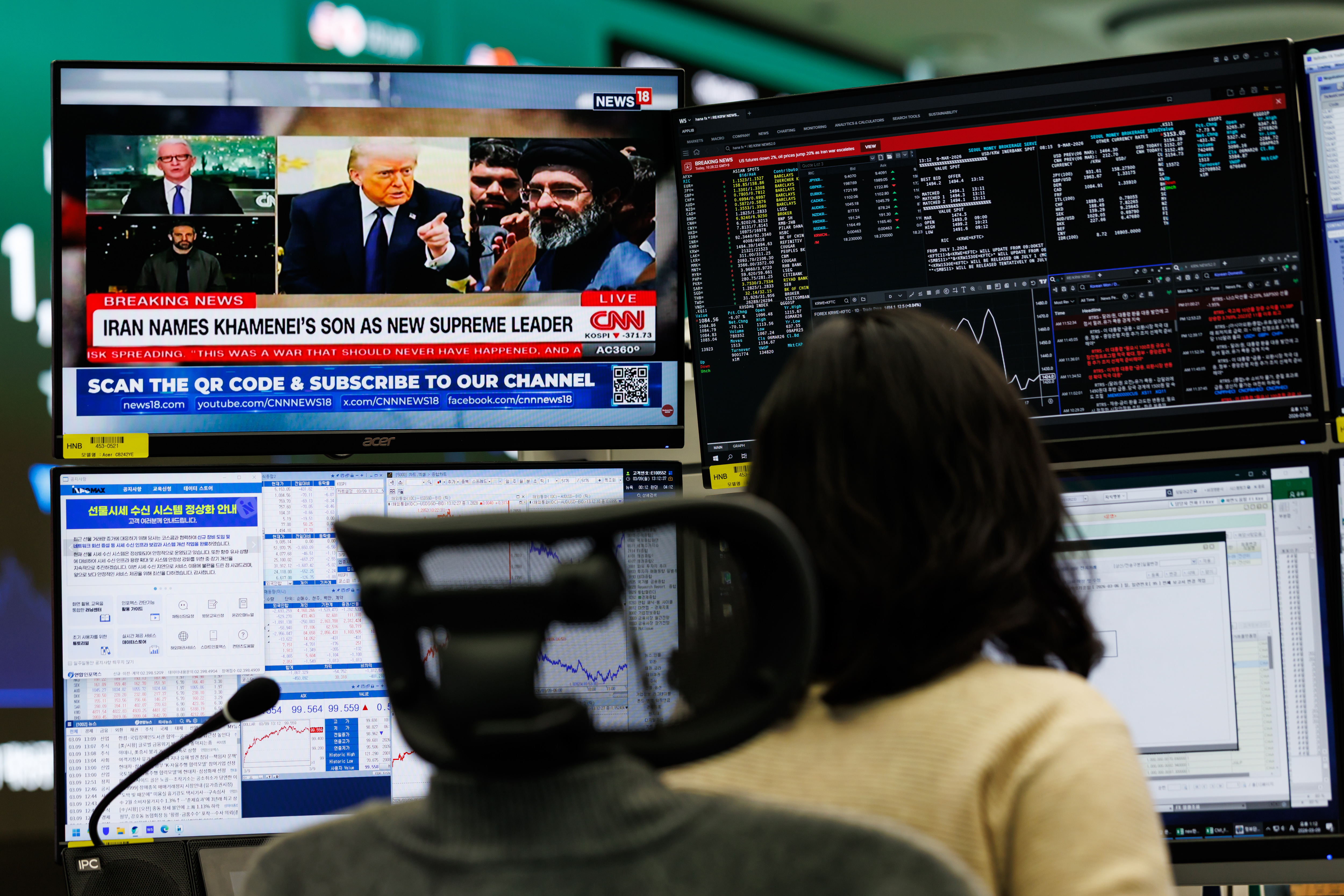
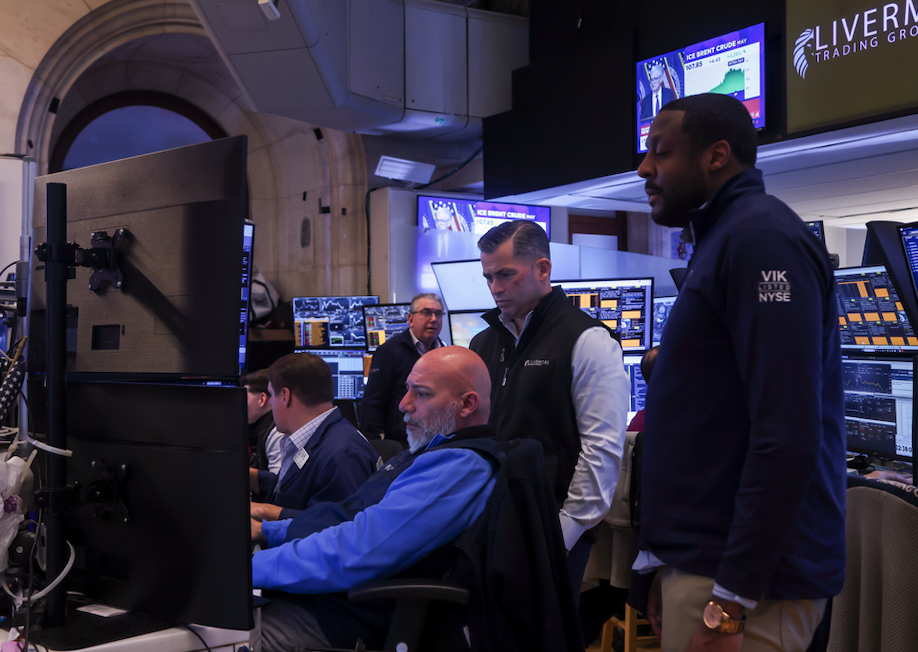
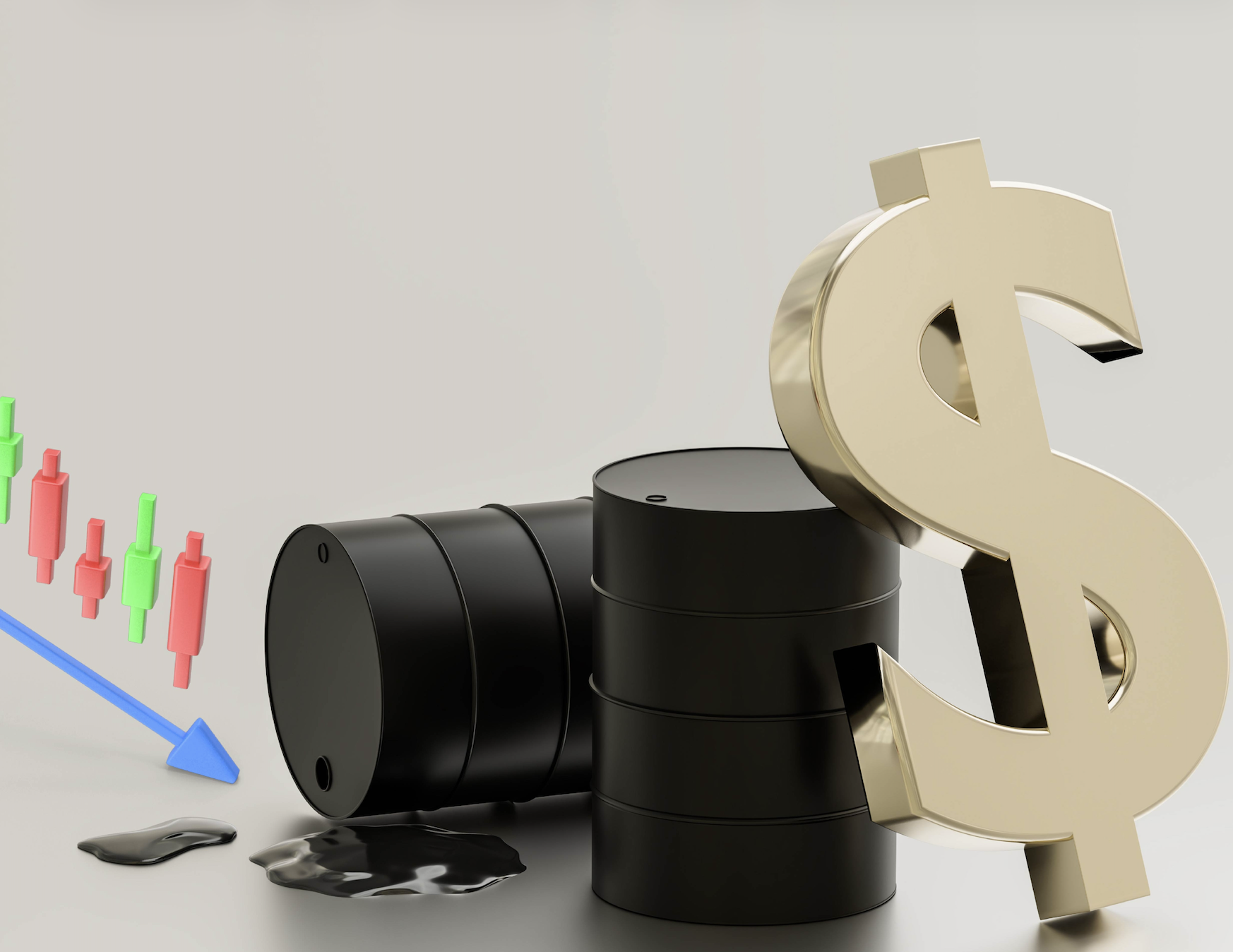
Geopolitical developments in the Middle East drove market attention this week, with reports of energy infrastructure being targeted leading to sharp moves in oil and gas prices.
In February, market sentiment was shaped by escalating US-Iran geopolitical tensions and sector-specific selloffs driven by concerns about AI’s potential disruption to existing business models.
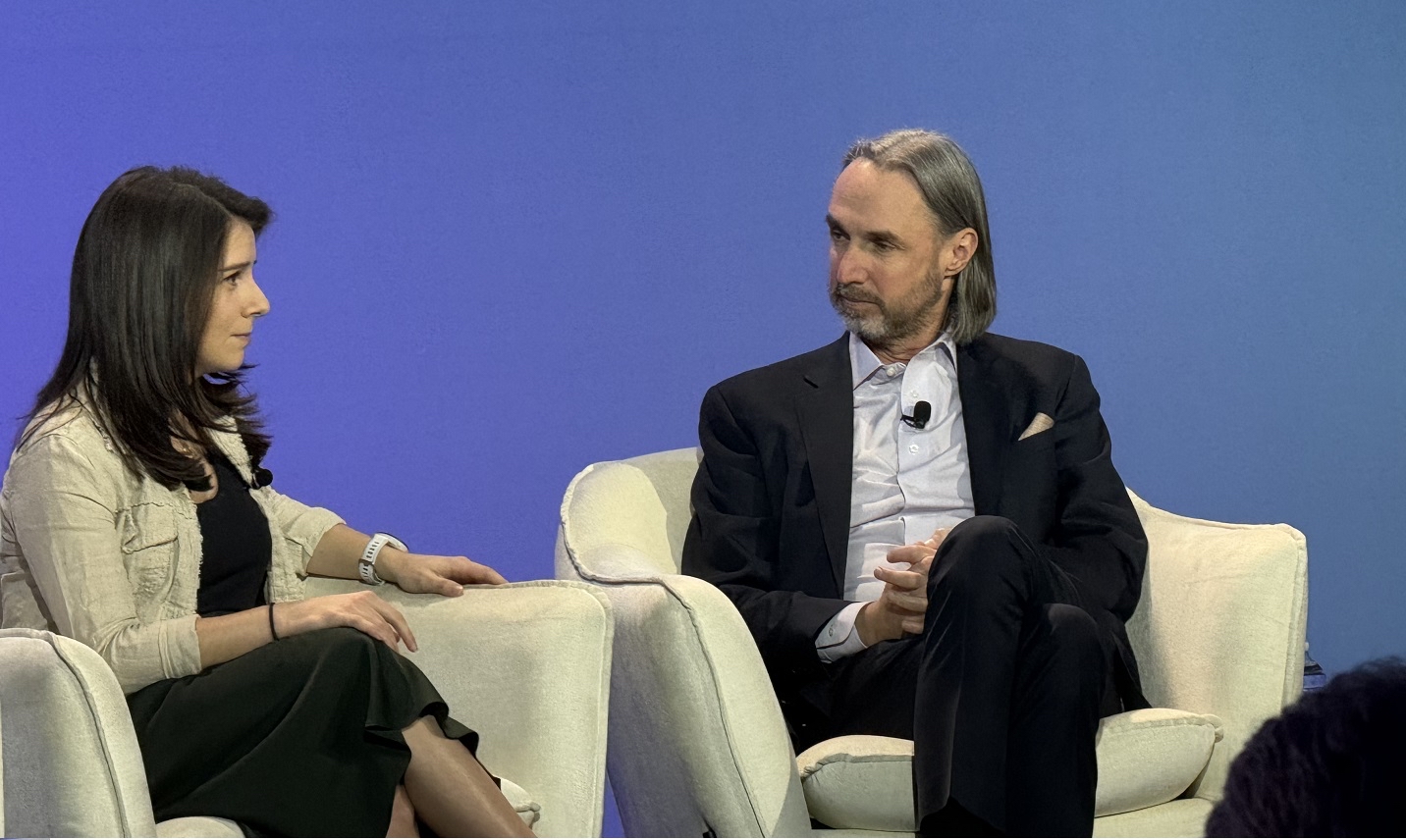
Jeffrey Sherman of DoubleLine provided a candid assessment of the Federal Reserve's current trajectory and fixed income at Exchange.
Modern markets have gotten used to central bank support whenever the global economy wobbles. But as the world confronts a fresh energy shock unfolding against brittle labor markets, investors need to prepare themselves for the possibility that central bankers won’t have their backs — quite the opposite.
Last week, on March 19th, the S&P 500 closed below its 200-DMA for the first time since May 2025. The first instinct is to panic as media headlines talk about bear markets and financial crisis events. However, as we will explore today, the data says it depends entirely on the type of break: sustained or brief.
Many investors think about getting out of the stock market when it gets bumpy. But history shows that staying invested over the long term has resulted in positive gains.
he shock to global oil supply this month has already been declared the greatest ever by the International Energy Agency, so it’s natural to draw parallels with the great shocks of the 1970s. But numerous other factors determine how serious the impact of any given hit to supply will be on the global economy.
The past three weeks have been unsettling, and not just for markets, but for anyone paying attention to what is happening in the world.
Gold was the highest-returning major asset class of 2025, advancing approximately 64% on the year. Its appreciation was supported by multiple reinforcing factors: elevated geopolitical uncertainty driving safe-haven demand, U.S. dollar weakness, sustained central bank accumulation, and strong inflows into gold-backed ETFs.
Confidence among global stock-market investors, who largely kept their cool in the face of an escalating conflict in the Middle East, is starting to wear thin.
Global markets stood on edge as the conflict in Iran upended energy markets and muddied the outlook for the global economy. Interest rate markets repriced as market participants processed the notion that hostilities and the closure of the Strait of Hormuz could last longer than expected.
US futures extended a drop on Friday as earlier hopes for a quick resolution to the war in the Middle East faded. Meanwhile, traders braced for a historic amount of March options expiry.
“Smoke on the Water, Fire in the Sky,” the iconic Deep Purple refrain, endures because it captures a familiar dynamic: threats appear on the horizon before the heat arrives.
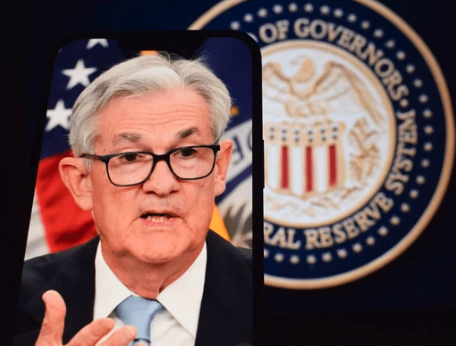
As expected, there was no rate cut at today’s meeting, but changes to economic projections and comments at the press conference gave some light into how the Fed is processing political and geopolitical events, and how those events are shaping the Fed’s outlook.
A properly functioning Strait of Hormuz holds the keys to clarity around the growth, inflation, and market shock that has stemmed from the war in the Middle East.
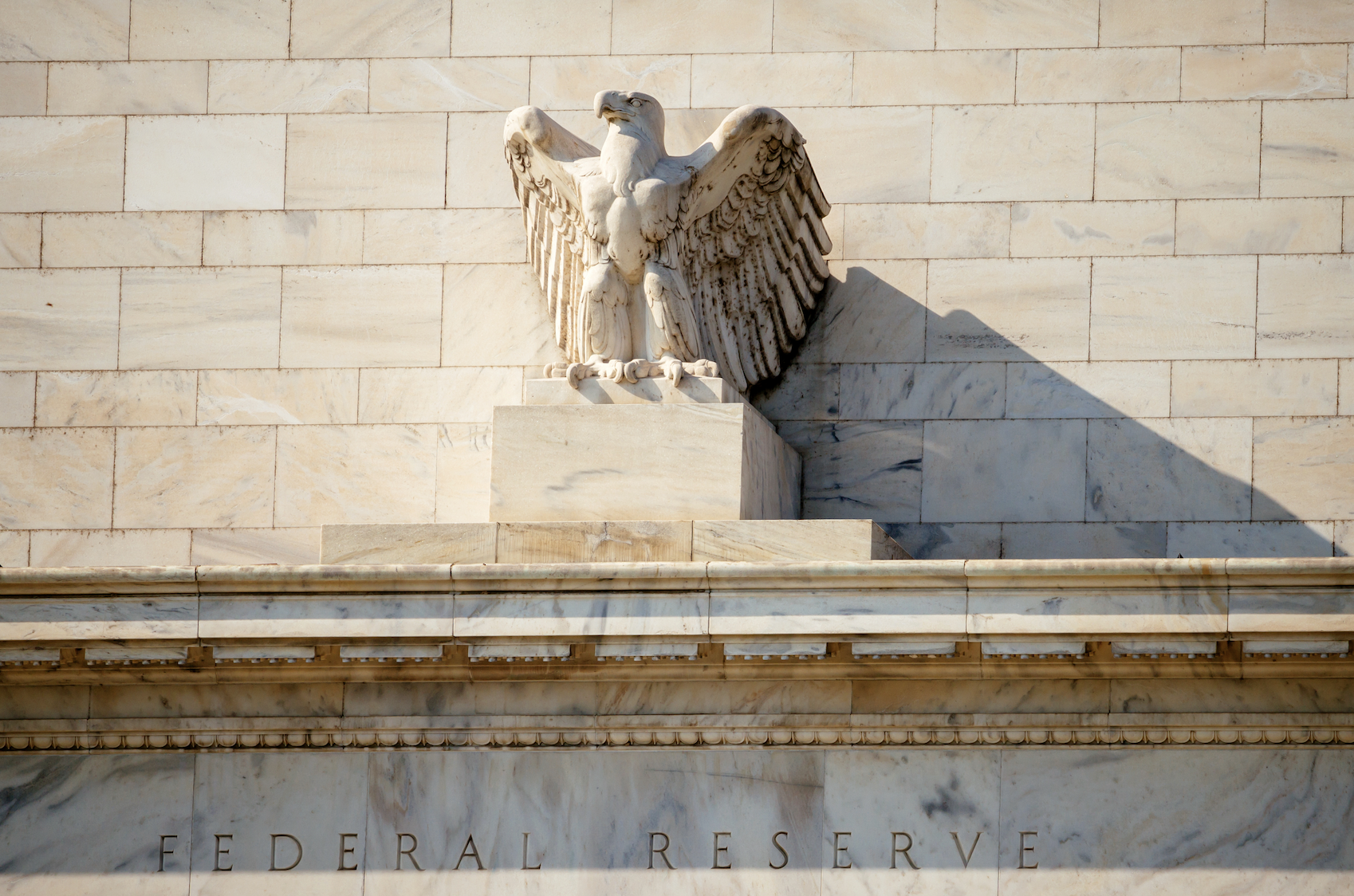
The Federal Reserve held the policy rate steady in March at 3.5%–3.75%, a widely expected outcome as policymakers navigated an unusually complex macro backdrop.
Silver had a phenomenal 2025, more than doubling from around $30/oz to above $70 by late December, and the rally continued into the new year.
The Fed simultaneously needs to hold interest rates higher (and arguably raise them) to deal with increasing inflation pressure while also needing to cut interest rates due to the massive Debt Black Hole warping the economy.
Engaging with client family members may seem tricky, but it can start with simple questions to the client first. In fact, asking your client about the personalities and desires of their loved ones may be a way of deepening your understanding of your client’s financial needs.
The federal funds rate will remain 3.5% to 3.75%. The 'dot plot' still projects a single rate cut this year, and the Fed sees slightly stronger economic growth and inflation.
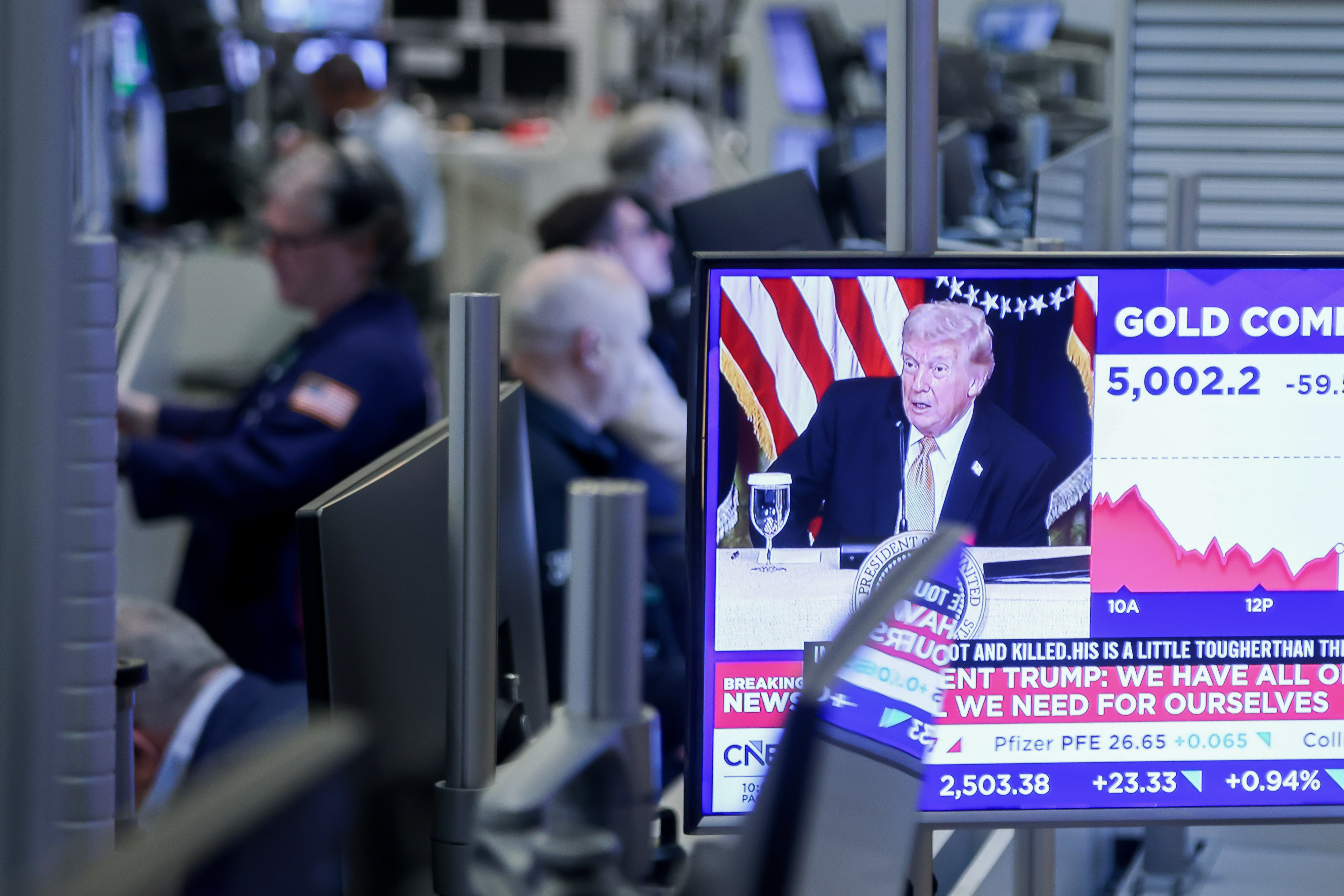
Gold sank for a seventh session as the escalating war in the Middle East drove oil prices higher and reduced prospects for a US interest-rate cut in the near term. Silver slumped more than 10%.
The FOMC held the fed funds rate at 3.50%–3.75% for a second straight meeting as policymakers weigh slowing growth, persistent inflation, with core PCE at 3.1%, and geopolitical uncertainty from the Middle East.
China’s underappreciated equity market and energy resilience amid current geopolitical tensions warrants consideration, according to Franklin Templeton ETFs’ Dina Ting. In this article, she discusses the different factors that underpin her views.
Royce Investment Partners: Co-CIO Francis Gannon discusses how US small caps remain market leaders even as volatility and uncertainty are on the rise.
Despite gold’s sideways performance in recent weeks, UBS still expects gold to gain 20 percent from its current price this year.
Now that investors are aware of withdrawal limits, they’ll have a greater incentive to always ask for the maximum, requiring further asset sales that will depress returns — which, in turn, will encourage more withdrawals.
Historically, major geopolitical or economic crises, such as the war against Iran, have prompted investors to sell riskier assets and buy “safe-haven” investments whose values were expected to remain stable or even rise amid the disruptions.
Federal Reserve officials left interest rates unchanged and continued to expect one rate cut this year as they acknowledged increased uncertainty due to war in the Middle East.
The advisors who build the strongest client relationships aren't necessarily the ones with the most resources. They're the ones who help clients feel the value of those resources consistently. You have more to offer your clients than you're probably telling them. Be bold. Tell the story.
The recent 30% surge in crude oil prices has led many observers—drawing on memories of past energy crises—to immediately warn of recession. That may ultimately prove correct, but we’re cautious about narrative-driven, back-of-the-envelope predictions.
It’s been a volatile stretch for US equities as Wall Street tries to wrap its arms around the war in Iran. But with the fighting now in its third week, investors are becoming more sanguine about the stock market as signs emerge that the worst may be over.
US stock futures extend a two-day rally as investors remain cautiously optimistic amid rising energy prices and before the Federal Reserve’s interest-rate decision.
In this commentary, I’m not going to try to predict any outcomes or long-term effects but rather want to cover how markets have reacted so far and highlight some opportunities that have been created.
Investigation of Federal Reserve chair hits an obstacle, while the Department of Homeland Security remains shut down amid funding standoff.
In this month’s Allocation Views, healthy earnings growth is disguising a bifurcation that has resulted in particularly challenging earnings expectations for large-cap growth stocks in 2026.
Comparing business-cycle-related primary trends of the falling 2-year Treasury yield shows that this is the slowest business cycle since WWII. I argue the slowness of this cycle is evidence of the 6+% average pro-cyclical fiscal deficit over the last three and a half years.
Morgan Stanley is sticking with a forecast that sees the Federal Reserve resuming interest rates cuts in June and delivering another reduction in September, even as soaring oil prices prompt traders to curb bets for how much policymakers will lower borrowing costs this year.
US stock futures rose Tuesday as investors buy the dip, signaling confidence in the markets even as Iran war tensions escalate.
Iran-related geopolitical risk has boosted stock volatility, especially in sectors like Energy. Uncertainty remains high and there are a range of scenarios for how this conflict could be resolved and how it might affect economic conditions and markets.
This past weekend, Adam Taggart and I discussed what happens to Treasury bond yields when the United States enters a military conflict. The conventional wisdom is reflexive and tidy.
When geopolitical tensions flare up, the natural assumption is that gold should immediately surge. War breaks out, markets panic… and the metal rallies as investors rush to safety.
Skyrocketing oil prices were accompanied by mixed inflation readings last week. The headline Consumer Price Index (CPI) inflation rate held steady in February at 2.4 percent annually, while core CPI, which excludes more volatile food and energy costs, rose a modest 0.22 percent for the month.
The market ended last week with a more cautious tone as rising oil and the widening Middle East conflict bring a fresh layer of uncertainty. I could see the markets experiencing a 10% correction from the recent highs. We are not anticipating a major decline for the S&P 500, but the mood has clearly changed.
The whole world will feel the consequences of this conflict.
Despite less reliance on oil, higher oil prices will add pressure to inflation. If energy costs stay elevated, inflation could rise again, potentially delaying interest rate cuts from the Federal Reserve (Fed). Geopolitical uncertainty remains a risk. Conflicts in the Middle East could disrupt supply chains and increase price volatility in key commodities like oil.
In the aftermath of the first Internet stock-market bubble of the late 1990s the economy went into a relatively shallow recession starting in 2001. That recession was precipitated by a tight monetary policy, with the Federal Reserve setting short-term interest rates consistently above the pace of nominal GDP growth (real GDP growth plus inflation).;
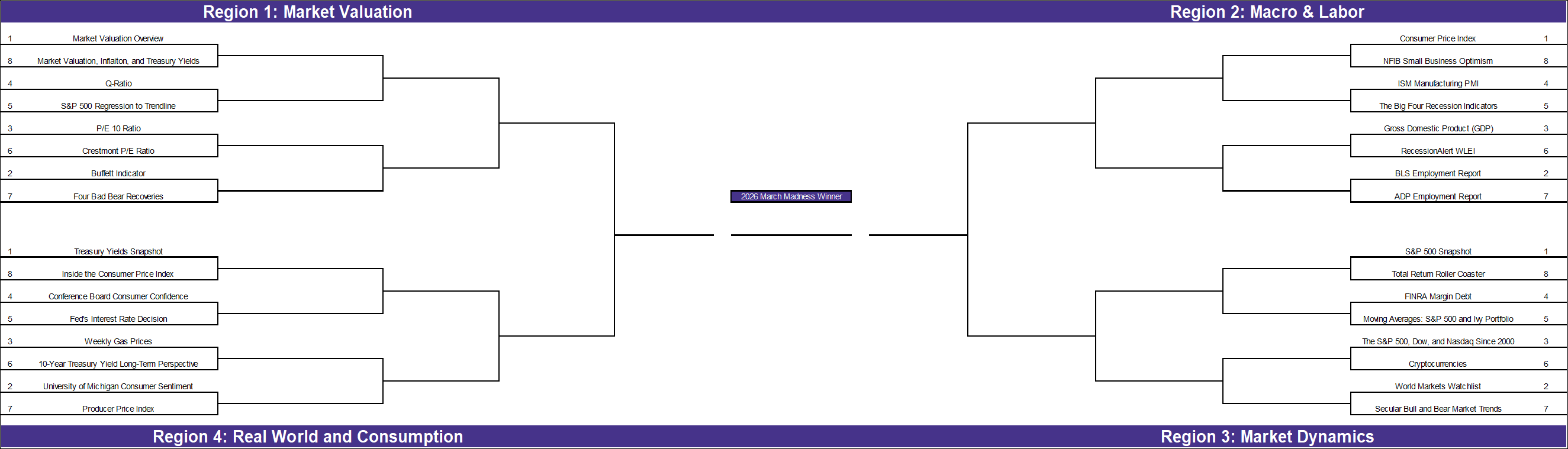
With the NCAA tournament beginning in just a few days, we’ve applied the bracket format to our own research. While economic theory often dictates what should be most important to investors, our reader engagement reveals which topics truly commanded investor attention over the past year.
It’s human instinct to want to know what the future holds and to protect and grow our nest egg based on our perceived knowledge of the future. It takes courage to ignore those economic forecasts from brilliant, well-meaning experts with very impressive credentials. Their logic is always compelling, but investing based on that logic can be hazardous to your wealth.
There has been so much data released in the past week it’s hard to know where to begin. Much of the data is inconclusive or not helpful, but it is not as bad as many click-bait pundits suggest as they take each data point and extrapolate it into the future.
The scariest portmanteau in macroeconomics is making a comeback in market discourse: stagflation.