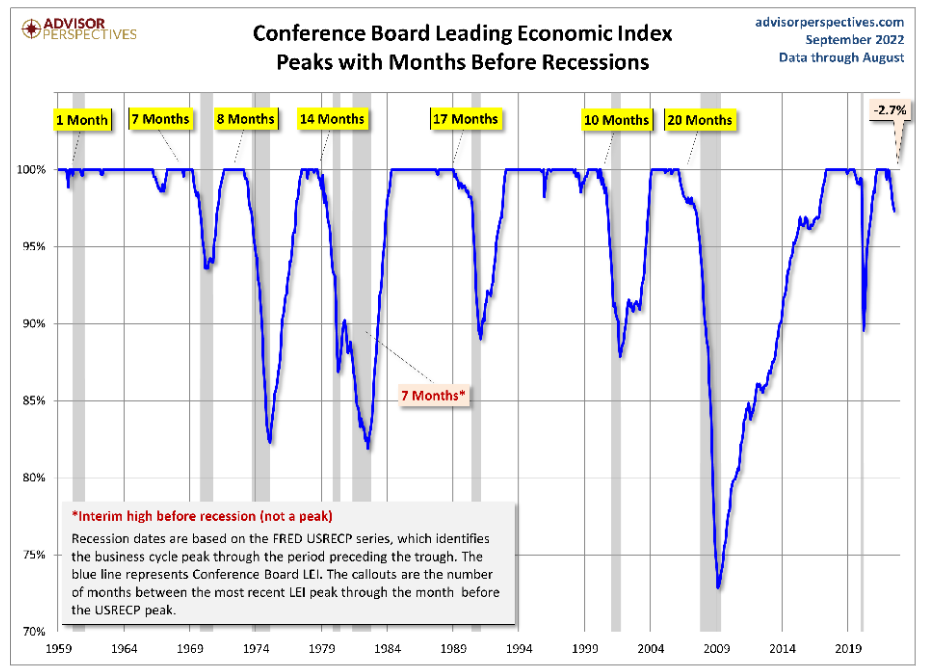
The credit cycle and the economic cycle are excellent leading indicators of volatility.
The economic tea leaves suggest that 2023 could be another challenging year for both stocks and bonds. However, the outlook is more balanced given that equity valuations are much lower and bond yields much higher.
This important milestone is the culmination of decades’ worth of research and lots of trial and error, and it makes good on the hope that humanity will one day enjoy 100% clean and plentiful energy.
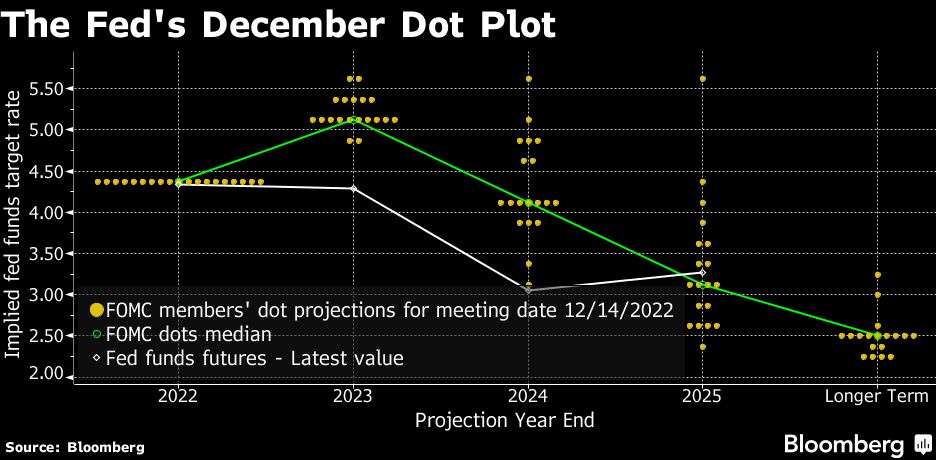
The Federal Reserve downshifted its rapid pace of interest-rate hikes while signaling that borrowing costs, now the highest since 2007, will outstrip investors’ expectations as the central bank works to rein in inflation.
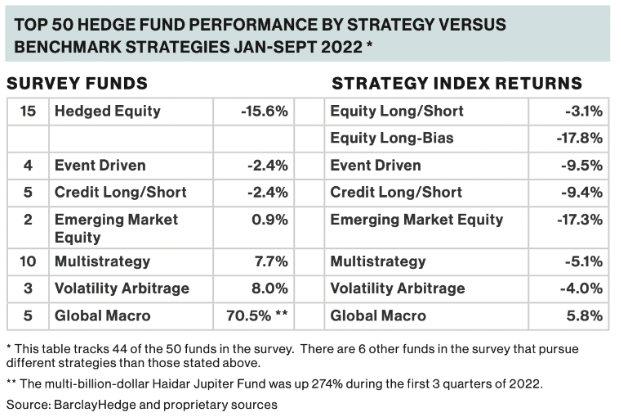
Global Investment Report's 3Q Update of the 2022 hedge fund survey.
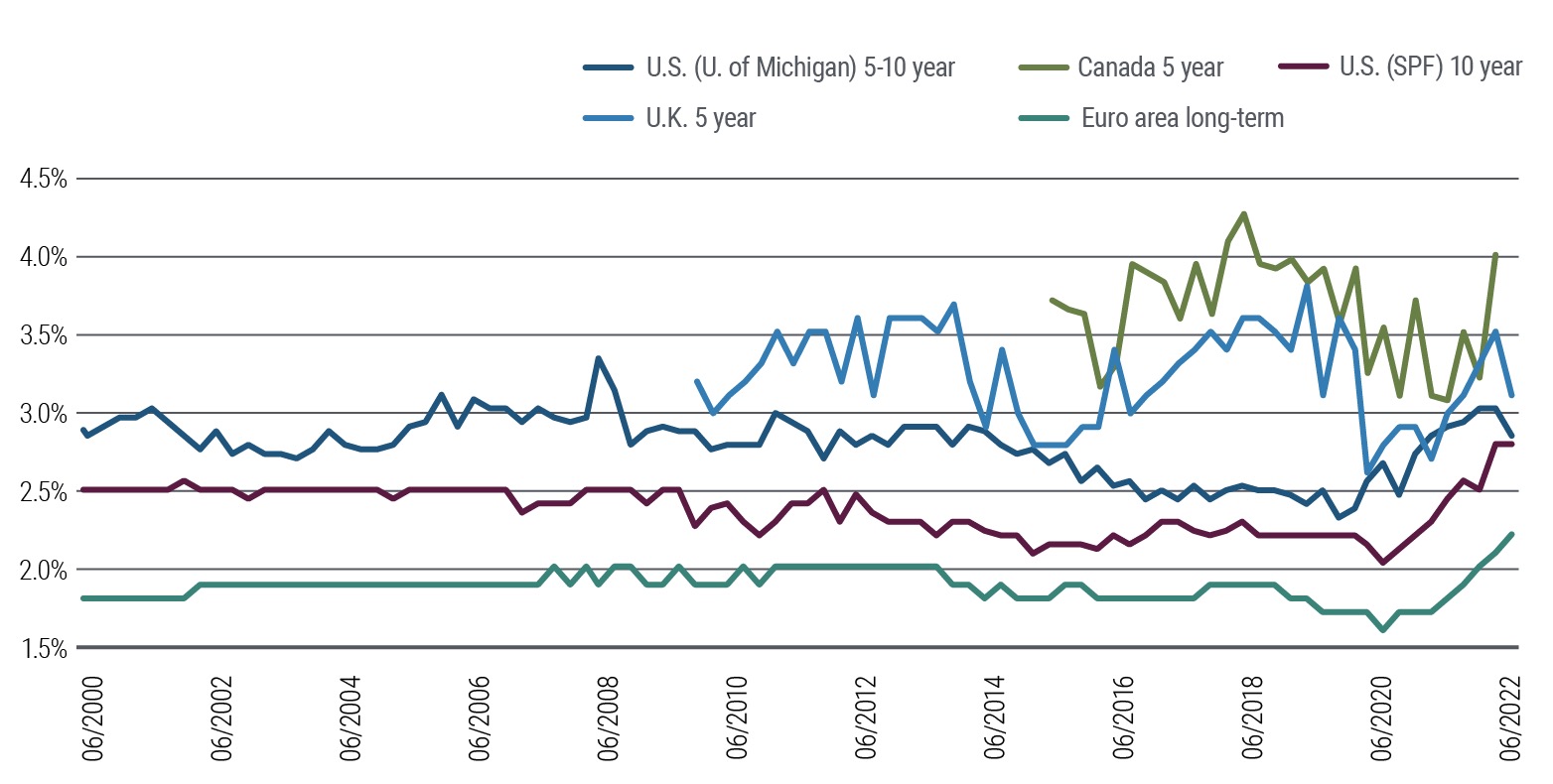
Yield is set to be a more important component of total return for investors during the next few years as the “Fed Put” exerts less influence on markets.
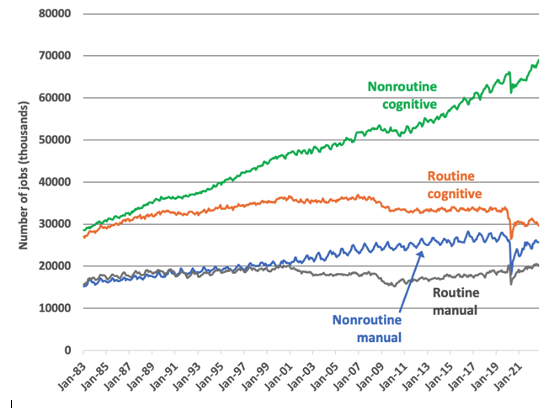
Rather than feudalism, we are headed toward hyper-capitalism, where each person is an entrepreneur constantly selling his or her services to the highest bidder.
Many have been asking this question since earlier this year, a question that has no easy answer. As economists – us included – continue to forecast the most ‘telegraphed’ recession in history, it is important to point to those things that make this economic cycle very different from past economic cycles.
U.S. stocks ended higher in a quiet day, trimming some of the week's losses.
Staying invested over the long term and deploying more capital when consumer sentiment is pessimistic can lead to better outcomes over full market cycles.
In his latest memo, Howard Marks weaves together some of the themes he’s explored in 2022 to explain what he believes really matters in investing and what doesn’t. He discusses the disadvantages of short-term thinking, the difference between volatility and risk, and the one word he believes defines the essence of investment excellence.
It may indeed be the case that TSMC’s $40 billion spending bill is the largest foreign direct investment, but that’s still not enough to ensure the US builds itself a self-sufficient semiconductor industry.
Let’s look at the powerful feature set an advisory firm could put together from a collection of the higher-rated, low-market-share programs and solutions that I’ve collected from past surveys, many of which you may not even be aware of.
Wall Street is finding a reason to keep plowing into the bond market, even with a Federal Reserve that’s still far from declaring victory in its war against inflation.
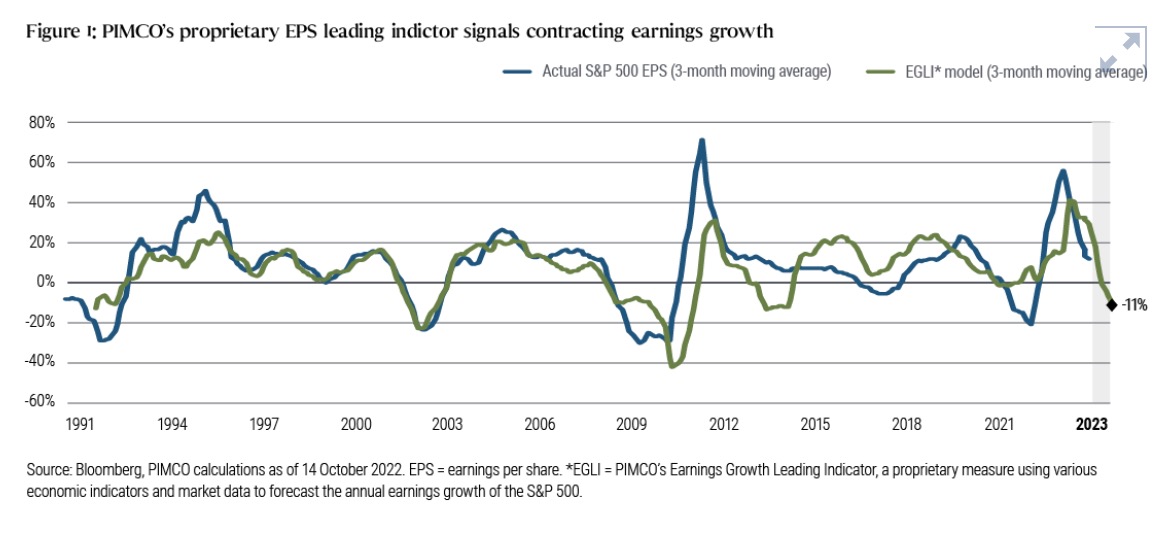
Weaker economic trends will likely form heading into 2023 as the Fed battles inflation, but a (hopefully) mild recession may help set stocks up for a better second half of the year.
Better than expected inflationary data and corporate earnings reports helped boost S&P 500 to back-to-back rallies for first time since mid-2021.
Doll’s Deliberations this week summarizes some short-term expectations and some longer-term issues.
A high level Fed official warned last Thursday that the Fed Funds rate might have to go to 5%-7% to get inflation under control.
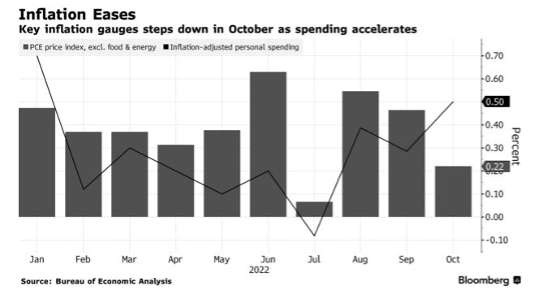
Despite stubbornly high inflation and recessionary fears, spending by consumers may not slow down as we approach the busy holiday shopping season.
Two aspects of the financial markets operate simultaneously. Emphatically, they do not operate alternately, but simultaneously. One aspect is driven entirely by arithmetic. Every security is a claim to some long-term stream of cash flows that will be delivered to the holder, or series of holders, over time.
With interest rates higher amid a challenging macro environment, we see a compelling case for bond allocations and are cautious about higher-risk investments.
They say a picture is worth 1,000 words and a good chart fulfills a similar function.
The standard Keynesian doctrine is to run a budget surplus in good times, and then use deficit spending to stimulate the economy in bad times.
FTX, until recently the world’s second-largest crypto exchange, filed for bankruptcy as its embattled founder, Sam Bankman-Fried, stepped down as CEO following a liquidity crunch that exposed the firm’s improper use of customer assets.
Chief Economist Eugenio J. Alemán discusses current economic conditions.
As I see it, decentralized assets have never looked more attractive than they do now.
Wall Street money managers looking to pile back into Treasuries after months of losses will have to contend with a Federal Reserve that stands ready to raise the stakes every step of the way.
As investors weigh conflicting economic data and the prospects for a Fed pivot, precious metals markets are quietly basing out.
U.S. stocks are trading mixed in pre-market action.
After a record surge in housing costs and ballooning expenses for everything from food to energy, America’s renters have had enough.
With this week’s announcement that the White House is deploying nearly $3 billion to boost domestic output of EV batteries and the minerals used to make them, it may be time for investors to take notice.
With Elon Musk on the verge of taking over Twitter Inc. comes news that he plans to gut its workforce, with cuts of up to 75%. That should be a worry not only to the platform’s staff and users, but for those who care about the flow of information crucial to well-functioning democracies.
If the prolonged period of declining and ultra-low interest rates is over, what does that mean future corporate profits, cash flows and dividends?
This year could be the beginning of the bursting of a superbubble that inflated over the previous 13 years.
2022 has been a stormy year for bond investors, and the forecast calls for more of the same. We address today’s biggest investment challenges—from persistent inflation to rising rates to a looming recession—the silver linings of higher yields, wider credit spreads, and strategies for navigating bad weather.
The worst may be behind gold mining stocks. Since hitting a 52-week low on September 26, they’ve risen about 18% and today notched their second straight week of positive gains.
A recent MarketWatch article discussed JPMorgan’s Chief Operating Officer, Daniel Pinto, views about a coming mild recession.
As student borrowers get set to apply for federal loan forgiveness, some of them are also considering for the first time homeownership and other major milestones as they embark on new lives without the specter of debt hanging over them.
This is a critical time for investors and policymakers alike.
Now that we are seeing much of this come to fruition, it is now time to turn the page to the next chapter.
For most of 2022, the VIX been above its average, which historically has led to lower equity returns. I will review the risks that investors face, which explain the continued high level of uncertainty.
Unwavering profit projections. Benign chart patterns. Big hedges in the options market. All the things that bulls expected to put a brake on the worst equity selloff in 30 months have just summarily failed.
Just 18.5% of homes in Florida counties that were told to evacuate have coverage through the National Flood Insurance Program (NFIP), which is administered by FEMA. Most regular homeowners’ insurance policies don’t cover flood damage, which is why Congress created the NFIP in 1968. But at an average cost of $995 a year, according to Forbes, the insurance may be out of reach to many households.
Their plan has crashed the pound, wrecked the government bond market, and destroyed the Bank of England’s efforts to tighten monetary policy. After such a disastrous start, repairing the damage might be beyond them.
In the 1980s there was a famous TV ad for Wendy’s with the tagline “Where’s the beef?”.
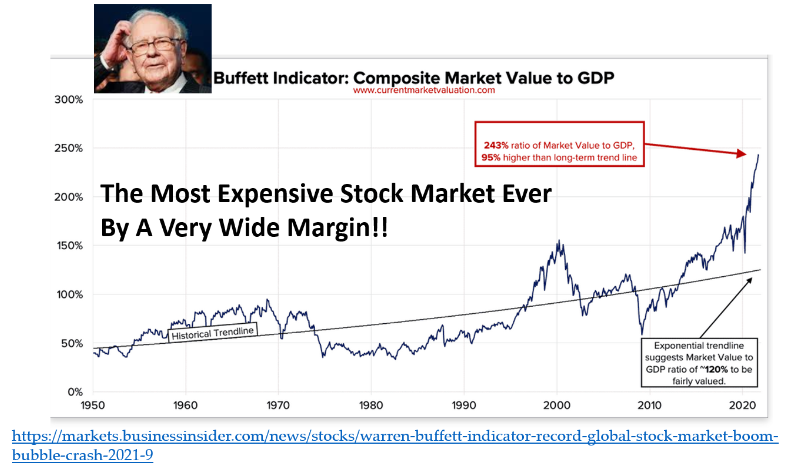
Stocks are far from cheap. Based on Buffett’s preferred valuation model and historical data, return expectations for the next ten years are as likely to be negative as they were for the ten years following the late ’90s.
The U.S. dollar has been on a tear in recent months, bringing it to its highest valuation versus other major developed currencies in more than 35 years.
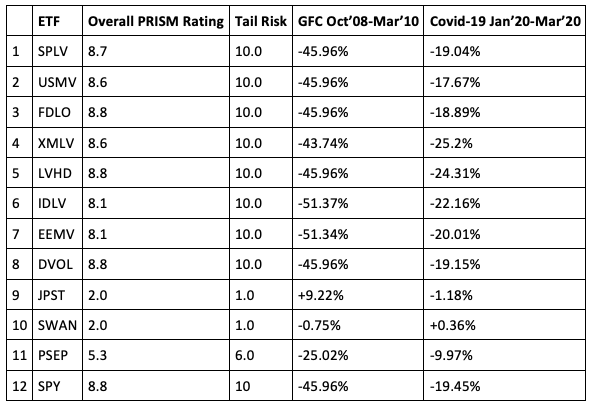
Low volatility does not mean low risk when it comes to ETFs. By selecting products that minimize losses rather than volatility, advisors can achieve better outcomes for clients.
The world will be going from an era of zero rates and loose monetary policy to higher rates and likely slower growth, except in certain sectors. Adjusting to this change will be both problematic and also full of potential opportunities.
Compared to the dotcom and great financial crisis recessions, our fiscal and monetary response over the last two years has been far more aggressive. But the true cost – in terms of inflation – presents a more threatening risk.