We’ll review what may be the most compelling bear case I’ve seen in a long time, along with some other unpleasant data. Then we’ll look at some equally compelling reasons those views may be wrong.
When assets get overvalued and get into crazy territory, explaining their overvaluation feels like playing this “infinity times infinity” game. But at least, if we line up different crazy valuations next to each other, it is going to be easier to distinguish levels of craziness.
The decade-long bull market has infected advisors and their clients – especially those in or nearing retirement – with a dose of complacency that hides the perilous outcomes most consider impossible.
Chief Economist Scott Brown discusses the latest market data.
The Federal Open Market Committee (FOMC) of the Federal Reserve did not make any formal changes to its policy, but did signal it would begin raising the fed funds rate soon.
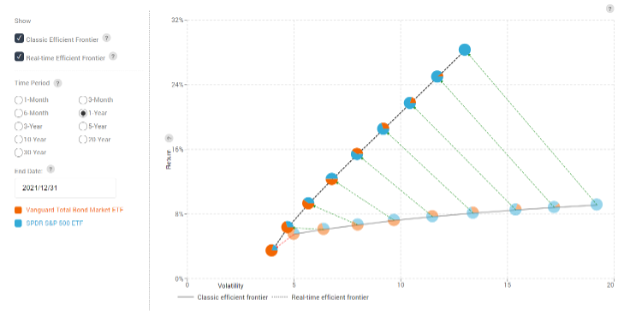
The longstanding negative correlation between stock and bond prices is an artifact of the low-inflation environment of the past 30 years.
Bonds tumbled across the world on Thursday after Federal Reserve Chairman Jerome Powell’s latest hawkish pivot, with yields from Wellington to London breaching multi-year highs.
Strategists are mapping out their best trade ideas after Federal Reserve Chair Jerome Powell set the stage for raising interest rates to combat the highest inflation since 1982.
Large hedge funds and private-equity firms may soon have to start reporting steep losses, major redemptions and other extraordinary events in near real-time to the U.S. Securities and Exchange Commission -- a change that the regulator says will help it protect the financial system during meltdowns and wild swings like the meme stock mania that roiled markets a year ago.
ICYMI: In this roundup, we’re highlighting the five most popular pieces of content from the previous week.
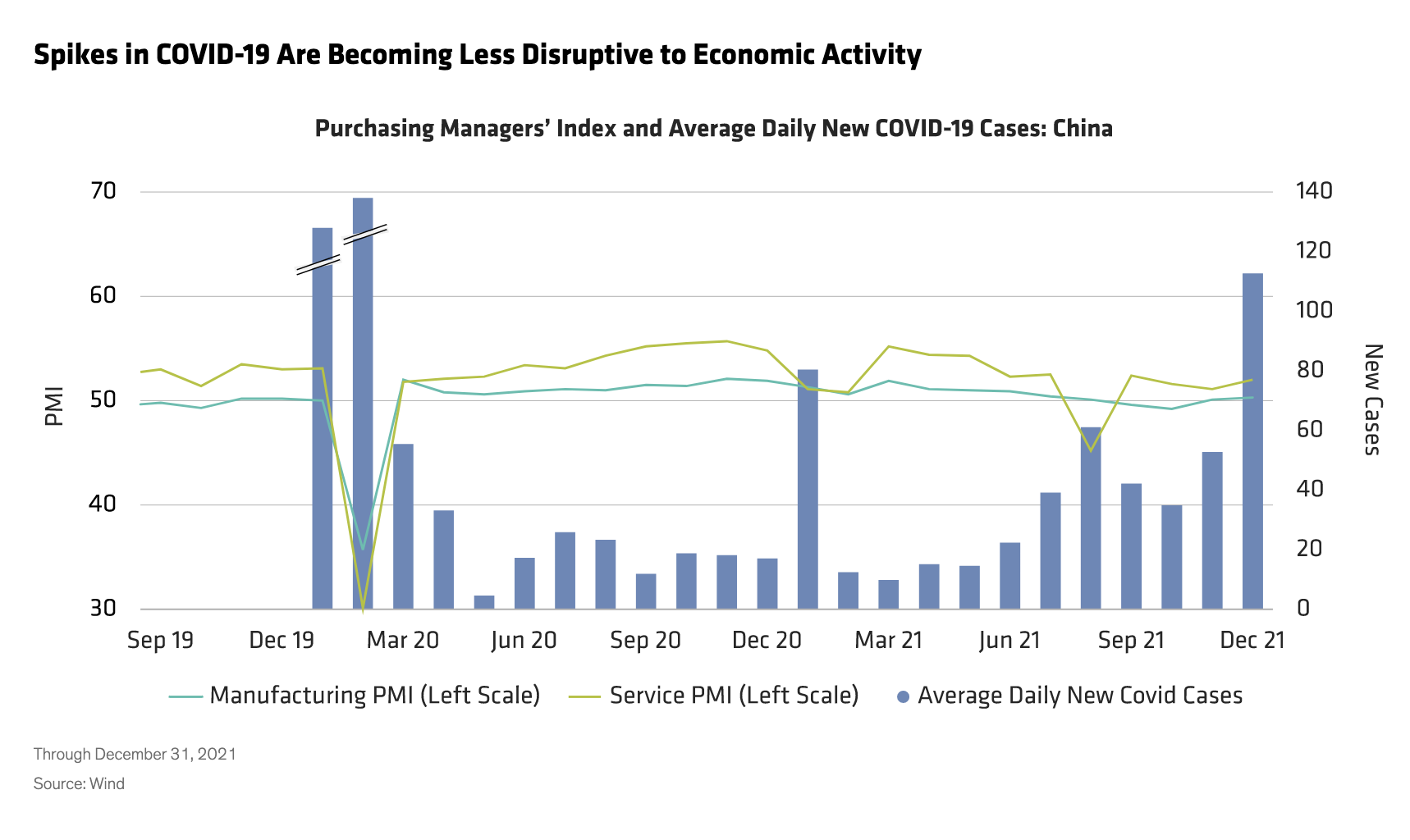
In our latest issue, Andy Rothman discusses how last year’s experiences can help us plan for China’s 2022 economic prospects.
Disagreements about the outlook for inflation in the new year and beyond continue.
Meme stocks, cryptocurrencies, the broader stock market: All have tumbled with astonishing speed this year, and few strategists think the pain will end here.
Large asset managers provide model portfolios for many purposes — as options in 401(k) plans, as blueprints for institutional clients and affiliated financial advisors, and as suggestions for unaffiliated investment advisors. These have the “lather, rinse, repeat” conflict of interest.
“I’m opposed to financial planning,” said no one ever. Yet most of us avoid financial planning, despite the best efforts of the financial media to extol its virtues.
Given the many forces shaping the economy and markets, 2022 will be a stock picker’s—and a bond picker’s—market. Prices are indeed stretched in pockets of the market, but many areas offer attractive potential supported by compelling fundamentals and exposure to growth themes.
In today's digital-first world, a marketing funnel is how financial advisors attract ideal prospects, engage clients and COIs, and stimulate referrals.
The COVID-19 pandemic looked set to batter the world’s banks—and yet banks’ balance sheets are now the strongest they’ve been since the global financial crisis (GFC).
Surging markets spurred a buying frenzy for everything from stocks and cryptocurrencies to new homes over the last two years. Now, with inflation at a nearly 40-year high and at least three priced-in rate hikes, the hunt for investing safe havens is on.
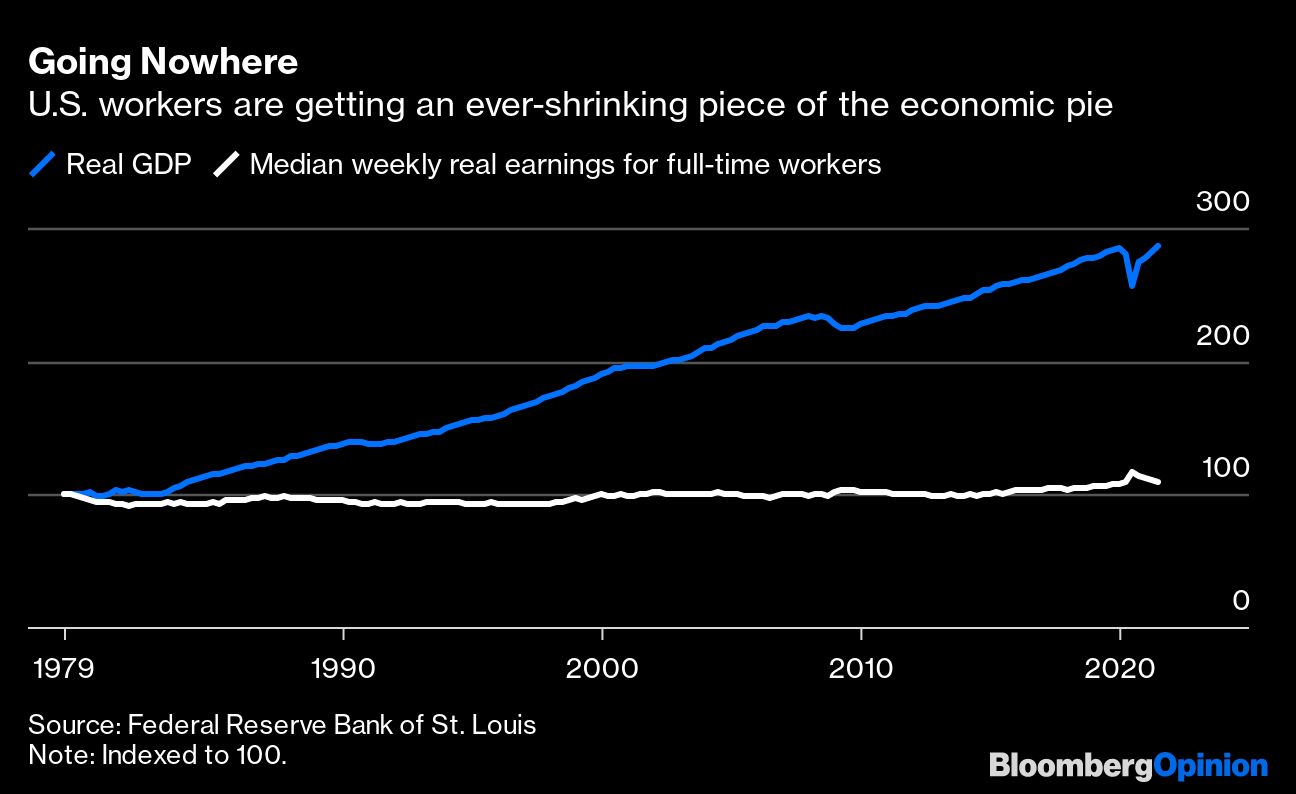
U.S. wages are rising after decades of stagnation. And yet, by all indications, income inequality in the U.S. is the highest ever and growing, and tens of millions of full-time workers still fail to earn a living wage.
To reap the potential tax benefits of MLP investing and to make sure the allocation is meeting an investor’s needs, it’s important to understand the nuances of MLP investing.
Laurence Kotlikoff is a world-class economist who can convince you to pay off your mortgage and make you snort out your nose laughing at the same time; Money Magic is his compendium of life hacks aimed at leaving the reader wealthier and happier.
A “boatload” of news this week suggests that the shipping industry continues to look very attractive from an investing point of view. Global cargo carriers are estimated to have recorded $150 billion in profits in 2021, the first time they’ve collectively reached that figure in a single year.
Many analysts project China will soon be larger by GDP than the US—which shouldn’t be so hard with a population four times larger—but it’s not clear to me that China’s seemingly unlimited linear growth will continue three or four more decades. I can remember when the same was said about Japan.
In his renomination hearing, Fed Chair Jerome Powell stressed that the key to maximum sustainable employment and financial stability was keeping inflation low.
When reviewing the current state of the global economy and investment markets, we recommend focusing on market signals and weeding out market noise.
The surge of the coronavirus omicron variant has implications not only for broader asset-class allocations but also for macro exposures within asset classes.
For China, the year ahead holds special political and economic significance.
All 2-sigma equity bubbles in developed countries have broken back to trend.
With January being a month for prognostications, David Mann, our Head of Global Exchange-Traded Funds (ETFs) Capital Markets, shares his annual outlook for the ETF industry and key trends he sees taking shape in 2022.
The head of the Bank for International Settlements, Agustin Carstens, recently set out a dark vision for our financial future, quoting Goethe’s “Faust” and claiming that the “soul” of money was at stake.
If a recently widowed client hasn’t fired you, then you are among a lucky few. Here’s a thought experiment that illustrates the vulnerability advisors face when they don’t engage the female half of a couple.
The webcast will explore the impact of inflation on fixed income investments and potential inflation hedges from non-traditional sources.
Rougher seas lie ahead for non-profit fiduciaries as the COVID-19 pandemic stretches into 2022 and refuses to retreat quietly into the night.
Members of Loomis Sayles' Global Credit Sector Team share their views on key themes in 2022.
Now that the Fed has officially stopped referring to inflation as “transitory,” the question is whether they can bring it under control without slowing the economy. In our view, they have the right tools – reducing the balance sheet and raising the fed funds rate – they just need to trust their data and keep a steady hand on the wheel.
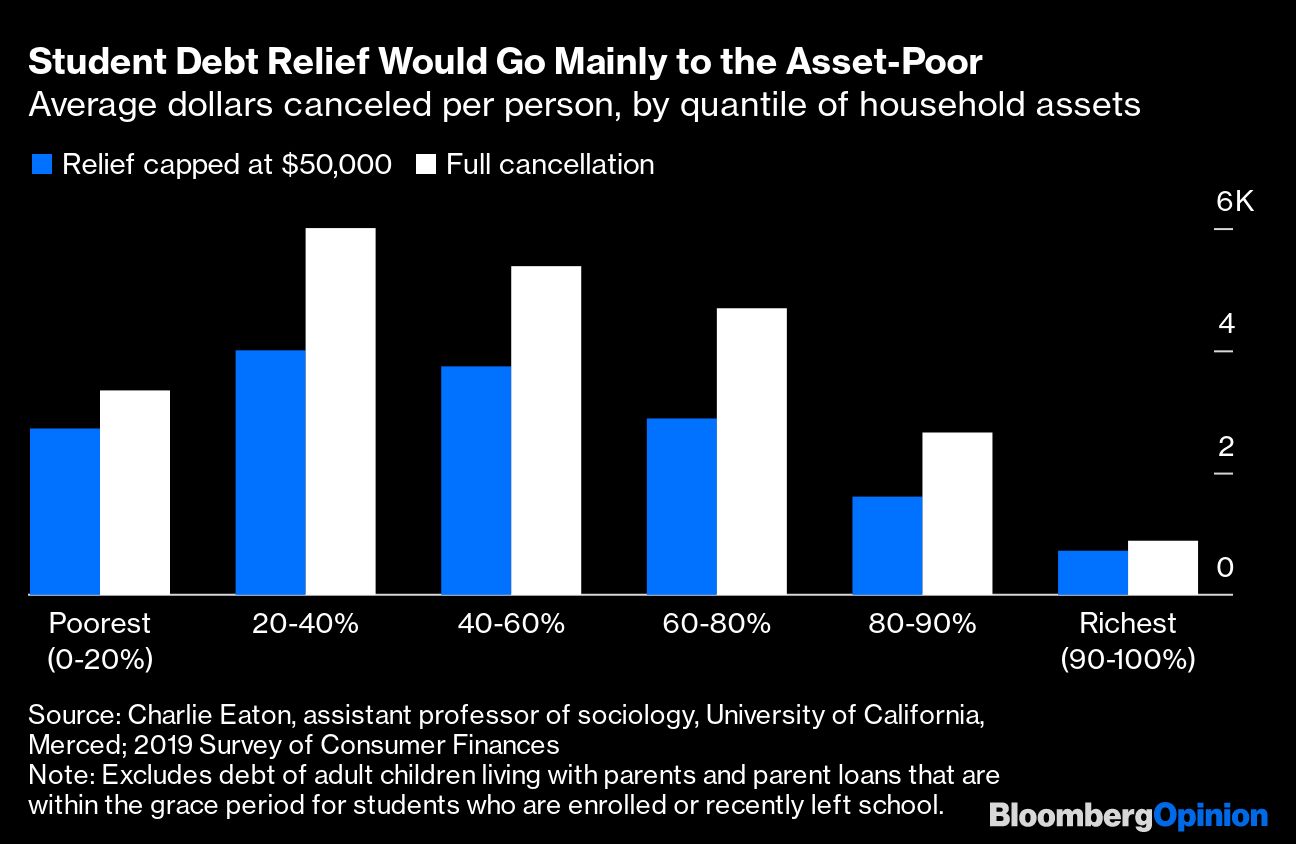
When people debate whether to forgive some or all of the $1.75 trillion in student debt weighing on millions of American families, opponents often argue that it would be wasteful and unfair: Too many relatively well-off, well-educated people would benefit at the expense of all taxpayers, many of whom never had the desire or opportunity to attend college.
Many of us fantasize about quitting our jobs. In 2021, more people than ever turned that dream into reality. The latest U.S. Bureau of Labor Statistics data show that 4.53 million Americans voluntarily left their jobs last November. This was both a new monthly record and the eighth successive reading above the pre-pandemic high.
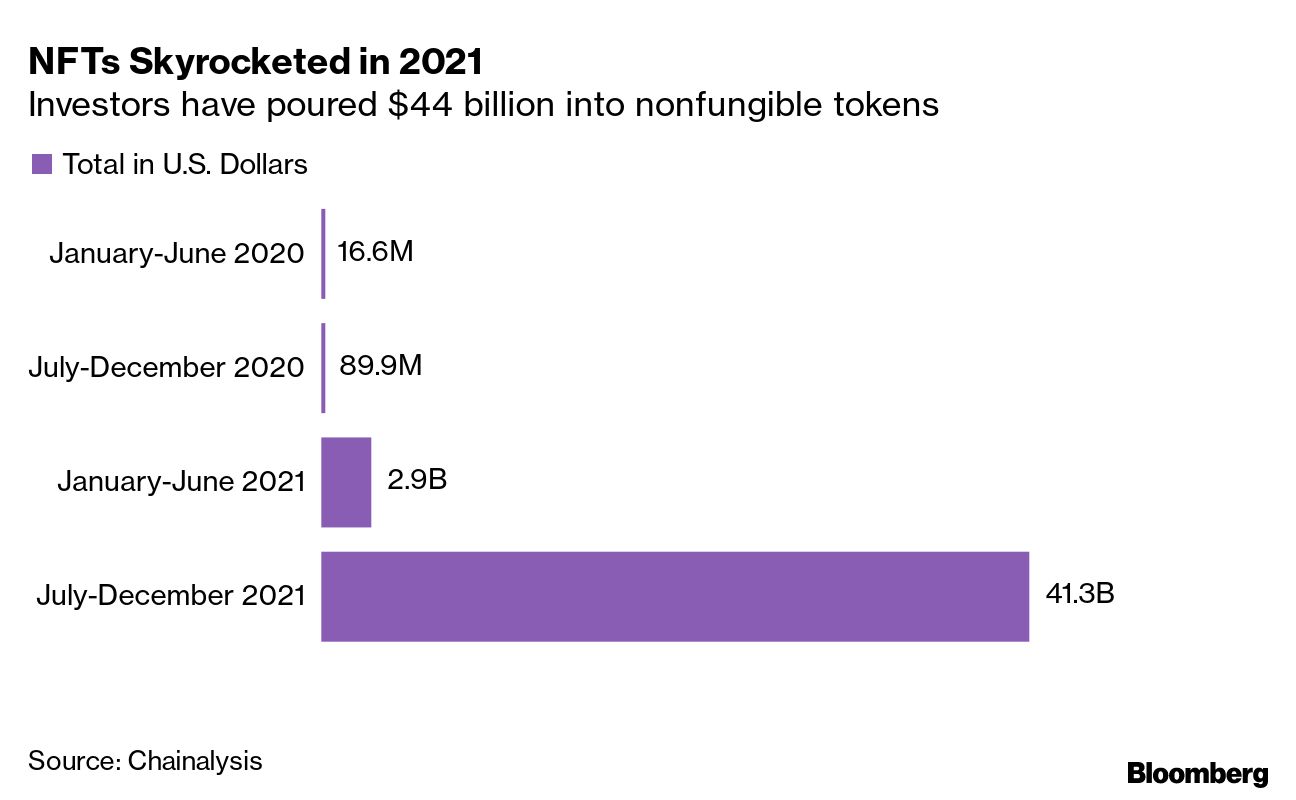
Investors and creators of nonfungible tokens -- a market that has ballooned to $44 billion, Chainalysis data show, and attracted fans from Justin Bieber to Melania Trump -- face billions of dollars in taxes and rates as high as 37%, according to tax experts.
What insights can we glean beyond last year’s impressive 28% return? How did it compare it to global equities? I will show you some of the winners and losers, and finish with a few observations on the VIX.
The flow of excess cash has returned to normal, but the stock is still quite elevated.
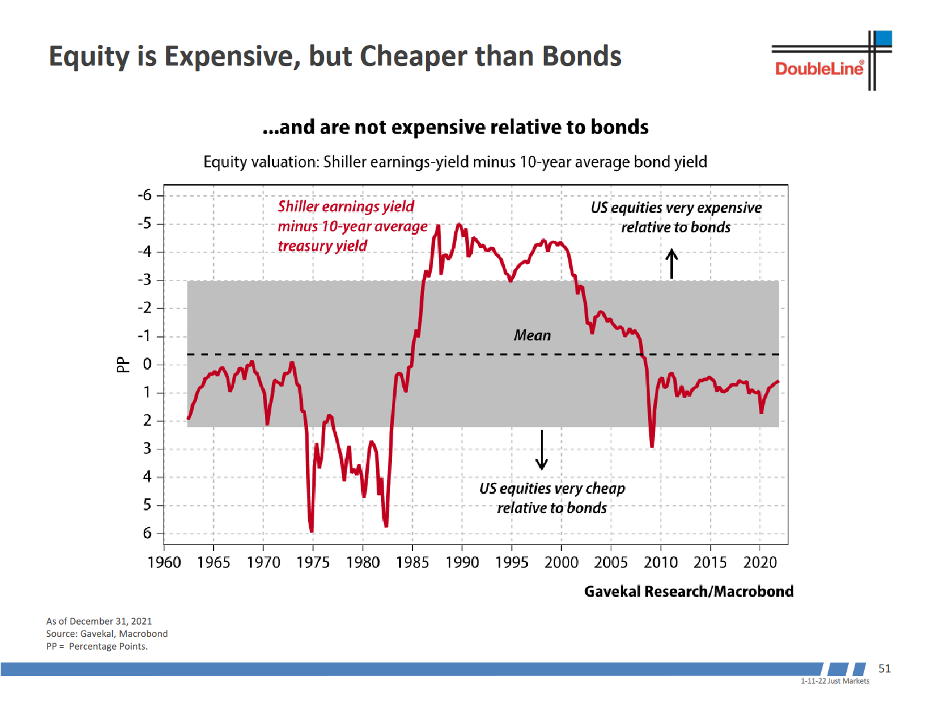
If we will experience a lower equity risk premium, how much lower of a premium will make stock investing unattractive relative to bonds?
Today I’ll continue the annual forecast I began last week. New COVID developments are unfolding rapidly. If we’re lucky, they may carve out a nice bookend for us. But my worry is that rather than bookends it could be economicus interruptus. 2019 was not portending the most robust of economies. What if, in Groundhog Day fashion, we end up back where we were?
As we reflect on 2021, we can’t help but feel it was quite a year. Looking ahead, we think many of the same headwinds and tailwinds are likely to persist in 2022, so we are trying to find the right balance between offense and defense.
The year ended on a highly upbeat tone for investors as equities rose to new heights against a backdrop of inflation and a prolonged pandemic
In our Q3 market commentary, we described the primary economic fears behind a lackluster and trendless market.
This week’s lawsuit against 16 top colleges and universities accuses the schools of gaming their federal antitrust exemption in order to admit more wealthy students.
Inflation is rising rapidly, not an unexpected outcome given governments’ pandemic policy response of ballooning deficits and soaring government debt.
Monetary policy has driven U.S. stock prices to excessive valuations, according to Jeffrey Gundlach. But they remain cheap relative to bonds.
The global macro environment is ripe for EM assets outperformance as a combination of stronger growth in China, the end of exceptionalism in the US and less uncertainty on US interest rates, lead to a strong backdrop for EM assets.