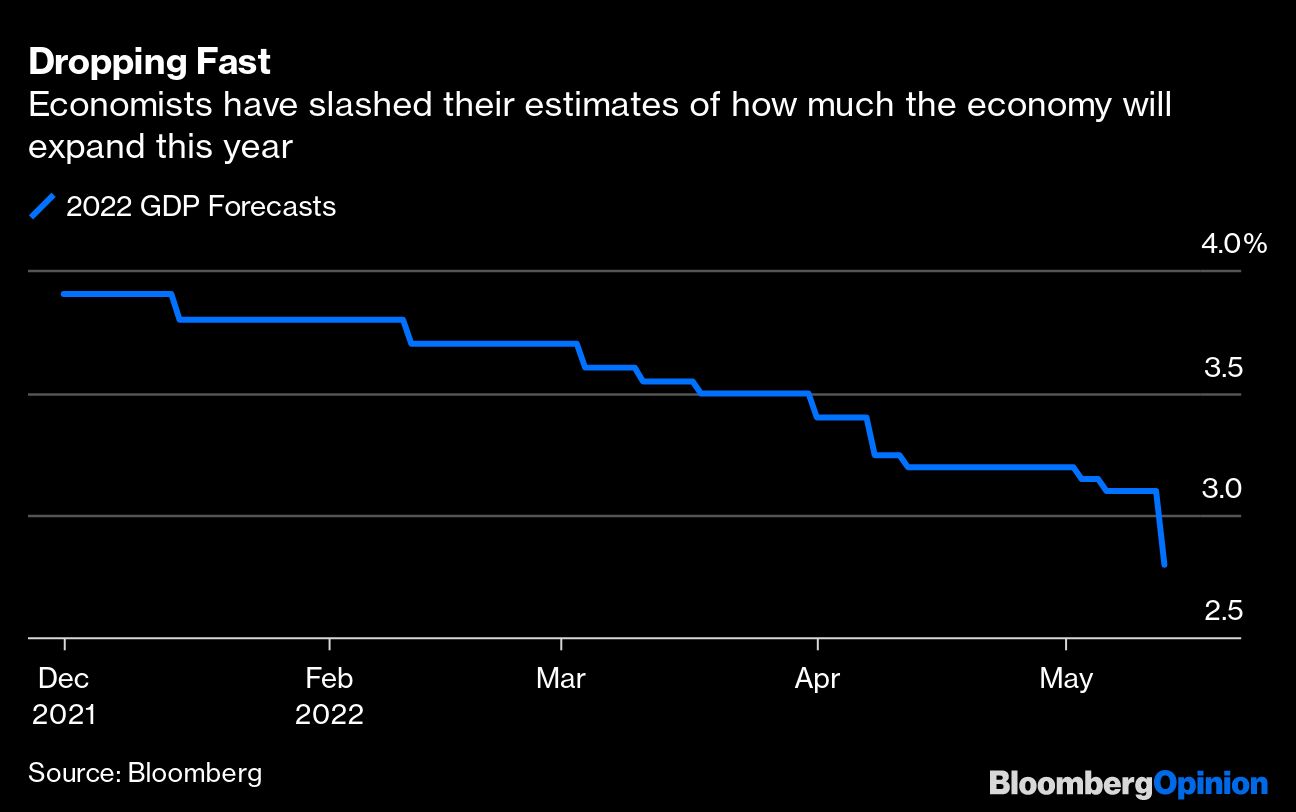
In just more than a week, US Federal Reserve Chair Jerome Powell has gone from expressing confidence that policy makers will be able to avoid pushing the economy into a recession while rapidly raising interest rates to control inflation to remarking, as he did on Thursday, that a downturn is out of the central bank’s control.
Since the 1990s, the CalPERS sold LTC policies to its residents. The lawsuit over claims related to those policies illustrates the dangers clients face with government-sponsored insurance programs.
The best retirement-savings vehicle is one that few have heard about: I bonds. They offer a risk-free yield of 9.62%, yet the amount of I bonds issued is only a small fraction of the total volume of bond issuance by the U.S. Treasury. My guest today will explain that paradox.
This is also the 300th episode of the Gaining Perspective podcast, and no guest would be more appropriate than Zvi Bodie. He has eloquently and persuasively made the case for the financial services industry to provide products that respond to the needs of everyday investors.
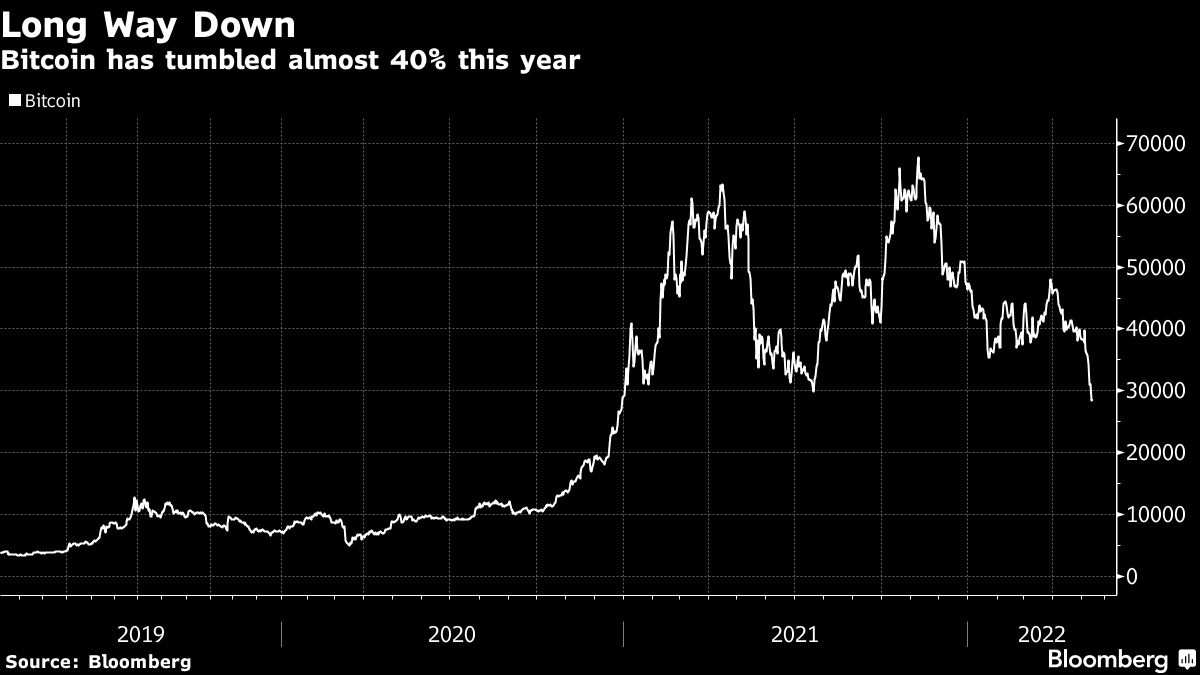
Some big-name investors forecast that Bitcoin will eventually hit $100,000, $1 million or more. It could very well do that, but for now, its price is closer to $0. That’s both a risk and an opportunity.
The Strategic Investment Conference wrapped up this week with another wave of strong, fascinating speakers and panels. Today I have more to share and, as you’ll see, the plot thickened considerably.
The equity market was on cruise control, but now headline congestion has the S&P 500 down more than 17% year-to-date—its worst start to a year in at least 25 years.
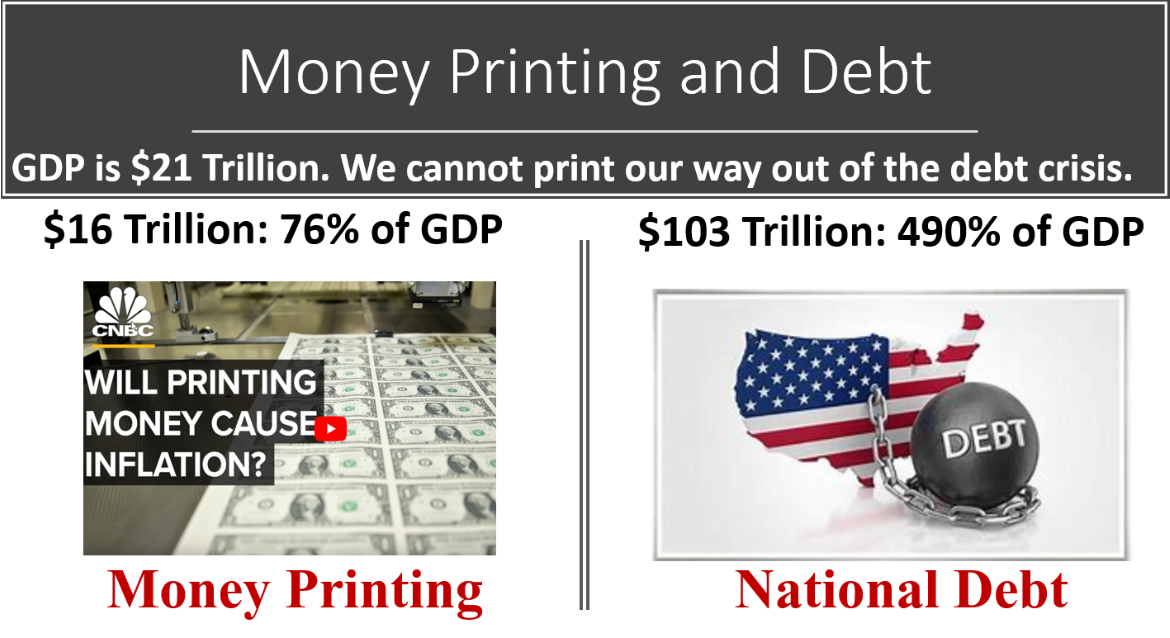
The U.S. debt cannot be paid, even in inflated dollars. Serious inflation is inevitable that will crash stock and bond markets, in addition to devaluing the dollar.
Rising yields, wider spreads, and heightened market volatility are providing an attractive environment, but caution in credit selection is warranted.
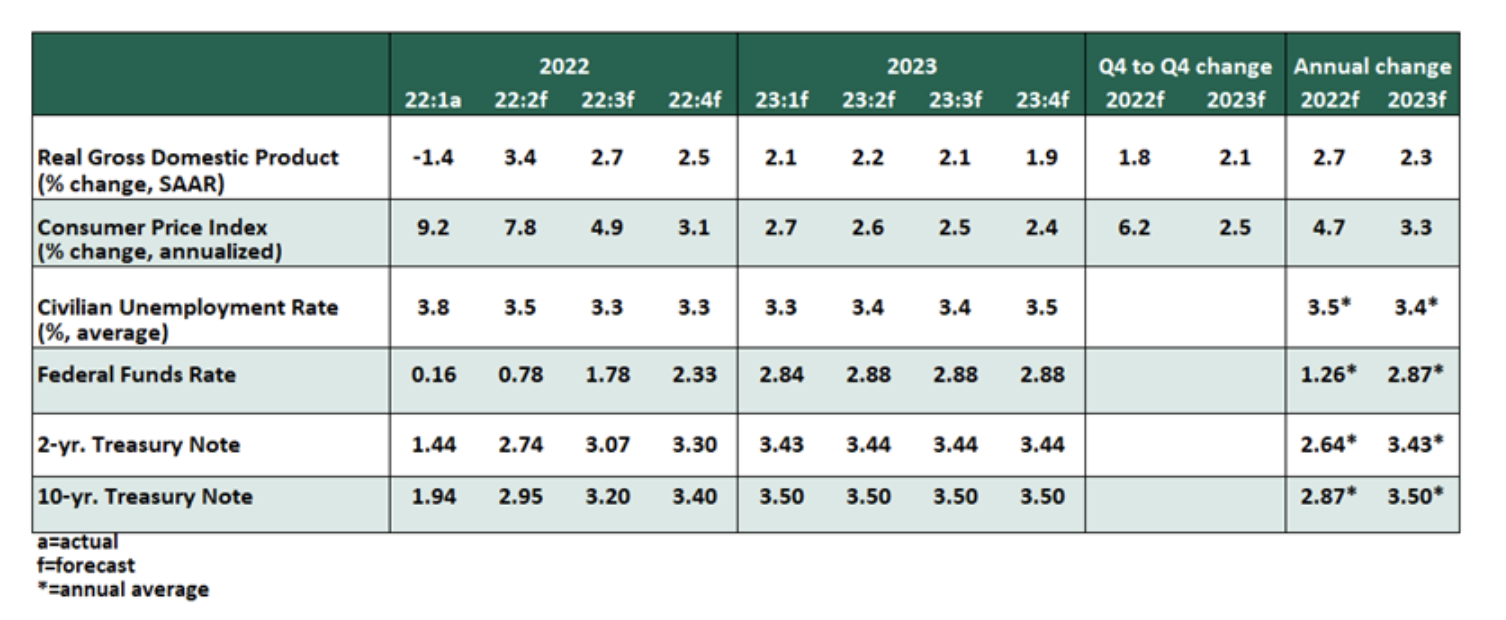
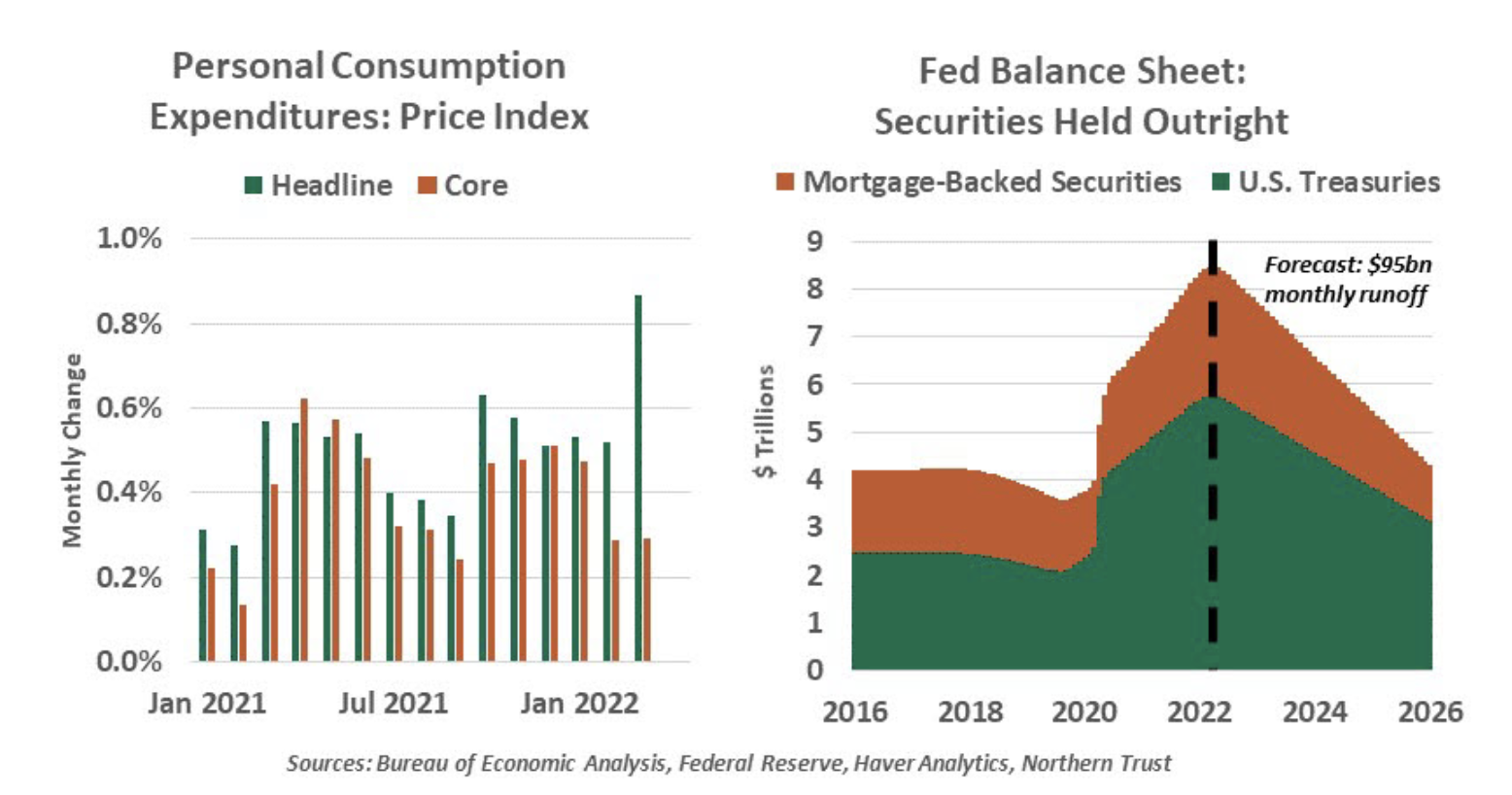
The Northern Trust Economics team shares its outlook for growth, inflation and interest rates.
The Fed is at a crucial junction, according to Lacy Hunt. It has to contain inflation. If not, the stability of the U.S. economy over the longer term is seriously in doubt.
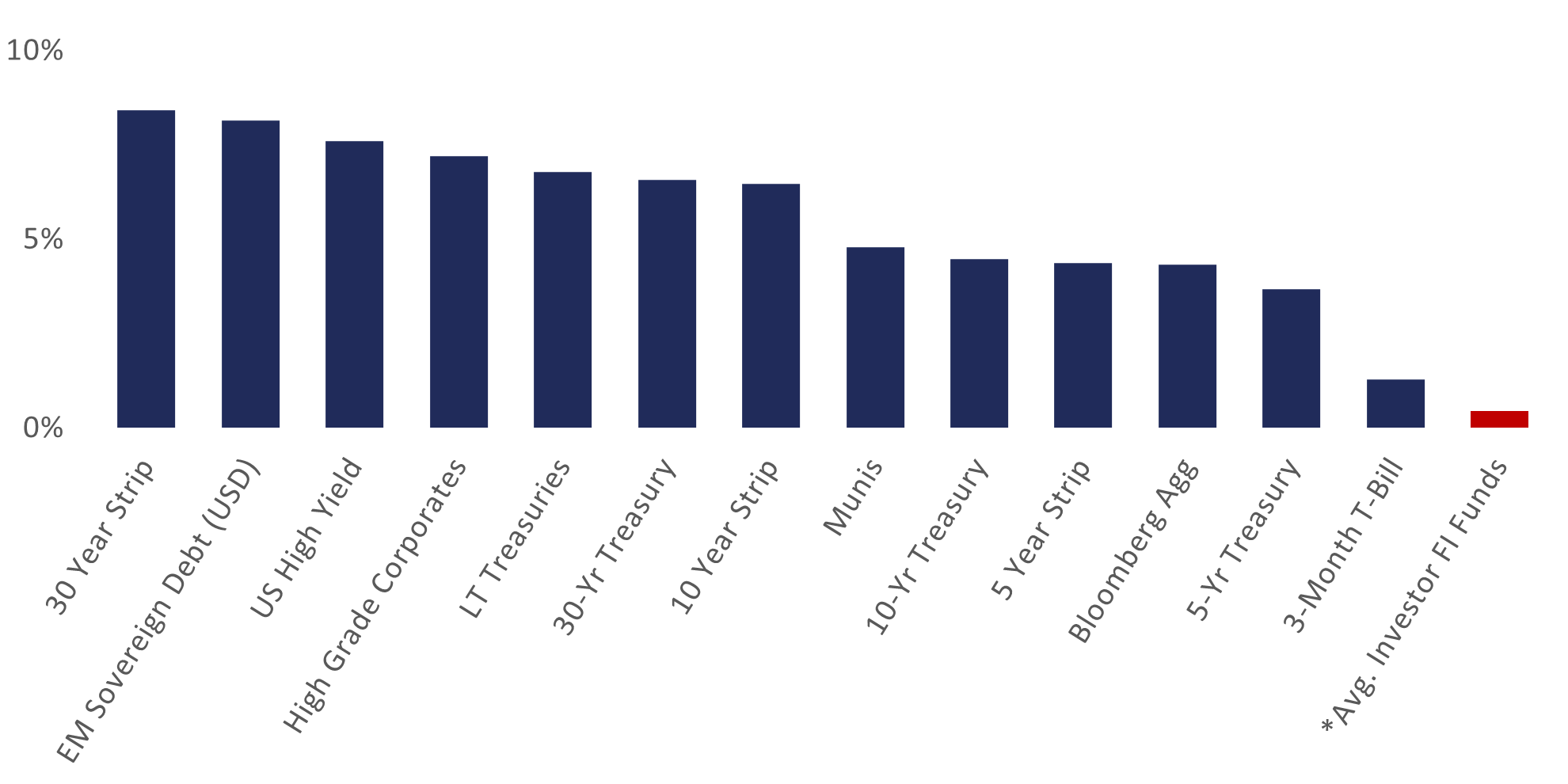
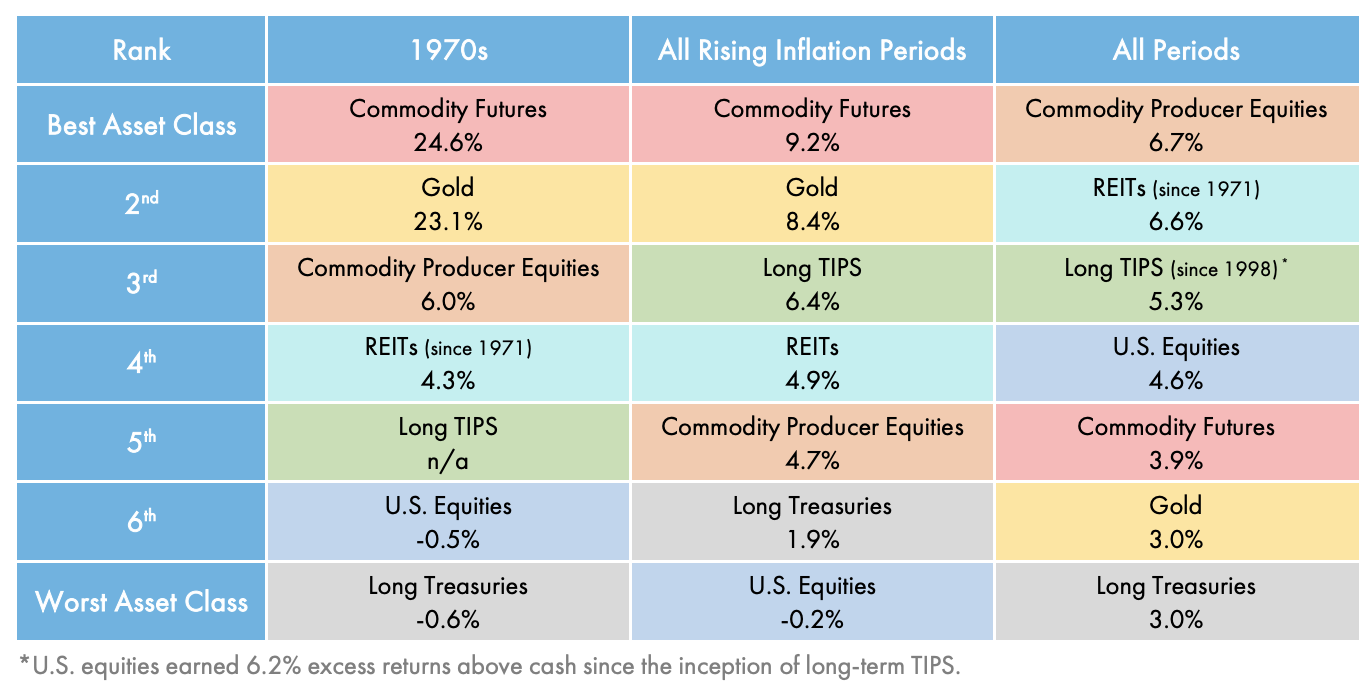
In our latest insight, we analyze the recent DALBAR study to determine how well (or not well) active fixed-income investors performed during the bull market and explain what we believe will be the best approach for fixed-income investing given the start of a pro-inflation paradigm shift.
Jay Powell may think he is Paul Volcker, but he is not Paul Volcker.
Just today, as US inflation came in a touch hotter than expected, the Chinese Yuan is pulling lower, testing the lows of May 9, 2022.
Coming out of the depths of the pandemic, US equity and fixed income markets are facing new challenges this year amid a rising interest rate environment and deceleration in growth.
In 1995, Treasury Secretary Robert Rubin asserted that a strong dollar is in the US national interest, a mantra repeated by each of his successors. They’re partially correct since the effects of the robust buck, which has soared this year, help some while harming others.
Surging inflation showed little sign of abating last month, indicating that grocery bills will keep going up, markets will remain volatile and investors will continue to feel pain in their 401(k)s.
The latest US inflation report should be a reality check for Wall Street, but many investors are still wearing rose-colored glasses. Bond yields ticked slightly higher Wednesday after the Labor Department reported that consumer prices rose more than forecast last month, but they are still nowhere near reflecting the monetary policy path it may take to rein in inflation.
Federal Reserve officials face pressure for more aggressive action after a hotter-than-expected inflation reading for April, though so far officials are sticking with their strategy to keep raising interest rates by a half point at each of their next two meetings.
As markets slumped in unison on Thursday, traders pointed to the chaos in crypto as a focal point of their concern. Strategists are increasingly worried that small traders, already nursing losses from the meme stock craze, will be wiped out on their crypto holdings and sell everything else.
Feeling a bit cheated when you look down at your plate? It’s not just a figment of your imagination — portions at US restaurants are indeed getting smaller. Call it shrinkflation: when sizes shrink, but you’re paying the same price, or sometimes even more, for the meal or product.
ICYMI: In this roundup, we’re highlighting the five most popular pieces of content from the previous week.
The geopolitical crisis in Ukraine creates a stagflationary shock for global economies. The plan to fight inflation just got far more complicated for global central banks.
RMB depreciation won't offer much support to Chinese growth.
Heightened market volatility has led to misconceptions about credit, in our view. We dispel four of them here.
With the world facing inflationary and geopolitical hurdles, economic growth is poised to slow. In this environment, investors in growth stocks must identify companies with the right features to overcome headwinds to earnings.
At a time when New York towers are struggling with high vacancies and many workers are still remote, money managers are seeking to accommodate growing staff and encourage in-person collaboration with trendier digs. Along with tech companies, they’re helping to fill part of the void left from employers giving up space -- even as Manhattan’s office supply continues to grow faster than demand.
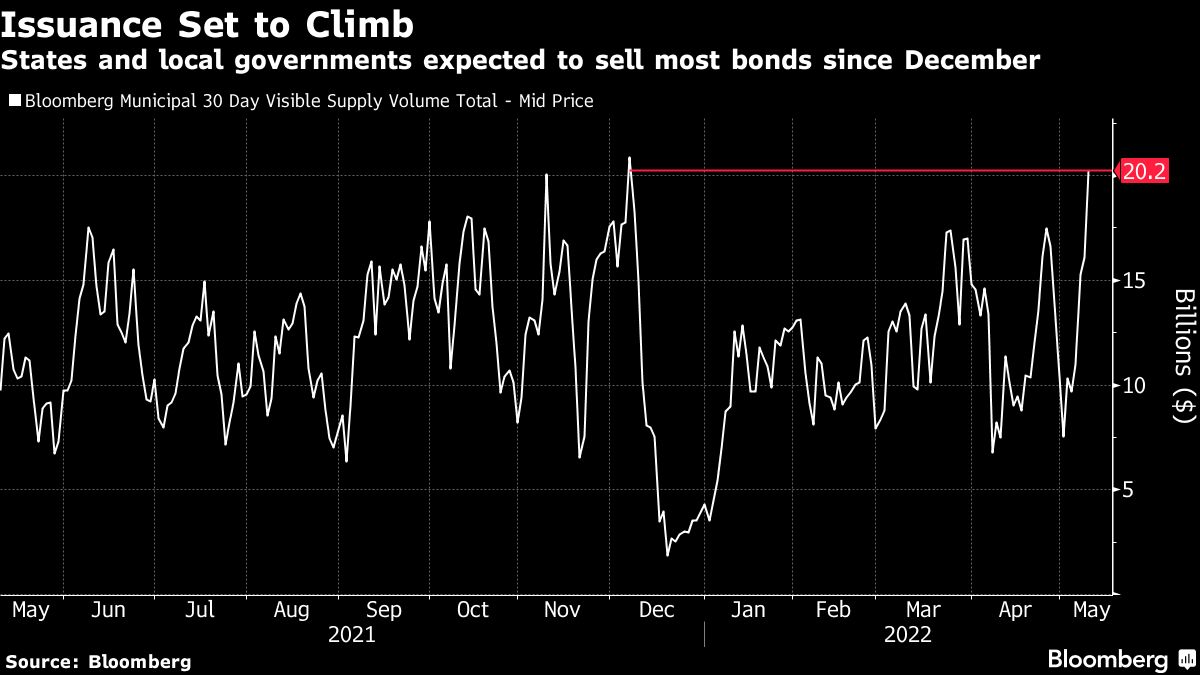
The nation’s local governments are expected to sell $20.2 billion of debt over the next month, the most since early December, according to a Bloomberg index that tracks municipal bond sales announced for the next 30 days. The gauge doesn’t represent the full tally of what actually hits the market, as many deals come with less than a month’s notice.
Since President Joe Biden was elected, millions of Americans with student loan debt have waited for him to fulfill a campaign promise of forgiving at least $10,000 per borrower. While Biden recently extended the payment moratorium for the loans until Aug. 31, pressure is mounting on the administration as the midterm elections approach.
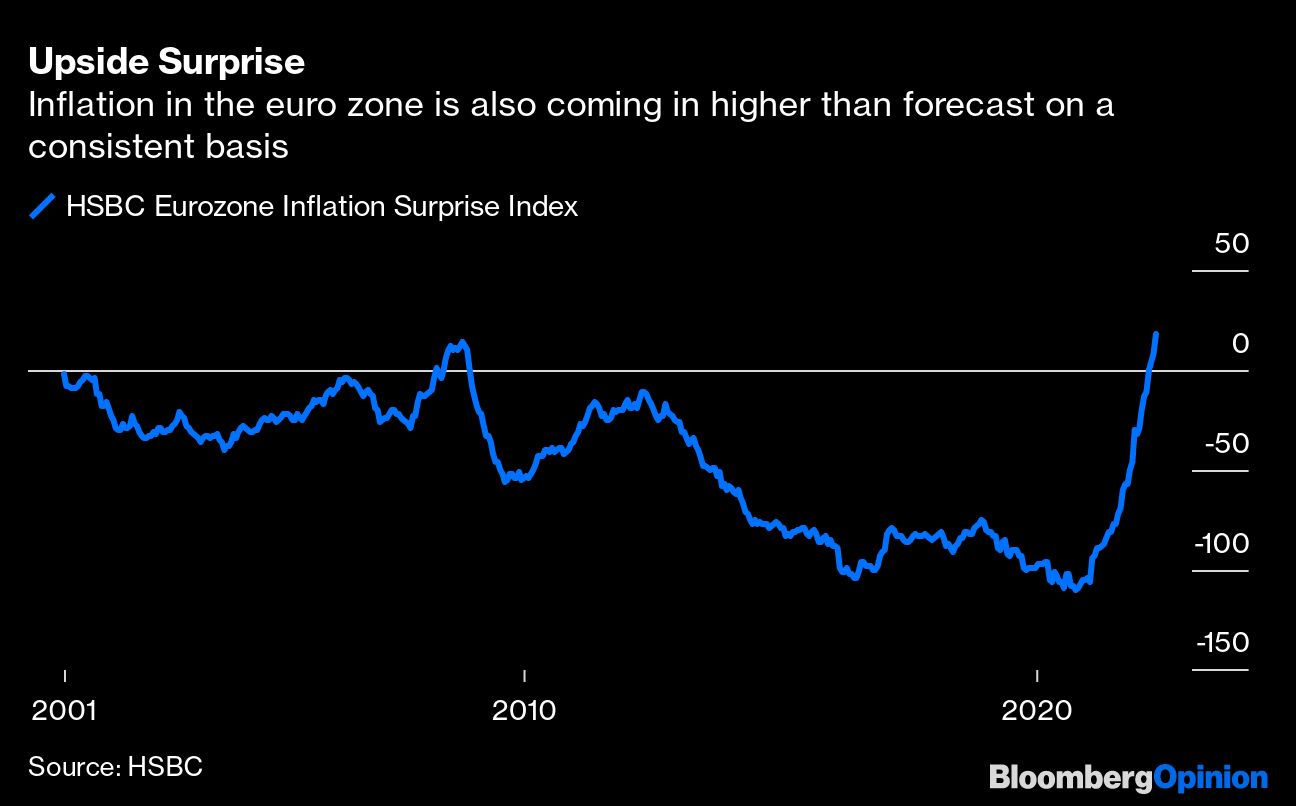
There was a time, some 12 years ago, when I bowed to no one in my enthusiasm for bonds. Longer-dated government debt yields had surged after the global financial crisis. Yet for various reasons, inflation was likely to remain subdued, I argued. US Treasuries and even German bunds yielded about 3.5% at the time. Although headline inflation waxed and waned, it consistently came in below forecasts for the next 10 years.
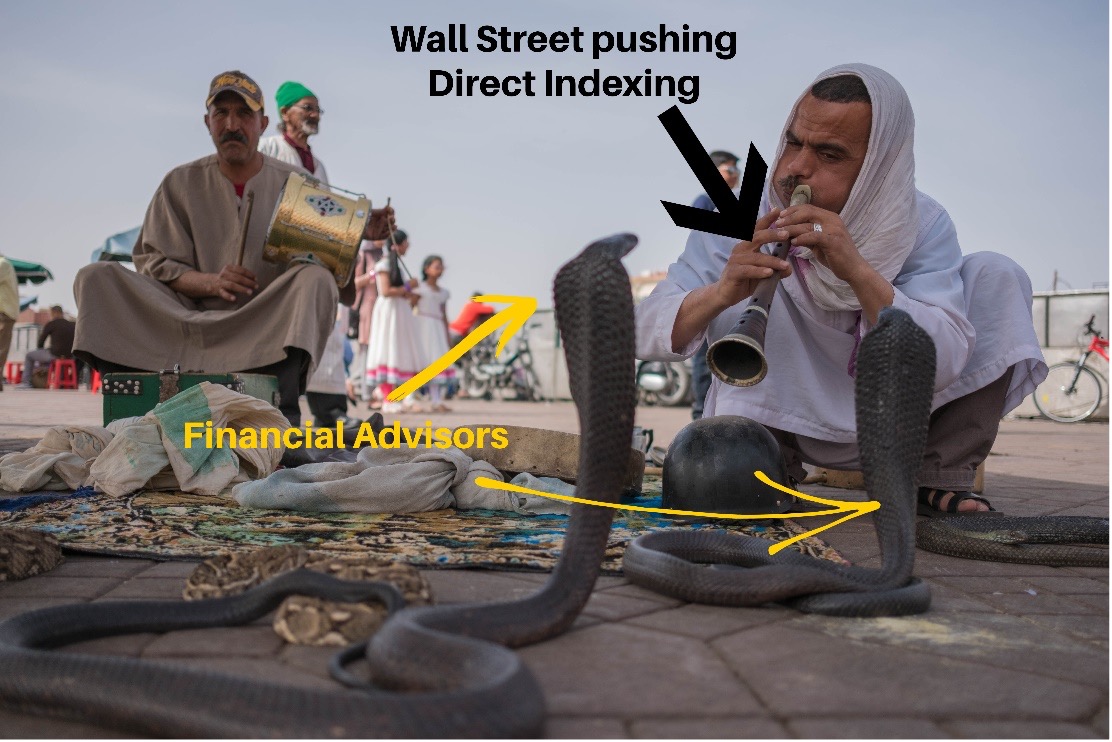
I don’t care how many PhDs are going to argue against me; direct indexing is Wall Street’s attempt at squeezing more fees out of the America public using advisors as the pawns.
Pre-retirees are facing the perfect storm of risks. Inflation is spiking, yields are low, markets are volatile, taxes are unpredictable – all while Americans are reaching new peaks of longevity. You can’t predict what’s going to happen next. But you can help investors prepare. Join us for a discussion on innovative structured strategies using Defined Outcome Funds. These strategies can help you better control investment outcomes – providing a unique return profile distinct from traditional stocks and bonds, offering clients upside agility, downside protection, and substantial tax advantages.
The Fed has set the stage for a series of rapid rate hikes.
To achieve its mission of reducing inflation, the Fed will keep raising rates, according to Albert Edwards, and won’t stop before the S&P 500 hits 3,000.
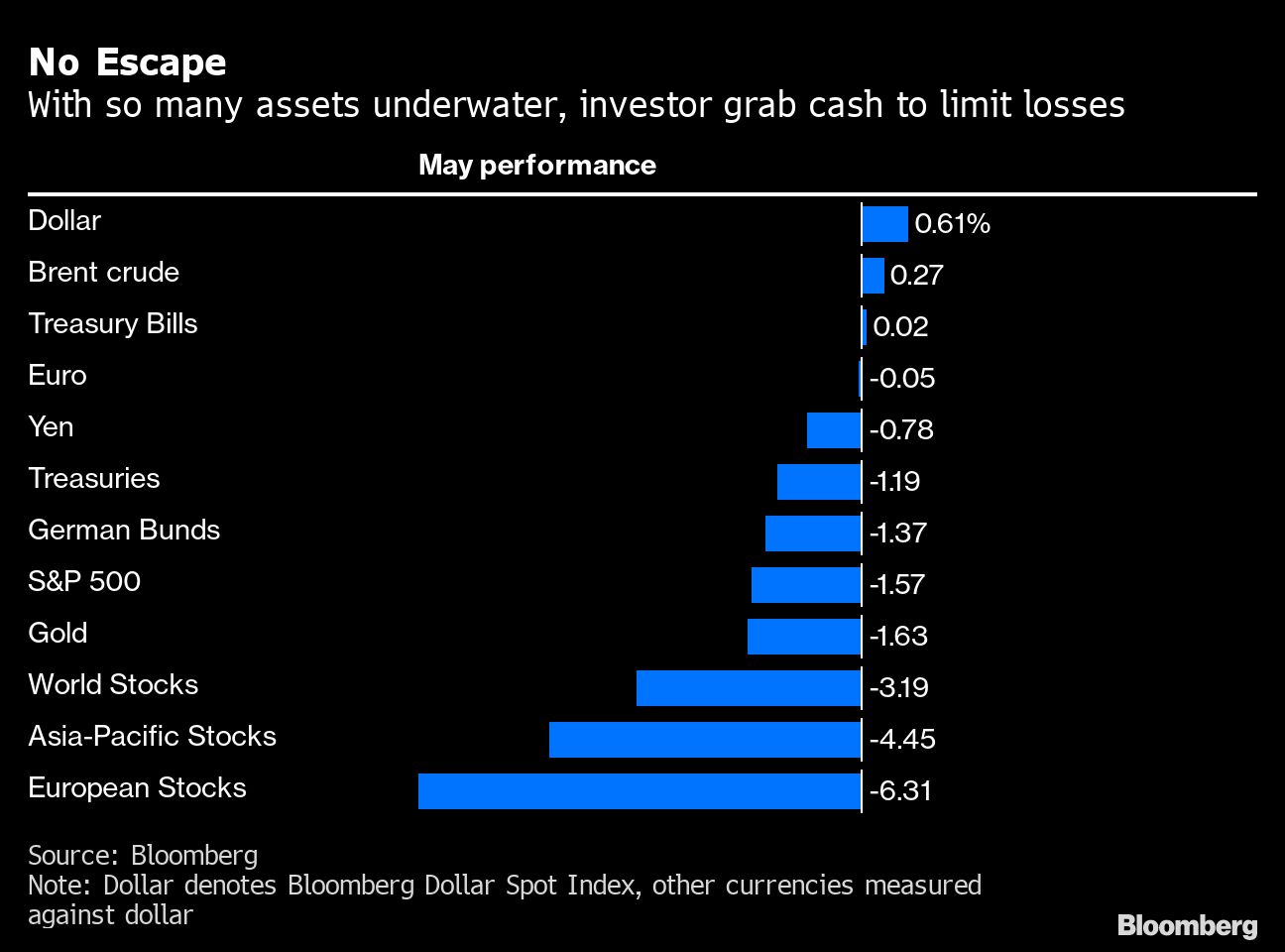
The Bloomberg Dollar Spot Index has trumped all other assets this month, notching a 0.6% advance at a time when stocks and bonds are tumbling. Investors have poured cash into an exchange-traded fund tracking Treasury bills for five weeks, clocking up the biggest inflows since 2020.
If you’ve been paying attention to prices of gold and gold mining stocks the last few weeks, you probably noticed that they go up when the stock market goes up, and they go down when the stock market goes down, limiting the usefulness of gold as a hedge. This isn’t the first time this has happened.
With the average U.S. mortgage rate above 5% and home prices at record highs, homeownership feels increasingly out of reach, particularly for young, first-time buyers. To make it work, some are renting out rooms or basements and using the extra income to help offset their costs.
U.S. investment-grade debt sales have missed Wall Street estimates for two consecutive weeks with issuers choosing to sit on the sidelines instead of braving volatile markets. Bond sales were expected to pick up this week amid a growing backlog, but seven potential issuers opted to stand down amid broad volatility on Monday.
U.S. stocks suffered another day of losses Monday, as the market continued to weigh the risk that the Federal Reserve’s aggressive anti-inflation campaign could push the economy into recession.
Until recently, inflation and interest rates had been on a secular downtrend after peaking in the early 1980s.
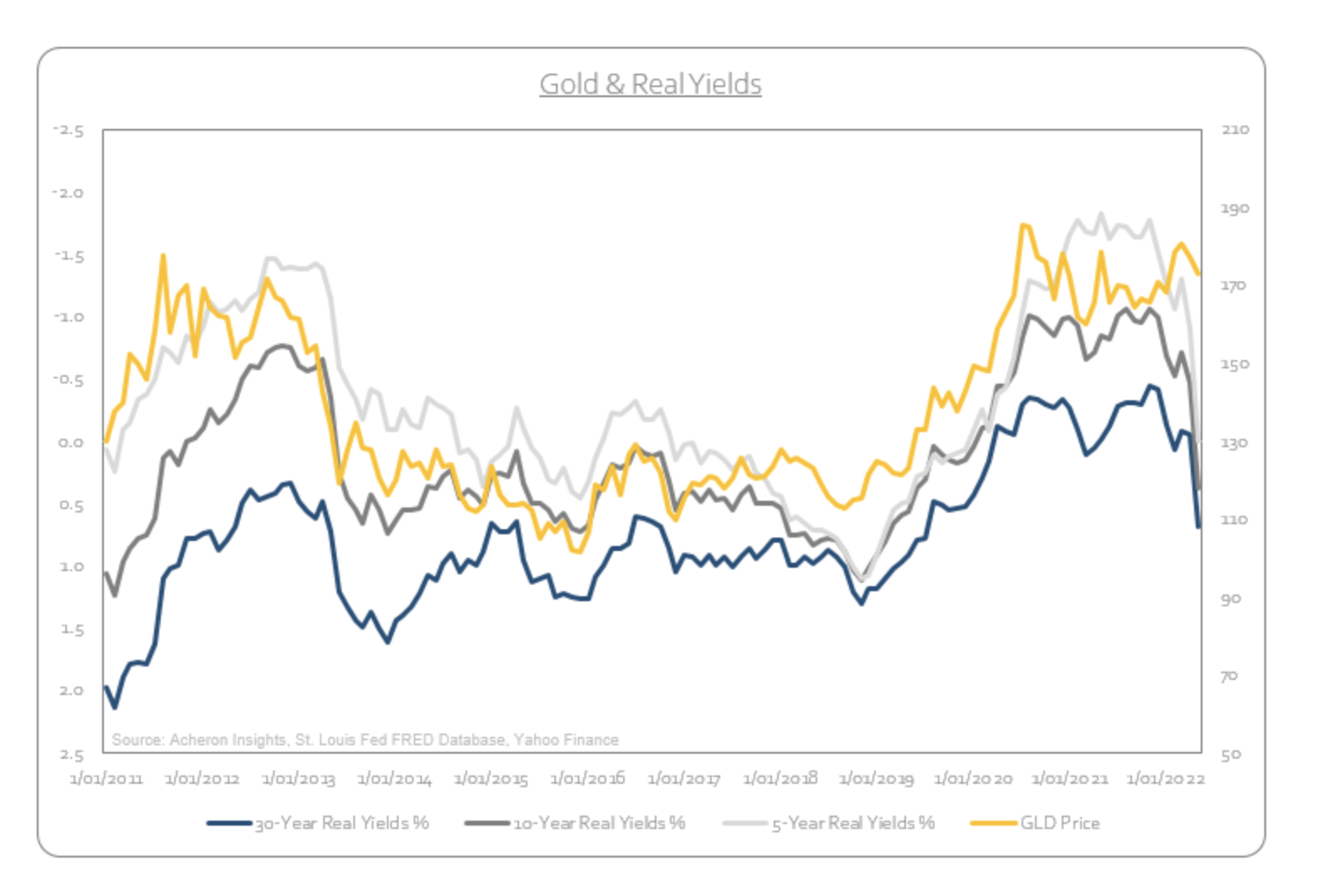
Through rising real yields, a slowing economy and poor seasonality, short-term headwinds remain for gold and precious metals.
At the end of 2021, we set out our projections for the stock market in 2022: 5,250 for the S&P 500 and 40,000 for the Dow Jones Industrial Average.
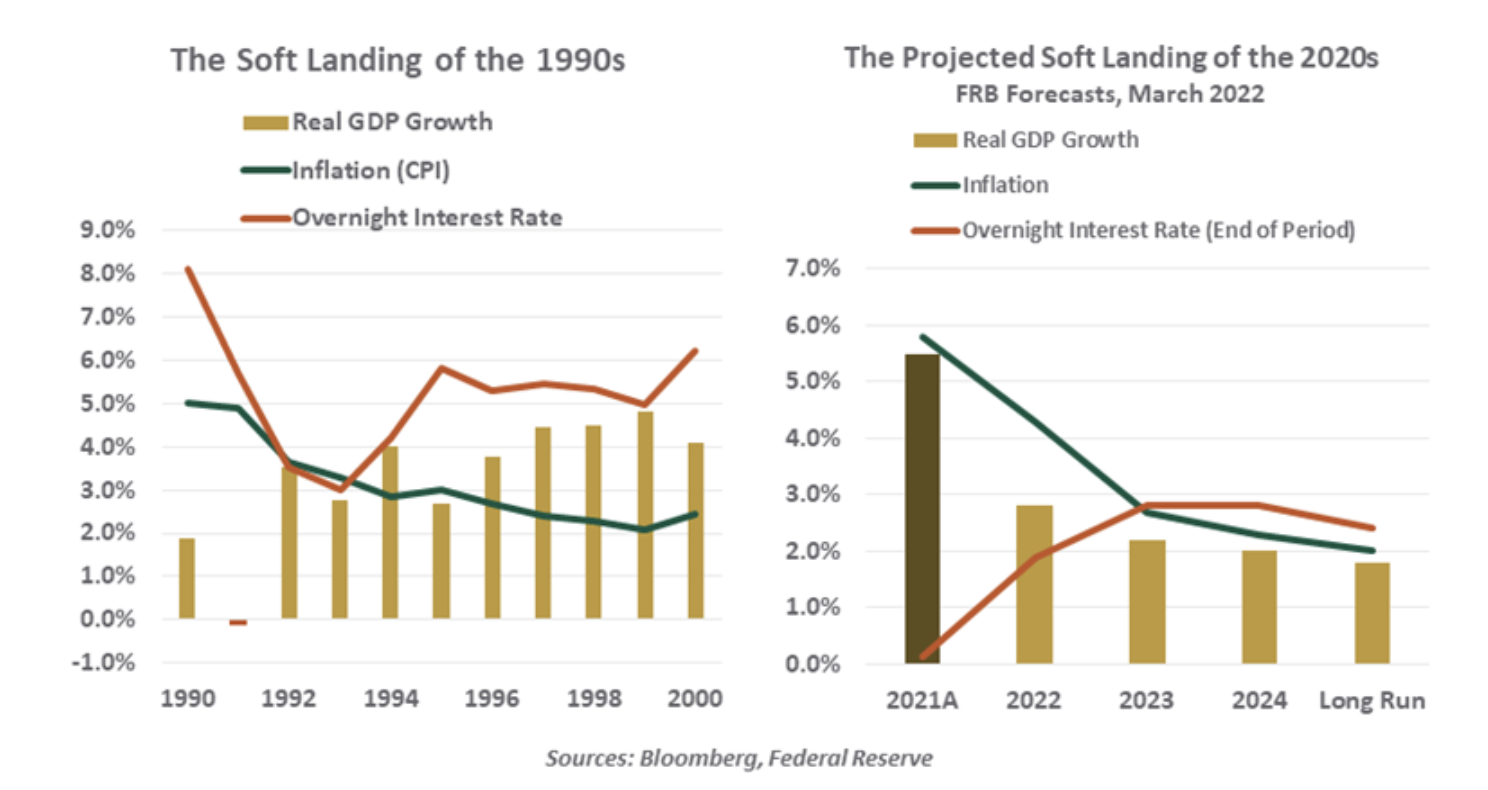
The Fed will need some luck on its side to deliver another soft landing.
Unless RIAs modify their communications strategies, the failure to address the need for retirement income communications will be felt for years.
Investors have had an unpleasant 2022, to put it mildly. Both stocks and bonds have dropped by more than 10%. On top of that, inflation rates at around 8.5% are the highest in four decades, reducing the purchasing power of whatever remains investors’ portfolios and promising big increases in interest rates by the Federal Reserve that threaten future investment returns.
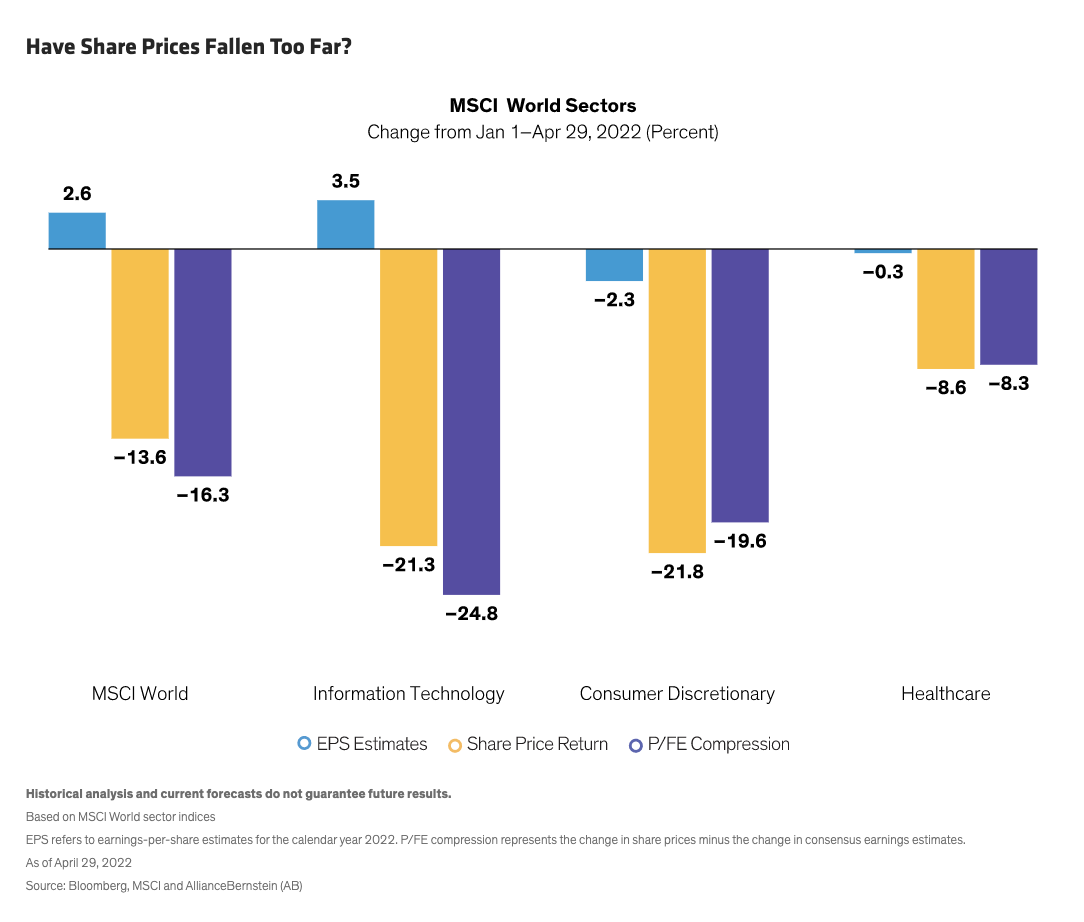
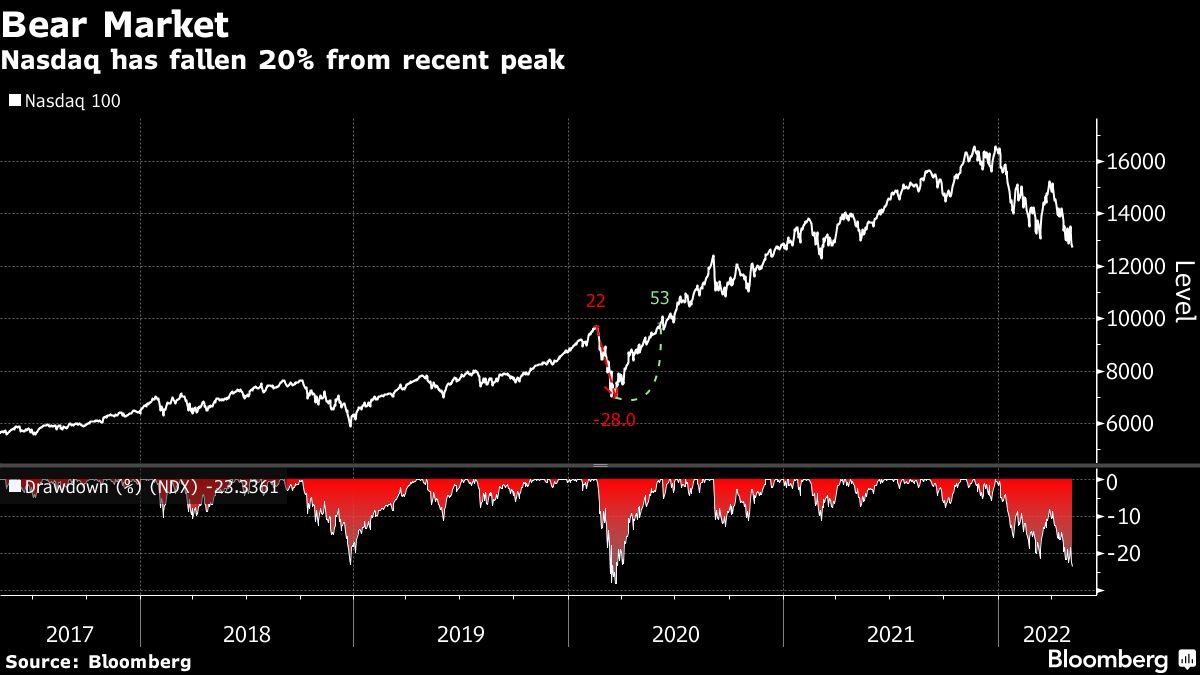
First it was a rout in the stay-at-home names that surged in the pandemic. Then speculative software makers with barely any earnings went south. Now the giant technology names whose sway on benchmarks has been decried by bears for years are dragging the market down.
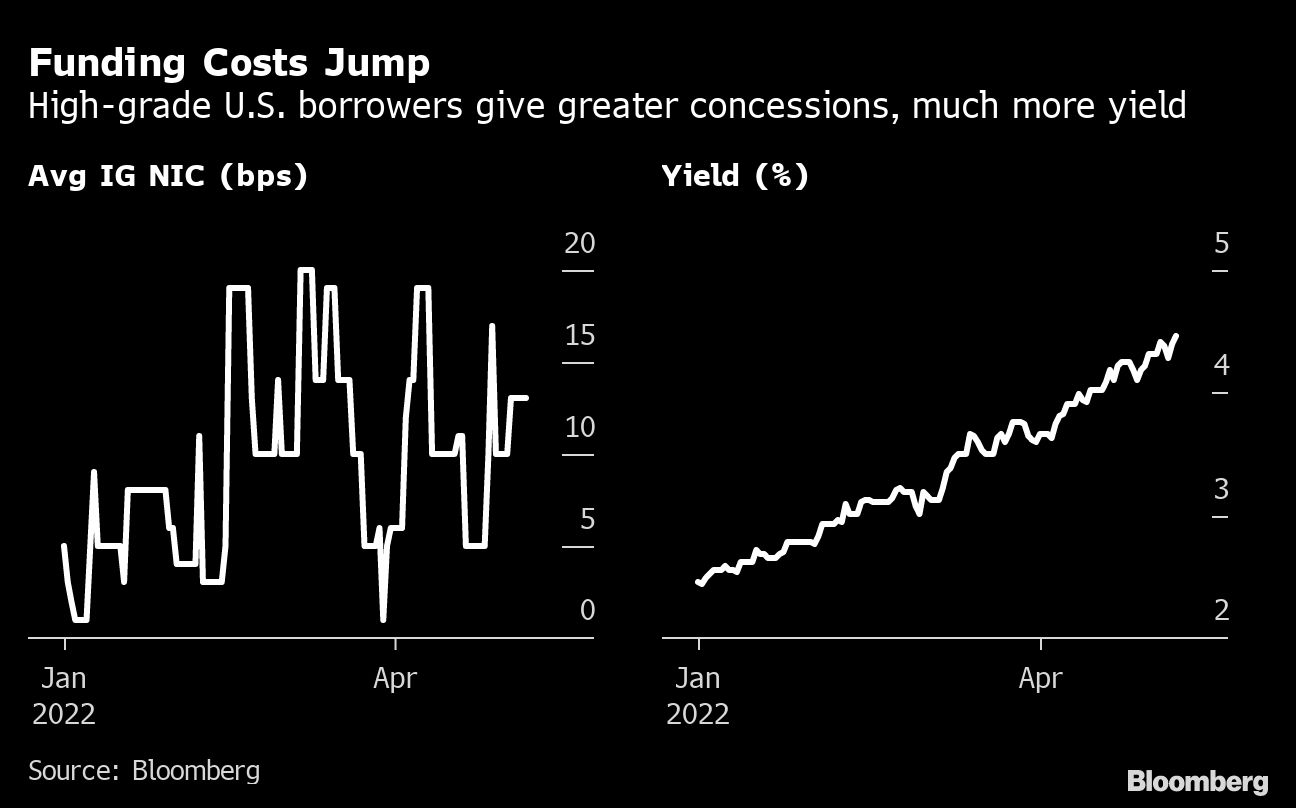
With volatile markets fraying investors’ nerves, companies are now paying the biggest premiums to sell new bonds since the height of the coronavirus pandemic two years ago.
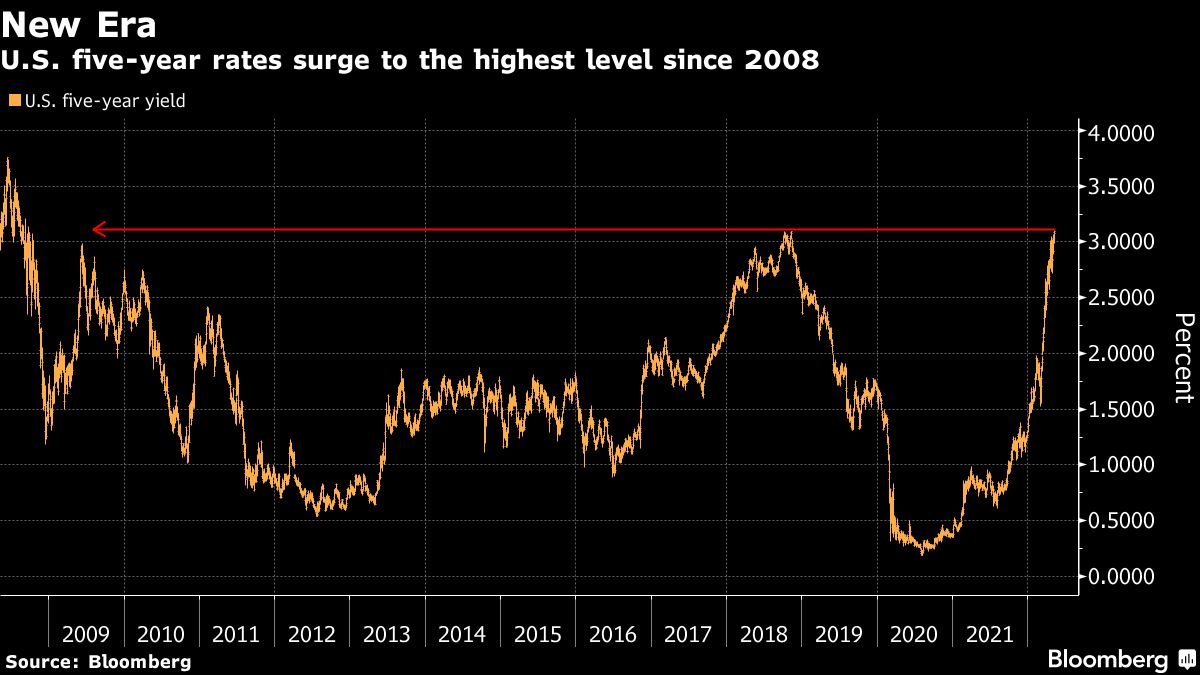
U.S. Treasuries tumbled Monday, driving the yield on five-year notes to the highest level since September 2008 amid speculation persistent inflation will prompt the Federal Reserve to tighten policy more aggressively.
The Fed is on a single-minded mission to fight inflation, according to Jim Bianco. To do that, it will crush stock prices and home values.
The major market indices finished mixed this week. The Dow Jones Industrial Average lost 0.63%. The S&P 500 Stock Index rose 0.40%, while the Nasdaq Composite fell 1.02%. The Russell 2000 small capitalization index lost 0.28% this week.
I borrowed this letter’s “Soft Now, Hard Later” headline from Dave Rosenberg. It was the title of his leadoff SIC presentation, for reasons I’ll explain.