For more than a quarter century, the U.S. government has been sending an unmistakable message to poor, single mothers: Get married. If America genuinely wants to address poverty and achieve gender equality, this has to change.
According to LIMRA, RILA sales for the first half of 2021 were 105% higher than the same period in 2020. What’s behind the popularity of this relatively new product?
The argument goes like this: A company’s value (and stock price) is driven by its ability to earn a profit and grow its business. Its dividend policy is irrelevant at best. In some cases, paying dividends could hurt the stock. Is it true? Let’s explore this idea further.
Reflecting on the history of our family office, our investing philosophy mirrors how previous generations built their wealth through farming. They patiently waited to harvest the crops they planted; we buy securities and patiently wait for them to appreciate.
The poor performance of factor-driven value strategies over the past decade has raised the question of whether intangible assets, such as patents and proprietary software, are properly treated. New research confirms that intangibles indeed distort valuation metrices, but there is no consensus on how to address the problem.
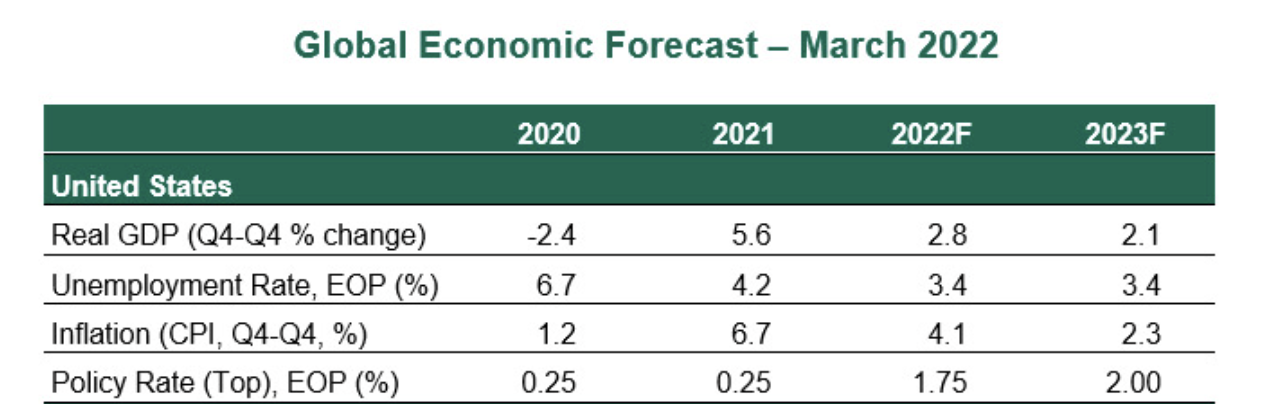
Are the reserve banks too slow in tackling inflation? Will inflation level off by itself? Will rising rates cause a recession?
Volatility is likely to persist but the U.S. economy has room to grow.
Many of the highest earners in the U.S., including Elon Musk, Jeff Bezos, Larry Ellison and others, have created millions of new jobs, minted hundreds of thousands of new millionaires and literally improved life on earth.
Are the reserve banks too slow in tackling inflation? Will inflation level off by itself?
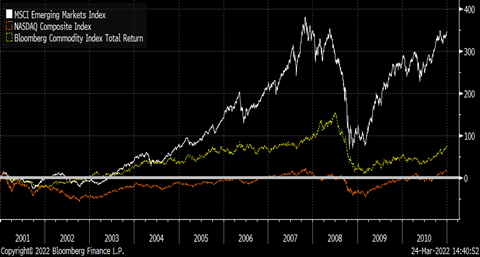
The global economy seems to be significantly changing, yet investors remain very hesitant to alter their basic portfolio strategies. As they did around 2010, investors are using the old leadership as their portfolios’ core. We think this could be a mistake.
Roughly half of adults over the age 55 say their biggest financial fear is not having enough money saved for retirement. Add in inflation, market volatility and low interest rates, and that’s enough for any investor to have serious cause for concern. Those at or near retirement don’t have time on their side.
Enter Constance. Last October, RetireOne, an independent distribution platform for fee-based life insurance products, introduced Constance - a zero-commission, flat-fee annuity built to enable financial advisors to integrate life insurance into client portfolios. With Constance, RIAs give their clients a lifetime income guarantee without cannibalizing their assets under management. By unbundling the insurance component from its underlying investments, advisors can wrap client brokerage accounts, IRAs, or Roth IRAs with lifetime income protection.
My guests today are RetireOne’s president, Ed Mercier, and Dimensional Fund Advisors’ head of retirement distribution, Tim Kohn, on the show to discuss their recent announcement and the trends facing advisors who work with clients approaching or entering retirement.
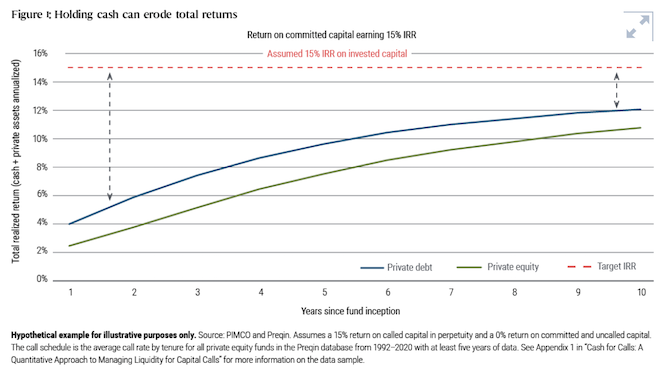
A framework for optimizing liquidity in alternative investments.
Fixed income investors faced plenty of challenges in 2021 as the global economy recovered from the COVID-19 pandemic. With January and February returns flashing red across the board, 2022 appears to be setting up for more of the same. Columbia Threadneedle will discuss strategies that may help investors navigate the triple threat of Fed tightening, high inflation, and decelerating economic growth.
The Federal Reserve’s first rate hike in years has sparked bond volatility, pushing investors to search for yield elsewhere.
The US Federal Reserve is turning increasingly hawkish—hiking rates fast enough to slow inflation while maintaining economic growth will be a monumental task.
Add this to the pandemic lesson book: People may be willing to give up their homes in high-cost, densely packed coastal cities, but they still want their coastal lifestyles — just with a little more space, cheaper real estate and warmer weather.
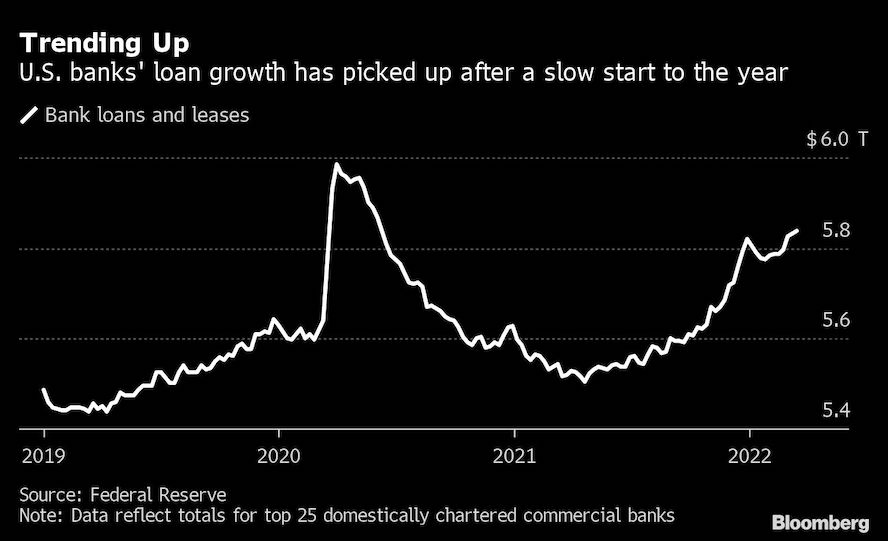
Loan growth at the largest U.S. banks is finally staging a comeback after being absent for much of the pandemic, but investors are eager for signs the rebound is strong enough to withstand rising interest rates and economic uncertainty following Russia’s invasion of Ukraine.
The House overwhelmingly passed legislation that would expand the tax benefits for retirement accounts to bolster the savings of Americans, many of whom have nothing banked for after they stop working.
It may be inconceivable to the moneyed class, but there are in fact very good reasons not to raise interest rates quickly or dramatically. Yes, inflation is worryingly high, Ukraine is burning and Covid-19 still threatens to upend supply chains. However, the reality many Americans face — if not low-income and middle-class workers across the globe — is quite different from what the stock market and go-to suite of economic indicators tell us.
I’m one of the 45 million foreign-born individuals who now call the U.S. home. I knew enough about budgeting, but struggled with financial decisions from day one, as this was a completely new system to me.
For several years now it has been almost impossible to find dividend growth stocks with impeccable quality at reasonable prices.
ICYMI: In this roundup, we’re highlighting the five most popular pieces of content from the previous week.
The Russian invasion of Ukraine is a shock to the existing world order. From an economic perspective, the initial impact of the war is rising inflation given the importance of Russia and Ukraine in the supply of commodities to the world.
Many investors see gold as a sort of haven in times of turmoil, and prices have surged amid Russia’s invasion of Ukraine.
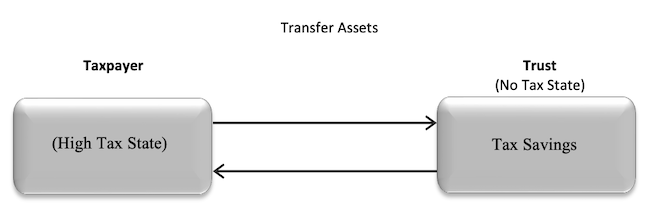
This article provides an overview of the benefits of using a Nevada Incomplete Non-Grantor Trust (NING) as part of a business sale to reduce or eliminate state income taxes and capital gains taxes.
Russia's invasion of Ukraine has sparked higher inflation, unleashed additional market volatility and will likely lead to a slowdown in global growth rates. However, we believe above-trend growth is still possible this year, provided hostilities ease and energy prices stabilize.
Signs are emerging that the resilience of American consumers is rapidly waning, potentially undermining one of the few remaining pillars supporting the bull market in equities.
Bailouts are the root cause of the dysfunction of capitalism and the demise of free markets.
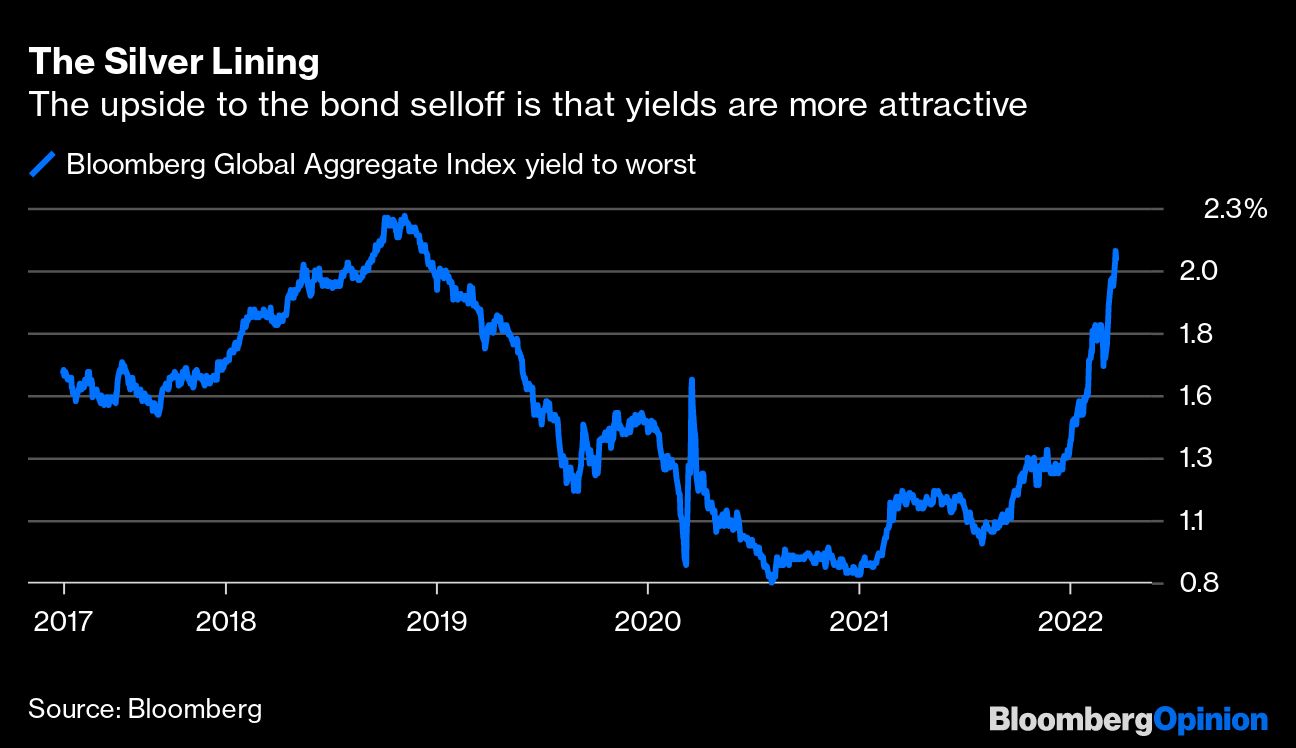
The Bloomberg Global Aggregate Index, a benchmark for the bond market worldwide, has tumbled 11% from its peak in January 2021, equating to a drop of $2.6 trillion in the index’s market value.
America is facing a retirement crisis. Most experts agree that a significant portion of the population will lack the resources to live comfortably after they stop working. This, in turn, will place an increasing burden on the country’s social safety net.
Investors continue to need a balanced portfolio, including fixed income. But the bond markets are challenging: Rates are low, duration risk is high, and runaway inflation is putting pressure on long-term rates. “Buy and hold” fixed-income strategies will not work as well as they have in the past. A better alternative is a tactical, disciplined approach to when and how to invest in fixed income.
Some countries have climates and athletes that are better suited for the Winter Olympic Games, and others for the Summer Olympic Games. Every country on earth had to deal with Covid, though, whether they’re hot or cold, rich or poor.
Chief Economist Scott Brown discusses current economic conditions.
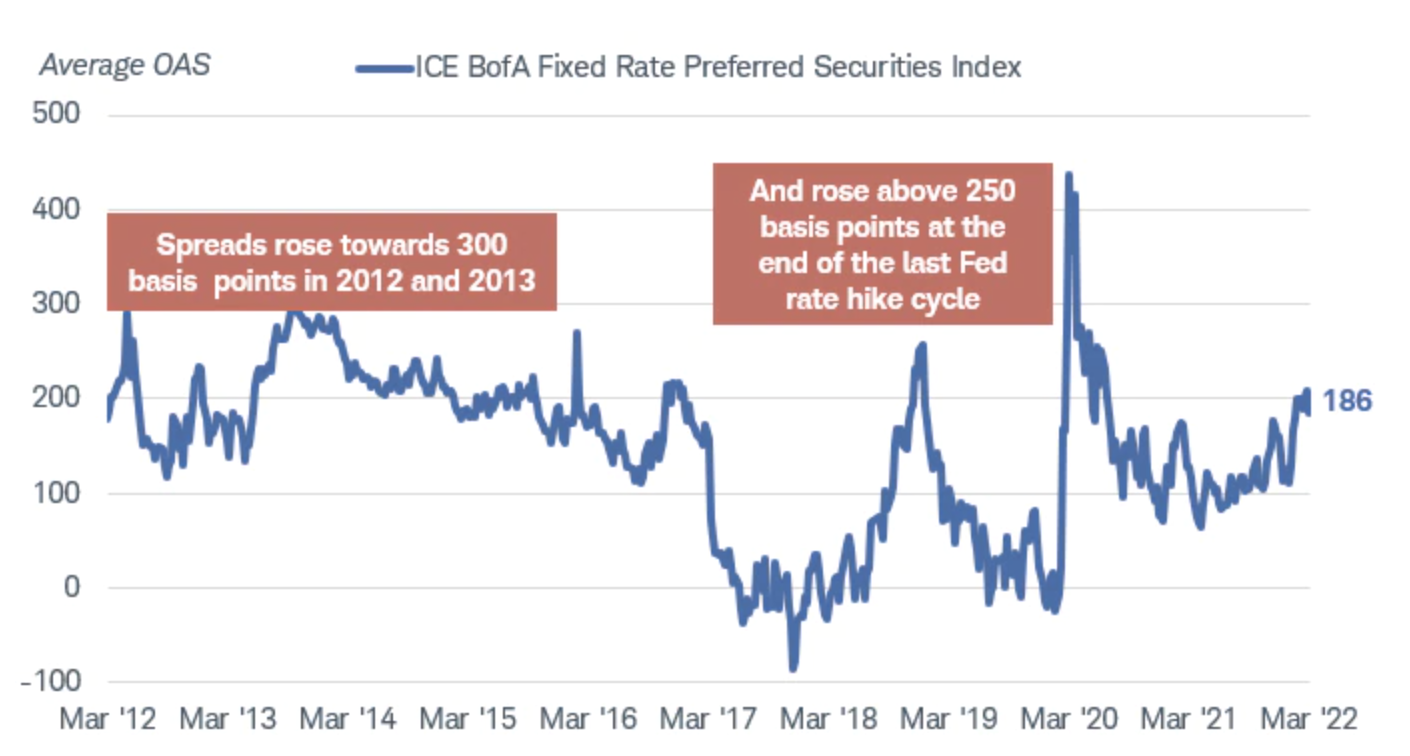
Preferred securities prices have fallen sharply, presenting an attractive entry point for income-oriented investors who can ride out the volatility.
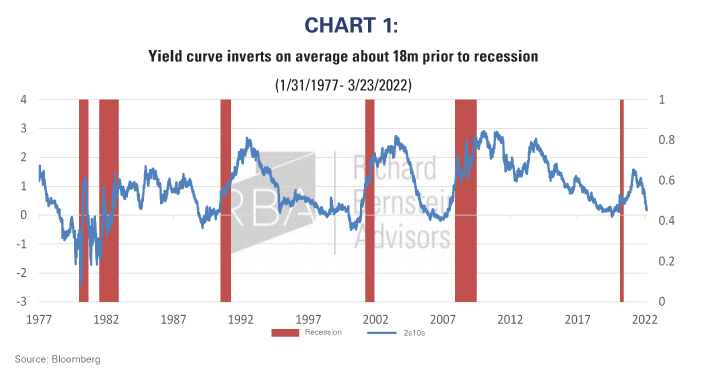
The 2s10s curve is once again knocking on the door of becoming inverted (while some curves like the 3s10s and 5s10s already are), causing quite a stir among market watchers that recession is imminent. In his latest report, Michael Contopoulos examines the 2s10s yield curve movement leading up to the past 6 times the US economy slipped into a recession and discusses what could be different this time.
Howard Marks’s latest memo connects two seemingly unrelated trends – Europe’s energy dependence and U.S. offshoring – to explain why the pendulum of companies’ and countries’ behavior may be swinging away from globalization and toward onshoring. This shift will likely create risk for investors but also opportunities.
On August 24, 2021, I presented two attractively valued dividend growth stock portfolios. One portfolio emphasized growth over income, and the other emphasized income over growth.
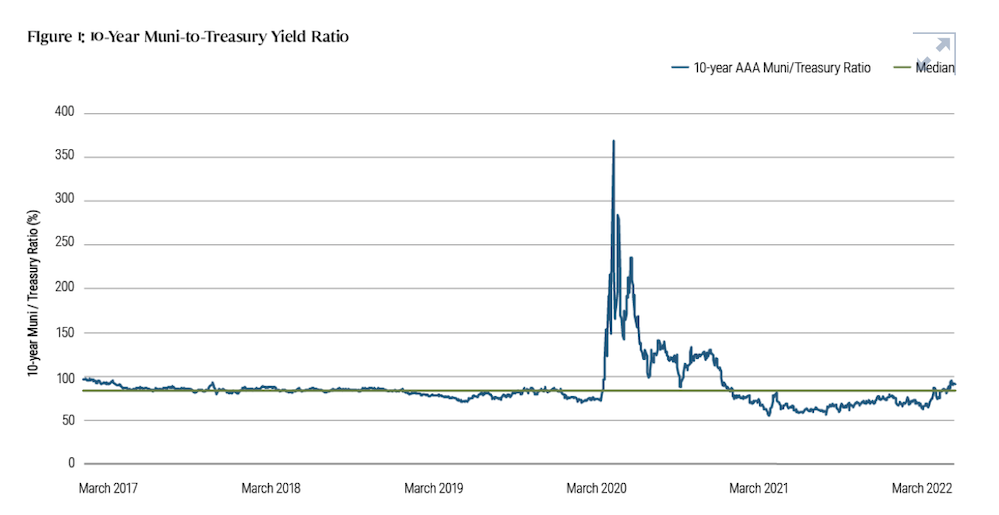
Their track record in periods of rising interest rates suggests municipal bonds could be well-positioned for this year’s market environment.
Americans are still benefiting from a raft of pandemic relief measures that are contributing to the biggest tax refunds seen at this point in the filing season in more than a decade.
The Northern Trust Economics team shares its outlook for key markets in the month ahead.
There are several sources of return that can be achieved by investing in common stocks.
Join the Delaware Funds by Macquarie® Fixed Income team as they discuss the current state of global fixed income markets and how to navigate risks during periods of volatility. This session will include a macro discussion on how recent events have shifted financial markets, the Federal Reserve Policy, how to navigate the current interest rate and inflation environment, and the team’s outlook for the remainder of 2022, with a review on what has happened thus far.
The Fed struck a hawkish tone at its latest meeting, but Franklin Templeton Fixed Income Chief Investment Officer Sonal Desai believes it still underestimates how far rates will likely need to rise—and so do the markets.
Russia’s invasion of Ukraine, the sanctions response, and the gyrations in commodity markets cast an even thicker layer of uncertainty on what already was an uncertain economic and financial market outlook before the onset of this horrific war.
Here’s what to do and what to avoid when writing email subject lines.
The Securities and Exchange Commission proposed rules on Monday that would require publicly traded companies to disclose a variety of climate-related risks and metrics, including greenhouse gas emissions. The reason is plain: Investors want more information about how companies are dealing with climate change, and it’s the SEC’s job to get it for them.
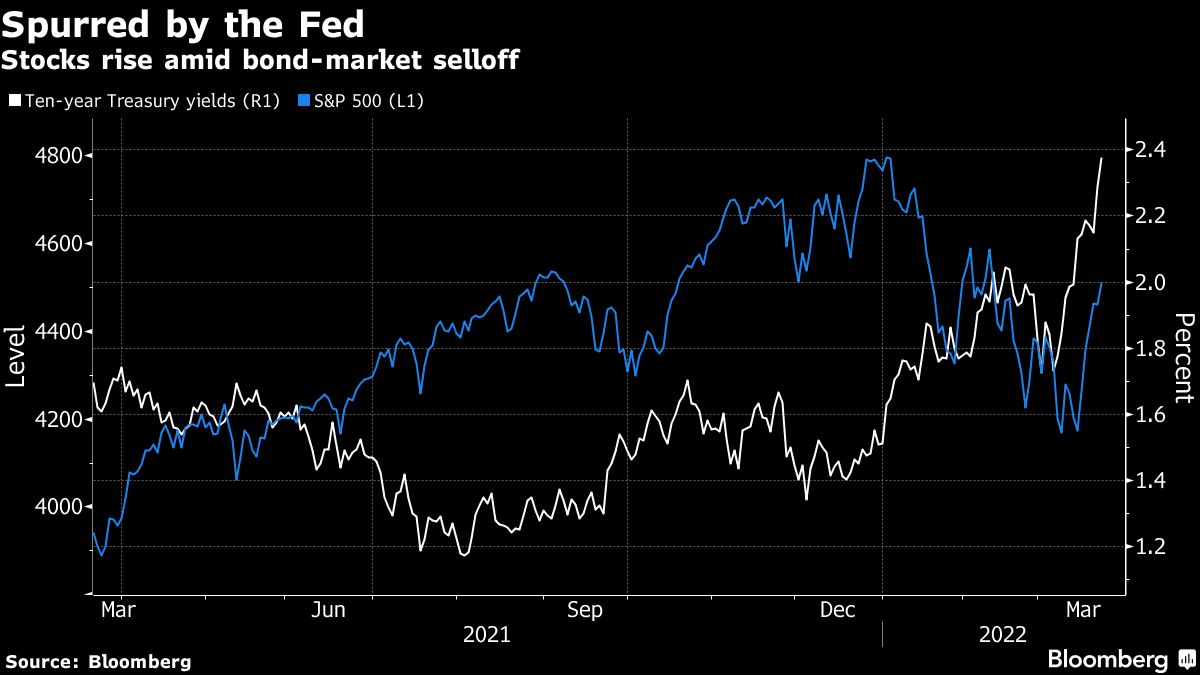
Call them brazen, call them naïve, but stock investors are giving no sign of being daunted by the hottest inflation in decades or the accompanying surge in bond yields. Their boldness has sent analysts in search of ways to explain how the S&P 500 Index has managed to rally in five of the last six sessions, even as the Federal Reserve promises higher rates while war rages in Europe and Treasury rates see the biggest two-day jump in two years.
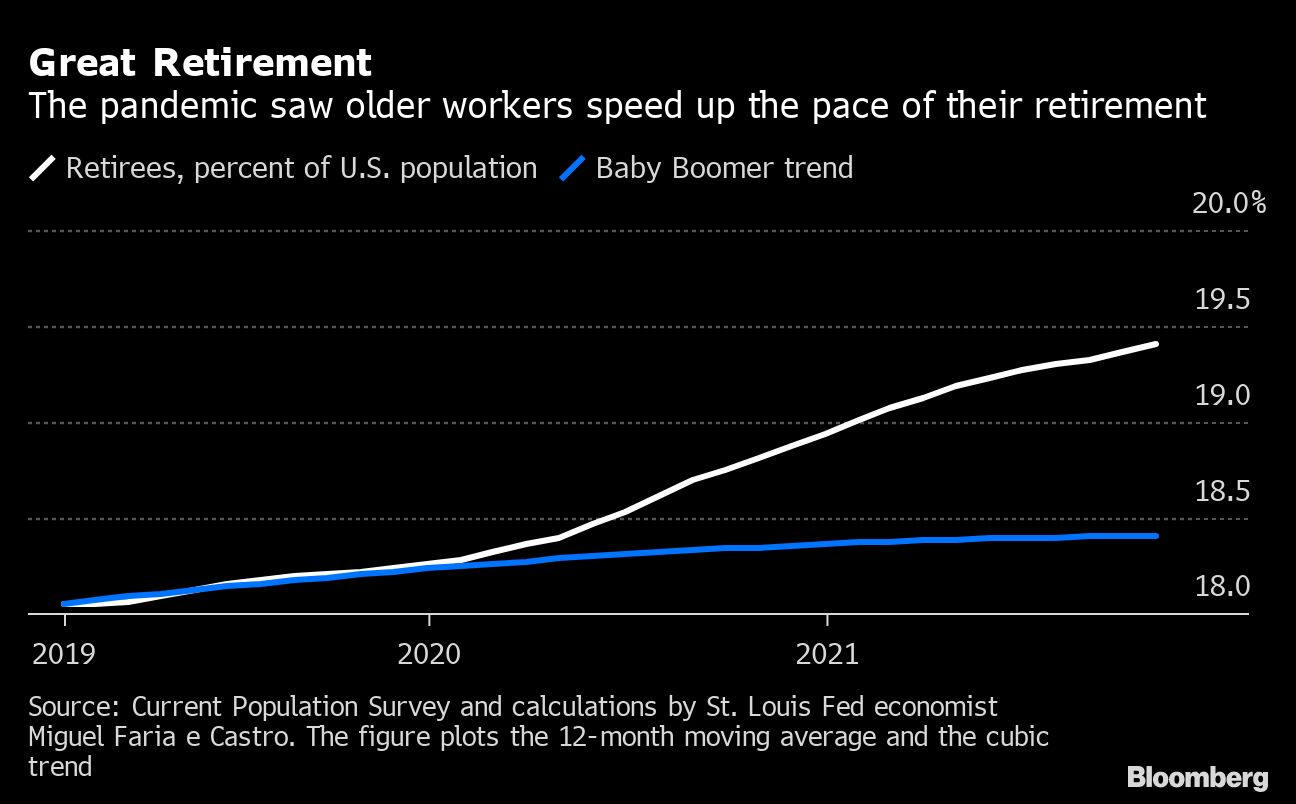
The pandemic pushed millions of older Americans out of the labor force. It should have spawned a surge in Social Security benefits applications — but it hasn’t. Perhaps because they aren’t retired.
Whether choosing restaurant dinners delivered to their door or at-home meal kits, many Americans have prioritized convenience over cost for the past two years. Food delivery was a big beneficiary. Now accelerating inflation, combined with easing fears about eating in restaurants as Covid cases drop, threaten to deflate the delivery boom. I