The Federal Reserve's resolve to fight inflation could be tested even before a recession hits by dislocations in certain corners of the market that are not well understood. This is about more than just a bear market in stocks or an implosion in cryptocurrencies. Rather, this is about the “plumbing” that keeps markets running smoothly and facilitates the flow of money in and out of the financial system.
Investors’ expectations that interest rates will not rise much may be very misguided.
The outlook for credit amid rising inflation, monetary tightening, and war in Europe.
Advisors can help the sandwich generation assess their risk for LTC and protect financial goals with the right approach to insurance.
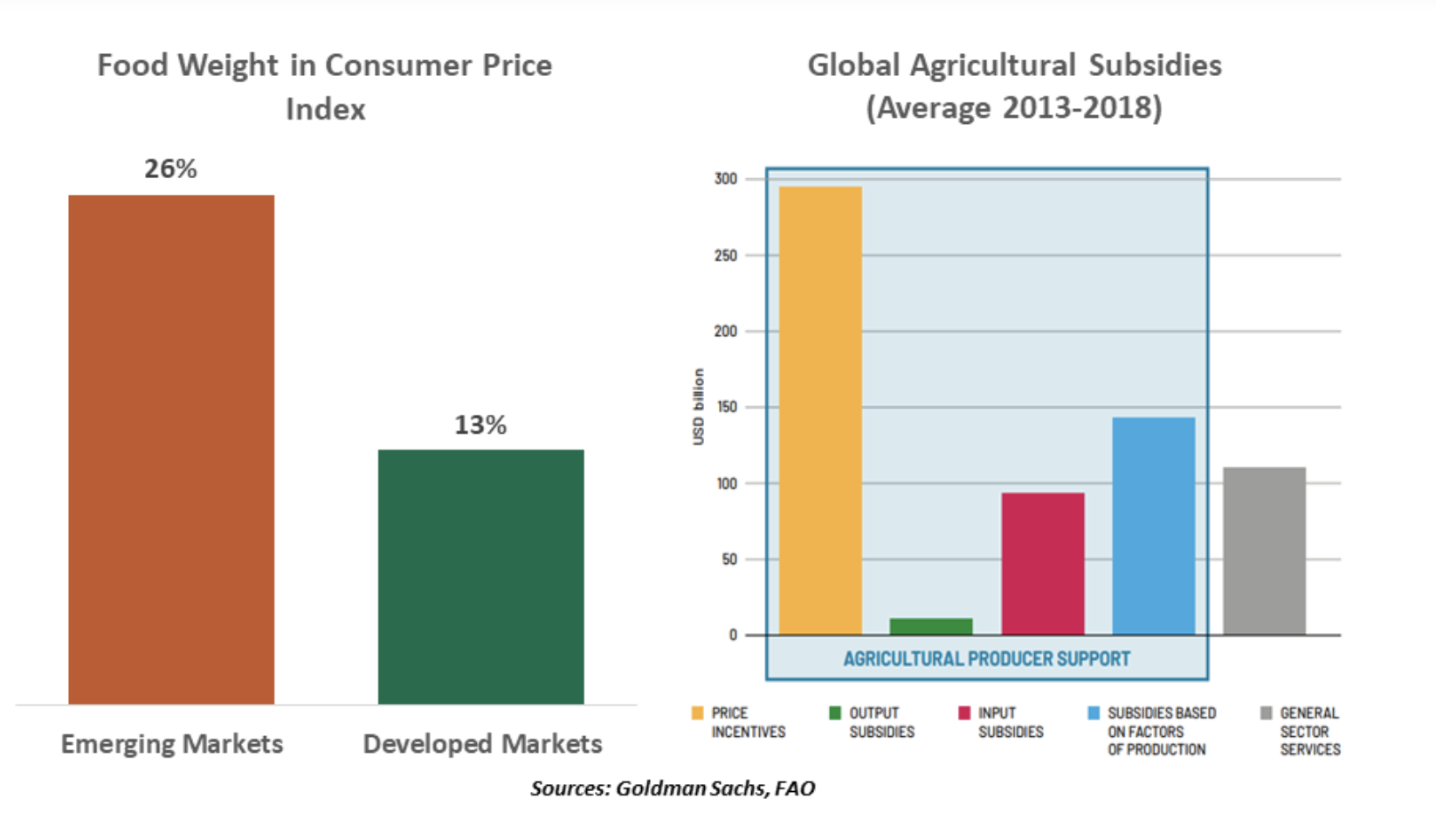
The price of foods, fuels and other essential items are spiraling ever upward as Russia’s war on Ukraine compounds supply-chain woes stemming from the pandemic. Central banks may be in the driving seat when it comes to tackling inflation, but it’s governments that face the fallout and so are compelled to act.
How much money would it take to make you feel wealthy? What is wealth? What is money? These are just some of the mind-bending questions raised by the results of a new Charles Schwab Corp. survey taken way back in Ye Olden Times of February.
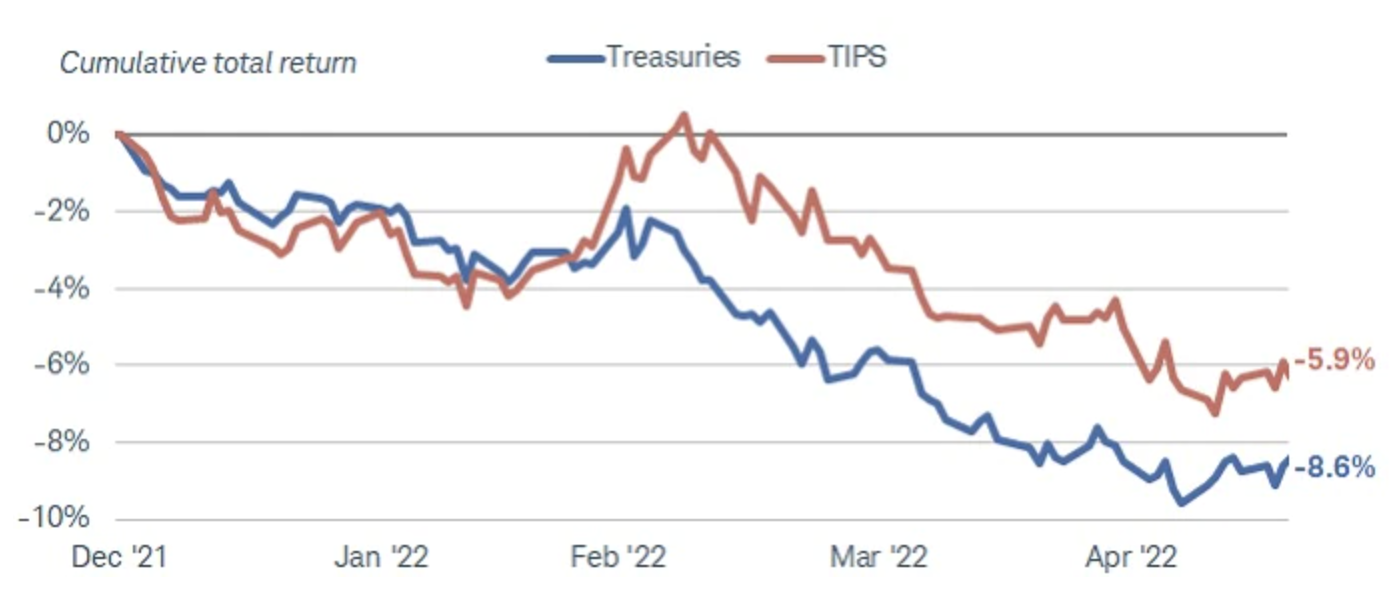
Treasury Inflation-Protected Securities, or TIPS, can help protect against inflation over the long run, but in the short term their performance may be dictated more by price declines in the secondary market.
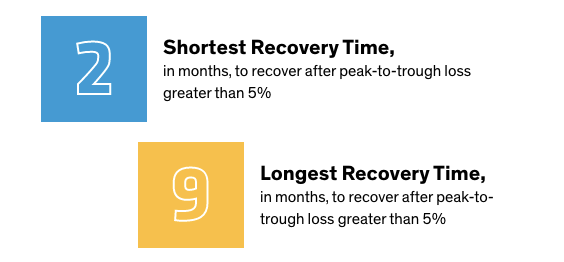
Do these statistics surprise you?
U.S. equities are trading lower in afternoon action with the markets unable to extend yesterday's solid gains.
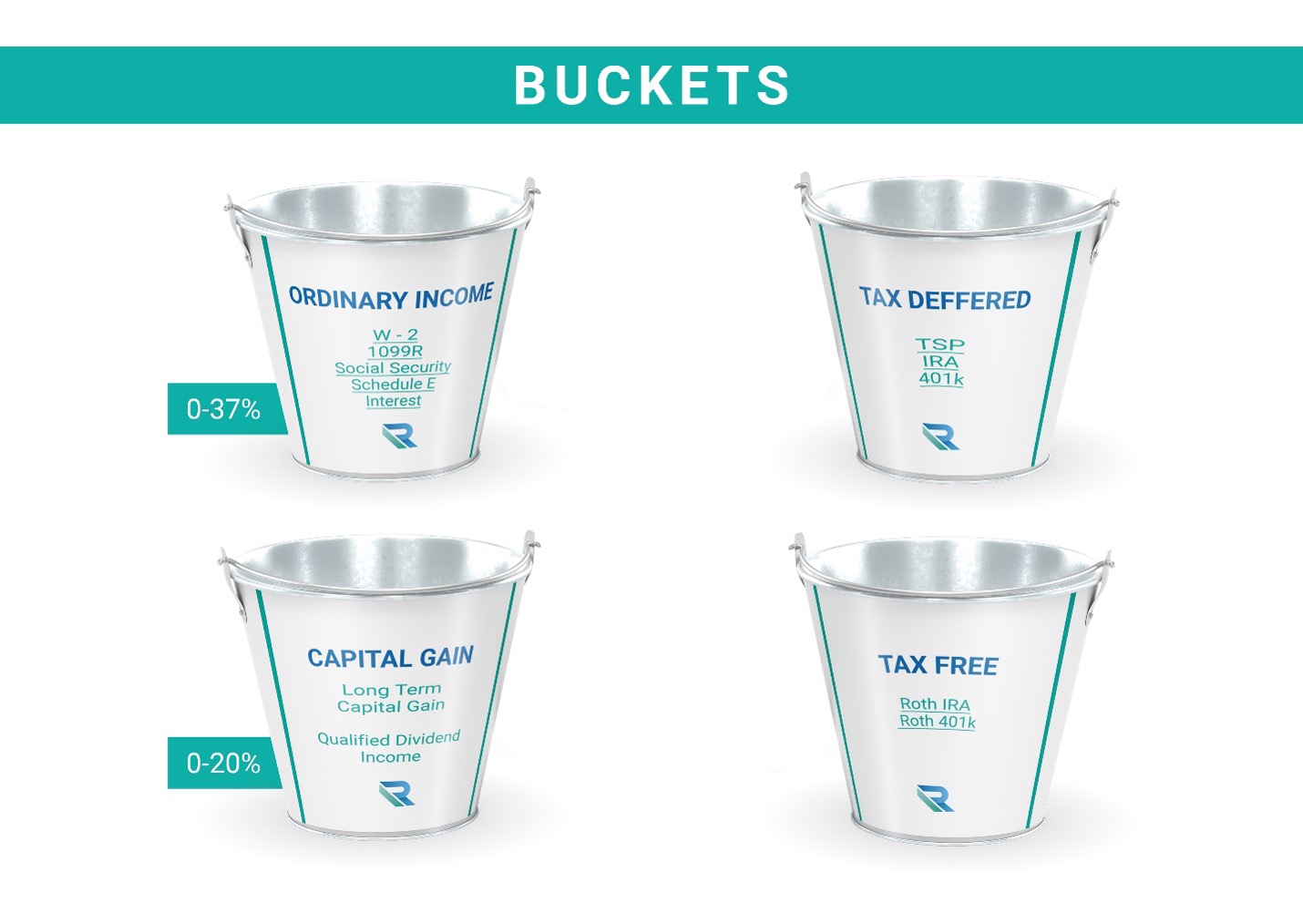
I want to draw your focus to the three most important, yet boring, tax strategies that every advisor should be discussing with every client.
With economies scrambling for alternatives to Russian fossil fuels, Dina Ting, our Head of Global Index Portfolio Management, offers perspective on single-country portfolio exposure to other world oil producers.
"The bear is coming! The bear is coming!" Indeed, it is. Should you be worried?
Stocks start the week higher following recent bearishness.
Investing during a recession can be a very difficult, and often dangerous, prospect.
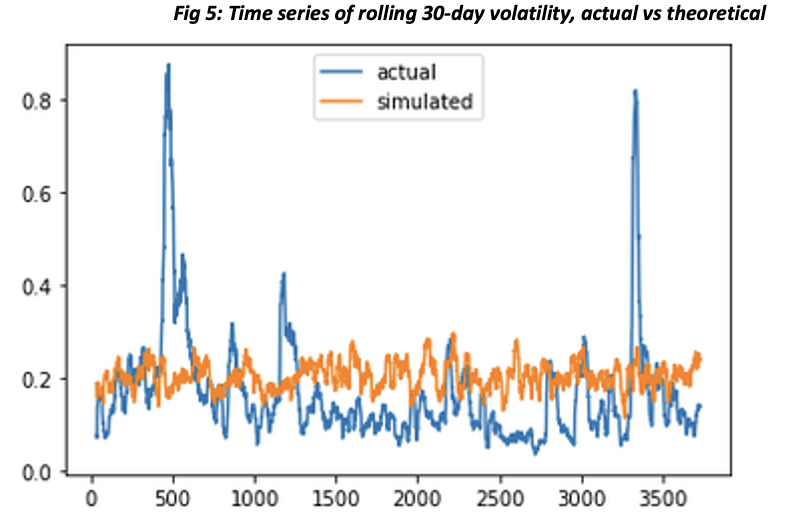
Volatility is the standard measure used by advisors to measure risk. It has been useful but has limitations. There are ways that volatility will not provide an accurate representation of the risk of an investment portfolio.
The U.S. was experiencing some of the highest inflation in its history.
A fatal shortcoming lies beneath the academic papers that have relied upon “back-testing” to promote the 4% rule. Use our Premium membership service to add your logo and send this to clients.
The Northern Trust Economics team shares its outlook for key markets in the month ahead.
New graduates face fierce financial headwinds of soaring rent, ballooning student debt and inflation. The oft-repeated message to the young to “save early and often” may feel near-impossible. Still, it's worth highlighting the benefit of doing so for those who can somehow squirrel some money away.
“What does a yellow light mean? Slow down!
John Paul Lech, Lead Manager of the Matthews Emerging Markets Equity Fund, explains the potential value that unique real estate equities can offer emerging market-growth portfolios.
U.S. equities plunged, finishing near the lows of the day, following disappointing quarterly results from Target Corporation and Lowe's Companies, with both retailers warning of rising cost pressures.
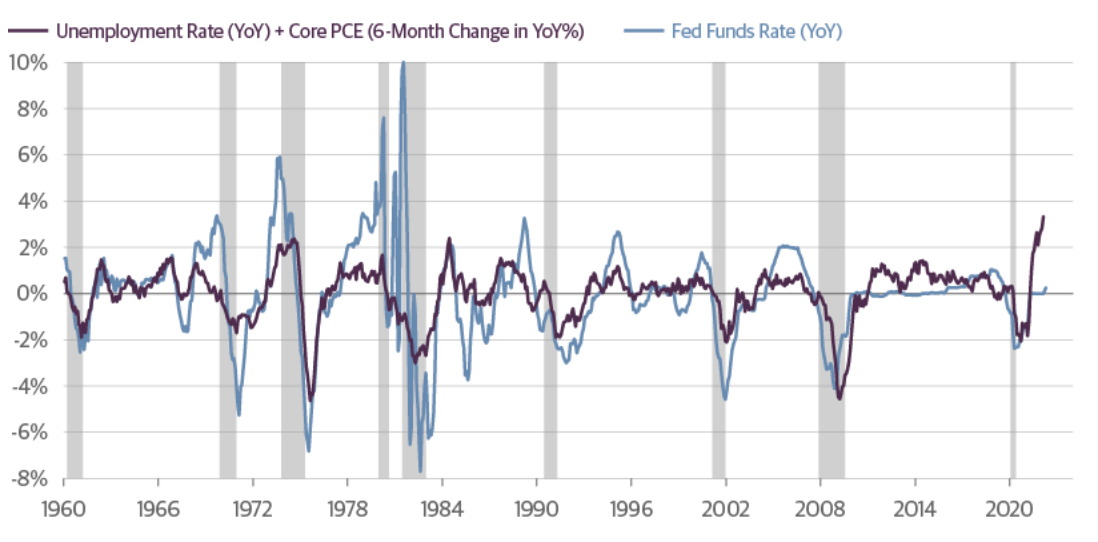
The risks of tightening into a downturn.
Rick, David and Govinda will identify the risk cycle, and explore how risk can be 'wrapped' with portfolio income insurance to provide a reliable stream of income. The certainty of lifetime income may give individual investors the assurance to not only spend confidently, but to allocate more to equities without the fear that a terrible market event will force them to spend much less than planned in retirement.
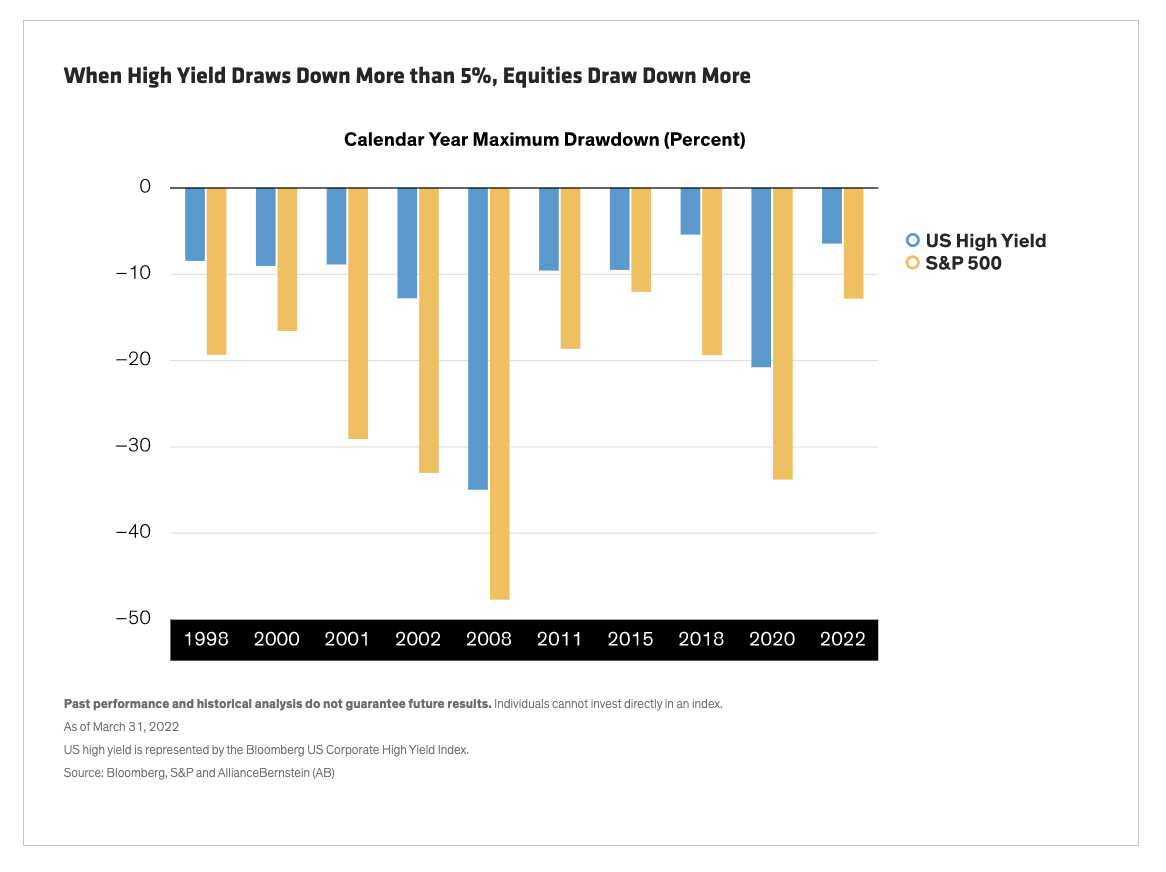
Looking for a tactical way to de-risk your portfolio? You might consider rotating a portion of your equity allocation into high-yield bonds.
Credit market volatility this year has been extreme.
Do we respect ourselves and our family members enough to treat them like they are our clients?
If we follow the threads underlying inflation over the past year to their earliest beginnings, they run straight through the fog of pandemic, quickly pass by the financial crisis in 2008, and wind their way past the Great Inflation of the 1970s...
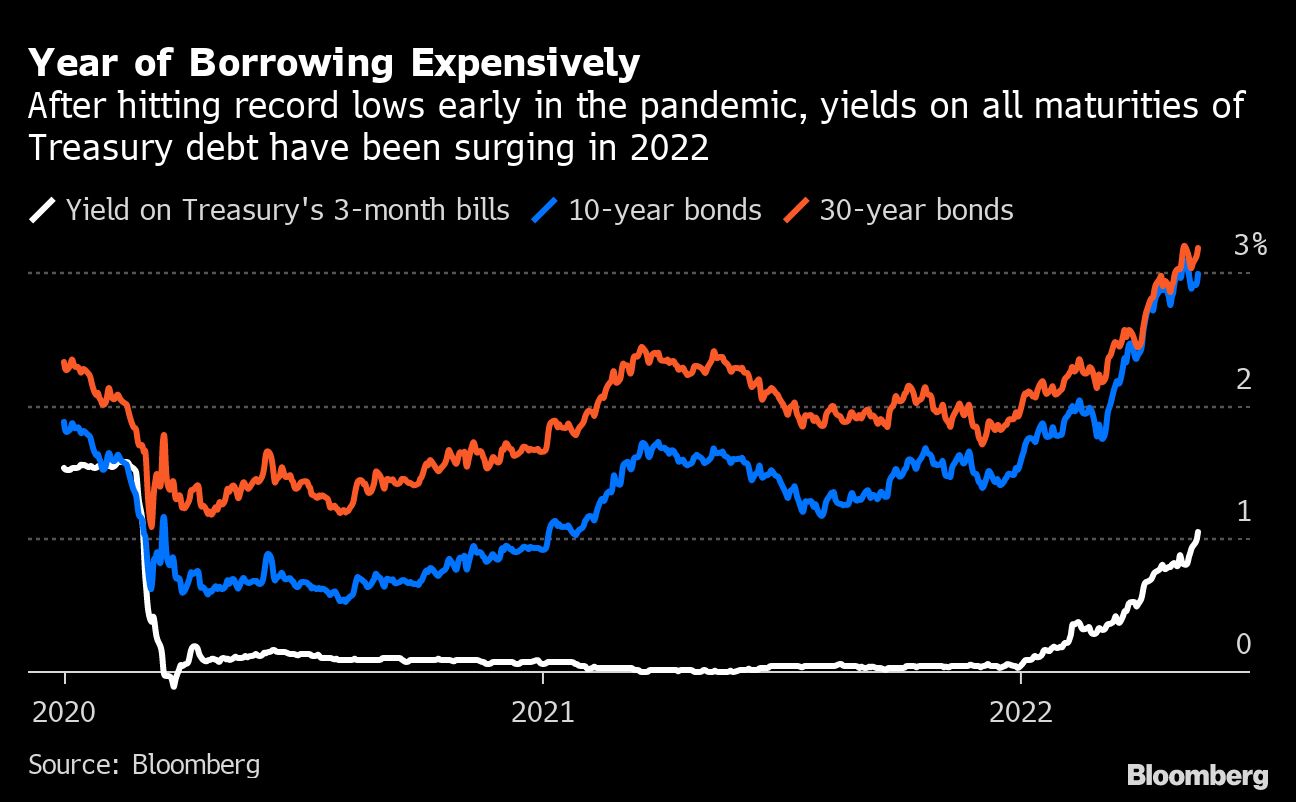
Like a supertanker, US debt-service costs only change course very slowly. But it’s happening now -- and from Washington’s point of view, the new direction is the wrong one: they’re heading up.
Whenever I surf television cable news channels, I see the plethora of ads for financial planning. But they are run by companies that sell financial products or are owned by huge insurance companies.
Wylie Tollette, Head of Client Investment Solutions with Franklin Templeton Investment Solutions, joins the head of the Franklin Templeton Institute, Stephen Dover, for a conversation on the recent equity market selloff.
Advisors face an uphill battle to get attendance to their events.
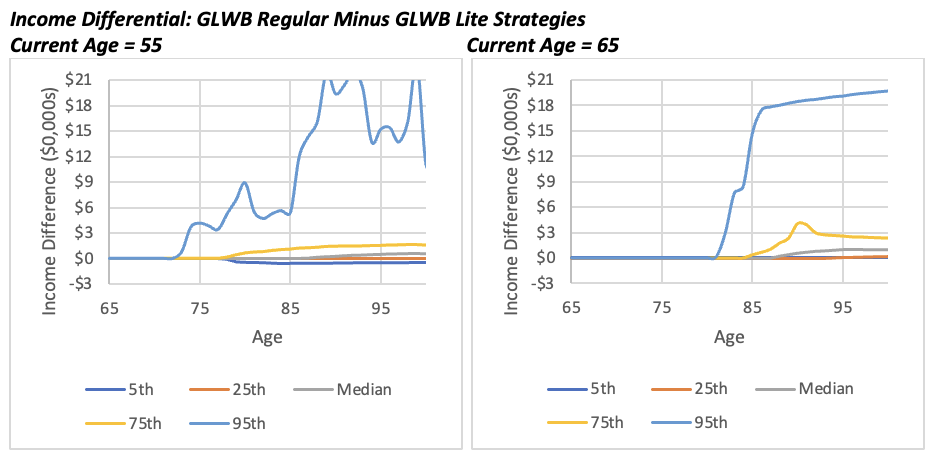
This article explores the benefits of annuities with lower explicit fees, a category I dubbed as “annuities Lite” in a previous article that focused on GLWBs.
Investor sentiment has become so bearish that it’s bullish.
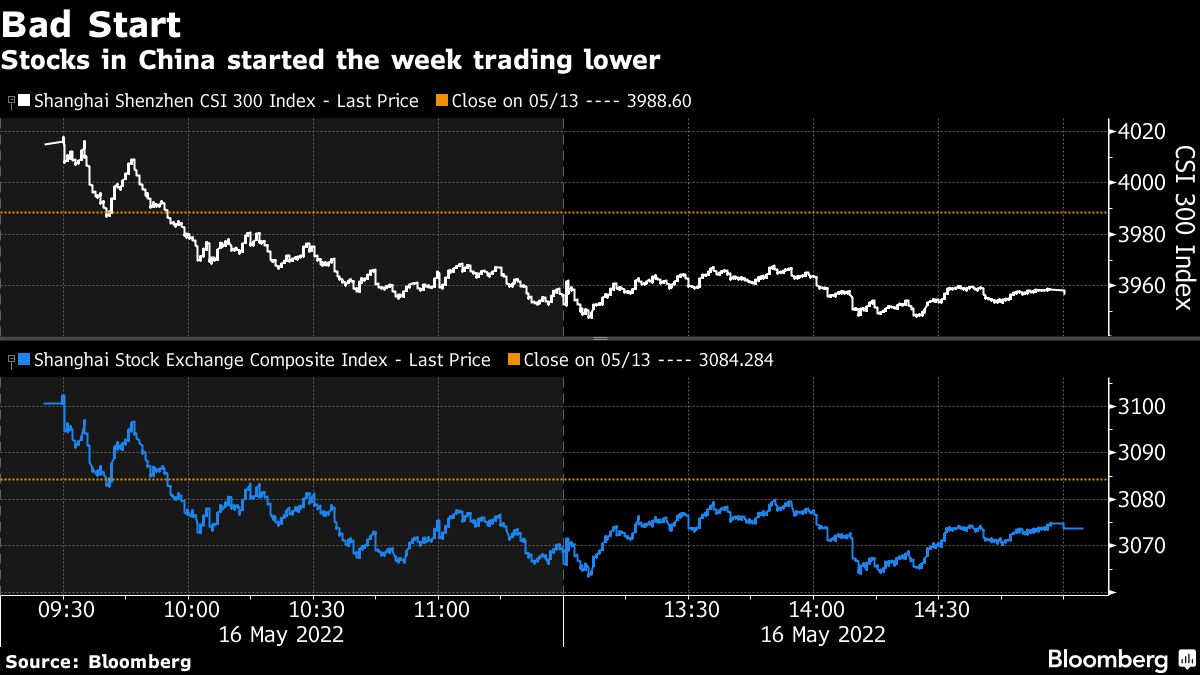
Equities reversed course and came off highs after Chinese economic data released Monday showed a sharp contraction as Covid lockdowns stung. Wheat jumped after India restricted exports, adding to broader commodity price pressure.
U.S. stocks are trading lower as another week begins on the heels of six-straight weekly losses for the S&P 500.
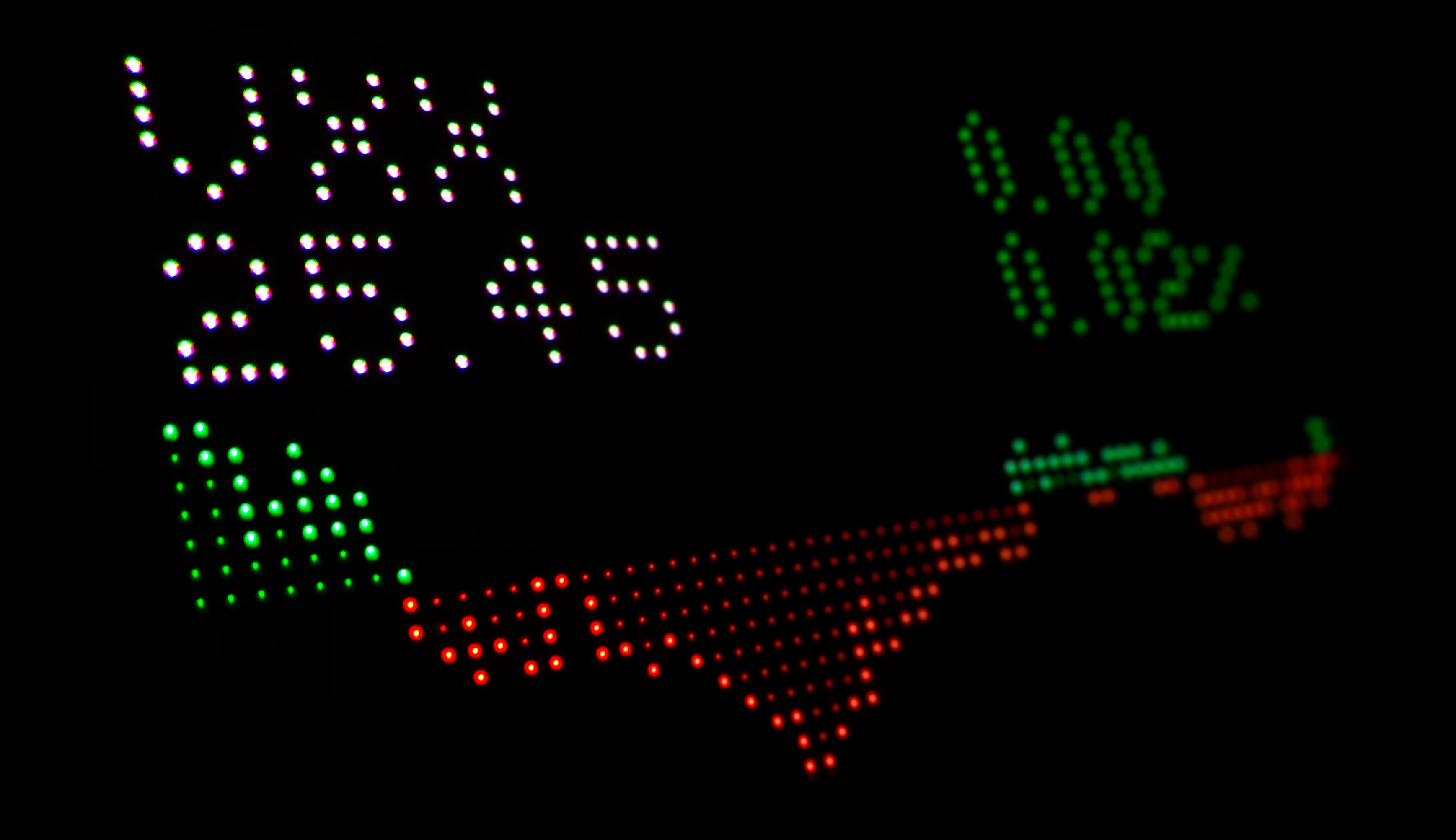
Three powerful forces have unleashed a volatility storm in stock markets this year.
When life gives you lemons: sell them!
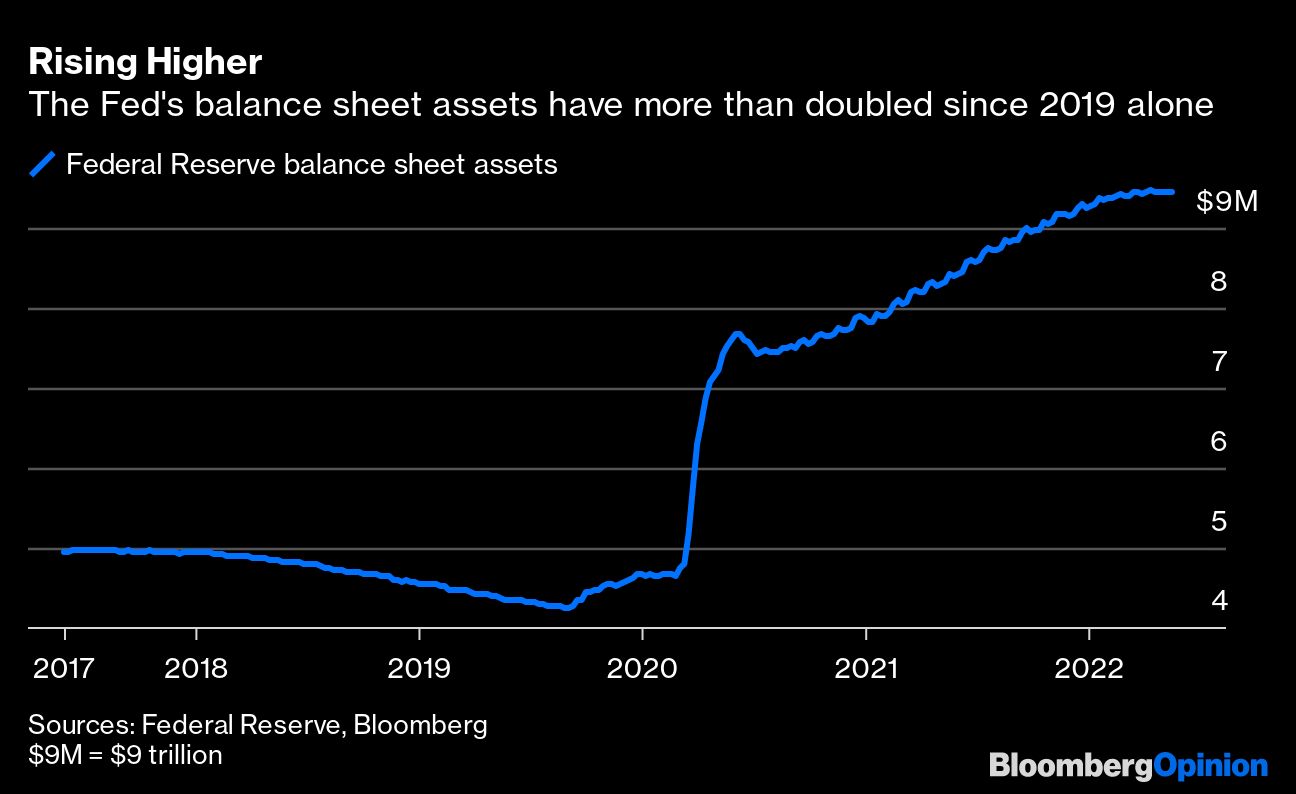
Historical data shows that stock markets have reacted poorly when the Fed has contracted its balance sheet and reduced liquidity – and the effect is more pronounced when Fed actions deviate from what the market expects.
How do you re-engage your un-engaged clients to see if you can offer them expanded advisory services?
The best retirement-savings vehicle is one that few have heard about: I bonds. They offer a risk-free yield of 9.62%, yet the amount of I bonds issued is only a small fraction of the total volume of bond issuance by the U.S. Treasury. My guest today will explain that paradox.
This is also the 300th episode of the Gaining Perspective podcast, and no guest would be more appropriate than Zvi Bodie. He has eloquently and persuasively made the case for the financial services industry to provide products that respond to the needs of everyday investors.
Some big-name investors forecast that Bitcoin will eventually hit $100,000, $1 million or more. It could very well do that, but for now, its price is closer to $0. That’s both a risk and an opportunity.
The Strategic Investment Conference wrapped up this week with another wave of strong, fascinating speakers and panels. Today I have more to share and, as you’ll see, the plot thickened considerably.
Rising yields, wider spreads, and heightened market volatility are providing an attractive environment, but caution in credit selection is warranted.
Selling an exchange-traded fund (ETF) should be just as easy as buying one, irrespective of the fund’s size or volume.
The Fed is at a crucial junction, according to Lacy Hunt. It has to contain inflation. If not, the stability of the U.S. economy over the longer term is seriously in doubt.
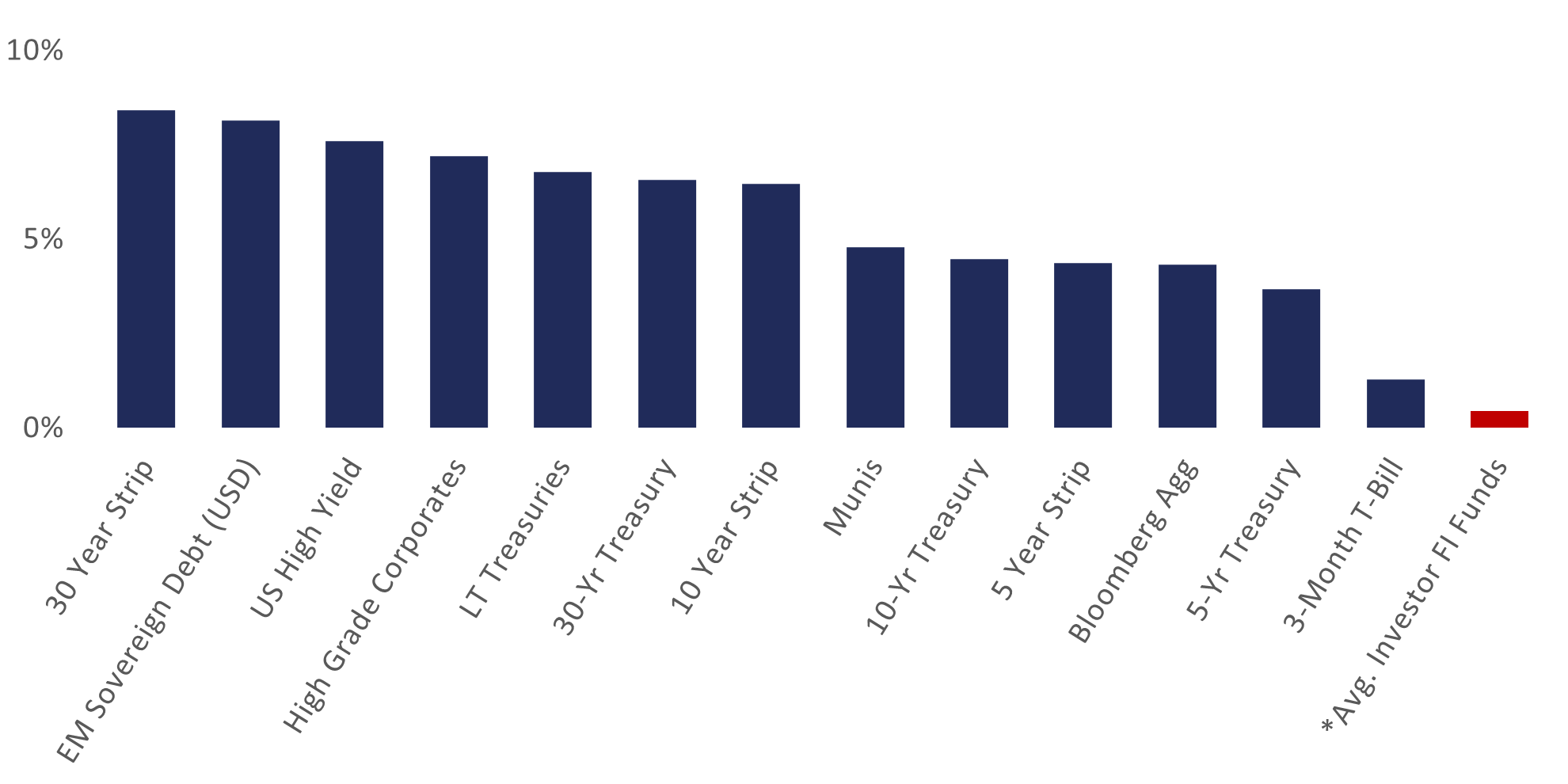
In our latest insight, we analyze the recent DALBAR study to determine how well (or not well) active fixed-income investors performed during the bull market and explain what we believe will be the best approach for fixed-income investing given the start of a pro-inflation paradigm shift.
Stocks that do not pay a dividend are often thought of as growth stocks.
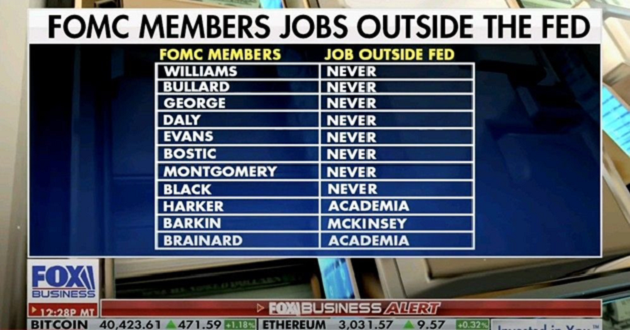
Jay Powell may think he is Paul Volcker, but he is not Paul Volcker.
Coming out of the depths of the pandemic, US equity and fixed income markets are facing new challenges this year amid a rising interest rate environment and deceleration in growth.