Third-quarter earnings announcements have almost come and gone, with yesterday being the last big burst of companies. Some key firms have yet to announce, like Nvidia and Walmart, but everything I’m seeing says it surpassed expectations.
The price of gold just had its best October in nearly half a century, defying tough resistance from surging Treasury yields and a strong U.S. dollar. The yellow metal rallied an incredible 7.3% last month to close at $1,983 an ounce, its strongest October since 1978, when it jumped 11.7%.
Starting in 2024, IBM will replace its 401(k) plan matching contributions with a new benefit earned within its overfunded DB plan, which has been frozen since 2008. This move essentially un-freezes the tech giant's DB plan.
Nvidia bulls are starting to throw around an adjective rarely used for a stock that’s more than tripled in less than a year: cheap.
Exploring federal budget data is a journey through endless rabbit holes, some of which are eerily close to Alice in Wonderland insanity. Countless variables interact in unexpected ways. Seemingly small changes can cascade into billions of dollars within a few years.
Earlier this month, I attended Bob Veres’ Insiders Forum conference in San Antonio. As it is every year, the highlight of the conference is Bob’s presentation of the Insiders Forum leadership award. This year’s recipient was Angie Herbers, my guest today. I cannot overstate the significance of this award. Virtually every other award in the advisor profession is part of a pay-for-play scheme, where the award is made with the expectation that the recipient will pay to attend some expensive dinner or to get the right to use the award publicly. But this award is purely merit-based and recognizes the contributions that individuals have made to advance the advisor profession.
Those contributions were evident in the presentation Angie made about her most recent research after receiving her award, and she is here today to share some of those findings.
Several ex-Cantor Fitzgerald executives started a crypto lending platform with the expectation that it will serve operators of spot Bitcoin exchange-traded funds once they gain US regulatory approval.
Billionaire Stan Druckenmiller isn’t letting up on his criticism of US Treasury Secretary Janet Yellen. Druckenmiller says Yellen committed an epic mistake by failing to meaningfully term out America’s debt when rates were ultra-low — a missed opportunity he’s characterized as “the biggest blunder in the history of the Treasury.”
Michael Lewis’ book on SBF is woefully incomplete, rather like a canvas that Rembrandt inexplicably left half blank, for the book elides three major questions.
In smart beta, we find that factor returns—net of changes in valuation levels—are much lower than recent performance suggests. In fact, many of the most popular new factors (some 458 at last count) have succeeded solely because they have become more expensive.
The yield on 10-year Treasuries went above 5% last week for the first time since July 2007, when the first Transformers movie was topping the box office and the Dow Jones Industrial Average surpassed 14,000 for the first time in history.
The longer the U.S. debt is left to grow, the harder it will be to correct.
Before we get carried away anew with declarations about how “the investing world is forever changing,” it’s worth remembering how fluid the relationship has proved over the past couple of years — and how another twist is always just around the corner.
Maybe this time isn’t all that different for industrial companies. In a normal economic cycle, consumer-facing manufacturers feel the effects of a slowdown first, followed by industrial operations that can convert bookings into sales relatively quickly.
Lately, Federal Reserve officials have been paying greater attention to financial conditions – that is, to the influence that market phenomena such as stock prices, bond yields and housing prices have on economic activity, above and beyond the effect of the short-term interest rates that the central bank controls directly.
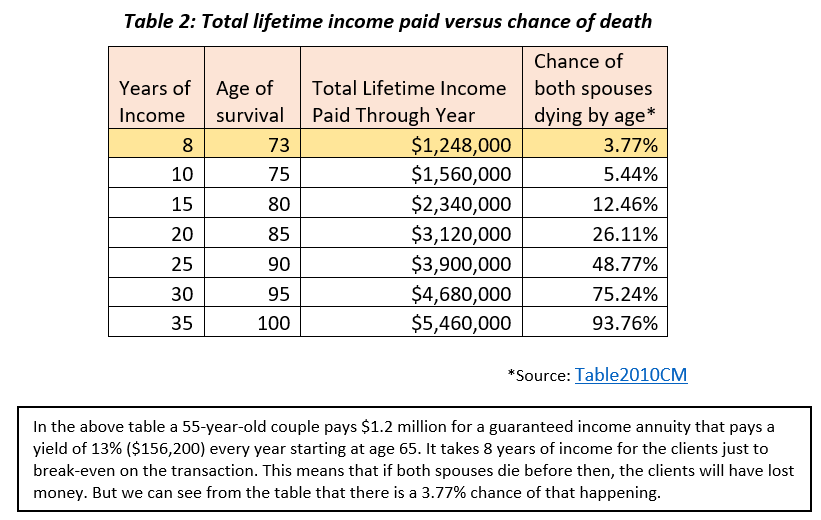
With interest rates at near 20-year highs, guaranteed lifetime income locks in those rates for the rest of one’s life, creating better retirement outcomes.
Greater stability in US Treasuries is needed for the smooth functioning of other segments of the financial market, housing and the economy more broadly, both in America and beyond.
Drugmakers don’t have to dominate a healthcare portfolio. Equity investors should cast a wide net across the sector to find innovation and growth.
We have been looking at big historical/economic/political cycles for the past two months.
The Federal Reserve faces potential policy pitfalls ahead as it wrestles with how to respond to investor angst about the US government’s $33.5 trillion mountain of debt.
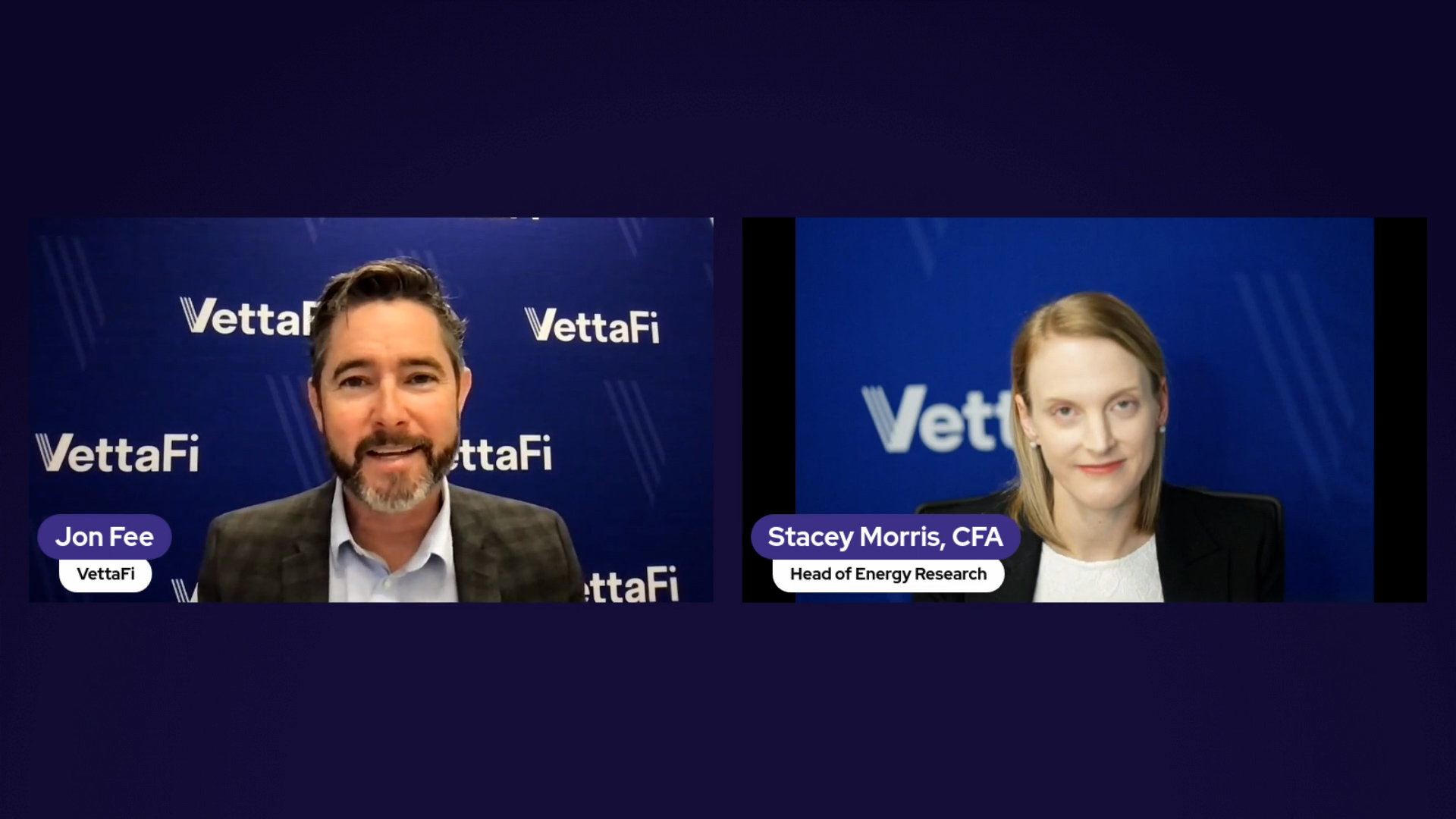
What Makes That Ticker Tick? AMZI: Alerian MLP Infrastructure Index Featuring Stacey Morris and Jon Fee
Investors are growing more confident that a year-long slump in profits for Corporate America is about to end. Yet a fragile economic outlook, wary consumers and the highest interest rates in 16 years mean any relief for stocks could be short-lived.
Hydrogen projects involving Amazon.com Inc., Exxon Mobil Corp. and Air Products and Chemicals Inc. are among those receiving portions of $7 billion in US funding meant to make the country a leader in the controversial fuel.
Economics is still a male-dominated profession. Among full professors, only 1 out of every 8 is a woman. Among assistant professors, women are a little less than 1 in 3, similar to their share of undergraduate economics majors.
Global central bank hiking cycles have dominated financial market headlines for the last 18 months, keeping many investors on the sidelines, hiding out in cash as inflation and the resulting rate hikes were serious headwinds to returns.
India will need to think beyond physical assets to continue its growth.
Don’t dismiss a “hack” as a clever way to do something more efficiently. Here are four hacks that I know will deliver client referrals.
I always talk about how powerful social media is. Let me tell a story that proves it.
A pair of Wall Street’s most prominent US equity strategists are at odds about whether stocks can extend this year’s rally against the reality that interest rates will remain higher for longer.
Public credit markets offer high quality investments with attractive yields and downside resilience, while we see growing longer-term opportunities in private markets.
The Chinese yuan has lost nearly 6% of its value against the U.S. dollar this year, while Shanghai-listed stocks are off about 8% from their 2023 high, set back in May.
The Oakland Hills Public Use Microdata Area, or PUMA (a Census Bureau designation that I’ll explain in a moment), in Oakland, California, contains some of the most appealing urban neighborhoods in the US.
Share debuts among technology companies haven’t inspired confidence this year, with two of the largest offerings sliding below their listing prices within the first week. The next big deal may reignite interest in IPOs because of a unique set of traits.
Quarterly commentary giving an overview of the markets and the importance of having and implementing a strategy when investing in the markets.
The fate of stock options with a face value of trillions of dollars is being influenced by unusual trading activity in the S&P 500 outside regular market hours, new research has found.
Many advisors are finding their clients show little interest these days in how the markets are doing.
The Big Myth is the remarkable, and largely untold, story of how America fell in love with market fundamentalism.
The hit TV series “That 70s Show” aired from 1998 to 2006 and focused on six teenage friends living in Wisconsin in the late 70s.
A group of high-frequency traders, market makers and service providers calling themselves the Shortwave Modernization Coalition has asked the Federal Communications Commission for access to the shortwave band of the radio spectrum, seeking to shave crucial milliseconds off the transmission of data between major financial sectors.
The Franklin Templeton Fixed Income team believe that issuers that think critically about the environment in which they operate could outperform throughout the full market cycle compared with those who are slower to adapt.
Celebrating an exciting milestone: Franklin Income Fund turns 75. Learn more about this flagship strategy and read some fun facts from back in 1948.
Credit Research Analysts Greg Schantz and Julian Wellesley dive into why they favor European banks vs US banks and why they see a potential opportunity in Yankee bank bonds.
Today, I am going to do something that I've never done. I am going to start a two-part series describing what is in my personal portfolio and why. Let me start by offering two caveats: This letter is in the “do as I say and not as I do” category.
Last week the World Gold Council reported that central banks continued to add to their global gold reserves during the month of July. The World Gold Council also highlighted that China, Poland and Turkey were among the countries that were the largest buyers of gold during the month.
From the dense Amazon jungle to wide stretches of Malaysian palm oil plantations, agricultural practices have been stripping the world of vital forests for decades.
When I first read about the discovery of a vast new deposit of lithium in a volcanic crater along the Nevada-Oregon border, I can’t say that I was surprised.
Everyone — from moms and pops to corporate treasurers and the mega asset managers — is piling in, won over by a unique opportunity: To lock in a 5% yield, and protect themselves from uncertainty over the US economy.
The U.S. dollar has dropped to its lowest level against other currencies in 15 months. In this environment, a wide range of assets stand to profit, not least of which is the AI-infused U.S. technology sector. However, no space stands more ready to benefit from this environment than emerging markets..
High-yield bonds, often referred to as “junk” or “speculative grade,” are corporate bonds that command a higher interest rate than other bonds. This higher yield is essentially compensation for the increased risk of default that investors assume when purchasing these securities.
Apple Inc. is by far the world’s largest company, but the trend toward artificial intelligence is poised to upend the power rankings on Wall Street, according to Needham.