In his latest memo, Howard Marks discusses the essential choice in both investing and sports. Should you go for more winners or try to eliminate losers? That is, should you emphasize aggressiveness or defensiveness? This is a key decision that every investor has to make thoughtfully, and the answer can be different for each person.
PIMCO’s Global Advisory Board discusses economic and geopolitical factors shaping the long-term global outlook.
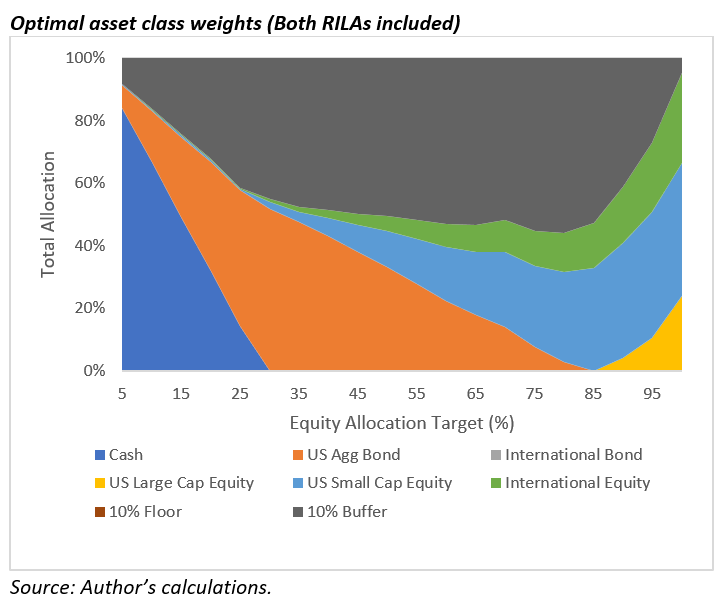
The benefits of RILAs vary significantly by design, and buffer RILAs have historically been a more attractive addition to a portfolio than floor RILAs.
Dina Ting, Franklin Templeton ETFs’ Head of Global Index Portfolio Management, explores the positive trends that are making a case for holding UK equities.
The August jobs report confirms the labor market's continued slowdown, which is for now consistent with the Fed's soft-landing desires—but not without warning signs.
Credit balances are not the only consumer indicator running high.
The hope for the US resale housing market a year ago was that inflation would peak, interest rates would fall, and lower mortgage rates would help unfreeze the buying and selling of existing homes. That hasn't happened.
For organizations thinking about cutting back their technology investment because of recent volatility, here are a few considerations to give you pause.
Declining commercial real estate valuations will not likely lead to a wave of defaults among muni issuers, according to Franklin Templeton Fixed Income’s municipal bond team.
Markets seem to be coming around to our Franklin Templeton Fixed Income CIO Sonal Desai’s view that the Fed will have to keep interest rates higher for longer, but now runaway fiscal deficits pose further upside risk to yields in the long term, she warns.
An abstract interest-rate metric is dominating discussions across trading desks ahead of the Jackson Hole symposium, with investors wondering if Federal Reserve Chair Jerome Powell will weigh in, and bracing for further declines in US Treasuries if he does.
Russia’s 2022 invasion of Ukraine and the ensuing war have prompted new and difficult questions for sovereign debt investors.
Precious metals markets are extending their losing streak as the U.S. dollar pushes higher.
With the path of least resistance for stocks seemingly lower for now, key to watch will be a stabilization in interest rate volatility and clarity on the path of monetary policy.
The role of the human psychological cycle in driving stock and bond prices is well understood and pre-dates behavioural economics. There are elements that suggest we may be going through another period of ‘irrational exuberance’ as several long-term investors seem stuck in the mindset that ‘There Is No Alternative’ (TINA) to US equities.
We have heard lots of commentary on the student loan repayment issues facing almost 44.5 million Americans. Some of these commentaries are correct but there are others that miss the mark.
Tax receipts are falling, which has historically preceded economic recessions.
Consumer spending remains the lifeblood of the economy accounting for nearly two-thirds of economic activity.
Will the economy roll into a formal recession, or is a recovery underway? It's a close call.
A team of scientists claimed to have created a breakthrough material that could superconduct electricity at room temperatures and ambient pressure. But then people started trying to replicate the experiment.
Effective tax planning means thinking about how tax rates might change.
I thought I’d lead with some really impressive statistics. I just finished reading our latest ADV Part 2 (the SEC disclosure document provided annually to clients) describing the firm.
The nation's complex and contentious fiscal processes are deemed a credit risk.
Investors planning for retirement are facing seven significant challenges.
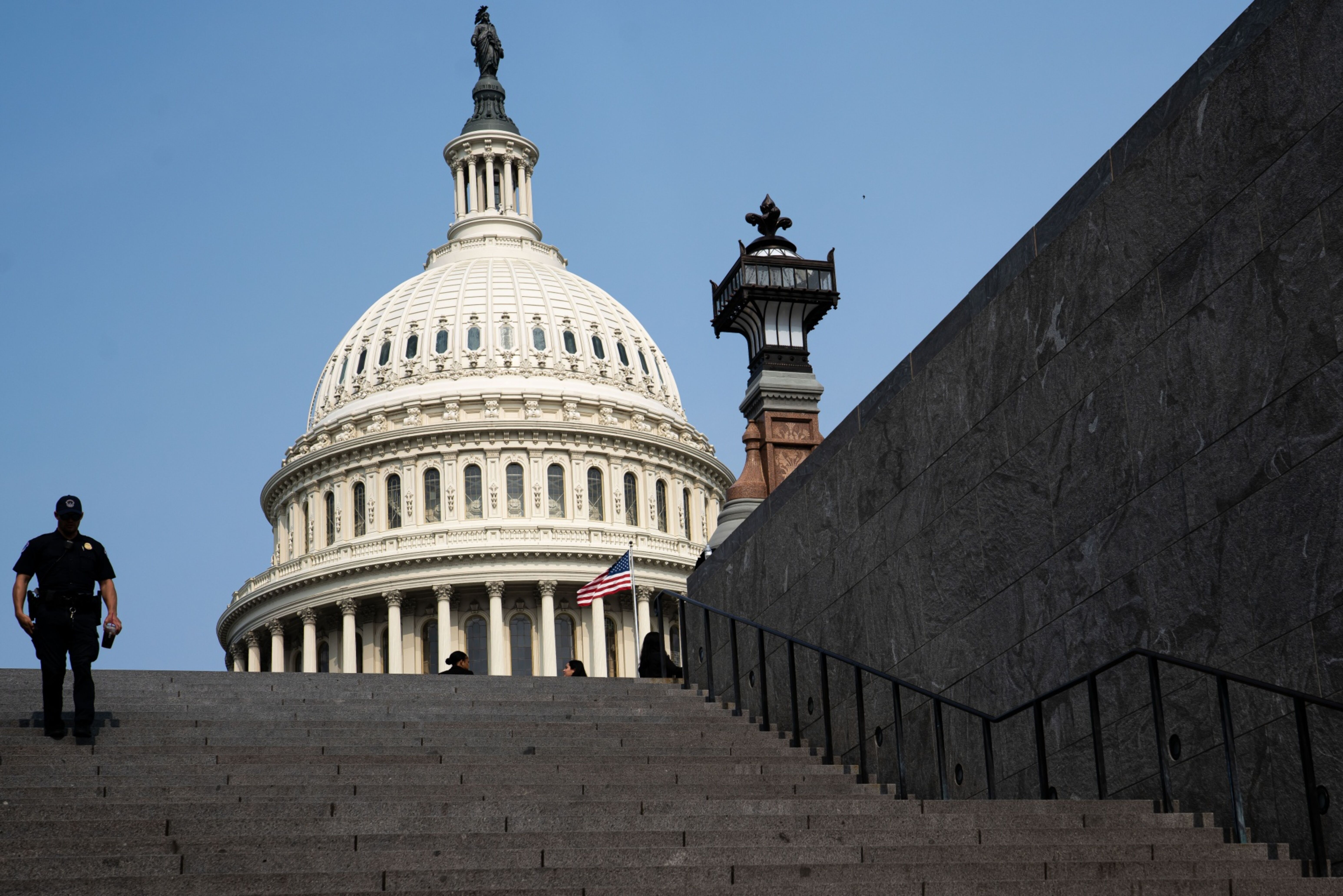
A fresh fiscal showdown is brewing in Washington that threatens to complicate the Federal Reserve’s policymaking and strengthen Fitch Ratings’ warning that self-inflicted wounds are tarnishing America’s standing in the global economy.
Australia and Canada are experiencing a surge in population growth, while growth rates have slowed substantially in the UK due to post-Brexit frictions.
The US Treasury boosted the size of its quarterly bond sales for the first time in 2 1/2 years to help finance a surge in budget deficits so alarming it prompted Fitch Ratings to cut the government’s AAA credit rating a day earlier.
The past year has been punctuated by attention-grabbing headlines: The ongoing war in Ukraine, the U.K. pensions crisis, the collapse of Silicon Valley Bank, debt ceiling negotiations, the rise of ChatGPT … and the list goes on.
Energy/oil may have possibly broken out of a range in the low $70s (Brent Crude), which suggests we may have seen a bottom in energy sentiments/stock prices.
Talk of Goldilocks has taken hold in the markets, and with it the risk-taking allure of not-too-hot and not-too-cold investing conditions.
Starting valuations are the most reliable predictor of equity returns. But they are far from reliable, and investors must use those forecasts cautiously.
Federal Reserve Chair Jerome Powell on Wednesday appeared to give traders the positive signal they’ve been waiting for — that the central bank may finally be wrapping up its steepest interest-rate hikes since the early 1980s.
Monetary and fiscal indicators continued to tighten significantly in the second quarter pointing towards a material slowdown in the U.S. economy.
High-quality fixed-income assets may offer the best return potential in more than a decade along with diversification benefits as a likely recession approaches.
In his latest paper, James Montier lays out a framework for spotting what he terms “slow burn Minsky moments,” or the economic vulnerabilities associated with the build-up of private sector debt.
In his latest memo, Howard Marks discusses five market calls he’s made during his career. He argues that investors seeking to know the market’s likely direction should focus on taking its psychological temperature and understanding the nature of cycles. Just as importantly, they should learn to control their own emotions and have the humility to know when not to make a call.
I discuss recent regime changes and reveal findings from the SPIVA scorecard and Morningstar’s U.S. Active/Passive Barometer.
Tucked away in hours of congressional testimony by Federal Reserve Chair Jerome Powell last month was an admission that the central bank was blindsided by the impact of shrinking its balance sheet four years ago.
Markets are inherently forward-looking, but they’re not clairvoyant. Securities prices tend to reflect some well-founded assumptions about the immediate future and then a whole bunch of wild guesswork about the medium to long term.
Is the recent rally a “bull trap,” or are we in a new “bull market?” Such was a question I recently received on Twitter. Of course, understanding the term “bull trap” is needed for those not deep into technical analysis.
India is rapidly transforming into a formidable global superpower and an increasingly attractive destination for investor capital. Amid rising geopolitical tensions and the impact of disruptive technologies, India's story is a beacon of opportunity in a challenging landscape.
The European Central Bank (ECB) hikes rates and signals more tightening ahead.
What are the five non-financial areas advisors can help clients focus on to de-risk their business and better secure funding from lenders?
The US Federal Reserve (“Fed”) paused rate hikes in June, but signaled it expects to deliver 50 basis points of additional hikes this year.
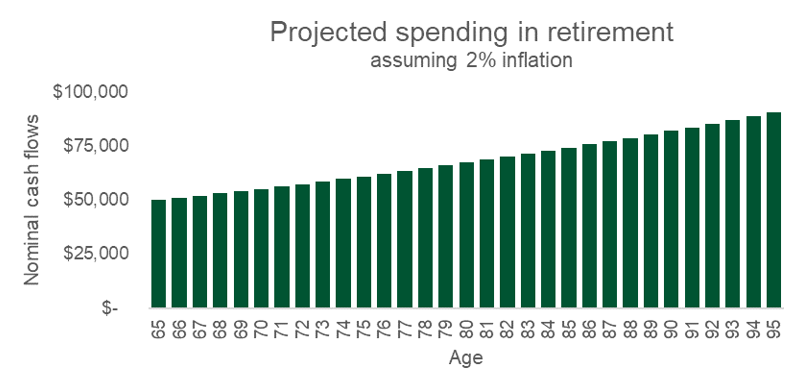
Evidence on actual spending behavior suggests that real spending falls with age. If that’s true, people need to save less for retirement than we think.
In this article, we will delve deeper into some of the top-performing Japan ETFs, analyzing their YTD performance. We will also discuss whether advisors and investors should consider investing in them.
Many economists have been forecasting a recession for 2023 due to tightening monetary policy. But that recession has not arrived yet.
The exit from a decade of very low interest rates, via the most aggressive hiking cycle since 1980 has laid bare the distorted financing incentives that became entrenched in the years between the Global Financial Crisis in 2008 and the end of pandemic-era monetary policies in 2022.
Japanese stocks may help boost the performance of international markets although the unique nature of Japan's economic and business structure could pose some risks.
Sticky inflation looks to compel developed markets (DM) central banks to crank policy rates higher – and keep policy tight for longer. The Federal Reserve paused last week but pointed to more hikes on the way.